Broiler vs Layer: Two Poultry Businesses
Broiler is a 5-6 week bet on feed conversion; layer is a year-long bet on egg output. How to pick the right one for your cash flow.
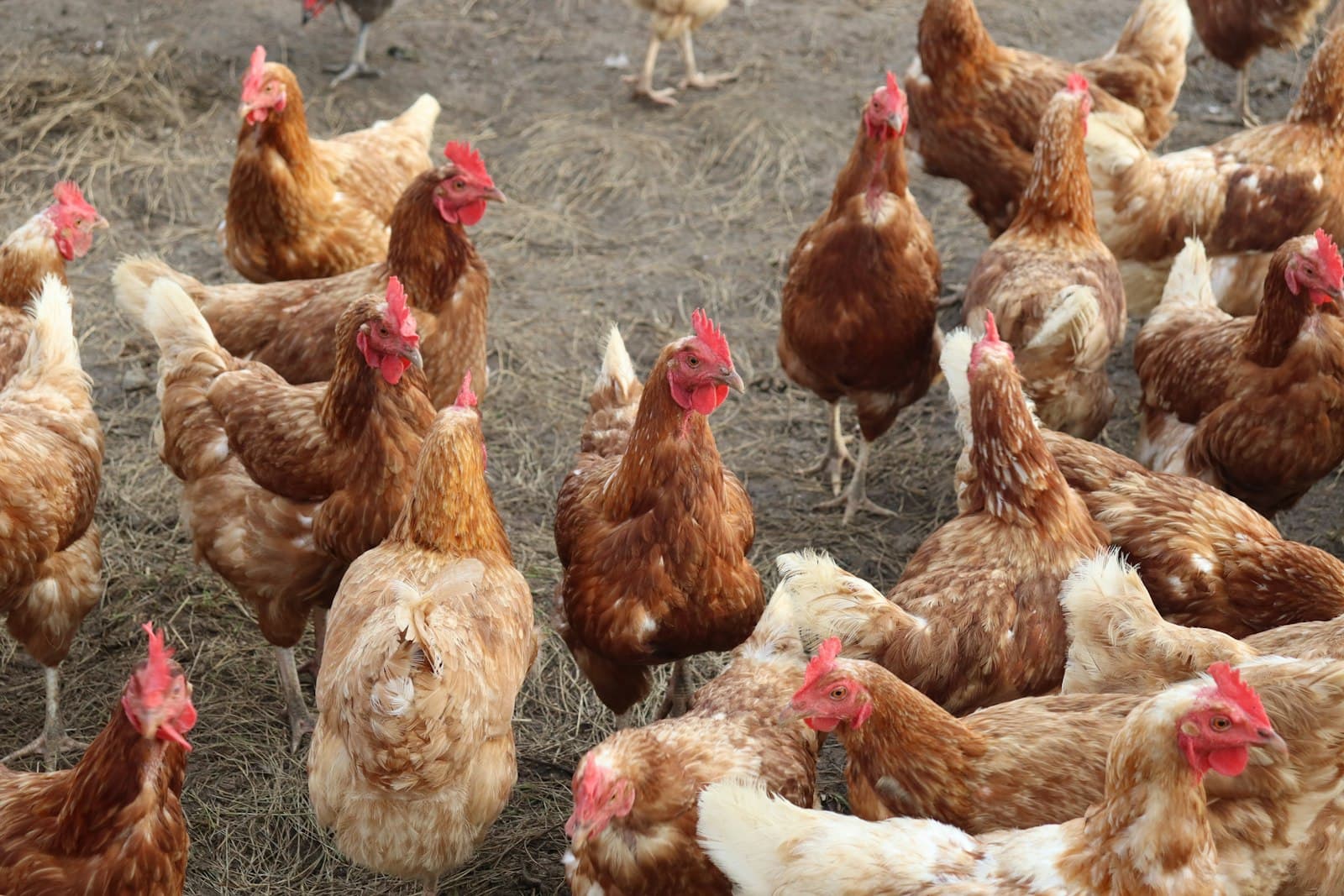
Broiler and layer are two different businesses that happen to use the same bird family. Confusing them — building a broiler shed with a layer's cash-flow assumptions, or the reverse — is the single most common mistake a new poultry farmer makes. See the poultry topic page and the business opportunities section on the livestock hub for the numbers behind this comparison.
Broiler: fast capital turnover, thin margins
A broiler batch reaches market weight (~2 kg) in 35–42 days, with a feed conversion ratio (FCR) of about 1.6–1.8 kg of feed per kg of gain. That short cycle is the appeal — capital comes back in five to six weeks, not months — but the margin per bird is thin, and feed (the largest single cost) is exposed to price swings within the batch itself. A typical 500–1,000 bird shed nets roughly ₹15,000–40,000 per batch, before fixed costs.
Broiler rewards operational discipline more than almost any other livestock enterprise: strict biosecurity, exact feed timing, and daily monitoring for the first sign of disease, since a sick batch this close to market weight has little time to recover before the sale window closes.
Layer: a long runway, then steady daily revenue
A layer flock starts producing at 18–20 weeks and yields roughly 280–300 eggs per bird per year once established — daily revenue for a year or more, rather than one lump sum every five weeks. The trade-off is the wait: five months of feed cost before the first egg is sold, and a longer-term commitment to biosecurity and disease management across the flock's whole productive life.
Kadaknath: neither, and priced accordingly
Kadaknath is not a faster or slower version of the same trade — it is a different market. It reaches only about 1–1.2 kg in five to six months, far slower than a broiler hybrid, but commands 3–4 times the broiler price on both meat and eggs, because buyers are paying for a recognised, premium indigenous breed rather than throughput. It is hardy and well suited to free-range keeping, which suits a smaller, quality-focused operation better than a high-density commercial shed.
Choosing between them
Match the enterprise to your cash-flow horizon, not to whichever number looks bigger:
- Need cash back within weeks, and can commit to intensive daily monitoring? Broiler.
- Can carry feed cost for several months before the first sale, and want a steadier income after that? Layer.
- Have a market that pays a premium for indigenous-breed meat or eggs, and can wait longest for a return? Kadaknath or another indigenous breed.
Whichever you choose, biosecurity is not optional — poultry diseases like Newcastle Disease and Avian Influenza can wipe out a flock in days, and the vaccination calendar from day one (Marek's at hatch, Newcastle and IBD through the first month) is the cheapest insurance either business has.
Frequently asked questions
Which is more profitable, broiler or layer?
Neither is universally more profitable — broiler turns capital over fastest (a 5–6 week cycle) but on thin margins that are sensitive to feed price swings; layer needs a much longer runway to first income (~5 months) but then produces daily revenue for a year or more. Broiler suits someone who needs cash back quickly; layer suits someone who can carry the birds for months before the first sale.
Which poultry breed grows the fastest?
Commercial broiler hybrids — crosses bred specifically for rapid growth, not a single named breed — reach market weight (about 2 kg) in 35–42 days. Kadaknath, by contrast, takes 5–6 months to reach roughly 1–1.2 kg; it is kept for meat quality and a premium price, not speed.
What is FCR and why does it matter for broilers?
Feed Conversion Ratio is the kilograms of feed needed to produce one kilogram of live-weight gain — typically 1.6–1.8 for a broiler. Feed is the largest single cost in a broiler batch, so a small change in FCR (from bird quality, disease, or shed conditions) moves the batch's profit more than almost any other variable.

Written by
Vaibhav Dhama
Founder, Technical Kisan
Vaibhav Dhama is the founder of Technical Kisan. He writes from Baghpat, Uttar Pradesh, and builds each guide on ICAR and state agricultural university guidance, official government scheme notifications, and live mandi-price data.
- Writes from Baghpat, Uttar Pradesh
- Software developer (BTech, 2021)
- Not a trained agronomist — confirm with your KVK
Discussion is coming soon
We are building a comments section where you can ask a question about this guide and see what other farmers in your district are doing.
For now, write to us at [email protected] — we read every message.