
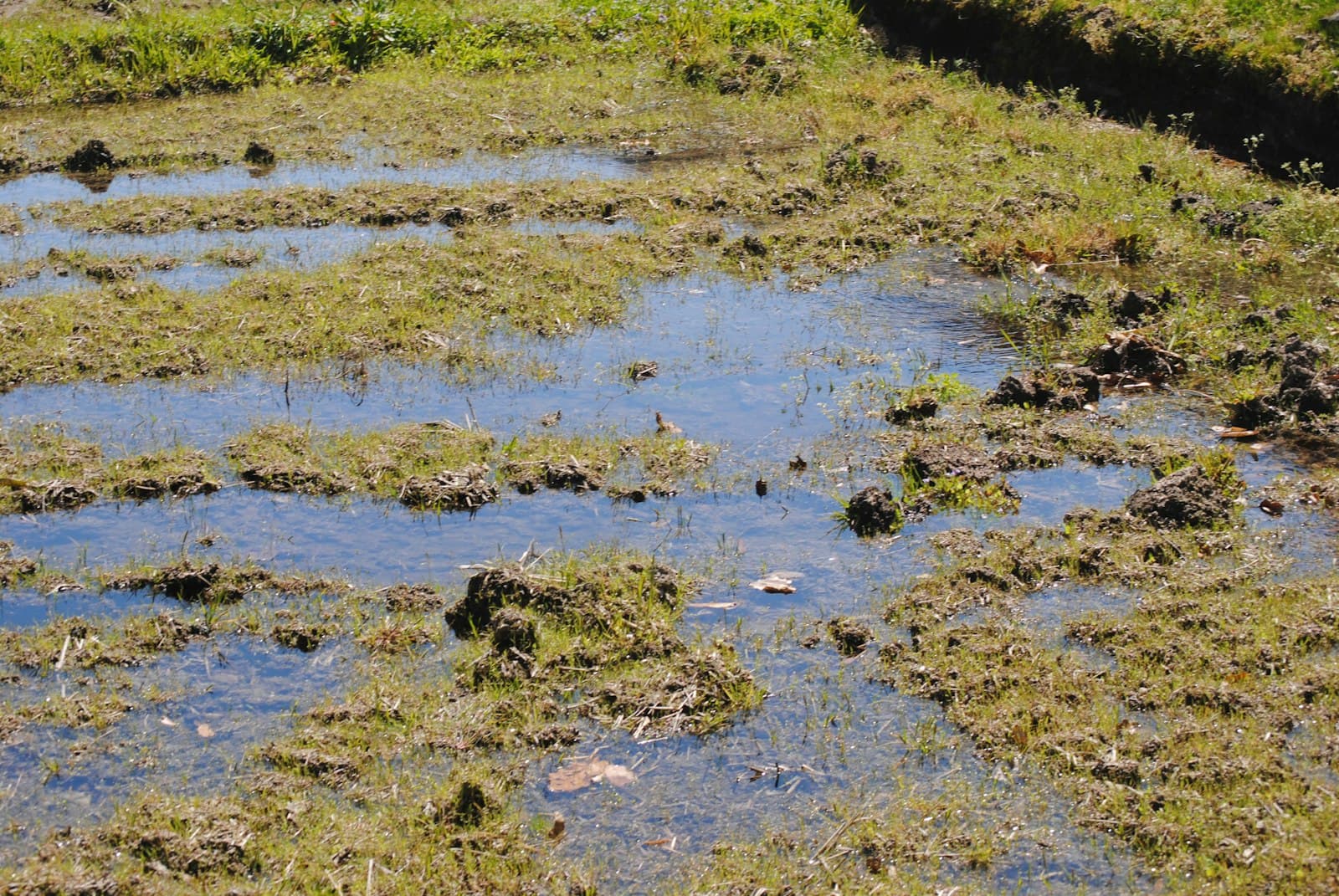
Crop Protection During Heavy Rain
Waterlogged roots suffocate within a day or two, and fungal disease follows fast. What to do in the first 48 hours after a downpour.
Vaibhav Dhama2 min readA 7-day forecast for your block, plus the two calls that matter: is it safe to spray, and will rain beat your next irrigation?
Five calls worth checking before you plan the day, worked out from the current conditions for your location.
Six numbers on the dashboard above, and what each one actually changes about how you plan the day.
The air temperature, which drives how fast a crop grows, how quickly the soil dries out, and when heat stress starts affecting flowering and grain fill — usually above 35–38°C depending on the crop.
The forecaster's confidence that measurable rain will fall, not how hard it will rain. A 70% chance is worth changing plans for; a 20% chance is usually worth proceeding through, with an eye on the sky.
How much rain is expected, in millimetres. A few millimetres barely wets the topsoil; 20mm or more in a day is enough to waterlog a poorly drained field and wash off a fresh fertiliser application.
How much moisture is in the air. High humidity slows the drying of harvested grain and sprayed pesticide alike, and is one half of the warm-humid combination that lets fungal disease spread fastest.
How fast the air is moving. Above roughly 12–15 km/h a pesticide spray starts drifting off target instead of landing on the crop; above 30 km/h standing crops like wheat and sugarcane risk lodging.
The apparent temperature — what the air actually feels like once humidity and wind are factored in, not just the thermometer reading. This is the better number for judging heat stress on both crops and farm labour.
Practical advice for the Kharif (monsoon) season currently underway — not a generic year-round list.
Monsoon rain usually covers most of the water need — irrigate only to fill a genuine gap between rain spells, and check the forecast before running water so you are not irrigating just before a downpour.
Split nitrogen doses matter even more here — heavy monsoon rain leaches a large single dose past the root zone before the crop can use it.
Warm, wet conditions are also ideal for weeds — they compete hardest with the crop in the first 30–45 days, so early weeding or a pre-emergence herbicide pays for itself.
Humid, warm weather is peak season for fungal and bacterial disease — scout the field after every rain spell rather than on a fixed weekly schedule.
Harvest windows between rain spells are often short — have labour and machinery ready to move the moment a dry stretch is forecast, rather than waiting for the crop to be fully ready.
Every one of these is a forecast that was available and not checked — not bad luck.
A spray applied a few hours before rain is largely washed off the leaf before it has worked, wasting the chemical and the labour, and leaving the pest or disease untreated.
Do this instead: Check the rain probability for the next 4–6 hours before spraying, not just today's general forecast.
A topdressing applied into heavy rain leaches past the root zone or runs off the field entirely — the crop gets little of it, and the excess nutrient often ends up in a drain or waterway.
Do this instead: Apply before a light, settling rain if you want it worked in, and hold off entirely when heavy rain is forecast.
Wind above roughly 30 km/h can lodge a standing cereal crop, snap flowering branches on fruit trees, and turn a pesticide spray into drift that never reaches the target.
Do this instead: Check the wind speed alongside rain and temperature, not just before spraying — staking, netting and timing all depend on it too.
Water that is not moved off the field within a day or two starves the root zone of oxygen — the longer it sits, the more of the crop is lost, and the harder the field is to work afterwards.
Do this instead: Clear drainage channels before the rain arrives, when it is forecast, rather than after the field is already standing in water.
A single day's forecast can miss a rain spell landing the day after a spray, or a dry harvest window closing two days out — either mistake is expensive.
Do this instead: Check the 7-day outlook in the dashboard above before committing labour or inputs to a multi-day plan, not just today's numbers.
The questions farmers ask most about using a weather forecast for daily field decisions.
The dashboard pulls live forecasts from Open-Meteo, a public weather service that blends several national and global weather models. Like any forecast, accuracy is highest for today and tomorrow and falls off gradually across the 7-day outlook — treat day 5–7 as a general trend, not a precise number to plan a spray round around.
The forecast refreshes every time you load the dashboard or search a new location, and the underlying model itself is updated by Open-Meteo several times a day. For a decision that cannot wait, refresh the page rather than relying on a forecast opened hours earlier.
Open-Meteo, a free, keyless weather API that blends multiple national meteorological models (including India-relevant ones) into a single forecast, fetched directly in your browser for the exact coordinates you search — nothing is cached or served from a database on our end.
Use the rain probability to decide whether to proceed with something time-sensitive like spraying or fertiliser application, and the rainfall amount to judge how much it will actually matter — a 20% chance of 2mm is very different from a 70% chance of 30mm, even though both are "rain forecast".
The crop-impact panel in the dashboard above is based on the season and the forecast for whichever location you search, so it adjusts automatically — but it reflects general package-of-practice guidance for that season, not your specific soil, variety or field history, which can shift the right call.
Avoid spraying when rain is likely in the next few hours (it washes the spray off before it works), when wind is strong enough to drift the spray off target — roughly above 12–15 km/h — or during the hottest part of the day, when droplets evaporate before landing.
Light rain shortly after a topdressing can help work granular fertiliser into the soil; heavy rain does the opposite, washing or leaching it past the root zone before the crop absorbs it. Check the forecast for the following few hours, not just whether it is raining right now.
Weather models are re-run several times a day as new data comes in, and a forecast for three or four days out is inherently less certain than one for tomorrow. A forecast changing between two checks is the model updating with better information, not an error.
Check the rain probability and expected rainfall for the next one to two days before running water — if meaningful rain is likely, holding off avoids overwatering and wasted electricity or diesel; if the days ahead are dry, irrigate on your normal schedule.
Yes — the search covers any district or town in any Indian state, and falls back to the state capital's forecast if you have not searched a specific location, so there is always a usable forecast for wherever you select.
Hold off on spraying and fertiliser application, check that drainage channels are clear before fields start pooling, and once the rain passes, inspect the crop for lodging, waterlogging and disease before deciding on the next field operation.
Use it as a strong starting point for day-to-day and week-to-week decisions — spraying, irrigation timing, harvest windows — but combine it with what you can see in your own field, since local microclimate, soil drainage and crop condition can all shift the right call from the general forecast.
Longer reads on weather-driven field decisions, for the planning side of the same day.
Waterlogged roots suffocate within a day or two, and fungal disease follows fast. What to do in the first 48 hours after a downpour.
Vaibhav Dhama2 min read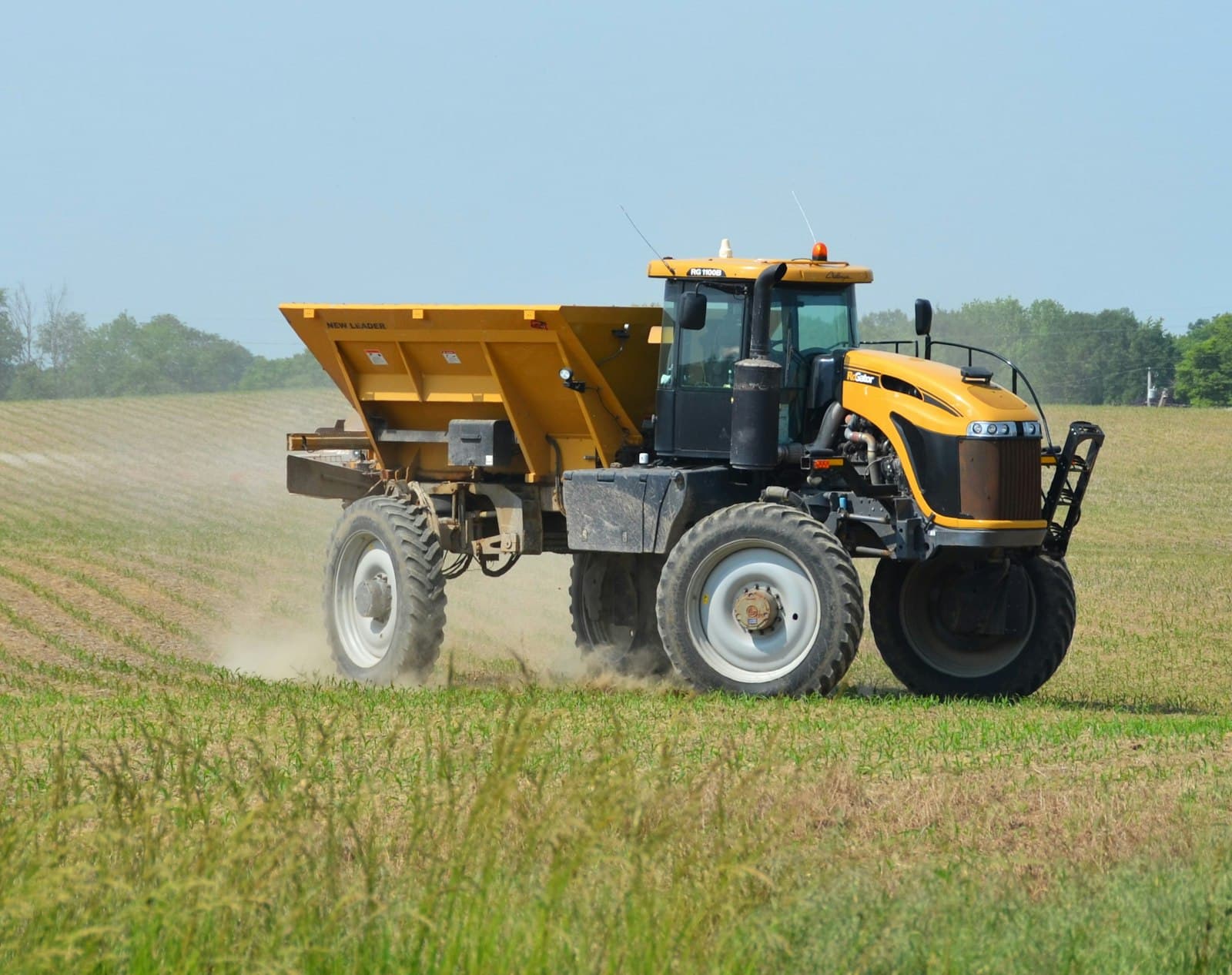
Nitrogen leaches, phosphorus barely moves, potash sits between the two - why one timing rule can never fit all nutrients equally.
Vaibhav Dhama2 min read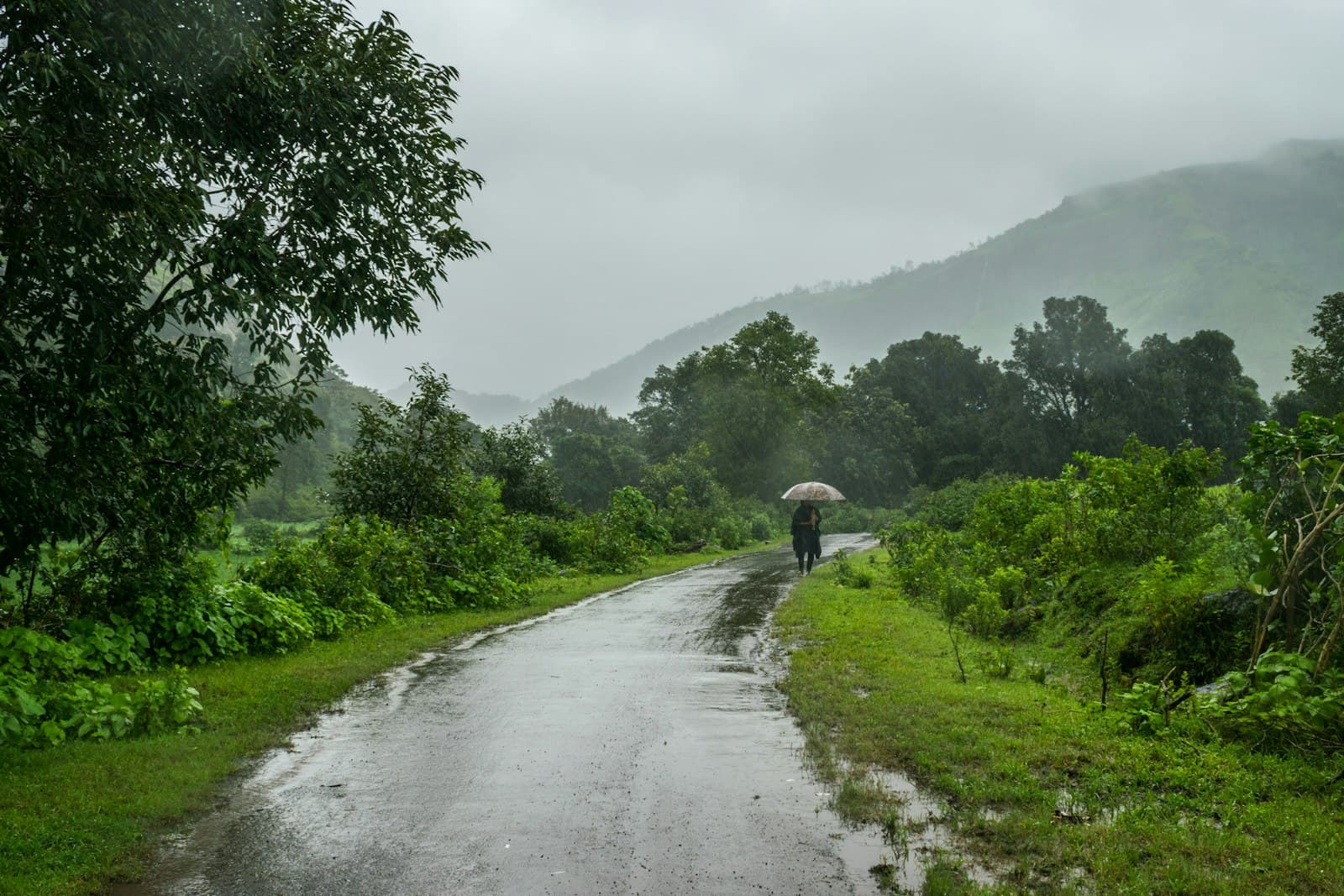
The monsoon rewrites sowing timing, weed pressure, disease risk and fertiliser loss all at once. What to plan for before the first spell.
Vaibhav Dhama2 min read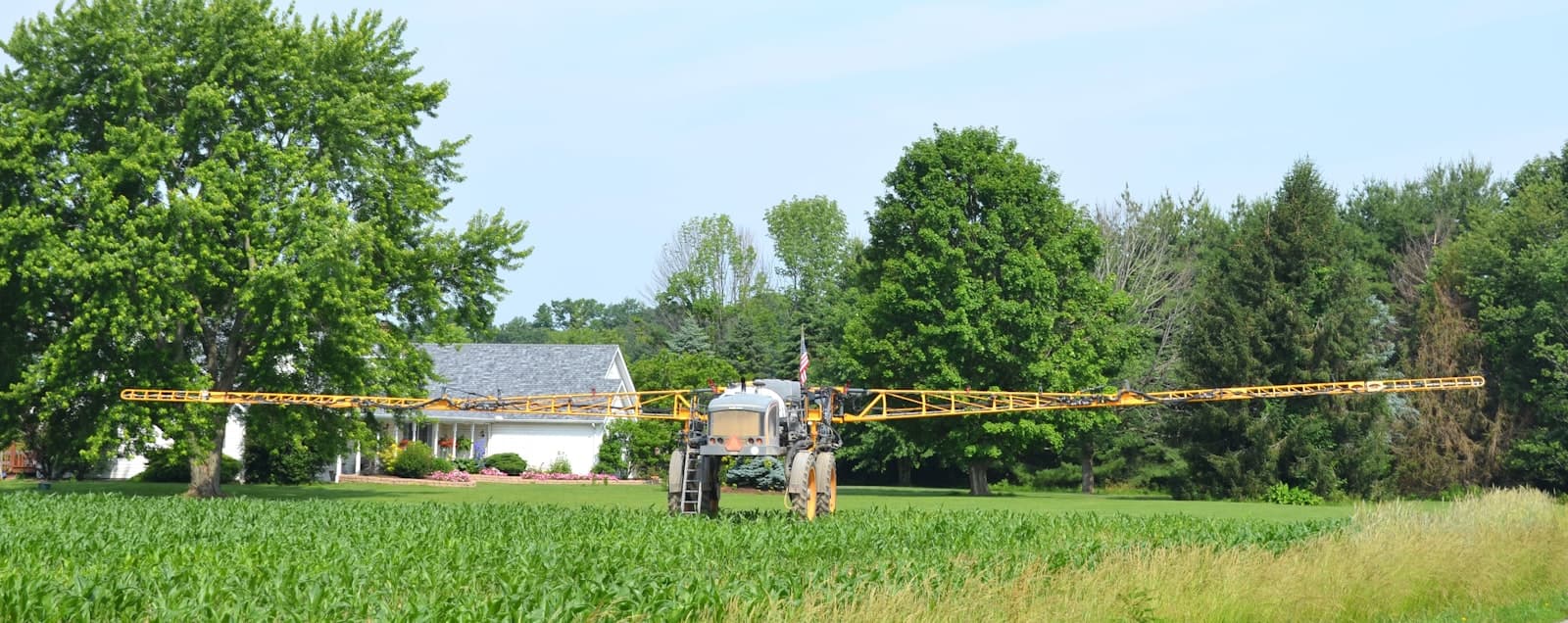
The pesticide label is a legal instruction, not a suggestion. Most spraying injuries trace back to skipping what the label already said.
Vaibhav Dhama3 min read
A spray drone covers an acre in 8 minutes on a tenth of the water. At Rs 6-10 lakh, the maths only works past about 50 acres.
Vaibhav Dhama4 min read