Monsoon Farming: What Changes With Rain
The monsoon rewrites sowing timing, weed pressure, disease risk and fertiliser loss all at once. What to plan for before the first spell.
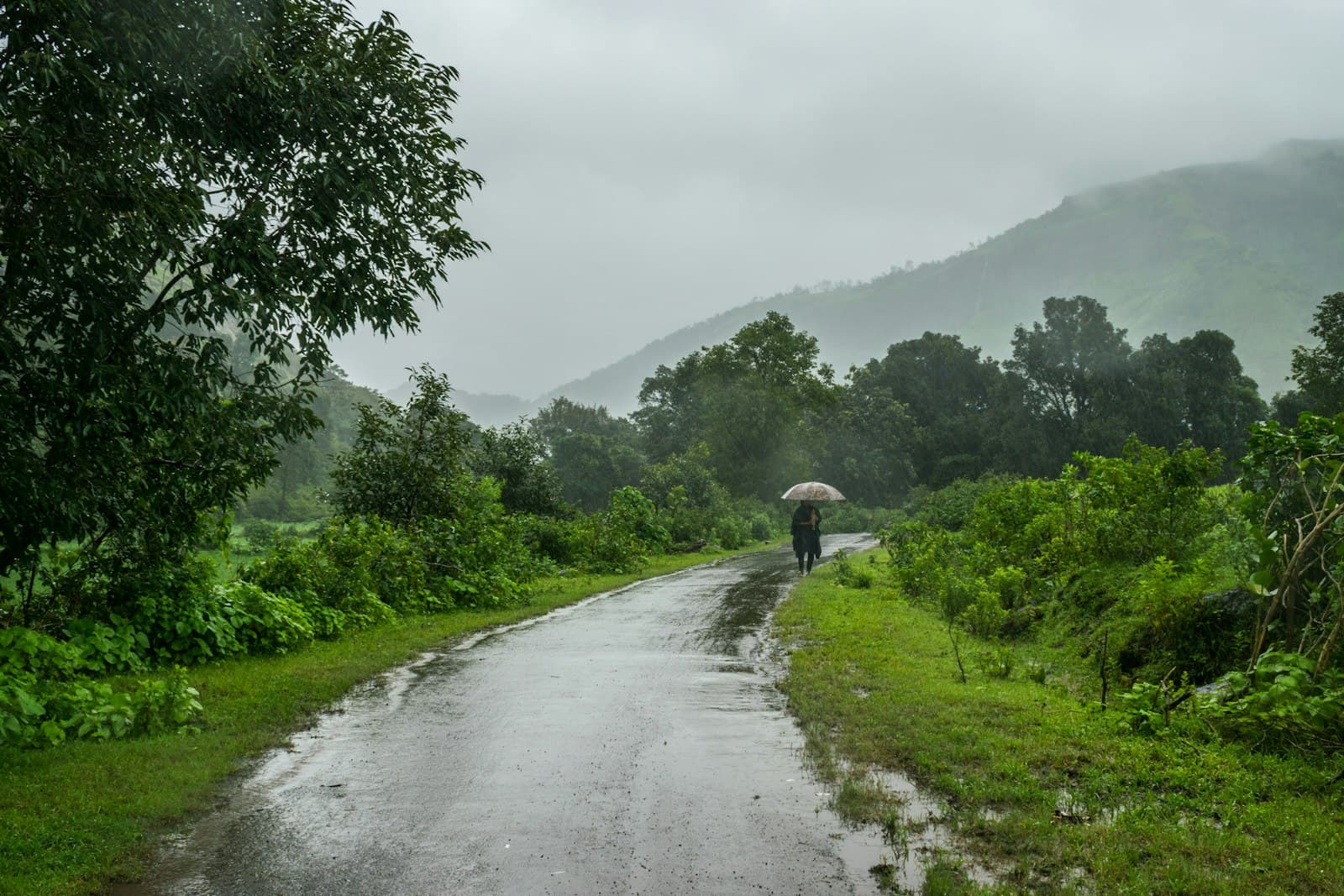
Every other season, the farmer largely controls when water arrives. In the monsoon, water arrives on its own schedule, and the entire season's plan has to bend around it — sowing timing, weeding, fertiliser, disease control, all of it.
Sowing: wait for the monsoon to actually set in
The temptation to sow at the first shower is strong, but a single early spell followed by a dry gap is a common way to lose a sowing. Wait for enough cumulative rain to wet the soil to sowing depth, and for a pattern that suggests the monsoon has genuinely arrived rather than given a false start. The India Meteorological Department's monsoon onset updates for your region are worth checking before committing seed to the ground.
The weed window that only exists in kharif
Warmth and continuous soil moisture are exactly what weed seeds need, and the monsoon supplies both simultaneously — which is why weed pressure in kharif is sharper than in a drier rabi season. The first 30–45 days after sowing is the critical weed-free period: losing this window to unmanaged weed growth costs more yield than almost any other single lapse in the season.
Drainage matters as much as irrigation
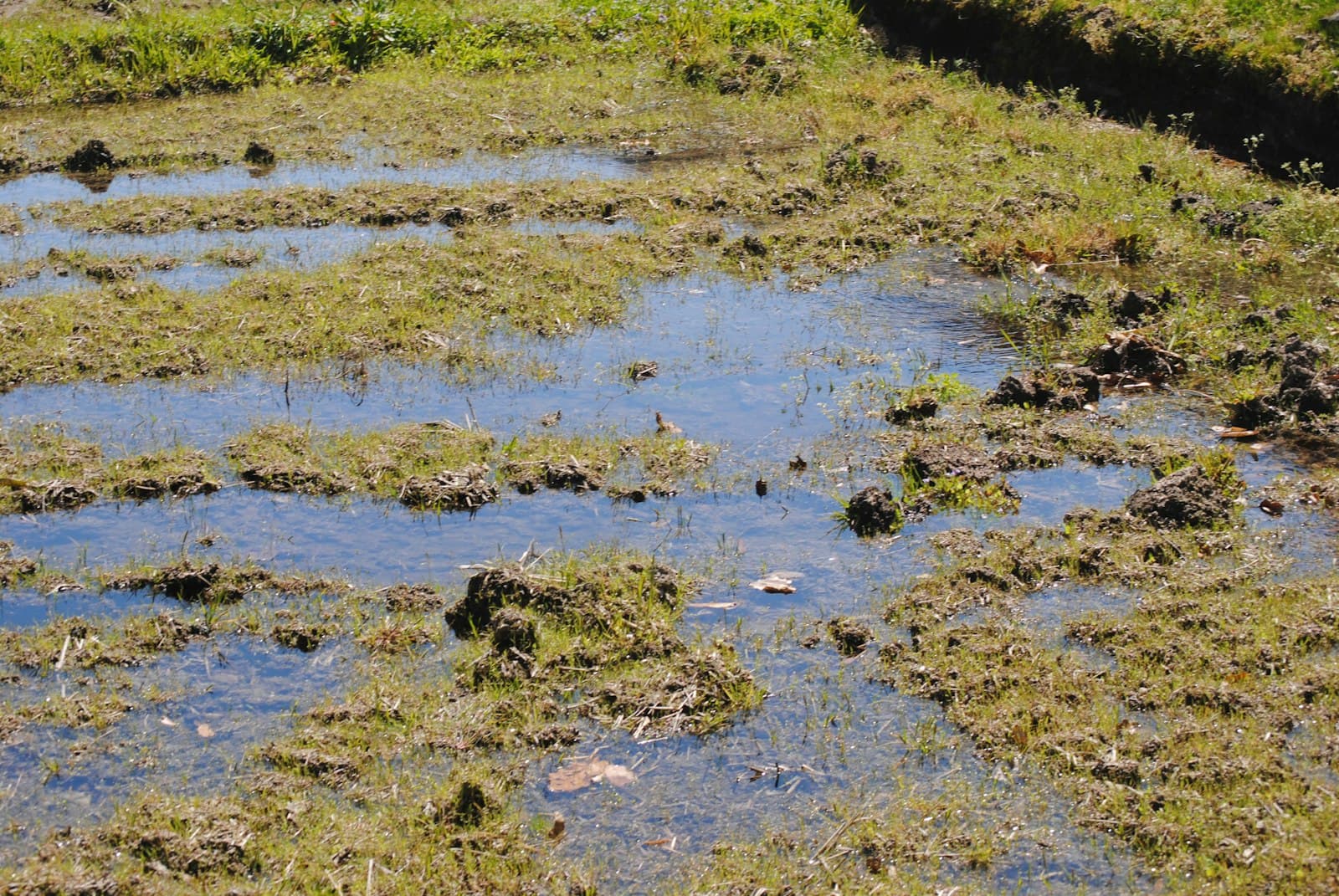
A monsoon field's biggest water risk is usually too much, not too little. Field bunding and drainage channels that let excess water shed within a day or two of a heavy spell prevent the waterlogging damage that can cost more yield than a dry spell would have. This is worth planning before the season starts, not improvised after the first flood.
Disease pressure rises with humidity
Fungal disease spreads fastest in warm, humid, wet conditions — exactly what a monsoon field provides for weeks at a stretch. Scouting needs to happen more frequently than in a dry season, and spraying decisions need to account for rain washing off a poorly timed application before it has a chance to work.
Fertiliser: timing against the rain, not just the calendar
Applying fertiliser right before a heavy downpour is close to applying nothing — runoff carries a large share of it away before the crop can use it. The general fertiliser timing rules matter more in monsoon than any other season, since the difference between "moist soil" and "field about to flood" can be a single day's forecast.
Using the season's own momentum after it ends
The soil moisture the monsoon leaves behind is a real asset for the transition into rabi sowing — a field that dries out gradually rather than being left to bake gives the next crop a real head start, which is one more reason drainage planning during the season pays off after it too.
The one sentence version
The monsoon does not add one variable to farm planning — it changes the timing rules for sowing, weeding, disease control and fertiliser all at once, and planning for that shift before the rain arrives beats reacting to it after.
Frequently asked questions
Should I sow as soon as the first monsoon rain arrives?
Not the first shower — wait for enough cumulative rain to wet the soil to sowing depth and give reasonable confidence the monsoon has actually set in, not just given a false start. Sowing into a dry profile after one early shower is a common cause of poor germination that then needs re-sowing.
Why do weeds grow faster in the monsoon than any other season?
Warmth and continuous soil moisture together are the two conditions weed seeds need most, and the monsoon supplies both at once — which is why the first 30–45 days after sowing, the critical weed-free period, matters more in kharif than in a drier rabi season.

Written by
Vaibhav Dhama
Founder, Technical Kisan
Vaibhav Dhama is the founder of Technical Kisan. He writes from Baghpat, Uttar Pradesh, and builds each guide on ICAR and state agricultural university guidance, official government scheme notifications, and live mandi-price data.
- Writes from Baghpat, Uttar Pradesh
- Software developer (BTech, 2021)
- Not a trained agronomist — confirm with your KVK
Discussion is coming soon
We are building a comments section where you can ask a question about this guide and see what other farmers in your district are doing.
For now, write to us at [email protected] — we read every message.