
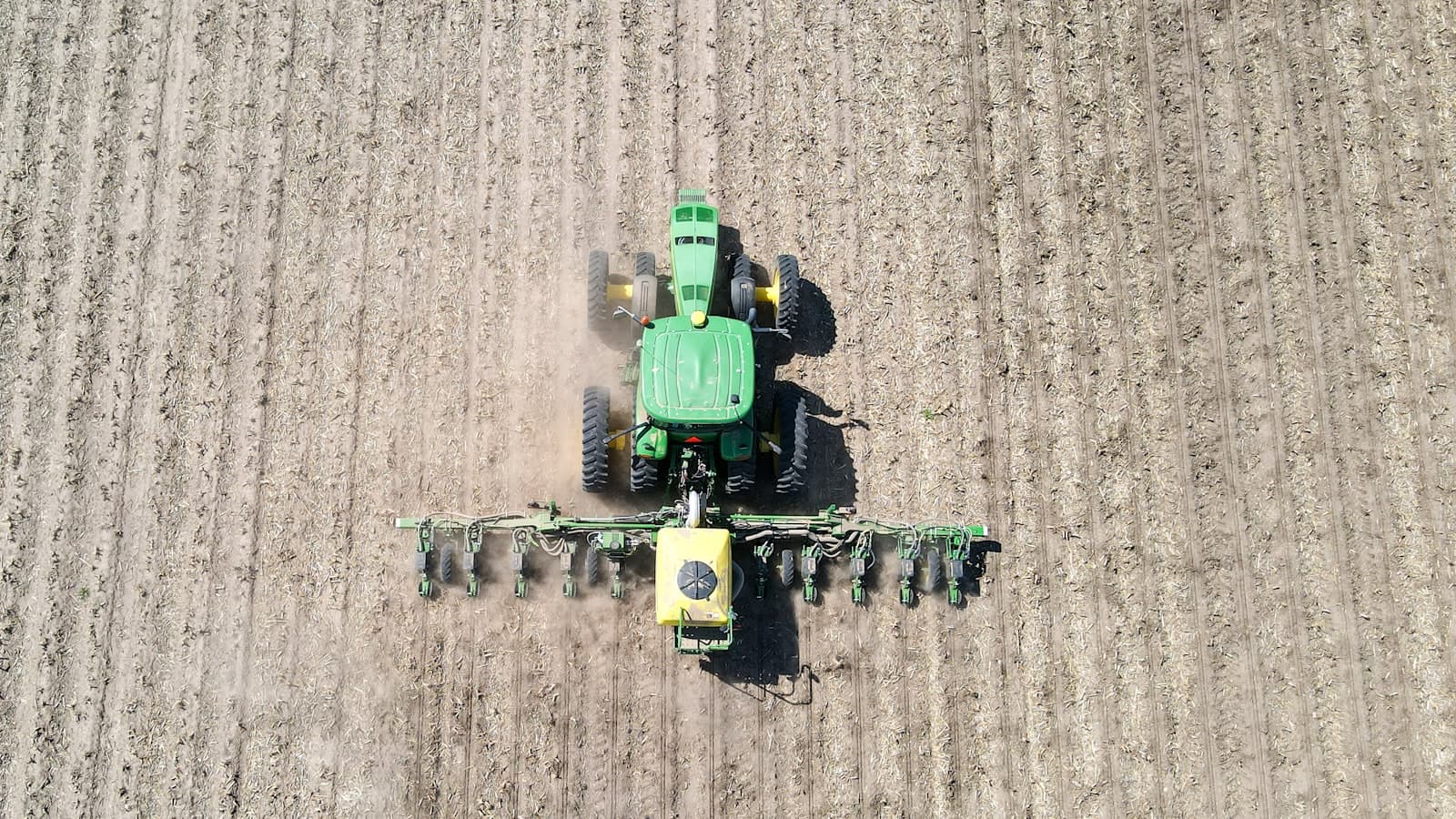
Zero Tillage: Sow Wheat Without Burning
A zero-till drill saves Rs 3,000/hectare, 50 litres of diesel and lets you sow 7-10 days earlier. The one thing it demands: stop ploughing.
Vaibhav Dhama3 min readPick any two farming techniques and see cost, investment, equipment and suitable crops side by side, so the trade-off is a number, not a guess.
Every figure above is the technique's own, already-authored number — nothing here is computed fresh for this pair.
The cost, investment and payback figures for zero tillage compare zero tillage to conventional tillage; the figures for mulching compare mulching to no mulching. Placed side by side, this tells you how much each technique moves the needle on its own terms — not a manufactured zero-tillage-versus-mulching number that no field ever produces.
A technique missing your crop or state from its list is usually just less commonly practised there yet, not impossible. Your nearest Krishi Vigyan Kendra is the authoritative word on your own soil and cropping pattern.
A technique with a strong cost case but equipment you would have to buy outright is a slower start than one you can hire through a Custom Hiring Centre. Check the full guide's Government Support section for schemes that fund the gap.
Zero tillage at wheat sowing and mulching in the vegetable season are not mutually exclusive — many of the techniques compared here are commonly stacked on the same holding rather than chosen instead of each other.
What farmers ask before picking between two techniques.
The tool compares two at a time, so the numbers stay readable on a phone screen. Swap either side to check a third or fourth technique against your current favourite — most farmers narrow a shortlist of three or four down to one this way.
A technique like crop rotation or mixed cropping is a planning change, not a machine purchase, so it genuinely has no equipment to list. Suitable crops work the same way — the list is the crops the guide specifically calls out, not every crop the technique could theoretically be used on.
No — each technique's cost, investment and results are benchmarked against conventional practice in its own guide, not against the other technique. Comparing zero tillage's numbers to mulching's numbers, side by side, tells you which one moves the needle more on your farm's own baseline, which is the honest version of "which is better" this data can answer.
Whichever wins on the constraint that actually binds on your farm — if labour is scarce at your peak season, weight the Labour Saving row; if the upfront rupee outlay is what worries you, weight the Initial Investment row. There is rarely one technique that wins on every row at once.
Often, yes. Zero tillage, mulching and IPM in particular are commonly stacked on the same field rather than chosen as alternatives — check each technique's own guide for anything that would conflict (for example, some mulching materials interact with a zero-till drill's residue tolerance).
Each technique's numbers carry their own last-updated date on its full guide page, linked from the header card above. They are typical ICAR/KVK package-of-practice figures for normal field conditions — a starting point to confirm locally, not a quotation for your specific field.
Full guides for the techniques above, and the others in the same registry.