
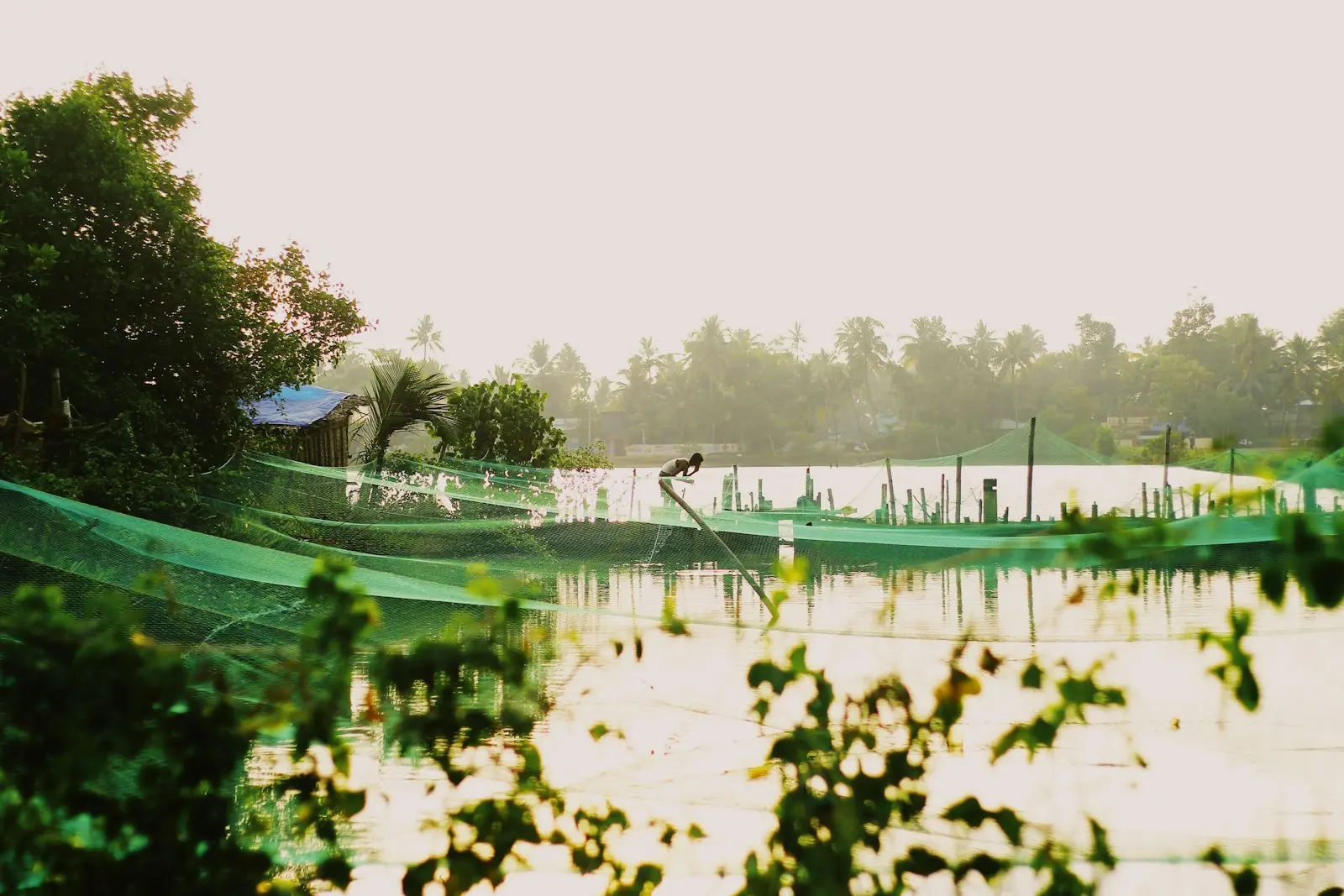
Best Fish Species for Biofloc Farming in India
Biofloc packs 3-5x more fish per pond by turning tank waste into feed - but only species that thrive in dense, active water. See which ones work.
Vaibhav Dhama2 min readStarting herd size, kidding rate and survival rate in — herd growth year by year, and the payback period on your starting investment, out.
The calculator above takes your starting herd, breed characteristics and costs to build a year-by-year P&L for a goat unit. Here is what each number means.
The year in which cumulative net income first crosses zero — meaning the unit has repaid its starting investment (does, bucks and shed) and is now generating free profit. A shorter payback means lower capital risk.
Total net profit over the projection period divided by the initial investment, expressed as a percentage. An ROI of 150% over 5 years means you earned ₹1.50 for every ₹1 you put in. Compare this against a bank FD to see whether goat farming beats passive savings.
Total revenue from kid sales minus total cost (initial investment + annual upkeep for does and bucks across all years). A positive number means the unit made money over the full projection period.
How many does and bucks you will have at the end of the projection, after retaining female kids each year. This is your living asset — a larger herd generates more kids and more revenue in subsequent years.
The maths behind the year-by-year herd growth and payback projection — step by step.
You enter the number of does (female goats) and bucks (males) you are starting with, along with their purchase price and the one-time shed construction cost. These three add up to your initial investment.
Kids born = number of productive does × kids per kidding × kiddings per year. A Barbari doe kidding 1.8 kids × 1.5 times a year produces 2.7 kids per year on average.
Not every kid born survives to sale age. The calculator multiplies kids born by your survival percentage to get the number of kids that will actually be sold or retained.
Surviving kids are assumed 50% male, 50% female. All males are sold. Of the females, the percentage you choose to retain joins the herd next year as productive does; the rest are sold.
Annual cost = (does + bucks) × annual upkeep per adult. Revenue = males sold × male sale price + females sold × female sale price. Net income = revenue − cost.
The cumulative starts at −initial investment. Each year's net income is added. The first year where the cumulative crosses zero is the payback year. ROI = total net profit ÷ initial investment × 100.
Anyone planning, running or evaluating a goat farming unit in India — from a 10-doe backyard operation to a 100-doe commercial unit.
You are considering starting a goat unit and need to know whether the investment pays back before you build a shed and buy does. This calculator gives you the timeline.
You already have 10–20 does and want to know what happens if you retain more female kids or switch breeds. Plug in your actual survival rate and costs to see how the herd grows.
Banks and NABARD want a 5-year projected P&L in the DPR. The year-by-year table gives you exactly that, with payback period and ROI — the two numbers the branch manager looks at first.
Barbari gives more kids per year but a lower sale price; Boer crossbreds are heavier with fewer kids but command a premium. Switch the breed preset and compare the 5-year ROI side by side.
Practical steps that improve the numbers the calculator shows — things you can do before your next kidding season.
PPR (day 1 of purchase), goat pox (annually), and deworming every 3 months. Kid mortality from preventable diseases is the single biggest profit leak — the ₹15–20/animal vaccine cost prevents a ₹6,000–15,000 loss per dead kid.
A 10-doe unit needs about 150 kg of green fodder per month. Growing subabul (leucaena) or stylo on 0.25 acres of bund land cuts purchased feed cost by 40–50% and pays back in the first year.
Neonatal hypothermia kills more kids than any disease. A dry, draught-free kidding pen with clean straw bedding in winter brings kid survival from 75% to 85%+ — that is 1–2 extra saleable kids per 10 does per year.
Feed conversion worsens sharply after 9–10 months. A Barbari male at 25 kg (9 months) fetches ₹7,000–9,000. Holding to 12 months costs ₹1,500 more in feed for only ₹500–1,000 extra in sale price.
Keep daughters of does that twin consistently and have high milk yield. A doe that singles every time produces half the kids of a twinning doe, and her daughters will likely follow the same pattern.
Bakrid (Eid-ul-Adha) and Diwali drive a 30–50% price spike. Back-calculate from the sale date: breed 5 months before the festival so kids are 8–10 months old at peak demand.
Errors that turn a profitable goat unit into a losing one — and what to do instead.
Planning revenue on all kids born but losing 15–20% to pneumonia and diarrhoea in the first month means you overestimate revenue by the same amount. On a 10-doe unit, that is 4–5 lost kids worth ₹24,000–75,000 per year.
Do this instead: Budget with 80–88% kid survival depending on your housing and vaccination setup. The calculator already builds this in — enter your realistic survival rate, not 100%.
Inbreeding depresses kid survival and growth rate within 2–3 generations. A buck from the same village often shares bloodlines with your does without you knowing.
Do this instead: Buy bucks from a government breeding farm or a registered breeder in a different district. Replace the buck every 2 years. The ₹12,000–30,000 investment protects the genetic quality of the whole herd.
Feed, deworming, vaccination and salt-mineral mix cost ₹3,000–6,000 per adult goat per year. On a 10-doe + 1-buck unit that is ₹33,000–66,000 — enough to eat the entire kid-sale revenue if costs are ignored.
Do this instead: Enter a realistic annual upkeep per adult. The calculator has a separate field for it so this cost shows up in every year of the projection.
Keeping 100% of female kids grows the herd fast but produces zero female-sale revenue for years. If feed cost outpaces revenue, the unit goes cash-negative even though the herd is growing on paper.
Do this instead: Start with 50% retention and increase only once the herd is self-financing. The calculator lets you see the cash-flow impact of different retention rates.
Open tethering exposes goats to rain, cold and predators. Pneumonia in winter and heat stress in summer raise mortality by 5–10% and reduce kidding rate. The "saving" on the shed costs more than the shed itself.
Do this instead: Budget ₹3,000–5,000 per adult goat for a basic raised-floor shed with a roof. The calculator includes shed cost in the initial investment so you see its impact on payback.
Breed catalogues quote 1.8–2.0 kids per kidding under research-station conditions. In village conditions with poor nutrition and no controlled breeding, 1.3–1.5 is more realistic.
Do this instead: Enter your actual kidding rate from the last season, or use the breed preset defaults which reflect commercial Indian averages.
Answers to the questions goat farmers ask most about unit economics and herd growth.
A 10-doe + 1-buck unit is the standard starter recommended by CIRG and most state animal husbandry departments. It is large enough to generate meaningful revenue (₹50,000–80,000/year from kid sales) while keeping the initial investment under ₹1.5–2 lakh including the shed.
It depends on your market. Barbari (Uttar Pradesh, Rajasthan) gives the most kids per year (2.7 on average) and suits meat markets where goats are sold by the head. Boer crossbreds are heavier and command a per-kg premium but cost more upfront. Sirohi (Rajasthan, Gujarat) is hardy, low-maintenance and well-suited to arid grazing. The calculator lets you compare all three.
Barbari does average 1.5–1.8 kids per kidding, with a 7–8 month inter-kidding interval (1.5 kiddings per year). Sirohi and local breeds average 1.3–1.5 kids per kidding, 1.2–1.3 times a year. Triplets are rare (under 5% of births). Research-station numbers are often 10–15% higher than field results.
Well-managed units see 10–15% kid mortality, mostly in the first two weeks (hypothermia, diarrhoea, pneumonia). Poorly managed tethered goats can lose 25–30%. If mortality exceeds 20%, investigate housing, colostrum feeding within the first hour, and deworming of the doe before kidding.
For a stall-fed unit in most Indian states: ₹3,000–5,000 per adult per year, covering green and dry fodder, concentrate feed, salt-mineral mix, deworming (4×/year) and vaccination (PPR, goat pox). Grazing on community land or own bund land can bring this down to ₹1,500–2,500, but time spent herding is the hidden cost.
Most male kids reach 20–30 kg at 8–10 months, which is the optimal sale point — feed conversion worsens sharply after this. Timing the sale around Bakrid (Eid-ul-Adha) or Diwali lifts the price by 30–50%. Back-calculate from the festival date: breed 5 months before so kids are the right age at peak demand.
Not immediately. Retaining 100% of female kids grows the herd fastest but produces zero revenue from female sales. If annual costs exceed male-only sale revenue, the unit runs cash-negative. Start with 50% retention and increase once the unit is self-financing — the calculator shows the trade-off clearly.
With Barbari does (₹10,000 each), 1 buck (₹15,000), a ₹50,000 shed, 50% female retention and 85% kid survival, payback is typically in year 2–3. Boer crossbreds cost more upfront but the higher kid sale price can still achieve payback in year 2–3. Run your own numbers in the calculator.
NABARD finances goat units under the Livestock Mission — banks can lend up to ₹5 lakh for a small unit at 7–9% interest with a 25–33% back-end subsidy (higher for SC/ST/NE/women). Several states (Rajasthan, UP, Bihar, MP) offer additional state-level subsidies of ₹10,000–50,000 per unit. The subsidy covers capital cost (goats + shed), not annual upkeep.
Retained female kids in year N become productive does in year N+1 — they reach breeding age at 12–15 months, which approximately matches this one-year lag. The does-at-end-of-year-1 become does-at-start-of-year-2. This compounds: a 10-doe unit retaining 50% of females can grow to 25–30 does in 5 years.
Goat farming needs less capital (₹1.5–2 lakh vs ₹3–5 lakh for 2 dairy cows), less land and less water. ROI as a percentage is often higher. But dairy gives daily cash flow from milk sales, while goat revenue comes in lumps when kids are sold. Goat farming suits farmers with limited capital and grazing land; dairy suits those with an established milk-collection route.
The maths works the same for sheep — the differences are in the breed parameters (twinning rate, survival, sale price). Set the breed to "Sirohi / Local", then override the kidding rate (sheep average 1.2–1.3 lambs/lambing, 1.0 lambings/year) and the sale prices for your local market.
In-depth articles on goat management, feed, health and breeds.
Biofloc packs 3-5x more fish per pond by turning tank waste into feed - but only species that thrive in dense, active water. See which ones work.
Vaibhav Dhama2 min read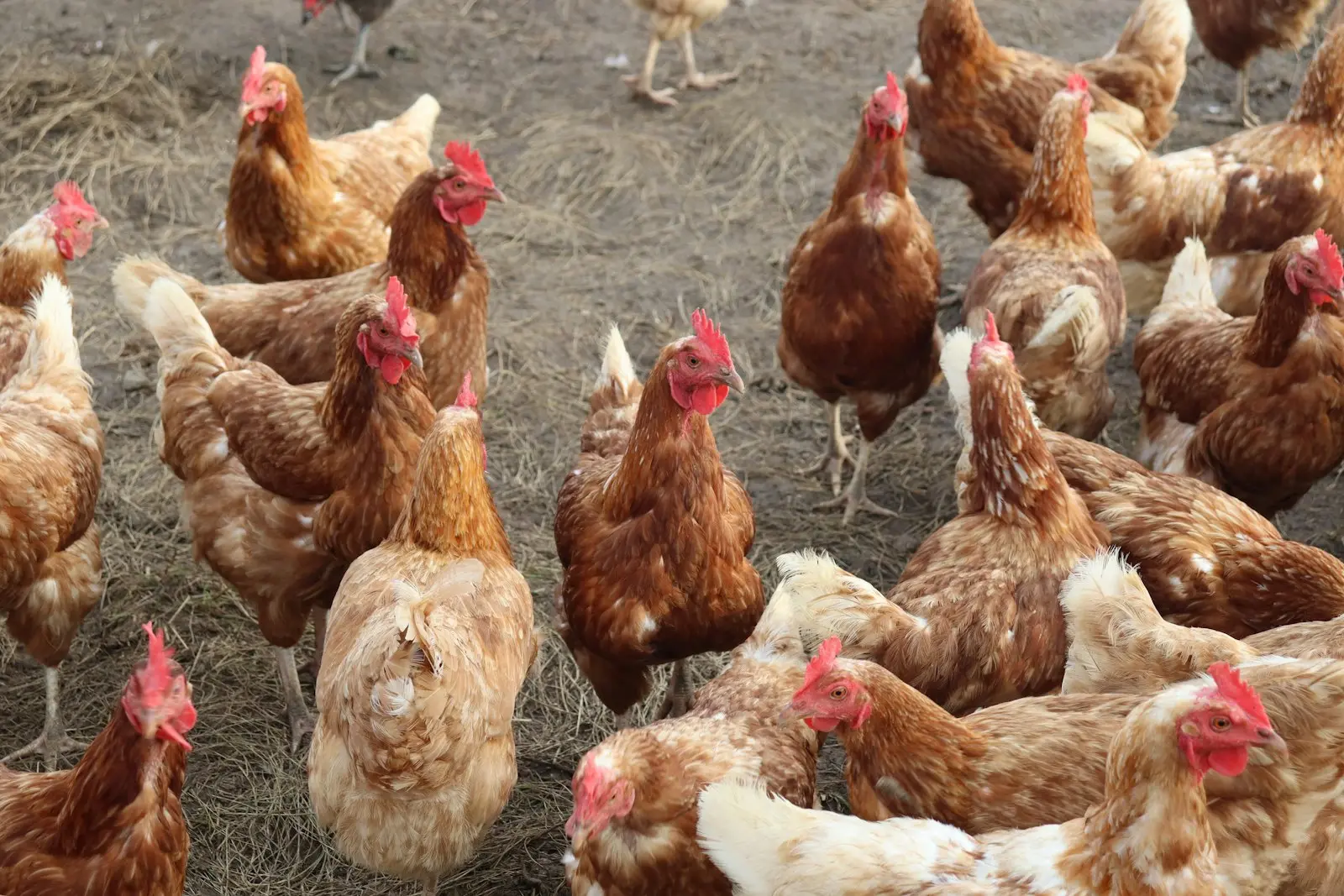
Broiler is a 5-6 week bet on feed conversion; layer is a year-long bet on egg output. Learn how to pick the right one for your cash flow and space.
Vaibhav Dhama2 min read
HF gives the most milk on paper, but the breed that pays is the one your feed and water can support. HF, Jersey, Sahiwal and Gir compared side by side.
Vaibhav Dhama3 min read
Feed is 65-70% of the cost of milk - so the fastest way to raise margin is a better ration, not a better breed. Here are six practical levers to use.
Vaibhav Dhama3 min read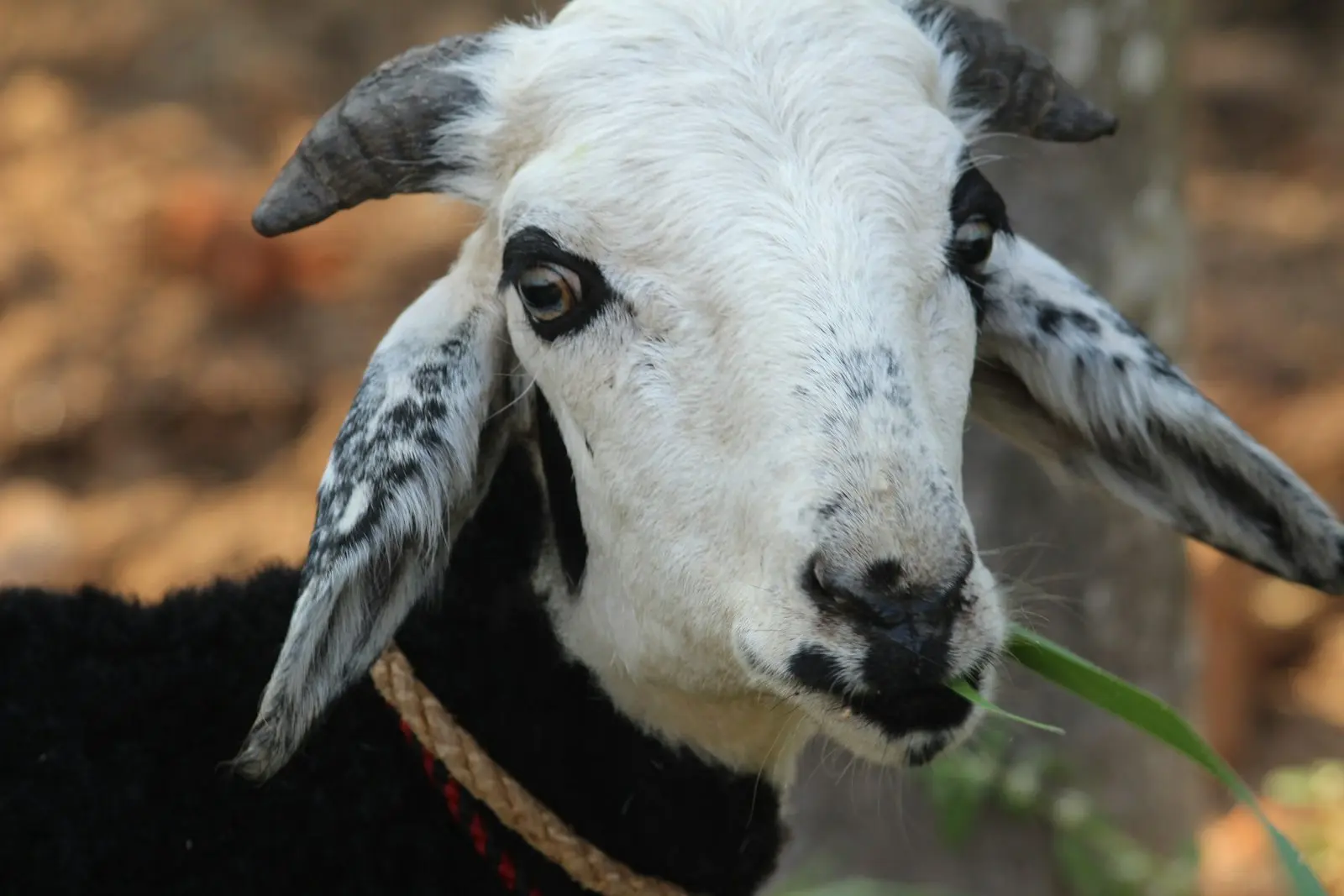
Low capital, low land, and a doe that kids every 8 months - goat farming compounds fast. See the first-unit cost, the breed to pick, and the top risk.
Vaibhav Dhama3 min read
FMD twice a year, HS and BQ before monsoon, Brucellosis once as a calf - the four vaccines that matter, and why skipping one costs more. See the full calendar.
Vaibhav Dhama3 min read