
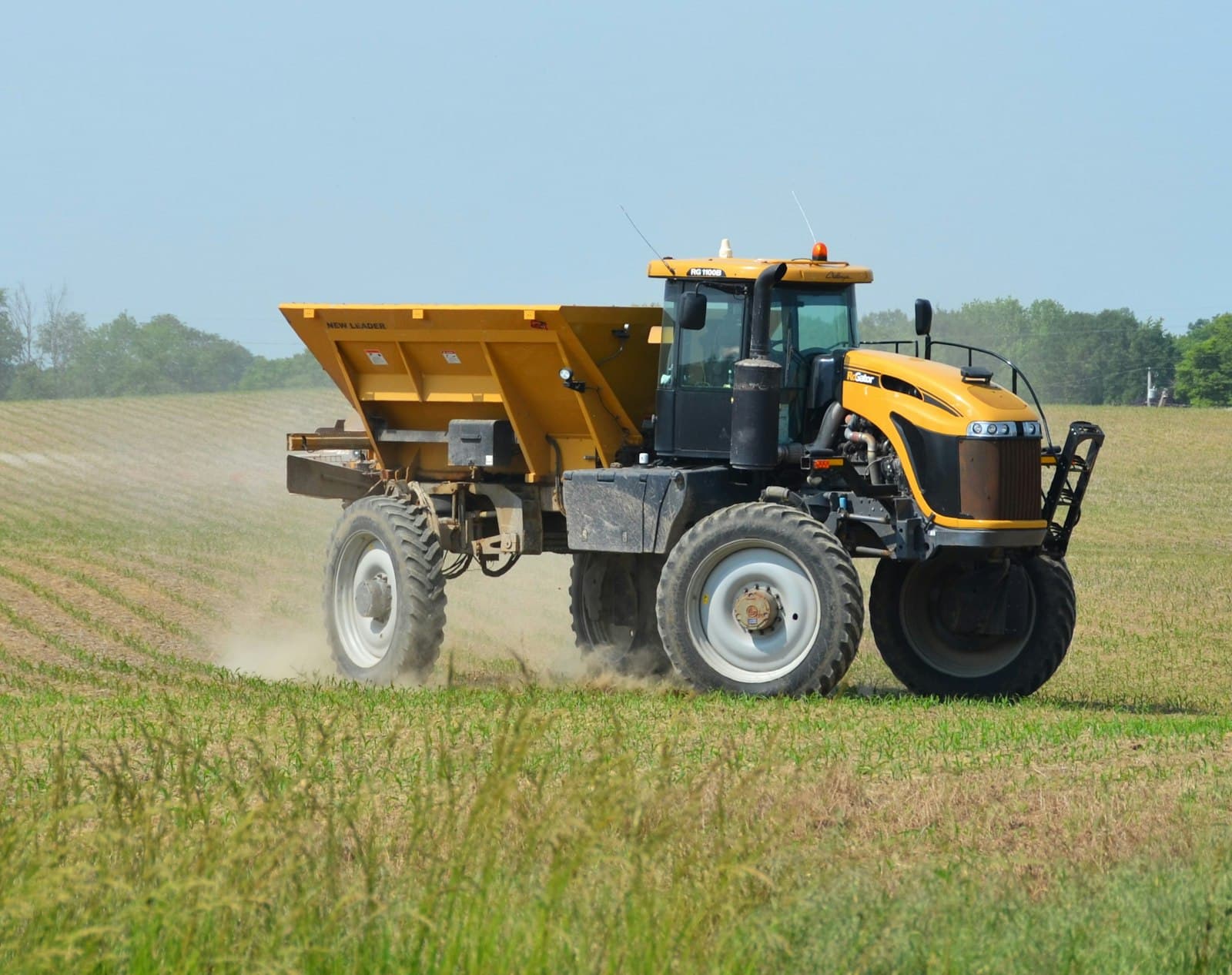
Fertiliser Timing: Why Rules Differ
Nitrogen leaches, phosphorus barely moves, potash sits between the two - why one timing rule can never fit all nutrients equally.
Vaibhav Dhama2 min readFind the right fertiliser for every crop, growth stage and nutrient deficiency. Start with your problem — "my wheat leaves are yellow", "which fertiliser for potato" — not with the chemistry.
Pick your crop, the stage it is at, your soil and any symptom you can see. Get the fertiliser to use, how much per acre, when, and what to watch for.
Fertilisers to use
Precautions
The fastest way in for most farmers. Open your crop for its full nutrient schedule and the fertilisers it needs.
See a symptom in the field? Match it to the deficiency behind it and the fertiliser that fixes it.
Right dose, right time, right place. The four ways to put fertiliser on a crop, and when each one earns its keep.
The products Indian farmers actually buy. Open any one for its composition, dose, timing and precautions.
The cheapest and most-used nitrogen fertiliser in India — 46% N in a white prill. Split it, apply to moist soil, and water it in, or 30–40% of the nitrogen is lost to the air.
NitrogenDi-ammonium phosphate — India’s go-to phosphorus fertiliser at sowing. 46% phosphorus plus 18% nitrogen, placed near the seed because phosphorus does not move in soil.
PhosphorusMono-ammonium phosphate — the most concentrated phosphorus fertiliser, fully water-soluble. Used mainly for drip fertigation and nurseries, especially as a phosphorus starter.
PhosphorusMuriate of potash — the standard potassium fertiliser, 60% K₂O. Potassium drives fruit, tuber and grain fill, water use and stress tolerance, so it earns its place at bulking and ripening.
PotassiumSingle super phosphate — a cheaper, lower-analysis phosphorus fertiliser that also delivers sulphur and calcium. For oilseeds and pulses that need sulphur, it is often better value than DAP.
PhosphorusA fully water-soluble balanced complex — equal N, P and K. Not a field basal fertiliser but the standard "starter" grade for foliar sprays and drip fertigation, especially on vegetables.
Complex / NPKA popular granular complex heavy on phosphorus and potassium with a little starter nitrogen — a single-bag basal for crops that need P and K together at sowing, like potato, cotton and pulses.
Complex / NPKA high-phosphorus granular complex for sowing — one bag delivers nitrogen, a heavy dose of phosphorus and some potassium, so it replaces separate DAP and MOP as a basal.
Complex / NPKA water-soluble, chloride-free source of potassium and nitrate nitrogen — the fertigation and foliar grade for the fruiting stage of high-value fruit and vegetables.
Complex / NPKCalcium ammonium nitrate — a gentler nitrogen fertiliser with about 26% N (half of it immediately available nitrate) plus calcium. It does not volatilise like urea, so it is a favourite for horticulture and acidic soils.
NitrogenA nitrogen fertiliser that is also the cheapest big source of sulphur — about 20.6% N and 24% S. It suits tea, potato and paddy, and any oilseed short of sulphur, but it acidifies the soil.
NitrogenA soluble nitrate-nitrogen fertiliser that also supplies calcium — the standard cure for calcium disorders like blossom-end rot in tomato and tip-burn in cabbage.
NitrogenSulphate of potash — a chloride-free potassium fertiliser (50% K₂O) that also carries sulphur. It costs more than MOP but protects quality in fruit, vegetables and other chloride-sensitive crops.
PotassiumThe fix for zinc deficiency — the most widespread micronutrient shortage in Indian soils, and a big yield-robber in rice and wheat. A small soil dose or a 0.5% spray corrects it cheaply.
MicronutrientThe flowering and fruit-set micronutrient. Boron deficiency causes flower drop, hollow stems and cracked fruit — a small dose fixes it, but the margin between "enough" and "toxic" is narrow.
MicronutrientThe correction for iron deficiency — interveinal yellowing of the youngest leaves, common on calcareous, high-pH soils and in fruit crops. A foliar spray works where soil iron gets locked up.
MicronutrientEpsom salt — a soluble source of magnesium and sulphur. Corrects magnesium deficiency (interveinal yellowing of older leaves), common in bananas, vegetables and sandy or acidic soils.
MicronutrientTwo jobs in one cheap mineral: a sulphur-and-calcium fertiliser for oilseeds and groundnut, and the standard amendment for reclaiming alkaline (sodic) soils.
Soil amendmentElemental sulphur in easy-to-spread bentonite granules — a concentrated, slow-release sulphur fertiliser for oilseeds and pulses, and a way to lower pH on alkaline soils.
Soil amendmentThe residue left after pressing oil from neem seed — an organic fertiliser that supplies slow-release nitrogen while suppressing soil pests and nematodes. It does two jobs at once.
OrganicThe residue left after mustard oil is pressed — a fast-acting organic nitrogen source vegetable growers reach for when a crop needs a quick push.
OrganicAsh from a clean fire — a free source of potash and calcium that also raises soil pH, a leaf dust against soft-bodied pests, and a traditional grain-storage protectant.
OrganicEarthworm-digested compost — a dark, crumbly organic manure rich in nutrients and beneficial microbes. It builds soil health more than it feeds a single crop, and it can be made on the farm.
OrganicWell-rotted cattle dung and bedding — the oldest and most important organic manure. Low in nutrients per tonne but the backbone of soil health, structure and water-holding.
OrganicA living seed inoculant for pulses and legumes — bacteria that settle in root nodules and fix nitrogen from the air, cutting the nitrogen fertiliser a legume crop needs.
BiofertiliserA free-living nitrogen-fixing bacterium for non-legumes — cereals, vegetables and cotton. It fixes modest nitrogen and produces growth-promoting substances that improve germination and vigour.
BiofertiliserAn associative nitrogen-fixing bacterium that colonises the roots of cereals and grasses — rice, wheat, maize, sorghum and sugarcane — fixing nitrogen and stimulating root growth.
BiofertiliserPhosphate-solubilising bacteria — microbes that unlock the large pool of phosphorus already fixed in the soil, making it and applied phosphorus more available to the crop.
BiofertiliserPotash-mobilising bacteria — microbes that release potassium held in soil minerals into a form crops can take up, improving the efficiency of the soil’s own potassium reserve.
BiofertiliserA balanced nitrogen-and-phosphorus complex that also carries 13% sulphur — a popular basal for oilseeds, pulses and cotton, where sulphur matters as much as N and P.
Complex / NPKThe correction for manganese deficiency — interveinal yellowing with grey specks on younger leaves, seen on high-pH, sandy and over-limed soils, and in wheat and sugarcane.
MicronutrientA copper micronutrient — and the copper source in Bordeaux mixture. Copper deficiency is rare but real on peaty, sandy and reclaimed soils, showing as dieback and white-tip in cereals.
MicronutrientA trace micronutrient needed in the tiniest amounts — vital for nitrogen fixation in legumes and for cole crops, where a shortage causes "whiptail". Unusually, its deficiency is worst on acidic soils.
MicronutrientGround natural phosphate rock — a cheap, slow-release phosphorus source that works best on acidic soils and in organic systems, especially when paired with phosphate-solubilising bacteria.
PhosphorusGround animal bone — a slow-release organic source of phosphorus and calcium, with a little nitrogen. A favourite for flowering, roots and fruit crops in organic and kitchen gardens.
OrganicDecomposed plant and farm waste — a broad organic manure that builds soil health. Includes farm compost and city (municipal) compost, both used to add organic matter and reduce fertiliser.
OrganicThe five you will reach for most, side by side. Urea for growth, DAP for sowing, MOP for fruit and grain fill.
| Fertiliser | N | P | K | Best use |
|---|---|---|---|---|
| Urea | 46% | 0 | 0 | Vegetative growth (top dressing) |
| DAP | 18% | 46% | 0 | At sowing (basal) |
| MOP | 0 | 0 | 60% | Fruit / grain development |
| SSP | 0 | 16% | 0 | Root growth (+ sulphur, calcium) |
| NPK 19:19:19 | 19% | 19% | 19% | Foliar spray / fertigation |
Cutting your chemical bill? Each of these replaces a common fertiliser with a natural input you can often make on the farm.
A fermented cow-dung culture that feeds soil microbes and supplies nitrogen slowly.
A slow-release phosphorus source; work it in near the roots at sowing.
Carries potash and lifts soil pH — use on acidic soils, sparingly.
Feeds nitrogen while suppressing soil pests and nematodes.
Turn a recommendation into the actual bags you need to buy — and split nitrogen across the right stages.
Fertilisers are chemicals. A few habits keep them effective, keep you safe, and keep them out of the water.
Subsidised prices, neem-coated urea and the Soil Health Card that tells you what your field actually needs.
Long-form guides on individual fertilisers — rates, timing, and the losses worth avoiding.
Nitrogen leaches, phosphorus barely moves, potash sits between the two - why one timing rule can never fit all nutrients equally.
Vaibhav Dhama2 min read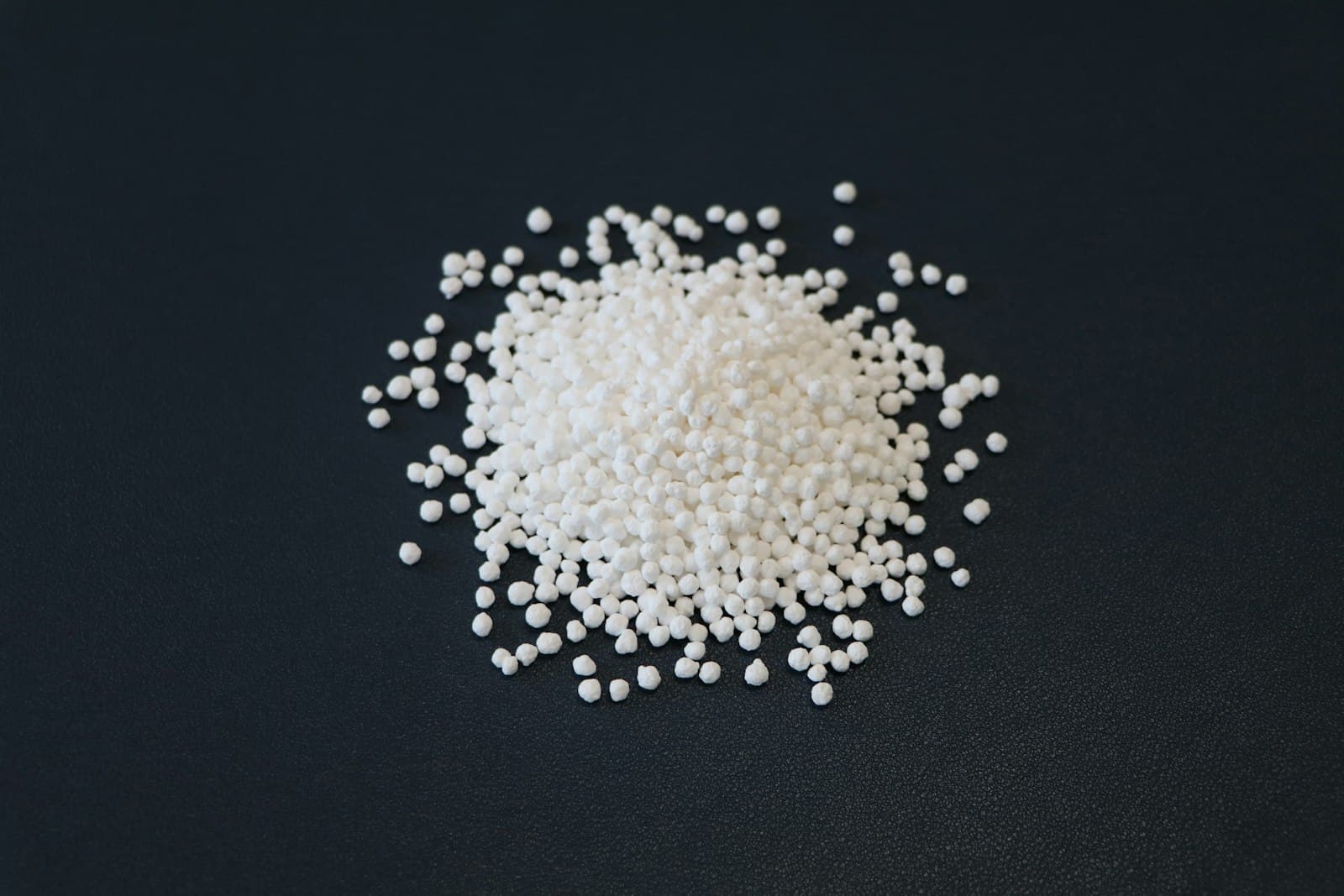
Broadcast urea on dry soil and 30-40% of the nitrogen is gone within days. Splitting the dose on moist soil is the cheapest yield gain there is.
Vaibhav Dhama4 min read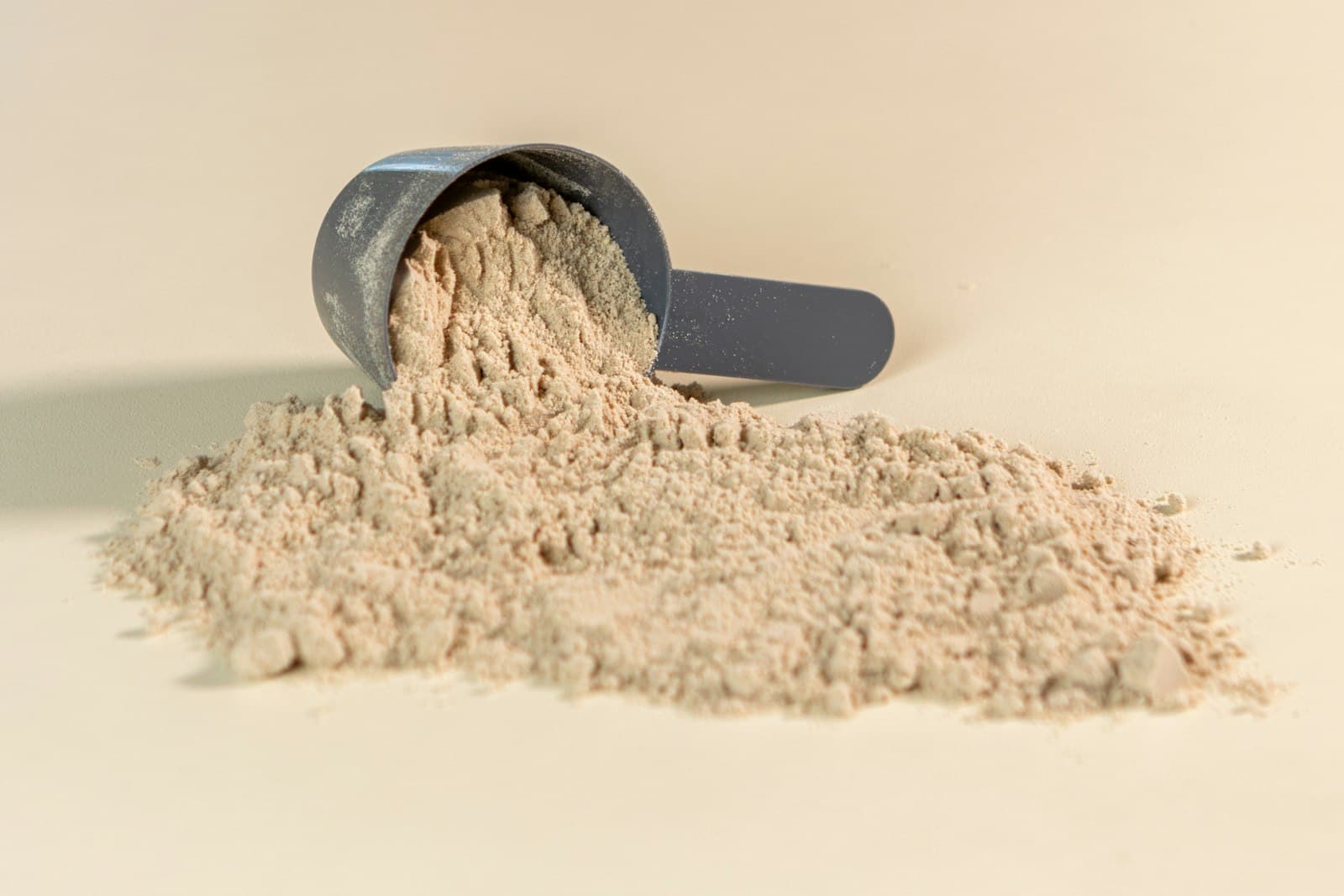
Crushed, steamed bone gives a slow-release organic phosphorus and calcium, best for fruit, flower and root crops. How to apply it.
Vaibhav Dhama2 min read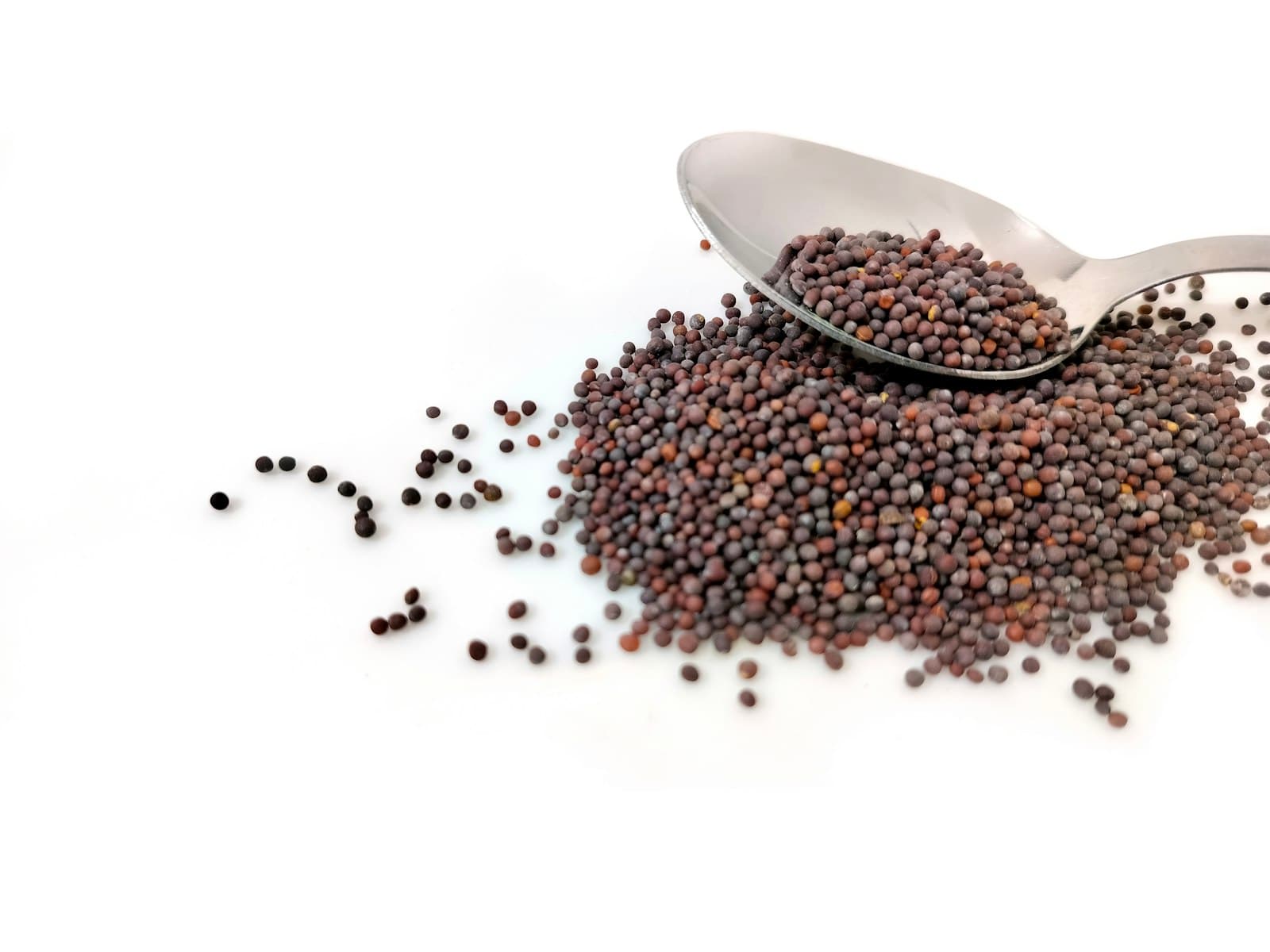
The residue left after pressing mustard oil is a fast-acting nitrogen source for vegetables. How to apply it dry or ferment it as foliar feed.
Vaibhav Dhama2 min read
NADEP makes large volumes of compost from crop residue and little dung, in a brick tank with air holes. How it's built, layered and filled.
Vaibhav Dhama2 min read
What's left after pressing neem oil feeds crops slowly and suppresses root-knot nematodes. How much to use, when, and why it works twice over.
Vaibhav Dhama2 min readWheat needs plenty of nitrogen, moderate phosphorus and some potassium — a common plan is DAP at sowing for phosphorus, MOP if the soil test calls for potash, and urea split into two or three top dressings (at crown-root initiation and tillering). Open the wheat crop portal or use the Fertilizer Finder above for a per-acre figure.
Urea is a straight nitrogen fertiliser (46% N) used mainly to push vegetative growth, top-dressed on a standing crop. DAP carries phosphorus (46%) plus some nitrogen (18%) and is applied at sowing, placed near the seed, because phosphorus does not move in the soil. You almost always need both — DAP at sowing, urea later.
It depends on the crop and, above all, on your soil test — that is exactly what the Soil Health Card is for. As a rough guide the Fertilizer Finder and the Fertilizer Calculator convert an ICAR-aligned dose into bags per acre, but a field test always beats a blanket rate and stops you paying for nutrients the soil already has.
You can apply them together at sowing, but do not mix and then store them — urea and DAP react over time and cake into a hard, unusable lump. Mix only what you will apply the same day.
N-P-K are the three nutrients crops need in the largest amounts: nitrogen (N) for leafy growth, phosphorus (P) for roots and flowering, potassium (K) for fruit, grain fill and stress tolerance. A fertiliser grade like 19:19:19 is the percentage of each in the bag.
Start with where the symptom is. Yellowing on the oldest leaves is usually nitrogen; a purple tinge is phosphorus; scorched leaf edges are potassium; pale bands on the newest leaves are zinc. The "Choose by problem" cards above link each symptom to a full diagnosis and its fix.
Flowering runs on phosphorus and potassium, not nitrogen — in fact too much nitrogen at this stage delays flowering and grows leaves instead. Make sure phosphorus was placed at sowing (DAP or SSP) and potassium is covered (MOP), and for poor flower or fruit set add boron, usually as a 0.1–0.2% borax foliar spray at the bud stage. On high-value fruit and vegetables a soluble grade like potassium nitrate (13:0:45) or NPK 19:19:19 through the leaf or drip helps at fruiting.
There is no single "yield" fertiliser — the biggest gains come from fixing whatever nutrient is actually short and getting the timing and placement right, not from adding more of what the soil already has. For most Indian fields the quiet wins are a balanced N-P-K based on a soil test, splitting nitrogen so the crop can use it, and correcting a hidden micronutrient shortage like zinc. A Soil Health Card test points you at the nutrient that will actually move your yield.
Both, split by nutrient. Phosphorus and potassium barely move in soil, so the full dose goes in at sowing as a basal, placed near the seed (DAP/SSP for phosphorus, MOP for potassium). Nitrogen leaches and volatilises, so only part goes in at sowing and the rest is top-dressed as urea at the crop’s peak-demand stages. The "Choose by growth stage" section above shows the four methods and when each is used.
Sometimes, but never assume it. Some water-soluble fertilisers and micronutrients tank-mix safely with certain pesticides, but many combinations react, clog the sprayer or scorch the crop. Check the pesticide label, do a small jar test first (mix a little and watch for curdling or sediment), and never mix zinc sulphate with a phosphate fertiliser. When in doubt, spray them separately.
It is a free government soil test that reports your field’s nitrogen, phosphorus, potassium and key micronutrient status and gives a crop-wise fertiliser recommendation. It matters because it stops you paying for nutrients the soil already has and flags the hidden shortage — often a micronutrient — that is actually capping your yield. It is the single best way to fertilise by need rather than by habit.
A complex fertiliser carries two or three nutrients chemically combined in every granule, shown as its N-P-K grade. Granular complexes like NPK 10:26:26 or 12:32:16 are basal fertilisers for phosphorus-and-potassium-hungry crops — one bag replaces separate DAP and MOP. Water-soluble complexes like NPK 19:19:19 are for foliar spraying and drip, not for broadcasting. A "straight" fertiliser (urea, MOP) carries only one nutrient; a complex is the convenience of a ready blend.
MOP (muriate of potash, 0-0-60) is the cheaper, standard choice and is fine for most field crops. SOP (sulphate of potash, 0-0-50) costs more but is chloride-free and adds sulphur, so it is worth it for chloride-sensitive, quality-sensitive crops — tobacco, some grapes, and many fruit and vegetables where taste, colour and shelf-life matter. For wheat, paddy or sugarcane, MOP is the sensible pick.
Fertigation needs fully water-soluble fertilisers so the drippers do not clog. The common ones are NPK 19:19:19 (and other soluble NPK grades), potassium nitrate (13:0:45), urea and calcium/magnesium/micronutrient solubles. Apply them in small, frequent doses through the season — "little and often" is the whole advantage of drip — and flush the lines with plain water afterwards. Do not put a granular field fertiliser like DAP through a drip system.
Sulphur matters for oilseeds and pulses — it builds oil and protein — and much of India’s soil is now short of it. The cheapest ways to add it are SSP (11% sulphur alongside its phosphorus), gypsum (18% sulphur plus calcium), and ammonium sulphate (24% sulphur with its nitrogen). Bentonite sulphur is a slower-release option. For mustard, groundnut and soybean, covering sulphur is often a bigger win than adding more N-P-K.