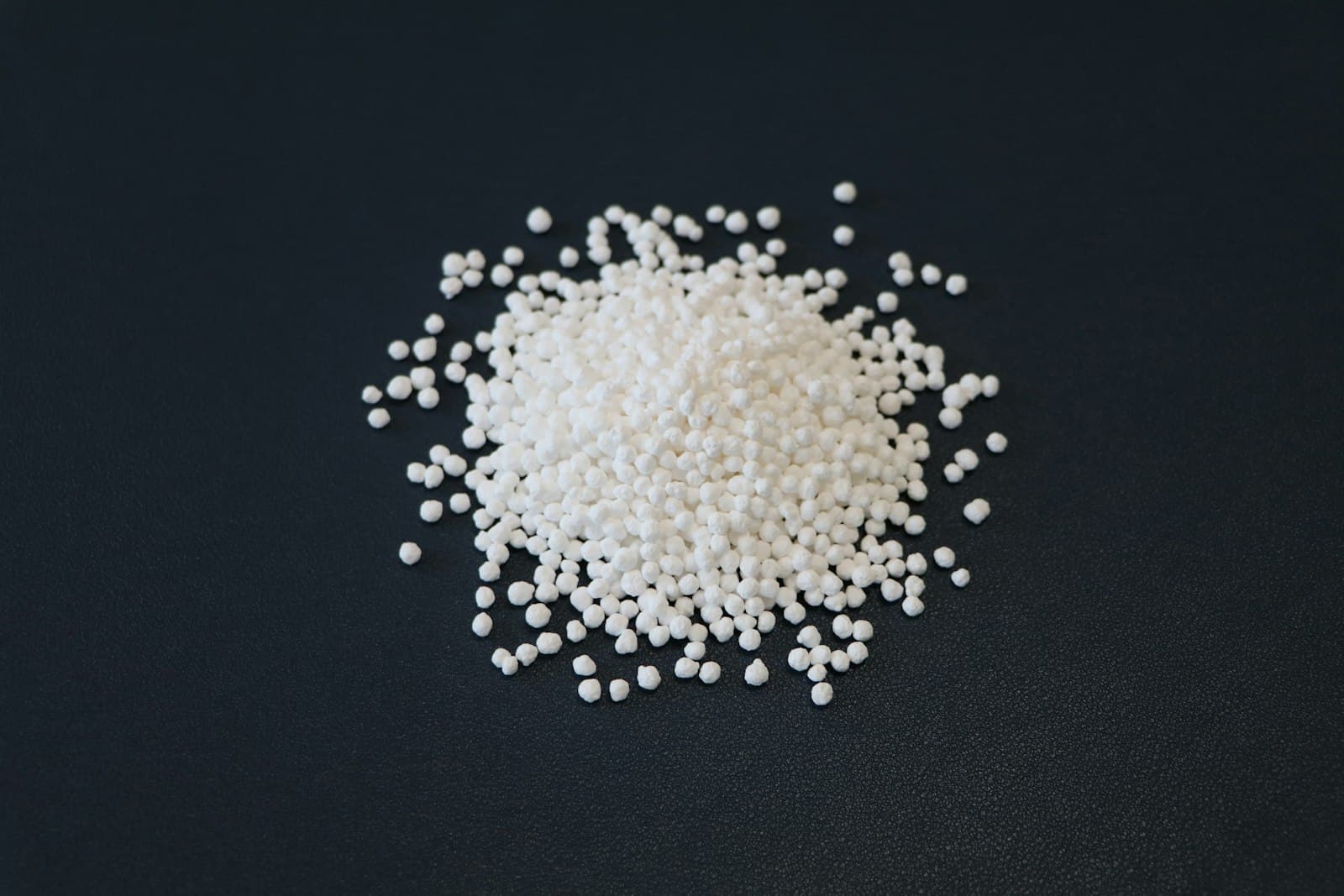
Fertiliser Timing: Why Rules Differ
Nitrogen leaches, phosphorus barely moves, potash sits between the two - why one timing rule can never fit all nutrients equally.
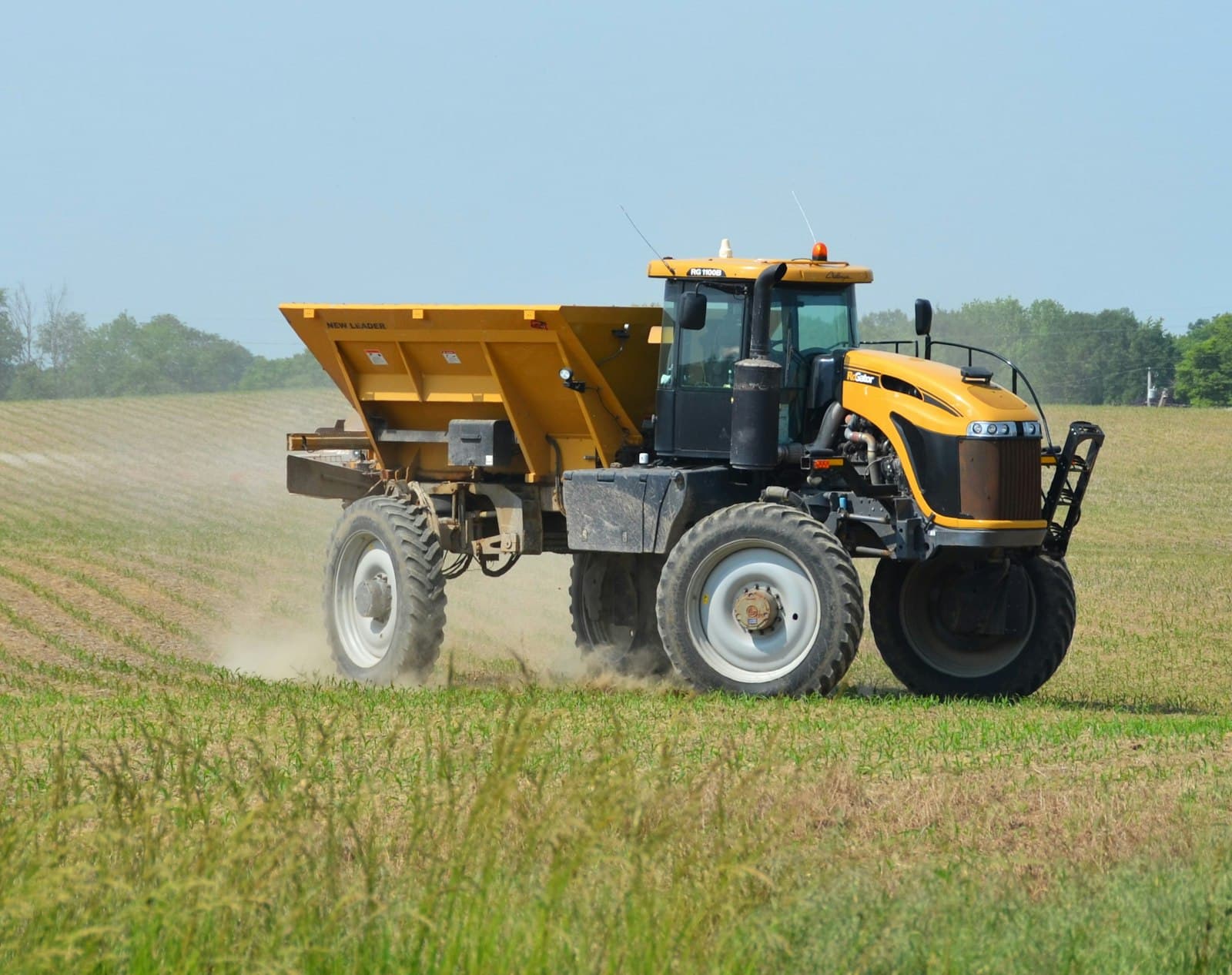
"When should I apply fertiliser" has no single answer, because it is really three or four different questions wearing one name — nitrogen, phosphorus, potassium and micronutrients all move through soil differently, and each one's timing rule follows directly from that.
Nitrogen: mobile, so it has to be split
Nitrogen is highly water-soluble and leaches downward with rain or irrigation, and a large share of a surface-broadcast dose can volatilise into the air within days if conditions are wrong. This is why nitrogen is split across two or three timed doses rather than applied all at once — a single heavy dose simply loses too much of itself before the crop can use it.
Phosphorus: immobile, so it is placed once, near the root
Phosphorus behaves almost the opposite way — it binds tightly to soil particles and barely moves from where it is placed. Splitting a phosphorus dose gains nothing, since the plant's roots have to grow toward wherever the nutrient sits rather than the nutrient coming to the roots. The standard practice is a single basal application at or before sowing, placed close to where the root zone will develop.
Potassium: split for crops that need it late
Potassium sits between the two — more mobile than phosphorus, less mobile than nitrogen. For most cereal crops a basal dose covers the season adequately, but for fruiting and tuber crops, where a second potassium application during the fruit- or tuber-bulking stage measurably improves quality and yield, splitting the dose is worth the extra pass.
Micronutrients: often foliar, for a reason
Zinc, iron, boron and similar micronutrients can get chemically "fixed" into an unavailable form in certain soils — alkaline soils in particular are prone to fixing zinc — before a root ever reaches them. A foliar spray bypasses the soil entirely, delivering the nutrient straight to the leaf, which is why it is the faster and more reliable way to correct an active deficiency rather than a preventive soil application.
The weather rule that applies to all of them
Regardless of which nutrient, applying fertiliser to bone-dry soil ahead of intense heat invites volatilisation loss, and applying it right before a heavy downpour invites runoff loss. The ideal window is moist soil with mild conditions — right after a light rain or irrigation, not immediately before a heavy one. Foliar sprays specifically should go on in the early morning or evening, since midday heat both evaporates the spray too fast and risks leaf scorch on a wet leaf under strong sun.
The one sentence version
There is no single fertiliser-timing rule because nitrogen, phosphorus, potassium and micronutrients each move through soil differently — split doses for nitrogen and sometimes potassium, a one-time basal placement for phosphorus, foliar sprays for a fast micronutrient correction, and moist-mild weather for all of them.
Frequently asked questions
Why is phosphorus applied only once, while nitrogen is split?
Phosphorus binds tightly to soil particles and barely moves once applied, so splitting the dose over the season gains nothing — it is placed as a basal application near the root zone at sowing, where the plant's roots will grow toward it. Nitrogen, by contrast, is highly mobile and leaches or volatilises quickly, so splitting it across the season keeps it available when the crop actually needs it.
Why are micronutrients often sprayed on leaves instead of applied to soil?
Micronutrients like zinc and iron can get chemically "fixed" in certain soil types — converted into a form the plant cannot absorb — before the root ever reaches them. A foliar spray delivers the nutrient directly to the leaf, bypassing that soil-fixation problem entirely, which is why it is the faster, more reliable route to correcting an active deficiency.

Written by
Vaibhav Dhama
Founder, Technical Kisan
Vaibhav Dhama is the founder of Technical Kisan. He writes from Baghpat, Uttar Pradesh, and builds each guide on ICAR and state agricultural university guidance, official government scheme notifications, and live mandi-price data.
- Writes from Baghpat, Uttar Pradesh
- Software developer (BTech, 2021)
- Not a trained agronomist — confirm with your KVK
Discussion is coming soon
We are building a comments section where you can ask a question about this guide and see what other farmers in your district are doing.
For now, write to us at [email protected] — we read every message.