
 Crops
CropsMoringa Powder Production: From Leaves to Market
How to turn moringa leaves into export-grade powder: the right harvest stage, shade-drying, grinding, and where the leaf-powder market actually pays.
Vaibhav Dhama6 min readField-tested guides for major Indian crops — variety, seed rate, sowing, nutrients, irrigation, pest and disease control, and realistic yield and cost.
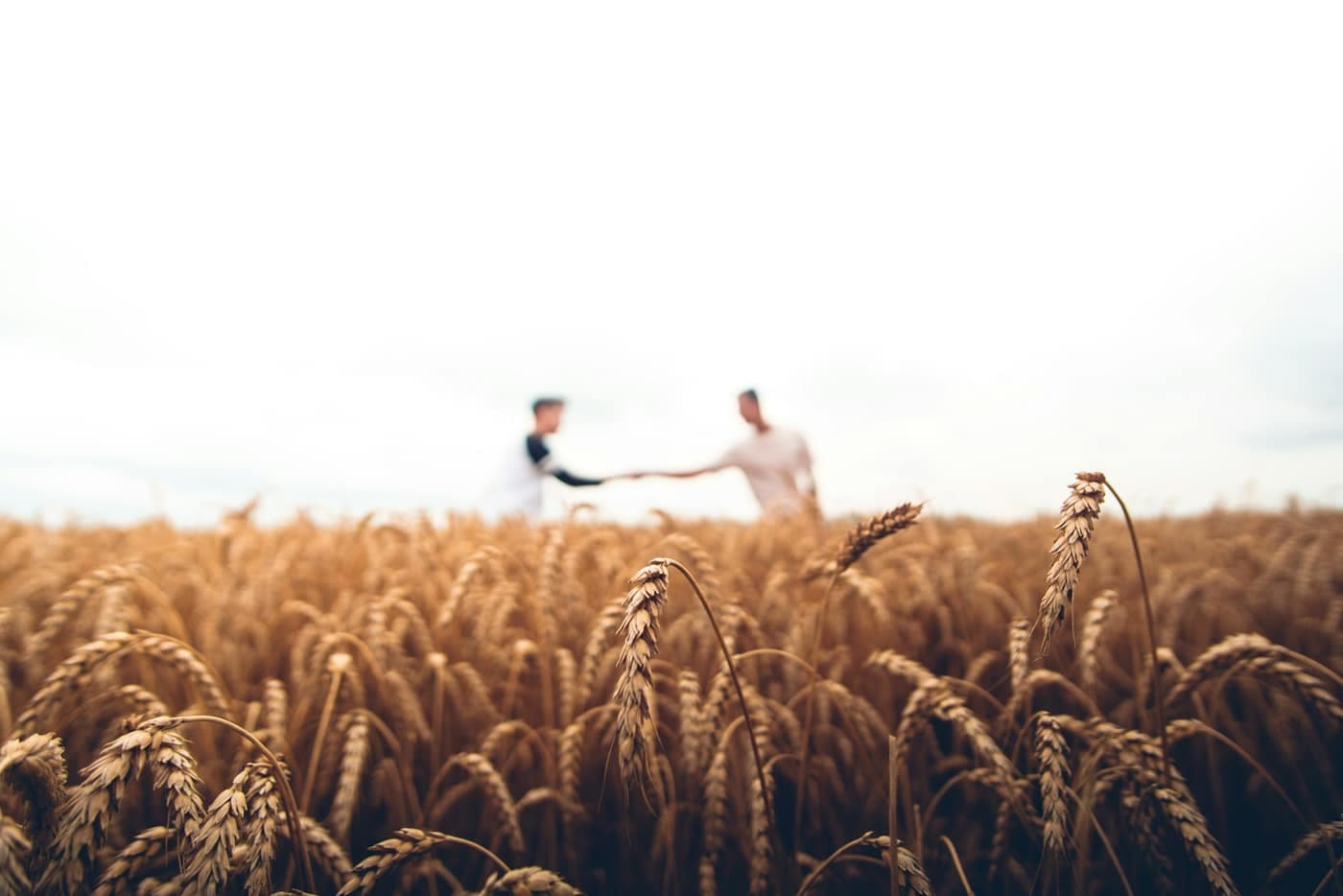
India’s principal rabi cereal. Timely sowing in the first fortnight of November is the single biggest lever on yield — every week of delay past 25 November costs roughly 1–1.5 quintals per hectare as terminal heat cuts the grain-filling window short.
Season: Rabi
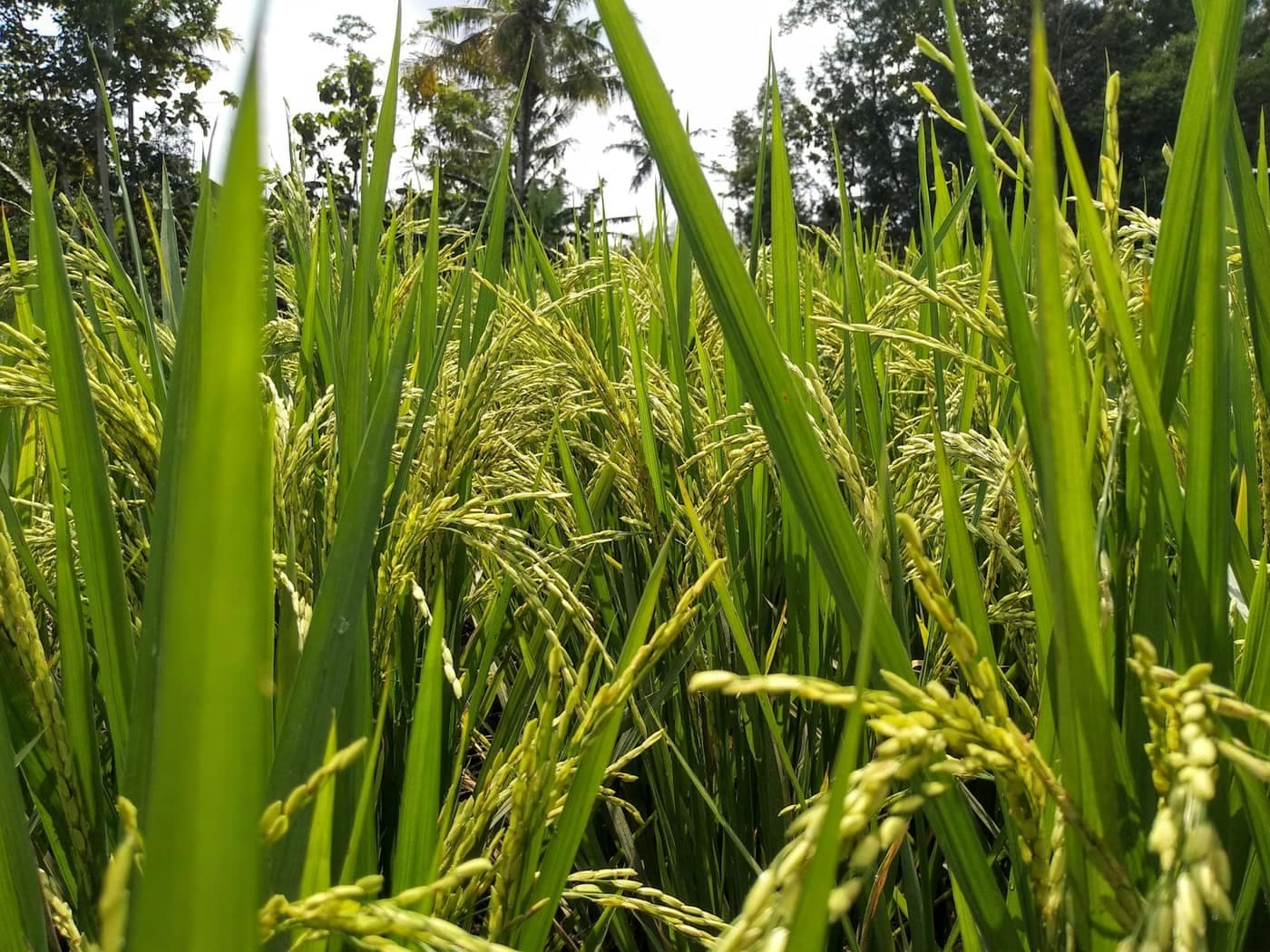
The defining kharif crop of the monsoon belt. The economics now turn less on yield than on water and labour: DSR and SRI both cut input cost materially where the soil and the canal schedule allow it.
Season: Kharif
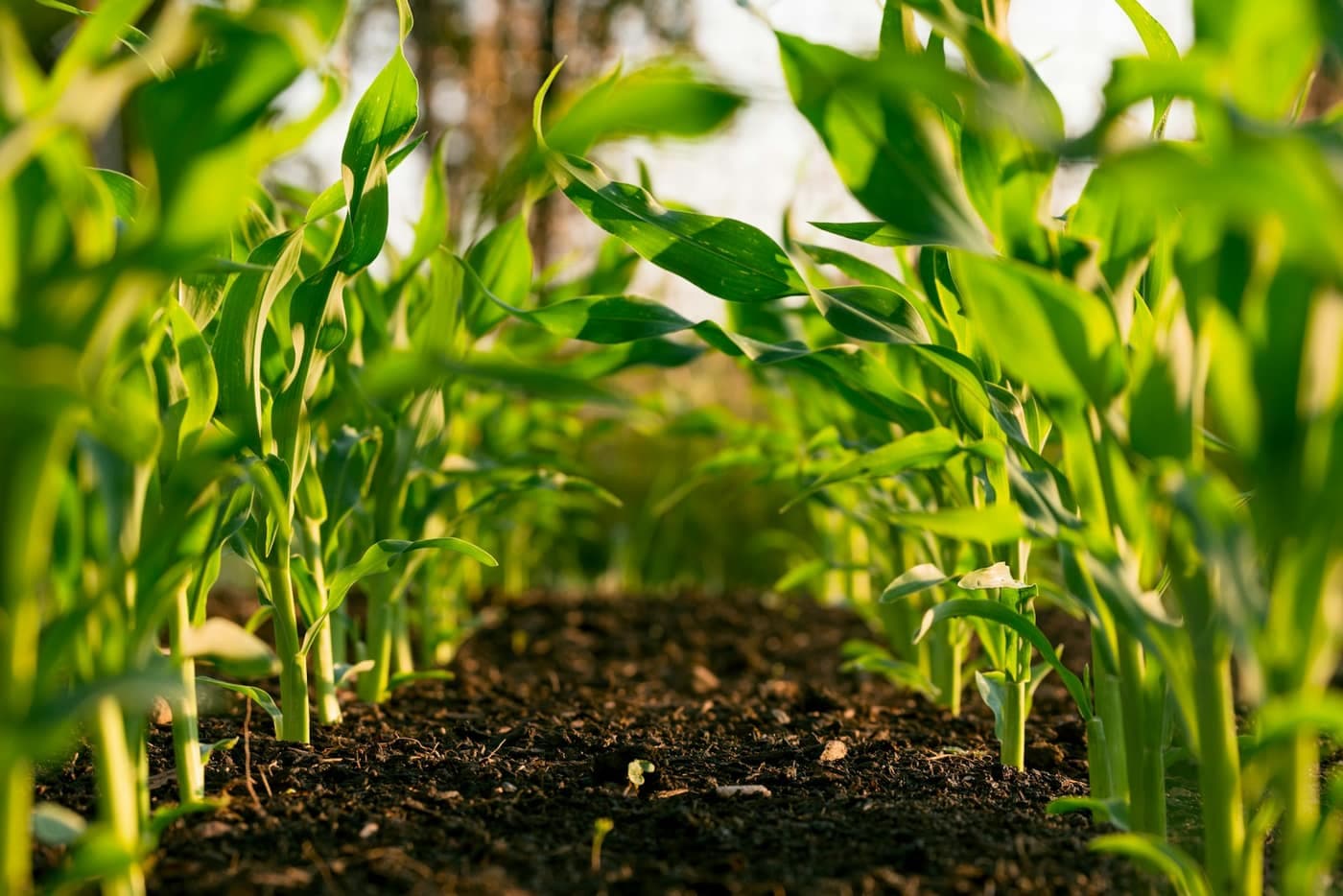
The fastest-growing cereal in India, pulled along by poultry feed and ethanol demand. It is far more responsive to nitrogen timing than wheat, and utterly intolerant of waterlogging in the first three weeks.
Seasons: Kharif, rabi and spring
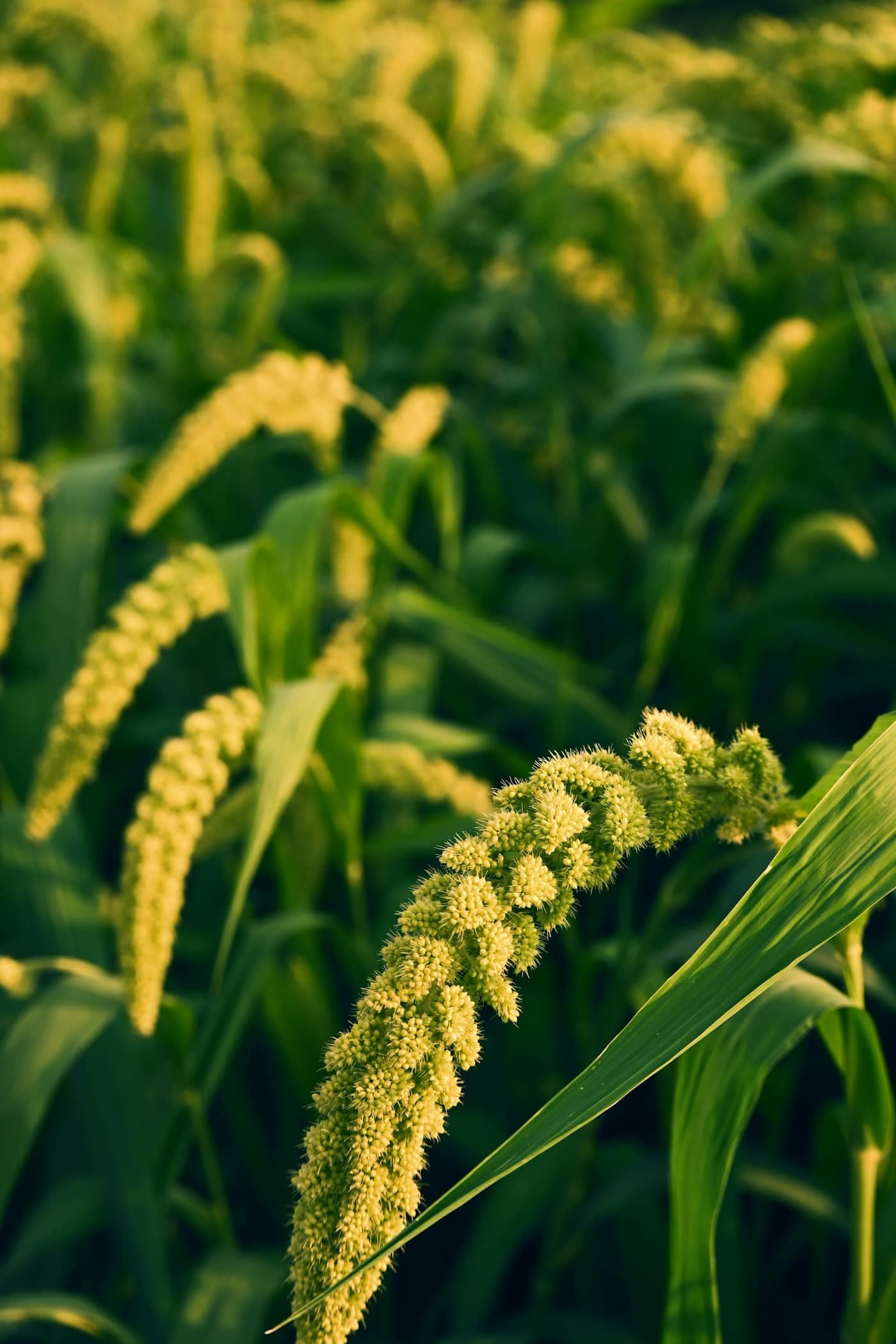
A hardy kharif millet grown on light, low-fertility soils across the arid and semi-arid west. It tolerates drought and heat far better than any other major cereal, which is why it stays the backbone crop of Rajasthan and Gujarat’s rainfed tracts.
Season: Kharif
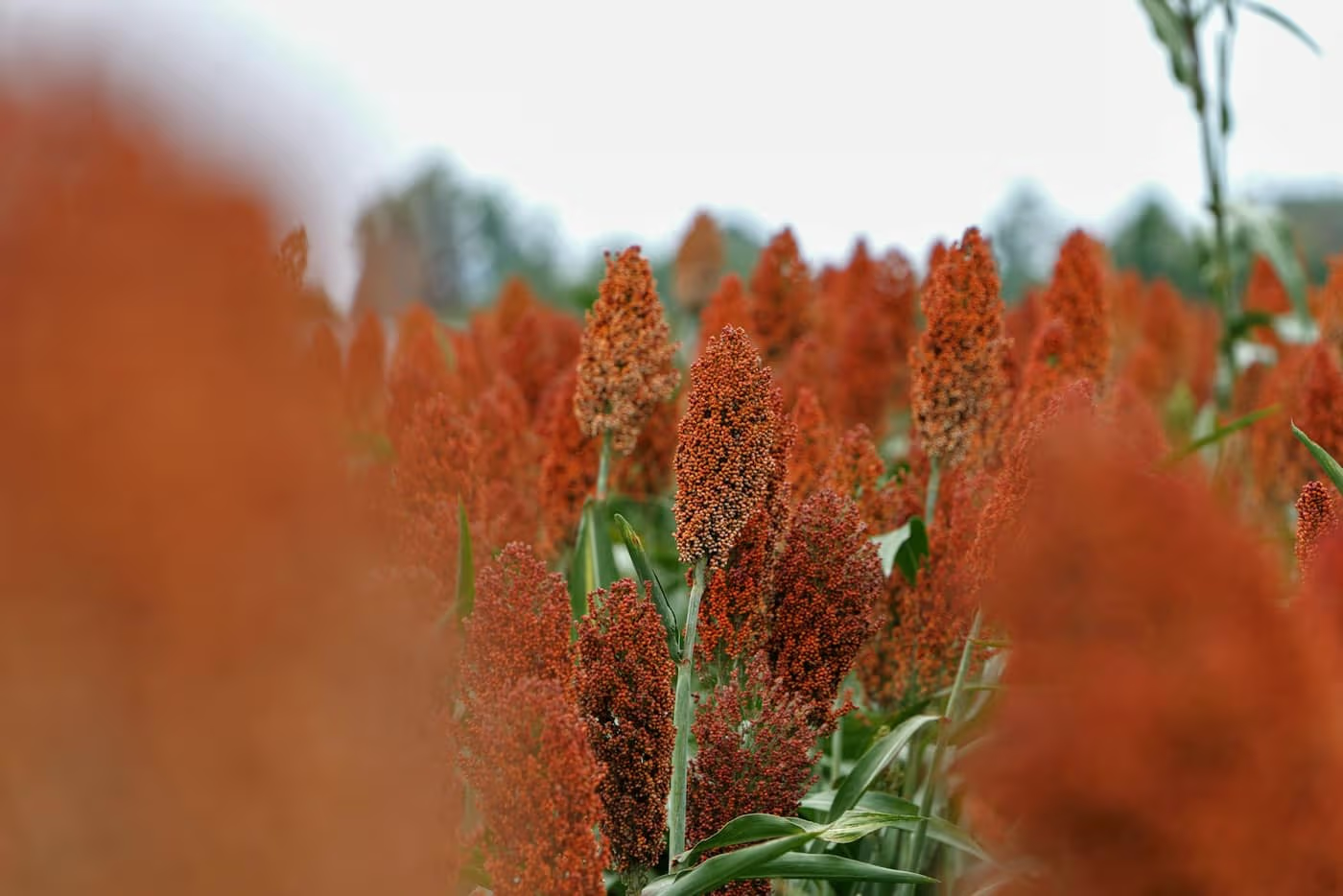
Grown as both a kharif and rabi crop — kharif jowar mainly for grain and fodder across Maharashtra and Karnataka, rabi jowar valued for its bolder, better-storing grain and steadier market price.
Seasons: Kharif and rabi

The hardiest rabi cereal — it tolerates saline and marginal soils and needs less water and nitrogen than wheat, which is exactly why it survives on land wheat would fail on.
Season: Rabi
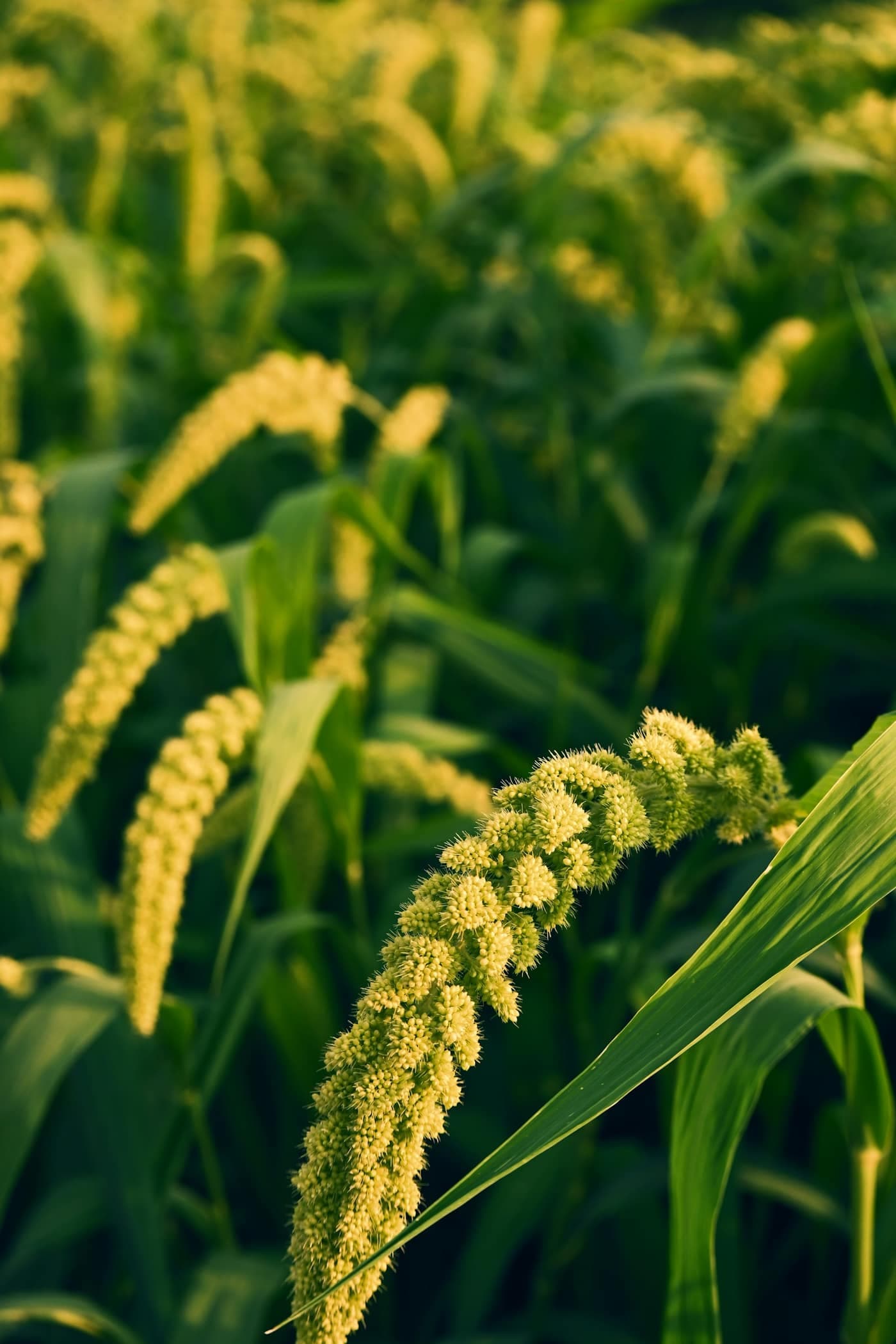
India's hardiest nutri-cereal — a dryland kharif crop of Karnataka, the eastern hills and Uttarakhand that yields a dependable grain on poor soil and little rain, stores for years without pest damage, and is rich in calcium and iron. It is grown either transplanted from a nursery or line-sown, and blast disease is the one problem that decides the crop.
Season: Kharif (summer/rabi in south India)
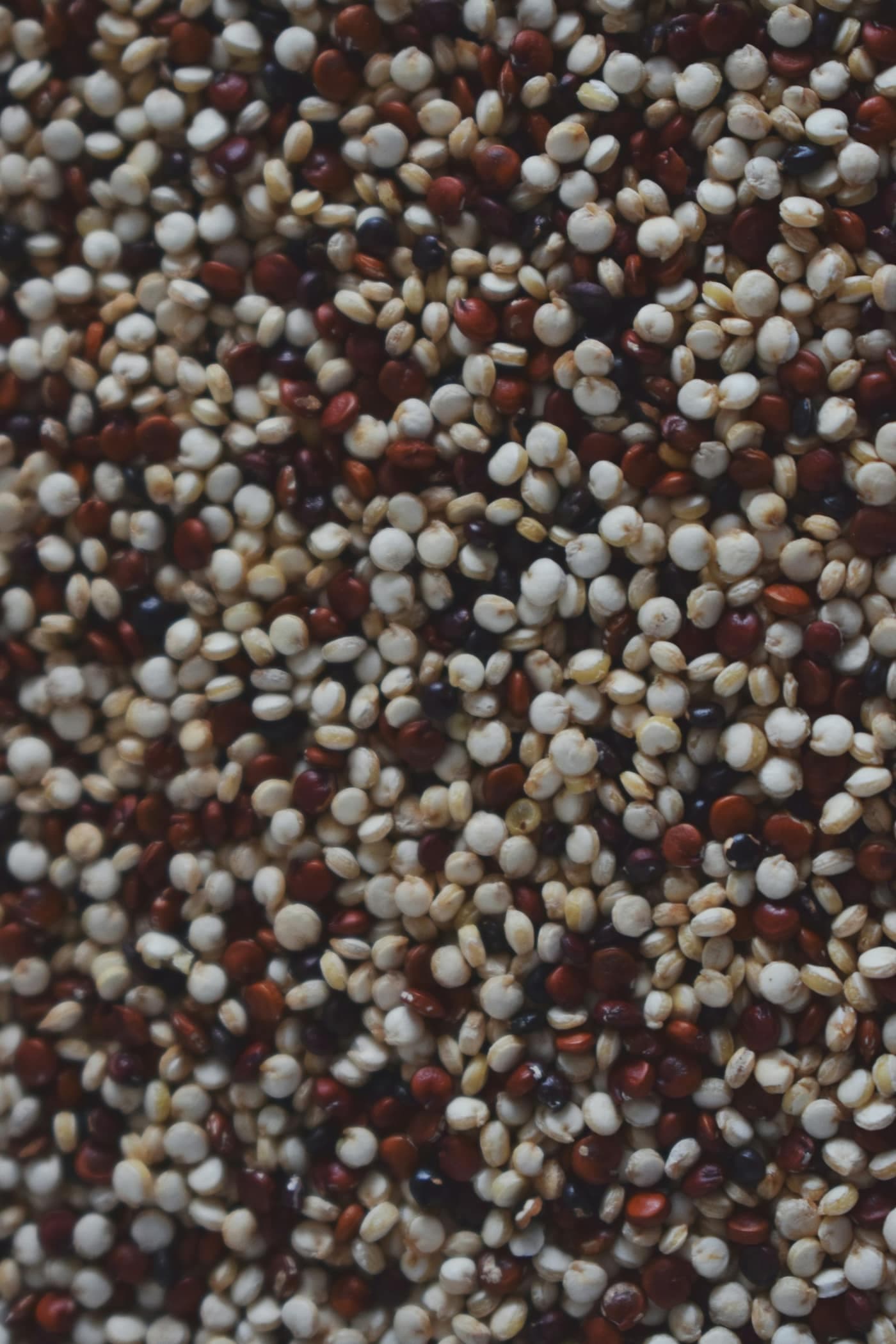
A drought- and salt-tolerant rabi pseudocereal still new to Indian fields, grown on the marginal land of Rajasthan, Himachal Pradesh, Uttarakhand and Ladakh where wheat and rice struggle — the two things that decide the crop are downy mildew, which can cut yield by up to a third to all of it in a bad year, and birds, which find the ripening grain heads as attractive as any buyer does.
Season: Rabi
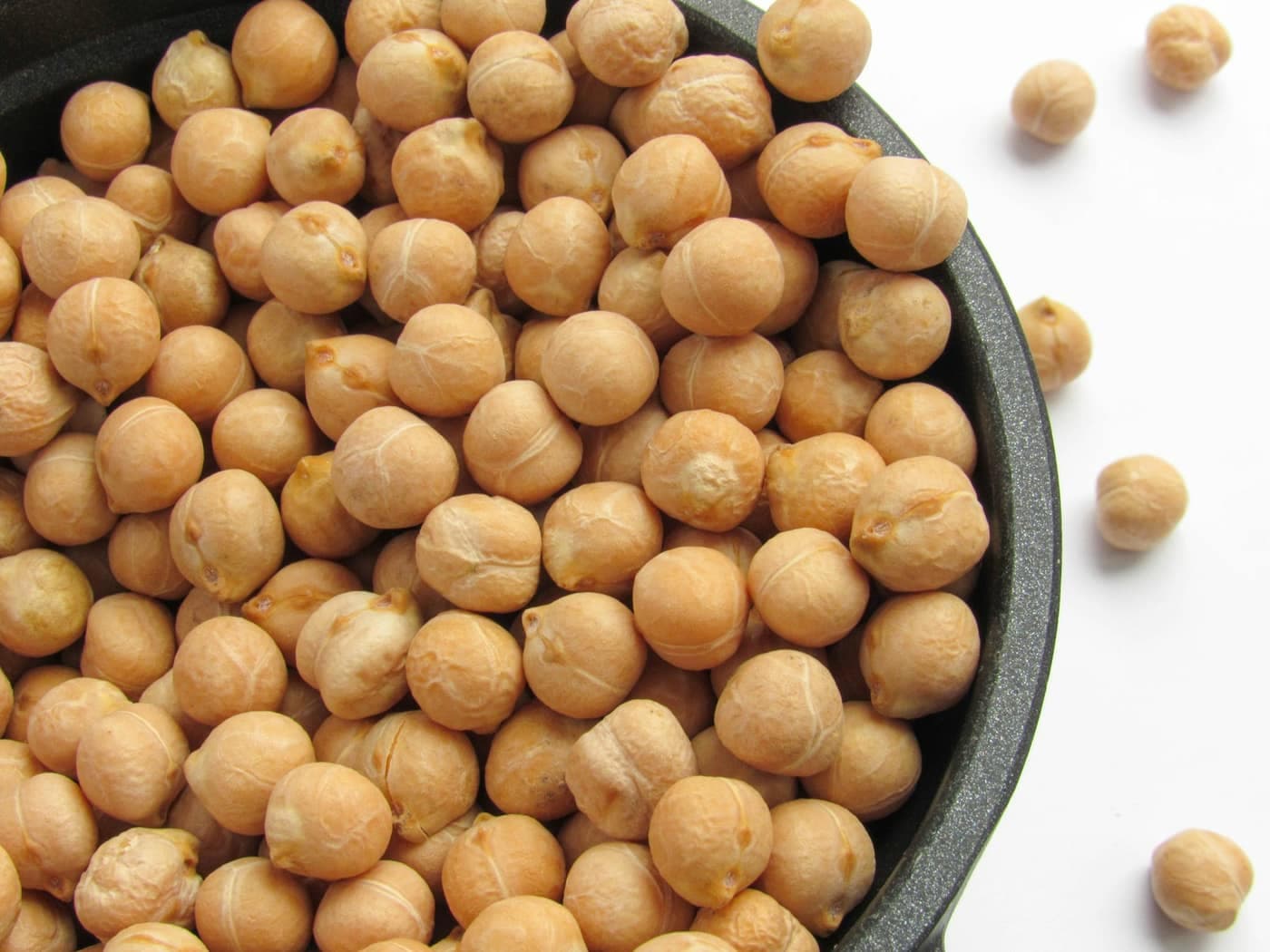
India’s largest rabi pulse by far, sown on residual soil moisture after the monsoon withdraws. A single protective spray at the pod-formation stage against pod borer typically matters more to the final yield than anything applied earlier.
Season: Rabi
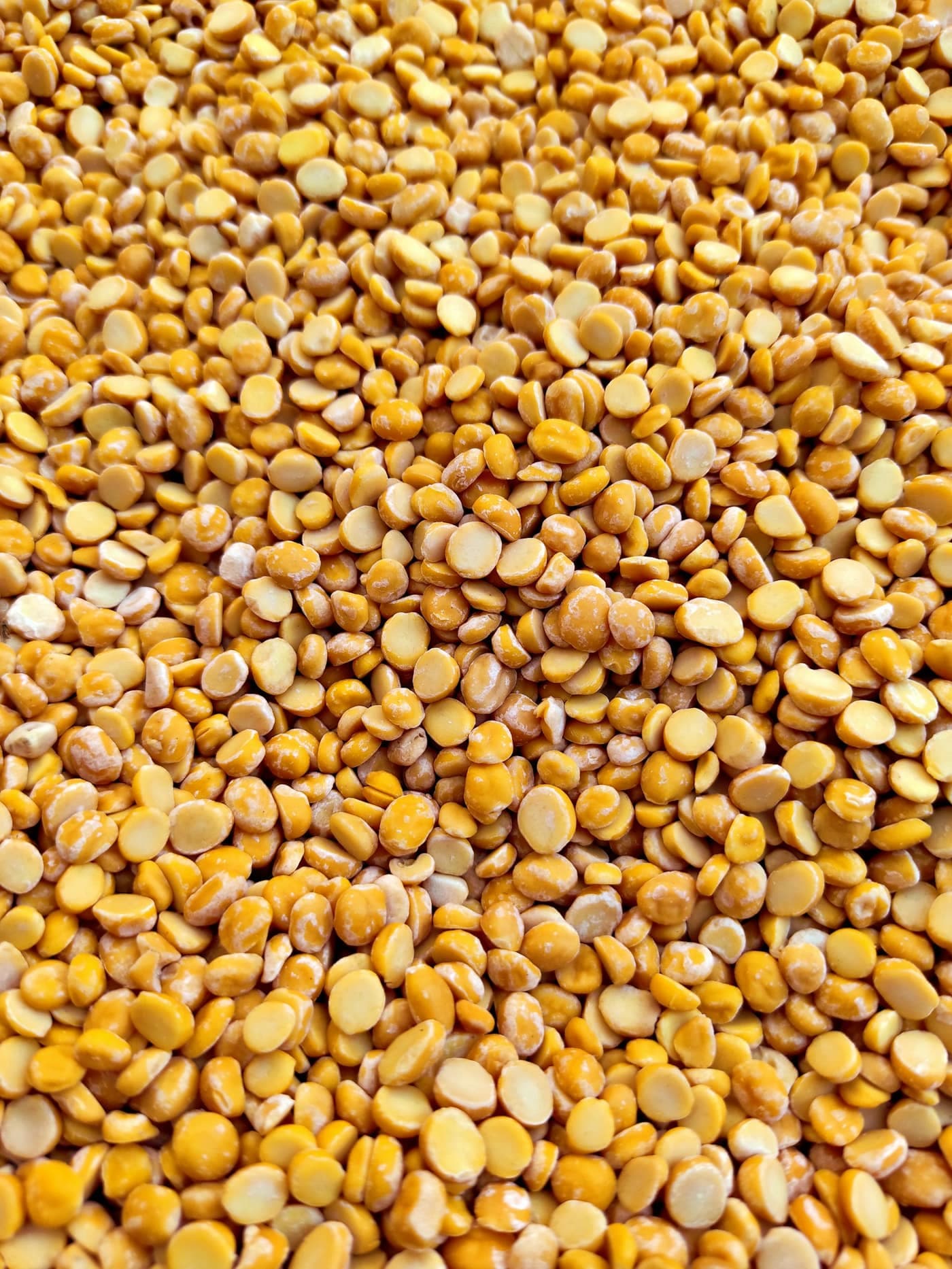
A long-duration kharif pulse, often intercropped with cotton or soybean since it spends its first three months growing slowly above ground while its faster-maturing neighbours are sown, grown and harvested first.
Season: Kharif (long duration)
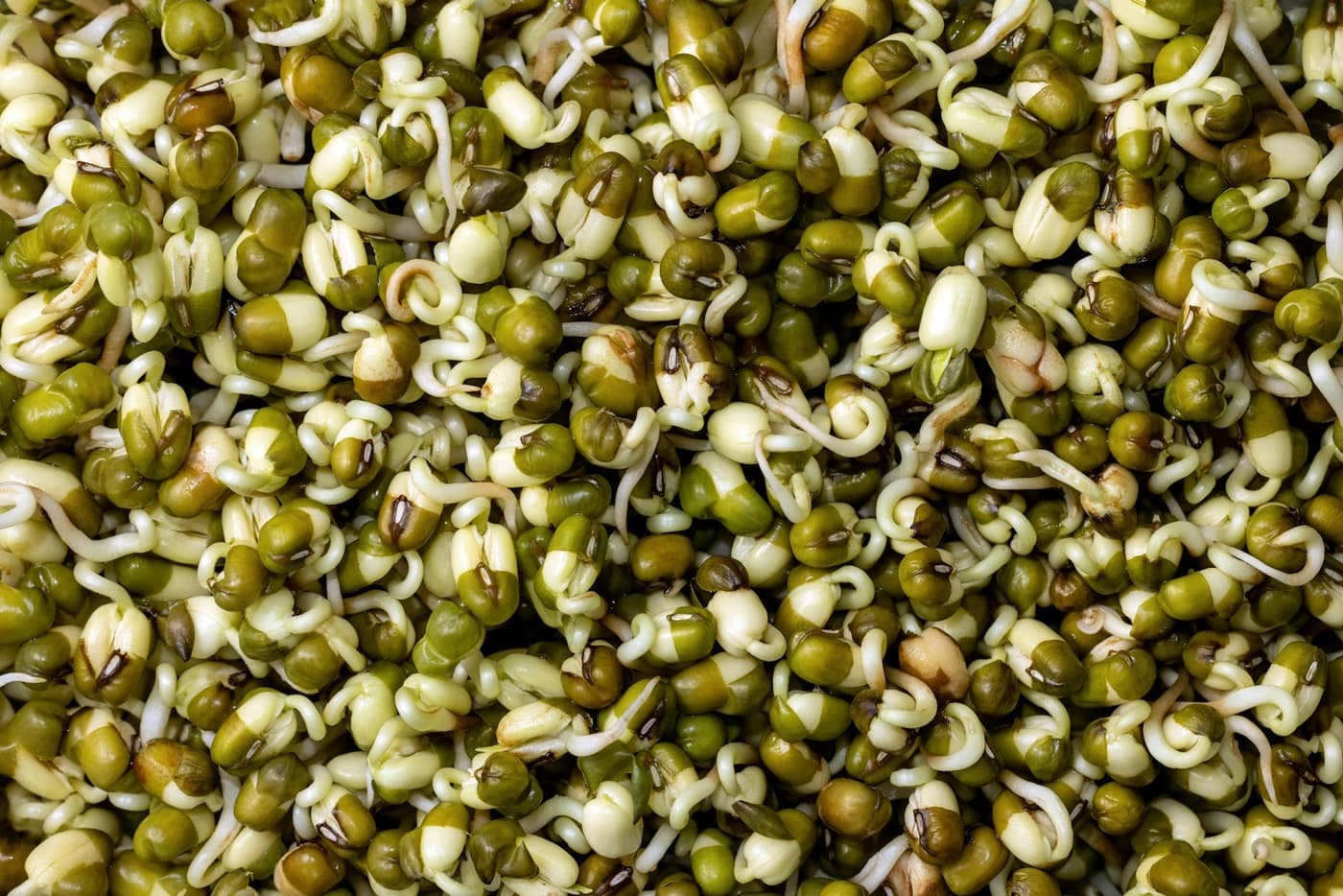
The shortest-duration major pulse grown in India — its 60–65 day cycle is exactly what lets it slot in as a summer crop between the rabi harvest and kharif sowing without disturbing the main rotation.
Seasons: Kharif and summer (zaid)
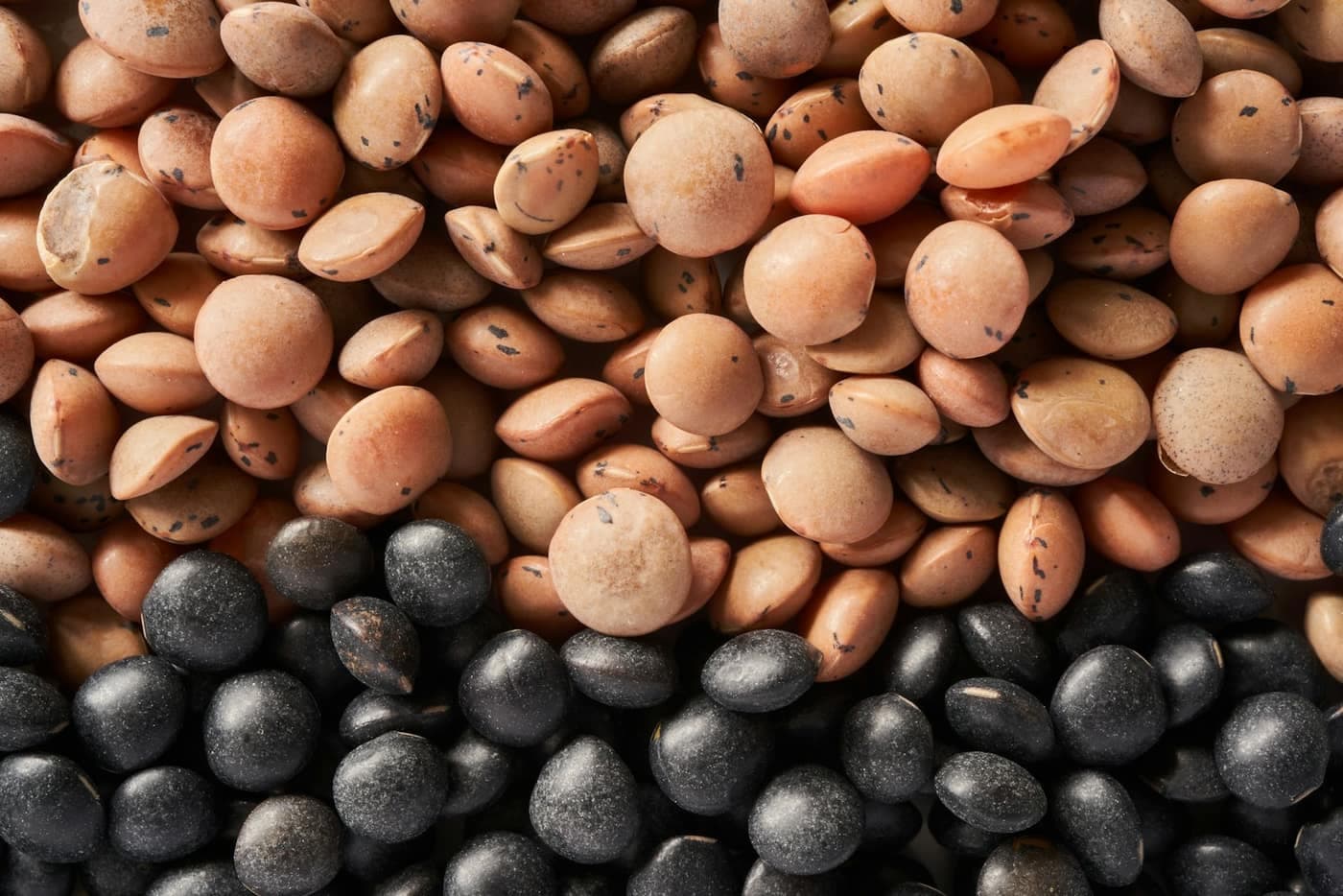
A short-duration kharif pulse that clears the field in barely 70–90 days, which is exactly why it slots in as a catch crop between two main seasons. Yellow mosaic virus, spread by whitefly, is the single thing that decides the crop — pick a resistant variety before anything else.
Season: Kharif & summer
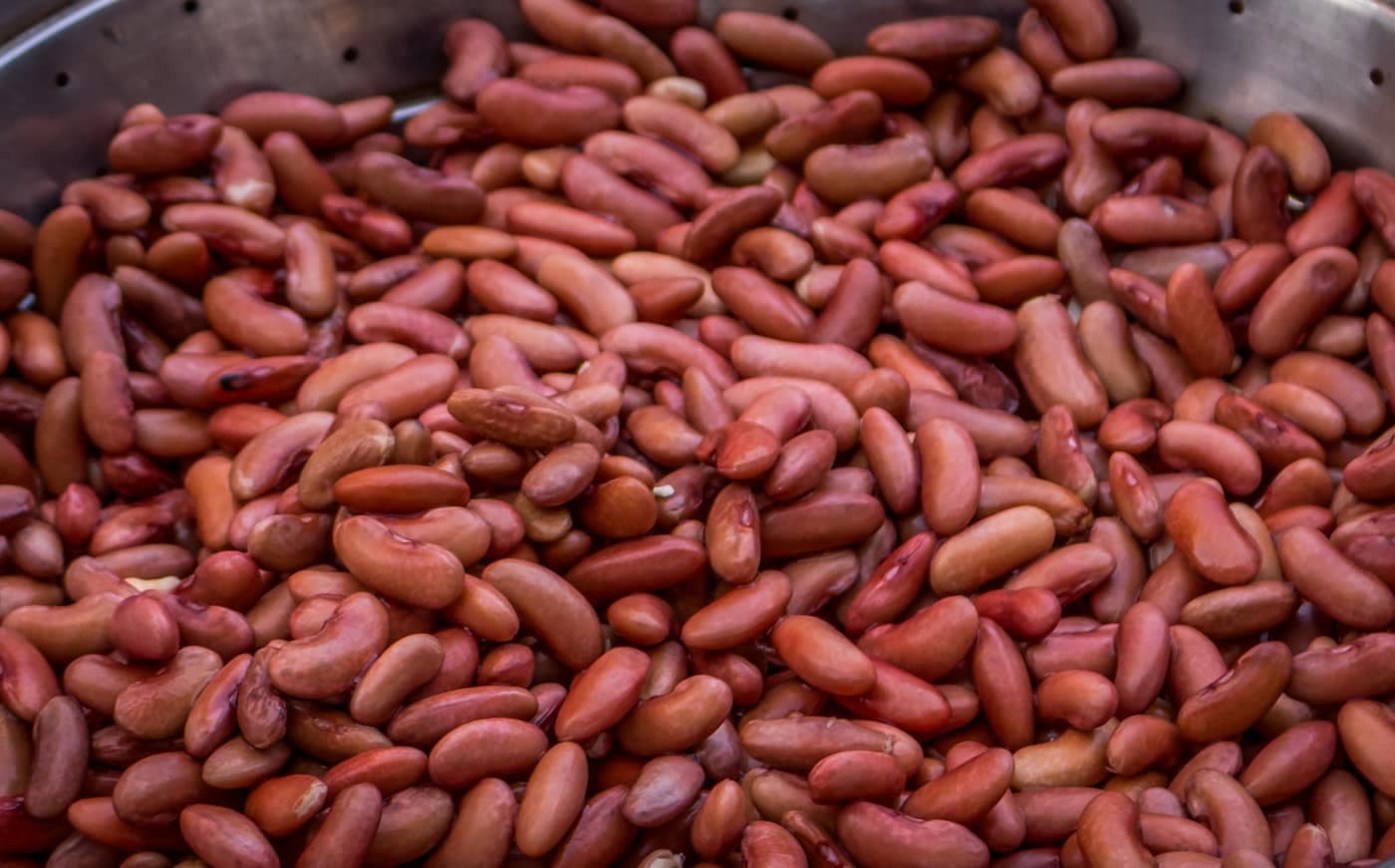
A cool-hill pulse that pays a premium far above ordinary dal — Himachal and Uttarakhand rajma sells on its name alone. It wants moderate temperatures throughout, so timing follows the hill calendar: kharif in the high hills, spring in the lower tarai belt.
Season: Kharif (hills) / spring (tarai)
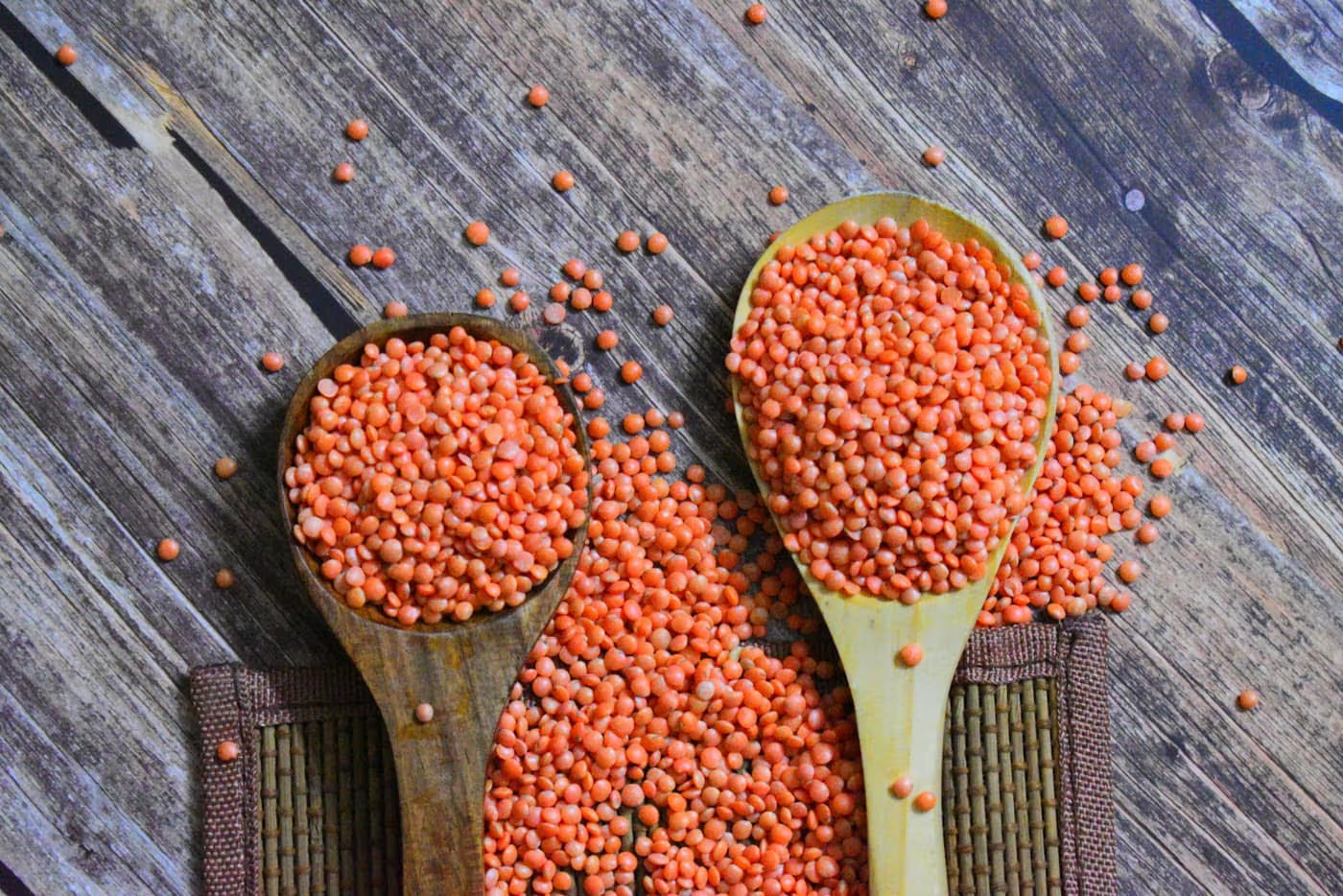
India's second rabi pulse after gram — a small nitrogen-fixing legume sown on residual soil moisture, widely relayed into standing rice as a utera crop. Sowing on time, a wilt-resistant variety on wilt-sick land, and getting ahead of Stemphylium blight in the humid east matter more than any input applied later.
Season: Rabi
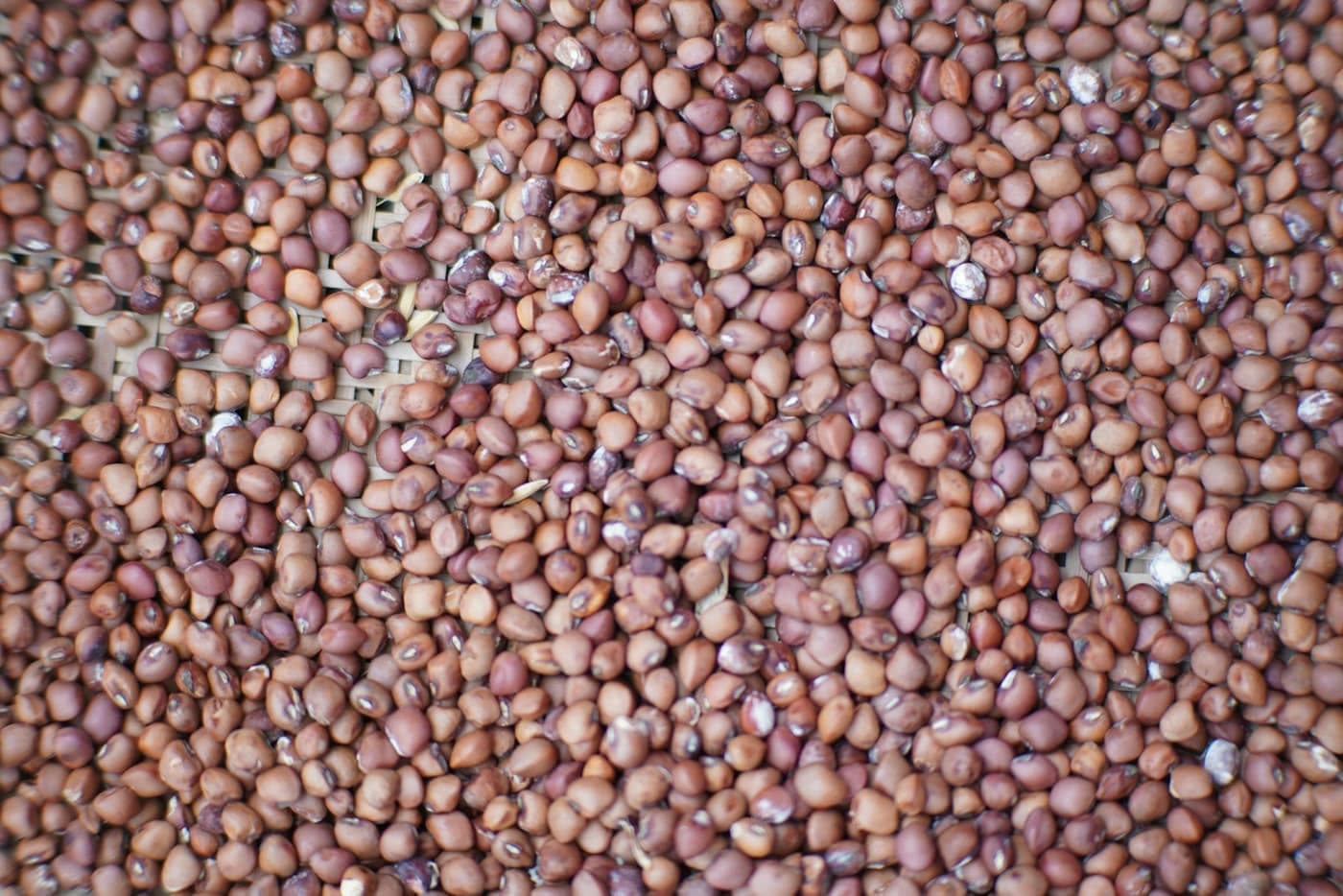
A tough rainfed pulse grown on poor, dry, stony land where almost no other crop gives a return — Karnataka, Andhra Pradesh, Tamil Nadu and Odisha grow most of India's crop, and it feeds both people (as dal, rasam and sprouts) and animals (as fodder and grain). Yellow mosaic virus and pod borer are the two problems that cut yield the most.
Season: Kharif (rainfed)
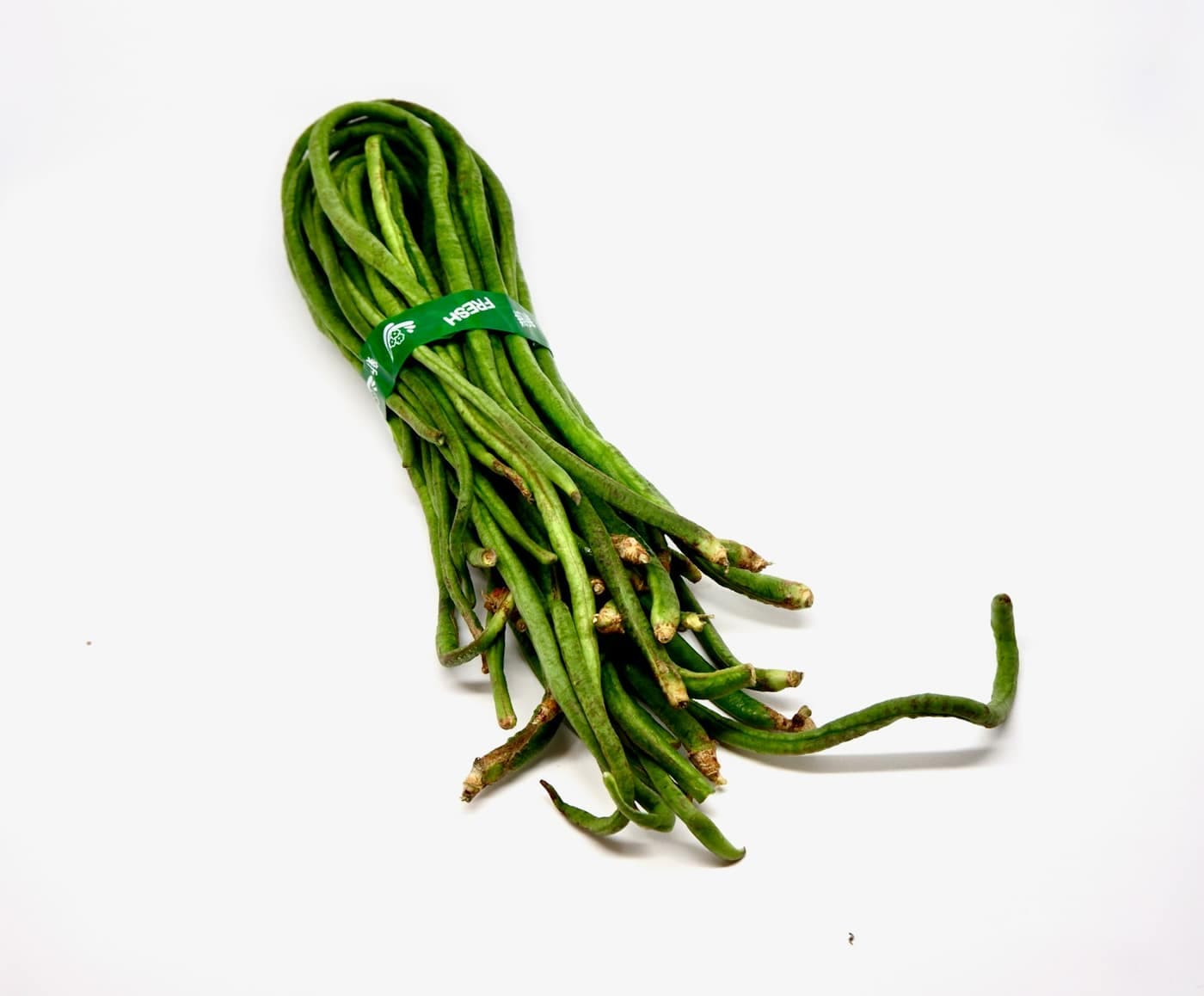
A fast-growing kharif pulse grown across Madhya Pradesh, Uttar Pradesh, Bihar and Rajasthan for three uses at once — dry grain (dal), a tender green-pod vegetable, and fodder. Its short 60–90 day life makes it a useful catch crop, but yellow mosaic virus and the Maruca pod borer decide most of the yield.
Season: Kharif (also summer/zaid for vegetable types)
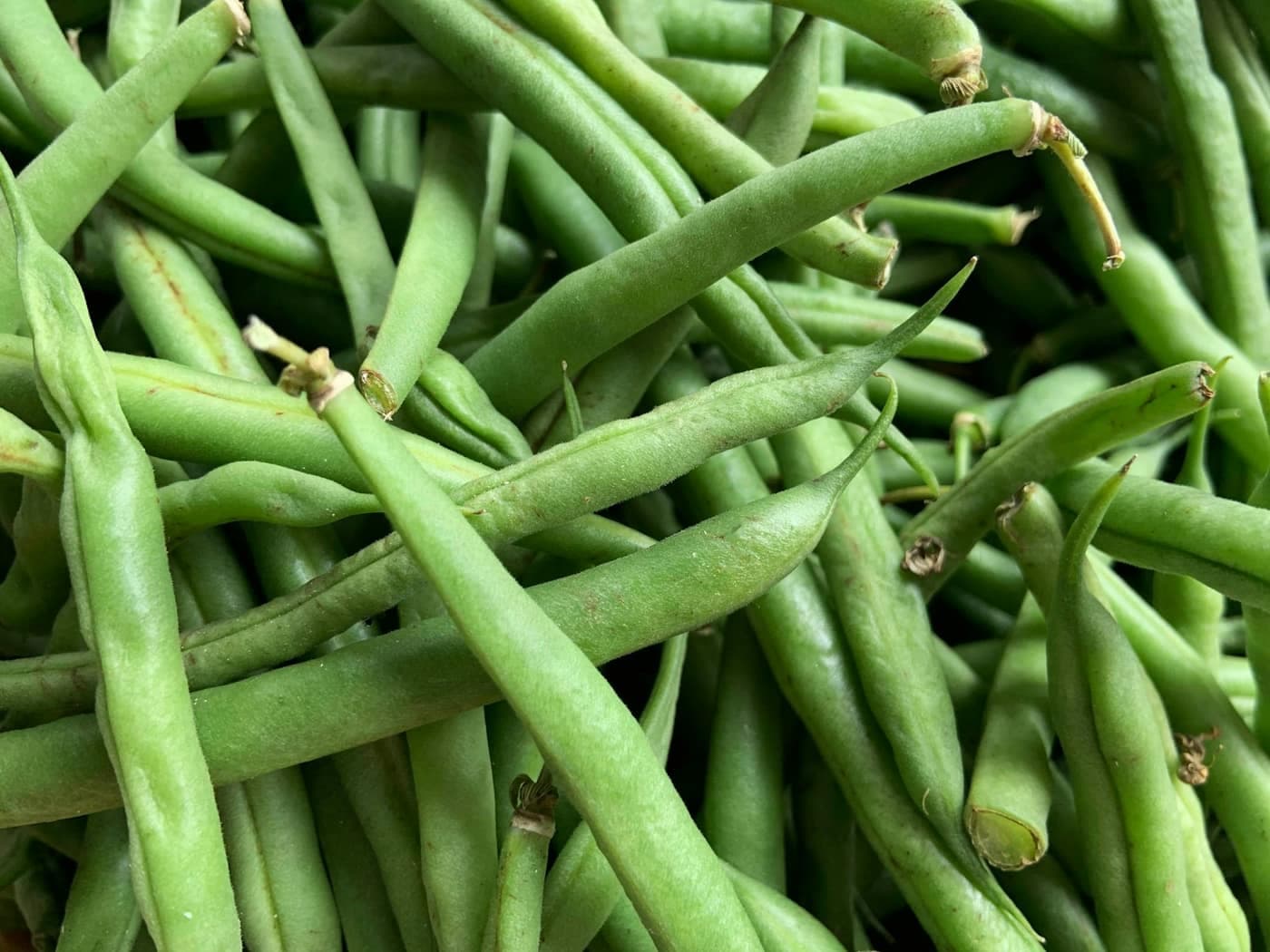
A tough, deeply drought-tolerant kharif legume grown almost entirely across Rajasthan, with Gujarat, Haryana and Punjab making up most of the rest — India grows roughly four-fifths of the world's guar. The seed is crushed for guar gum, a thickener used worldwide in food, textiles and oil-and-gas drilling, so guar seed trades as a genuine commodity on NCDEX alongside ordinary mandi sale.
Season: Kharif (rainfed)
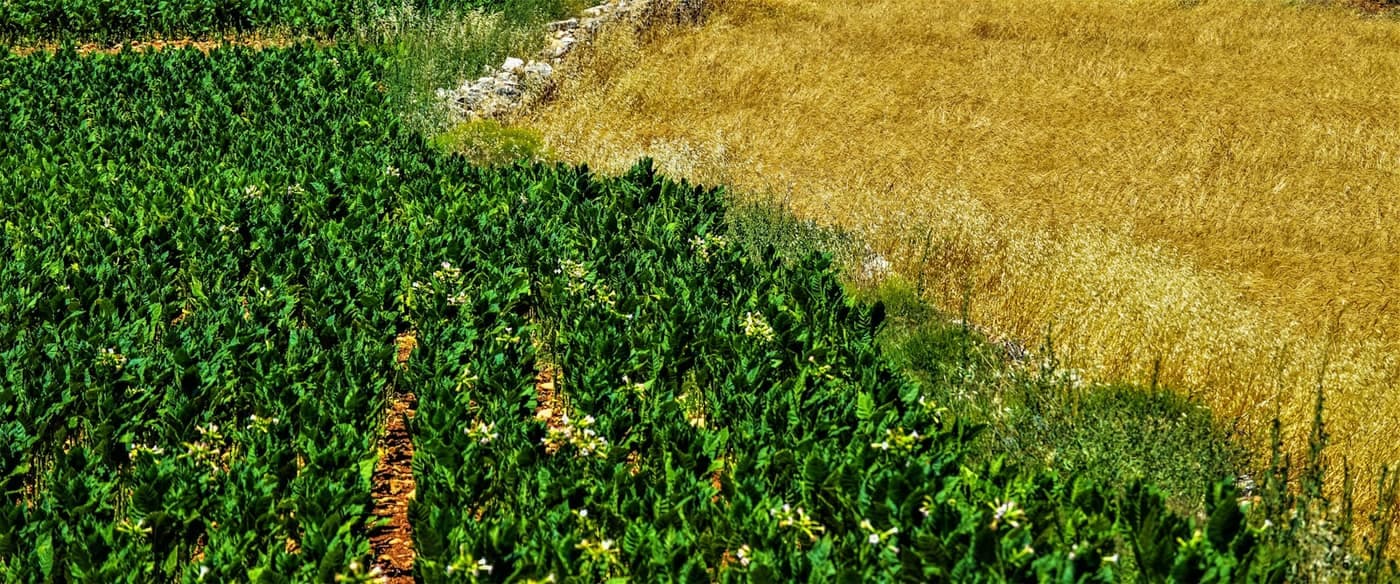
The most reliable rabi oilseed for light and moderately saline soils. It rewards early sowing and a single well-timed irrigation at flowering — and it is one of the few crops where the MSP is routinely below the mandi rate in a good year.
Season: Rabi
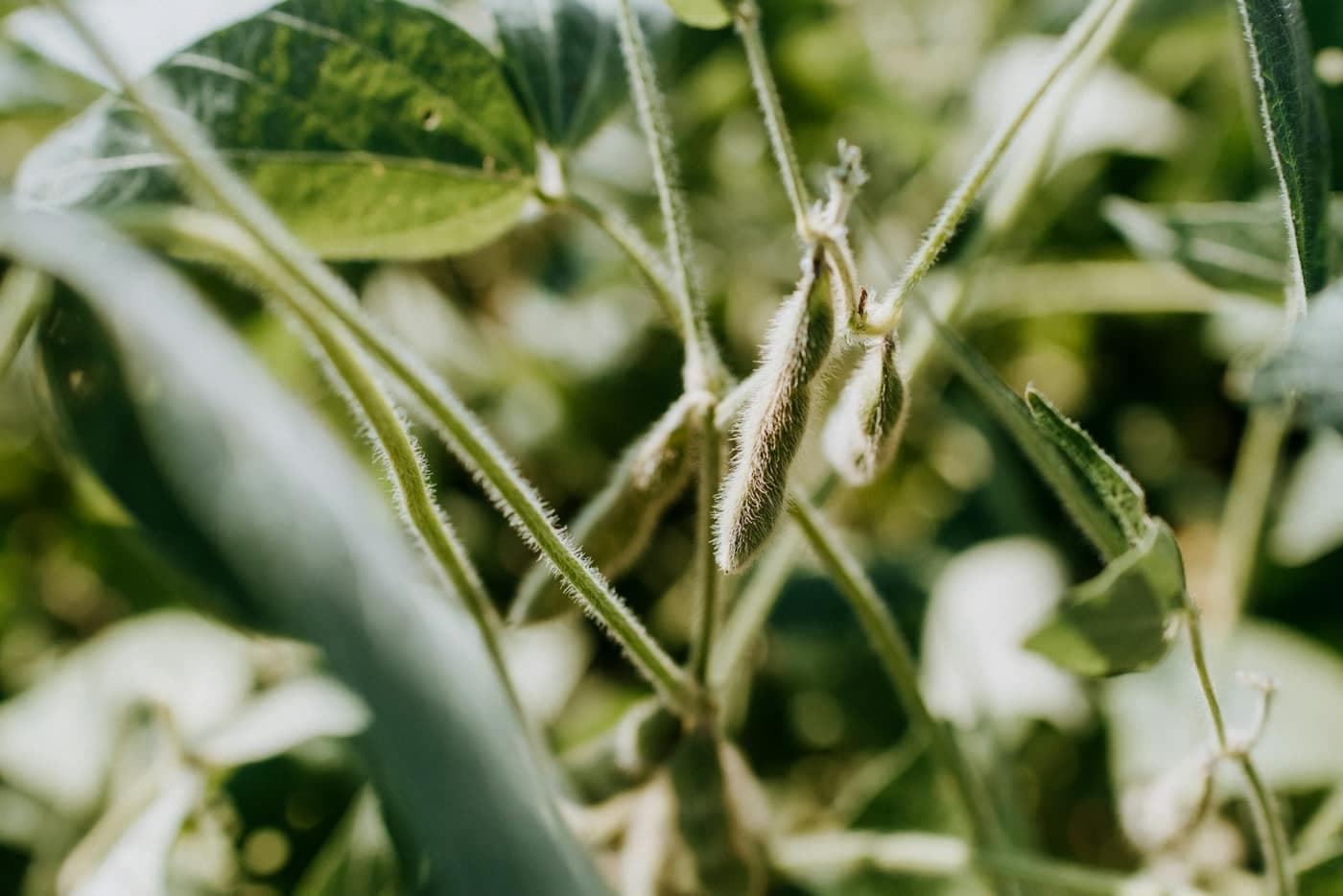
Central India’s defining kharif oilseed — Madhya Pradesh alone grows roughly half the country’s crop. It fixes its own nitrogen through root nodules, which is why it typically follows wheat in rotation without a heavy fertilizer bill.
Season: Kharif
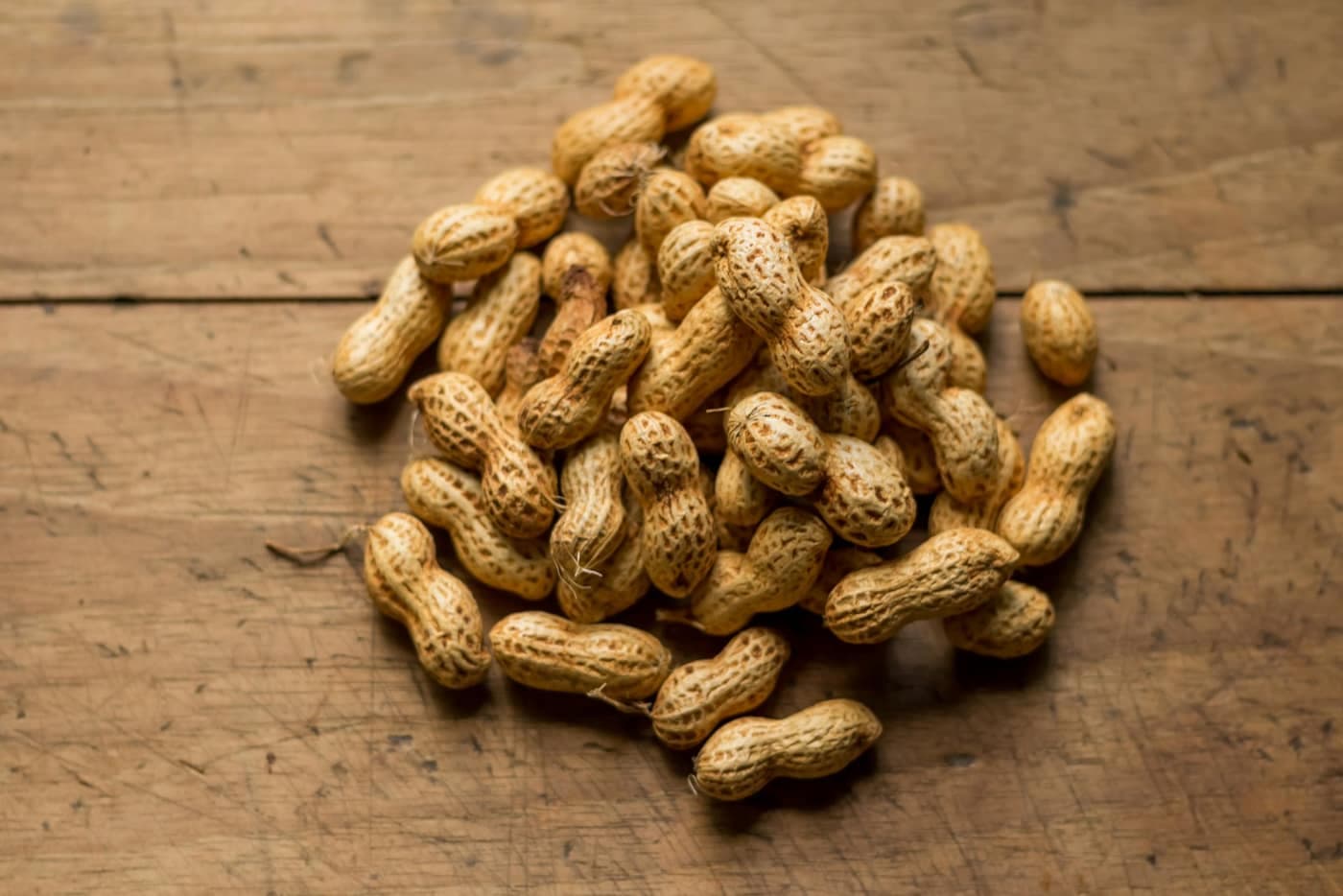
India’s leading oilseed by area, grown mainly on the light sandy loams of Gujarat, Rajasthan and Andhra Pradesh. The crop pegs its pods directly into the soil after flowering, so a loose, well-drained bed matters more here than for almost any other crop.
Seasons: Kharif; summer where irrigated
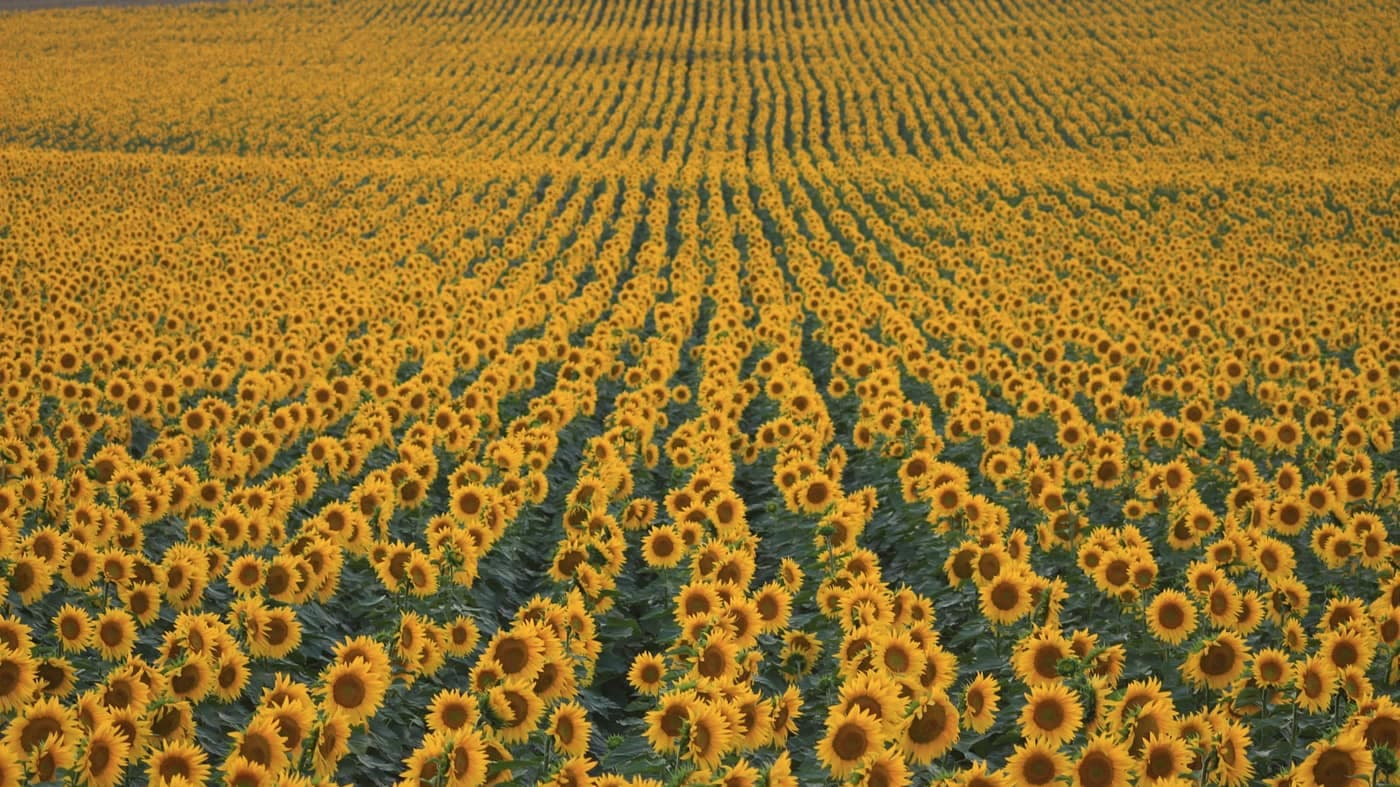
One of the few oilseeds indifferent to day length, so it fits kharif, rabi and spring alike. Seed set — not the flower — makes the yield, and that depends on pollination: keep bee colonies nearby or hand-pollinate, or half the head fills empty.
Season: All three seasons
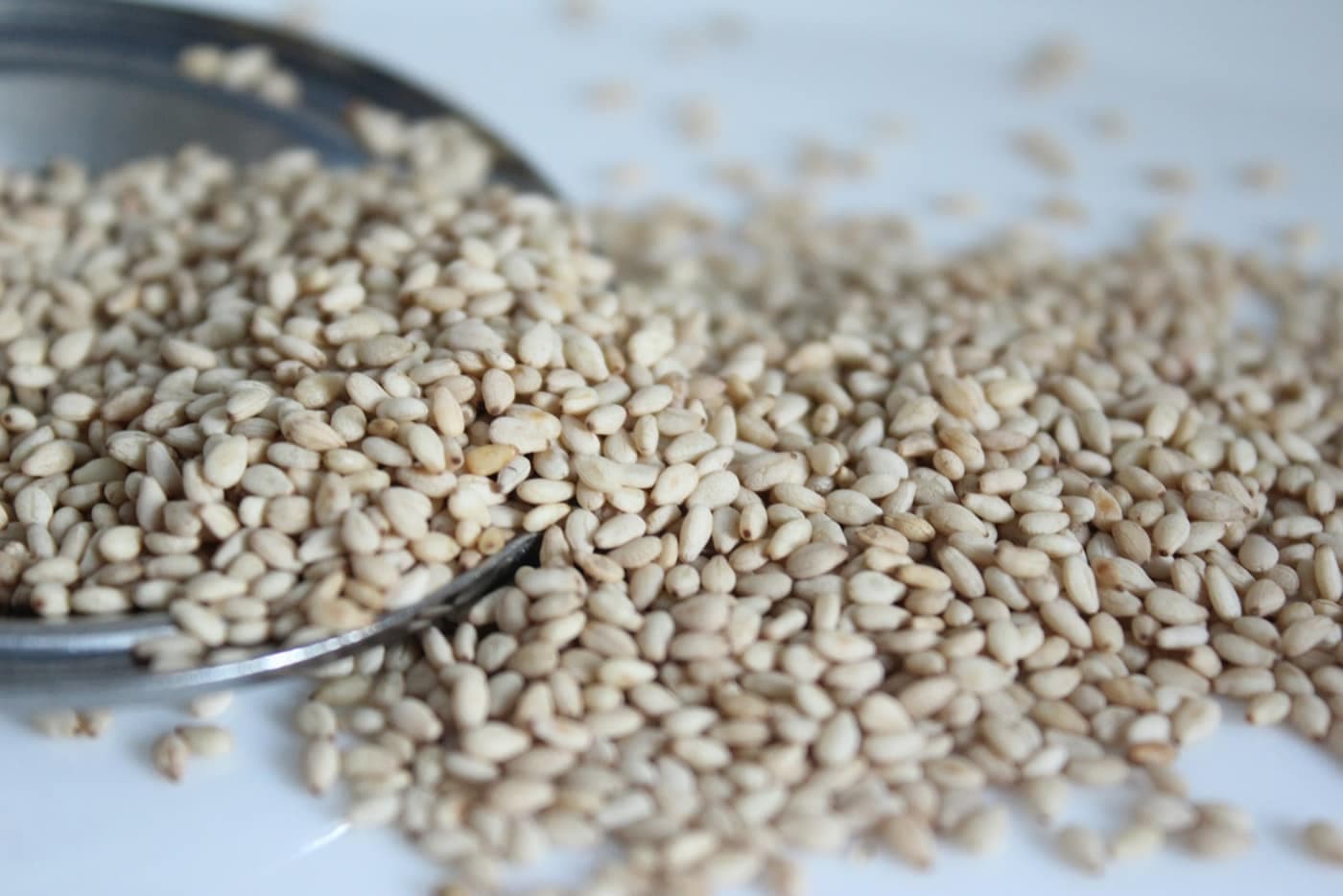
A rainfed kharif oilseed with the highest MSP of any crop on this page — but the tiny seed forgives nothing. Sow shallow into a fine, moist bed, and harvest the moment the lowest capsules turn yellow, before they split and shatter the crop onto the ground.
Season: Kharif & summer
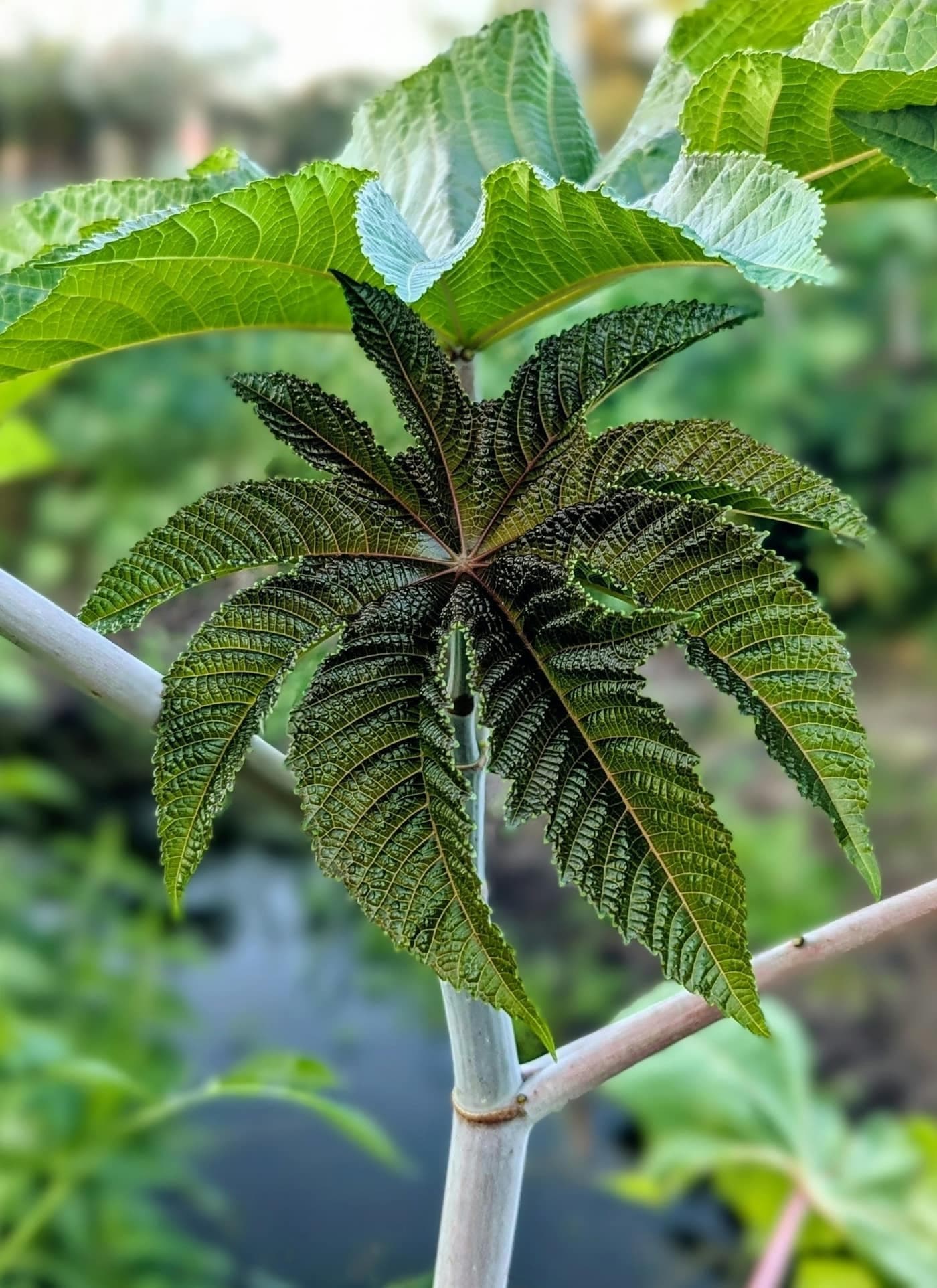
An industrial oilseed, not a food crop — the oil goes into everything from lubricants to pharmaceuticals, and Gujarat alone grows most of the world’s supply. Hybrids branch and re-flush for months, so harvest is a series of pickings on one plant, not a single cut.
Season: Kharif
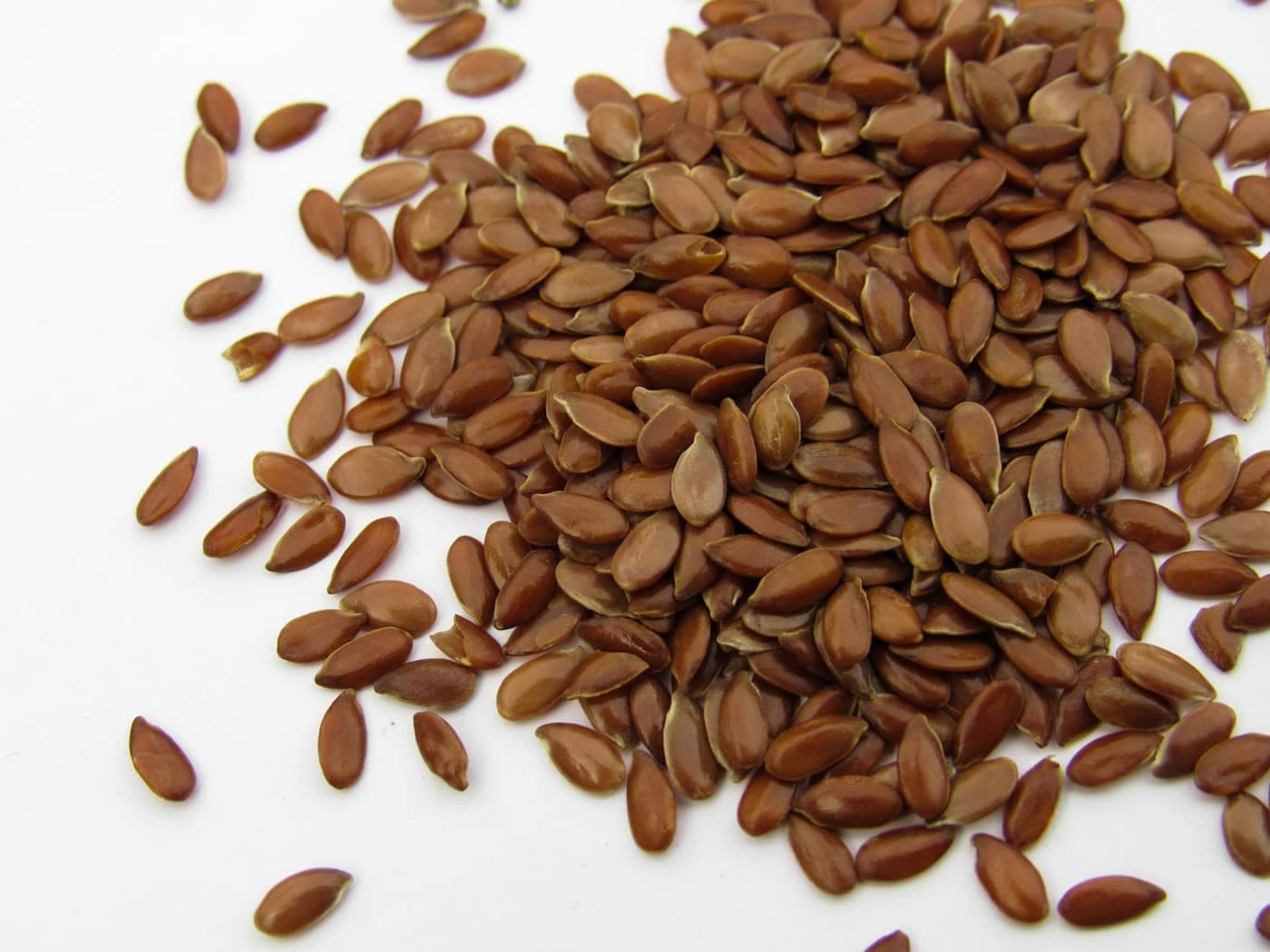
India's traditional low-input rabi oilseed — the same crop sold as flaxseed for the health-food market — grown on marginal un-irrigated land and often relayed straight into standing rice, prized for a seed oil exceptionally rich in omega-3. It has no MSP, so it stands on cost — sow early to escape rust, powdery mildew and the bud fly, the tiny midge that can otherwise take most of the crop.
Season: Rabi

India's hardiest rabi oilseed — a deep-rooted, drought-beating crop of the black cotton soils of Maharashtra, Karnataka and Telangana that lives almost entirely on stored soil moisture, needs little bought input, and yields a seed oil high in polyunsaturated fat. The spines make weeding and harvest awkward, aphid at the bud stage is the main risk, and non-spiny varieties now make the crop far easier to handle.
Season: Rabi
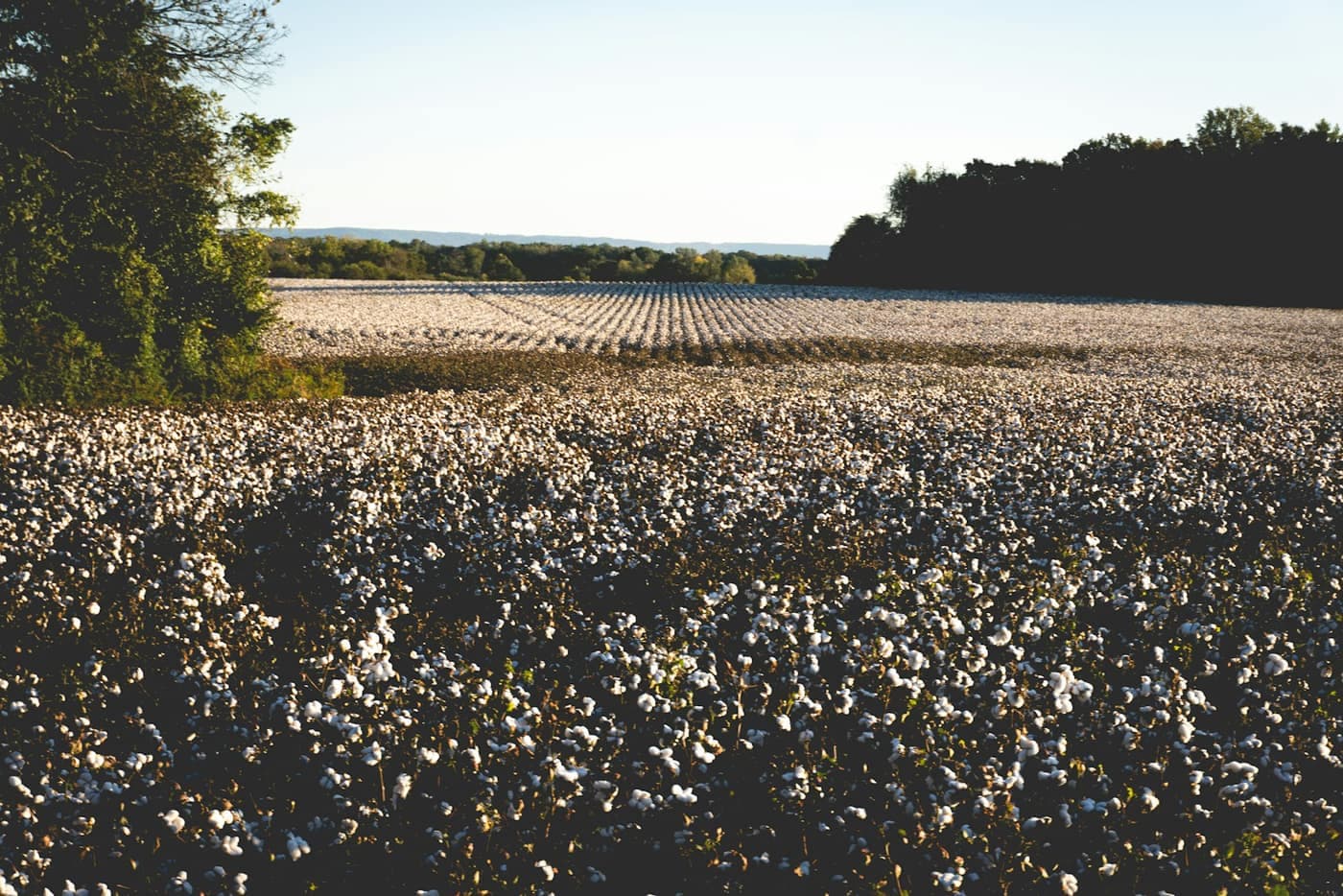
A long-duration cash crop whose profitability is decided almost entirely by pink bollworm management. Strict adherence to the sowing window and a hard end-of-season stalk destruction are worth more than any spray schedule.
Season: Kharif
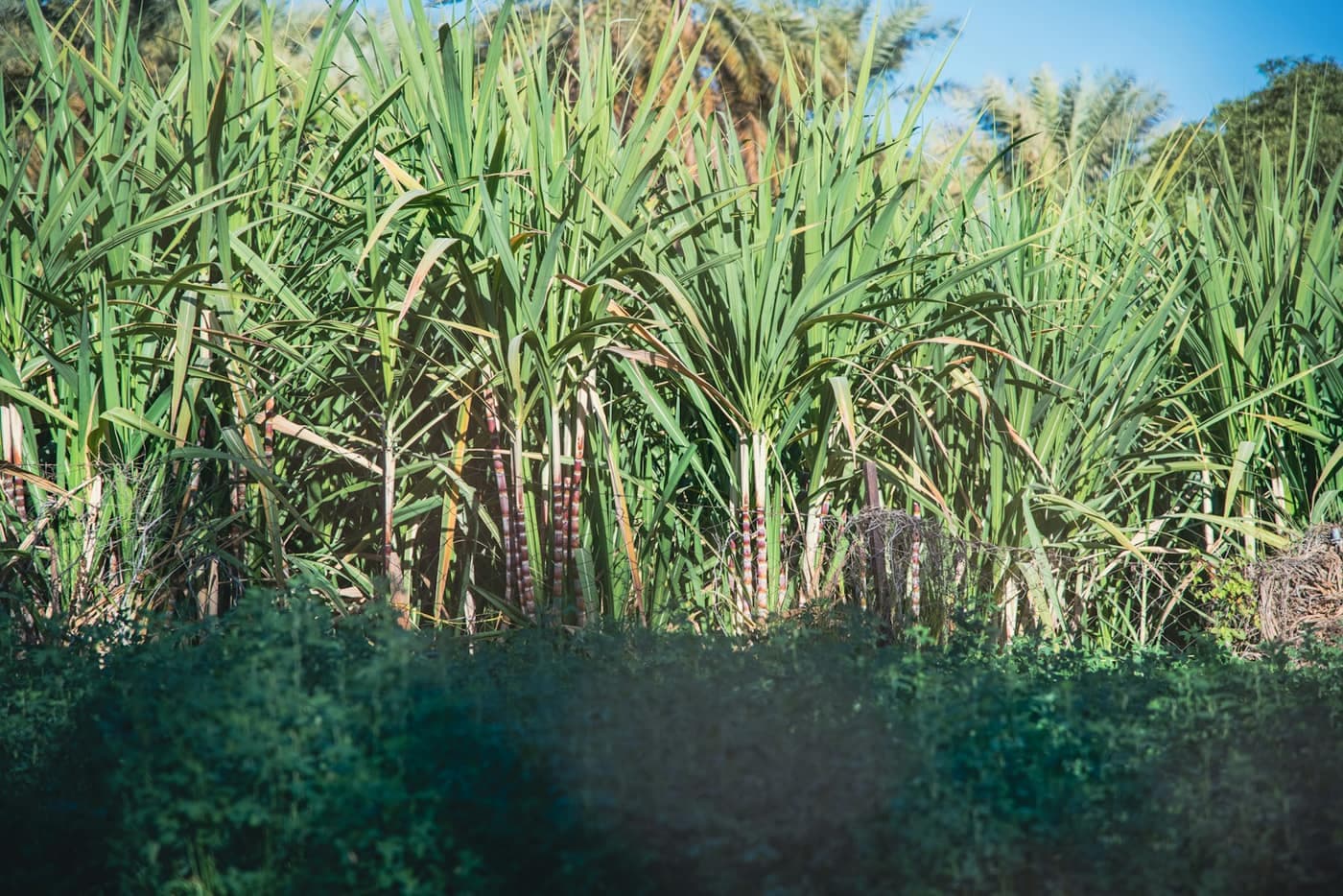
A 10–18 month crop with a guaranteed buyer and a chronically delayed payment cycle. Ratoon management is where most growers quietly lose money: a well-kept first ratoon costs a third of a plant crop and yields nearly as much.
Planting seasons: Spring (Feb–Mar), Autumn (Sep–Oct)
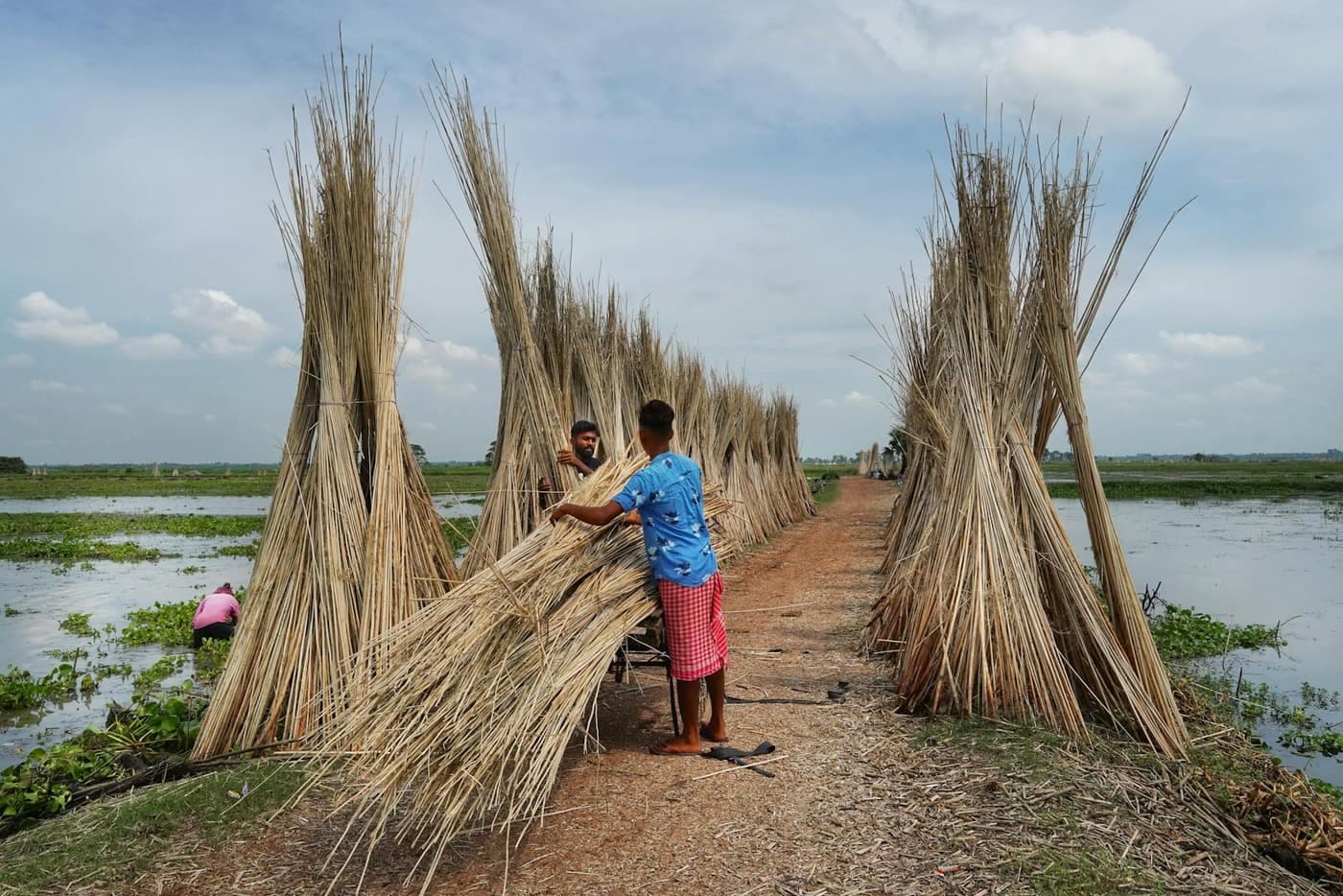
The golden fibre — a monsoon crop of the Bengal delta whose entire economics turn on retting, not growing. Three weeks of standing the cut stalks in clean water decides the fibre grade and the price far more than anything done in the field.
Season: Kharif (pre-monsoon sown)
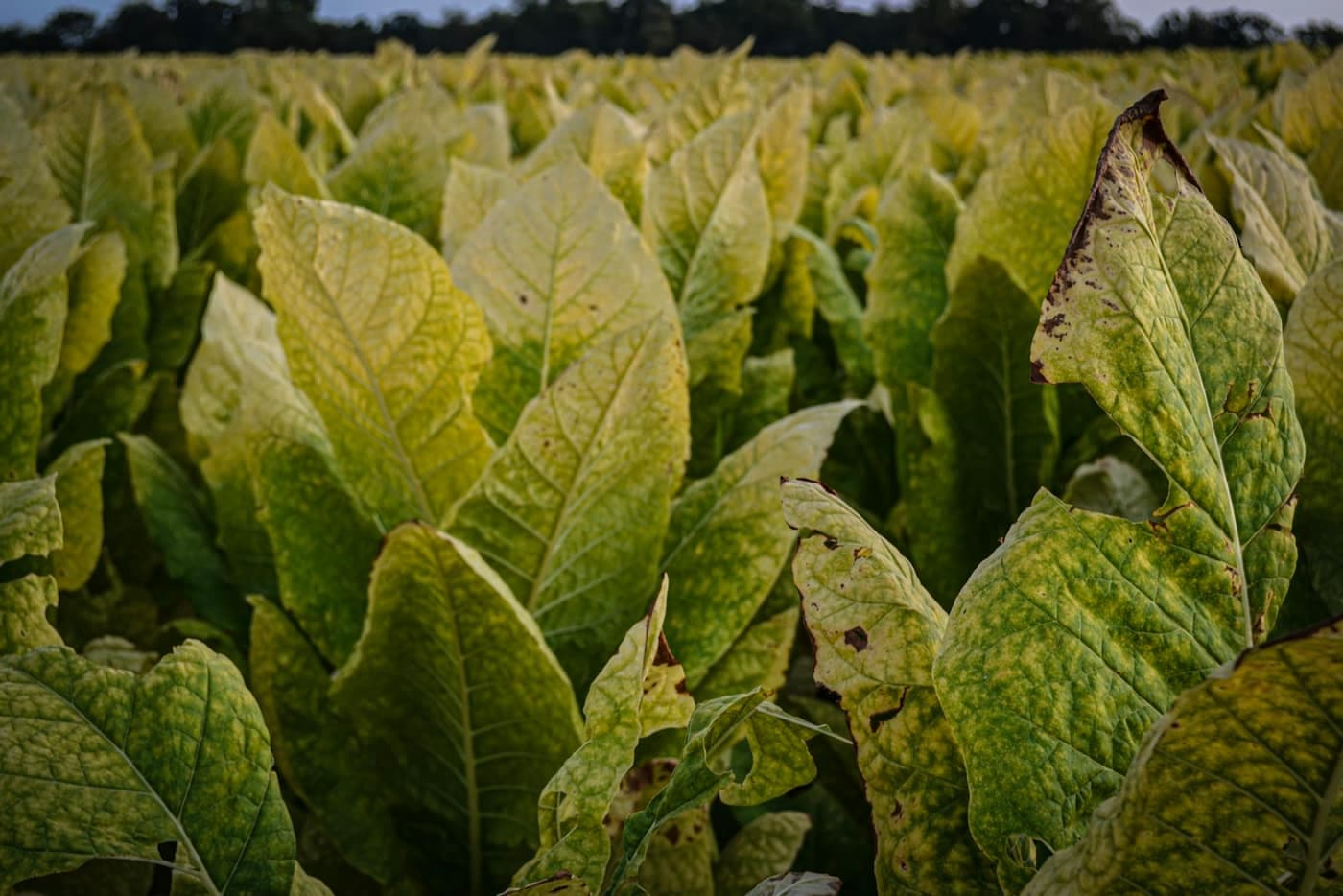
A high-value nursery-raised leaf crop grown on light and black soils of Andhra Pradesh, Karnataka, Gujarat and beyond, sold through Tobacco Board auctions for flue-cured Virginia and in the open market for bidi, chewing and hookah types. The whole return rides on leaf quality at curing, so nursery care, exact fertiliser and topping, and controlling black shank and the tobacco caterpillar decide the crop.
Season: Rabi (post-monsoon); transplanted crop
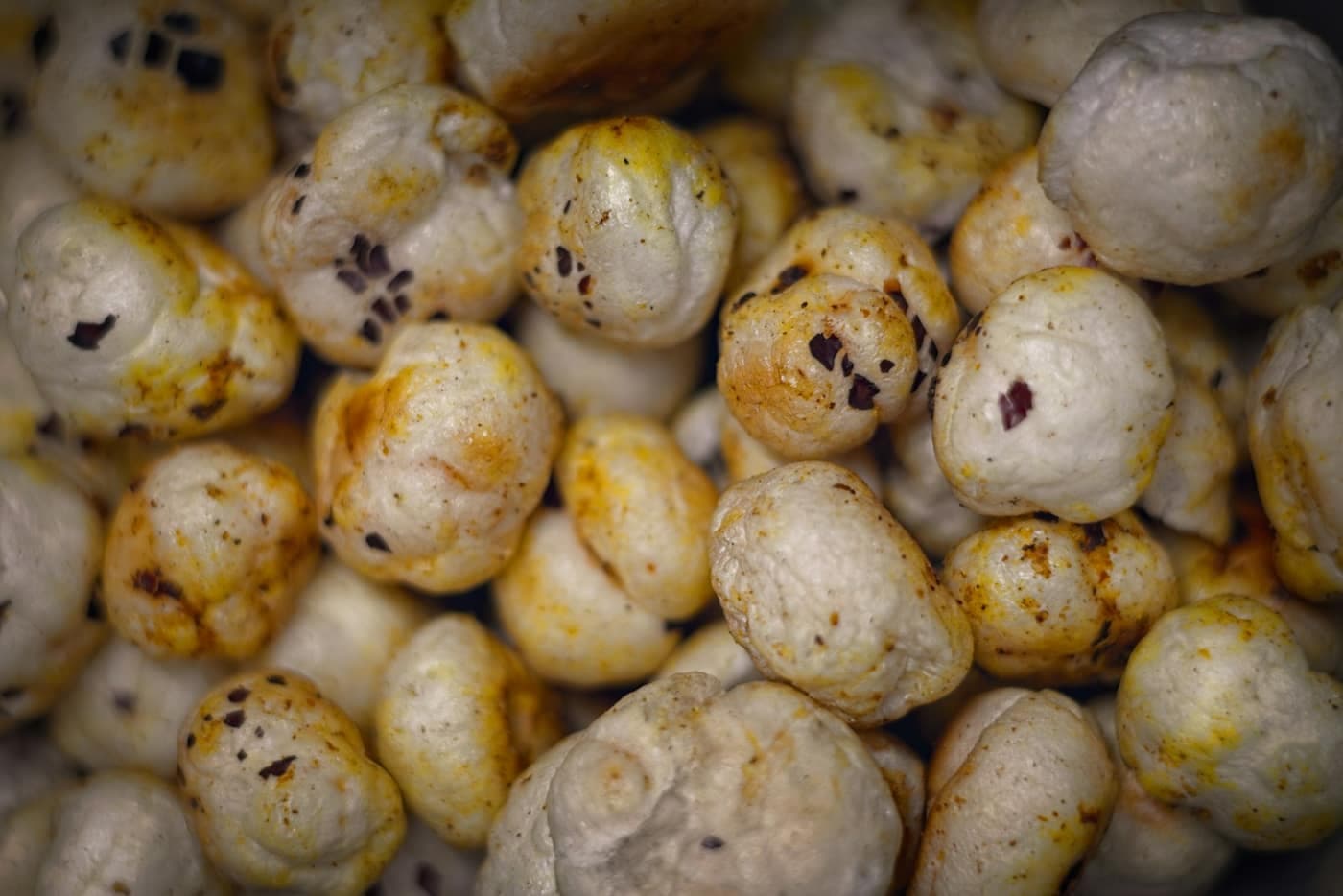
Bihar's signature aquatic superfood — the popped seed of a spiny water lily grown submerged in ponds and diked fields across the Mithila and Kosi belt for seven to eight months. Ripe seed sinks and is gathered by hand from the pond floor, then roasted and popped into the snack sold in shops, with the two released varieties, Swarna Vaidehi and Sabour Makhana-1, roughly doubling old pond-grown yields.
Crop type: Aquatic water lily, grown submerged in ponds/flooded fields
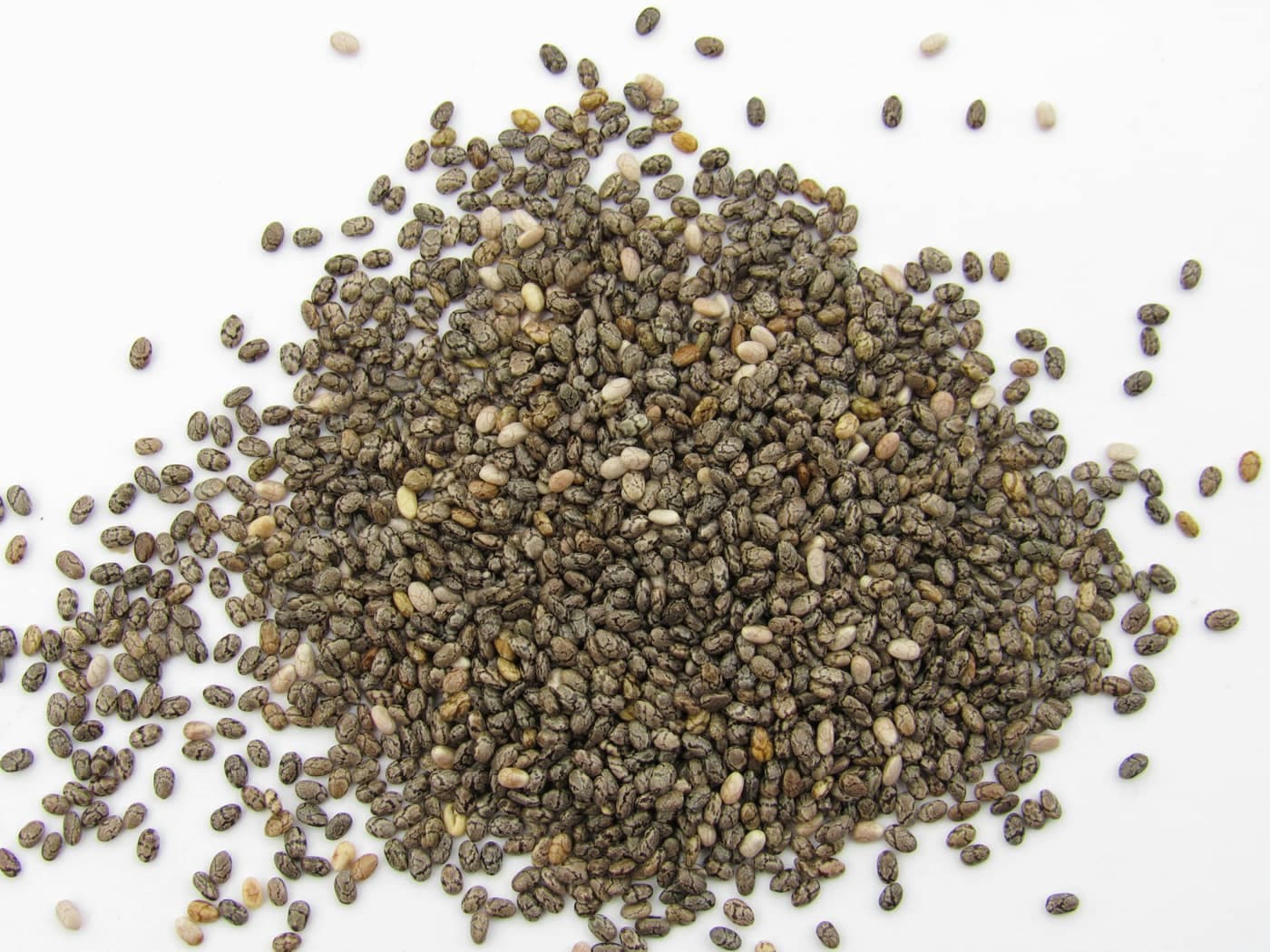
A newly emerging, low-water seed crop in India, grown on marginal black and sandy soils in Madhya Pradesh, Gujarat, Rajasthan and Karnataka and sold whole as a health food rather than crushed for oil. There is no ICAR-released variety yet — just "white" and "black" seed types — and almost the entire crop moves through private contract-farming arrangements, with only a thin mandi trade at a handful of APMC yards.
Crop type: Annual health-food seed crop
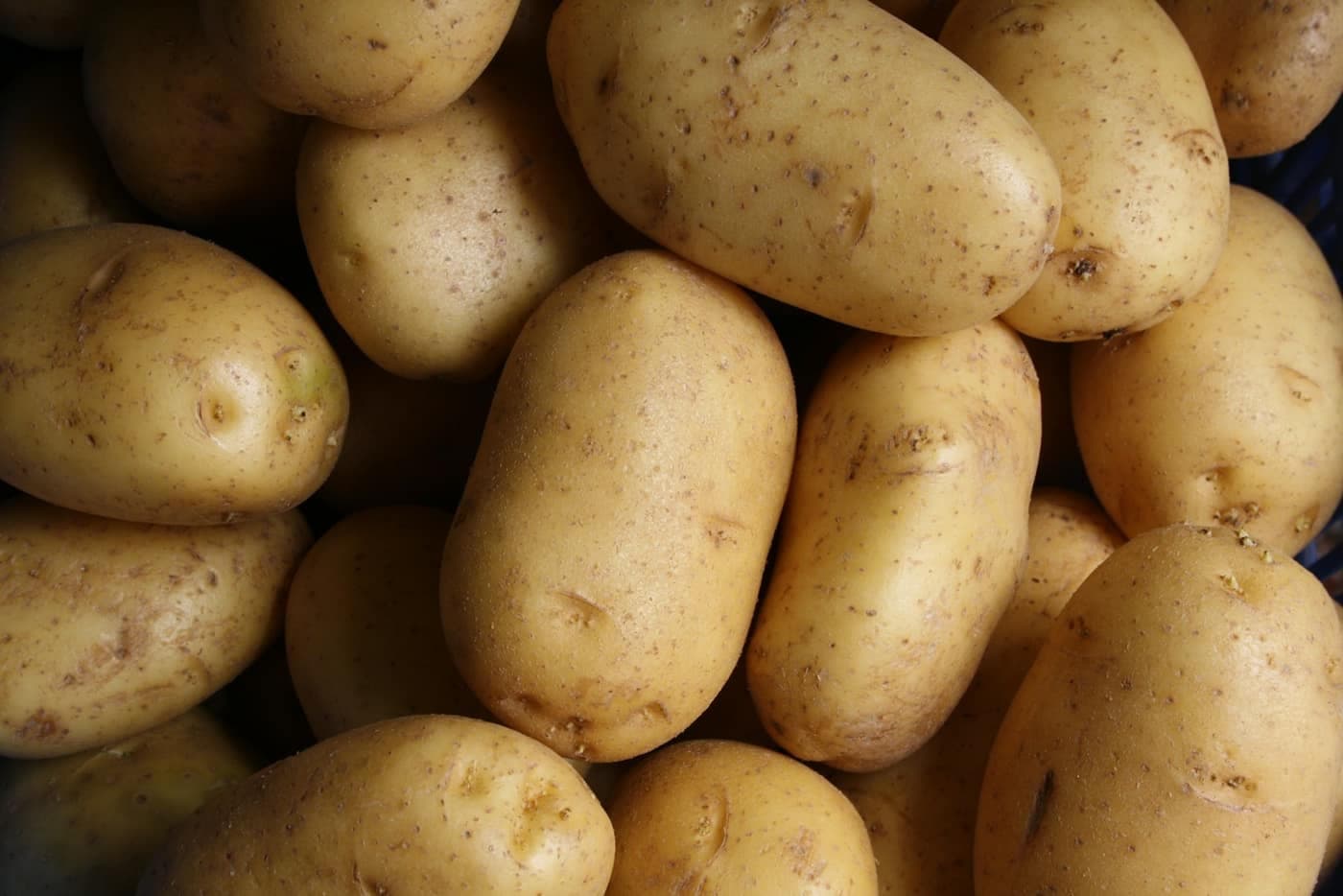
High cost, high return, high risk. Seed alone is 40–50% of the cost of cultivation, and late blight can take a crop in ten days if a foggy spell is not met with a preventive spray.
Season: Rabi
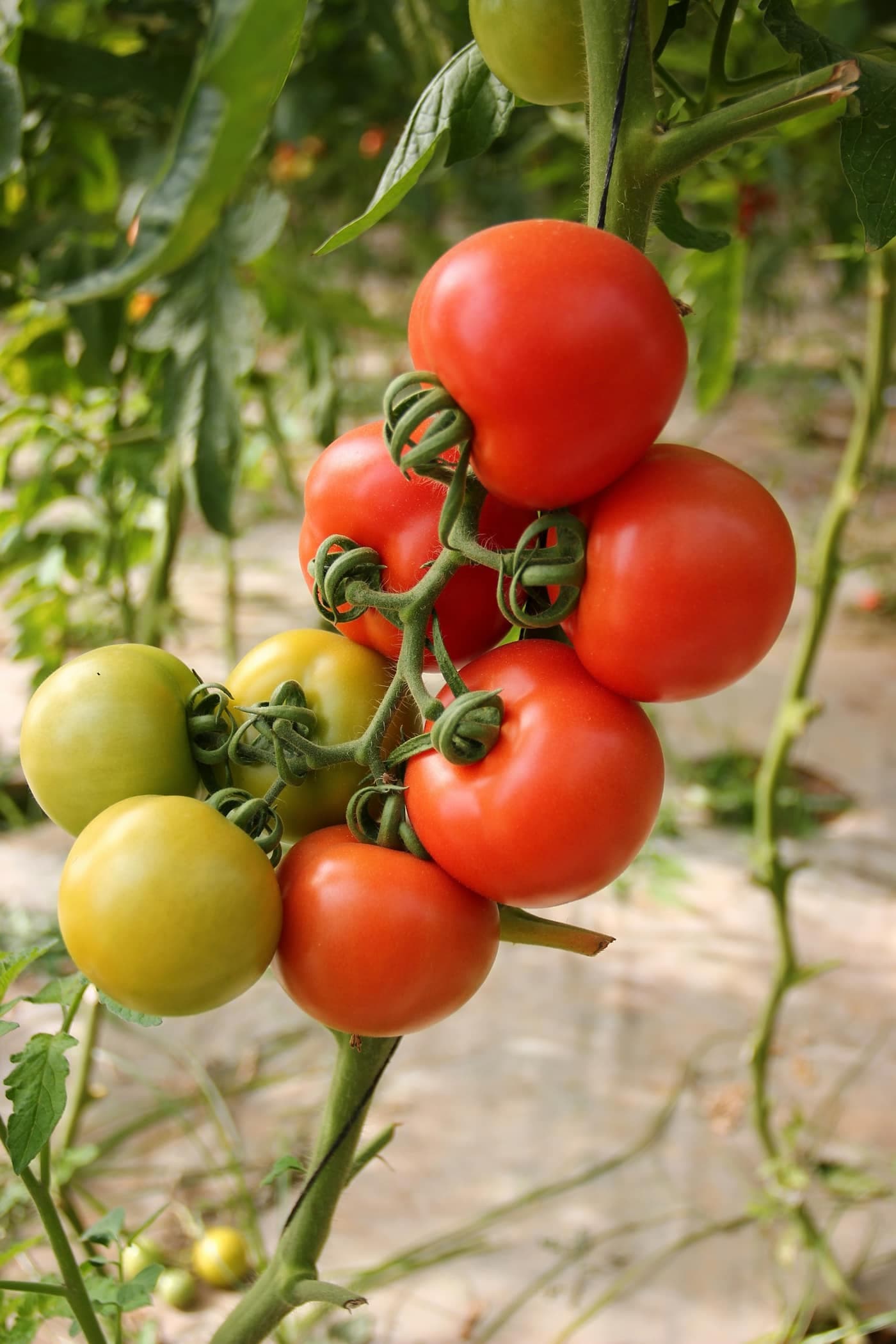
The most price-volatile crop in the country. Staking and drip together lift marketable yield by 30–40%, which is what makes the difference between a glut-year loss and a break-even.
Seasons: Kharif, rabi and summer
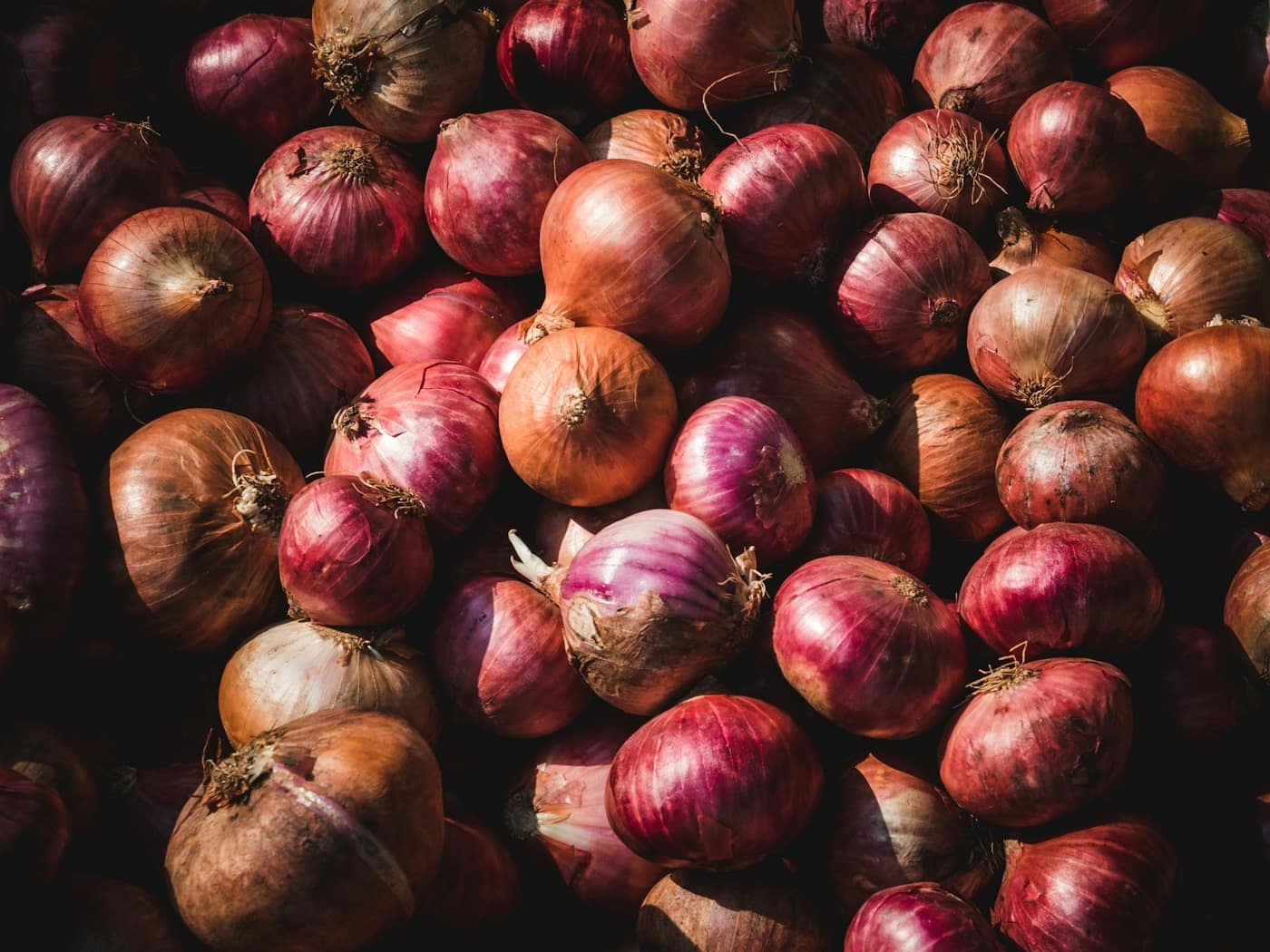
Storability is the whole game. A rabi crop cured properly and held in a ventilated chawl can be sold three months later into a thinner market — which is where the margin actually lives.
Main season: Rabi (stores best)
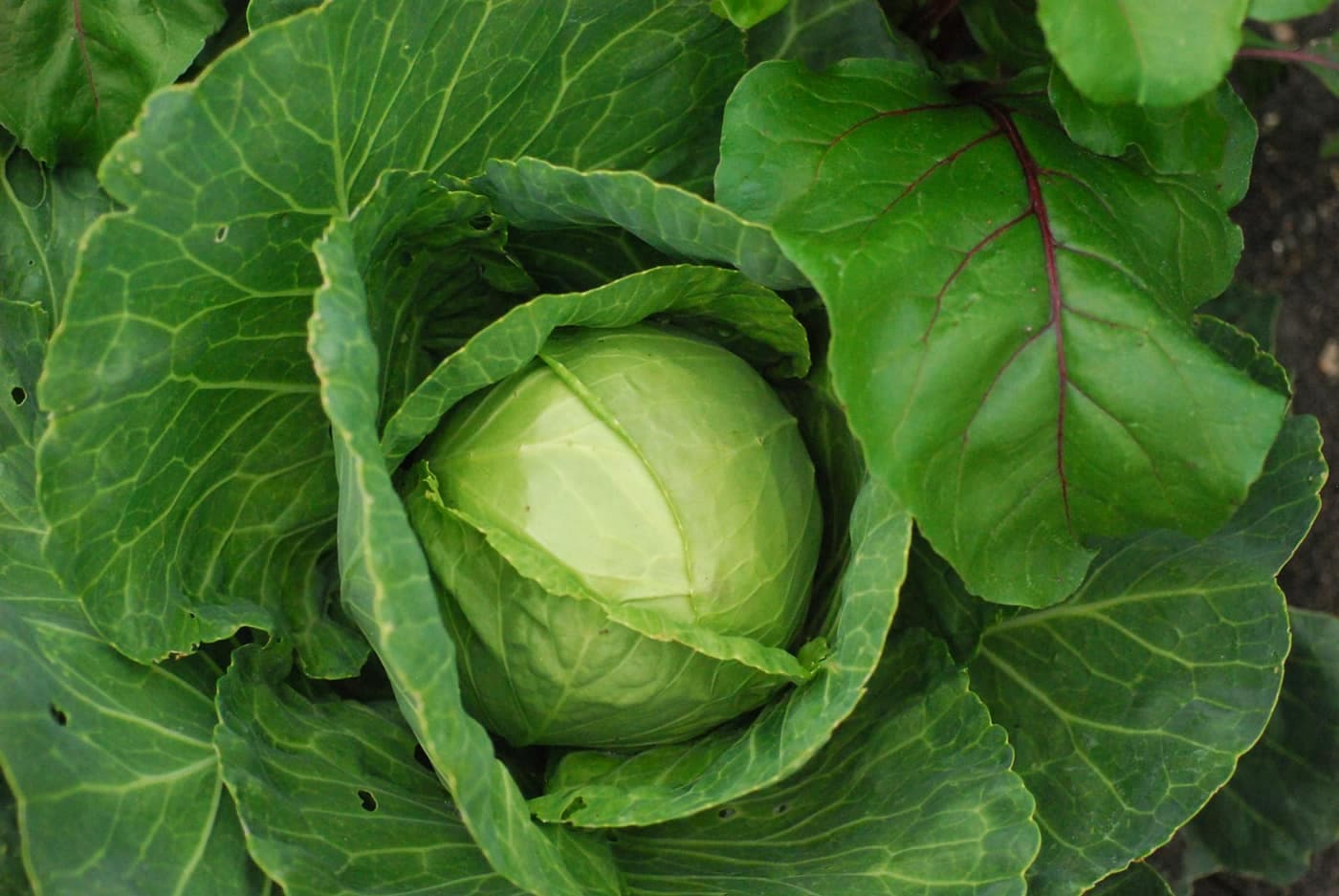
A cool-season vegetable raised in a nursery and transplanted, not sown direct. The head only stays tight and unsplit on steady moisture — a dry spell followed by heavy irrigation bursts mature heads open and drops their market grade overnight.
Season: Rabi (cool season)
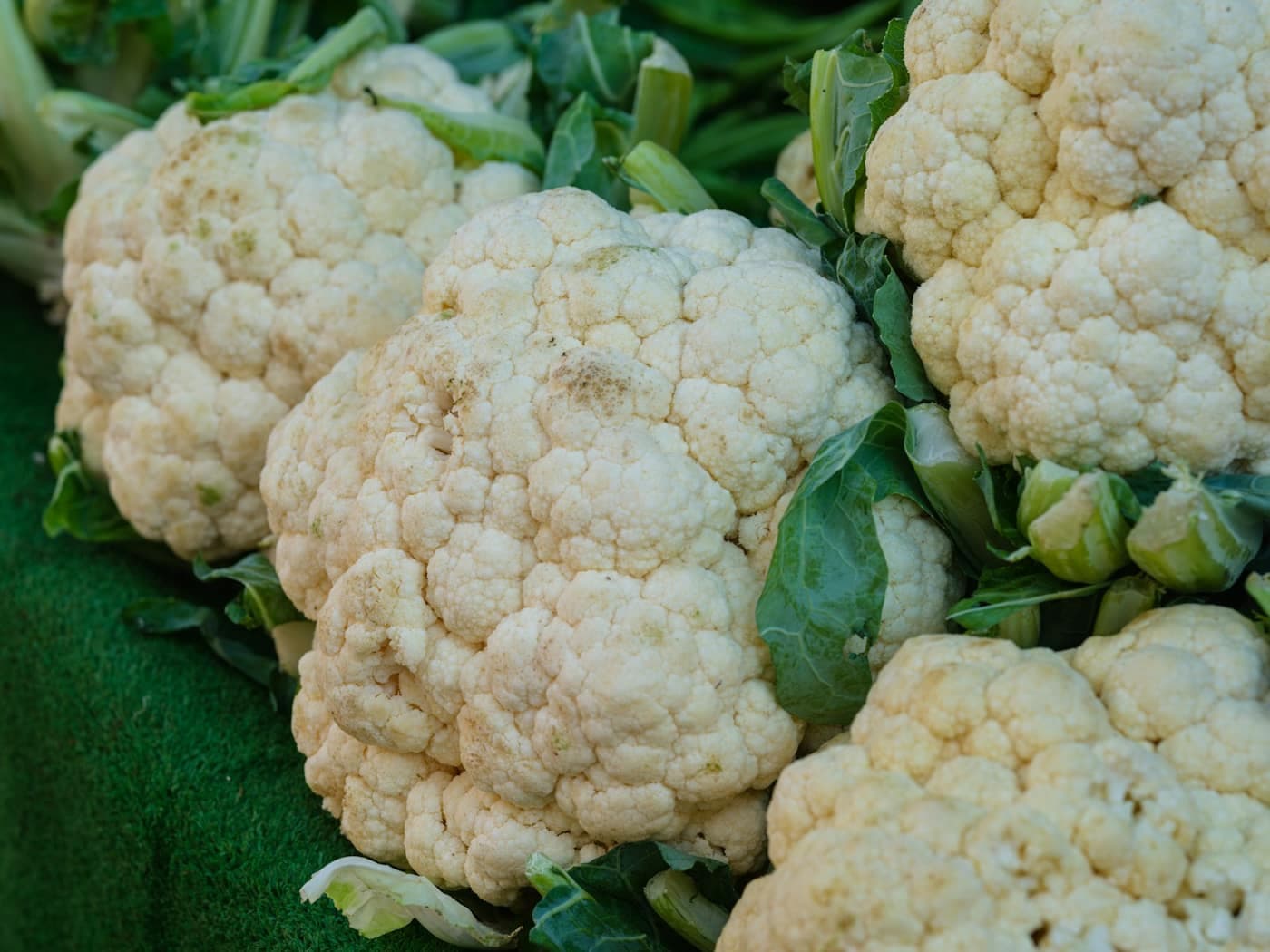
The one vegetable where picking the right maturity group for your sowing date matters more than anything else — an early variety sown late, or a late one sown early, simply refuses to form a proper curd. Boron and molybdenum shortages show up as browning and whiptail.
Season: Rabi (grouped by maturity)
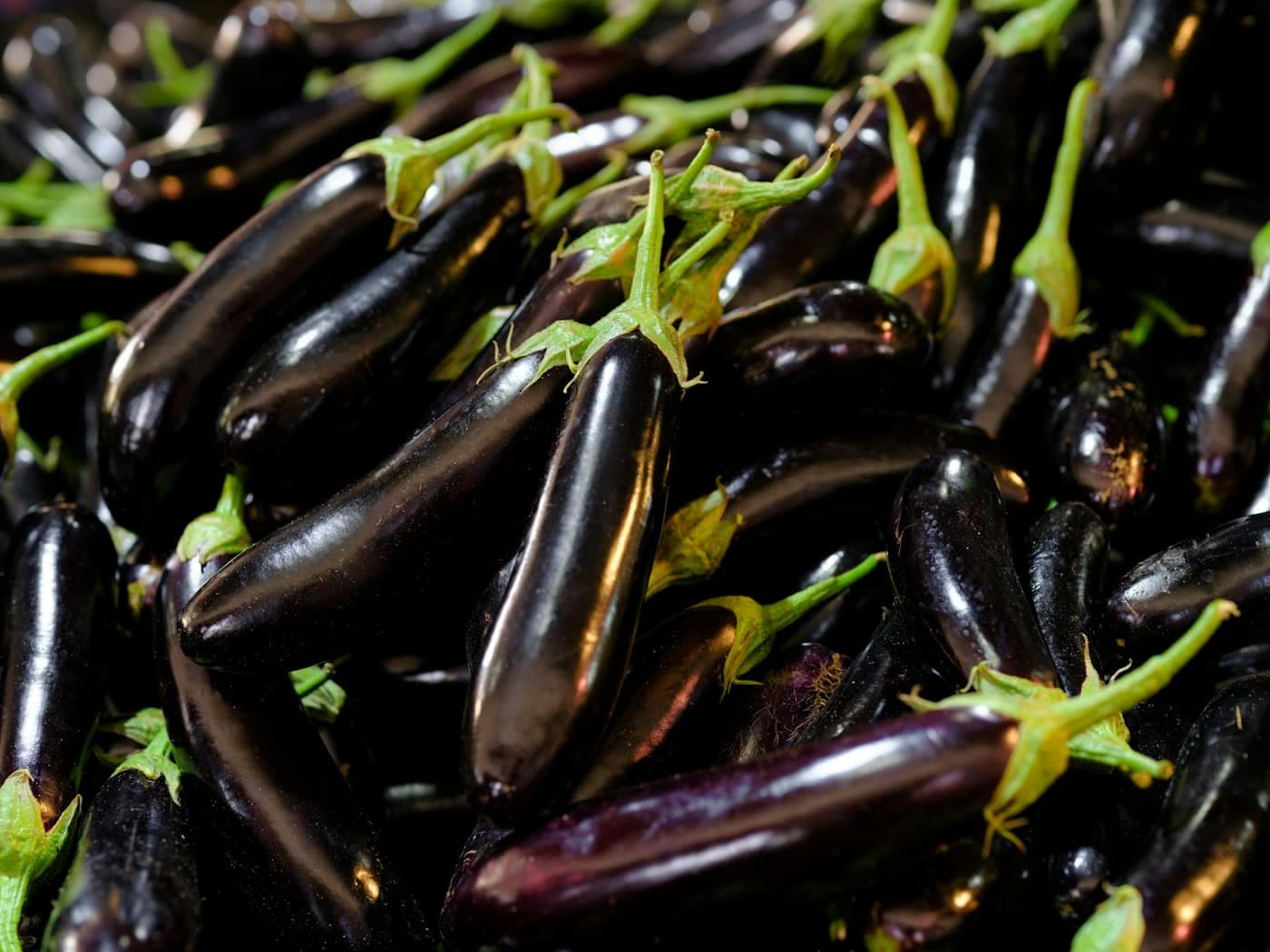
A hardy, year-round vegetable that keeps yielding across many pickings from one planting — which is also why the shoot-and-fruit borer, boring unseen into stems and fruit, is the make-or-break pest. Pick fruit young and glossy; a dull skin means it is already past its market prime.
Season: Kharif, rabi & summer
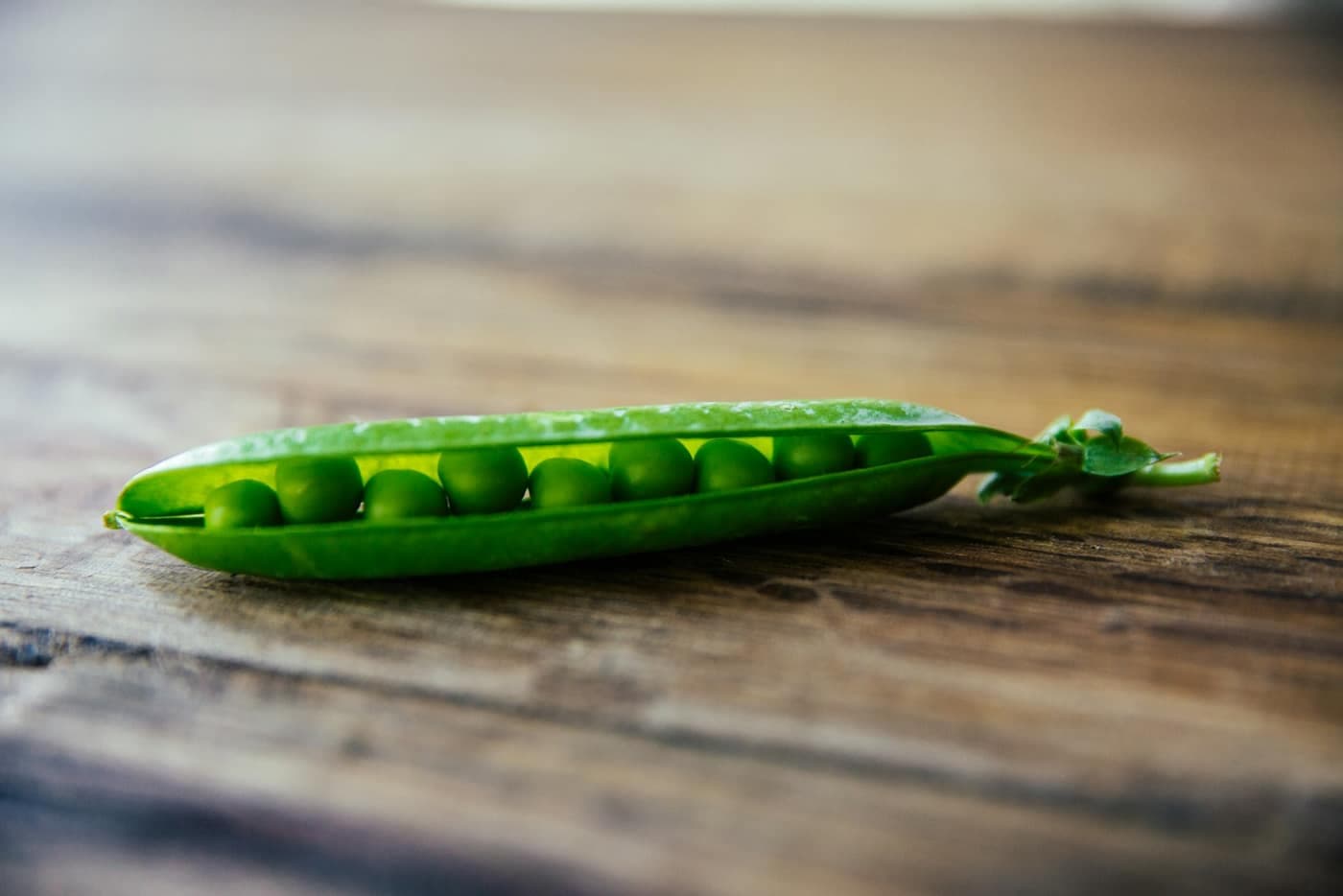
A cool-season legume that fixes its own nitrogen — inoculate the seed with Rhizobium and it needs very little starter fertiliser. Sow on the earliest cool weather for a long picking window; sown late into rising warmth, the crop rushes to flower and the pods stay thin.
Season: Rabi (cool season)
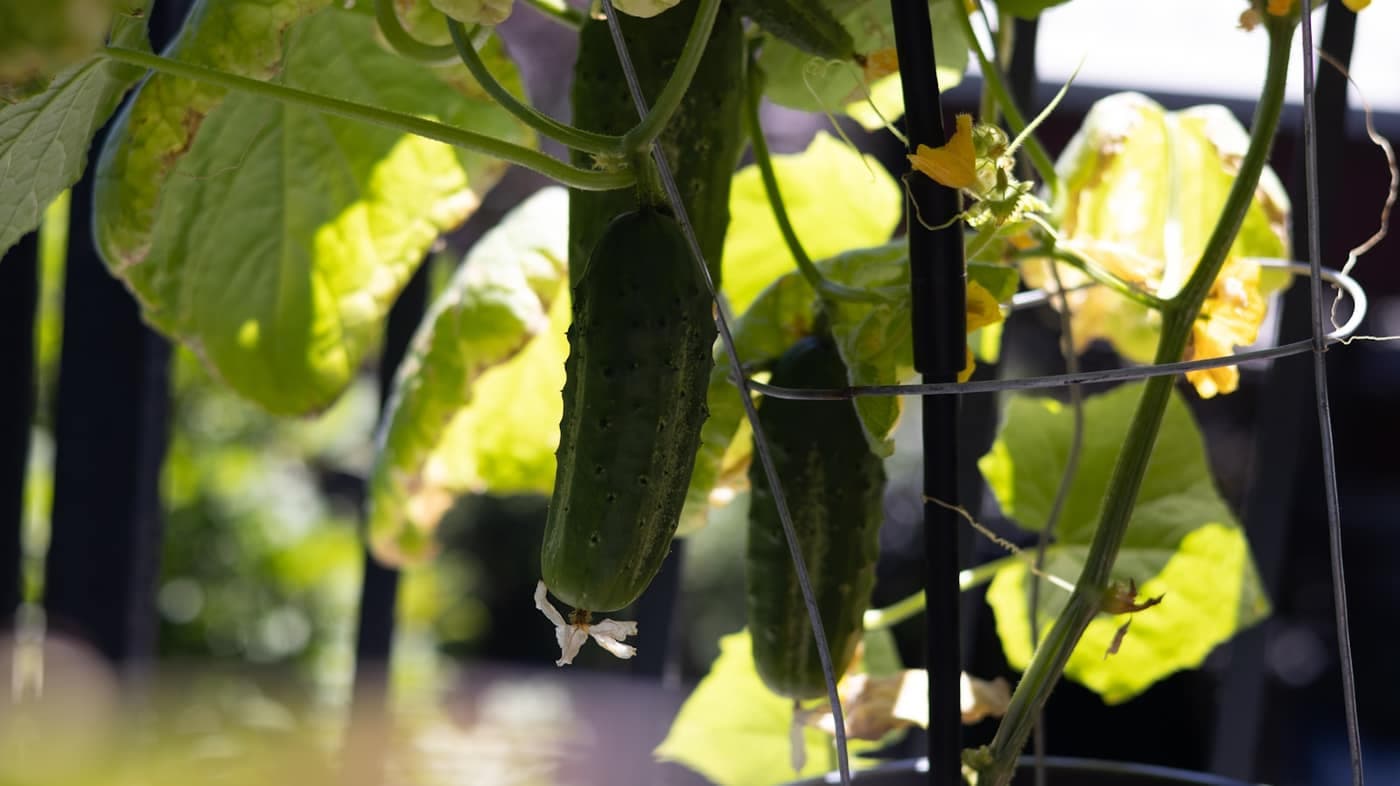
A quick summer and rainy-season cucurbit that reaches the first pick in as little as six to seven weeks. Yield lives and dies by picking frequency: harvest every second or third day and the vine keeps setting; let one fruit go to seed and the plant slows right down.
Season: Summer & rainy
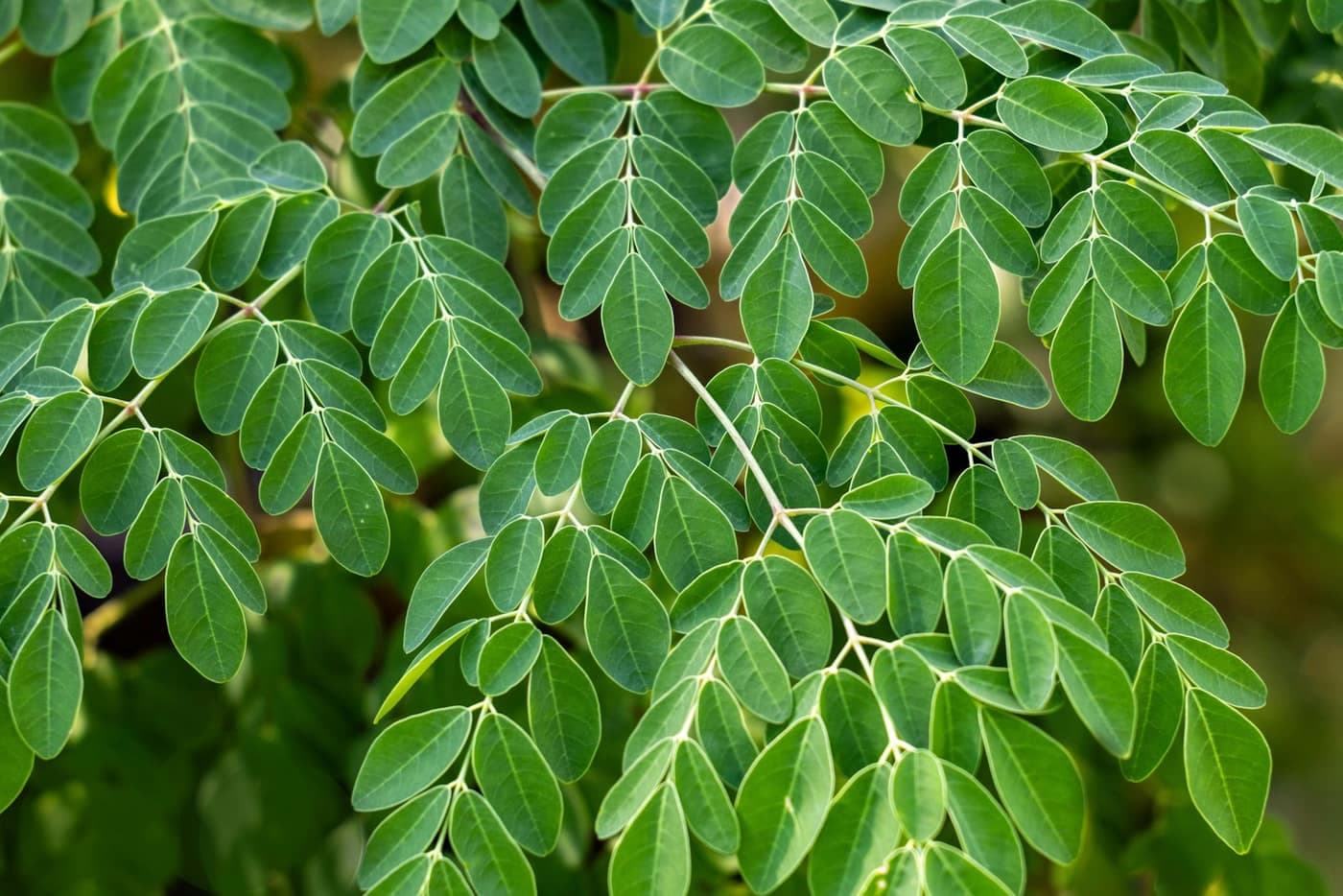
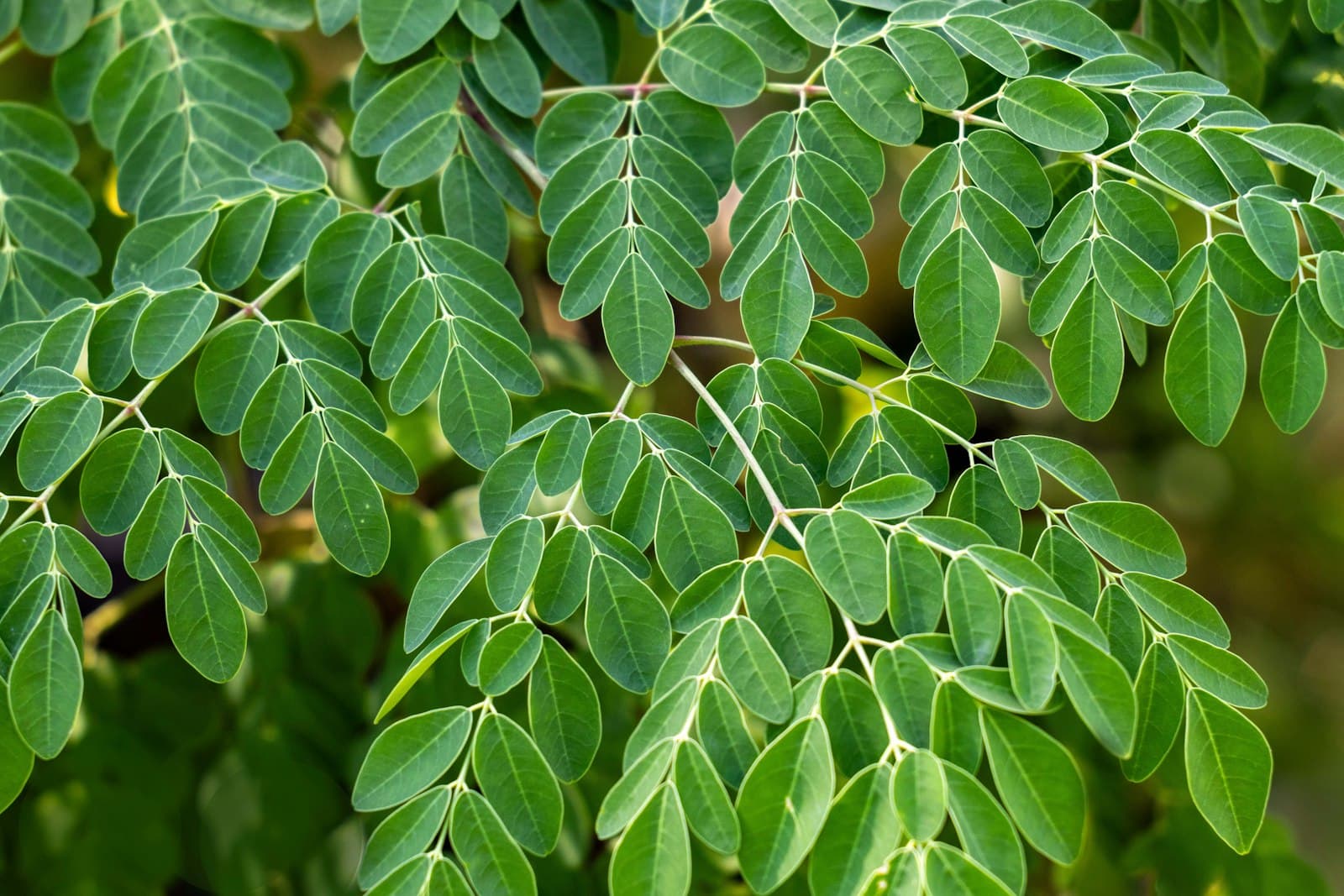
A fast-growing, low-input tree that pays twice over — pods sold fresh as a vegetable, and leaves dried into the moringa powder now in demand from health-food buyers in India and abroad. PKM 1 and PKM 2 bear from six to eight months and keep yielding for years.
Type: Perennial tree (annual pod-bearing varieties)
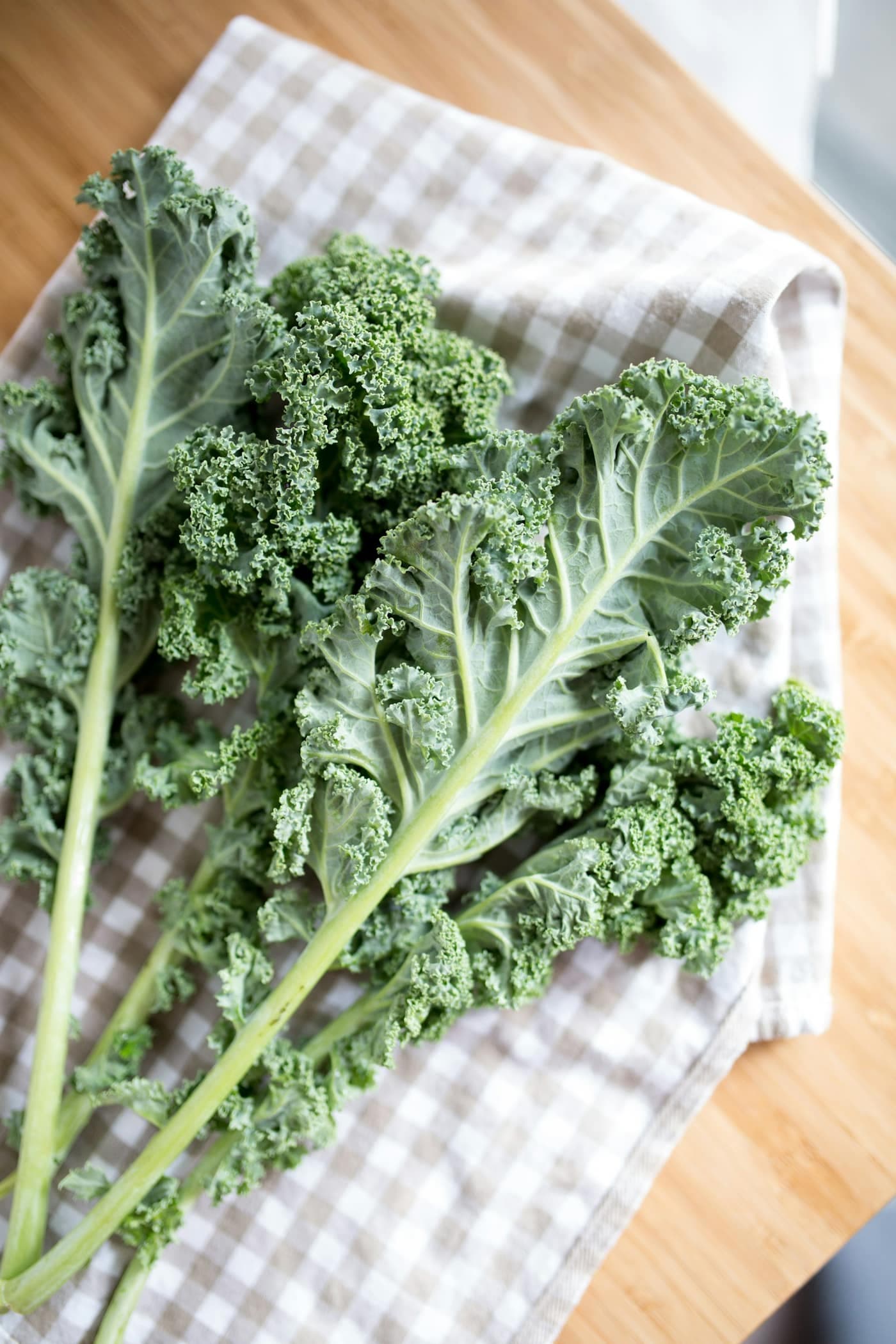
The hardiest leafy vegetable on this site, tolerant of cold down to -10 to -15°C and grown for repeated leaf cutting rather than a single head — Kashmir's Karam Saag (Haak) is its one real Indian foothold; everywhere else it is a minor exotic green grown from imported or hybrid seed with no government-released variety behind it.
Season: Rabi (cool season)
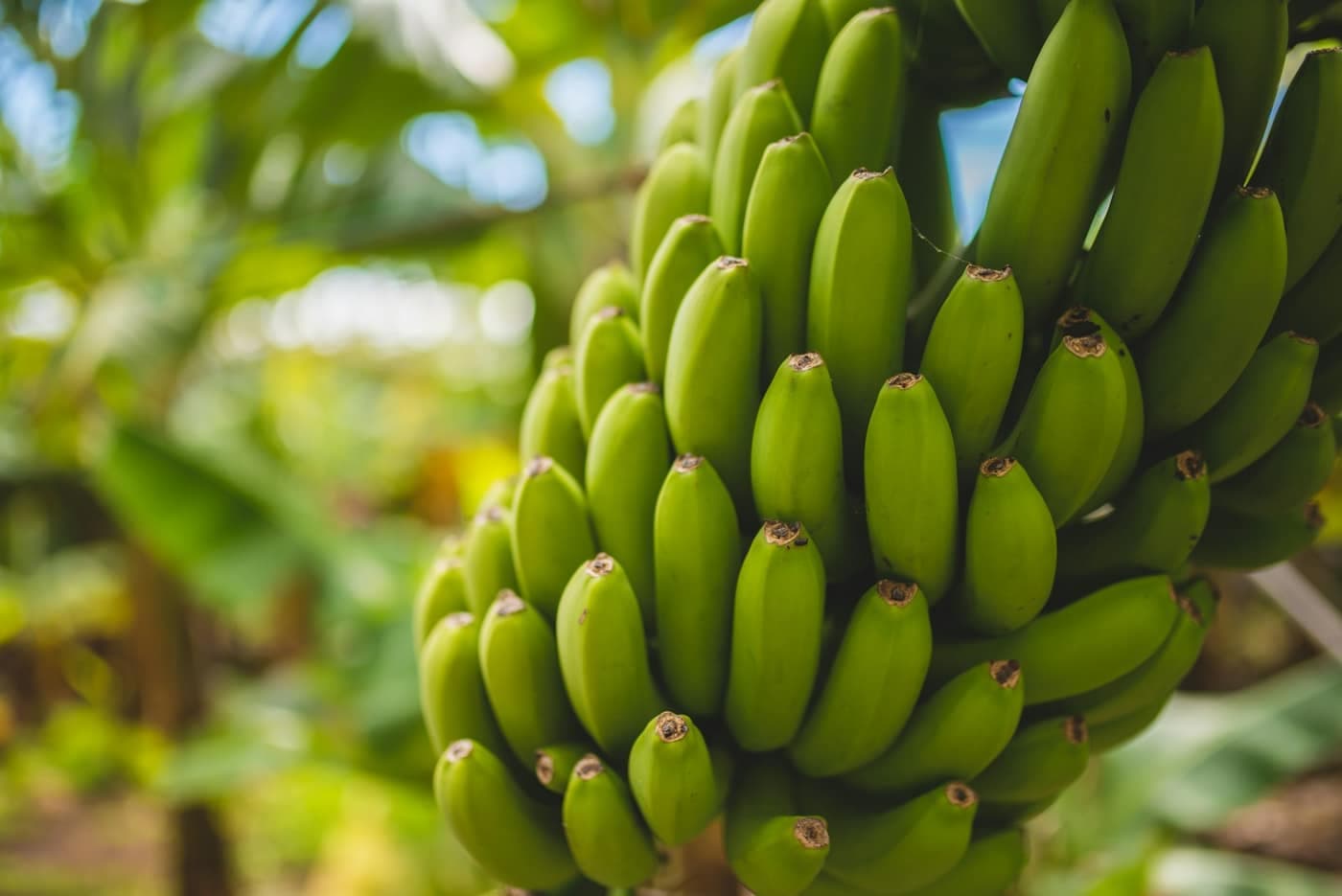
India’s highest-tonnage fruit, grown almost year-round under heavy fertigation. The single biggest lever is planting disease-free tissue-culture suckers on a raised, well-drained bed — the crop’s worst enemy, Panama wilt, travels in infected planting material and standing water.
Type: Perennial fruit
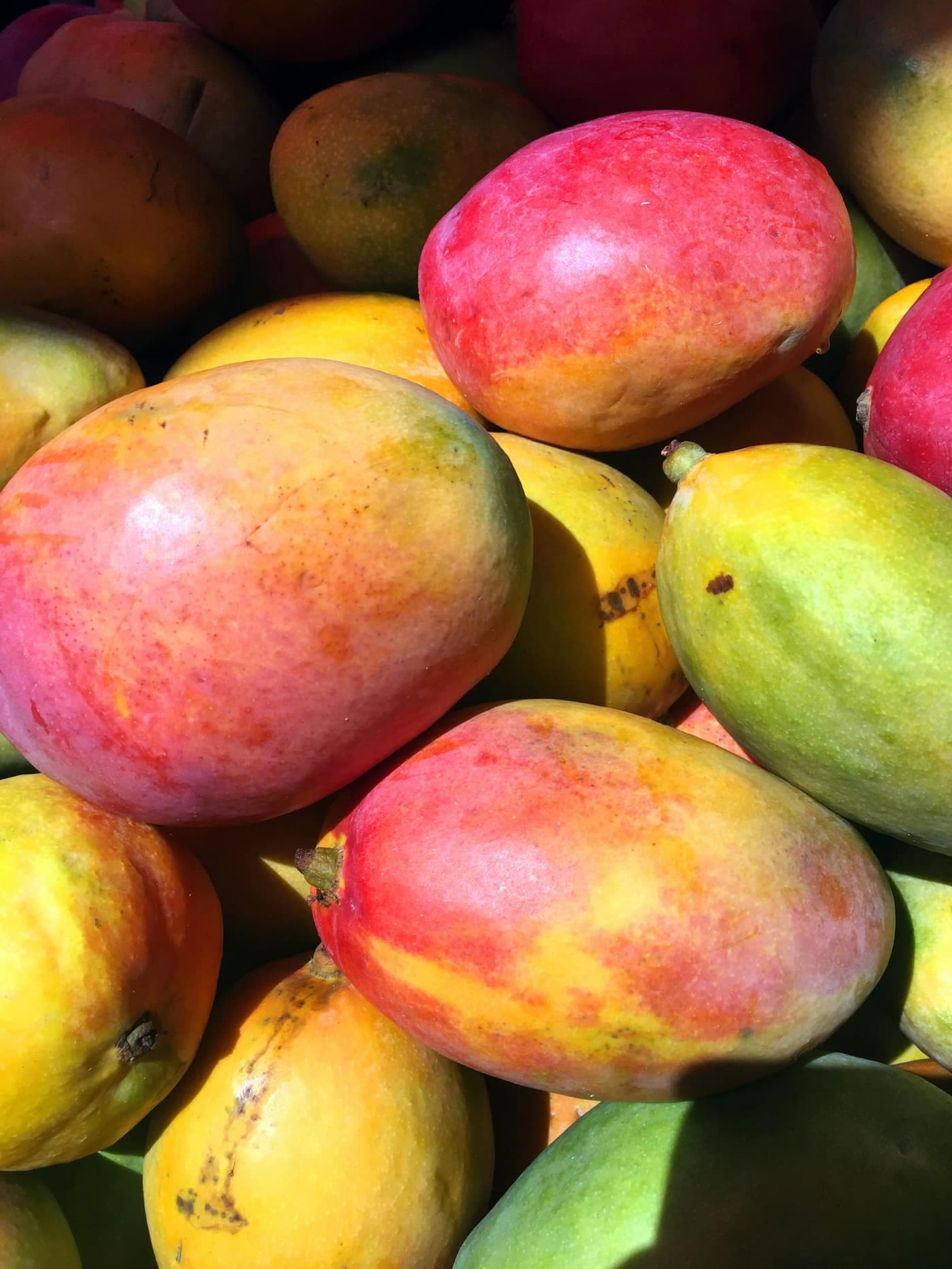
The king of fruits and India’s defining orchard crop, alternate-bearing by nature — a heavy “on” year is usually followed by a light “off” one. Timing the flowering-time spray against hopper and powdery mildew, before the panicles open, decides most of the season’s fruit.
Type: Perennial orchard fruit
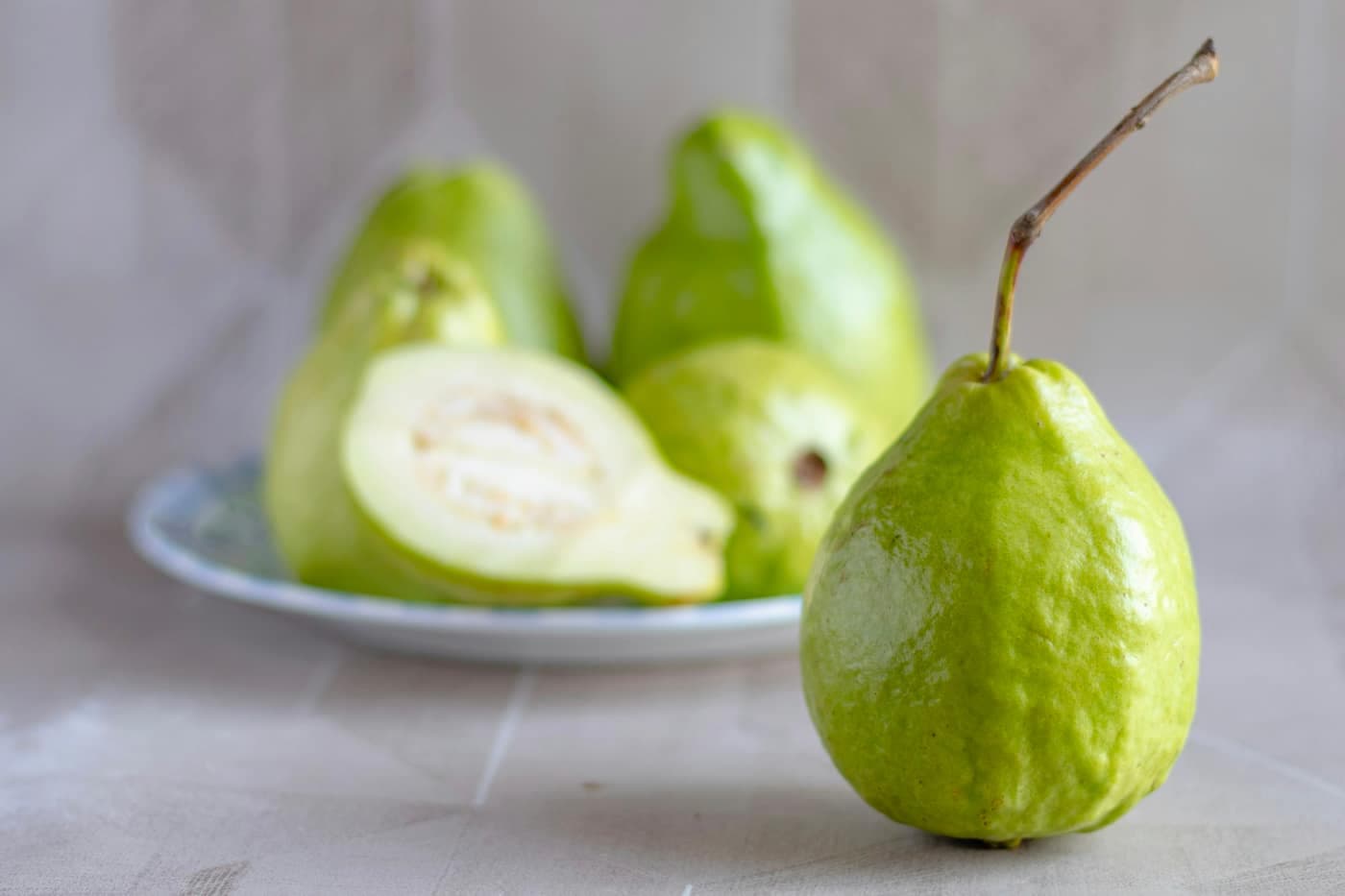
The hardiest of India’s major fruits — it crops on poor soils with little care, which is exactly why growers under-manage it. Regulating the crop to the winter (mrig bahar) by withholding water and pruning gives bigger, sweeter, less fly-struck fruit than the rainy-season flush.
Type: Perennial fruit
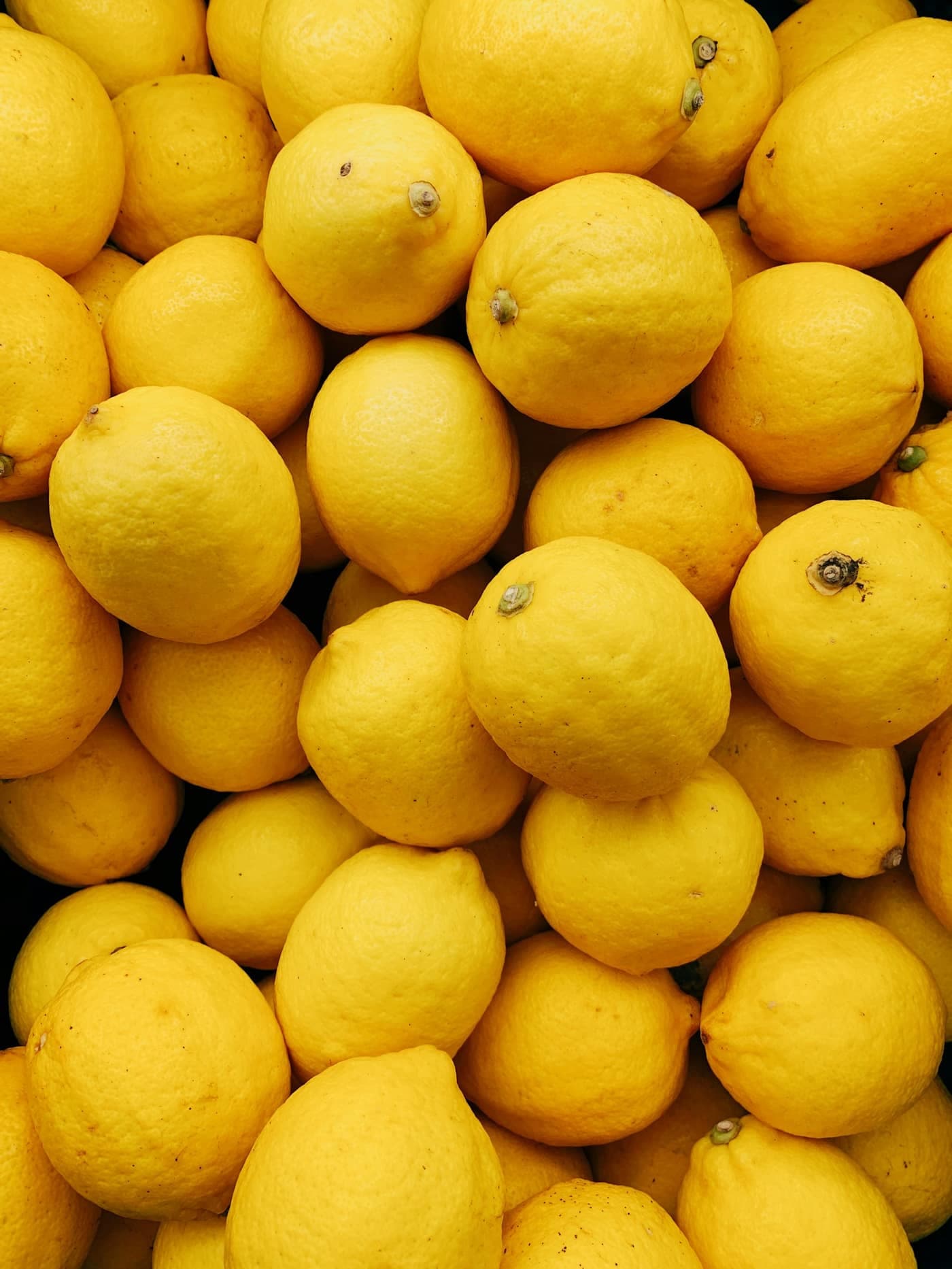
The everyday acid citrus — kagzi lime and lemon — grown as much in backyards as in orchards. Regulating one main crop through a bahar treatment concentrates the fruit into the high-price summer window instead of scattering it thinly across the year.
Type: Perennial citrus
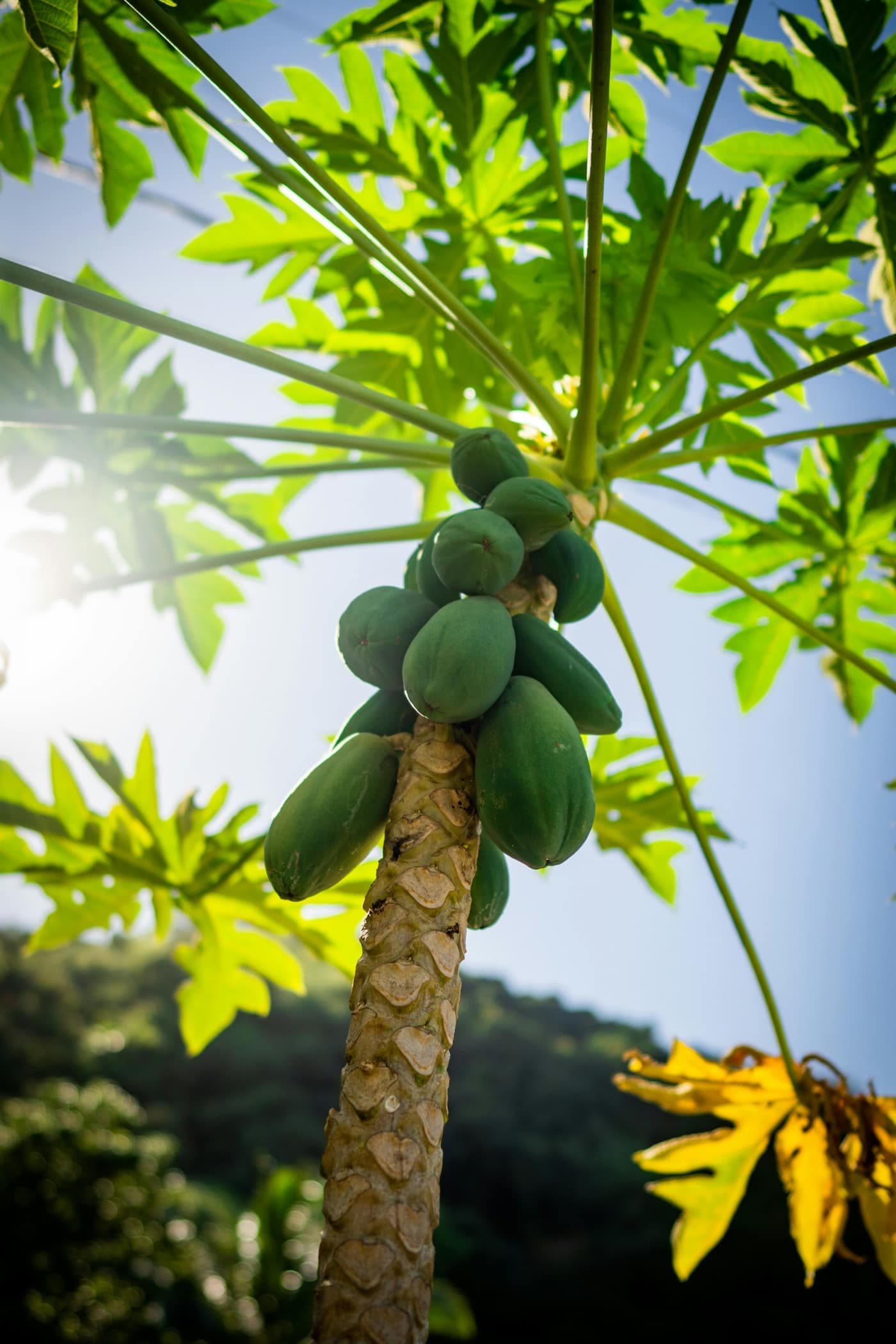
The fastest fruit to a return — planted and picking inside a year — but the most virus-exposed. Papaya ring spot virus, spread by aphids, is the crop’s ceiling, so a clean, isolated, well-drained block and quick roguing matter more than any other single practice.
Type: Fast-bearing fruit
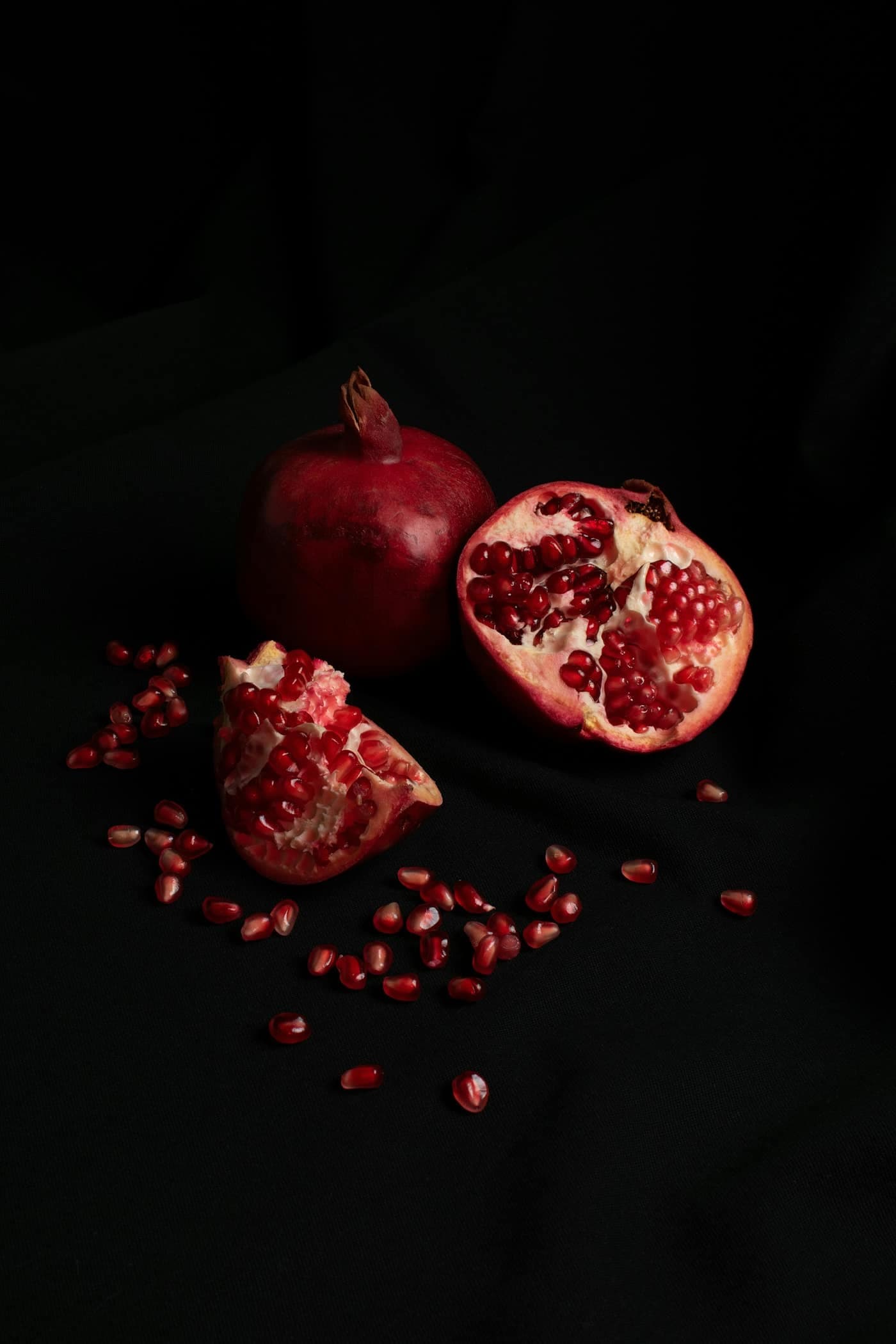
A drought-tolerant, high-value fruit that has made dryland Maharashtra its heartland. The whole crop turns on bahar regulation and on holding bacterial blight (telya) in check — one wet, unmanaged flush can scar a block’s fruit and its reputation for years.
Type: Perennial fruit
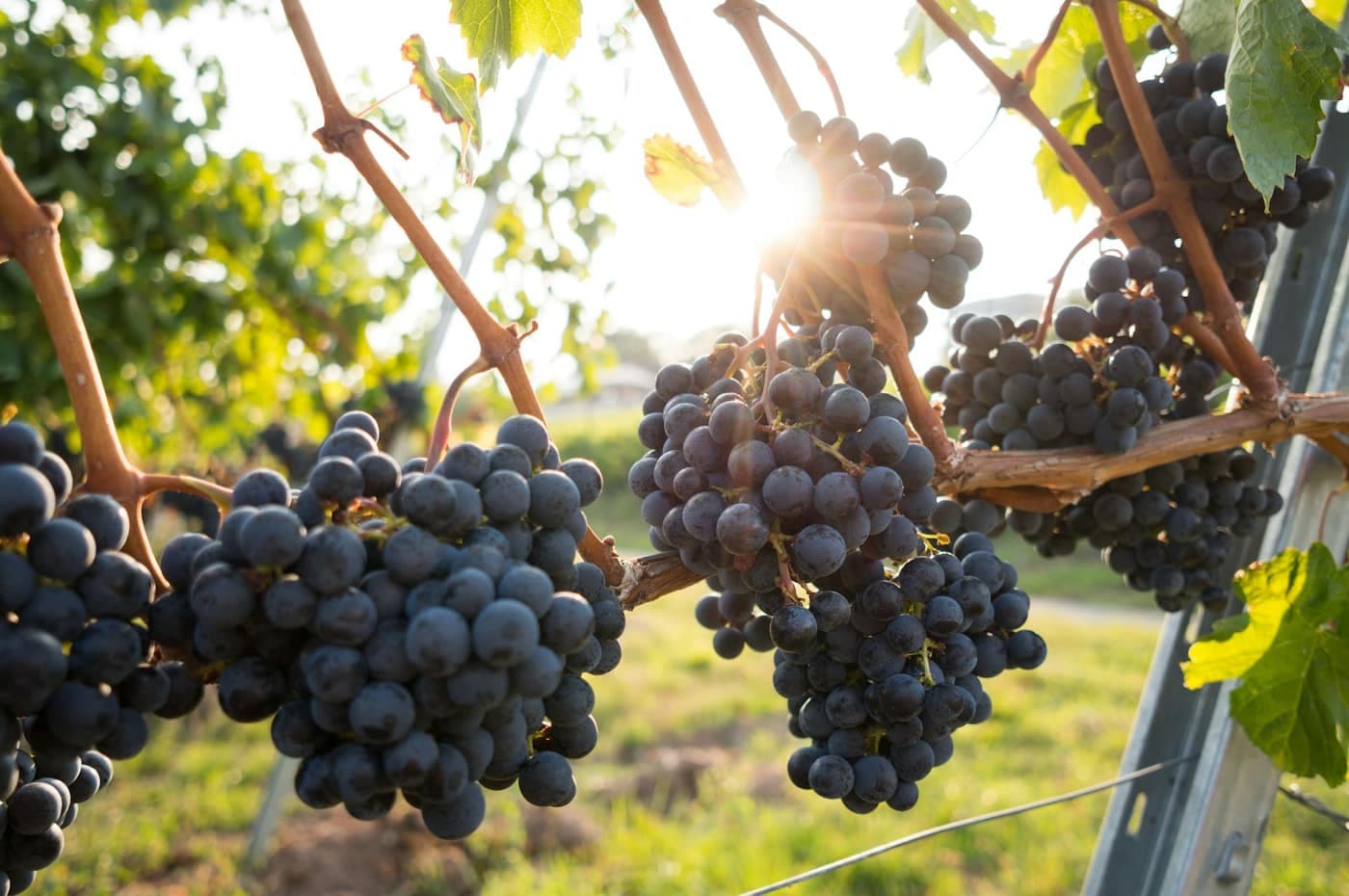
The most intensively managed fruit in India, grown on a double-pruning cycle — a foundation prune to build the vine and a fruit prune to crop it. Canopy and irrigation discipline through berry development is what separates an export-grade bunch from a rejected one.
Type: Perennial vine fruit
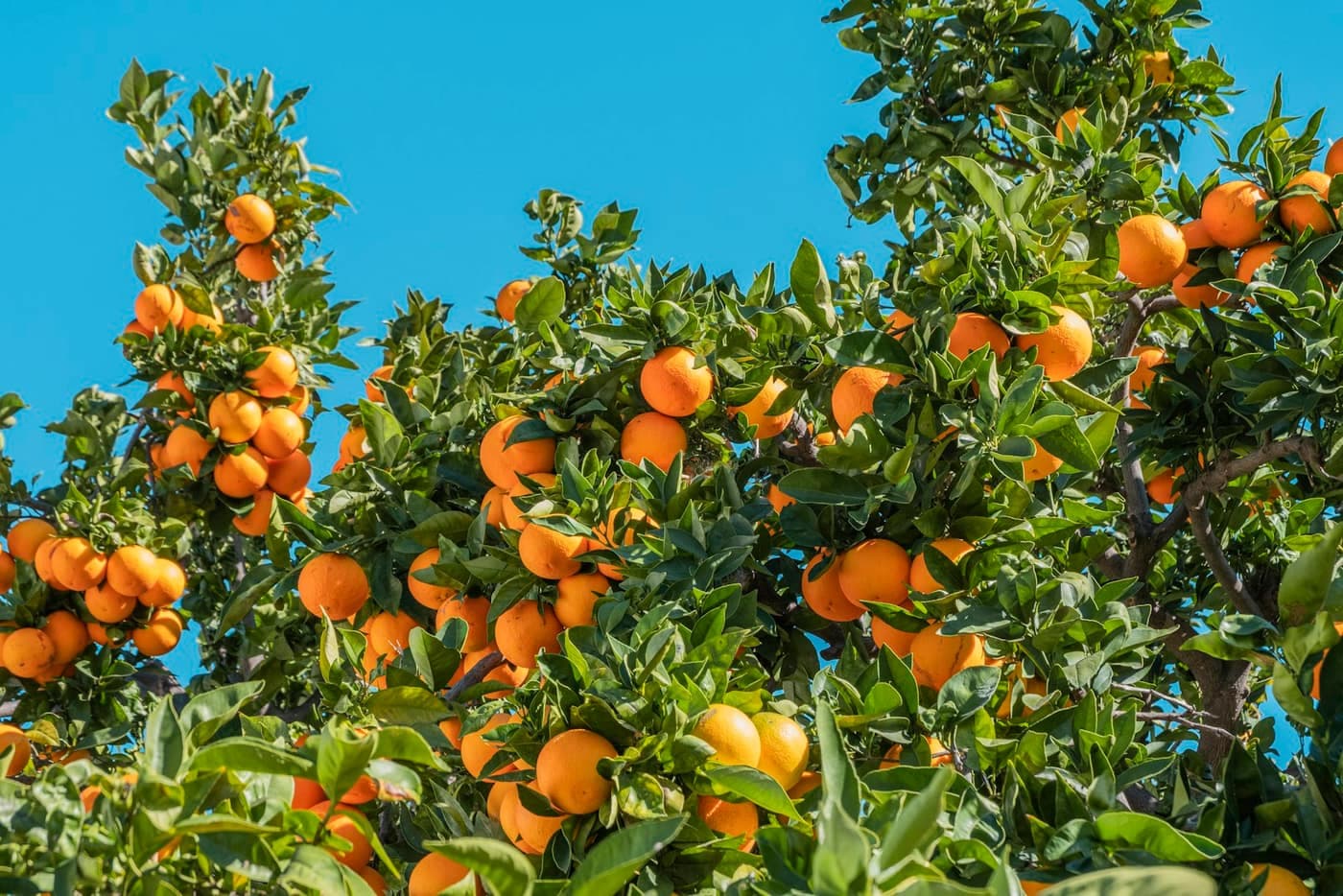
India’s mandarin — Nagpur and Coorg the famous names — worked on a bahar system that picks either the winter (ambia) or the monsoon (mrig) flowering, not both. Citrus decline from poor drainage and neglected root health is the slow killer that ends most orchards early.
Type: Perennial citrus
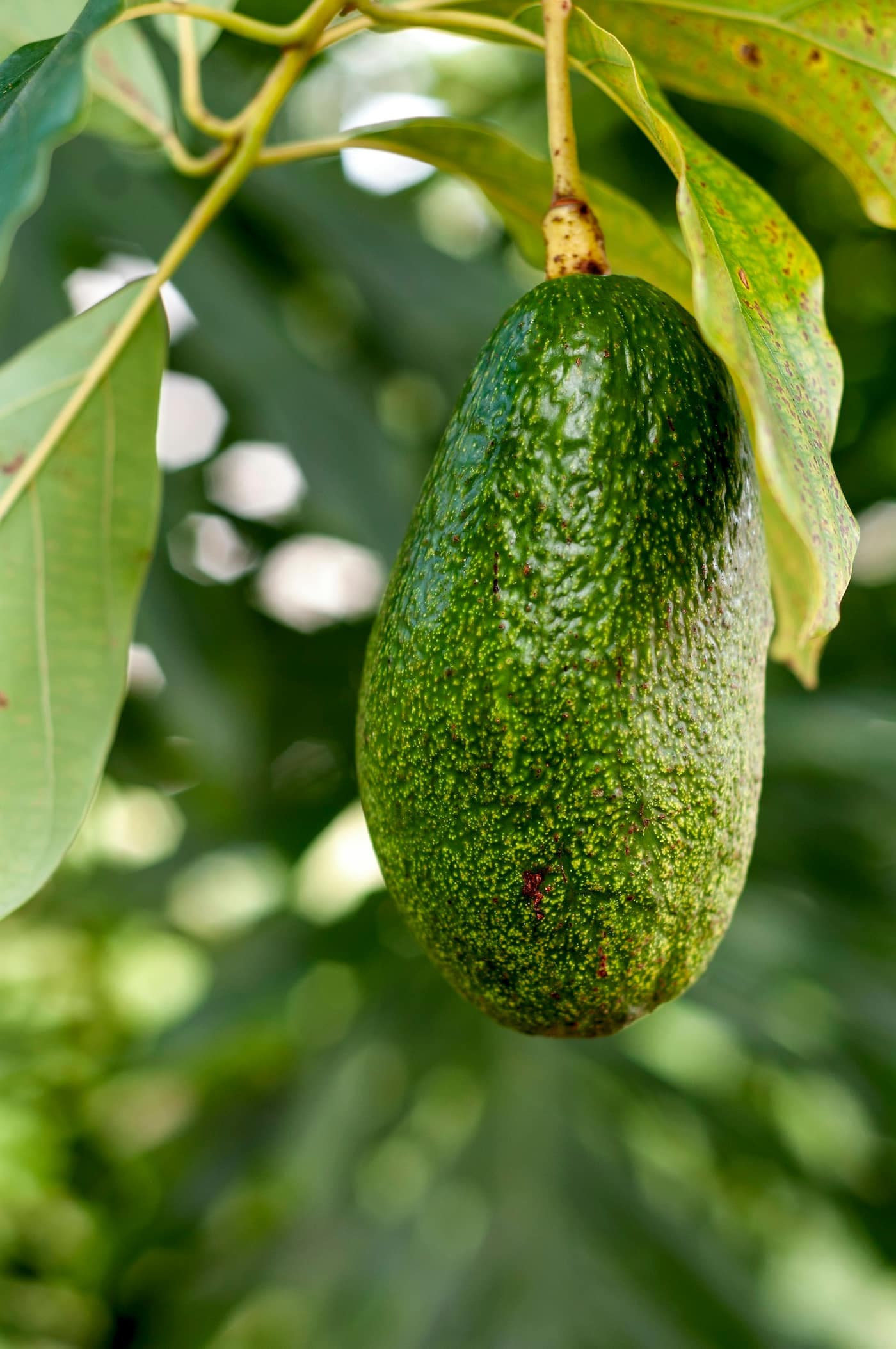
A tropical-to-subtropical fruit tree confined in India to the Western Ghats hill tracts of Coorg, Wayanad and the Nilgiris and to Sikkim's eastern Himalayan foothills, since it tolerates neither the plains' frost and dry winds nor any waterlogging at the root — Phytophthora root rot, avocado's most serious problem worldwide, decides a planting's long-term survival.
Crop type: Perennial evergreen fruit tree
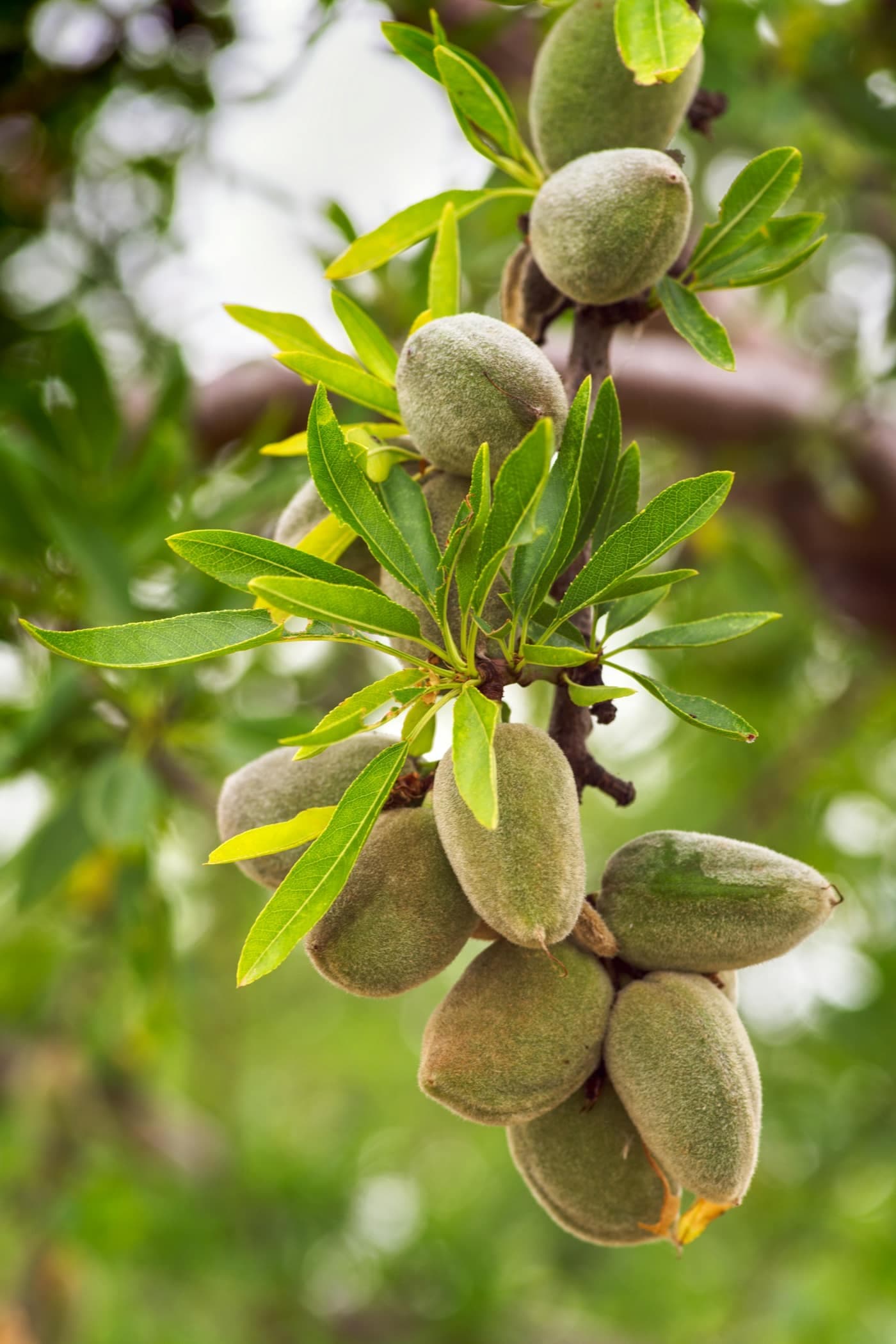
A temperate nut tree whose real Indian footprint is essentially the Kashmir valley — Pulwama, Baramulla, Kupwara, Budgam and Shopian, which alone grow the great majority of the national crop — with Himachal Pradesh's Kinnaur and Lahaul-Spiti a distant second; brown rot can kill a whole spring bloom in a single cool, damp week if the bloom-time spray is missed.
Crop type: Perennial deciduous nut tree
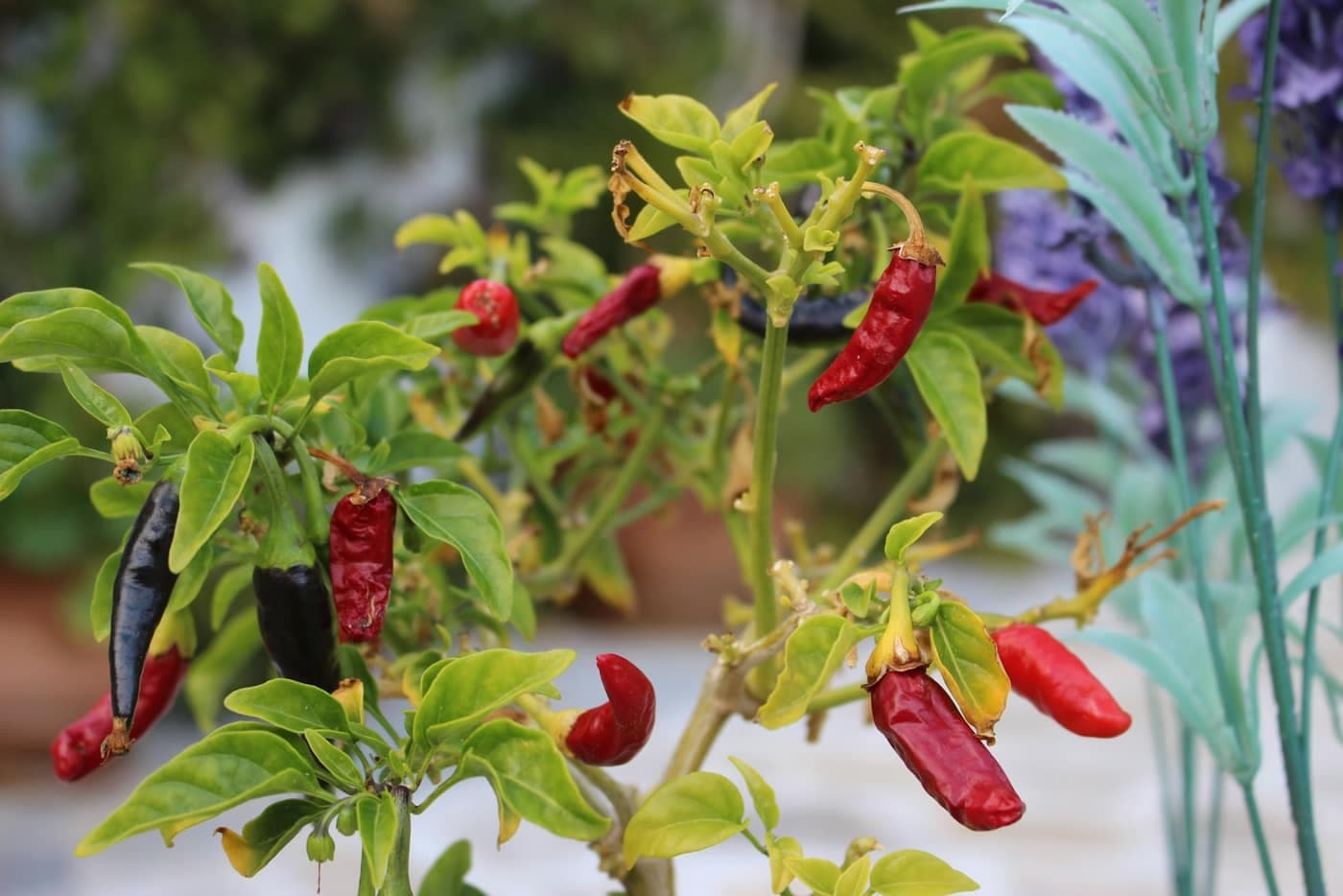
India is both the largest grower and exporter of chilli in the world, led by Andhra Pradesh and Telangana. The crop is transplanted from a raised nursery bed, not sown direct — the single detail growers new to it most often skip.
Nursery sowing: June–July
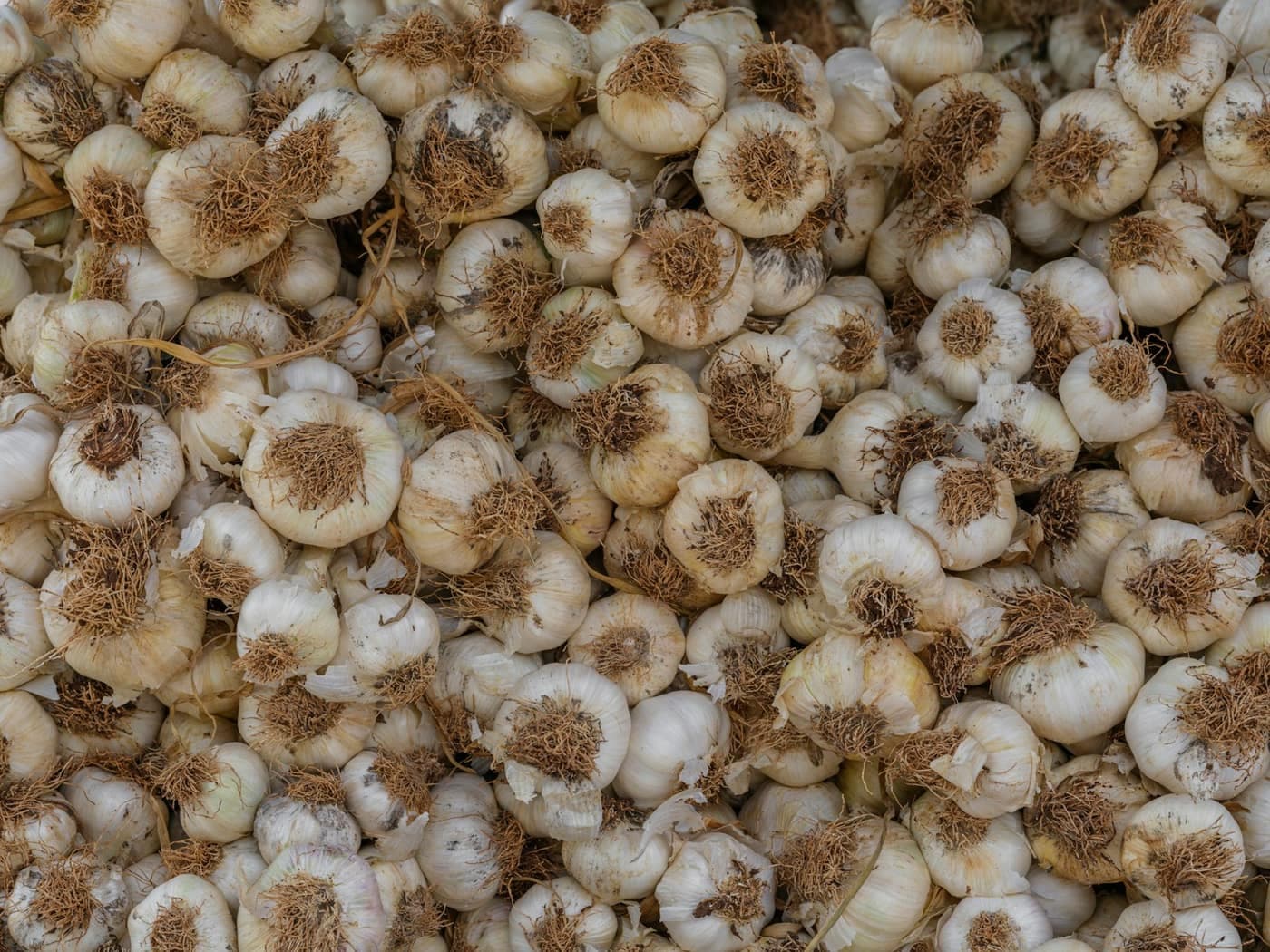
Planted as cloves, not seed — Madhya Pradesh and Rajasthan grow most of India’s crop, and the bulb only sizes up properly if irrigation is stopped roughly two to three weeks before the final harvest.
Season: Rabi
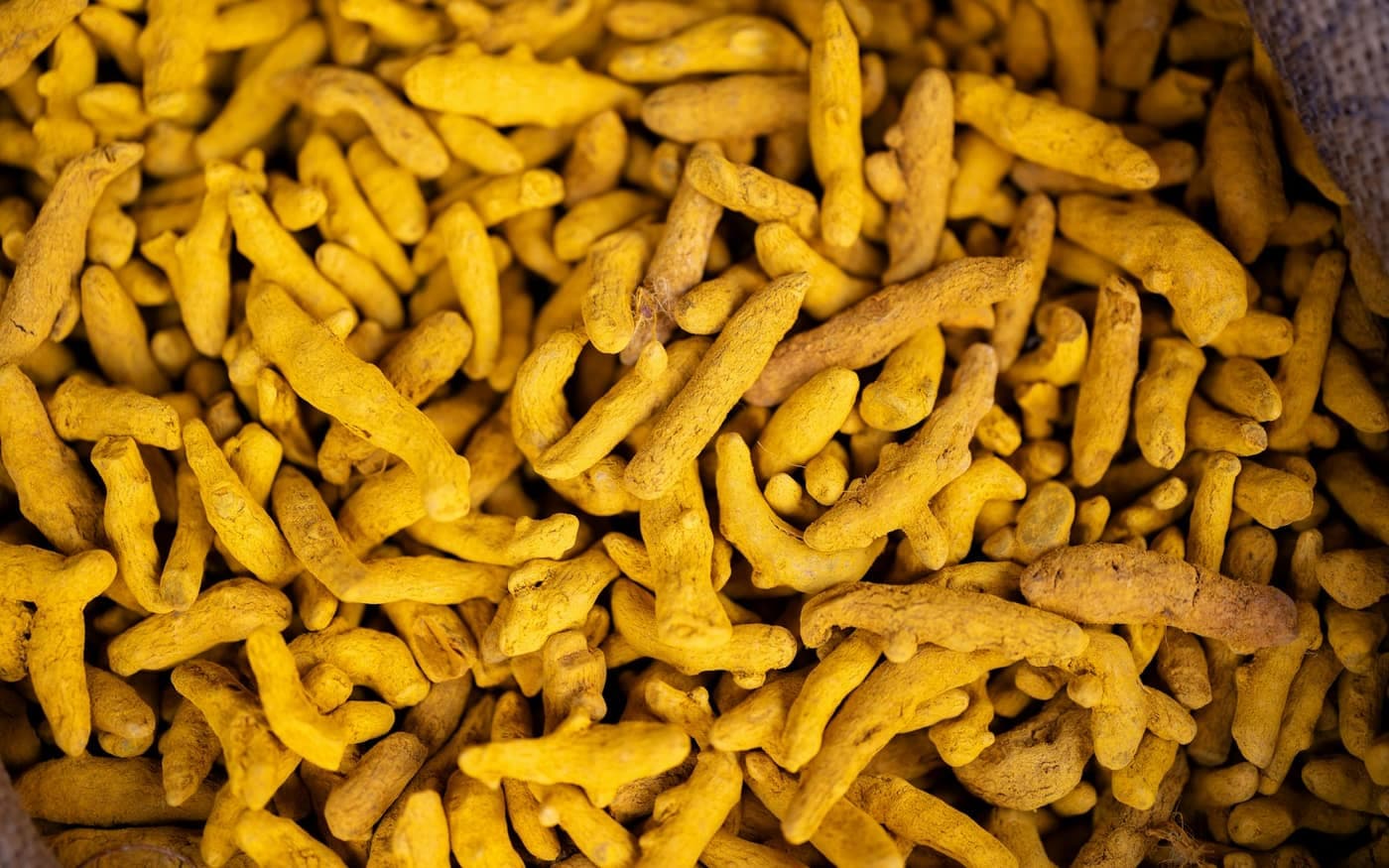
A long-duration rhizome crop grown mainly in Maharashtra, Telangana and Tamil Nadu — nearly a full year in the ground before harvest, followed by the boiling-and-curing step that actually gives the market its characteristic colour and shine.
Sowing window: May–June
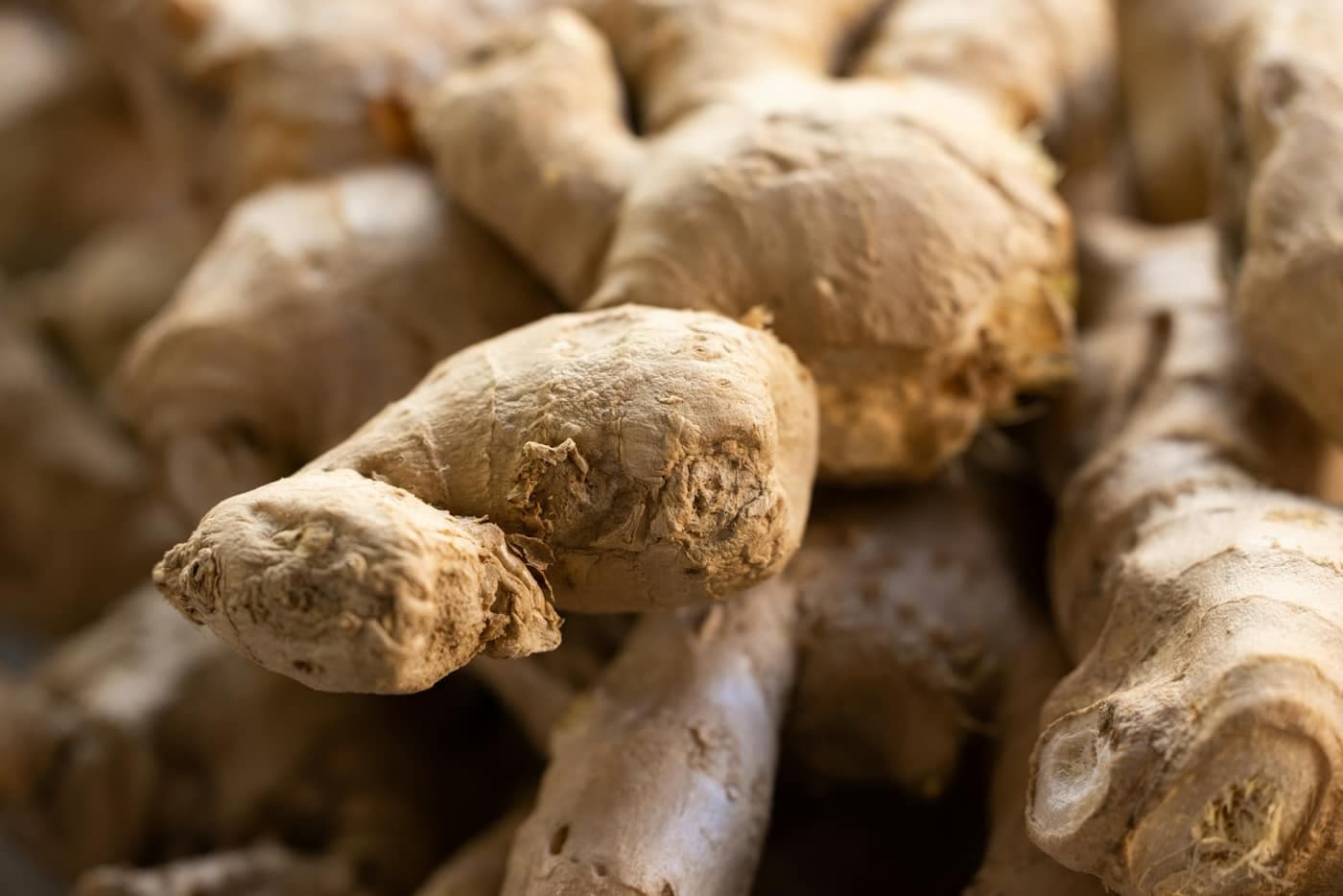
A long-duration rhizome spice that stays nearly nine months in the ground and demands a rich, well-drained soil that never waterlogs — soft rot from standing water is the disease that wipes out whole beds. Heavy mulch after planting is not optional; it holds moisture and keeps weeds down.
Season: Kharif
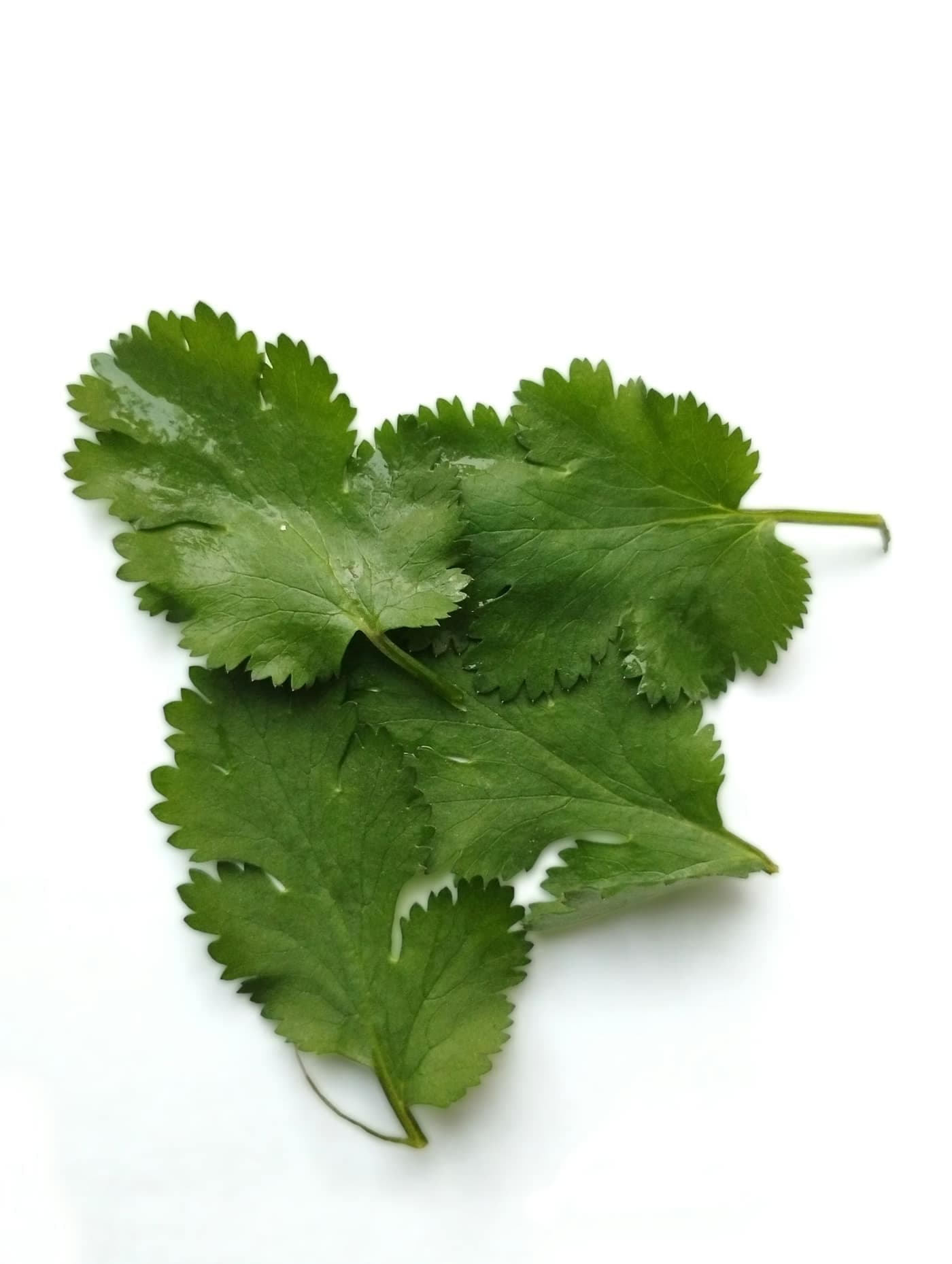
A rabi seed spice grown across Rajasthan, Madhya Pradesh and Gujarat — and the one job growers new to it skip is gently splitting each round seed into its two halves before sowing, which is what gets an even, quick stand. Too much water at flowering invites stem gall and wilt.
Season: Rabi
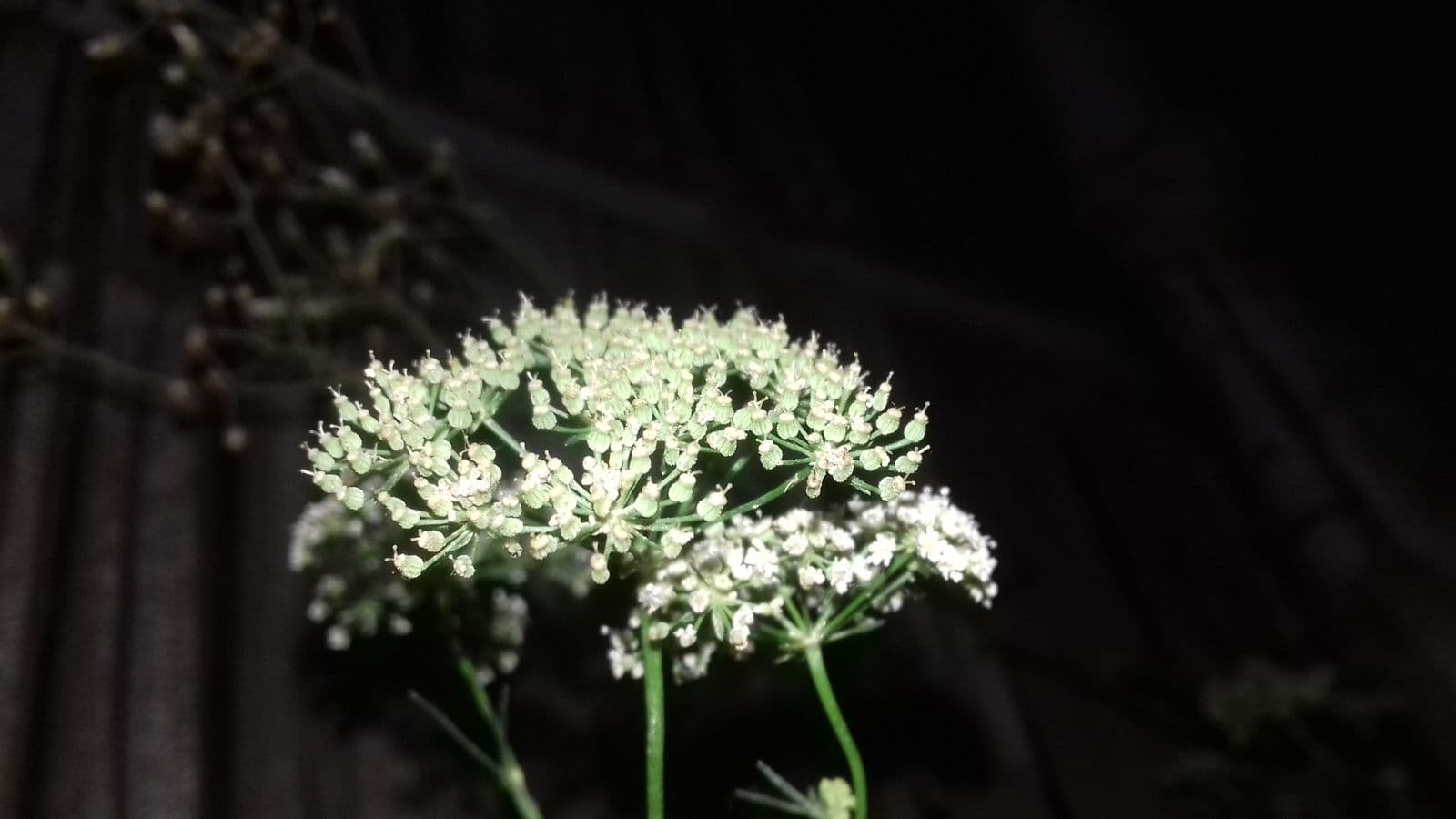
A hardy rabi seed spice grown mainly in Gujarat and Rajasthan on a very light seed rate — the crop's single biggest threat is not disease but standing water: its taproot cannot survive waterlogging and starts rotting within about two days of it.
Season: Rabi
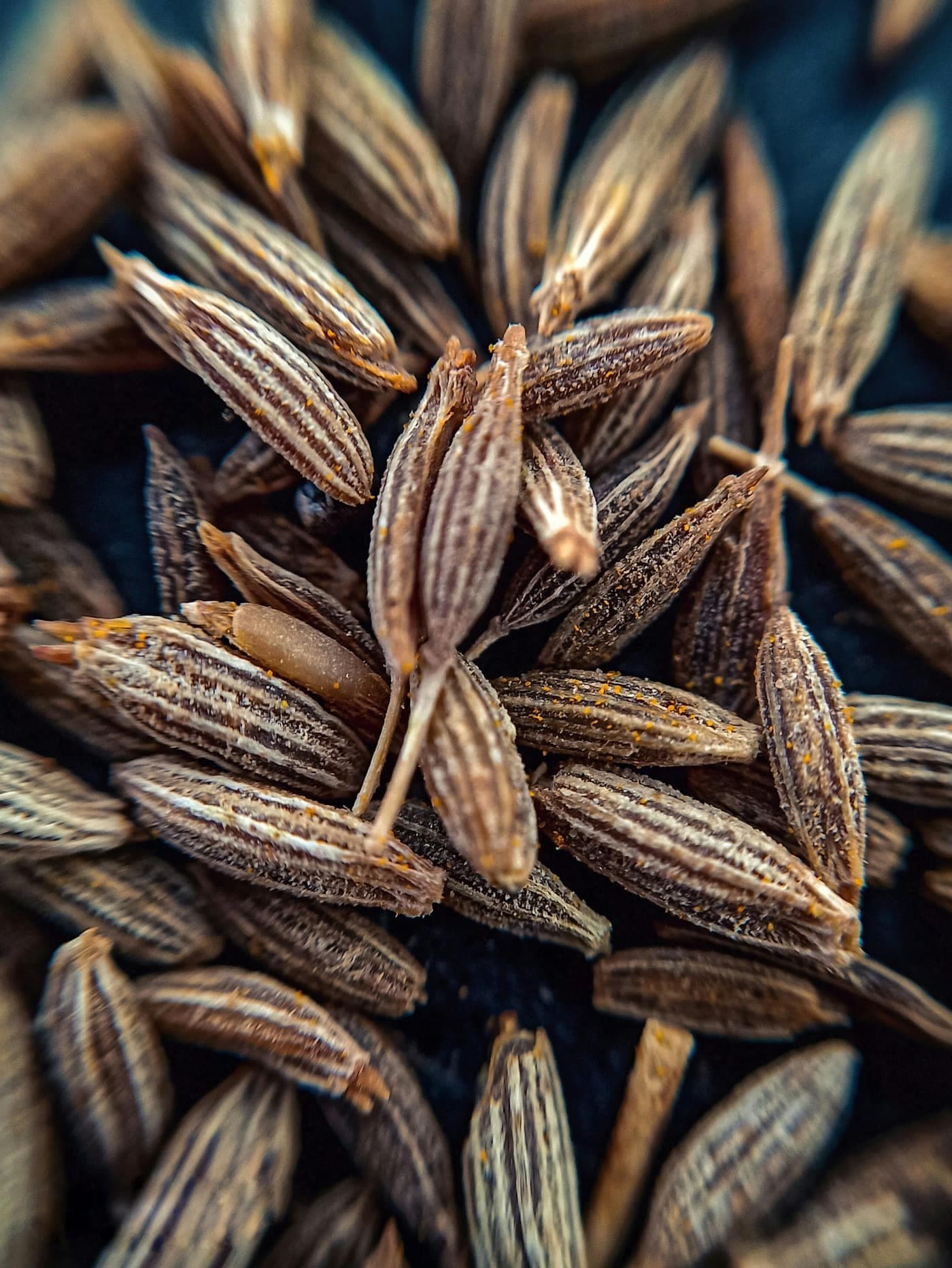
A cool-season rabi seed spice that Gujarat and Rajasthan grow more of than the rest of the world combined — and the one decision that makes or breaks the crop is picking a wilt-resistant variety, since Fusarium wilt can wipe out a susceptible field before it ever flowers.
Season: Rabi
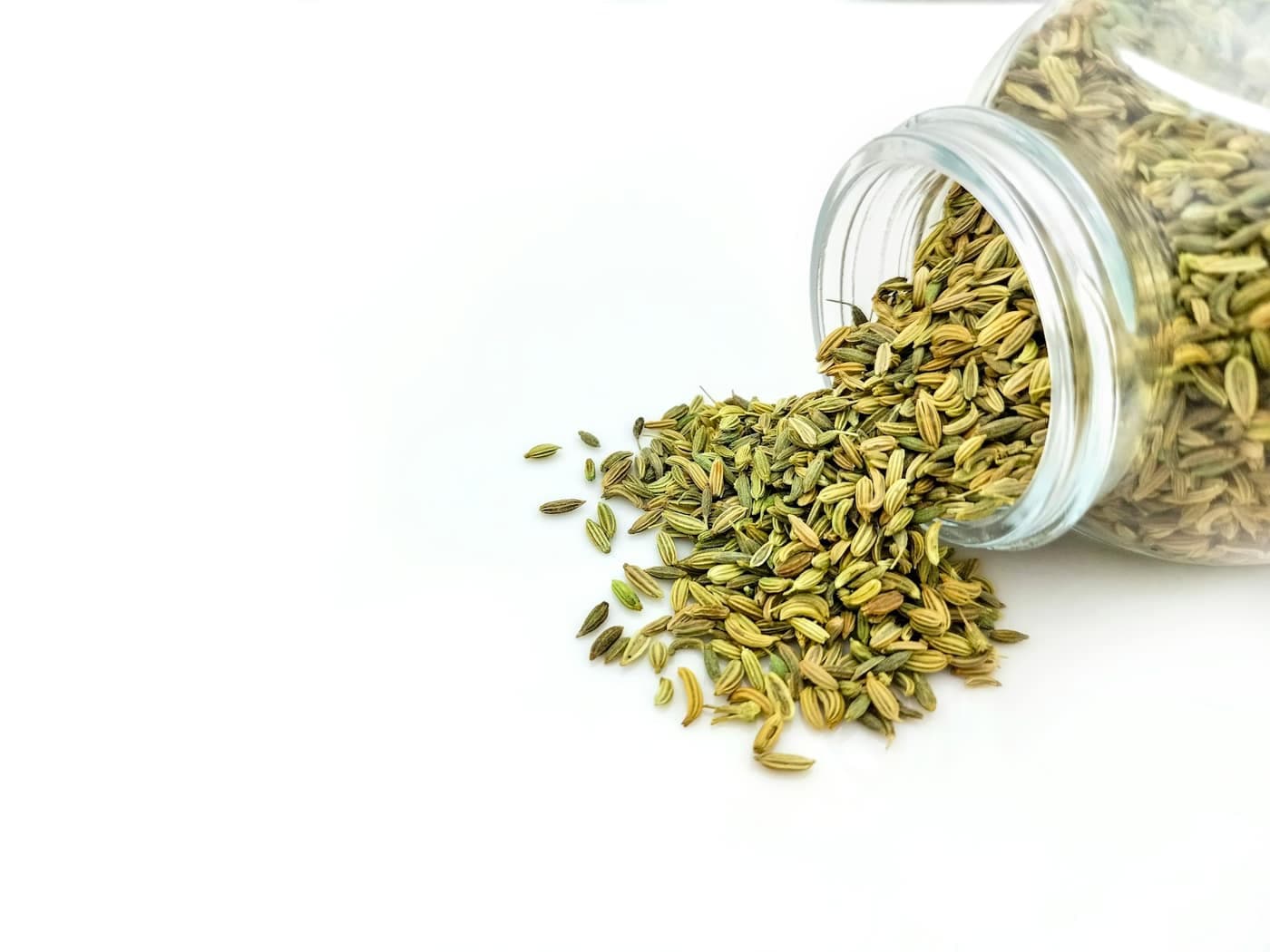
A long-duration rabi seed spice grown across Gujarat, Rajasthan and Uttar Pradesh, sown a full month earlier than coriander or cumin because it needs so much longer in the ground — and the one job new growers get wrong is cutting the whole crop at once, when fennel's umbels ripen in stages and want picking two or three times, ten to twelve days apart.
Season: Rabi
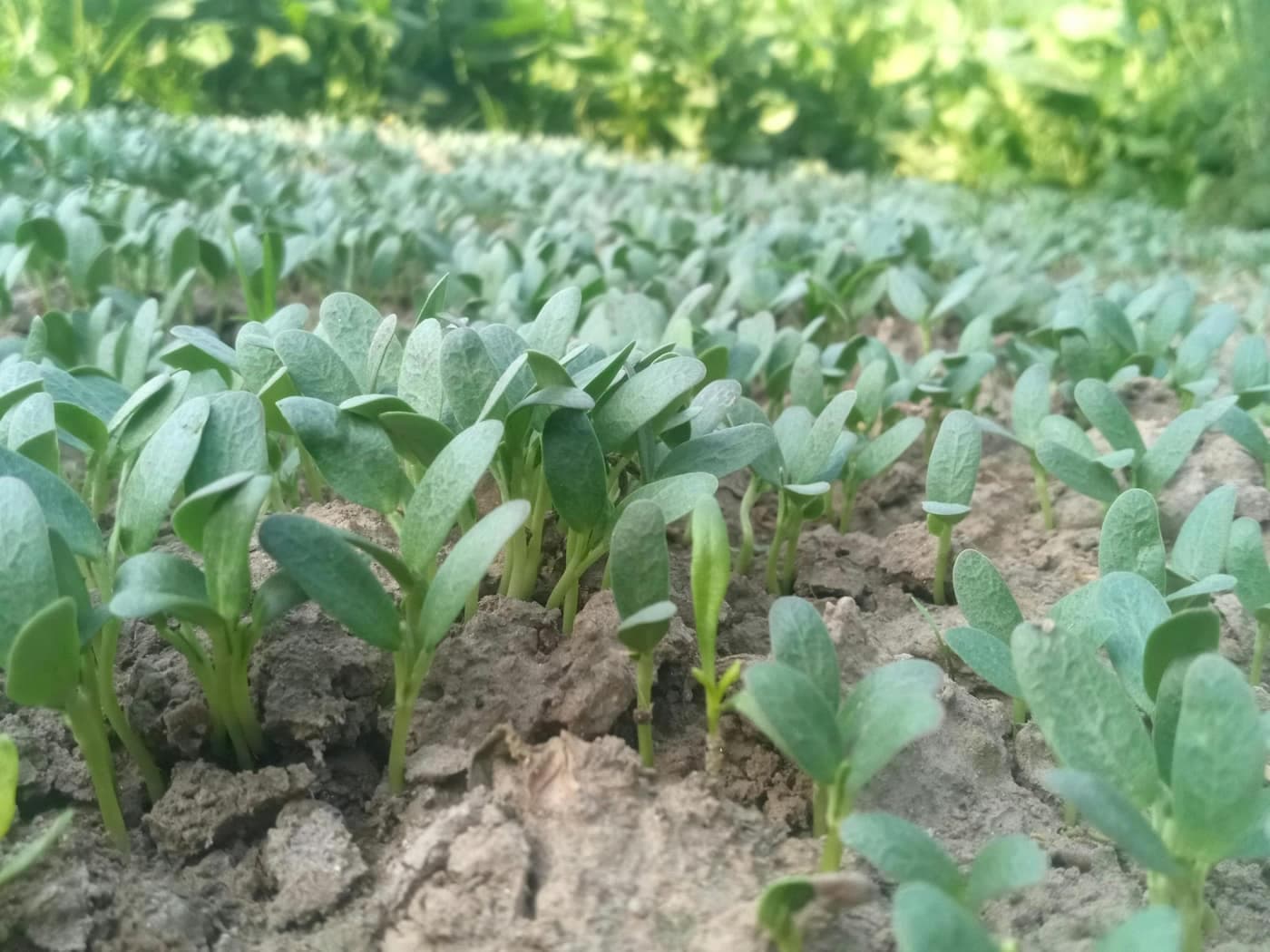
A cool-season rabi seed spice that Rajasthan alone grows about four-fifths of, sown for its bitter-sweet seed, its leaf, or both — and the one disease that decides how the crop is managed is root rot, which spreads fastest in a dense, over-watered stand and can account for half the yield loss in a bad field.
Season: Rabi
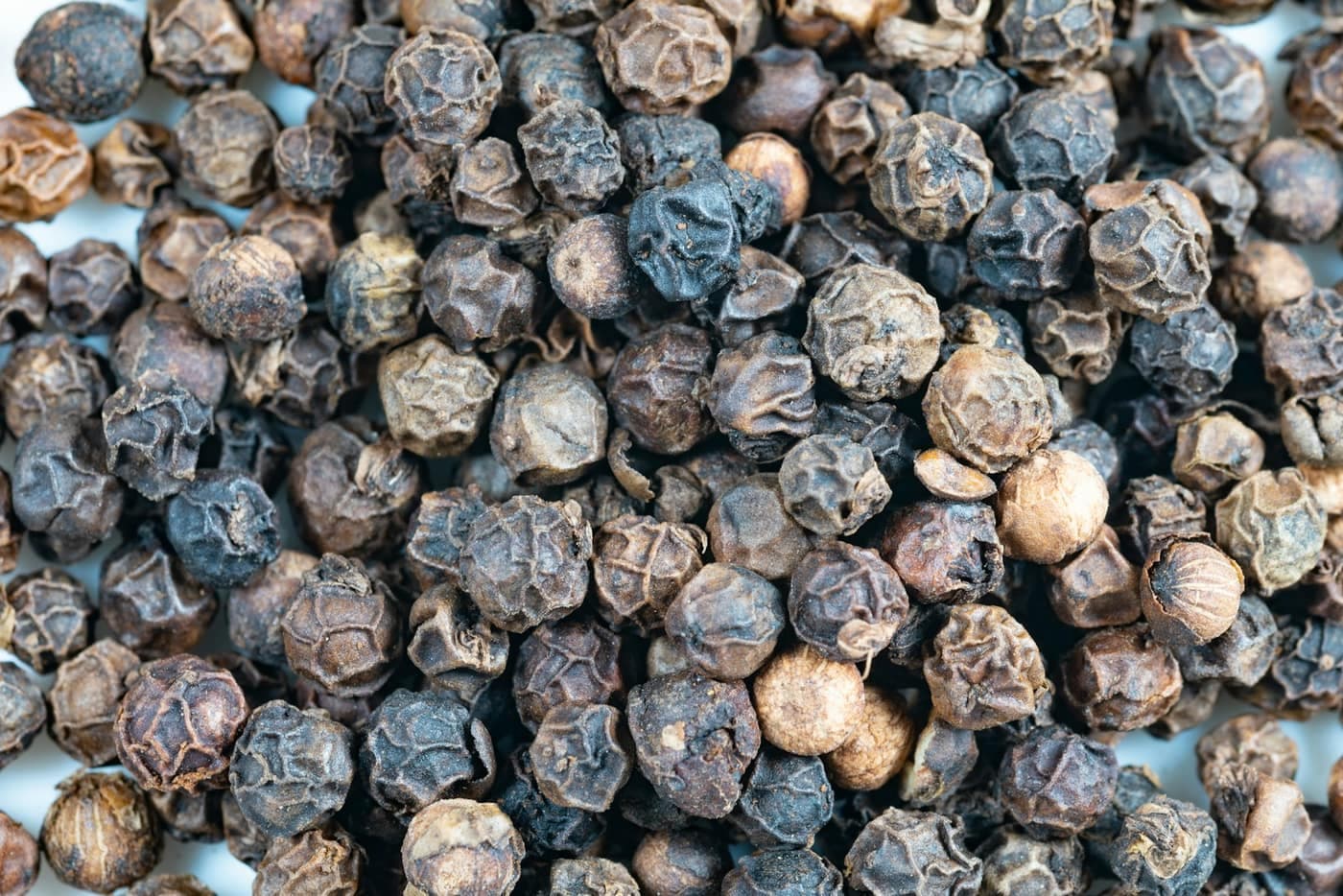
The "king of spices" — a perennial climbing vine of the Western Ghats, grown mostly as an intercrop on coffee, arecanut or on tree standards rather than as a sole crop. It starts bearing in the third year and yields for two decades or more, but foot rot (quick wilt) can kill a vine in weeks, and the price rides the global spice market, with no MSP.
Crop type: Perennial climbing vine on standards
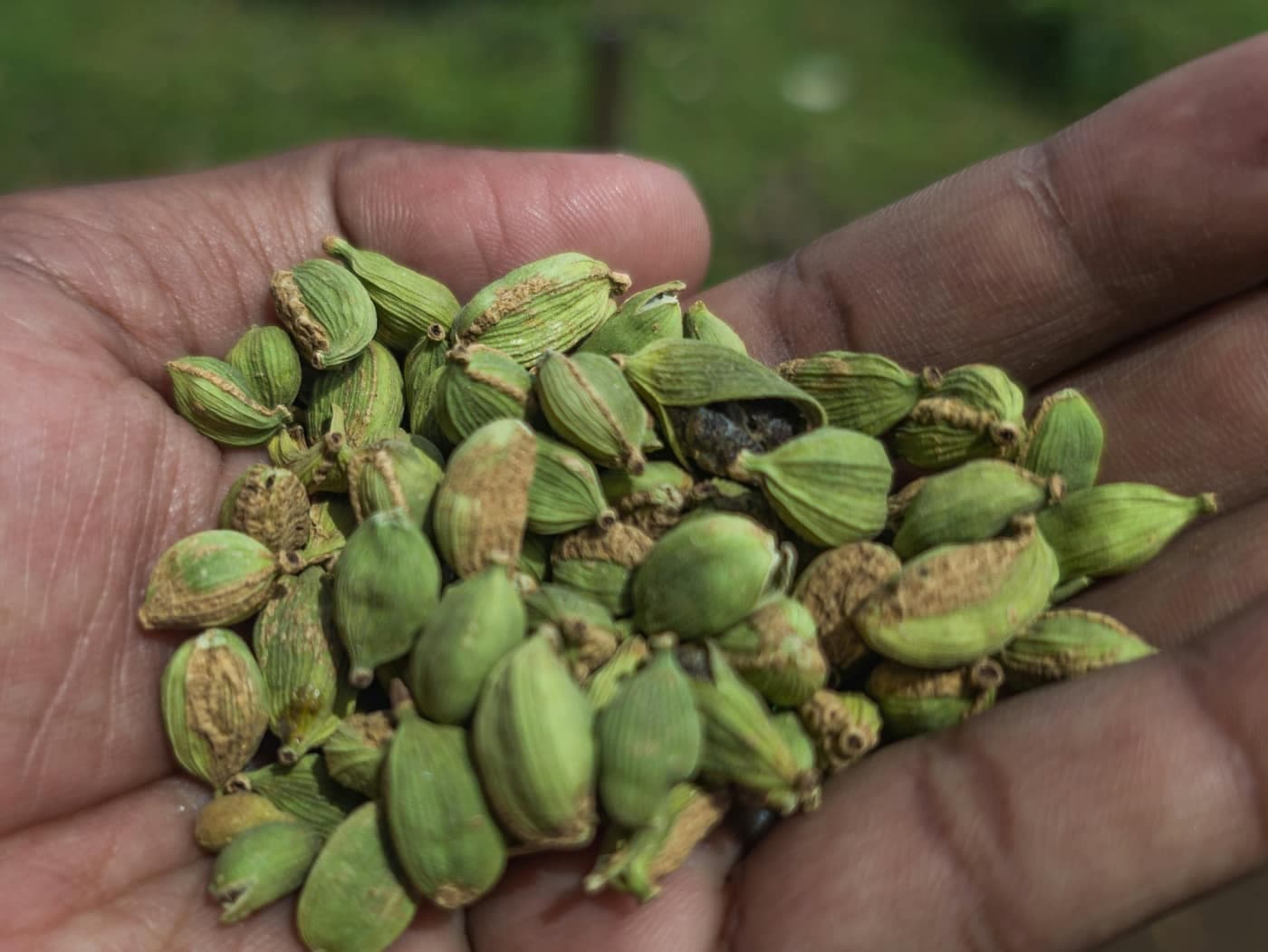
A cross-pollinated perennial spice herb confined to the shaded mid-hills of Idukki and Wayanad in Kerala and Kodagu, Chikmagalur and Hassan in Karnataka — never an annual field crop — where two problems decide the crop: Katte (Cardamom mosaic virus), which stunts a clump for life with no cure, and Azhukal (Phytophthora capsule rot), the most fatal field disease, which can rot an entire panicle within days of the monsoon.
Crop type: Perennial rhizomatous spice herb
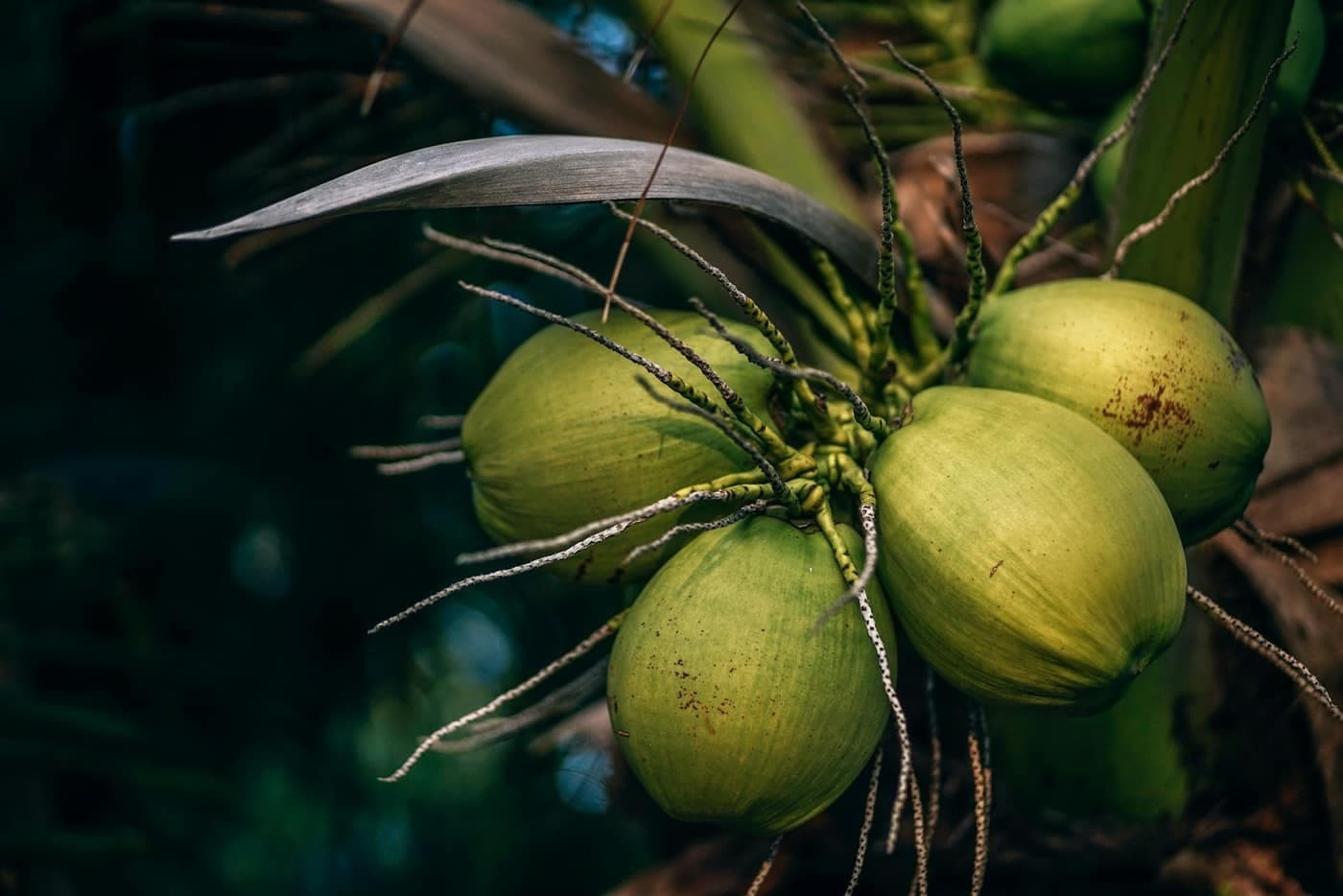
The kalpavriksha — a once-planted, decades-yielding palm that is the backbone of the coastal south. It rewards patience and steady moisture: the real returns come not from selling raw nuts but from tender-coconut, copra and coir value addition once the palm is in full bearing.
Type: Perennial palm
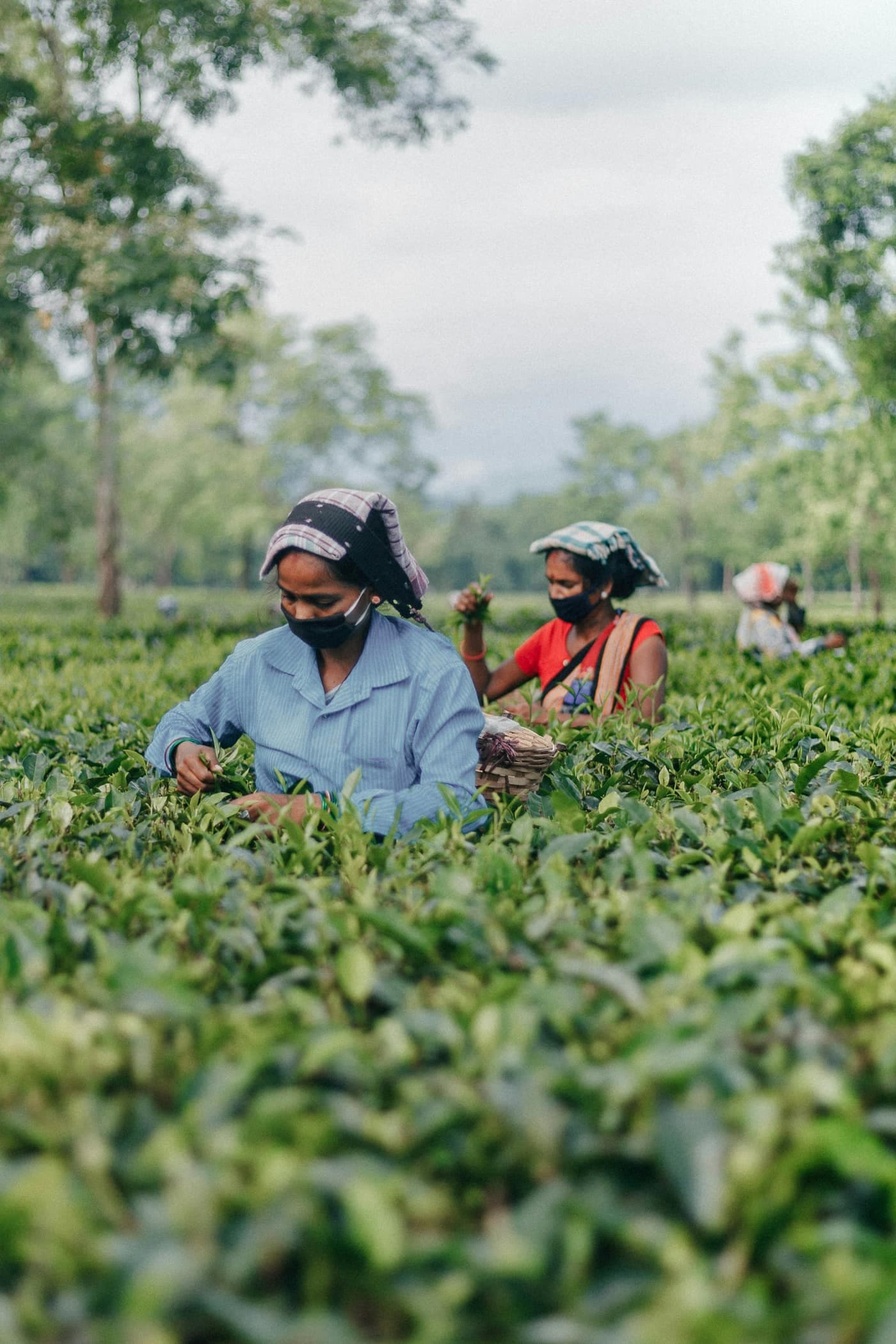
A perennial bush plucked, not harvested — for decades, every 7–14 days through the flush season. Everything rests on the “two leaves and a bud” plucking standard and on the frame built by years of disciplined pruning; coarse plucking trades this season’s weight for next season’s quality.
Type: Perennial plantation bush
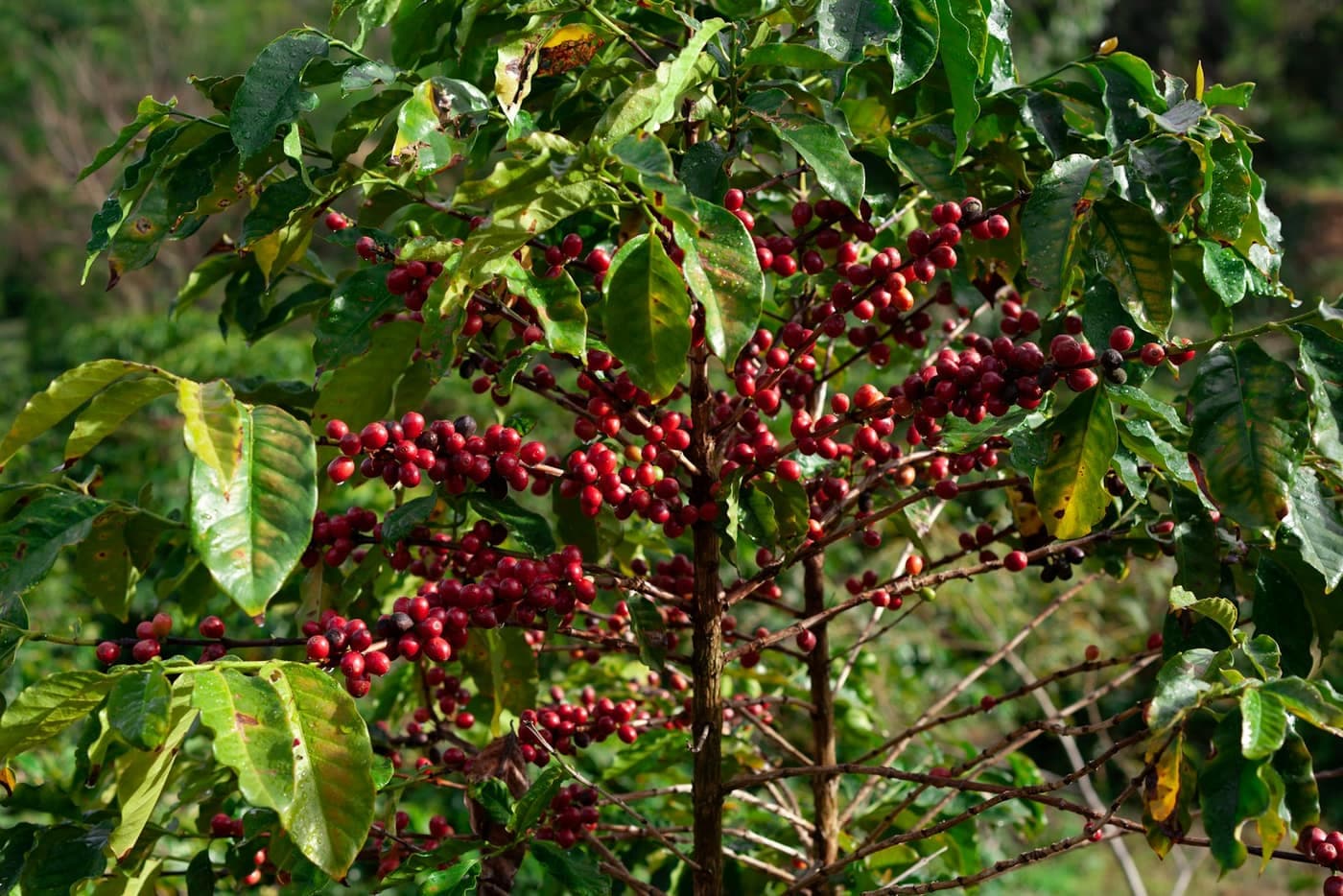
A shade-loving plantation crop confined almost entirely to the Western Ghats — Karnataka alone grows well over half the country’s coffee. Robusta shrugs off heat and disease and pays steadily; Arabica needs cooler altitude and careful shade but earns the higher price.
Type: Perennial shade shrub
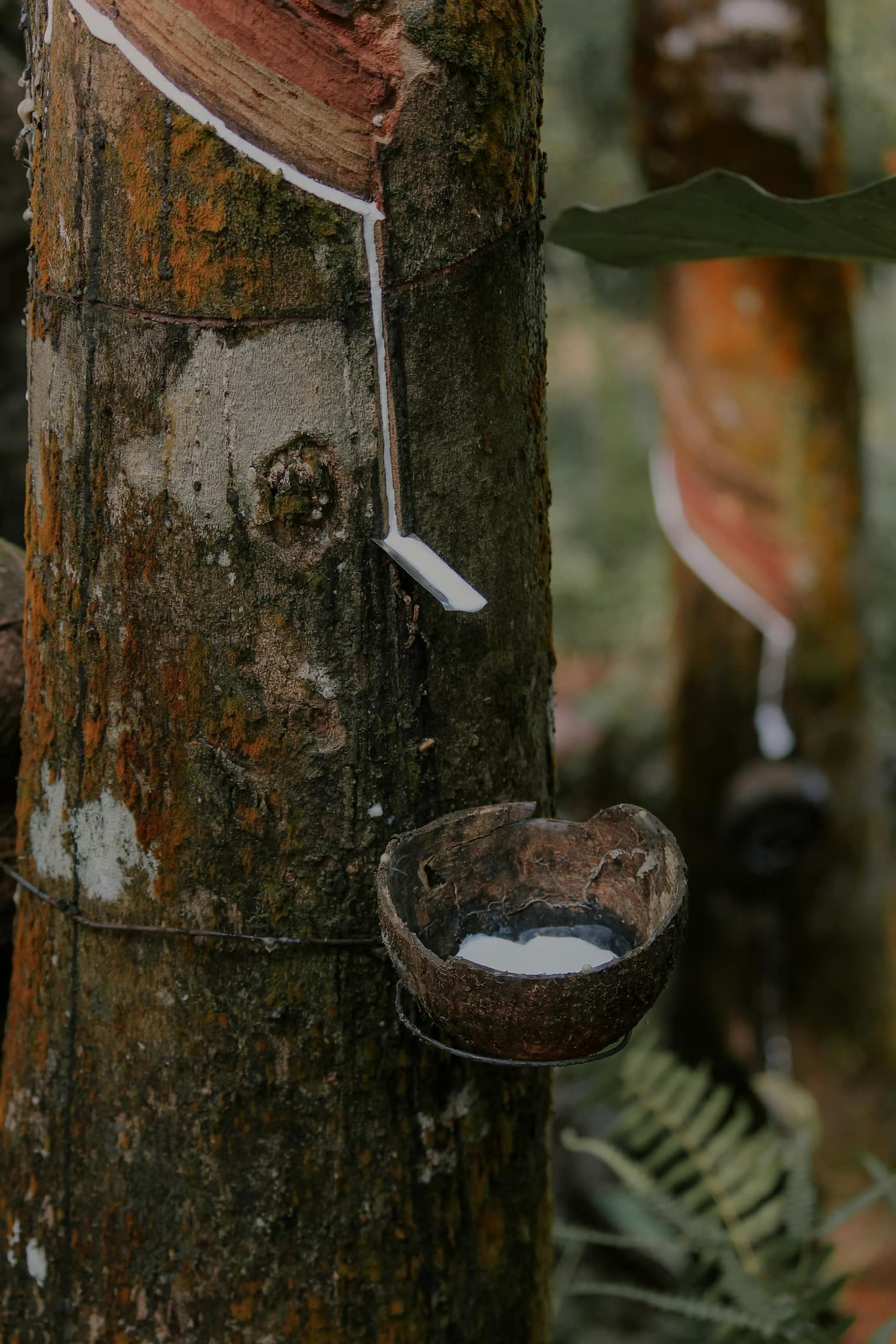
India's main industrial plantation crop — a tree planted once as a budded clone and tapped for latex for 25–30 years, concentrated in Kerala and now expanding fast in Tripura and the north-east. It gives no return for the first six or seven years, has no MSP, and its income swings with the global rubber price, so clone choice, tapping discipline and rain-guarding decide whether it pays.
Crop type: Perennial plantation tree (latex)
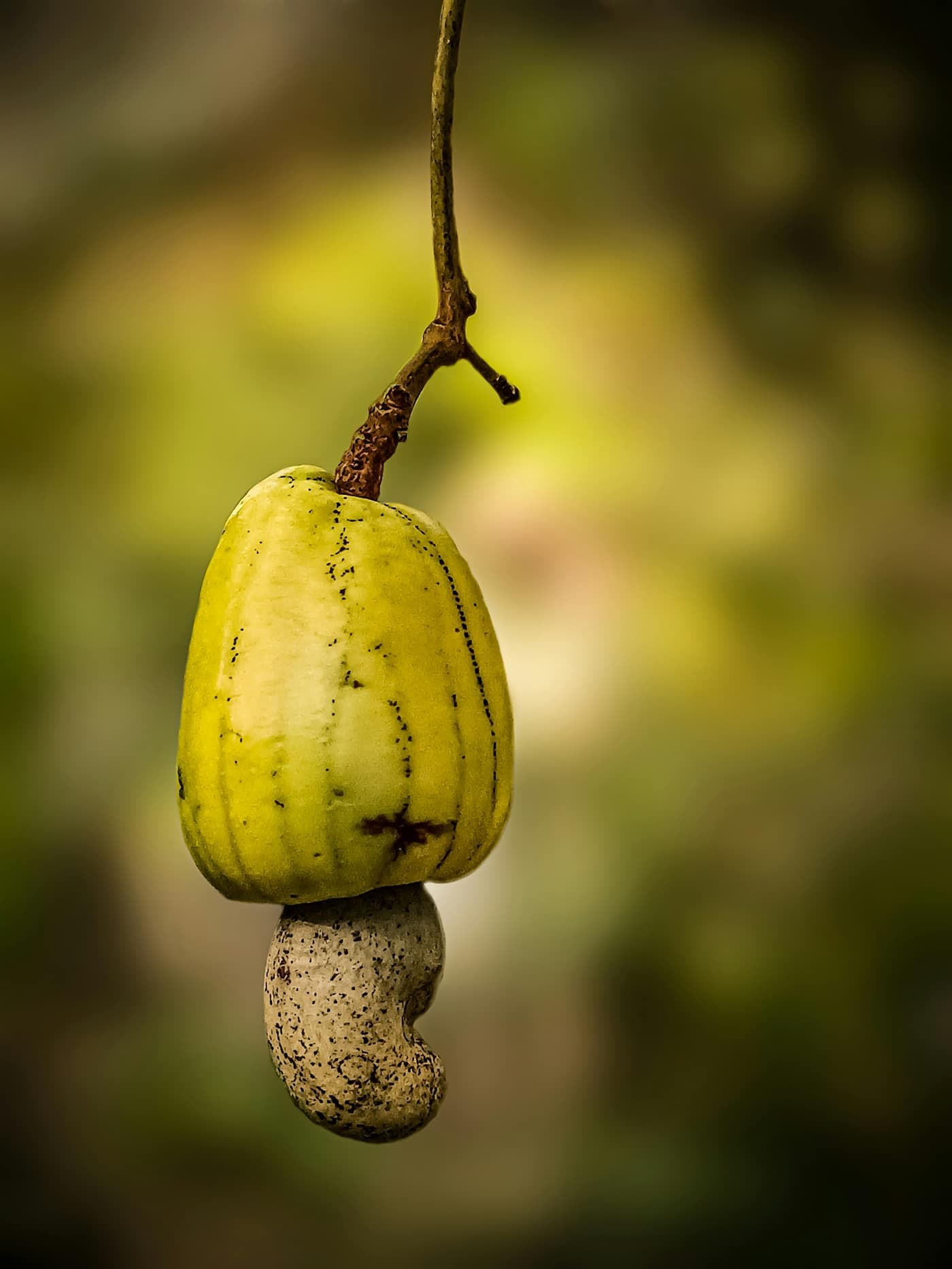
A hardy evergreen nut tree of India's coastal belt — Kerala, Dakshina Kannada and Udupi in Karnataka, Goa, the Maharashtra Konkan, Andhra Pradesh, Odisha and Tamil Nadu — planted once and harvested for decades, where the tea mosquito bug is the single most damaging pest, its feeding wounds opening the door to the dieback and anthracnose that follow.
Crop type: Perennial evergreen nut tree
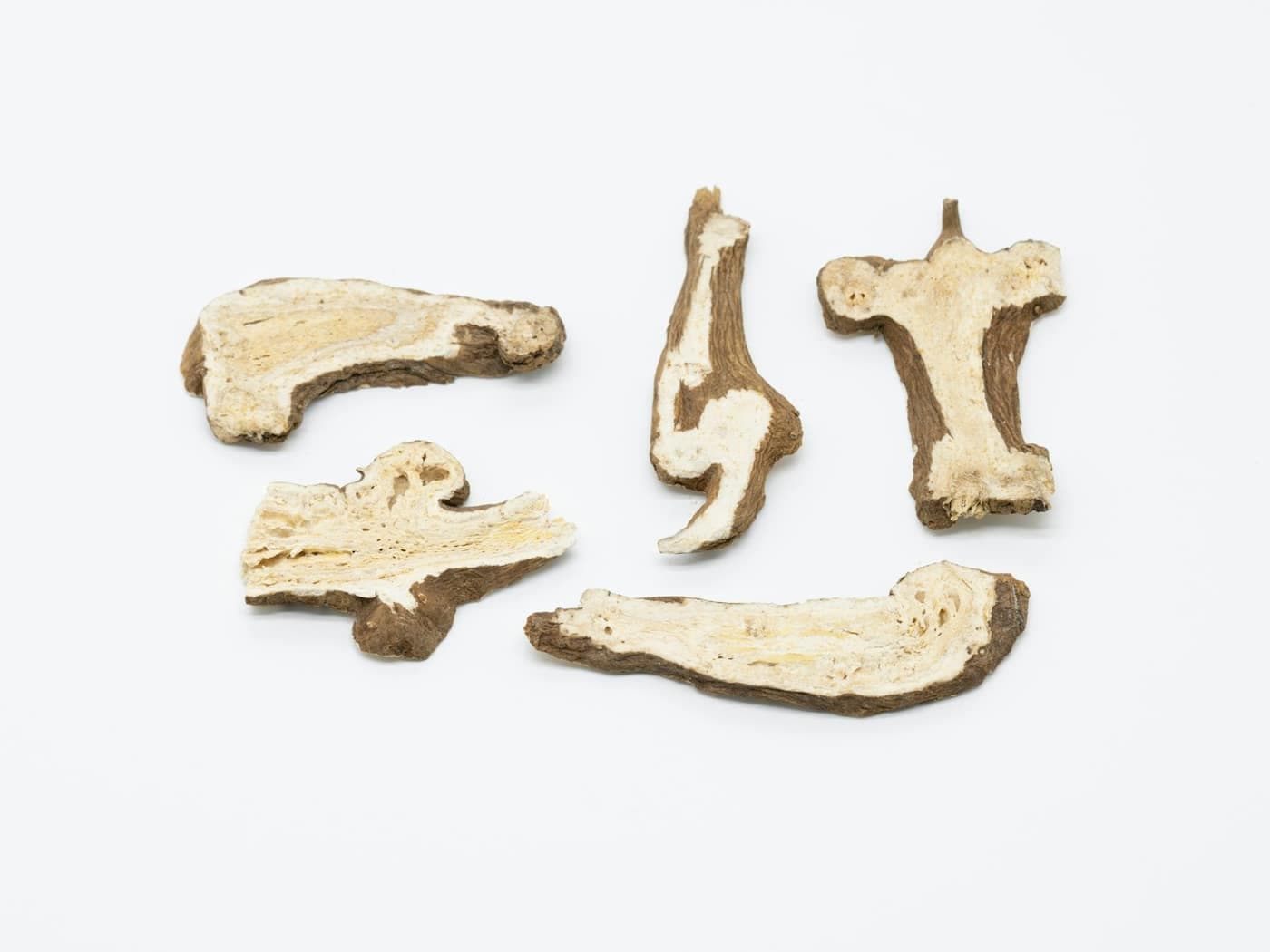
Not a food crop — a medicinal tuber-root herb grown for its pale roots, peeled and shade-dried for the Ayurvedic drug trade. It has almost no serious pest or disease, but two things decide the harvest: clean, healthy planting-root pieces, and nipping off every flower spike, which alone can lift root yield by around a third.
Type: Medicinal tuber-root herb
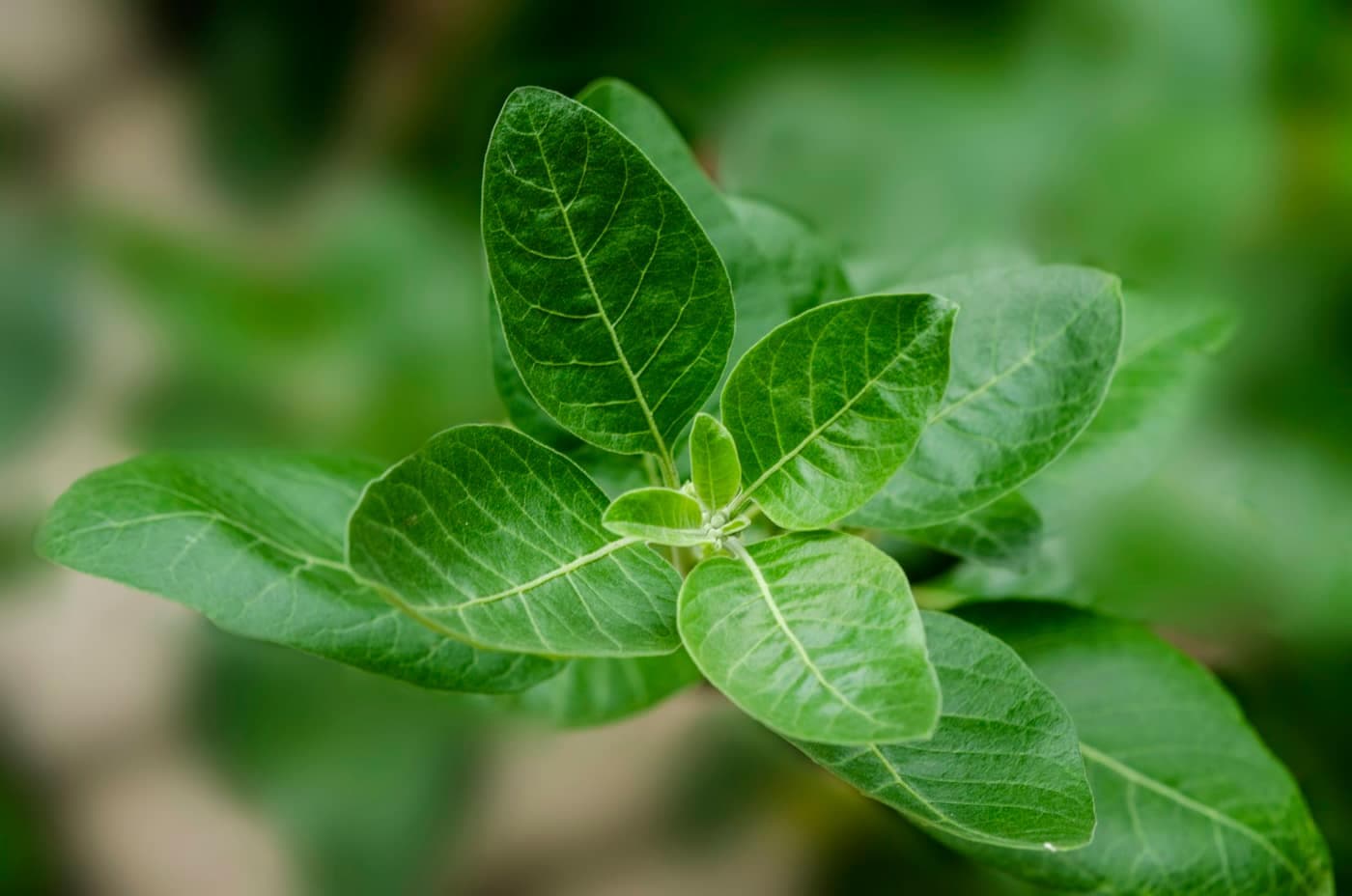
A medicinal shrub, not a food crop — grown for its roots and berries, which are dried and sold into the Ayurvedic drug trade as one of India's best-known adaptogen herbs. It is deliberately raised on residual soil fertility with next to no fertiliser, needs just one hand-weeding to smother out competing weeds, and Madhya Pradesh's Neemuch–Mandsaur belt alone trades the bulk of the country's crop.
Type: Medicinal root & berry shrub
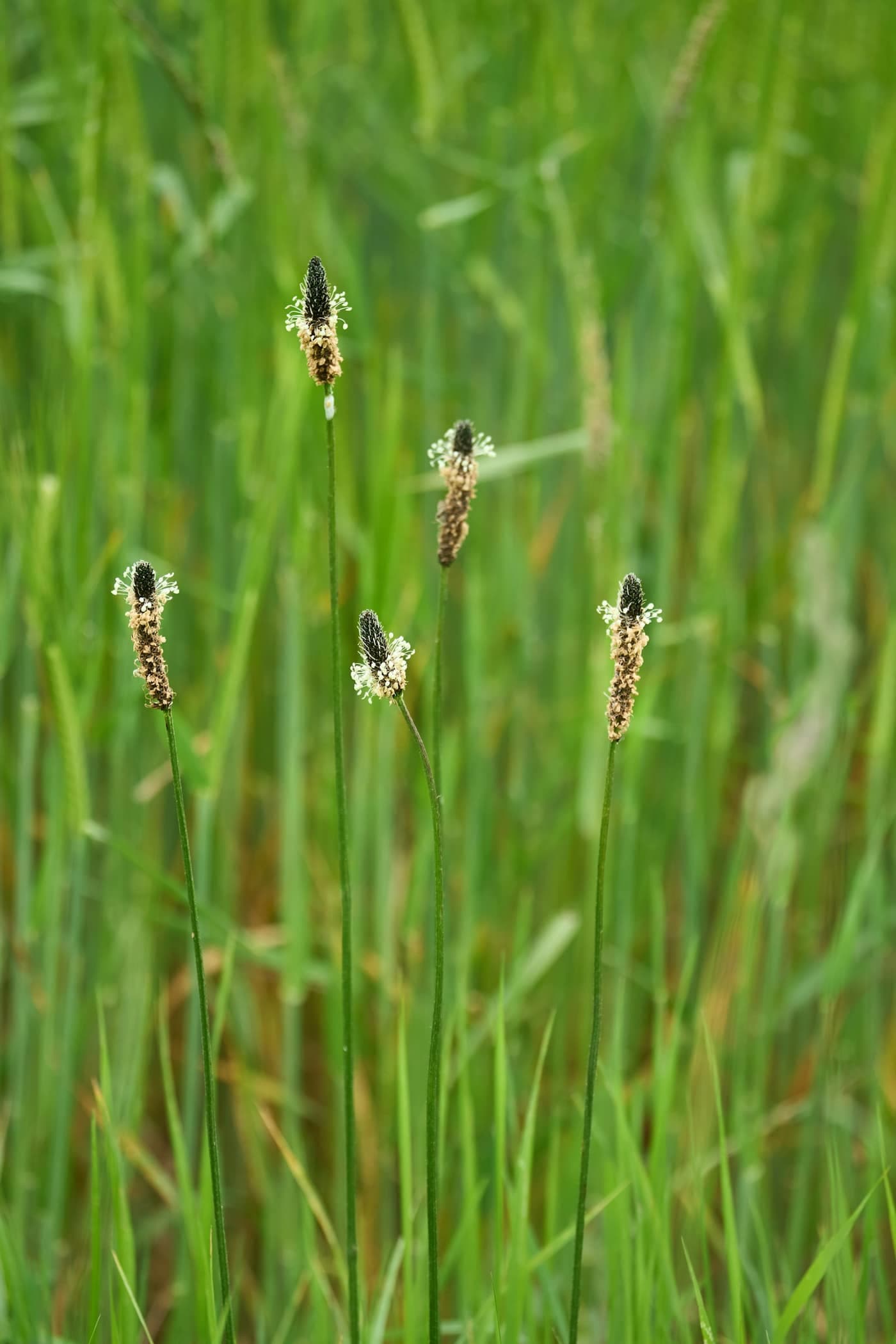
A rabi crop grown almost only in Gujarat (Banaskantha, Mehsana, Patan) and Rajasthan's Jodhpur–Nagaur–Barmer belt, not for its seed but for the papery husk (bhusi) around it — the same isabgol bhusi sold in every Indian kirana shop and chemist as a natural fibre for digestion. Almost the whole country's crop is traded through Unjha APMC in Gujarat, India's biggest isabgol market. Downy mildew in wet weather is its biggest field risk.
Type: Rabi medicinal seed-husk crop
Articles
CropsHow to turn moringa leaves into export-grade powder: the right harvest stage, shade-drying, grinding, and where the leaf-powder market actually pays.
Vaibhav Dhama6 min read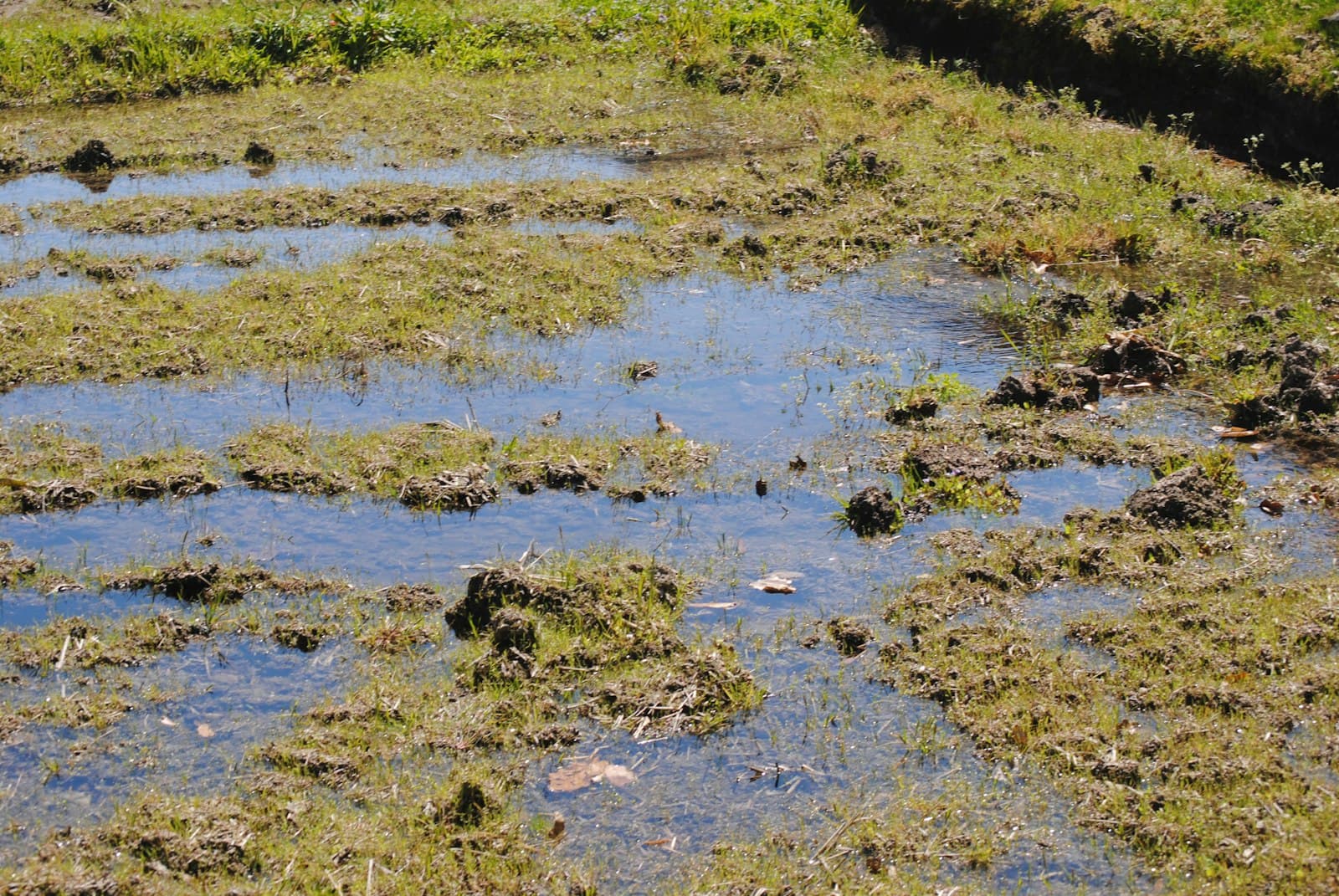 Crops
CropsWaterlogged roots suffocate within a day or two, and fungal disease follows fast. What to do in the first 48 hours after a downpour.
Vaibhav Dhama2 min read Crops
CropsMost cash-flow trouble is not a bad season - it's a good one with no budget, where borrowing gets decided crop by crop instead of upfront.
Vaibhav Dhama3 min read Crops
CropsA land record proves you own the field. A farm record proves what happened on it - the document a bank or insurer will eventually ask for.
Vaibhav Dhama3 min read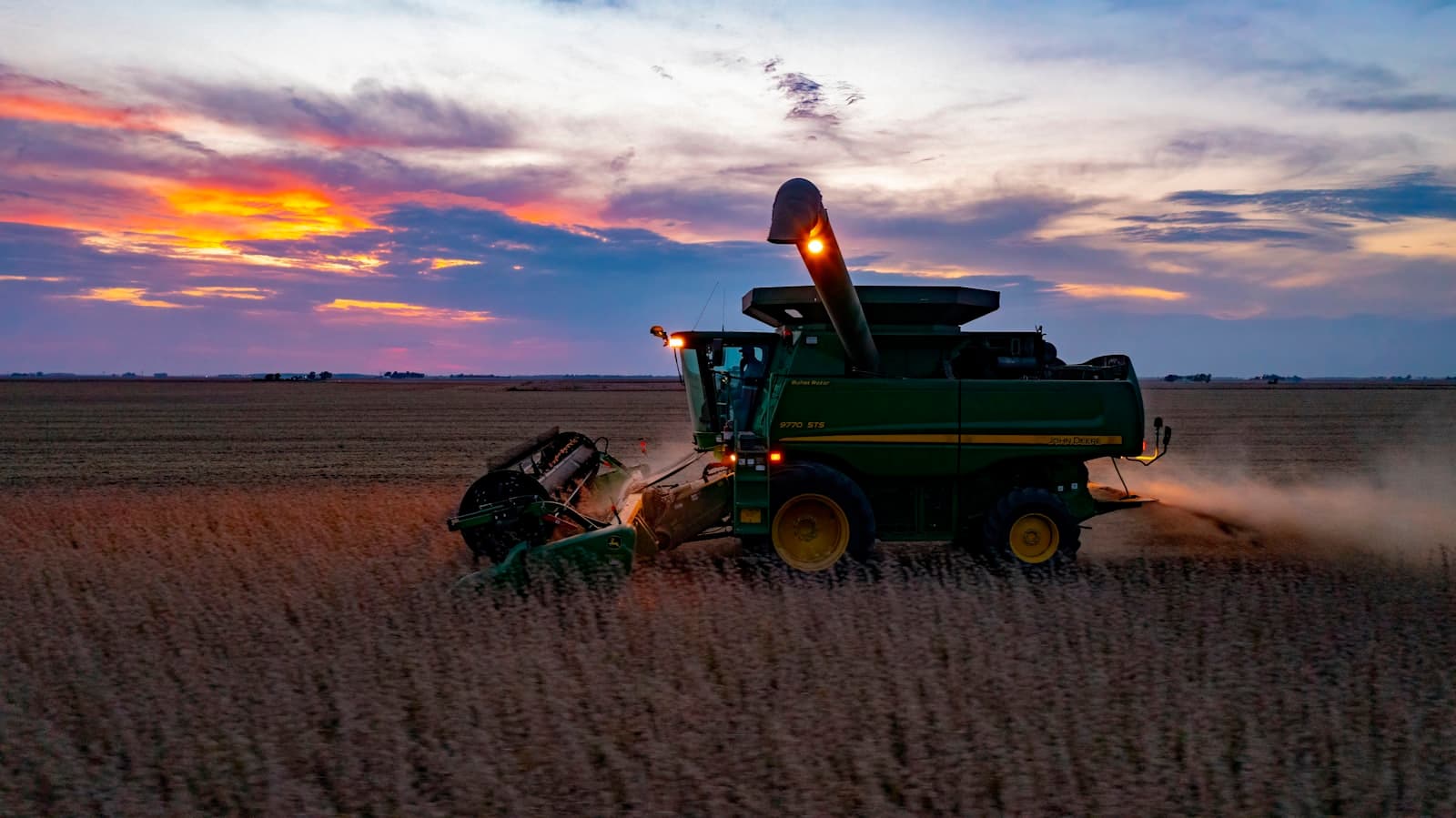 Crops
CropsHarvest too early and grain never fills; too late and it shatters or lodges. The narrow window that decides if the season pays off.
Vaibhav Dhama2 min read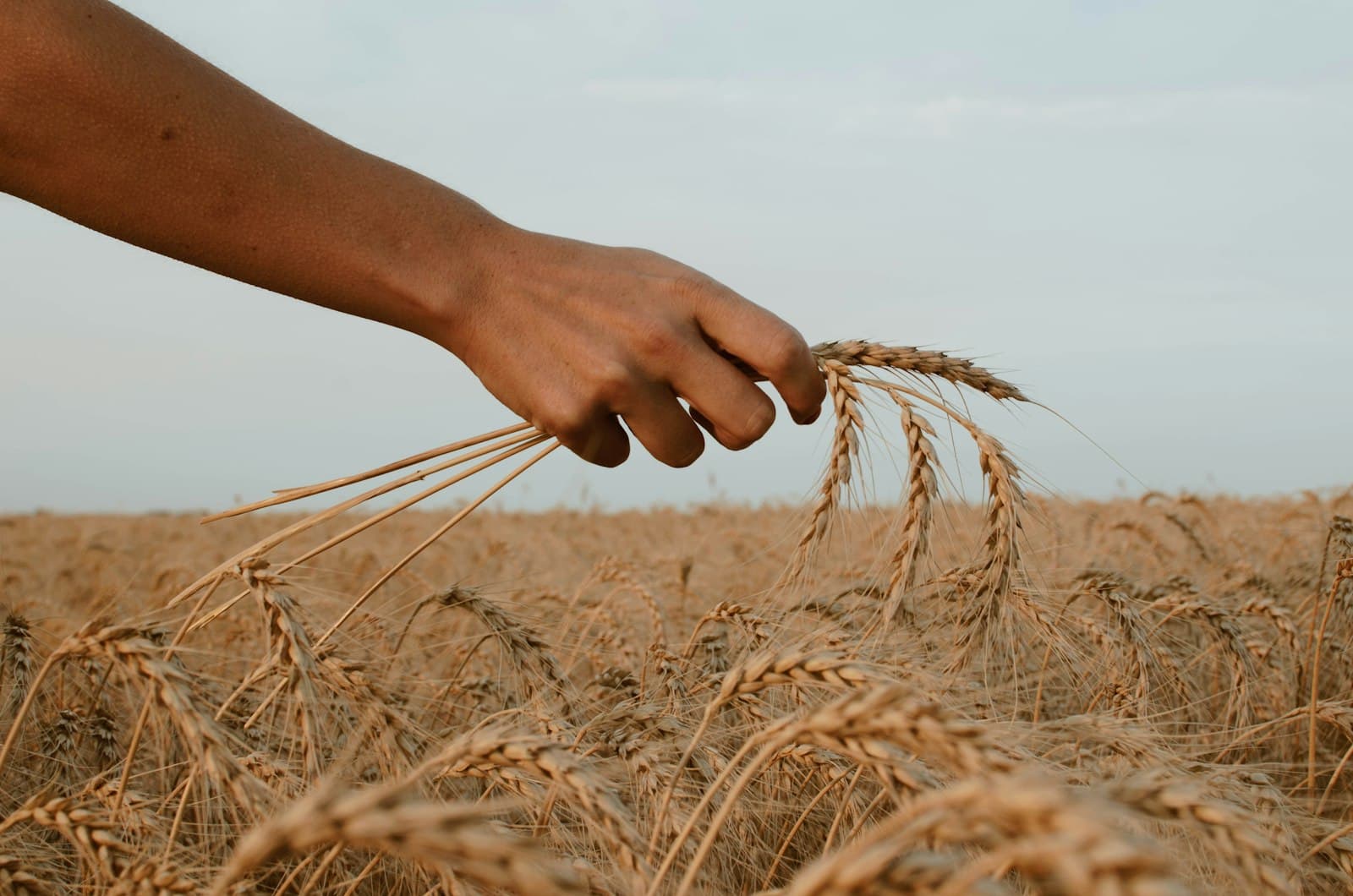 Crops
CropsTwo wheat farmers with identical land and MSP can still end with very different profit - decided by sowing date, nitrogen and irrigation timing.
Vaibhav Dhama3 min read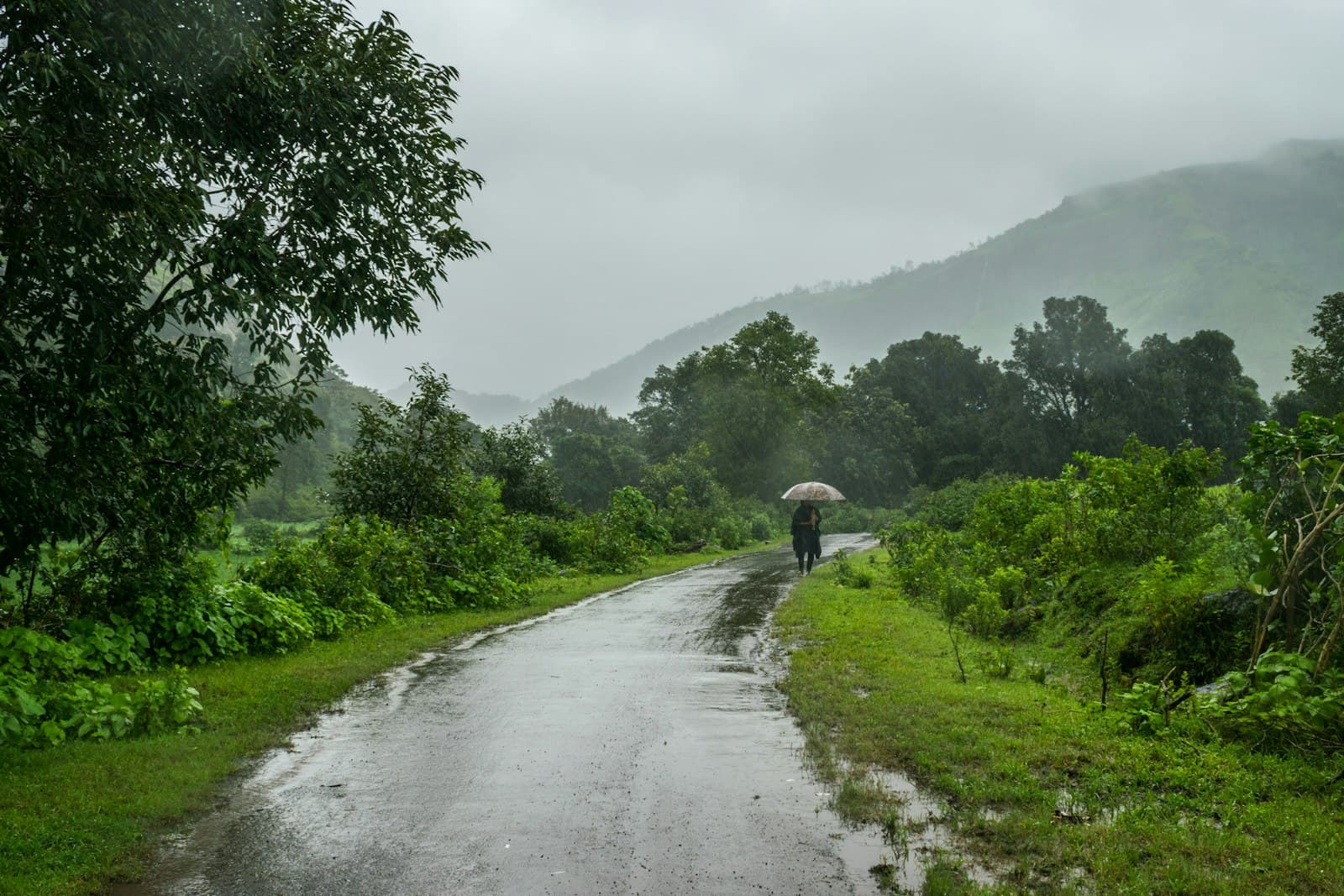 Crops
CropsThe monsoon rewrites sowing timing, weed pressure, disease risk and fertiliser loss all at once. What to plan for before the first spell.
Vaibhav Dhama2 min read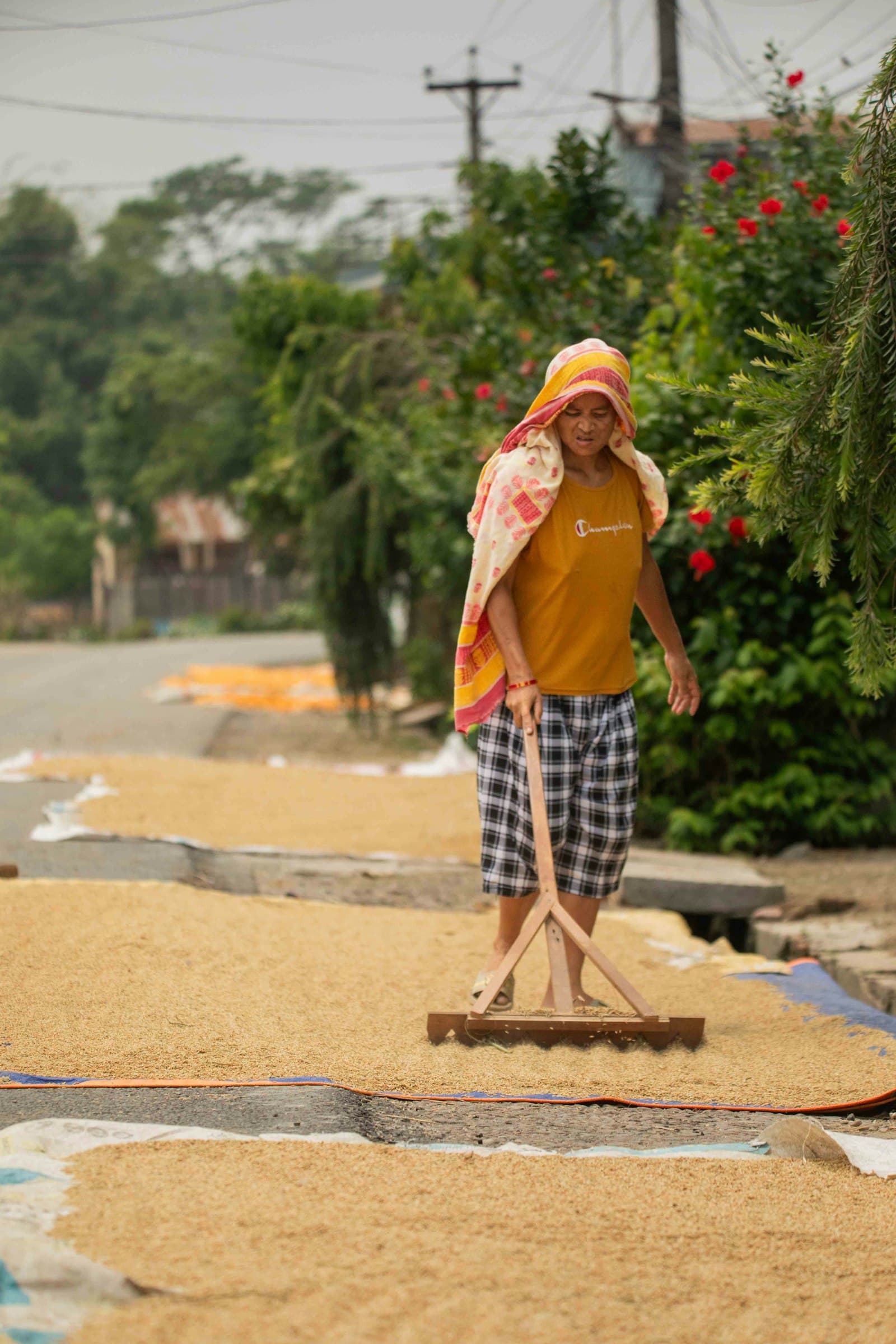 Crops
CropsGrain stored too damp, uncleaned or on bare ground is already partway to spoiled. Most storage loss is decided in the first week after harvest.
Vaibhav Dhama2 min read Crops
CropsThe biggest savings rarely come from buying less - they come from not wasting what you already bought: fertiliser, seed, and diesel timing.
Vaibhav Dhama4 min read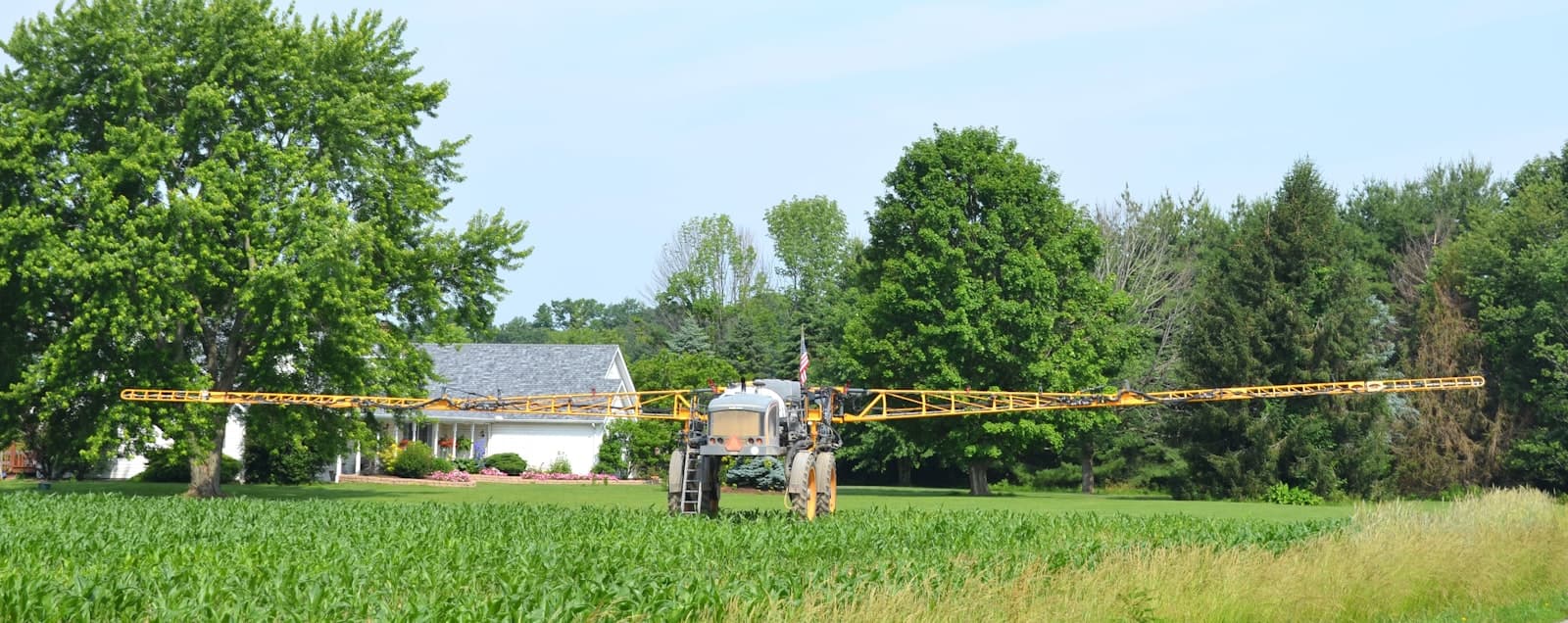 Crops
CropsThe pesticide label is a legal instruction, not a suggestion. Most spraying injuries trace back to skipping what the label already said.
Vaibhav Dhama3 min read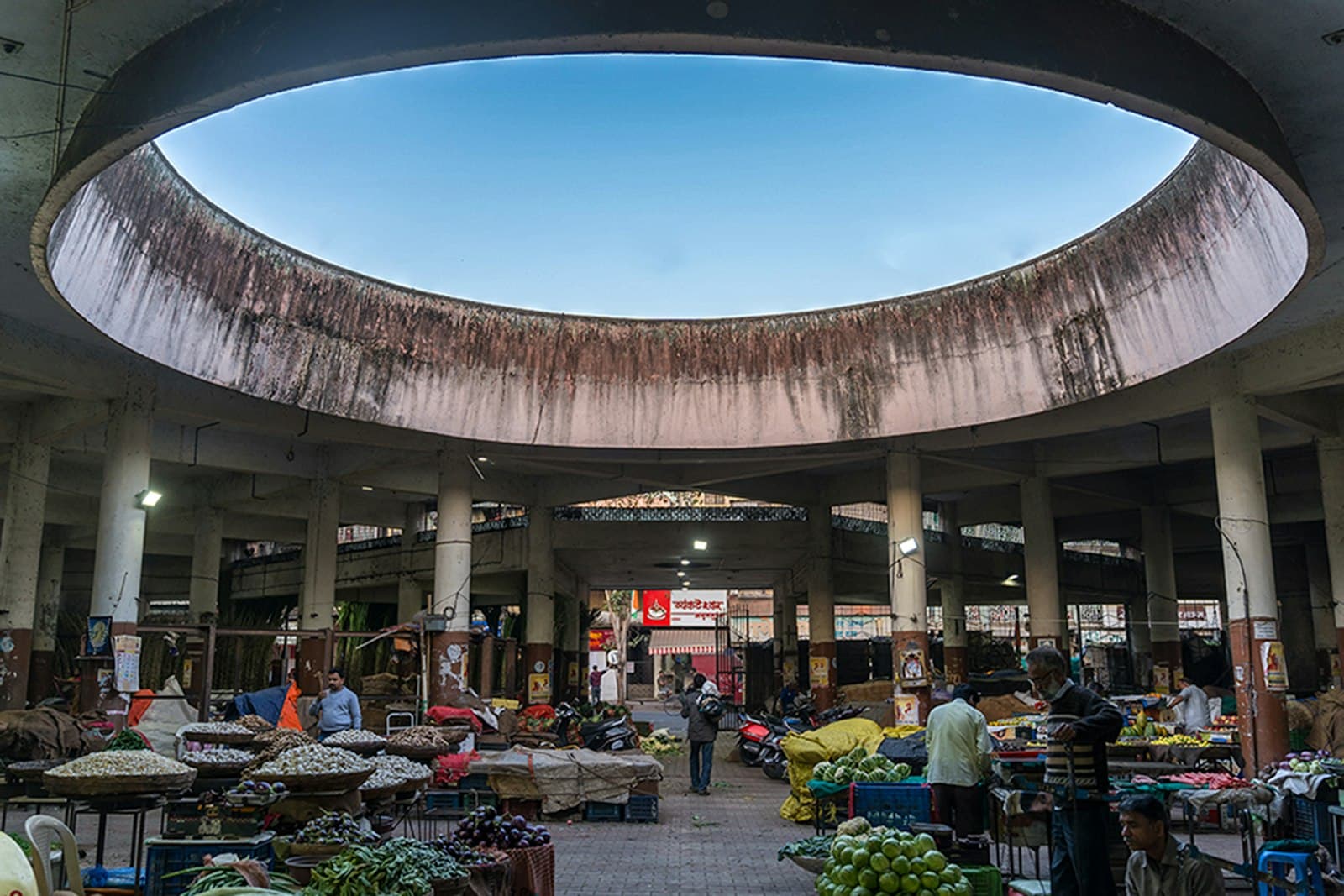 Crops
CropsWeighment, quality assay, open auction, a signed receipt - every step an APMC transaction skips is a step where a farmer gets underpaid.
Vaibhav Dhama3 min read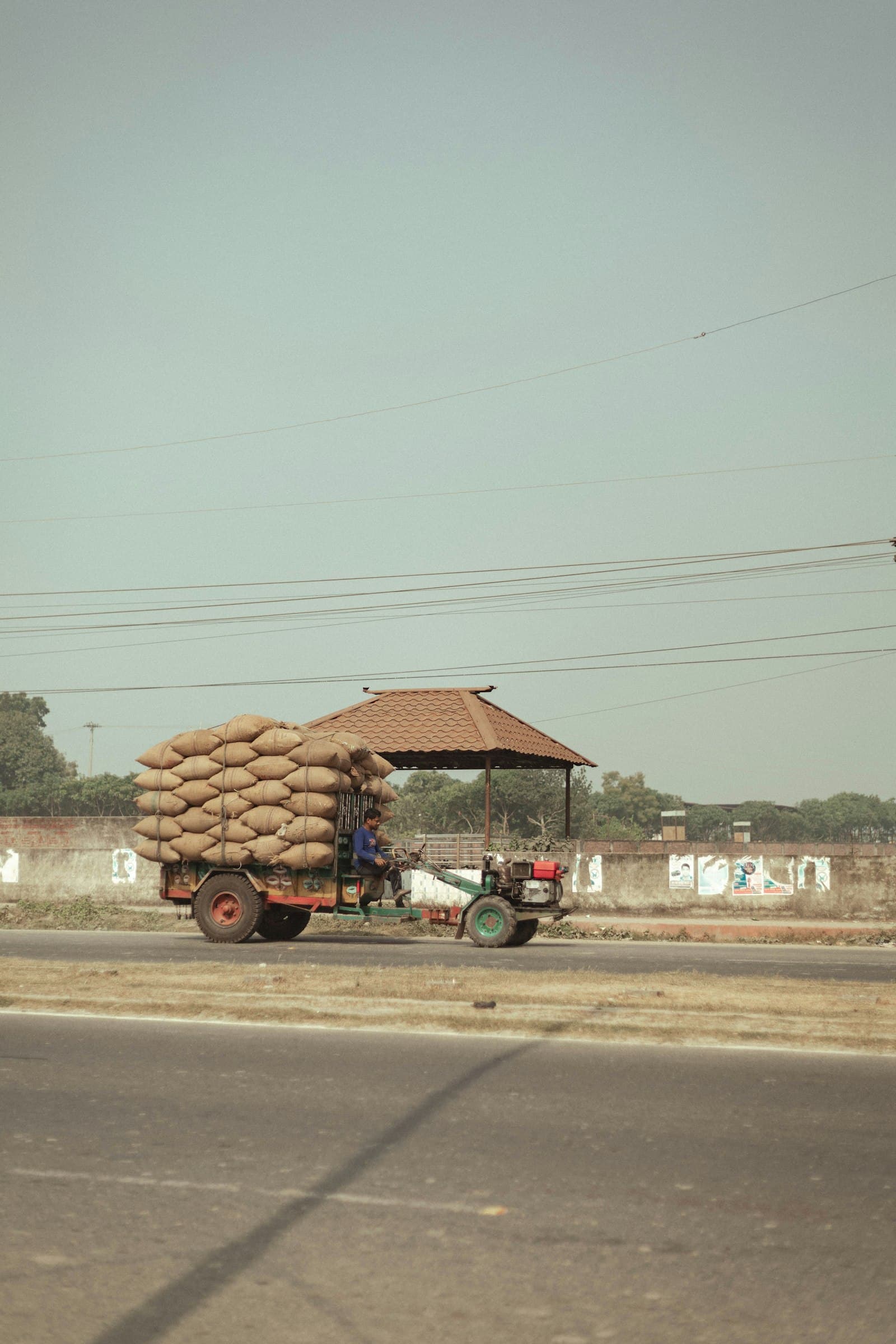 Crops
CropsMSP is announced for 23 crops each season, but real procurement is mostly wheat and paddy in a few states. How the price is set, and how to sell.
Vaibhav Dhama3 min read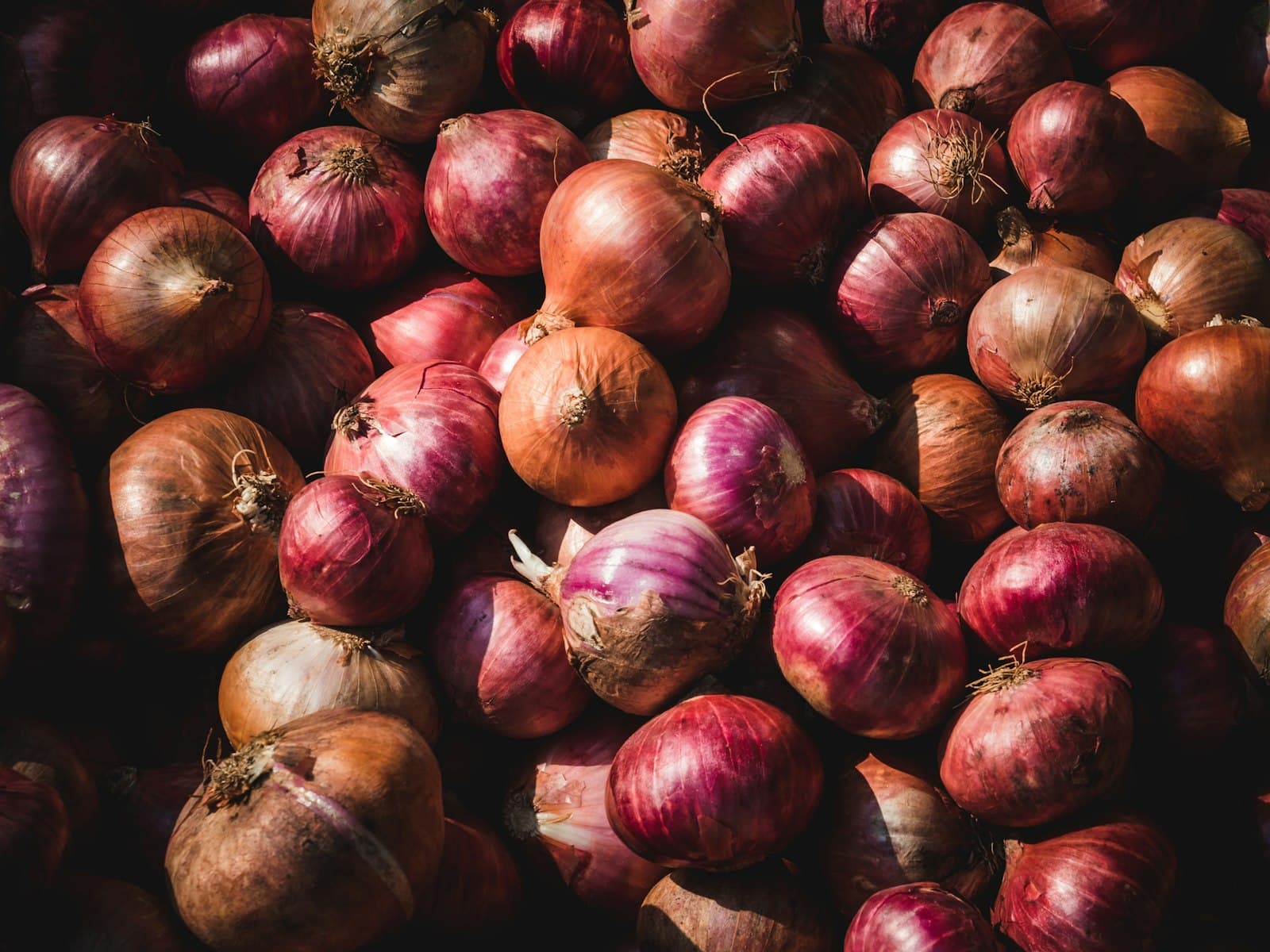 Crops
CropsOnion margins are made in the shed, not the field. Proper curing and ventilated storage is the difference between low and high-season prices.
Vaibhav Dhama4 min read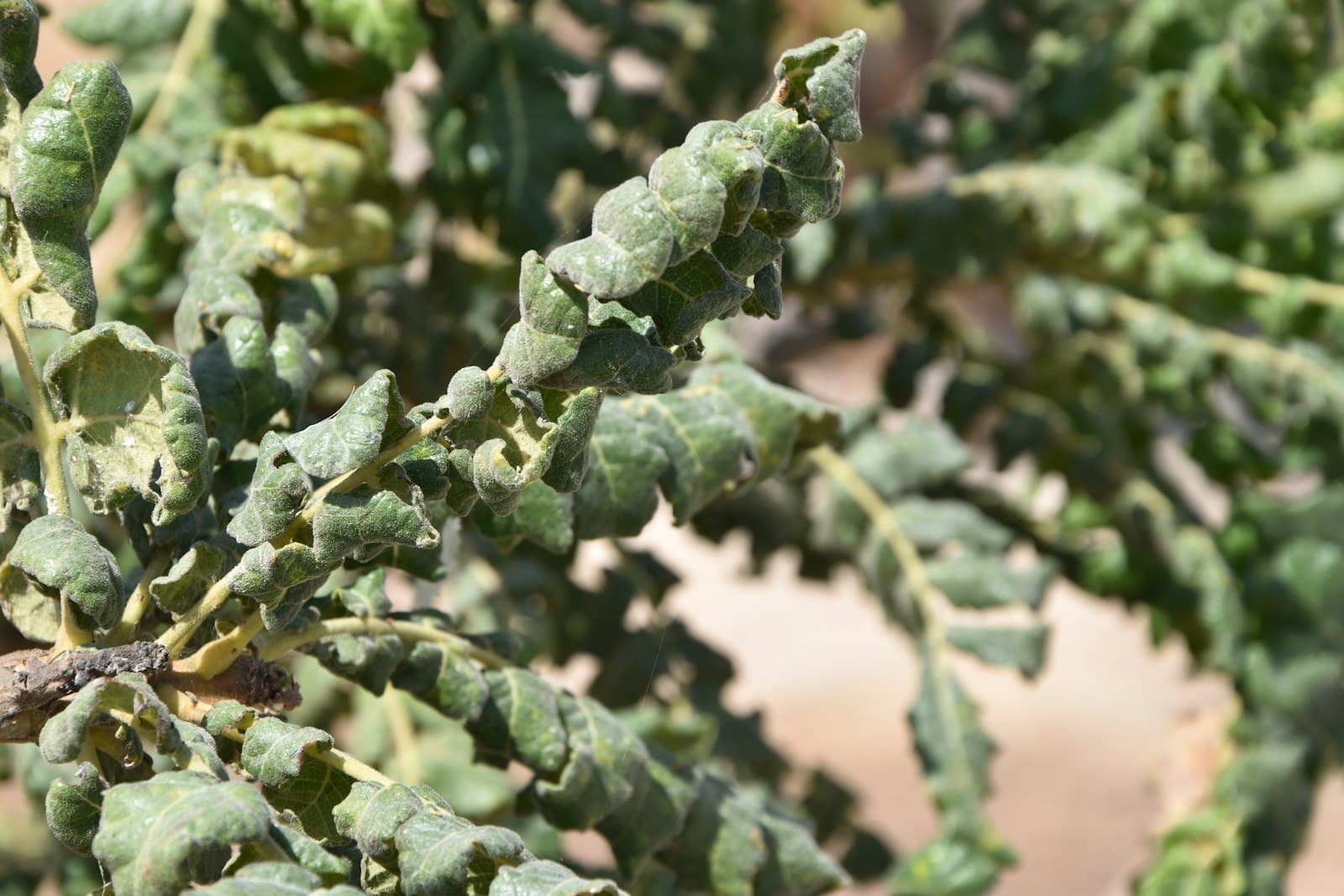 Crops
CropsThere is no cure once a plant has leaf curl. Everything that works is prevention - whitefly control, barrier crops, and early roguing.
Vaibhav Dhama4 min read Crops
CropsSowing date is the single biggest lever on wheat yield in North India - bigger than variety or fertiliser. What late sowing costs you.
Vaibhav Dhama4 min read