Moringa Powder Production: From Leaves to Market
How to turn moringa leaves into export-grade powder: the right harvest stage, shade-drying, grinding, and where the leaf-powder market actually pays.
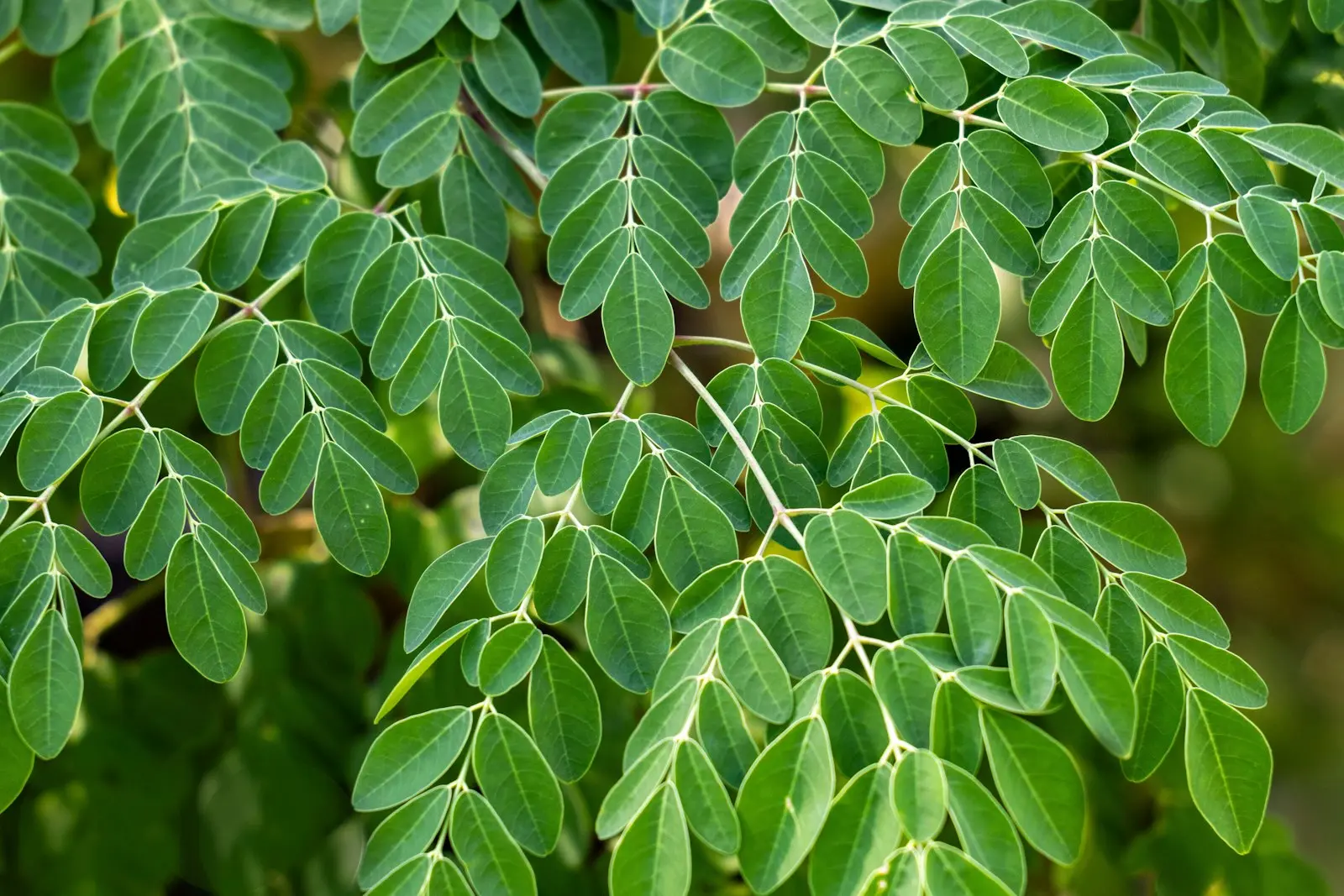
A moringa grower in Tamil Nadu who sells only fresh drumsticks is selling the cheaper half of the tree. The pods move through the ordinary vegetable mandi like any other produce. The leaves on the same branches, dried and ground into moringa powder, are where the real value-addition sits — and where most farms leave money standing in the field.
This is not a reason to stop growing pods. It is a reason to stop treating the leaf as a by-product.
Why leaves out-earn pods, kilo for kilo
Fresh moringa leaf is mostly water — commonly around 75–80% moisture — so it takes roughly 4 to 5 kg of fresh leaf to make 1 kg of finished powder. That sounds like a loss until you compare what each side sells for. Fresh pods sell at an ordinary vegetable rate, set fresh each mandi day. Dried, well-processed leaf powder sells into a completely different market — nutrition supplement buyers, food processors and, increasingly, exporters — at a price per kilo that a fresh vegetable rarely reaches.
The trade-off is that powder demands far more discipline after harvest than a pod ever does. A pod that sits in a crate too long loses a little firmness. A batch of leaf dried badly loses most of its value in a single afternoon.
The harvest stage sets the ceiling before drying even starts
Powder quality is decided before a single leaf touches a drying rack. Cut leafy branches while the tree is still in its vegetative stage, ideally before it comes into heavy flower — leaf protein and micronutrient content peak here and fall once the plant redirects its energy into flowers and pods. A block being run mainly for leaf is usually pruned hard and cut on its own 40–60-day regrowth cycle, independent of when pods are being picked.
Pick clean, undamaged, dark-green leaflets. Yellowing leaves, insect-damaged patches and thick woody stem all drag the finished powder's colour and grade down, and no amount of careful drying fixes a leaf that was already past its best when it was cut.
Shade-drying: the one step most batches get wrong
This is where a promising batch is most often ruined, and the mistake is almost always the same one: drying in direct sun because it looks faster.
Sunlight and high heat break down chlorophyll and destroy a large share of the vitamin content within hours, turning what should be a vivid green powder into a dull, brownish one that buyers price down on sight. The correct method is slower and less dramatic to watch, which is exactly why it gets skipped:
- Strip leaflets from the stem — the fibrous stem dries slowly and adds nothing but bulk to the finished powder.
- Spread them thin, in a single layer, on a clean mesh tray or cloth.
- Dry in a shaded, well-ventilated space, away from direct sun, dust and moisture — never piled up, which traps heat and starts spoilage within hours.
- Let them dry until they crumble to the touch, typically a few days in good airflow, faster with a low-temperature mechanical dryer if volumes justify one.
The finished leaf should still be visibly green, not brown or blackened. If it isn't, the batch has already lost most of the price a buyer would otherwise pay for it.
Grinding, sieving and packing for market
Once fully dry, grind the leaf into a fine, even powder and sieve out any coarse stem fragments or fibre — buyers judge a sample by texture as quickly as by colour, and a gritty batch reads as poorly processed even if the underlying leaf was good. Pack immediately: an airtight, light-blocking container or a sealed food-grade pouch is what actually protects a finished batch, since light, air and moisture all fade its colour and nutrient value over the following weeks if it is left in an open bag or a clear jar. Stored this way, in a cool, dark, dry place, good-quality powder commonly holds its value for six to twelve months.
Where the powder actually sells
Fresh pods have a known, if unglamorous, route to market — the local mandi, tracked on this site's mandi price checker. Leaf powder does not run through that system at all. It moves through a separate, largely private chain of bulk buyers, nutrition and supplement companies, food processors and exporters, and India already supplies the large majority of the world's moringa, which is exactly why that export channel exists at all.
There is no Minimum Support Price on either product, and no single published rate for powder the way there is for a notified commodity. What a buyer pays depends on colour, fineness, moisture content and, just as much, on whether a grower can supply a consistent quality batch after batch rather than one good lot followed by an inconsistent one. Before committing serious acreage to leaf production, run the input side through the crop profit calculator using a realistic, conservative price rather than the best quote you have heard quoted once.
Common mistakes that cost a batch its value
- Drying in the sun to save time. It is the single most common reason a batch grades down — the colour loss is visible and permanent.
- Piling damp leaves before spreading them to dry. They heat up and start to spoil within hours, sometimes before drying even begins.
- Harvesting after heavy flowering. Leaf cut too late is lower in protein and nutrient content, even if it looks similar at a glance.
- Skipping the sieve. Fibrous stem fragments left in the powder read as careless processing, regardless of how good the leaf itself was.
- Storing finished powder in a clear or loosely closed container. Months of good drying work fade within weeks if light and moisture are allowed back in.
The short version
- Fresh leaf runs about 75–80% moisture — expect roughly 4–5 kg of leaf per 1 kg of powder.
- Cut leaf before heavy flowering, when protein and nutrients are highest.
- Shade-dry, never sun-dry — this single choice decides most of the finished colour and value.
- Sieve out stem and fibre before packing; pack airtight, light-blocking, and immediately.
- There is no MSP and no fixed rate for leaf powder — quality and consistency set the price, not the calendar.
The moringa tree does not ask much of the field. What happens to its leaves in the few hours after cutting decides whether a farm is selling a vegetable or a premium export ingredient.
Frequently asked questions
How much fresh moringa leaf does it take to make 1 kg of powder?
Roughly 4 to 5 kg of fresh leaf for every 1 kg of finished powder, since moringa leaf is mostly water and loses most of its weight in drying. The exact ratio shifts with leaf maturity and drying method, so treat it as a planning figure, not a fixed conversion.
Why does sun-drying ruin moringa leaf powder?
Direct sunlight and high heat break down chlorophyll and degrade vitamin content fast, turning what should be a bright green powder into a dull brownish one worth far less to a buyer. Shade-drying at a lower, steadier temperature is slower but keeps both the colour and the nutrition that the price actually depends on.
Is there a fixed price for moringa leaf powder?
No. Unlike fresh pods, which move through the ordinary mandi system, leaf powder is sold through a separate, largely private market of bulk buyers, processors and exporters, with no Minimum Support Price and no single published rate. Price depends heavily on colour, fineness, moisture content and how consistently a grower can supply.
Can I dry moringa leaves at home without a machine?
Yes, on a small scale. Strip leaflets off the stem, spread them thin in a single layer on a clean mesh tray in a shaded, well-ventilated spot away from dust, and let them air-dry until they crumble dry to the touch, usually a few days. A mechanical dryer is only worth adding once volumes grow large enough that shade space and drying time become the bottleneck.

Written by
Vaibhav Dhama
Founder, Technical Kisan
Vaibhav Dhama is the founder of Technical Kisan. He writes from Baghpat, Uttar Pradesh, and builds each guide on ICAR and state agricultural university guidance, official government scheme notifications, and live mandi-price data.
- Writes from Baghpat, Uttar Pradesh
- Software developer (BTech, 2021)
- Not a trained agronomist — confirm with your KVK
Discussion is coming soon
We are building a comments section where you can ask a question about this guide and see what other farmers in your district are doing.
For now, write to us at support@technicalkisan.com — we read every message.