

Agricultural Land Purchase Checklist
A clean sale deed is not proof of a clean title. The record, physical and legal checks to run before you pay any advance on farmland.
Vaibhav Dhama4 min readIndia measures land in units that change at every district — acre, hectare, bigha, guntha, kanal, marla, cent. Convert between them, all at once.
India measures land in a dozen units at once — some metric, some colonial, some older than both. Here is what each one is, and where you will hear it.
The working unit of Indian farming. Almost every yield figure, input rate and land price you hear quoted is per acre, whatever the record says. Forty-three thousand five hundred and sixty square feet, fixed nationwide.
1 Acre ≈ 43,560 Square Feet
The metric unit, and the one governments use. MSP notifications, subsidy caps, insurance sums and package-of-practice doses are all published per hectare — so this is the unit you convert into when you deal with a department.
1 Hectare ≈ 1,07,639 Square Feet · 2.4711 Acre
Not one unit but a family of them. A bigha in Rajasthan is close to twice a bigha in West Bengal, and in parts of Uttarakhand it is smaller again. Never accept a bigha figure without knowing which district defined it.
809.37 – 2,529 Square Metre
Exactly one-fortieth of an acre, which makes it the cleanest traditional unit in the country — forty gunthas make an acre with nothing left over. Standard in Deccan revenue records and in everyday dealing.
1 Guntha ≈ 1,089 Square Feet · 0.025 Acre
One-eighth of an acre. Land in the north-west is quoted in kanals and marlas far more often than in acres, and the two appear together on revenue records across the region.
1 Kanal ≈ 5,445 Square Feet · 0.125 Acre
One-twentieth of a kanal — the small change of north-western land dealing, and the unit plots and homesteads are usually sold in.
1 Marla ≈ 272.25 Square Feet
One-hundredth of an acre, which makes it easy arithmetic: a hundred cents is an acre exactly. It is the standard unit for smallholdings and house plots across the south.
1 Cent ≈ 435.6 Square Feet · 0.01 Acre
A city unit more than a farm one — 2,400 square feet, the unit Chennai and much of Tamil Nadu quote residential plots in.
1 Ground ≈ 2,400 Square Feet · 0.0551 Acre
Rarely used for farmland, universal for anything built on. Useful as a common denominator: every unit on this page can be stated in square feet, which is often the quickest way to compare two quoted figures.
1 Square Feet ≈ 0.0929 Square Metre
The base metric unit, and what a modern record of rights or a registered sale deed will state. If a document and a conversation disagree, the square metres on the document are the ones that count.
1 Square Metre ≈ 10.76 Square Feet
Bigha has no single size. Across the states in this converter it ranges from the smallest to the largest shown here — which is why it is always listed by state.
What people quote in dealing, state by state. Your official record may still be written in hectares even where nobody speaks in them.
Local definitions vary by district, and sometimes by tehsil. Treat this as what you are likely to hear, not as a legal definition — the value used in your own revenue record is the one that governs your land.
A bigha is not badly defined by accident. It is the residue of how Indian land was actually administered, and the reasons it varies are worth knowing before you argue with anyone about one.
Traditional units answered a practical question — how much land can one pair of bullocks plough in a day, how much seed does this field take. Soil, slope and rainfall change that answer, so the same word settled on a different size in a different place.
Settlement operations were carried out region by region over more than a century, each fixing local units against its own rod or chain. Nothing ever forced two neighbouring provinces to agree, so the boundaries between definitions still follow old revenue boundaries rather than modern state lines.
Official records moved to hectares and square metres decades ago. Everyday dealing did not. That is why your record of rights can say one thing and every person in the village says another — and both are describing the same field.
Biswa, katha, dhur, lecha, chatak, nali: each is a fraction of a local bigha, so each inherits that bigha’s local value. A figure in katha means nothing at all until you know whose katha.
For anything legal — a sale, a mortgage, a partition, a court matter, a subsidy claim — use the area as written in the official record of rights and the registered deed. A converter, this one included, is for understanding and planning. It is not evidence.
The six conversions people look up most often, calculated with the same table the converter above uses.
1 Acre
0.4047 Hectare
1 Hectare
2.4711 Acre
5 Bigha — Uttar Pradesh
3.125 Acre
10 Guntha (Maharashtra, Karnataka)
0.25 Acre
1 Kanal (Punjab, Haryana, J&K)
5,445 Square Feet
100 Cent (South India)
1 Acre
Educational examples only. Where a unit varies by state, the state it is calculated for is named — change the state and the answer changes with it.
Measurement disputes are among the most common and most expensive problems in an Indian land deal. Most are avoidable at this stage.
Pull the record of rights and the latest mutation entry yourself, and read the area written on them. A figure quoted in bigha or kanal by a seller or a broker is a description, not a source.
If the deal is quoted in a variable unit, get the square metres or the acre equivalent stated in the agreement itself. "Five bigha" is not a quantity until the district is named alongside it.
Measure the plot on the ground before money moves, ideally with a licensed surveyor and the village map. Recorded area and physical possession differ more often than people expect, especially on long-subdivided holdings.
Match the survey, khasra or gat number on the deed against the map and against every earlier document in the chain. A right area under a wrong number is the wrong land.
Get everything on paper: area, unit, survey number, boundaries and the names of the adjoining holders. A verbal assurance about size is unenforceable and, in a dispute, unprovable.
Each of these turns up regularly in land disputes, and each one is avoidable with a single check.
This is the single costliest assumption on this page. Between the largest and the smallest bigha in this converter there is a factor of about three — on a five-bigha deal, that is the difference between roughly an acre and roughly three.
Do this instead: Always name the state and district with the unit, and convert from that specific definition.
A hectare is about two and a half acres. Mixing them up in a subsidy claim, an insurance sum or an input calculation gets you an answer that is out by 150%, in whichever direction hurts.
Do this instead: Check which unit a government form is asking for before you fill in the number.
Unit values do not stop changing at the state border. Within one state, a bigha or a katha can differ between tehsils — and old settlement records may use a value that local dealing has since drifted away from.
Do this instead: Confirm the value with the local revenue office rather than a state-level chart.
Plenty of charts circulating online quote a single value for bigha, or carry rounding errors that compound badly at scale. On a large holding a small error per unit becomes a real quantity of land.
Do this instead: Use a converter that states its unit definitions, and verify anything that matters against the record.
Agreements get signed on a quoted area every day, and the mismatch only surfaces at registration or at mutation — by which point money has usually already changed hands.
Do this instead: Verify the recorded area and the survey number before you sign anything, not after.
The questions people ask most about Indian land measurement.
An acre is 43,560 square feet, or about 4,047 square metres — roughly 0.4047 of a hectare. It is fixed nationwide and internationally, which is what makes it the most useful unit for comparing land across Indian states. Most farming figures in India — yield per acre, input cost per acre, land price — are quoted in it.
A hectare is 10,000 square metres — a square 100 metres on each side — and works out to about 2.47 acres. It is the metric unit, so it is what government notifications, subsidy limits, crop insurance sums and recommended fertiliser doses are published in. When a department asks for your area, it usually wants hectares.
Because it was never one unit. A bigha began as a local measure of how much land could be worked or sown, so it settled at a different size in each region, and each revenue administration then standardised its own local value separately. The result is that a bigha in Rajasthan is nearly twice a bigha in West Bengal, and smaller values again exist in the hills. This is why the converter lists bigha state by state instead of offering a single option.
43,560 square feet. That figure is exact and does not vary by state, which makes square feet a reliable common denominator when two people are quoting land in two different traditional units.
Punjab, Haryana, Himachal Pradesh and Jammu and Kashmir, along with the neighbouring hill districts. A kanal is one-eighth of an acre and a marla is one-twentieth of a kanal, so eight kanals or 160 marlas make an acre. Both appear on revenue records across the region.
A guntha is exactly one-fortieth of an acre — about 1,089 square feet or 101 square metres. It is standard in Maharashtra, Karnataka and parts of Gujarat, and it is the tidiest traditional unit in India precisely because forty of them make an acre with nothing left over.
It appears in revenue records in several states, so in that sense it is official there — but it is not a standard unit, because its value is defined locally rather than nationally. Registration and modern records of rights normally state area in hectares or square metres. Treat bigha as the unit people speak in, and the recorded metric area as the unit that governs.
It varies by state, but registered documents and computerised records generally state area in hectares, ares and square metres, often alongside the traditional local unit. Whatever appears on the registered deed and the record of rights is the operative figure, regardless of what the deal was discussed in.
The arithmetic is exact — every unit is defined in square metres and the conversions are checked automatically on every build. What carries uncertainty is the definition, not the calculation: for units that vary locally, such as bigha, the converter uses the commonly accepted value for the state named in the option, and your district may use a different one.
Acre, for agriculture, in most of the country and in almost all farming conversation. Hectare dominates in official and scheme documents. Regionally, kanal and marla in the north-west, guntha in the Deccan, cent in the south and bigha across the north, centre and east are what people actually use day to day.
Usually because the two are in different systems: records were metricated to hectares and square metres, while local dealing stayed in traditional units. It can also be a genuine discrepancy — boundaries that shifted, subdivisions never recorded, or an old survey that no longer matches possession on the ground. If the gap is more than a rounding difference, get the plot re-measured through the revenue office.
No. Use it to understand a figure, plan a purchase or size an input — not as evidence. For a sale, mortgage, partition, court matter or subsidy claim, the area written in the official record of rights and the registered deed is the only one that counts.
Longer reads on land records, measurement and buying farmland.
A clean sale deed is not proof of a clean title. The record, physical and legal checks to run before you pay any advance on farmland.
Vaibhav Dhama4 min read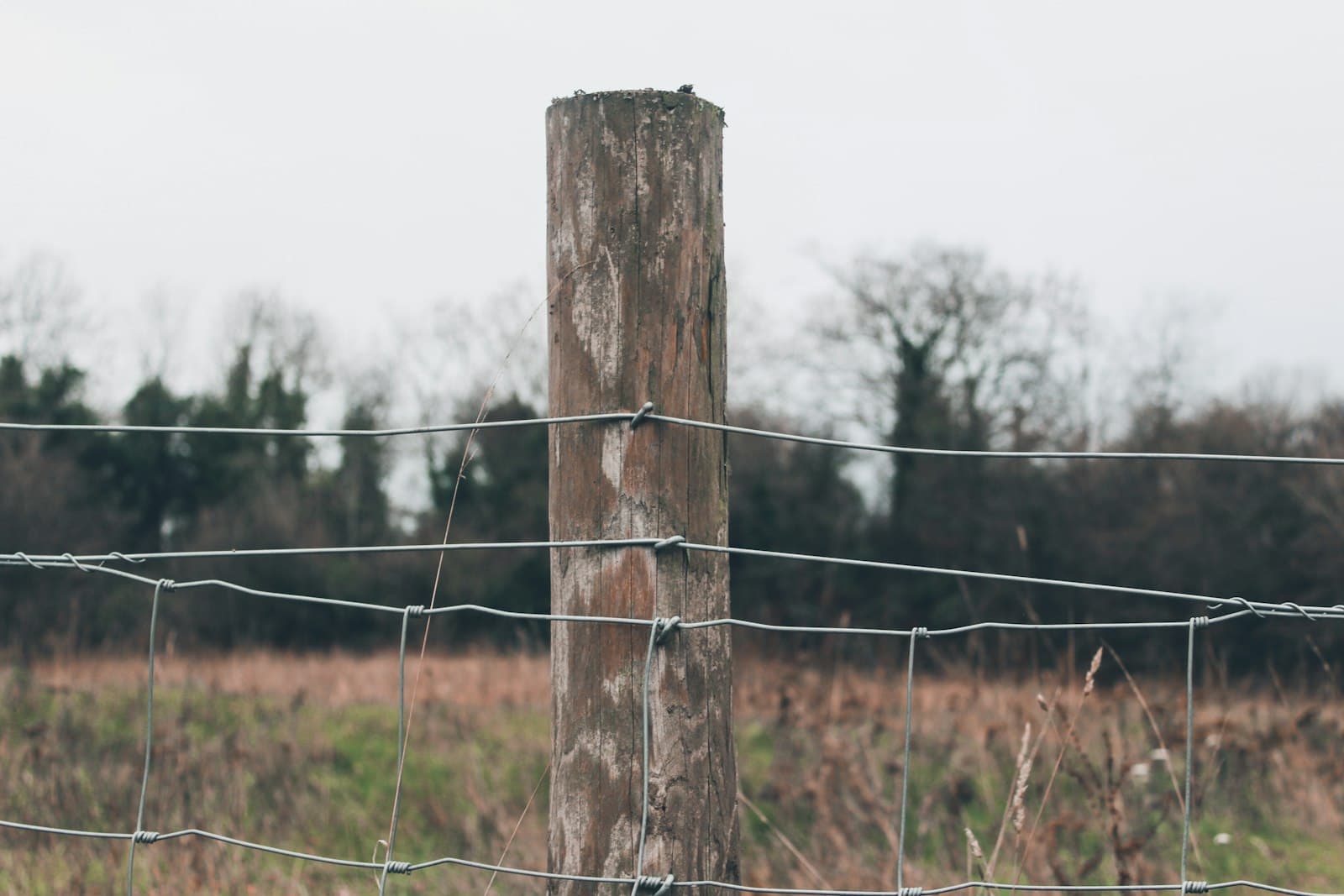
Boundary disputes start with an old map and a missing stone marker, not bad intent. How official demarcation of your plot actually works.
Vaibhav Dhama3 min read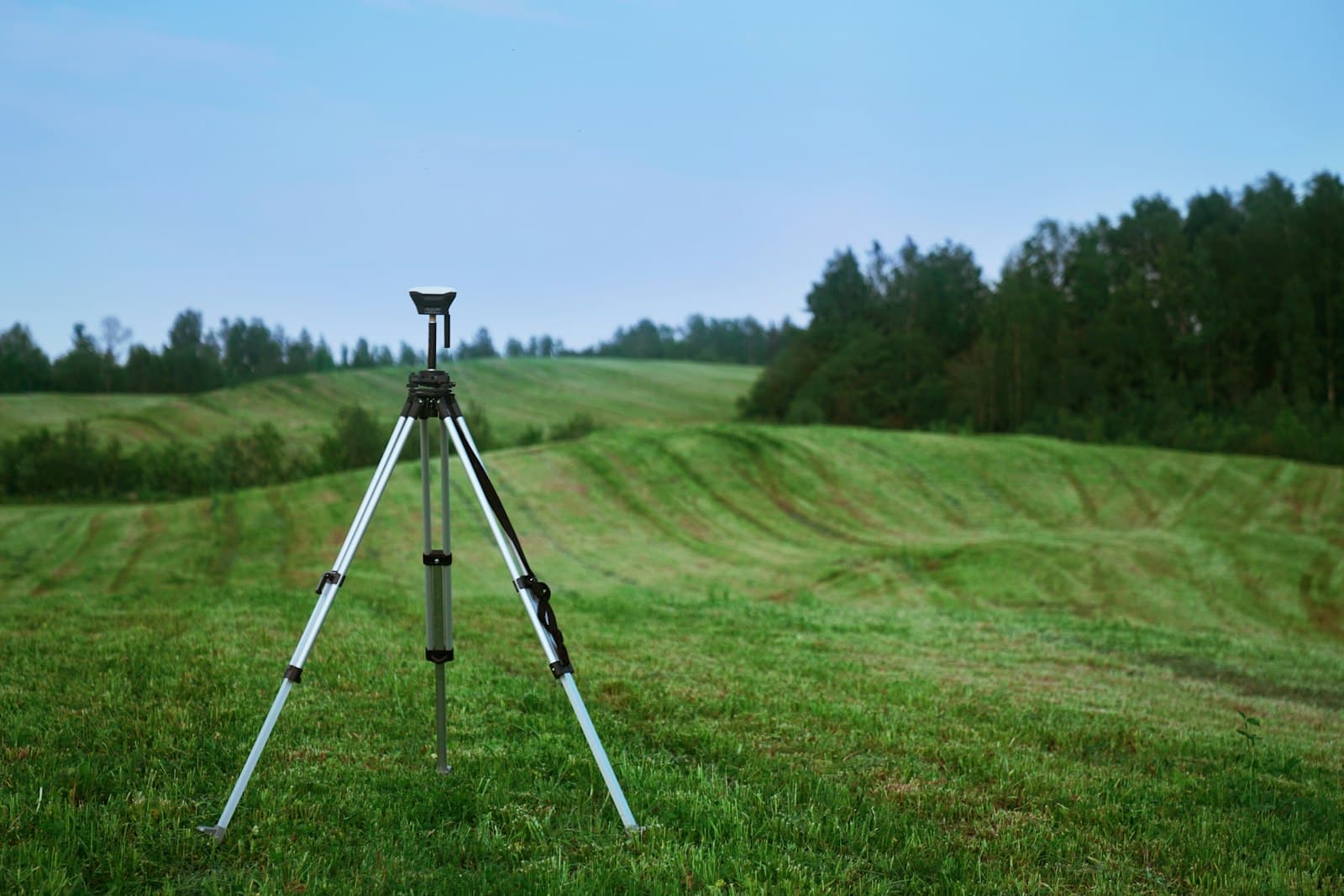
A bigha in UP is not a bigha in Rajasthan, and pace-counting is not a survey. What your land record measures in, and how to convert it.
Vaibhav Dhama3 min read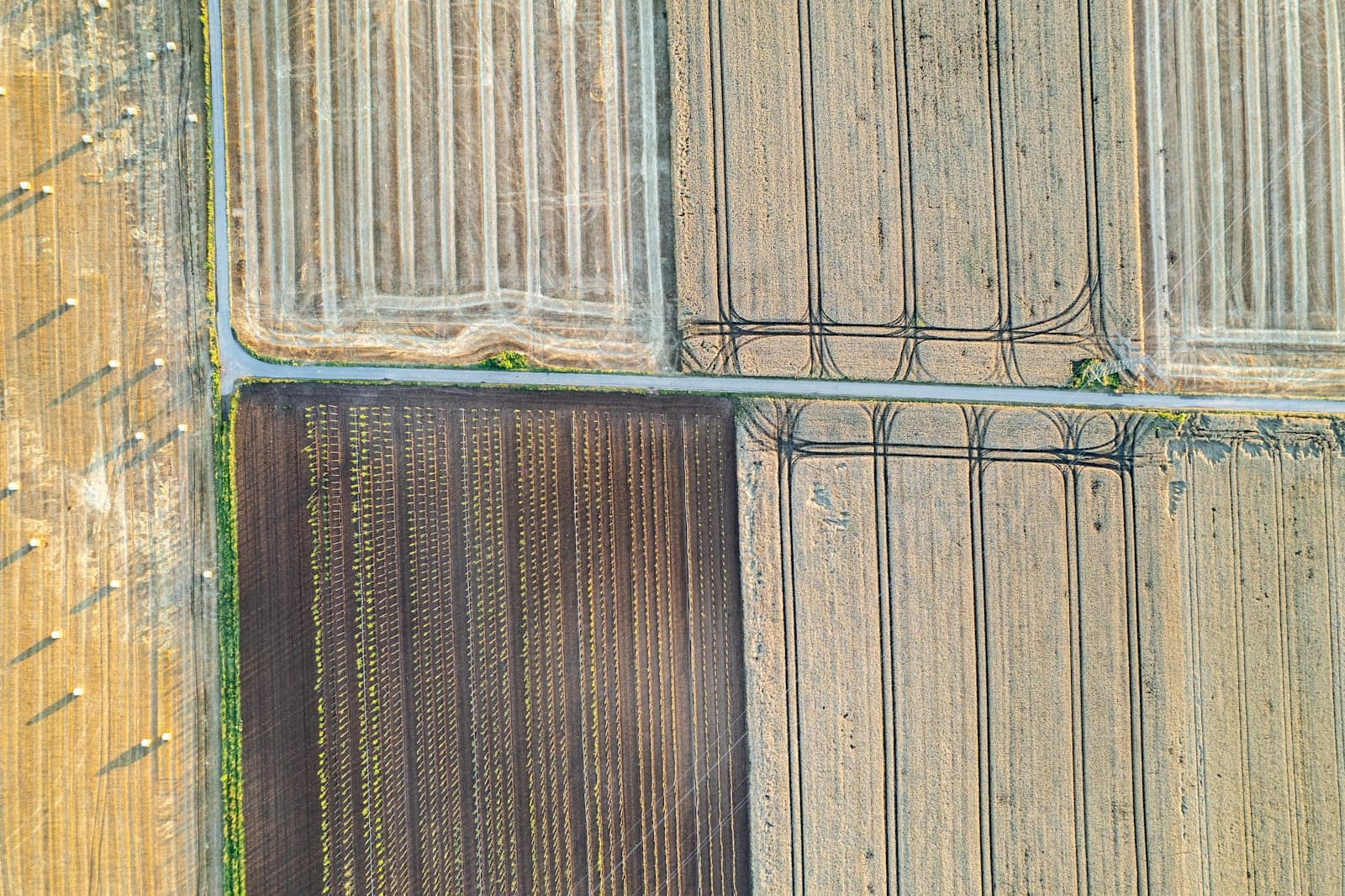
Agricultural or not, irrigated or not, cultivable or fallow - the label in your Khasra decides your tax, scheme eligibility and building rights.
Vaibhav Dhama4 min read
Every scheme payment, loan and land sale traces to one document - the Record of Rights, named differently in each state. Where to check yours.
Vaibhav Dhama4 min read