
Weather
Loading…
Full forecast →Crop, seed and scheme guides, mandi prices and free calculators.
Today on your farm
Live weather, today’s mandi rate, the scheme date you should not miss, and what season the field is actually in. Everything below updates on its own.
Weather
Loading…
Full forecast →Mandi price
Loading…
All mandi rates →Scheme to act on
PM-KISAN
₹6,000 / year
Next instalment (24th)
August–November 2026 period
Season right now
Kharif (monsoon)
Sown Jun–Jul with the monsoon, harvested Sep–Oct.
This month’s field work →Browse by crop
Every card opens a complete lifecycle portal — sowing window, seed rate, fertiliser and irrigation schedule, pest and disease control, harvest, storage and live mandi rates.
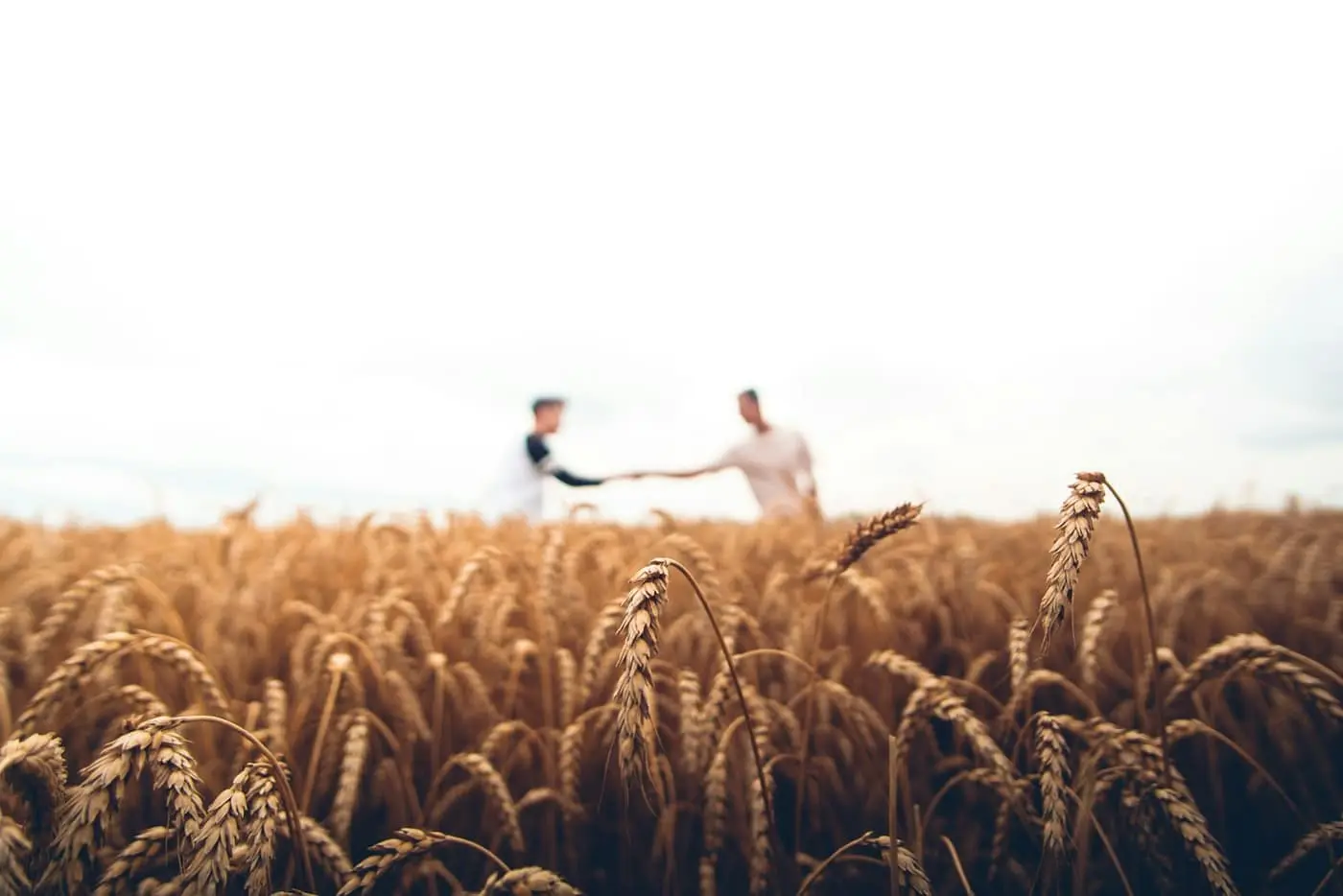 Wheat
WheatNet / acre
₹14,315
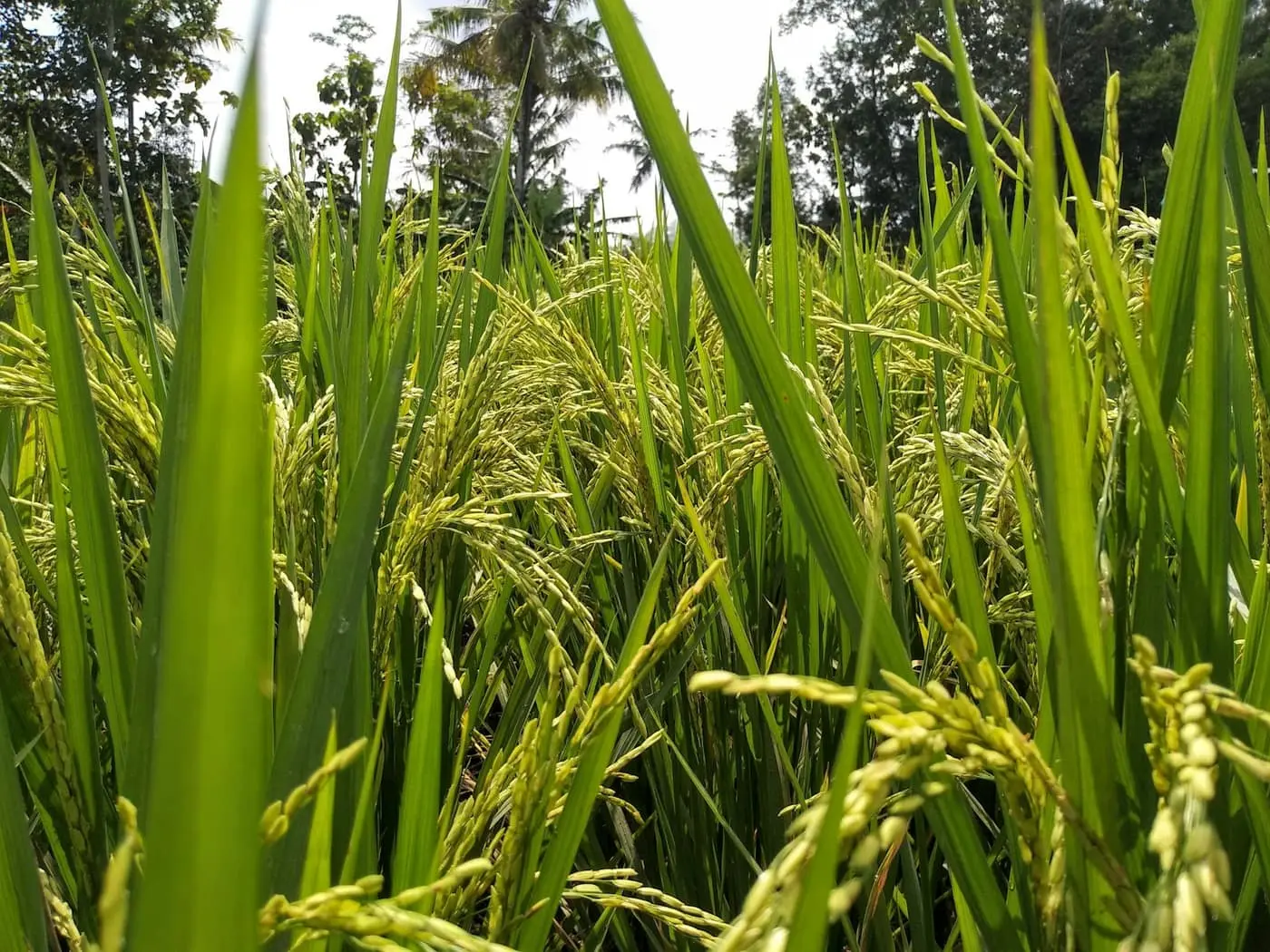 Paddy (Rice)
Net / acre
₹13,543
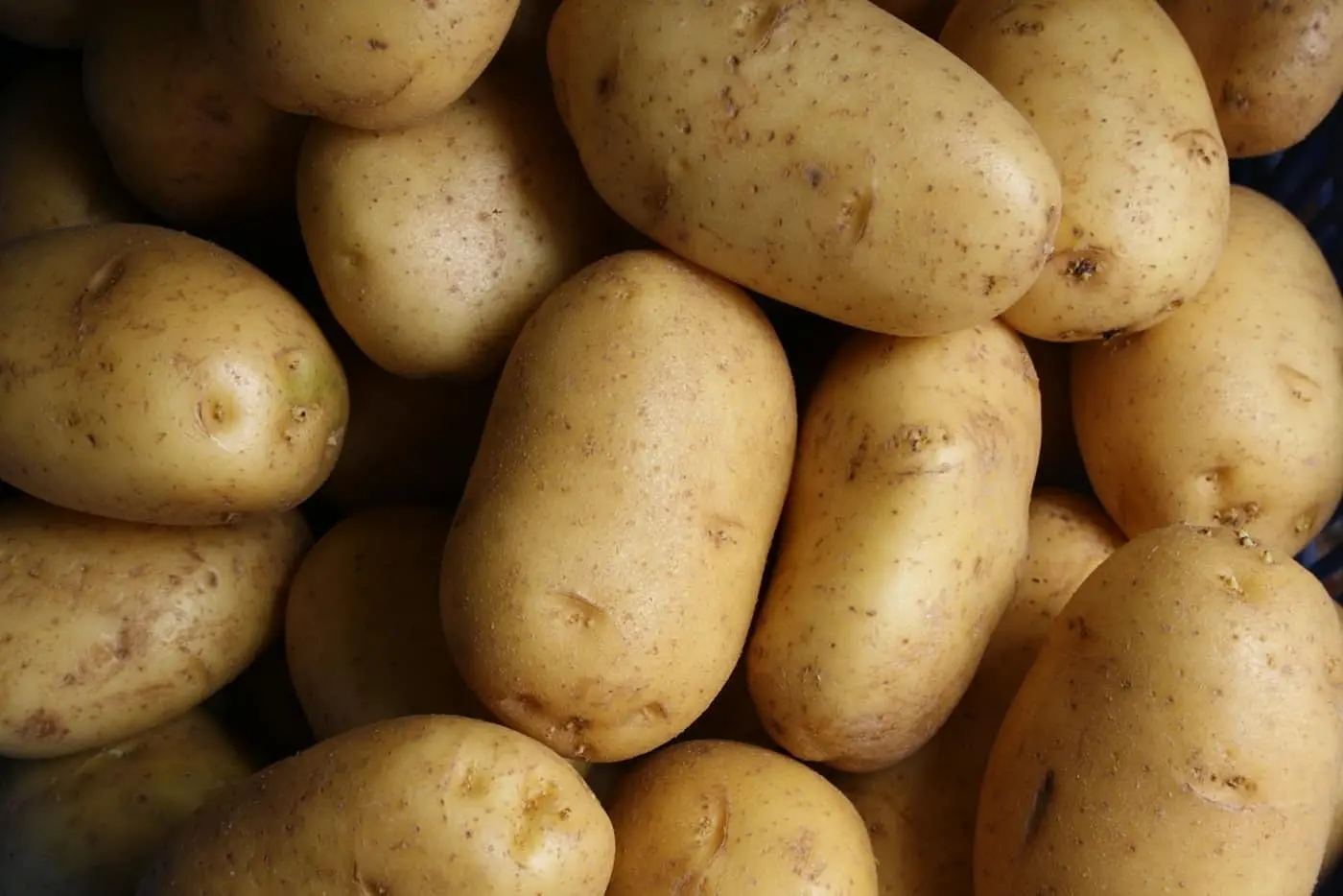 Potato
Net / acre
Market-priced
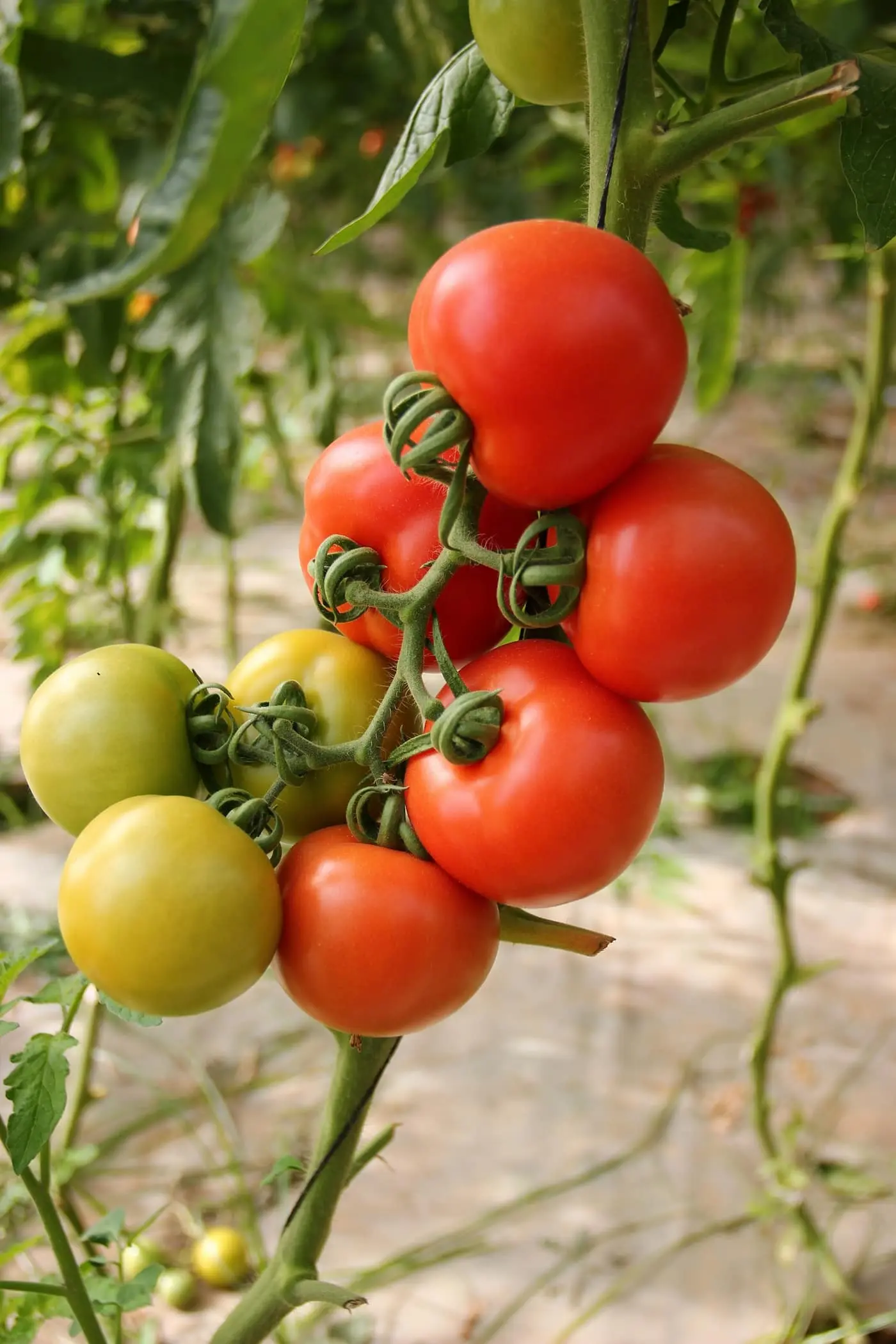 Tomato
Net / acre
Market-priced
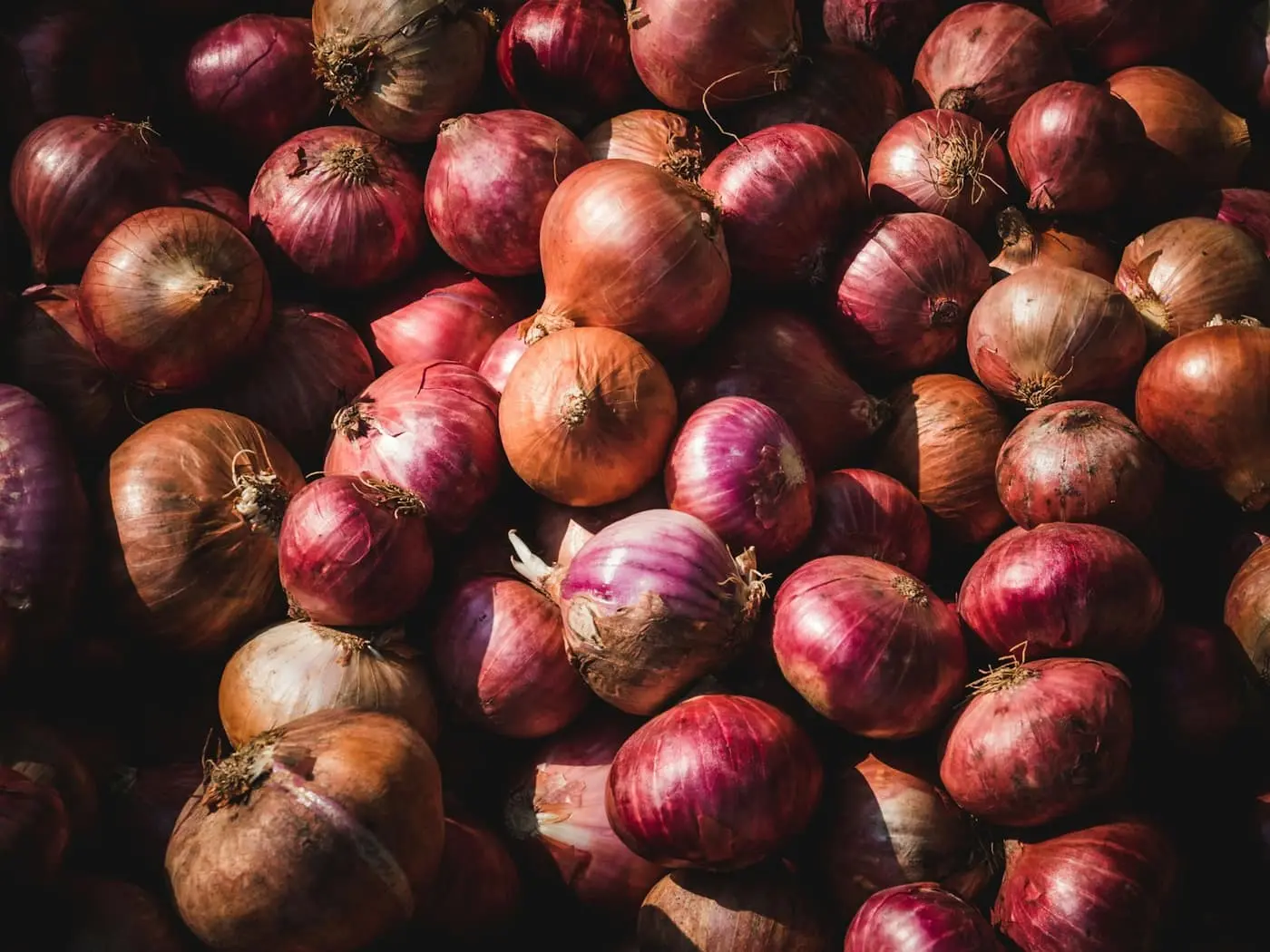 Onion
OnionNet / acre
Market-priced
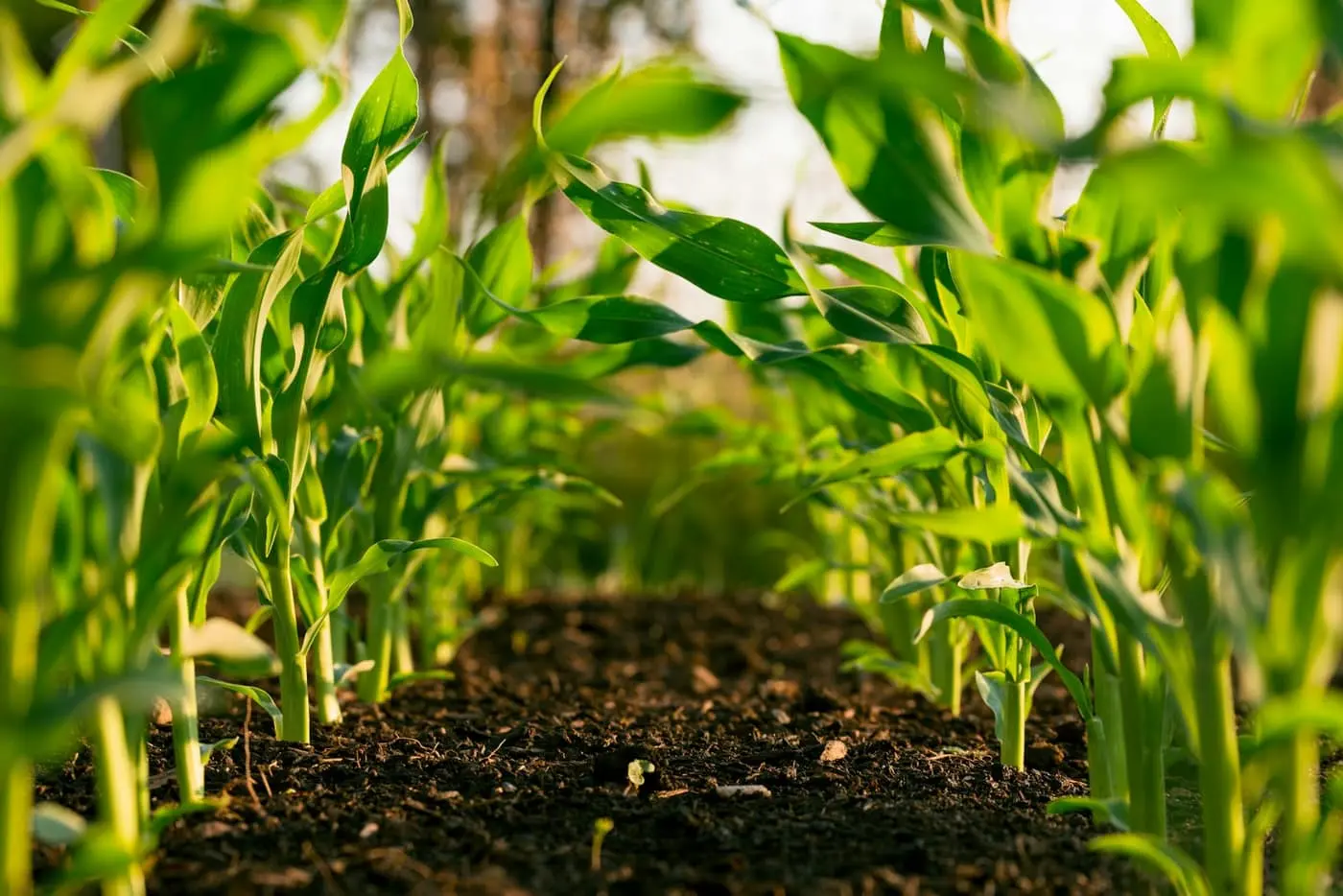 Maize
MaizeNet / acre
₹830
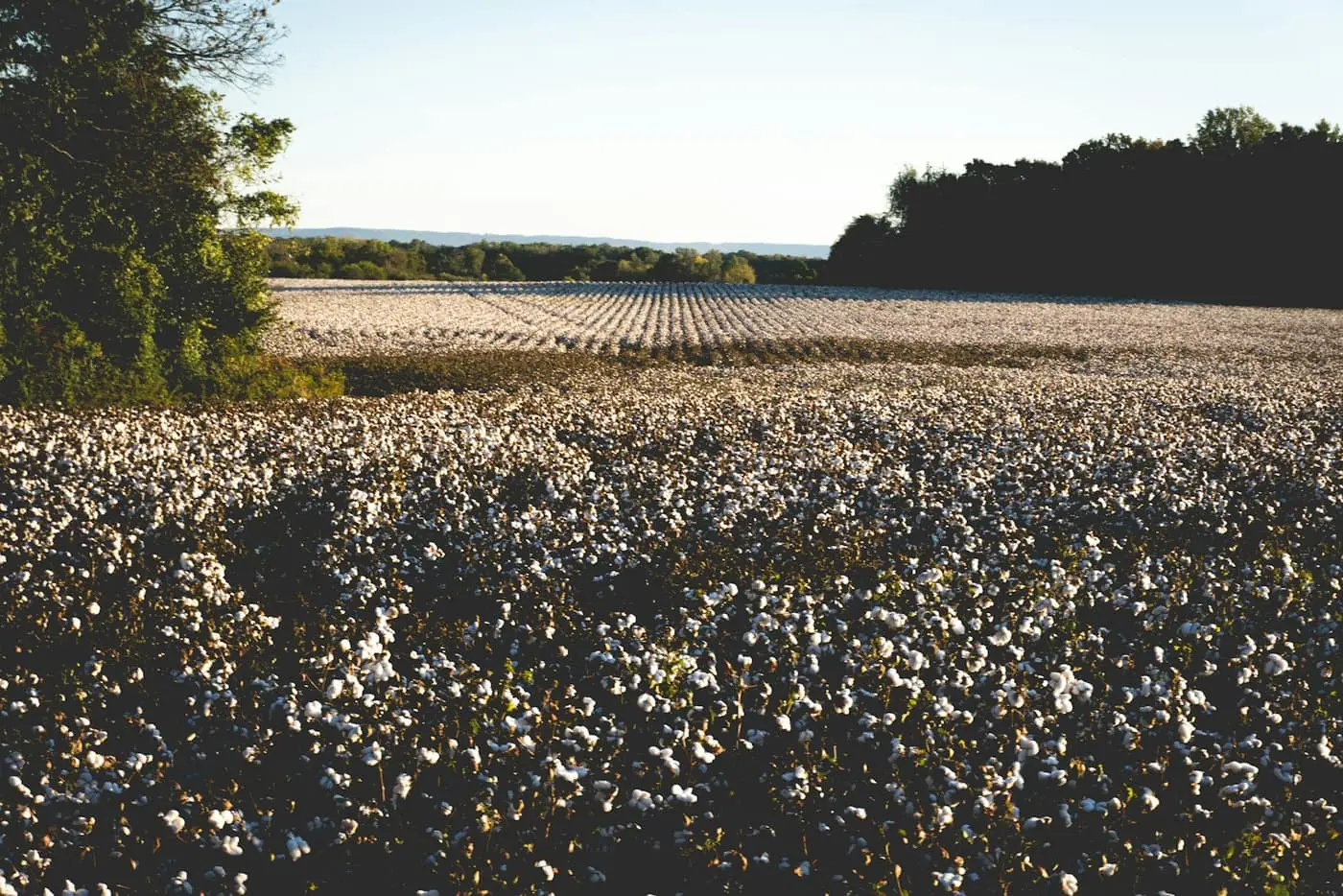 Cotton
Net / acre
₹17,636
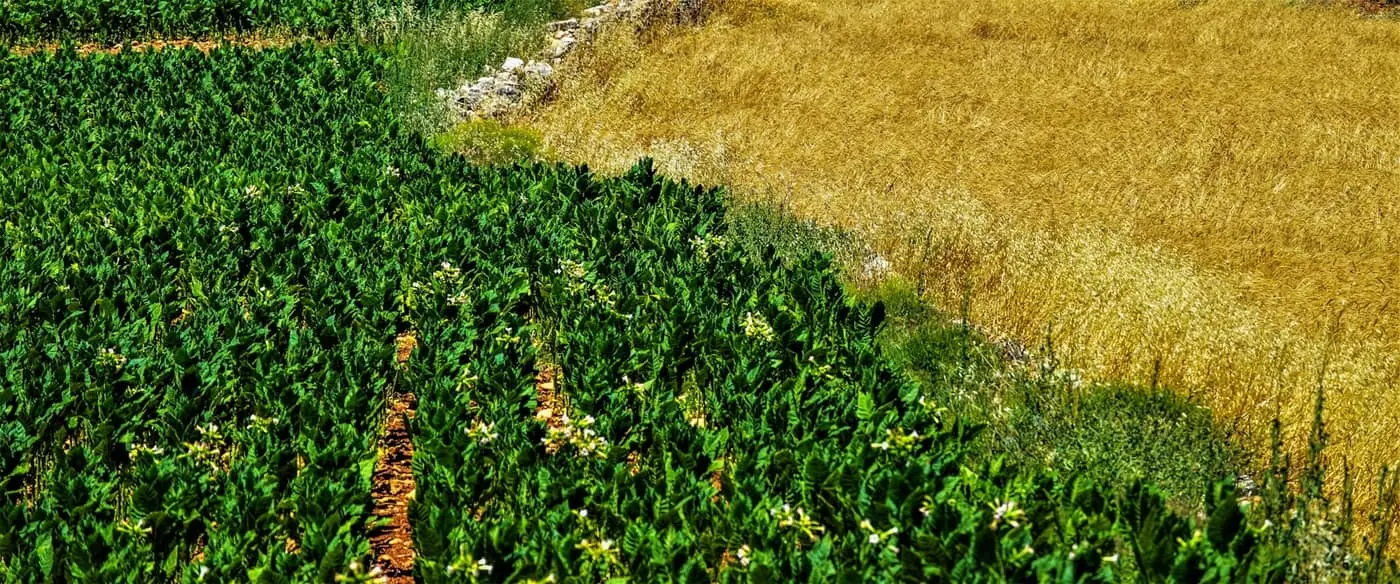 Mustard
Net / acre
₹18,900
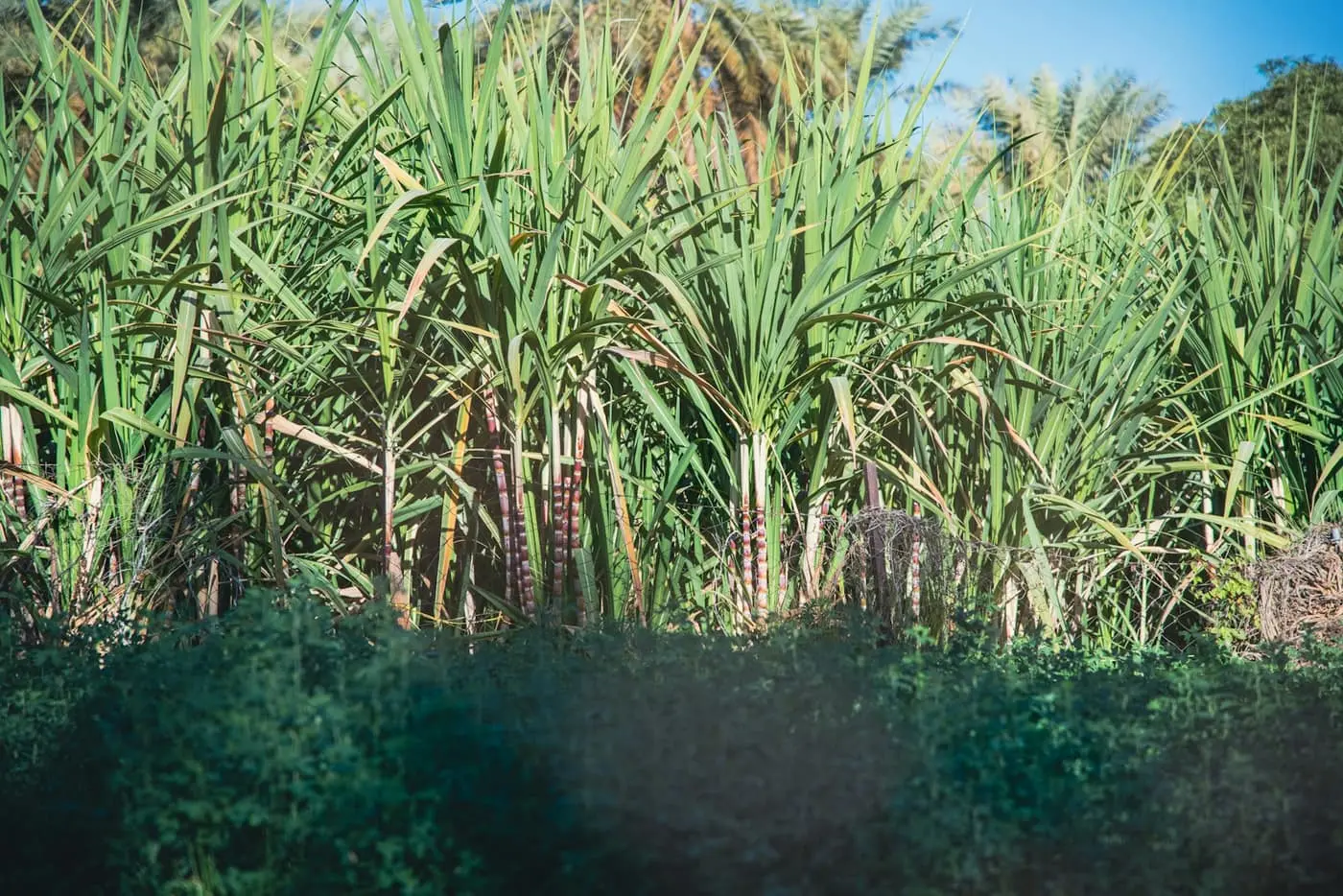 Sugarcane
Net / acre
₹37,020
Net return per acre is computed from the 2025–26 reference cost sheet in our profit calculator, sold at the notified MSP or FRP, with the rental value of your own land counted as a cost. Crops with no notified floor price are marked market-priced — their return depends on the mandi on the day you sell.
Crop planner
Tell us the field and we will rank what fits it by the only number that settles the argument — net return per acre after every cost, including the rent your own land is worth.
Arhar (pigeon pea)
6 q/acre at ₹8,450
Net per acre
₹29,900
Groundnut
8 q/acre at ₹7,517
Net per acre
₹29,836
Jute
9 q/acre at ₹5,925
Net per acre
₹27,425
Finger Millet (Ragi)
8 q/acre at ₹4,886
Net per acre
₹21,388
Cotton
8 q/acre at ₹8,267
Net per acre
₹17,636
Sesame (Til)
3 q/acre at ₹10,346
Net per acre
₹16,038
Ranked on the reference cost sheet for 2025–26 sold at the notified MSP/FRP. Your own costs and yield will differ — open the profit calculator and edit every line.
These crops have no notified floor price, so there is no citable rate to rank them on. They are often the more profitable choice — and the riskier one. Check the live mandi rate before you commit.
Seed varieties
Duration, yield and disease tolerance of varieties farmers actually grow, so you can match the seed to your season, soil and state.
A widely grown wheat variety for timely-sown irrigated fields, bred with strong rust resistance — though some leaf-rust strains now overcome it.
The longest slender grain in the basmati class and the variety most export buyers ask for by name.
A Dharwad-bred hybrid that roughly doubles the yield ceiling of an open-pollinated variety, at the cost of fresh hybrid seed every season.
Early and bold-seeded with roughly 40% oil content — the reliable choice on light, low-moisture soils.
The most widely grown table variety in the country — a safe default where you have not grown potato before.
From IIHR Bengaluru — the resistance stack alone often justifies the hybrid seed price where leaf curl virus has wiped out a crop before.
The variety you sow decides how long the crop stays in the field, how much it can yield, and how well it stands up to local diseases. A high-yielding variety that does not suit your season, soil or state can do worse than an older one that does. Start with your sowing season and the crop guide, then check the duration, the yield reported in trials, and the diseases it is bred to tolerate.
Each variety page on Technical Kisan lists the states it is recommended for, seed rate, sowing time, irrigation and fertiliser guidance, and common problems, based on ICAR and state agricultural university releases. Use the variety finder to filter by crop, season, soil and state, and confirm the current recommended list with your local KVK or state seed corporation before buying. Once you have the seed, read our seed treatment guide before sowing.
Government schemes
What each scheme actually pays, who qualifies, which documents you need, and the official portal to apply on. Checked against ministry sources, never an aggregator.
₹6,000 / yearBenefit amount
Income support of ₹6,000 a year for landholding farmer families, paid straight into the bank account in three instalments of ₹2,000.
Next instalment (24th)August–November 2026 period
2% of sum insuredKharif premium
Crop insurance at a capped premium — 2% for kharif, 1.5% for rabi, 5% for commercial and horticultural crops — with the Centre and State paying the rest.
Scheme approved13 January 2016
₹2 lakh / borrowerCollateral-free limit
One revolving credit card, not a fresh loan every season — for crop production, animal husbandry, fisheries and post-harvest needs, at 4% interest if you repay on time.
Scheme introduced1998
FreeCost to farmer
A free soil test for your own field, once every two years — with the exact fertiliser and organic-amendment dose your soil actually needs, not a guess.
Now administered underRashtriya Krishi Vikas Yojana (RKVY)
ActiveScheme status
Three ways to turn your farm into a power source: build a solar plant and sell electricity, run an off-grid solar pump, or solarise the pump you already have.
Administrative approval8 March 2019
55% (small/marginal) · 45% (other farmers)Micro-irrigation subsidy
A 55% (small/marginal) or 45% (other farmers) capital subsidy on drip and sprinkler irrigation systems, capped at 5 hectares per beneficiary — the flagship micro-irrigation component of PM-RKVY.
PDMC ran under PMKSY2015-16 to 2021-22
Your state runs its own schemes too
Income top-ups, accident cover and price support that only apply where you farm. Filter by state to see yours.
Farm machinery
Not a shopping page. What size you actually need for your holding, what it costs to run per hour, what breaks, and which subsidy applies.
How to size a tractor to your land, read horsepower honestly, compare the major brands on trade-offs rather than hype, budget the diesel, match implements, and keep it running — without buying more machine than your acreage can ever pay back.
Pick the right sprayer for your crop and scale, choose the nozzle before you worry about the pump, calibrate so you apply the label dose and no more — and spray safely, because the commonest sprayer injury is poisoning the operator.
Decide whether to own, hire or share a combine, pick the right type for your crop and soil, set it to lose grain in single digits — and use the SMS attachment so the straw is managed, not burned. Two days of work where hand harvest takes two weeks.
Free calculators
Every calculator runs entirely in your browser. No sign-up, no data leaves your phone, and they keep working on a bad connection.
Turn an NPK recommendation into bags of urea, DAP and MOP
Open calculatorBigha, acre, hectare, guntha, kanal — all at once
Open calculatorWhat you will actually take home per acre
Open calculatorKCC, tractor and equipment loans
Open calculatorBlock-level forecasts and spray windows
Open calculatorToday’s rates across nearby mandis
Open calculatorWhat switching to organic costs — and when it pays back
Open calculatorYour season, week by week
Open calculatorWhat to buy, what it costs, and the dose to treat it with
Open calculatorIs this seed lot worth sowing?
Open calculatorFilter by crop, state, season, duration and soil to shortlist a variety
Open calculatorFilter by state and by the kind of help you need to shortlist a scheme
Open calculatorYour state and this month — a straight sow / wait list of every registry crop
Open calculatorZero tillage vs conservation agriculture, mulching vs raised beds — side by side
Open calculatorThe right horsepower for your implement and holding size
Open calculatorWhat a lactation is actually worth, after feed cost
Open calculatorGreen fodder, dry fodder and concentrate, worked out by weight
Open calculatorBroiler batch economics, feed conversion included
Open calculatorHerd growth and payback for a goat unit
Open calculatorPond and biofloc economics, side by side
Open calculatorSeason now
Field operations that fall in the current month across every crop we publish a calendar for — generated from the sowing anchors, so this changes on its own as the year turns.
MaizeHarvestCannot be made up if missed
Harvest
Harvest when the husk dries and a black layer forms at the grain base. Grain moisture around 20% is ideal.
SugarcaneIrrigationCannot be made up if missed
Grand-growth irrigation
The peak water-demand phase. Keep soil moist right through; monsoon rain helps, but bridge every dry spell.
Jowar (sorghum)HarvestCannot be made up if missed
Harvest
Harvest when grain hardens and the earhead turns golden-brown. Harvest promptly once ready — rain on a ripe head is the biggest risk to grain quality.
Arhar (pigeon pea)ScoutingCannot be made up if missed
Scout for pod borer & pod fly
Pod borer and pod fly are the crop-defining pests. Install pheromone traps and bird perches; act at first larvae from flowering, and again through pod fill.
ChilliScoutingCannot be made up if missed
Scout for thrips, mites & leaf curl
Upward-curled leaves mean thrips; downward-cupped, brittle leaves mean mites — the “murda/leaf-curl” complex. It is the single biggest chilli yield-robber; scout twice a week from the start.
ChilliIrrigationCannot be made up if missed
Flowering & fruiting irrigation
Keep moisture even through flowering and fruit set. Water stress now drops flowers and small fruit; erratic watering cracks pods.
ChilliHarvestCannot be made up if missed
Harvesting (green to red)
Pick green chilli from ~90 days in rounds every 7–10 days. For dry chilli, let pods redden fully on the plant and pick from ~120 days; the full picking span runs 150–180 days.
TurmericScoutingCannot be made up if missed
Scout for rhizome rot & leaf spot
In waterlogged spells watch for rhizome rot and leaf-spot blotches. Good drainage is the main defence; treat seed and soil where rot is a known problem.
Weeds, pests & diseases
How to recognise the weeds, insects and diseases that cost farmers the most, and what to do about them before the damage spreads.
An invasive caterpillar that has become the number-one pest of maize in India since 2018. It feeds deep in the whorl of young plants, leaving ragged holes and wet sawdust-like frass, and can strip a crop fast if not caught early.
Affects: Maize, Jowar (Sorghum)
Read guideThe most feared disease of potato and tomato — the one behind the Irish famine. In cool, wet, cloudy weather it makes fast-spreading water-soaked dark lesions with a white downy mould underneath, and can rot a whole crop within days.
Affects: Potato, Tomato
Read guideThe number-one weed of wheat in the north-west plains — a grass that mimics young wheat, so it is hard to spot early, competes fiercely for nitrogen and water, and has evolved resistance to several herbicides. Rotation and herbicide rotation are as important as the spray itself.
Affects: Wheat, Barley, Kale (Karam Saag)
Read guideThe most serious pest of cotton today. Its pink caterpillar bores into flower buds and bolls and eats the developing seed and lint from inside — often invisibly, behind a "rosette" flower that never opens properly. It has broken Bt-cotton resistance in many areas.
Affects: Cotton
Read guideA fast-moving fungal disease of rice that makes spindle-shaped, grey-centred spots on the leaves and can rot the neck of the panicle (neck blast), breaking the head and emptying the grain. Worst with excess nitrogen, dew and cool, humid nights.
Affects: Paddy (Rice)
Read guideAn aggressive invasive broadleaf weed of field edges, wastelands, orchards and many crops that grows fast, seeds prolifically all year, and displaces other plants. It is also a serious health hazard — causing dermatitis and asthma in people and harming livestock — so it must be removed before it flowers.
Affects: Cotton, Maize, Sugarcane
Read guideMost crop losses from weeds, insects and diseases can be cut sharply by catching the problem early. Walk the field regularly, look at the underside of leaves and the growing tip, and compare what you see with the symptoms in the guide. Weeds take water and nutrients in the first weeks, pests such as caterpillars and sucking insects multiply fast in warm weather, and fungal diseases spread quickly after humid or rainy spells.
Every crop protection guide here explains how to identify the problem, which crops it affects, and how to manage it with cultural, biological and chemical steps. Where a chemical is named, it is one registered for that use in India. Where it works, start with organic farming methods. Always follow the label dose, wear protective gear while spraying, and ask your local KVK or agriculture officer if you are unsure what is attacking your crop.
Market prices
Modal rates synced from the official Agmarknet dataset. Highest-paying mandi first, because that is the decision you are actually making.
Loading…
Weather
Live conditions and a five-day outlook for every state, alongside the crops that are actually in the ground there right now.
Popular guides
High cost, high return, high risk. Seed alone is 40–50% of the cost of cultivation, and late blight can take a crop in ten days if a foggy spell is not met with a preventive spray.
The defining kharif crop of the monsoon belt. The economics now turn less on yield than on water and labour: DSR and SRI both cut input cost materially where the soil and the canal schedule allow it.
The most feared disease of potato and tomato — the one behind the Irish famine. In cool, wet, cloudy weather it makes fast-spreading water-soaked dark lesions with a white downy mould underneath, and can rot a whole crop within days.
Certification, inputs and the honest economics
Cuts water use by 40–60% and, because fertiliser goes through the same line, raises fertiliser-use efficiency by about 30%. With PMKSY subsidy, small farmers routinely recover the cost within two seasons on a cash crop.
Right dose, right time, right place
Browse by category
Thirteen areas of Indian agriculture, each with practical guides, real numbers and the decisions that actually change your season.
Latest
New guides, scheme updates and season advisories, published as they matter.
 Crops
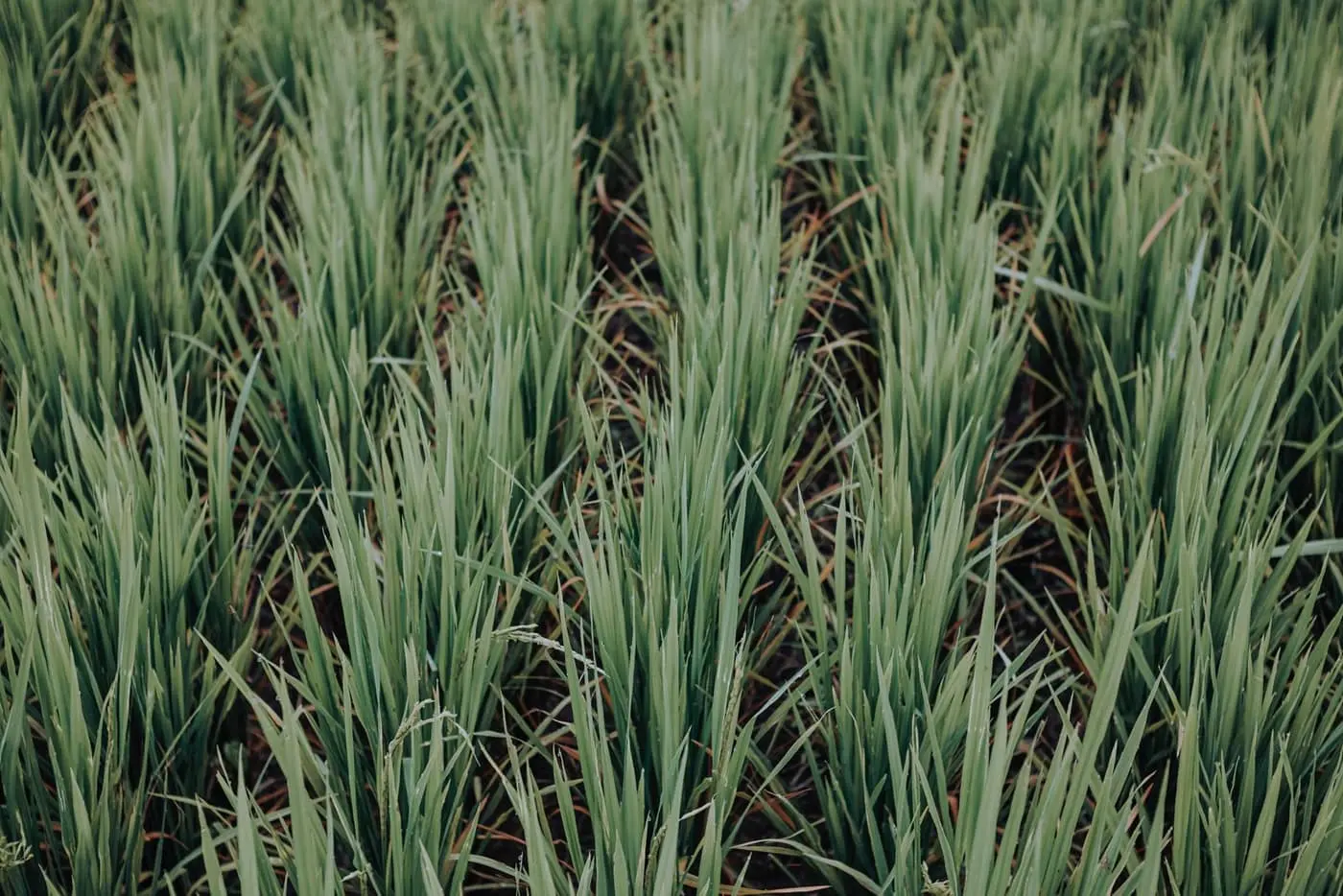
CropsGrow paddy without puddling or transplanting. Soil check, tar-wattar sowing, weed control, first irrigation at 21 days and common DSR mistakes, per PAU.
Vaibhav Dhama10 min read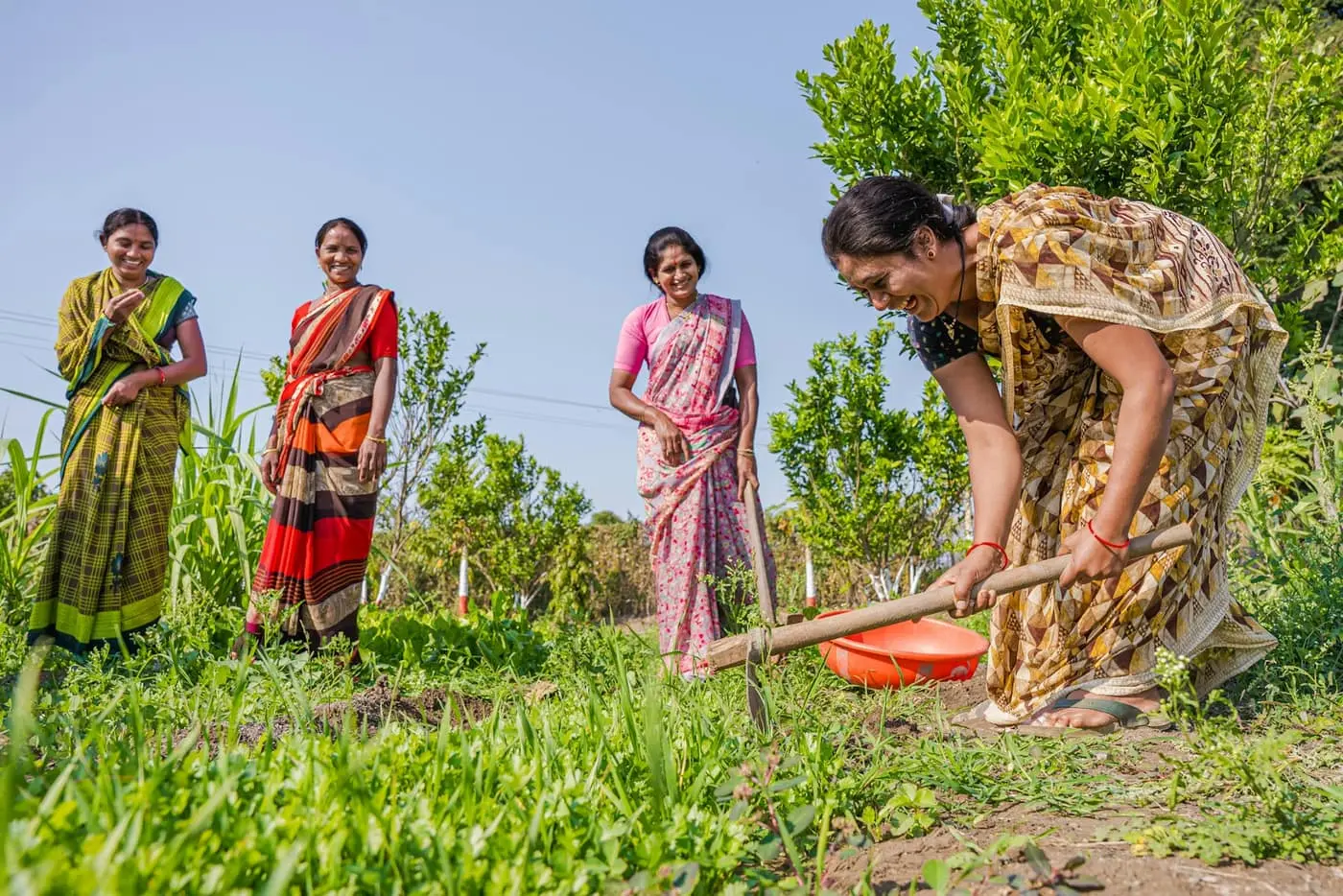 Central Government Schemes
Thinking of starting a Farmer Producer Organisation? Member minimums, legal forms, equity grant, credit guarantee and honest limits, from official guidelines.
Vaibhav Dhama8 min read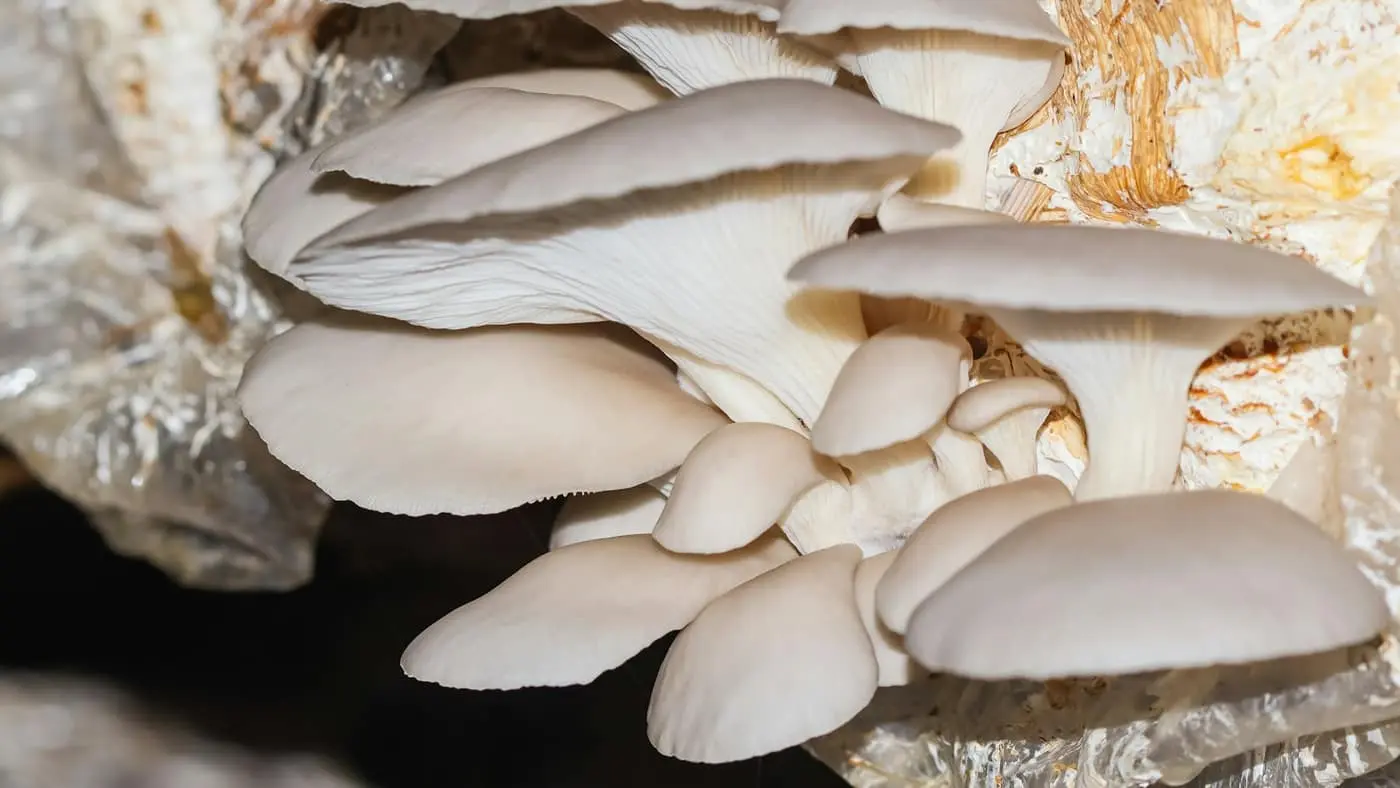 Crops
CropsStart oyster (dhingri) mushroom farming in a spare room: straw treatment, bagging, spawn run, fruiting, picking and selling, with ICAR trial figures.
Vaibhav Dhama9 min read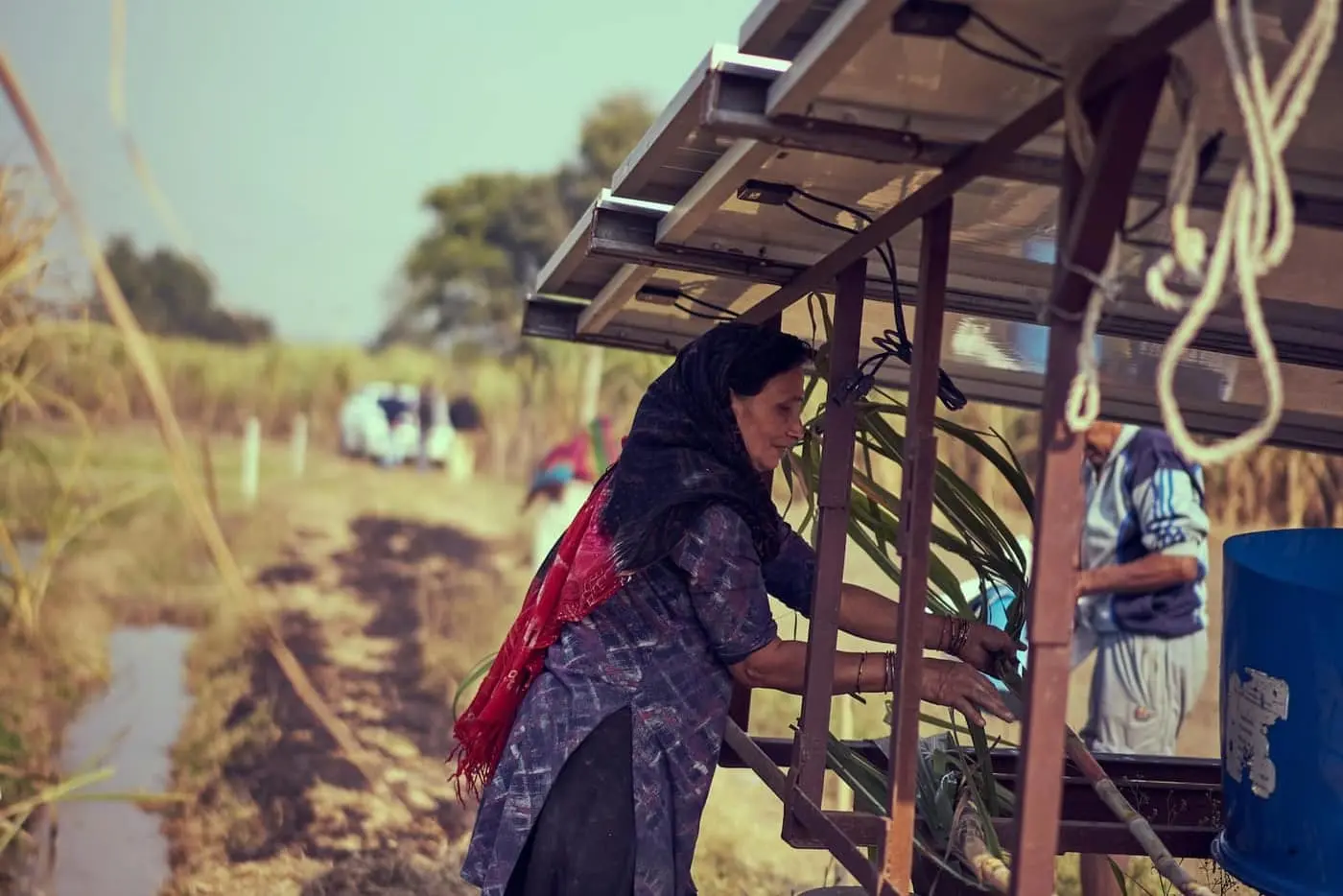 Irrigation
PM-KUSUM solar pump subsidy explained: who qualifies, the 30%+30%+40% split, bank finance, documents, and what to check with your state agency first.
Vaibhav Dhama8 min read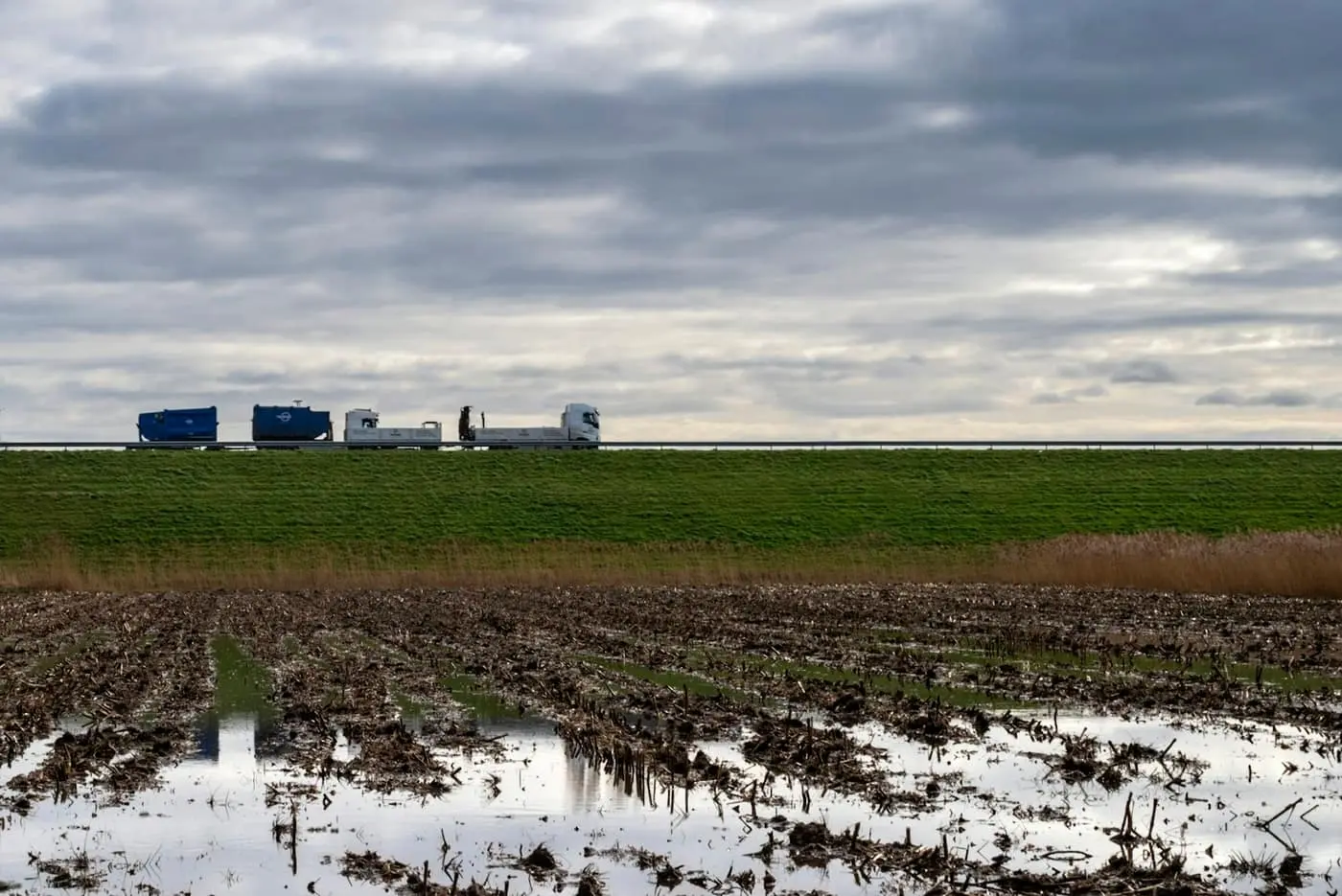 Central Government Schemes
Hail, flood or rain damaged your insured crop? Follow the PMFBY claim steps: the 72-hour report, what the surveyor does, payment timelines and appeals.
Vaibhav Dhama9 min read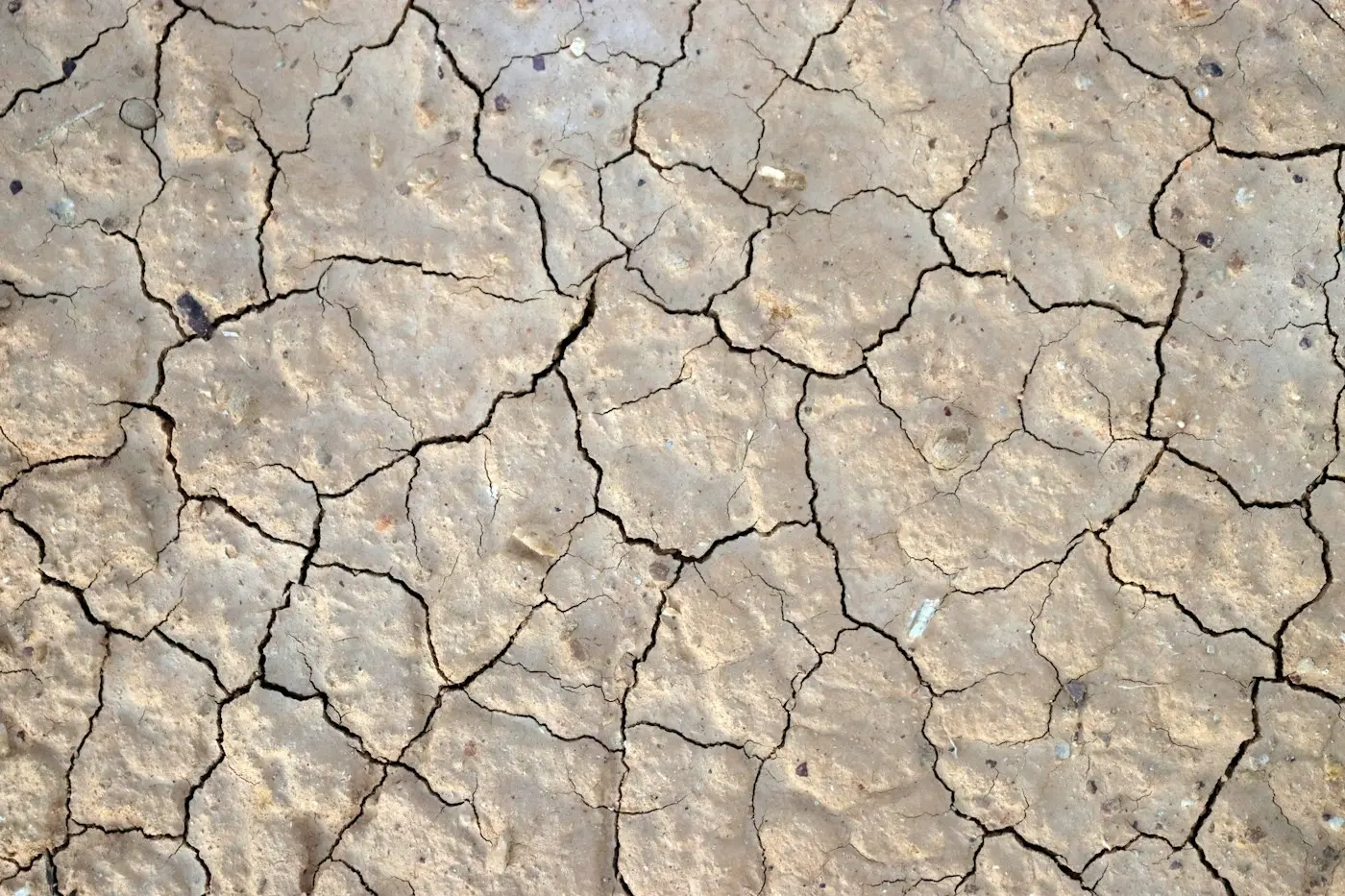 Farming Techniques
When monsoon fails or rain stops mid-season, these practical drought management steps — mulching, deficit irrigation and crop switching — protect yield.
Vaibhav Dhama7 min readEditor’s picks
The ones that change what you do next season, not just what you know. Hand-picked by the editorial desk — we do not yet have the readership data to rank them by anything else, and we would rather say so.
Browse every guideAbout Technical Kisan
Technical Kisan brings together the things an Indian farmer usually has to hunt for across a dozen places: a full lifecycle guide for every major crop, plain explanations of every central and state government scheme, live mandi prices from the official Agmarknet feed, block-level weather, and calculators that do the arithmetic before you spend the money.
Each crop portal follows the season in the order you meet it — land preparation, seed rate and variety choice, the sowing window, the fertiliser and irrigation schedule stage by stage, weed, pest and disease control, harvesting, storage and finally the sale. Scheme pages carry the eligibility rules, the document list, the application steps and the official portal link. Every figure is labelled with the season it applies to, because an MSP without its year is not information.
Everything on the site is free and works without an account. The calculators run entirely in your browser, so nothing you type about your own farm is sent anywhere. There are no paid placements and no sponsored crop or brand recommendations — see our editorial policy.