
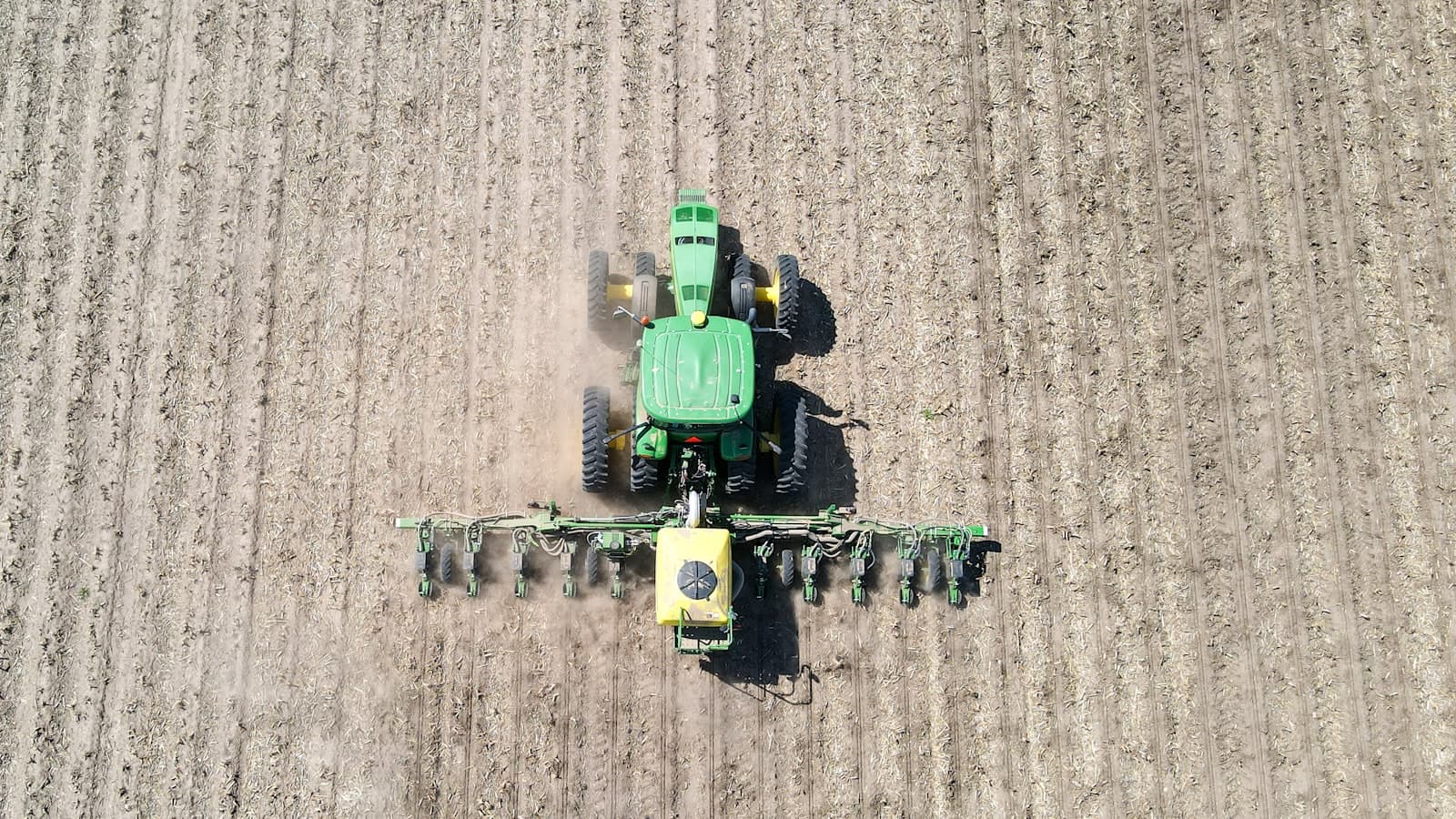
Zero Tillage: Sow Wheat Without Burning
A zero-till drill saves Rs 3,000/hectare, 50 litres of diesel and lets you sow 7-10 days earlier. The one thing it demands: stop ploughing.
Vaibhav Dhama3 min readReduce cultivation cost, improve soil health, save water and increase yield — sixteen proven techniques, compared honestly so you can choose the right one for your farm.
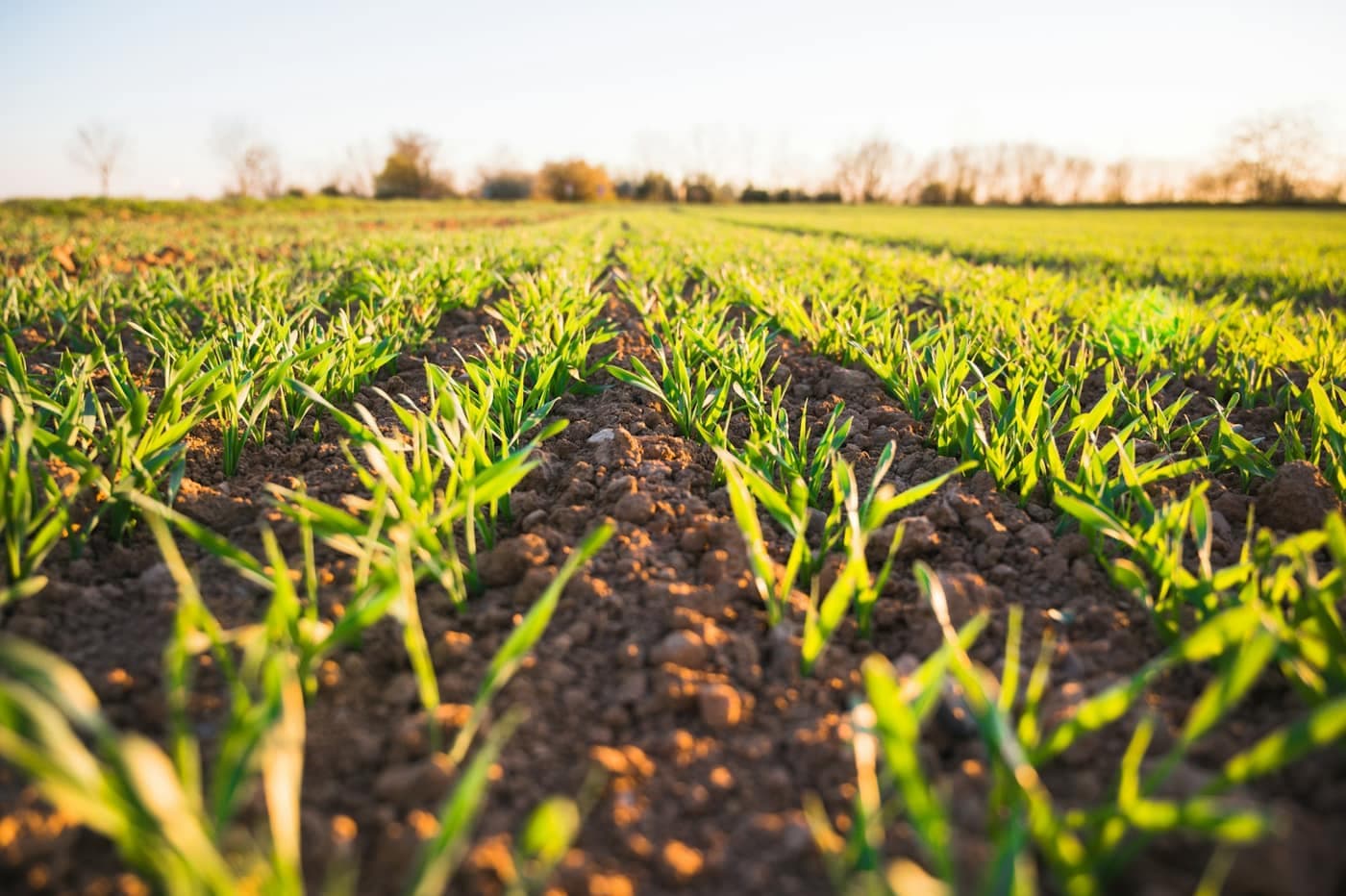
Two farmers with the same soil, the same seed and the same rainfall can end up with very different cost sheets — the difference is usually not what they grew, but how. Zero tillage alone saves a full round of ploughing; a mulched, bed-planted field needs a third less water for the same yield; a scouted field sprayed on threshold instead of on the calendar spends half as much on pesticide.
This hub groups sixteen field-tested techniques by what they actually change — your soil, your cropping system, your water bill, your pest control or your machinery — so you can compare them honestly and see which ones fit your crop, your state and your budget before you change anything.
Sixteen techniques, grouped by what they actually change on your farm.
Difficulty, best crops, savings and the states where each one is already working.
EasySow directly into standing stubble — no ploughing, no burning.
 Easy
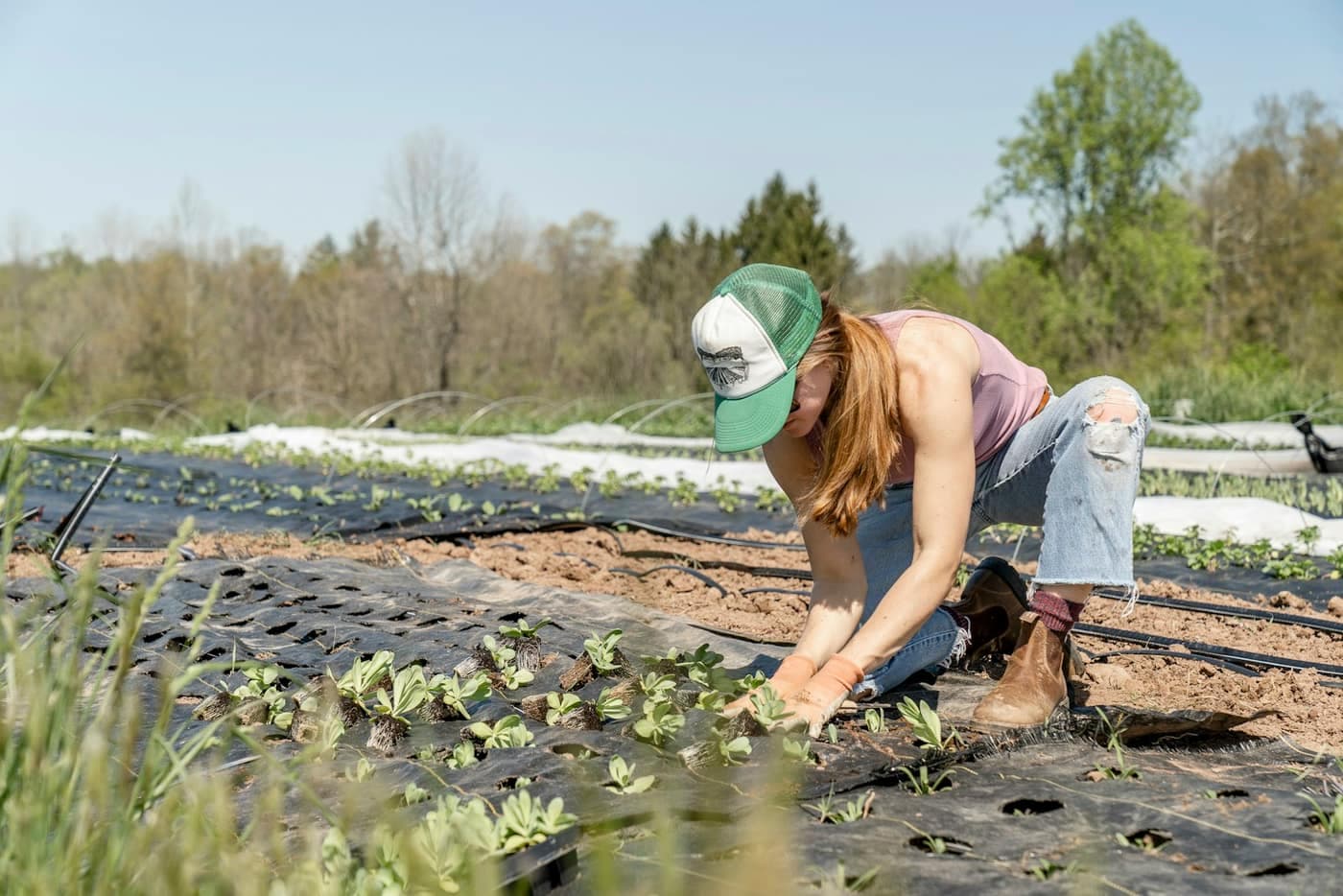
EasyCover the soil to cut evaporation and choke out weeds.
 Medium
Sow on beds with furrows between them for even, efficient watering.
 Advanced
Minimum tillage, permanent residue cover and rotation, together.
 Easy
EasyAlternate crop families each season to break pest cycles.
 Medium
Grow two crops together in fixed row ratios on the same land.
 Easy
EasySow several crops scattered together as rainfall insurance.
AdvancedSow the next crop into the standing one before harvest.
 Medium
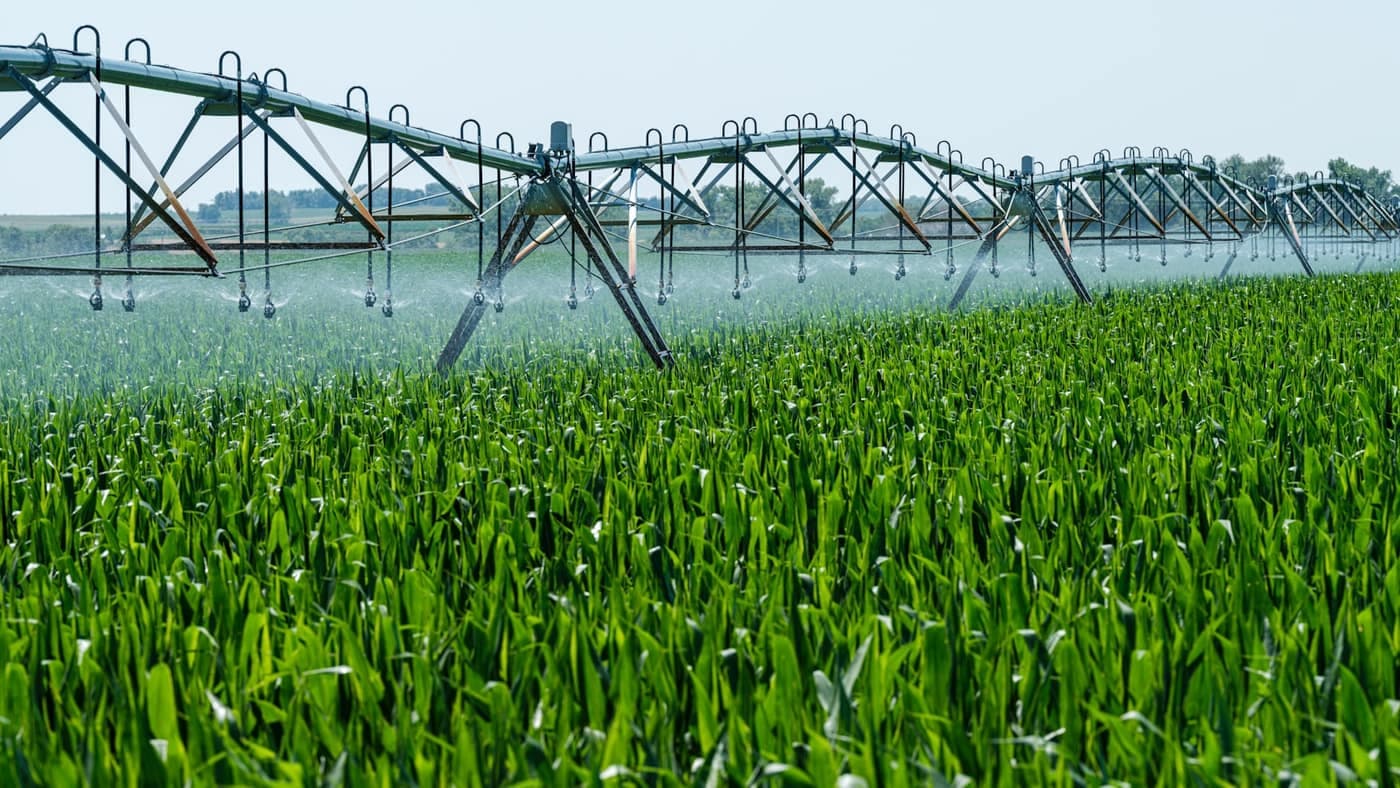
Drip and sprinkler systems that water the root, not the field.
 Medium
Grade the field dead-level so every irrigation wets it evenly.
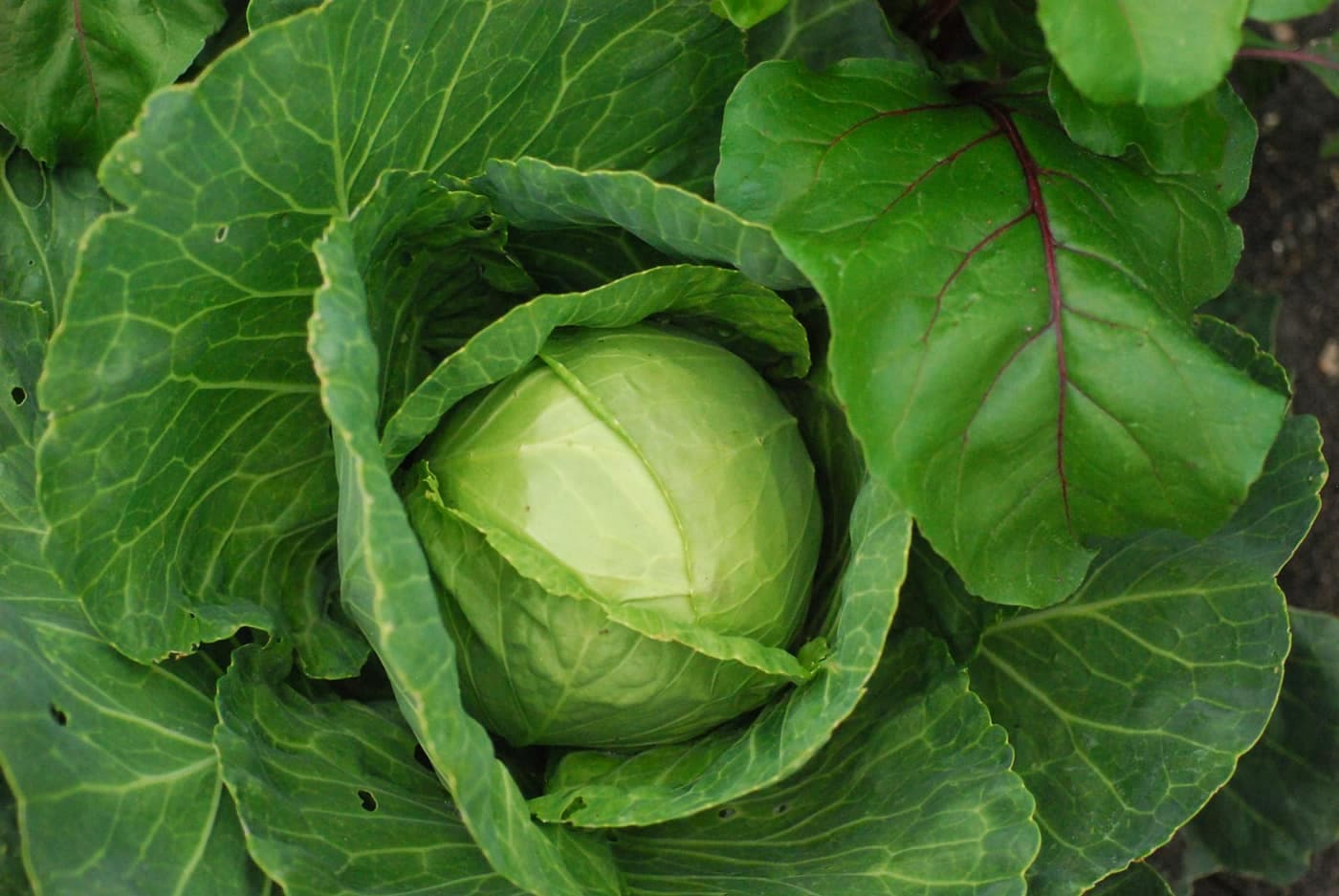
MediumScout first, spray only past the economic threshold.
 Medium
Release a pest’s natural enemies instead of spraying it.
 Easy
EasyA border crop the pest prefers, pulling it off the main field.
 Advanced
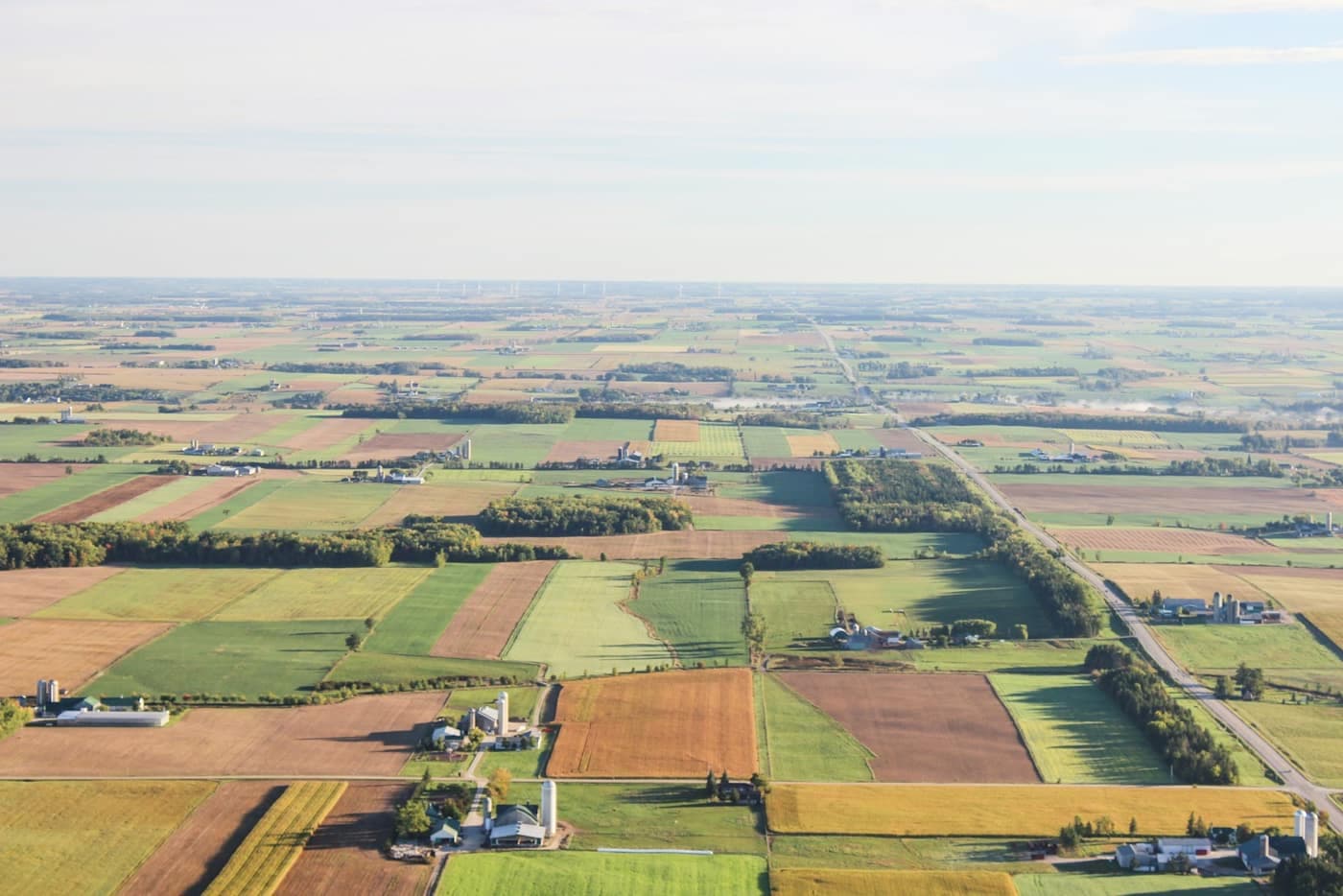
Soil maps and sensors set input rate zone by zone.
 Advanced
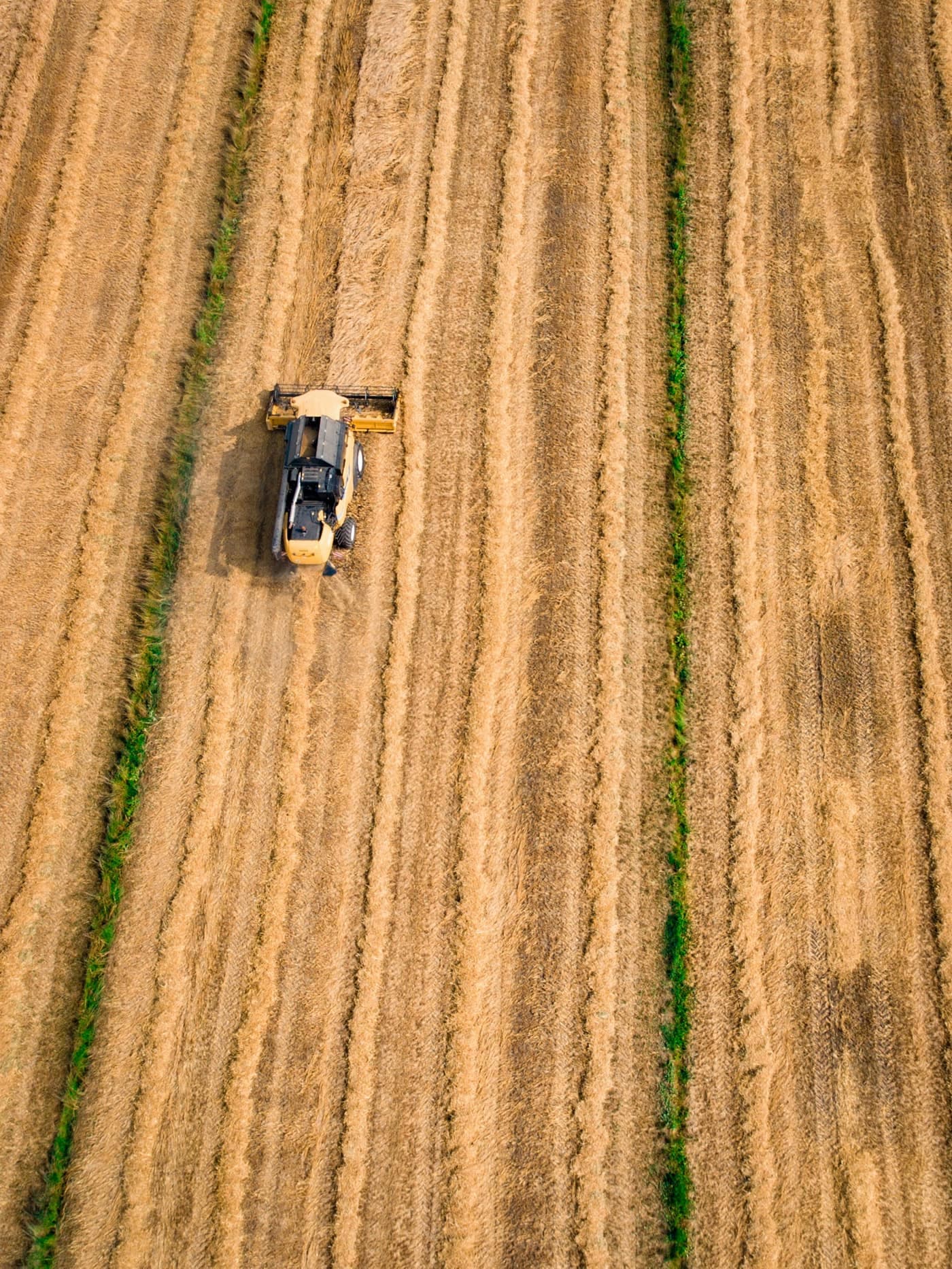
Auto-steer holds a dead-straight, non-overlapping pass.
 Easy
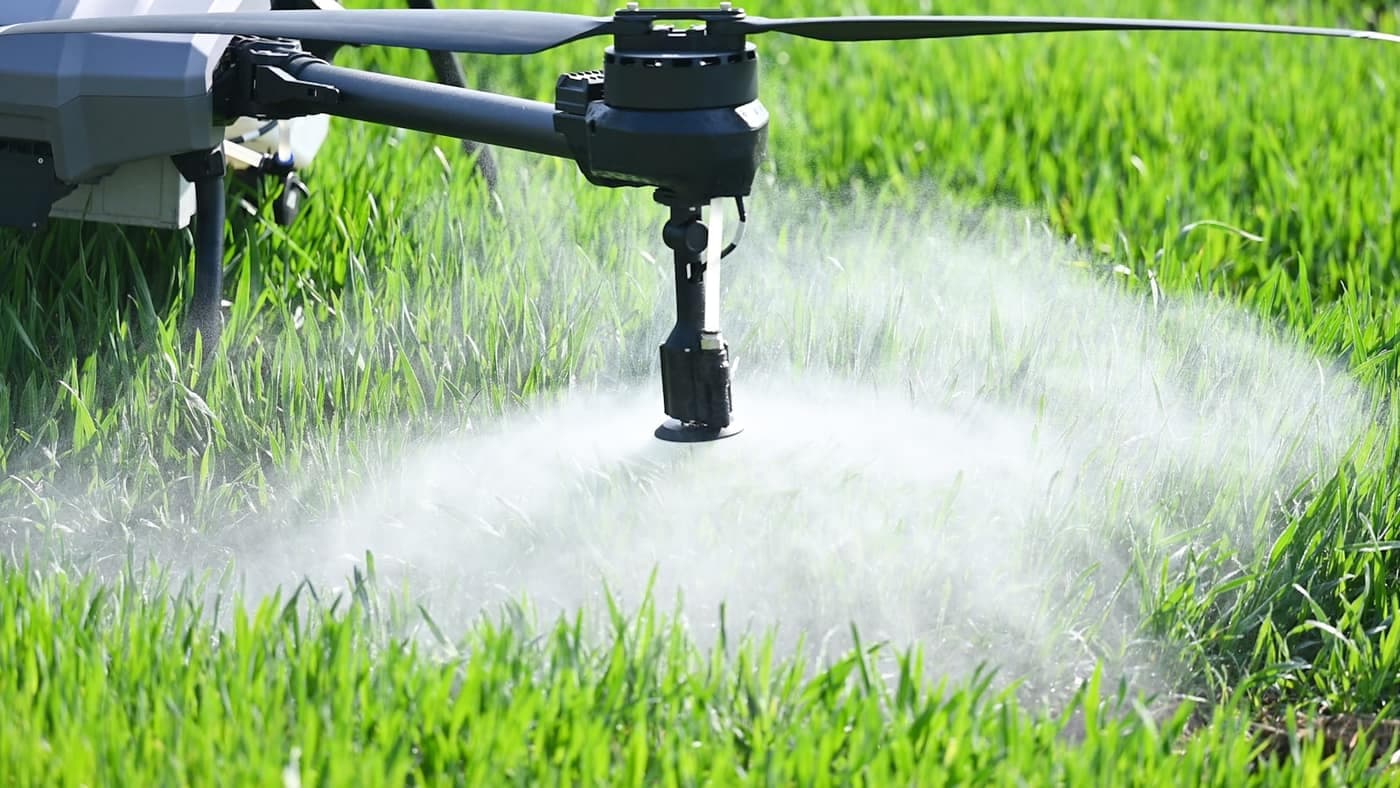
EasySpray a full acre in 7–10 minutes on a tenth of the water, operator kept out of the spray cloud.
What do you want to improve? Pick one and see the techniques that actually move that number.
From land preparation to harvest — a clean, ordered view of when each practice earns its keep.
Grade the field with laser land levelling before the season starts, so every later irrigation wets it evenly.
Drill the next crop straight into stubble instead of ploughing — the biggest single time and diesel saving of the season.
Raised beds or bed planting go in here, where drainage and even watering matter most.
Cover the bed right after sowing or transplanting to lock in moisture before the heat sets in.
Rotation and intercropping decisions were already made at sowing — this is where trap crops and precision irrigation earn their keep.
Start scouting on a fixed schedule from early vegetative growth — this is the stage most sprays are wasted on a pest count that never crossed the threshold.
Residue becomes next season’s mulch or the next zero-till crop’s seedbed — nothing here needs to be burned.
The six things that change on your farm once you adopt even one of these.
The central and state schemes that fund the machinery and inputs behind these techniques.
Compare techniques and run the real numbers on your own field with these standalone calculators.
Long-form guides on these techniques, with the numbers and the timings included.
A zero-till drill saves Rs 3,000/hectare, 50 litres of diesel and lets you sow 7-10 days earlier. The one thing it demands: stop ploughing.
Vaibhav Dhama3 min read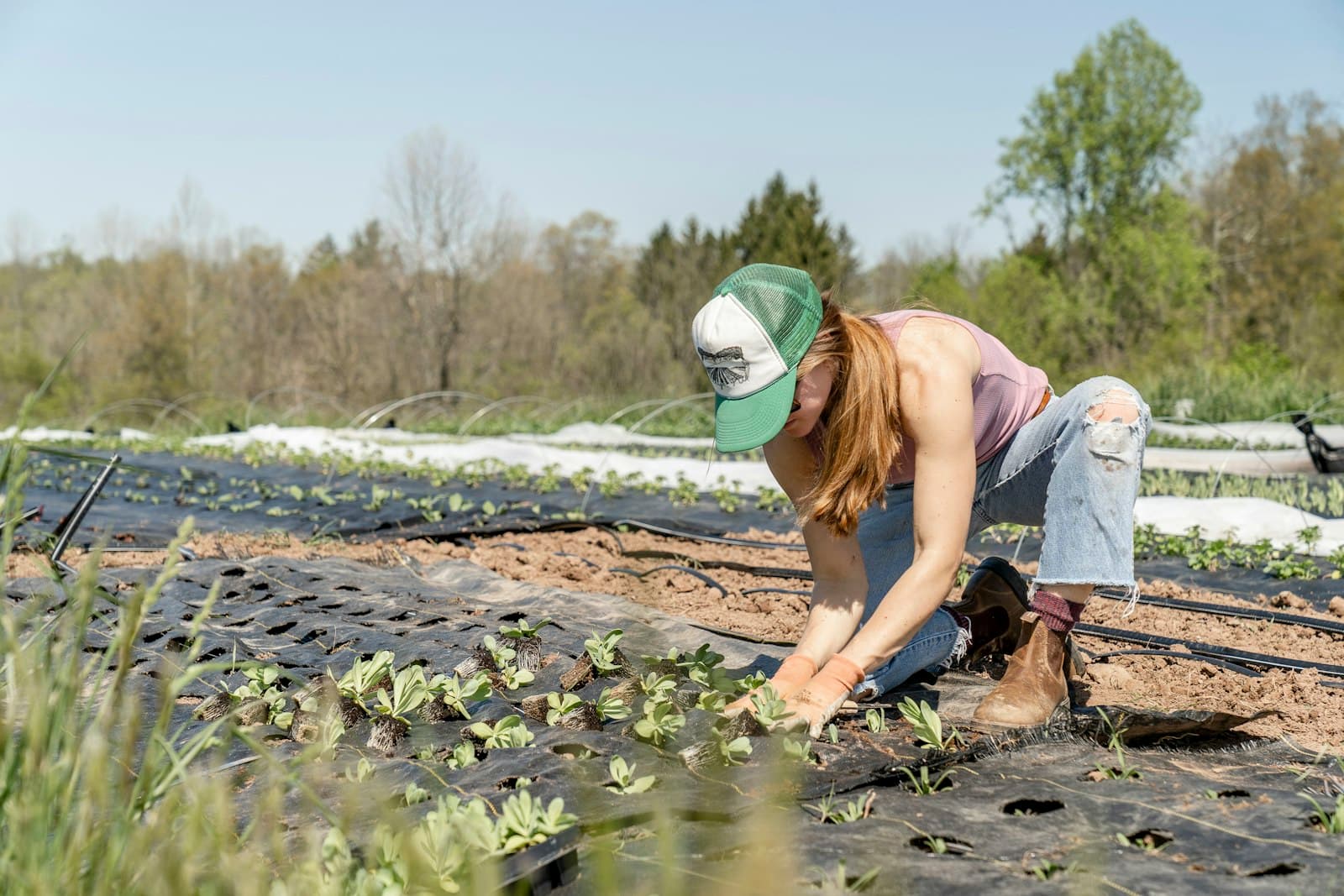
No herbicide is allowed in organic farming, so weeds must be beaten by method, not chemistry: mulch, stale seedbeds, timely inter-culture.
Vaibhav Dhama3 min read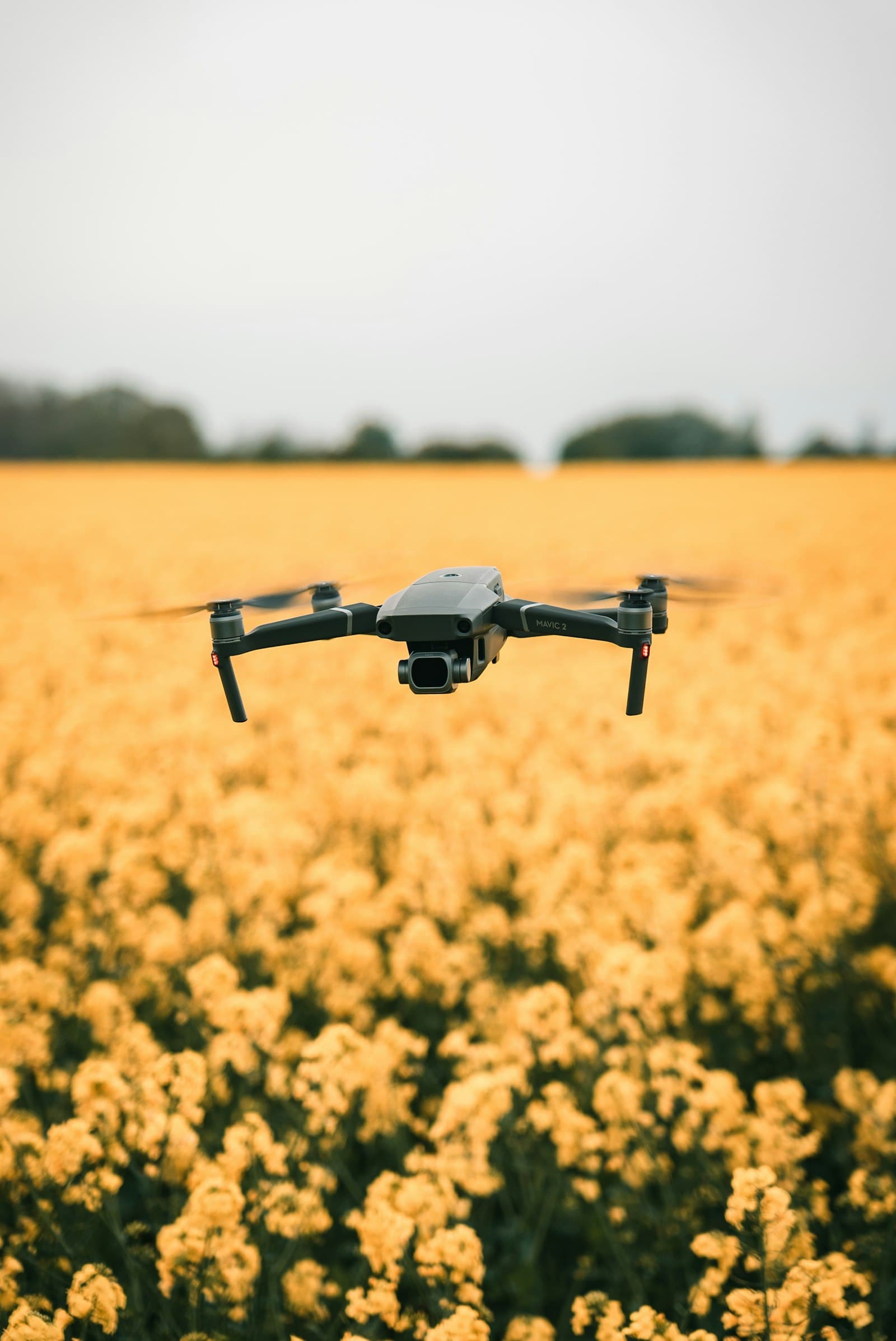
A spray drone covers an acre in 8 minutes on a tenth of the water. At Rs 6-10 lakh, the maths only works past about 50 acres.
Vaibhav Dhama4 min readZero tillage has the single biggest, best-documented saving — ₹2,500–₹3,500 per hectare in land preparation alone, plus about 50 litres of diesel. Add mulching and IPM on the same field and the combined saving on a wheat-after-paddy crop regularly crosses ₹4,000/ha.
No. It works best for wheat sown after paddy or another cereal, and for crops like maize, soybean and pulses that tolerate a firm, undisturbed seedbed. Crops that need a loose, worked soil profile — potato and most root and tuber crops — still need some tillage.
Crop rotation shows up fastest, because a single legume year (gram, moong, soybean) fixes 20–30 kg of nitrogen per hectare that the very next crop draws on. Conservation agriculture — rotation plus residue cover plus minimum tillage — builds organic carbon more permanently, but over 3–5 years, not one season.
Yes — the two are usually installed together, not run as alternatives. Mulch film laid over drip laterals cuts evaporation from the wetted strip even further and stops weeds competing for the same drip-fed moisture, which is why vegetable and sugarcane growers run them as one system.
Drip irrigation cuts water use 40–60% against flood irrigation on its own — see the full Irrigation hub. Add laser land levelling and mulching on top, and the combined saving on a row crop like cotton or sugarcane can go past 60%.
Zero tillage — a Happy Seeder if the paddy residue is heavy — is the standard answer. It lets you sow 7–10 days earlier than clearing the stubble by ploughing would, and that earlier date alone is worth 2–3 quintals a hectare before counting the saving on diesel or labour.
Crop rotation and mixed cropping need no new machinery at all — just a planning change to what you sow next. Trap crops cost only the seed for a 5–10% border strip. Techniques that need a machine — zero tillage, laser levelling, drones — are usually cheaper to hire from a Custom Hiring Centre than to own.
IPM is scouting the field on a fixed schedule and spraying only once the pest count crosses an economic threshold, using resistant varieties, natural enemies and traps first — chemical spray as the last resort, not the first. It typically cuts spray count 30–50% without giving up yield.
Precision farming treats a field as unequal zones instead of one flat block — using soil test maps, sensors or satellite imagery to vary seed, water and fertilizer rate zone by zone. It saves the most on the inputs a field never needed evenly in the first place — typically 15–20% on fertilizer and water.
Yes — most of what saves the most money needs no ownership at all. Zero-till drills, Happy Seeders, laser levellers and drones are available on hire through Custom Hiring Centres and FPOs, and the lowest-cost techniques — crop rotation, mixed cropping, mulching, trap crops — need only a planning change and a day of labour.