

 Farming Techniques
Zero Tillage: Sow Wheat Without Burning
A zero-till drill saves Rs 3,000/hectare, 50 litres of diesel and lets you sow 7-10 days earlier. The one thing it demands: stop ploughing.
Vaibhav Dhama3 min readDrill wheat directly into paddy stubble — no ploughing, no burning. It saves a full round of land preparation, lets you sow 7–10 days earlier, and that earlier date alone is worth 2–3 quintals a hectare.
The quick decision panel — everything you need before reading a single paragraph further.
What actually changes on your farm once this is in place.
Skips ploughing, harrowing and planking entirely — ₹2,500–₹3,500/ha stays in your pocket.
About 50 litres of diesel a hectare never gets burned on land preparation.
Undisturbed soil holds more moisture and organic matter season on season.
Sowing 7–10 days earlier alone is worth 2–3 quintals a hectare on wheat.
No burning means no fire-spread risk to standing crop or neighbouring fields.
Residue stays on the field instead of going up in smoke over the whole district.
The practice broken into the steps you will actually follow, in order.
A Super Straw Management System on the combine spreads stubble evenly instead of windrowing it — even spread is what makes the next step work.
The field needs to be at workable moisture, not bone dry and not waterlogged, for the drill to place seed at a consistent depth.
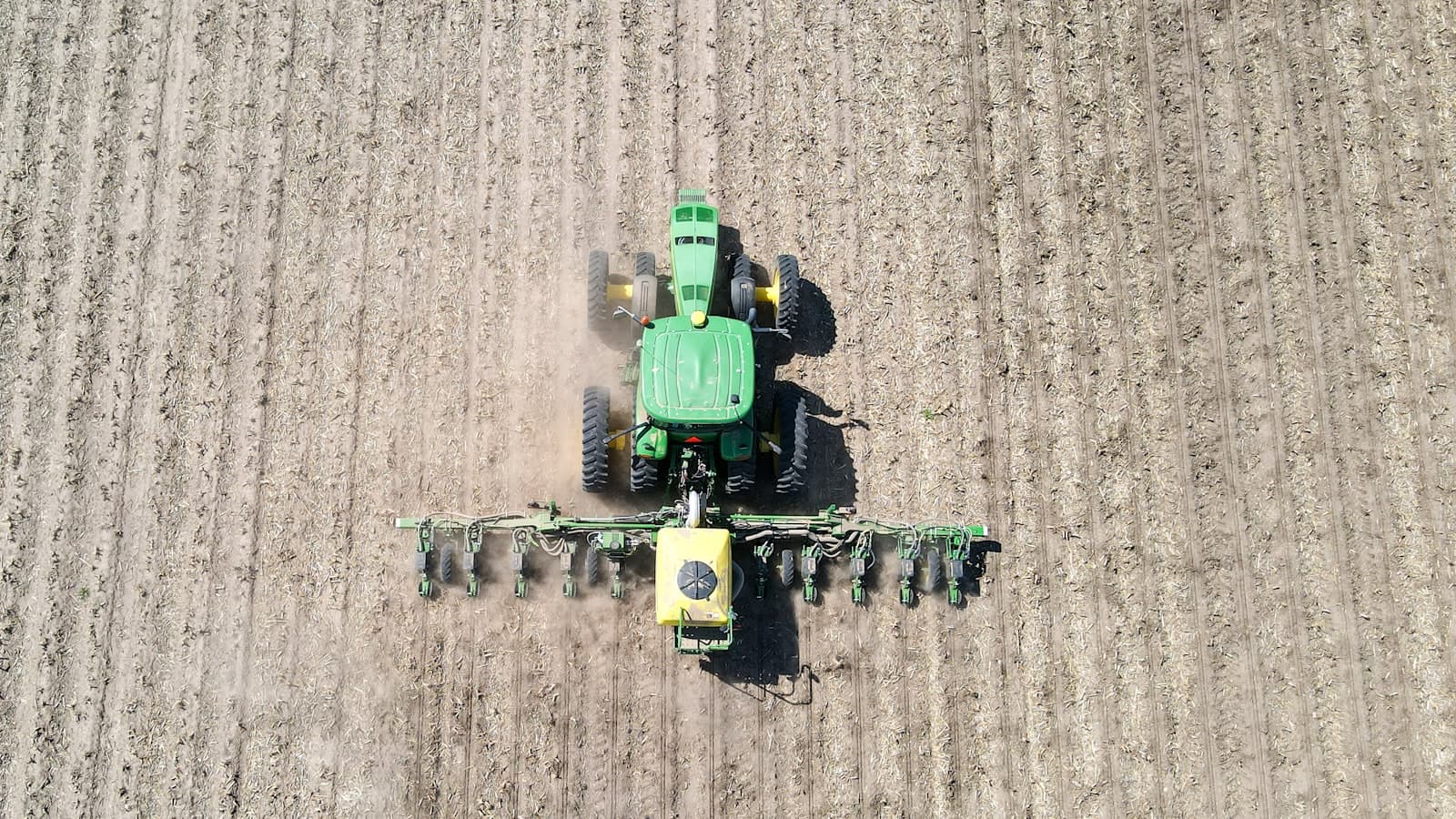
A zero-till drill or Happy Seeder cuts through residue, opens a narrow slot, places seed and fertiliser, and closes it — one pass, no separate tillage.
Standard timing, roughly 20–25 days after sowing — the retained residue means the field needs it slightly later than a ploughed field.
Weeding, top-dressing and pest scouting continue exactly as they would on a conventionally sown field.
An honest read before you spend a rupee or an hour on it.
This technique against conventional practice, head to head, per acre.
Land preparation
Diesel
Sowing
Irrigation (season)
Weeding
Conventional total
₹13,100/ha
This technique, total
₹6,300/ha
A net saving of roughly ₹6,800/ha once diesel, labour and land preparation are counted — before adding the value of sowing 7–10 days earlier.
What farmers already using this technique typically measure.
2–3 qtl/ha
Yield Increase
~50 L/ha
Diesel Saved
3–4 person-days/ha
Labour Saved
7–10 days earlier sowing
Time Saved
~1 irrigation
Water Saved
₹4,000–₹6,000/ha
Income Increase
Where this technique earns its keep the fastest.
Where this is already common field practice, not a pilot.
Commonly practised here
What you need to run this — most is available on hire through a Custom Hiring Centre.
Cuts through loose residue and drills seed and fertiliser in one pass on lighter stubble loads.
Approx. cost: ₹80,000–₹1.2 lakh (or hire per acre)
Handles heavy, standing paddy stubble that a plain zero-till drill would choke on.
Approx. cost: ₹1.3–1.6 lakh (or hire per acre)
Fits on the combine harvester and spreads stubble evenly — the step that makes drilling possible.
Approx. cost: ₹1.5–2 lakh (combine attachment)
What goes wrong most often, and the fix, before it costs you a season.
Where this technique sits in the crop cycle, start to harvest.
Nothing to do here — this is the step zero tillage removes entirely.
This technique matters most here
Drill directly into spread paddy stubble with a zero-till drill or Happy Seeder.
Weeding and top-dressing continue as normal; residue mulch suppresses early weed flush.
Standard crop-management practices — zero tillage has no special requirement here.
Residue from this crop becomes the seedbed for the next zero-till cycle.
The field issues that come up most, and how to stay ahead of them.
The numbers that decide whether this pays for itself, and how soon.
Initial Investment
₹0 (hired) or ₹80,000–1.6 lakh (owned)
Additional Income
₹4,000–₹6,000/ha from earlier sowing
Estimated Savings
₹6,800/ha per season
ROI
85–110% in the first season alone
Payback Period
1 season (hired) / 2–3 seasons (owned, on 5+ ha)
The schemes that fund the machinery and inputs behind this technique.
50% subsidy for an individual farmer, up to 80% for a registered group, on the Happy Seeder and balers.
Cluster-based support for farmer groups moving toward sustainable, residue-retaining practices.
40–50% subsidy on zero-till drills and other implements behind this technique.
Run the real numbers on your own field with these calculators.
Zero tillage vs conventional tillage, side by side on your own numbers.
Read guidePut the real cost and saving of this technique against your own field.
Read guideThe horsepower a zero-till drill or Happy Seeder actually needs.
Read guideSee exactly how much earlier a zero-till sowing date lands versus ploughing first.
Read guideLong-form reading that goes deeper on this technique and what sits beside it.
Zero tillage (also called no-till or direct drilling) sows the next crop straight into the previous crop's stubble, with no ploughing, harrowing or planking in between. A zero-till drill or Happy Seeder cuts through residue, places seed and fertiliser, and closes the slot in one pass.
Typically ₹2,500–₹3,500 per hectare on land preparation alone, plus roughly 50 litres of diesel. Counting the value of sowing 7–10 days earlier, the total swing on a wheat-after-paddy field regularly crosses ₹6,000/ha.
No. It works best for wheat sown after paddy or another cereal, and for maize, soybean and gram, which tolerate a firm, undisturbed seedbed. Potato and most root and tuber crops still need loose, worked soil and are a poor fit.
Most farmers do not own one. Zero-till drills and Happy Seeders are widely available on hire through Custom Hiring Centres and FPOs, usually for less per acre than the diesel and labour a conventional pass would cost.
No — done correctly it usually raises yield. The 7–10 days of earlier sowing that zero tillage buys is worth roughly 2–3 quintals a hectare on wheat, since late-sown wheat loses yield to terminal heat stress.
Weed pressure is often slightly higher in the first year or two, because tillage no longer buries surface weed seed. A pre-emergence herbicide applied within 48 hours of sowing controls this, and pressure typically eases as residue mulch builds up.
Yes — that is its main environmental purpose. Instead of burning paddy stubble to clear the field, zero tillage drills straight through it, so the residue stays on the field as mulch instead of going up in smoke.
A zero-till drill handles light to moderate loose residue. A Happy Seeder is built specifically for heavy standing paddy stubble that would choke a plain zero-till drill, and needs a Super SMS-fitted combine at harvest to spread residue evenly first.
The FAQs above cover the common questions. For a choice tuned to your exact soil, crop and holding size, your nearest Krishi Vigyan Kendra is the authoritative next step.