
Skip to content
Technical Kisanखेती, तकनीक के साथ
Laser Land LevellingMedium DifficultyMedium InvestmentWater Saving

Laser Land Levelling — Complete Guide for Indian Farmers

Grade the field dead-level using a laser transmitter and a tractor-mounted scraper, so every irrigation — flood or furrow — wets the whole field evenly instead of pooling in low spots and starving high ones.

Best for:
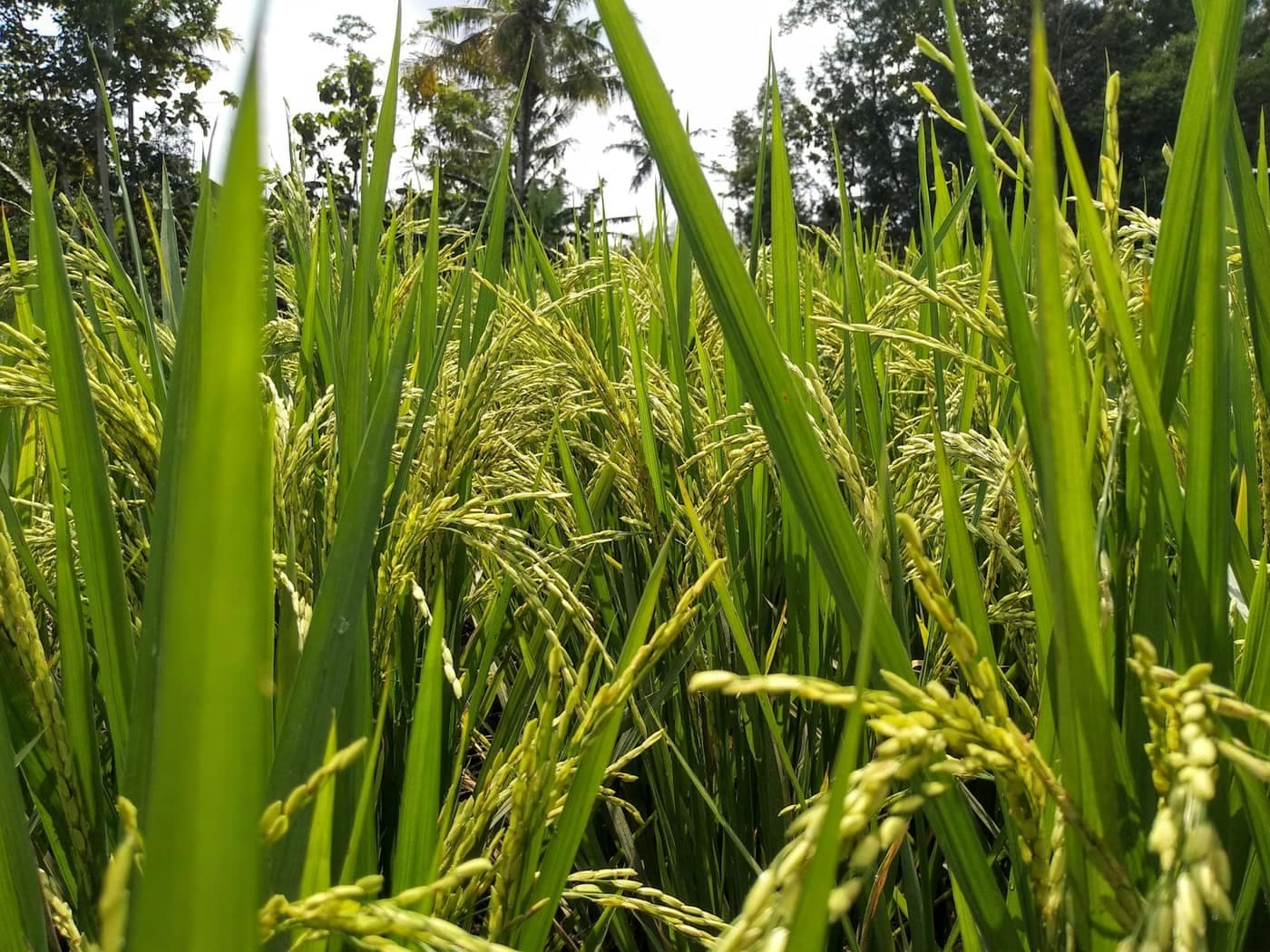
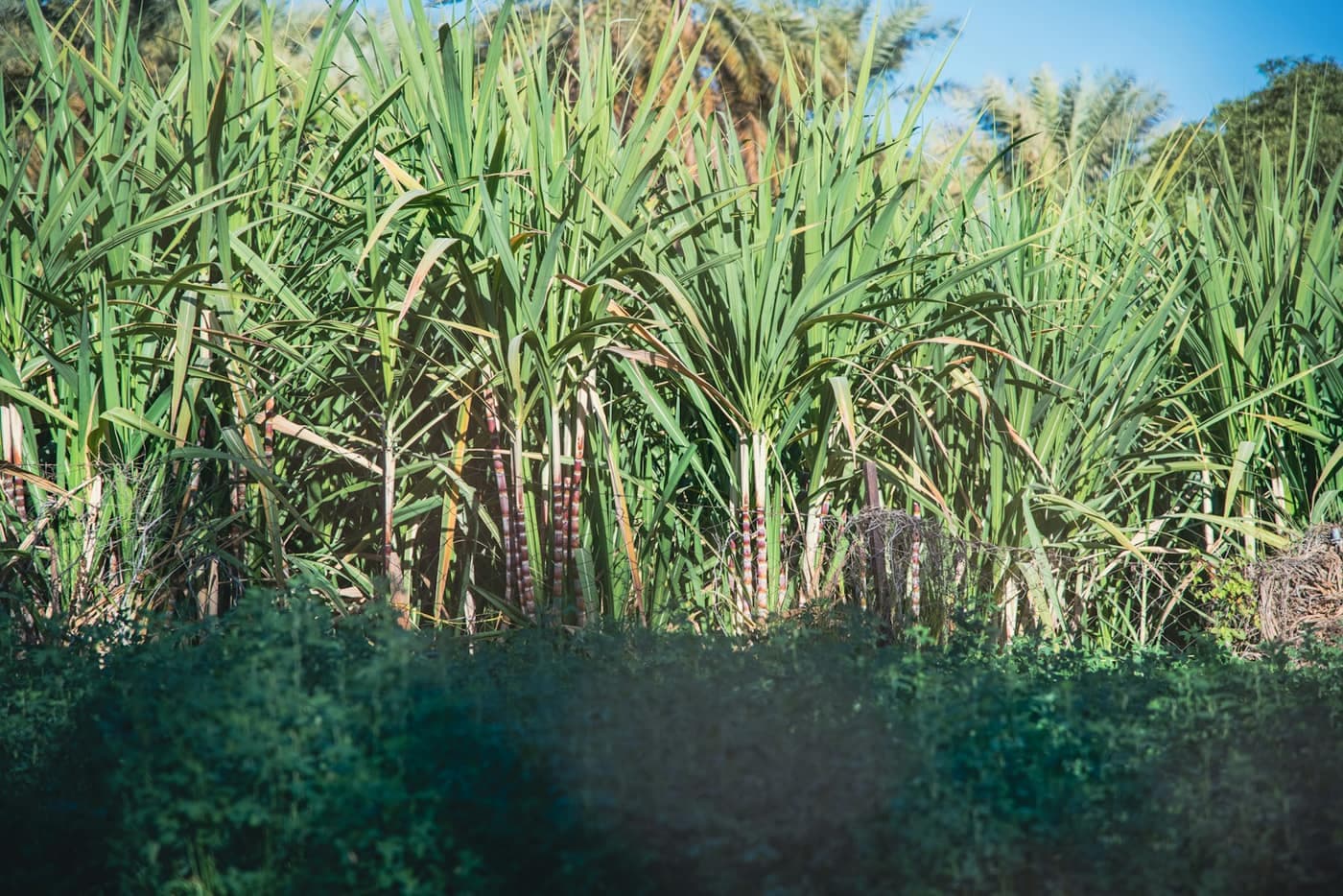
Wheat, paddy and sugarcane on flood or furrow irrigation
6 min read
Updated:
3 August 2026
Compare Techniques
Sun rising over an open cereal field under a clear sky

At a Glance

The quick decision panel — everything you need before reading a single paragraph further.

Difficulty
Medium — one-time levelling job
Investment
Medium — usually hired, not owned
Cost Savings
25–30% less water per irrigation
Yield Improvement
5–10% from even wetting
Water Saving
25–30% per irrigation
Labour Saving
Faster, shorter irrigation turns
Best Season
Before the season starts, every 2–3 years
Suitable Crops
Wheat, paddy, sugarcane
Suitable States
Punjab, Haryana, Uttar Pradesh
Equipment Required
Laser leveller + tractor

Quick Benefits

What actually changes on your farm once this is in place.

  • Water Conservation

    Even grading means no water pools in low spots or fails to reach high ones, cutting use 25–30%.

  • Higher Yield

    Uniform moisture across the field routinely adds 5–10% versus an unlevelled field with dry patches.

  • Better Resource Utilization

    The same irrigation turn wets a bigger effective area in less time.

  • Lower Fuel Consumption

    Shorter pump-running time per irrigation cuts diesel or electricity cost over the season.

  • Reduced Risk

    Removes the waterlogged low spots that drown seedlings and the dry high spots that stunt them.

  • Sustainable Farming

    One of the highest-leverage water-saving investments a farmer using flood or furrow irrigation can make.

How It Works

The practice broken into the steps you will actually follow, in order.

  1. Survey the field with a laser transmitter

    A rotating laser transmitter set at the field's centre projects a level reference plane across the whole plot.

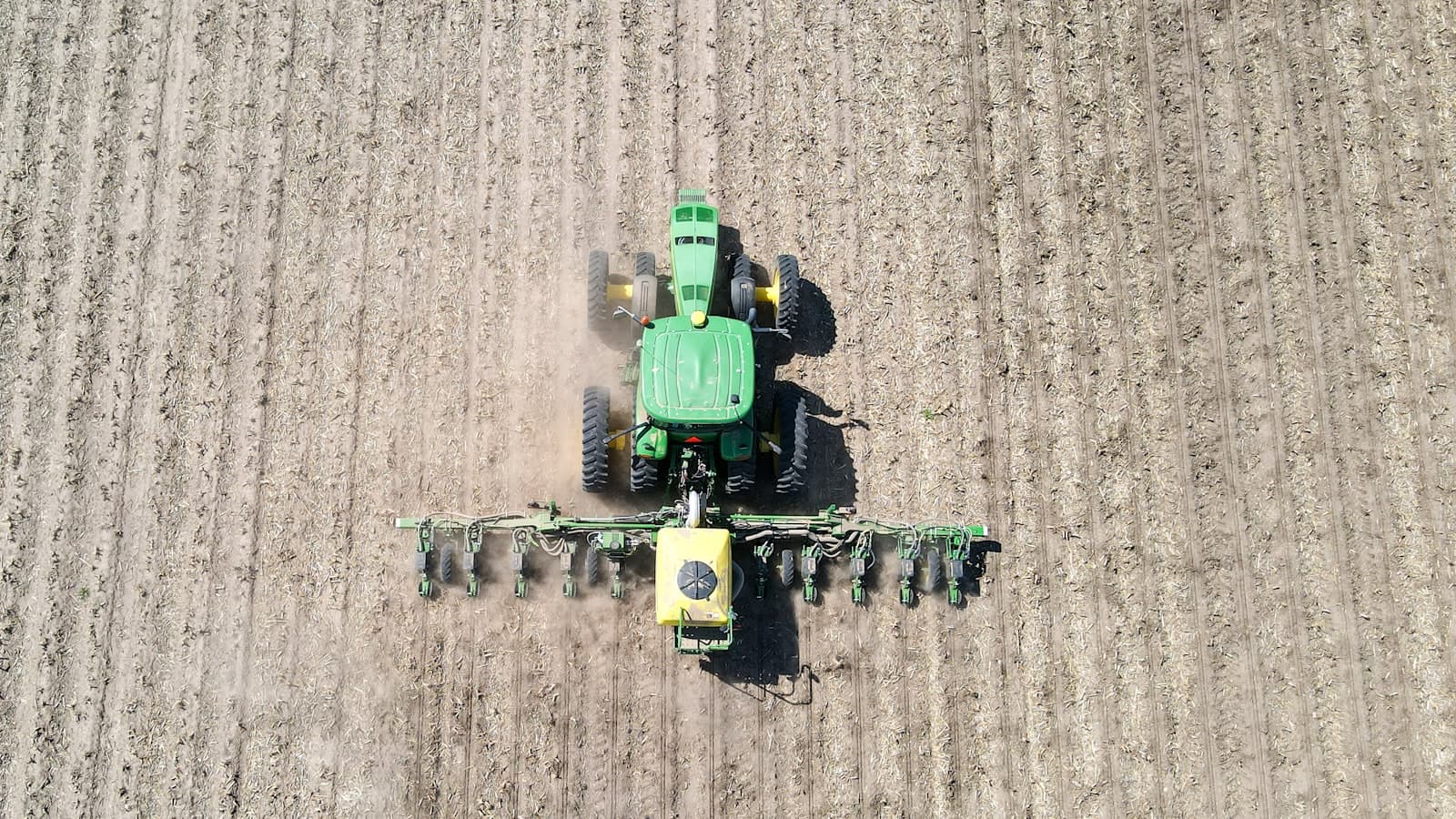
  2. Attach the leveller to a tractor

    A laser-guided scraper bucket reads the transmitter signal and automatically raises or lowers itself.

  3. Level the field in passes

    The scraper cuts high spots and fills low ones automatically as the tractor drives back and forth.

  4. Re-check with the laser receiver

    A final pass confirms the field is within an acceptable grade tolerance before sowing.

  5. Repeat every 2–3 years

    Normal cultivation gradually re-creates minor unevenness, so a light re-level every 2–3 years keeps the benefit.

Should You Use This Technique?

An honest read before you spend a rupee or an hour on it.

Recommended If

  • Your field has visibly uneven topography with low and high patches
  • You irrigate by flood or border method and want to cut water use without switching systems
  • You grow wheat, paddy or sugarcane
  • A Custom Hiring Centre or laser-leveller service is available nearby
  • You have noticed uneven germination or patchy crop growth tied to field topography

Not Recommended If

  • Your field is already reasonably flat and level
  • You irrigate entirely by drip or sprinkler, where field topography matters far less
  • Your plot is very small or oddly fragmented, making the hire cost hard to justify per acre
  • The budget genuinely cannot cover even the hired levelling cost this season
  • The field was professionally levelled within the last 1–2 years

Cost & Profit Analysis

This technique against conventional practice, head to head, per acre.

  • Levelling (one-time, amortised over 3 years)

    Conventional total
    ₹0/ha
    This technique, total
    ₹2,000/ha/year
  • Irrigation (per season)

    Conventional total
    ₹7,500/ha
    This technique, total
    ₹5,300/ha
  • Diesel/electricity for pumping

    Conventional total
    ₹3,200/ha
    This technique, total
    ₹2,300/ha

Conventional total

₹10,700/ha

This technique, total

₹9,600/ha

The levelling cost is a one-time job amortised over 2–3 years; the water and pumping saving alone recovers it well within the first season, before counting the 5–10% yield gain.

Expected Results

What farmers already using this technique typically measure.

  • 5–10%

    Yield Increase

  • 25–30% per irrigation

    Water Saved

  • 20–30% shorter turns

    Irrigation Time Saved

  • Markedly more even

    Germination Uniformity

Suitable Crops

Where this technique earns its keep the fastest.

Suitable States

Where this is already common field practice, not a pilot.

  • Jammu and Kashmir
  • Himachal Pradesh
  • Punjab
  • Uttarakhand
  • Haryana
  • Delhi
  • Uttar Pradesh
  • Rajasthan
  • Bihar
  • Jharkhand
  • West Bengal
  • Sikkim
  • Assam
  • Arunachal Pradesh
  • Meghalaya
  • Nagaland
  • Manipur
  • Mizoram
  • Tripura
  • Gujarat
  • Madhya Pradesh
  • Chhattisgarh
  • Maharashtra
  • Odisha
  • Goa
  • Telangana
  • Andhra Pradesh
  • Karnataka
  • Kerala
  • Tamil Nadu
  • Puducherry
  • Ladakh
  • Chandigarh

Commonly practised here

Equipment Required

What you need to run this — most is available on hire through a Custom Hiring Centre.

Common Mistakes

What goes wrong most often, and the fix, before it costs you a season.

  • Levelling on already-wet or freshly ploughed soil

    Why it happens
    Farmers try to combine levelling with a routine tillage pass to save time.
    Possible impact
    Wet or loose soil does not hold the graded shape, and the field settles unevenly again within one irrigation.
    Fix
    Level on reasonably dry, settled soil, and let the field settle before the first irrigation after levelling.
  • Skipping the survey pass and levelling by eye

    Why it happens
    To save time, the operator estimates high and low spots visually instead of running the laser survey first.
    Possible impact
    The grade ends up close but not accurate enough to fully prevent pooling and dry patches.
    Fix
    Always run the laser survey pass first — this is exactly what separates laser levelling from an ordinary scraper pass.
  • Never re-levelling after the first job

    Why it happens
    Farmers treat levelling as a one-time task, done once and forgotten.
    Possible impact
    Normal cultivation, erosion and settling gradually recreate unevenness over a few seasons, and the water-saving benefit quietly erodes.
    Fix
    Plan a light re-level every 2–3 years to maintain the grade, not just the first time.
  • Levelling a field that is genuinely too large for one pass plan

    Why it happens
    A very large or irregularly shaped field is treated as one flat plane without splitting it into manageable sections.
    Possible impact
    The single-plane assumption fails on genuinely undulating large fields, leaving residual unevenness.
    Fix
    On very large or irregular fields, plan the levelling in sections with the operator, rather than one blanket pass.

Seasonal Timeline

Where this technique sits in the crop cycle, start to harvest.

  1. Land Preparation

    Levelling happens here, before the season starts — the one point in the cycle where it matters.

    This technique matters most here

  2. Sowing

    Standard sowing follows on the now-level field.

  3. Vegetative Stage

    Even irrigation across the field shows up here as uniform crop growth, not patchy stunting.

  4. Flowering

    No special requirement beyond standard crop management once the field is level.

  5. Harvest

    A level field also harvests more evenly, since crop maturity is more uniform across it.

Problems & Solutions

The field issues that come up most, and how to stay ahead of them.

Water still pools in one corner after levelling
Cause
The field's outlet or bund height was not adjusted along with the interior grading.
Fix
Check and correct the field bund and outlet height as part of the same levelling job, not separately.
Prevention
Have the operator survey the full field boundary, not just the cropped interior, before levelling.
Topsoil removed from high spots exposes poorer subsoil
Cause
A field with significant unevenness needs deep cuts at high points, which can strip the fertile topsoil layer there.
Fix
Apply extra organic manure or compost to the cut areas in the first season to rebuild fertility.
Prevention
On fields needing a very deep cut, consider levelling gradually over two seasons rather than one aggressive pass.
Field becomes uneven again faster than expected
Cause
Heavy machinery traffic or erosion-prone soil settles faster than the typical 2–3 year cycle.
Fix
Schedule a re-level sooner if you notice pooling or dry patches returning within a year or two.
Prevention
Track irrigation evenness informally each season so a re-level is planned before the problem becomes visible in yield.
Levelling cost feels high on a small plot
Cause
Hire pricing is often per-acre or per-hour, and a small plot does not benefit from the same economy of scale as a large one.
Fix
Coordinate with neighbouring small-plot farmers to level adjoining fields together in one hire session.
Prevention
Check if a local FPO or Custom Hiring Centre offers a pooled small-plot rate before booking individually.

Economics

The numbers that decide whether this pays for itself, and how soon.

  • Initial Investment

    ₹4,000–₹6,000/ha (hired) or ₹4–6 lakh (owned leveller)

  • Additional Income

    ₹3,000–₹5,000/ha from the yield gain

  • Estimated Savings

    ₹2,200/ha per season on water and pumping

  • ROI

    50–80% in the first season alone

  • Payback Period

    1 season (hired) / 3–4 seasons (owned, on 15+ ha)

Government Support

The schemes that fund the machinery and inputs behind this technique.

Related Farming Tools

Run the real numbers on your own field with these calculators.

Frequently Asked Questions

What is laser land levelling?

Laser land levelling grades a field to a precise, even plane using a laser transmitter for the reference level and a tractor-mounted scraper bucket that automatically cuts high spots and fills low ones, so every later irrigation wets the field evenly.

How much water does laser levelling save?

Typically 25–30% less water per irrigation compared to an unlevelled field, because water no longer pools in low spots while high spots go under-watered.

Do I need to own a laser leveller?

Most farmers do not — it is a one-time or once-every-few-years job, so hiring through a Custom Hiring Centre is far more economical than buying a ₹4–6 lakh machine outright.

How often does a field need re-levelling?

Roughly every 2–3 years, since normal cultivation, erosion and settling gradually recreate minor unevenness even after a good initial job.

Does laser levelling increase yield?

Yes, typically 5–10%, mainly from more uniform germination and growth across the field once water reaches every part of it evenly.

Is laser levelling worth it for a small plot?

The per-acre hire cost is higher on a small plot, but coordinating with neighbouring farmers to level adjoining fields in one session usually brings the cost down to where it is still worthwhile.

Does laser levelling matter if I use drip irrigation?

Much less — field topography matters far more for flood and furrow irrigation than for drip, where water is delivered directly to each plant regardless of small elevation differences.

What crops benefit most from laser levelling?

Wheat, paddy and sugarcane, grown under flood or border irrigation, see the clearest benefit — these are exactly the crops and irrigation methods where uneven water distribution costs the most.

Still deciding?

The FAQs above cover the common questions. For a choice tuned to your exact soil, crop and holding size, your nearest Krishi Vigyan Kendra is the authoritative next step.