
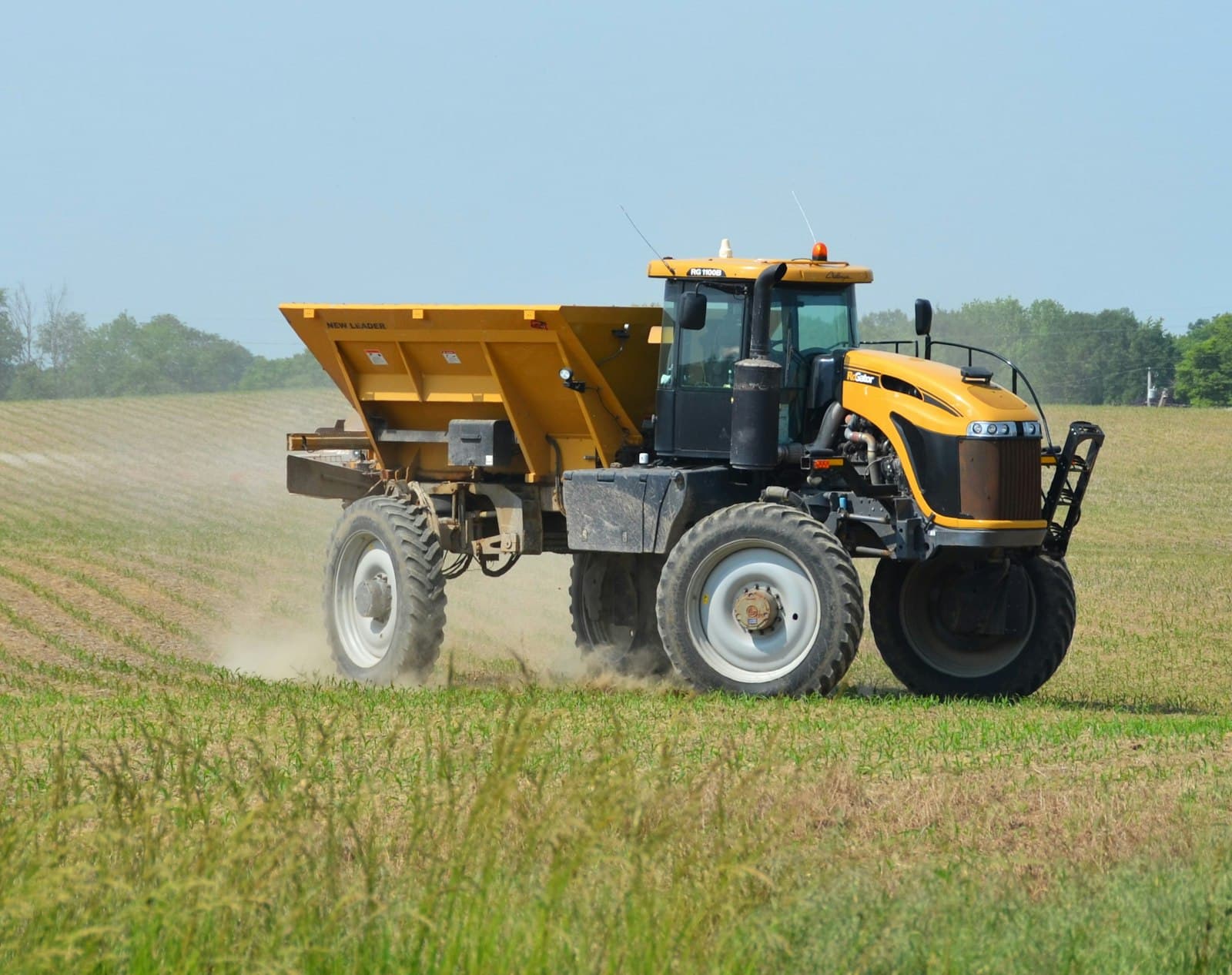
Fertiliser Timing: Why Rules Differ
Nitrogen leaches, phosphorus barely moves, potash sits between the two - why one timing rule can never fit all nutrients equally.
Vaibhav Dhama2 min readEnter your crop, area and soil test values. Get the exact fertiliser bags to buy, the nitrogen split by growth stage, and the cost at subsidised rates.
The plan above is three nutrient figures turned into a shopping list. Here is what each part of it means, in plain terms, before you go to the shop.
Nitrogen is what puts out leaves, tillers and deep green colour. The crop needs more of it than anything else, and it is also the one nutrient that escapes — into the air as gas, or past the roots with irrigation water. That is why it is the only one the plan splits across the season.
Phosphorus drives root growth, early establishment and grain filling. It barely moves in the soil, so it has to be placed once, near the seed, at sowing. Broadcasting it on top of a standing crop later achieves very little.
Potash controls how the plant handles water. It is what keeps the crop upright in wind, filling grain in heat, and shrugging off disease. It is the easiest one to skip because there is no obvious symptom — until the crop lodges.
Tick the soil-test box and the calculator fertilises the gap — the recommended dose minus what your soil already supplies — instead of the full book dose. On a field that has had farmyard manure for years, that gap can be a lot smaller, and the difference is money.
The plan is not a menu — the order the calculator works in is what keeps you from over-buying.
A fertiliser bag is mostly not nutrient. These are the grades printed on the sack — and the same percentages the calculator divides by to turn your requirement into bags.
One 45 kg bag supplies 20.7 kg Nitrogen (N)
One 50 kg bag supplies 9 kg Nitrogen (N) + 23 kg Phosphorus (P₂O₅)
One 50 kg bag supplies 30 kg Potash (K₂O)
DAP is the only bag here that carries two nutrients — which is exactly why its nitrogen has to be subtracted before your urea is sized.
Buying the right quantity is half the job. These five habits decide how much of it the crop actually gets.
Broadcast the urea and follow it with a light irrigation, or apply onto soil that is already moist. The water carries the nitrogen down into the root zone before it can leave as gas.
On a hot, dry, windy day a surface dose can lose 30–40% of its nitrogen within two or three days. That nitrogen is not delayed, it is gone. Wait for moisture instead.
The crop takes nitrogen up as it grows, not all at sowing. Follow the split schedule the calculator prints for your crop — it is matched to the stages when the plant can actually use it.
Urea and MOP pull moisture straight out of the air and set into a rock. Stack bags on a wooden pallet away from the wall, keep them covered, and open only what you will spread that day.
The doses here are general package-of-practice figures for an average irrigated field. A card from your own soil is free and beats every general recommendation — including ours.
Every one of these is common, expensive, and easy to avoid once you have seen it written down.
A seedling cannot use a full season of nitrogen. Most of it leaches past the roots with the first irrigations, and by the tillering stage — when the crop actually wants it — there is nothing left.
Do this instead: Follow the stage-wise urea split shown with your result.
Beyond the recommended dose, nitrogen buys leaf rather than grain. The crop grows soft and dark, lodges in the first strong wind, and attracts more sucking pests and disease.
Do this instead: Stop at the recommended figure — an overdose costs you twice, at the shop and at harvest.
Without a test you are fertilising a guess. Many fields are already high in phosphorus and potash after years of DAP, so part of what you buy is a nutrient the soil had all along.
Do this instead: Get the free Soil Health Card, then tick the soil-test box above.
A downpour onto freshly spread fertiliser washes it off the surface and pushes the rest below the root zone. The nutrient ends up in the drain and in the groundwater.
Do this instead: Check the forecast first. Apply after the rain has passed, into moist soil.
Urea stored mixed with lime, CAN or single superphosphate goes sticky and loses nitrogen as ammonia gas. Some combinations are fine to spread together but must never be stored together.
Do this instead: Mix only what you will spread the same day, and keep urea away from lime-based products in storage.
The questions farmers ask most about working out a fertiliser dose.
Start with the recommended N-P-K dose for your crop in kg per hectare, scale it to your actual field size, then divide each nutrient by the percentage the fertiliser carries. Phosphorus is met first with DAP, the nitrogen that the DAP brings with it is subtracted, urea covers the rest, and MOP covers potash. That is exactly the sequence the calculator above runs — enter your crop and area and it does the arithmetic for you.
It means 120 kg of nitrogen, 60 kg of phosphorus (as P₂O₅) and 40 kg of potash (as K₂O) per hectare. Those are nutrients, not bags. Because no fertiliser is pure nutrient, the weight of product you buy is always much higher than those three numbers.
Because DAP is not only a phosphorus fertiliser — it carries nitrogen too. Once the DAP has been sized to meet your phosphorus requirement, the nitrogen it brings with it is credited against the nitrogen requirement, and urea only has to cover the remainder. A plan that ignores this over-applies nitrogen by roughly 20%.
Urea is 46% nitrogen, so a 45 kg bag carries about 20.7 kg of actual nitrogen. This is why the bag count is always far higher than the nutrient figure — you are buying roughly two kilos of product for every one kilo of nitrogen.
It is a free government report on your own field: available nitrogen, phosphorus, potash, organic carbon, pH and micronutrients, with a fertiliser recommendation based on them. Samples are collected through your block agriculture office or the nearest soil testing laboratory. Once you have the card, tick the soil-test box in the calculator and enter its values — the plan then fertilises only the shortfall.
Yes, and on many farms it is more convenient. The arithmetic is the same: read the grade on the bag, work out what each nutrient it supplies, and top up whatever is short. A complex rarely matches your crop ratio exactly, so most plans still finish with some straight urea for the nitrogen splits — and a complex is usually the costlier route per kilo of nutrient.
It depends entirely on the crop, since the phosphorus recommendation ranges from about 20 to 100 kg per hectare across the crops in this calculator. There is no single per-acre answer worth quoting. Select your crop, set the area unit to acre, and the calculator prints the bag count for your field.
Apply onto moist soil and follow with a light irrigation, or spread it immediately before a light watering. What ruins a dose is broadcasting onto dry soil and leaving it there — on a hot, dry, windy day a large share of the nitrogen volatilises as ammonia within two or three days.
Yes. Phosphorus and potash move very little in the soil, so both go in as a basal dose at sowing or transplanting, placed near the seed rather than scattered on top. Only nitrogen needs splitting across the season, which is why the schedule above splits urea alone.
The calculator costs your plan at the notified subsidised rates, listed under the result. Urea sells at a controlled MRP nationwide, but phosphatic and potassic fertilisers are decontrolled, so the retail price can move with company, batch and freight. Treat the total as a close estimate for planning, not a quotation — and always insist on a printed receipt.
The arithmetic is exact and is checked automatically against hand-computed figures on every build. What is general is the starting dose — these are ICAR and state agricultural university package-of-practice recommendations for irrigated conditions. Your soil, your variety and your target yield can all shift the right answer, which is why a Soil Health Card recommendation always beats a book figure.
Over time, yes — but not one bag for one bag. A single 45 kg bag of urea carries about 20.7 kg of nitrogen; matching that from farmyard manure takes tonnes, released slowly by soil microbes rather than all at once. Most farms move gradually, replacing part of the dose with compost, oil cakes, green manure and biofertilisers while building organic carbon over two or three seasons.
Longer reads on fertiliser use and crop nutrition, with the rates and timings worked out.
Nitrogen leaches, phosphorus barely moves, potash sits between the two - why one timing rule can never fit all nutrients equally.
Vaibhav Dhama2 min read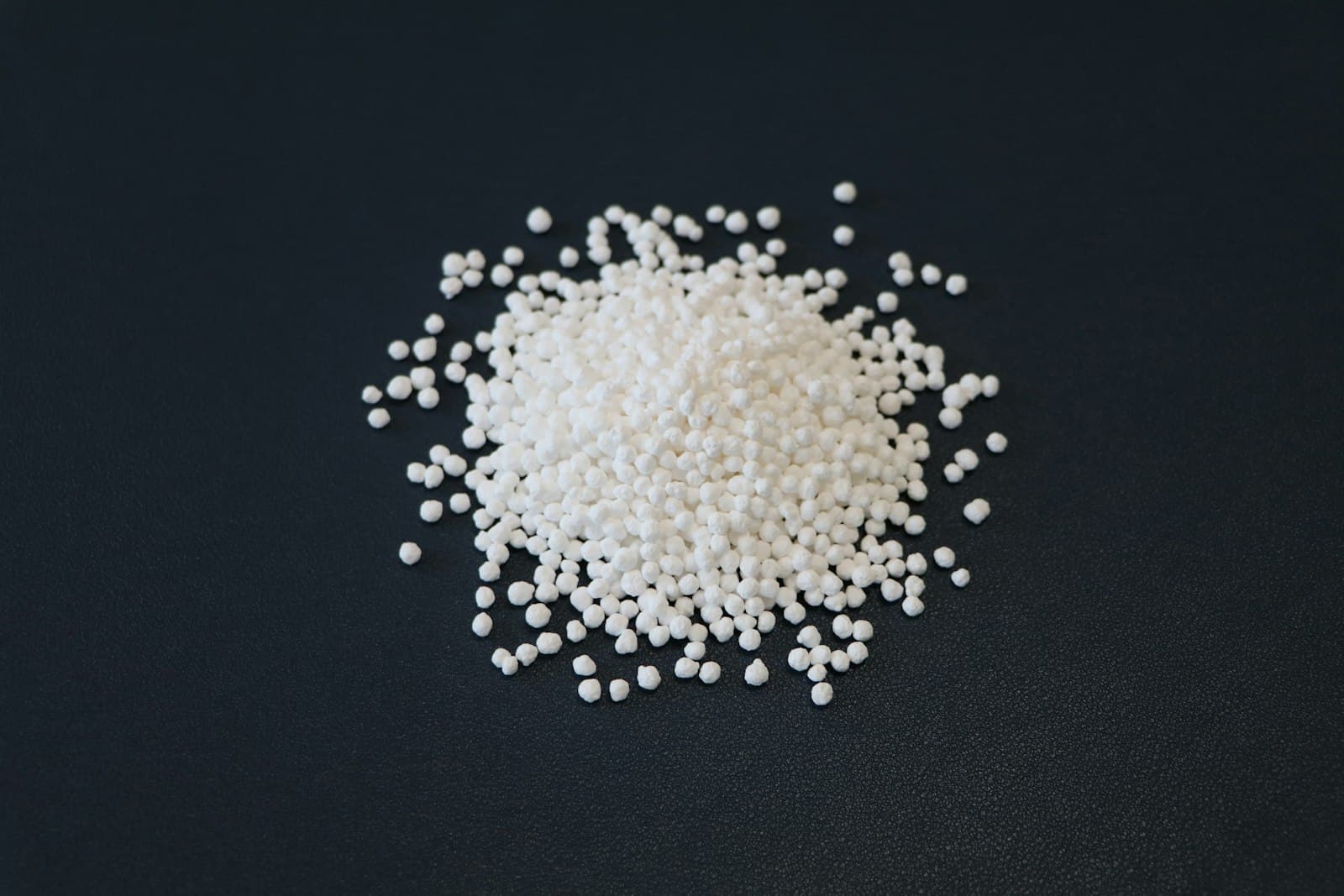
Broadcast urea on dry soil and 30-40% of the nitrogen is gone within days. Splitting the dose on moist soil is the cheapest yield gain there is.
Vaibhav Dhama4 min read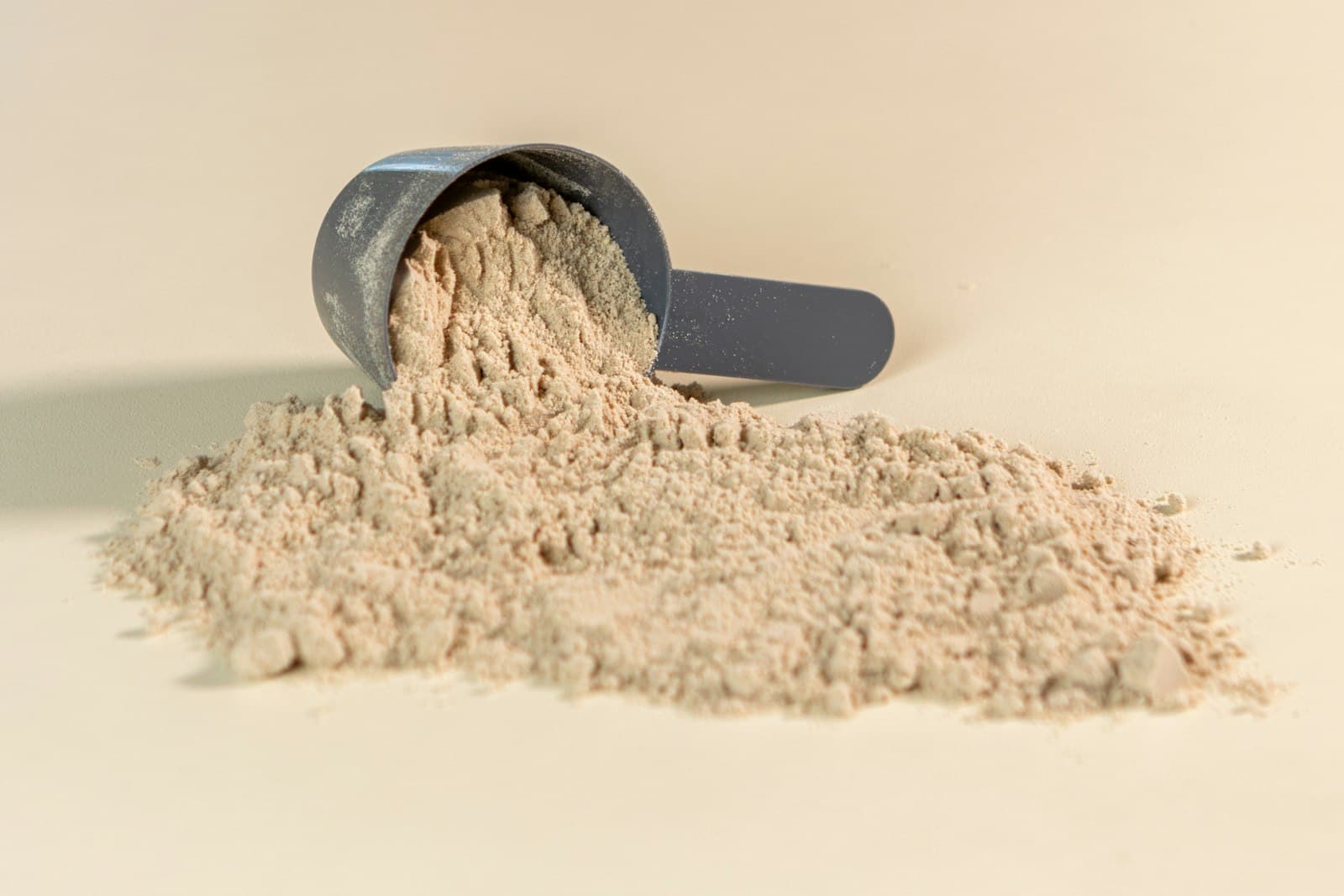
Crushed, steamed bone gives a slow-release organic phosphorus and calcium, best for fruit, flower and root crops. How to apply it.
Vaibhav Dhama2 min read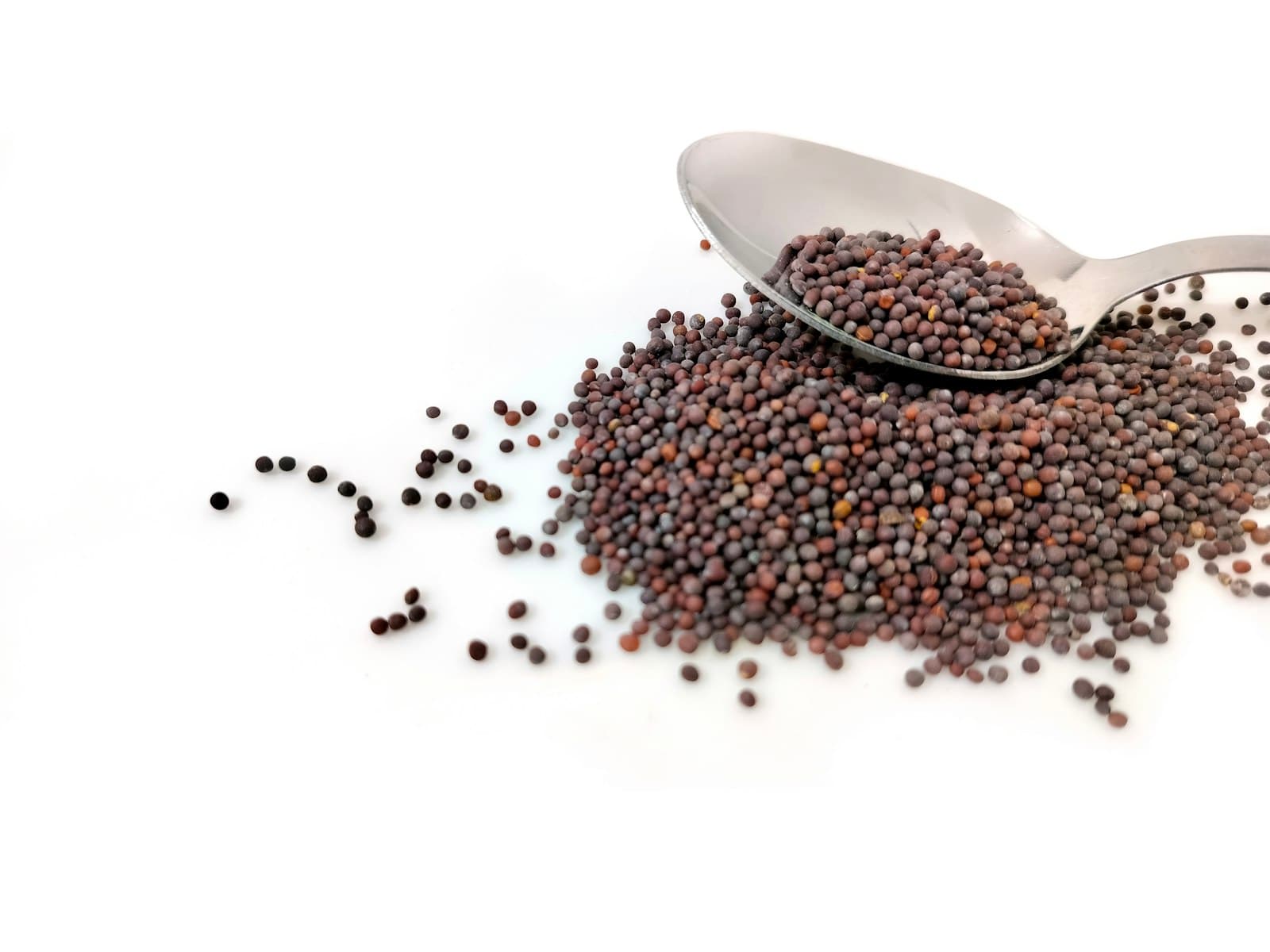
The residue left after pressing mustard oil is a fast-acting nitrogen source for vegetables. How to apply it dry or ferment it as foliar feed.
Vaibhav Dhama2 min read
NADEP makes large volumes of compost from crop residue and little dung, in a brick tank with air holes. How it's built, layered and filled.
Vaibhav Dhama2 min read
What's left after pressing neem oil feeds crops slowly and suppresses root-knot nematodes. How much to use, when, and why it works twice over.
Vaibhav Dhama2 min read