
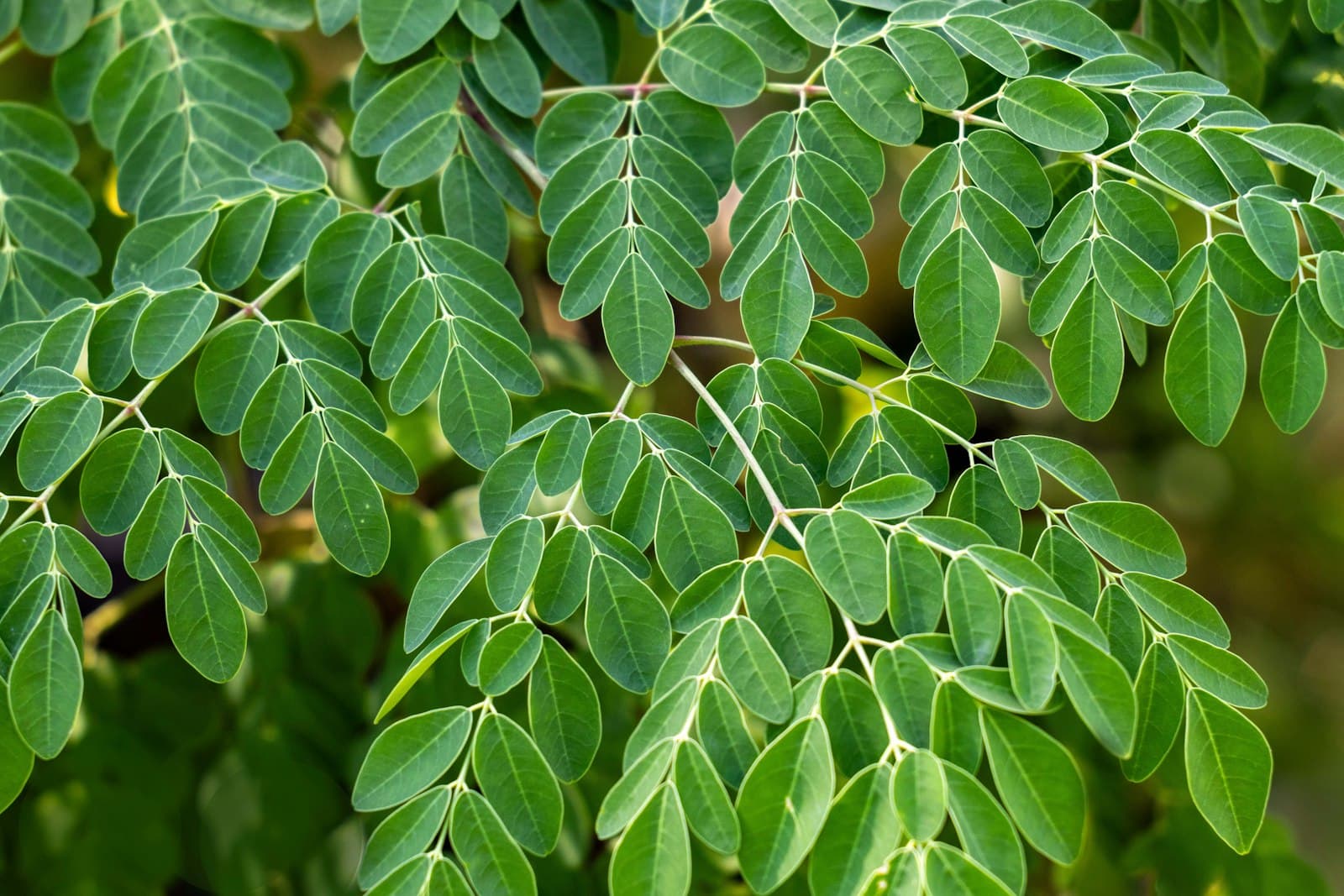
Moringa Powder Production: From Leaves to Market
How to turn moringa leaves into export-grade powder: the right harvest stage, shade-drying, grinding, and where the leaf-powder market actually pays.
Vaibhav Dhama6 min readPick a crop and see its whole season in calendar time — which month to irrigate, top-dress and scout, and when it comes off the field.
Every field crop moves through the same broad stages, whatever the crop and whichever month it starts in. Here is the whole lifecycle in one place before the calendar above breaks it into your crop’s actual weeks.
Ploughing, levelling and working in the last crop’s residue or farmyard manure so the seedbed is fine, weed-free and holds moisture evenly.
Seed (or seedlings, for transplanted crops) goes into the ground at the right depth and spacing, inside the crop’s ideal sowing window.
The plant builds leaves, stems and roots. Growth here decides how much structure the crop has to support grain, fibre or fruit later.
Cereals throw out extra tillers, and other crops put out side branches — this is what fixes how many earheads or fruiting points the field will carry.
The single most weather-sensitive stage. Heat, cold, drought or waterlogging here can cut the final yield more than at any other point in the season.
Pollinated flowers fill out into grain, pod or fruit. Water and nutrient supply now decides size and weight, not just count.
The crop is cut, picked or dug at physiological maturity — not before, and not so late that shattering, lodging or quality loss sets in.
A mistake made at most points in the season costs a little yield. A mistake made at one of these four costs a lot — they are the stages worth clearing your calendar for.
General practice that holds across regions — use it alongside your local package of practices, not in place of it.
Prioritise water at the crop’s critical stages — active growth, flowering and grain filling — over routine mid-season watering. A skipped irrigation at flowering costs more than one skipped anywhere else.
Match nitrogen to the stage the plant can use it — split doses at sowing, active growth and, for many crops, again near flowering — rather than applying it all at once.
The first 30–45 days after sowing are when weeds do the most damage, competing directly for the light and nutrients a young crop needs. Control started here pays back far more than a late clean-up.
Walk the field on a fixed schedule rather than only when damage is visible. Early scouting catches a pest at the stage where a small, targeted step still works.
Humid, overcast spells after irrigation or rain are when fungal disease spreads fastest. A field walk right after such weather catches an outbreak before it spreads.
Line up labour, machinery and storage space before the crop is ready, not after. A harvest delayed by a week for lack of arrangement can cost more than the whole season’s care.
A crop calendar shows the standard timing for a crop — the season it actually has in the ground can shift around it. This is how the common weather disruptions change the picture.
A late monsoon or a late-clearing previous crop pushes sowing back. Every stage after it shifts by roughly the same number of days — including the harvest window — not just the sowing date.
Waterlogging during vegetative growth starves roots of oxygen and can wash out recently applied nitrogen. Ensure field drainage is clear before a forecast heavy spell, not after standing water appears.
A temperature spike during flowering is the single most damaging weather event in the calendar — it can sterilise pollen and abort flowers with no visible symptom until the head or pod is opened.
A frost or prolonged cold spell during flowering or early grain fill damages tissue directly, and slows growth enough at other stages to push the whole calendar later.
A dry spell at any stage costs yield, but one landing during flowering or grain filling — when the crop cannot skip water — costs the most. Prioritise irrigation to these windows first if supply is short.
Rain on a mature, standing crop causes shattering, lodging and grain sprouting in the head — and can also delay the harvest machinery or labour from reaching the field. Watch the forecast closely from maturity onward and bring the harvest forward where it is safe to do so.
Treat every date on the calendar above as a planning anchor, not a fixed instruction. Actual field operations should move with the season the weather is actually giving you.
Every one of these recurs across crops and regions — and every one is avoidable once it is written down.
Sowing outside the ideal window pushes flowering into a hotter or colder spell than the crop is bred to handle, and shrinks the yield ceiling before the season has properly started.
Do this instead: Treat the sowing window on the calendar as a deadline, not a suggestion — finish land preparation early enough to hit it.
Skipping water at active growth, flowering or grain filling to save it for a routine stage costs far more yield than it saves in water.
Do this instead: Bank available water for the calendar’s flagged critical-irrigation windows first, and stretch routine watering around them.
A full nitrogen dose at sowing is mostly gone — leached or volatilised — by the time the plant reaches the stage that actually needs it.
Do this instead: Split nitrogen across sowing, active growth and flowering, following the stage-wise schedule for your crop.
Weeds left uncontrolled through the first 30–45 days take light, water and nutrients directly from the young crop, and the yield lost in that window cannot be recovered by a late clean-up.
Do this instead: Control weeds in the first 4–6 weeks after sowing, before the crop canopy has even closed.
Waiting for visible damage means the pest population is already large enough that only a heavier, more expensive intervention will work.
Do this instead: Walk the field on a fixed schedule through the season, not only when something looks wrong.
A crop left standing past physiological maturity is exposed to shattering, lodging, weather damage and quality loss for no gain — it is not still adding yield.
Do this instead: Harvest at maturity as arranged, and have labour, machinery and storage lined up in advance so nothing holds it up.
A season-long checklist you can print or save and tick off as each stage is done.
The questions farmers ask most about reading and using a crop calendar.
Each crop’s operations — sowing, irrigation, top-dressing, weeding, pest scouting and harvest — are anchored to its ideal sowing window and laid out as days from sowing, based on standard package-of-practice timings for that crop. The tool then places every operation on the actual calendar starting from that sowing window, so you see the month and approximate date for each one.
Yes. Sowing windows, and everything anchored to them, shift by two to four weeks between agro-climatic zones — the same crop is often sown a month apart in the north and the south. This calendar shows the standard national window for the crop; your state agriculture department’s advisory is the more precise source for your own district.
Every later stage shifts back by roughly the same number of days sowing was delayed — not just the harvest date but flowering, irrigation timing and the whole calendar with it. A significant delay can also push flowering into a hotter or colder period than the crop is suited to, which is a bigger risk than the delay itself.
At most points in the season, a missed operation costs a manageable share of yield. At sowing/germination, tillering, flowering and grain filling, the plant is fixing something — stand density, tiller number, grain count, grain weight — that cannot be corrected afterwards. That is what makes these four stages worth extra attention.
A weekly walk-through is a reasonable baseline for most field crops, moving to every 2–3 days around flowering and whenever humid, overcast weather follows rain or irrigation — the conditions fungal disease and many pests spread fastest in.
Yes — more than any other single factor. Delayed monsoon onset, heavy rain, heat waves, cold spells and drought can each shift sowing, stretch or compress a growth stage, or force the harvest date earlier or later than the calendar’s standard timing.
It reflects the typical duration and staging for the crop as a whole. Short-duration and long-duration varieties of the same crop can differ by two to three weeks in total duration, so treat the calendar as the standard pattern and adjust the day count to your variety’s known duration.
The day-from-sowing timings are standard package-of-practice figures, and the arithmetic that places them on the calendar is exact and checked on every build. What can vary is the sowing date itself — which depends on your local season — and any variety, soil or weather difference on your specific field.
As a basal dose at sowing (mainly phosphorus and potash, which move little in the soil), then nitrogen split across active vegetative growth and, for most crops, again near flowering — matching the stages the plant can actually use it, rather than one full dose upfront.
The crop does not need water equally at every stage. Active growth, flowering and grain filling are the windows where a shortage costs the most yield, so available water should go to these first when supply is limited, ahead of routine mid-season watering.
The stage timings — sowing window, tillering, flowering, grain filling, harvest — apply the same way regardless of input source. Only the specific inputs at each stage change: compost or biofertiliser in place of urea and DAP, and botanical or biological pest control in place of chemical sprays.
Start from your own district’s actual sowing date rather than the calendar’s standard window, keep the same day-count gaps between operations, and shift the whole sequence forward or back by however many days your sowing differed from the standard window.
Longer reads on cultivation, irrigation, fertiliser scheduling, pest and disease management, and harvest and storage.
How to turn moringa leaves into export-grade powder: the right harvest stage, shade-drying, grinding, and where the leaf-powder market actually pays.
Vaibhav Dhama6 min read
One of the oldest GSM motor controllers in India - call your pump on or off from anywhere. What it does, its price, and what to check.
Vaibhav Dhama4 min read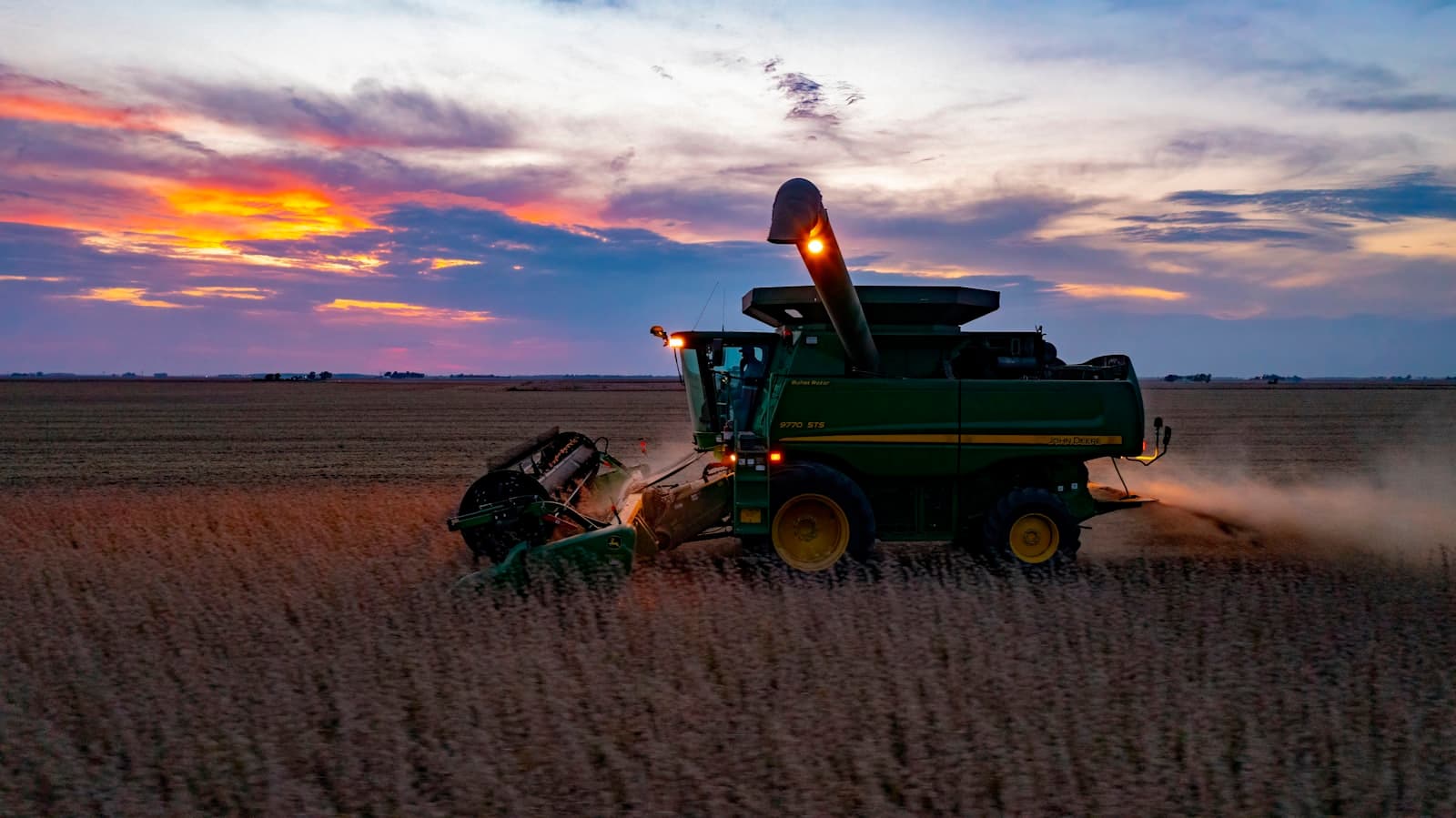
Harvest too early and grain never fills; too late and it shatters or lodges. The narrow window that decides if the season pays off.
Vaibhav Dhama2 min read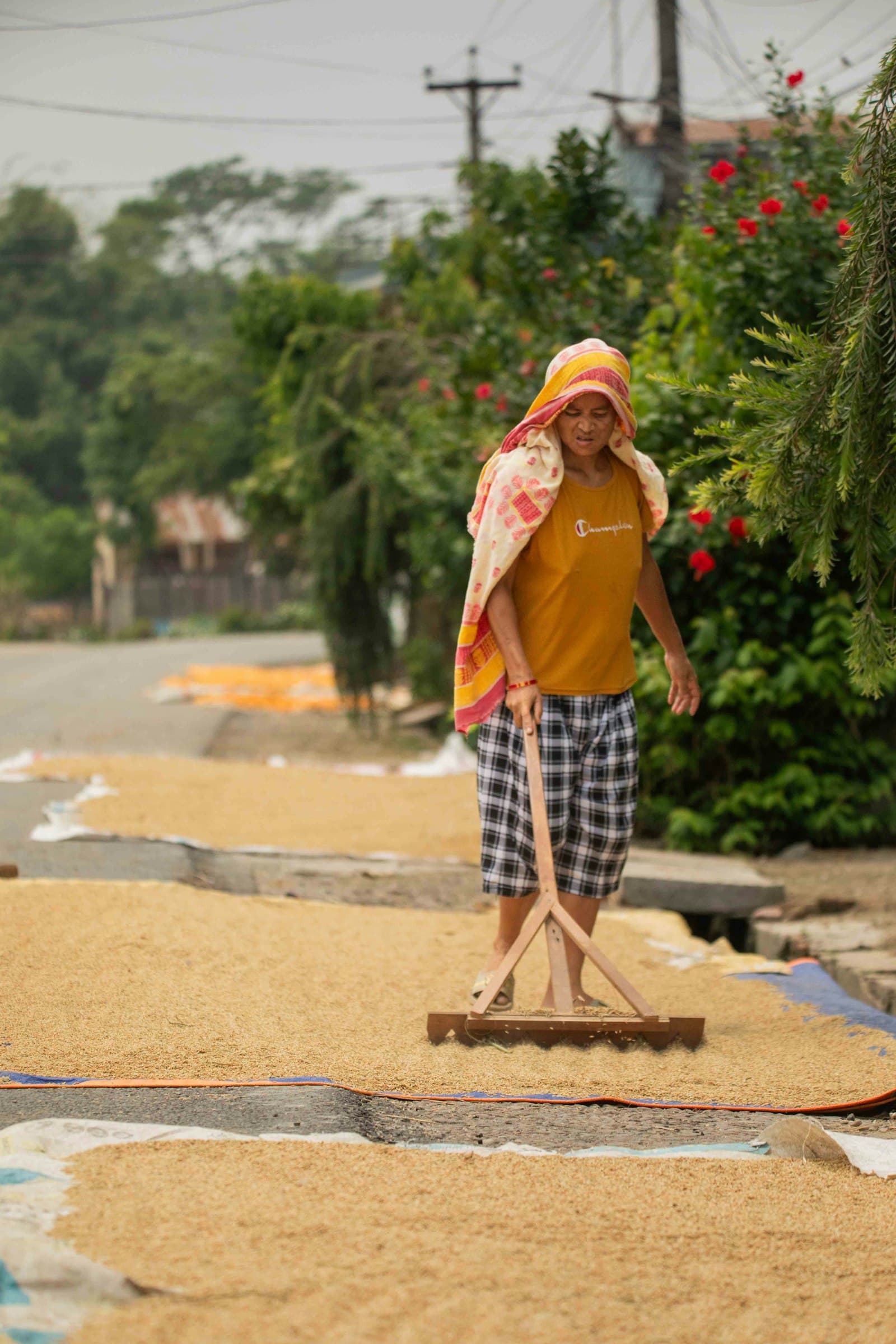
Grain stored too damp, uncleaned or on bare ground is already partway to spoiled. Most storage loss is decided in the first week after harvest.
Vaibhav Dhama2 min read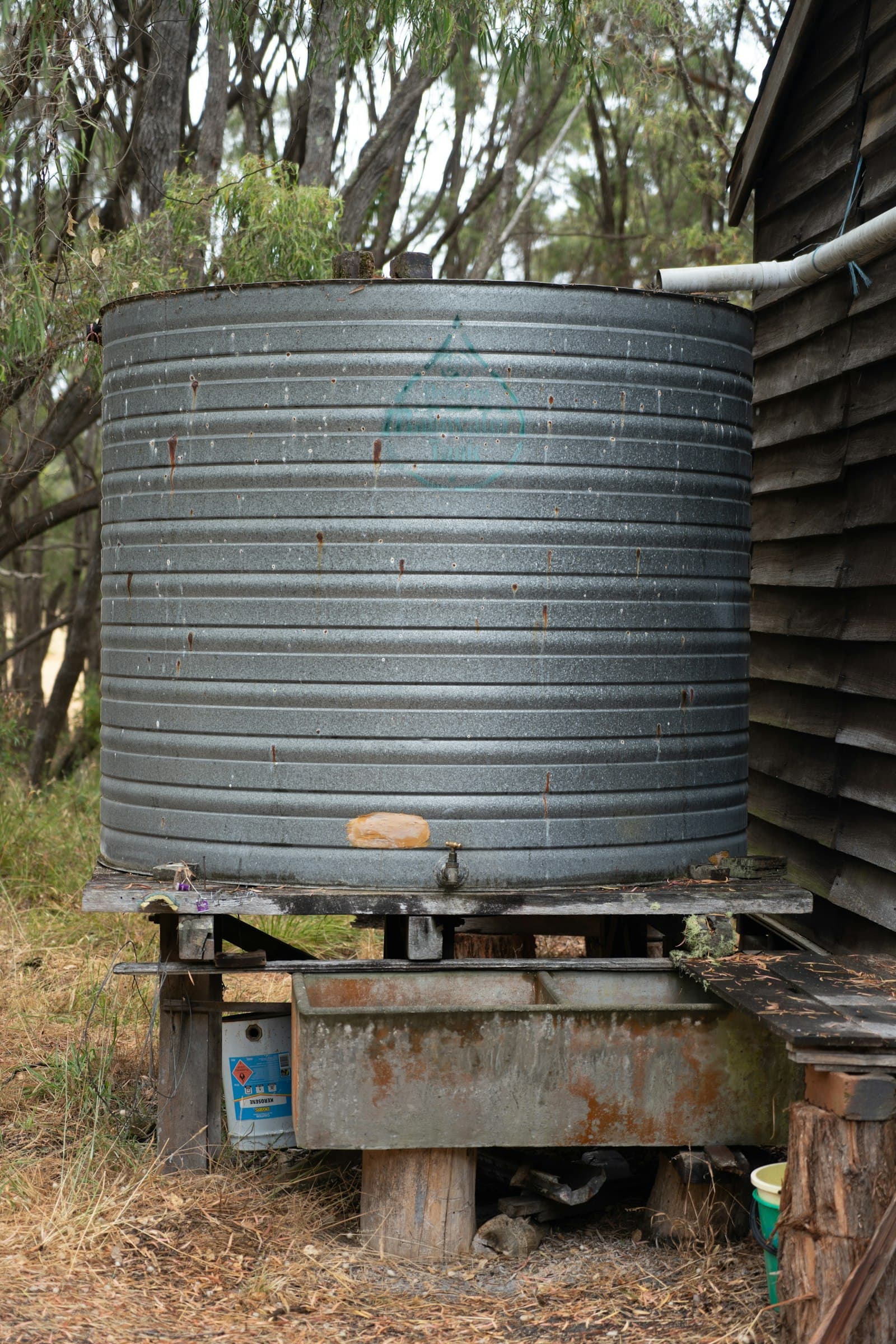
Most farms already get enough rain to cut irrigation costs sharply - it's simply not captured. A farm pond, bunding and mulching fix that.
Vaibhav Dhama2 min read
A beneficial fungus that colonises roots and out-competes soil disease - used as seed treatment, soil application, or root dip. The one mistake.
Vaibhav Dhama2 min read