
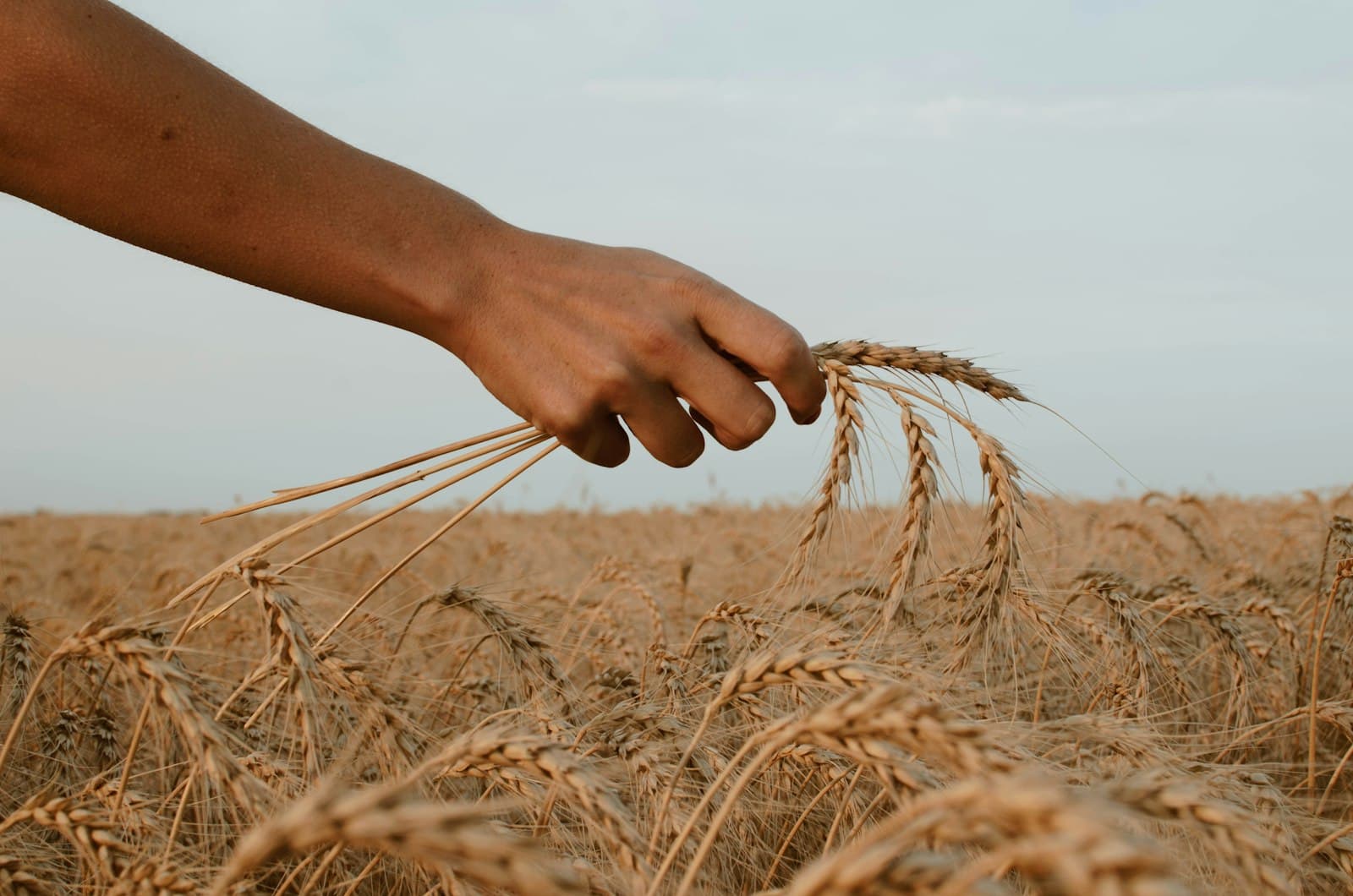
Improve Wheat Profitability: What Matters
Two wheat farmers with identical land and MSP can still end with very different profit - decided by sowing date, nitrogen and irrigation timing.
Vaibhav Dhama3 min readPick your state and month, and see every registry crop marked sowable now or not, with its ideal window and the wait if it's not time yet.
The tool checks one thing per crop — is this month inside its ideal sowing window, for your state — and marks it accordingly. A few things worth knowing about what that verdict does and does not cover.
A crop marked sowable this month can usually still be sown across the rest of that window without a real yield penalty. Sowing right at the edge of it, or after it closes, is what starts costing you.
A crop missing your state from its list is one our registry does not yet document there, not necessarily one that cannot be grown there. Your nearest Krishi Vigyan Kendra has the final word on your own soil and district.
Every registry crop gets a verdict here, whether or not it has a notified MSP. If you want candidates ranked by expected net return per acre instead, the homepage’s crop planner and the Crop Profit Calculator do that job.
A crop marked “Wait” shows the month its next window opens — for a crop sown twice a year, like moong or groundnut, that is whichever of its two windows comes first from where you are standing.
What farmers ask before acting on a sow-now list.
Two checks: your state is on the crop’s documented suitable-states list (or you picked “Anywhere in India”), and the month you picked falls inside the crop’s ideal sowing window. Both have to pass for the “Sow now” mark.
No — it only checks calendar timing. A crop shows up here as sowable whether or not it has a notified floor price. For a shortlist ranked by expected net return per acre, use the crop planner on the homepage or the Crop Profit Calculator.
The suitable-states list on each crop guide is what our registry currently documents for that crop, not an exhaustive list of every district it can technically grow in. If a crop you grow locally is missing, that is a gap in our data, not a claim that it will not work.
Yes, by two to four weeks in either direction between agro-climatic zones — the same crop is often sown a month apart in the north and the south of the same state. Treat the window shown as the standard national range and confirm the local date with your state agriculture department or Krishi Vigyan Kendra.
Crops like moong, groundnut or sesame have both a kharif and a summer sowing window. “Next window” always shows whichever of the crop’s windows is closer from the month you have selected, not a fixed one.
Yes — all 11 perennial and plantation crops in the registry (banana, mango, guava, lemon, papaya, pomegranate, grapes, orange, coconut, tea and coffee) are included. For these, “sowable now” means the window to plant a new orchard or plantation, not a yearly resow — an established tree crop is not replanted every season the way wheat or paddy is.
Yes. This list reads the sowing months straight out of each crop guide’s own sowing-time text — there is no separate table for this tool to fall behind. Adding a crop to the registry is what makes it show up here.
Longer reads on sowing, seed rate, crop selection and the season ahead.
Two wheat farmers with identical land and MSP can still end with very different profit - decided by sowing date, nitrogen and irrigation timing.
Vaibhav Dhama3 min read
MSP is announced for 23 crops each season, but real procurement is mostly wheat and paddy in a few states. How the price is set, and how to sell.
Vaibhav Dhama3 min read
Sowing date is the single biggest lever on wheat yield in North India - bigger than variety or fertiliser. What late sowing costs you.
Vaibhav Dhama4 min read