Improve Wheat Profitability: What Matters
Two wheat farmers with identical land and MSP can still end with very different profit - decided by sowing date, nitrogen and irrigation timing.
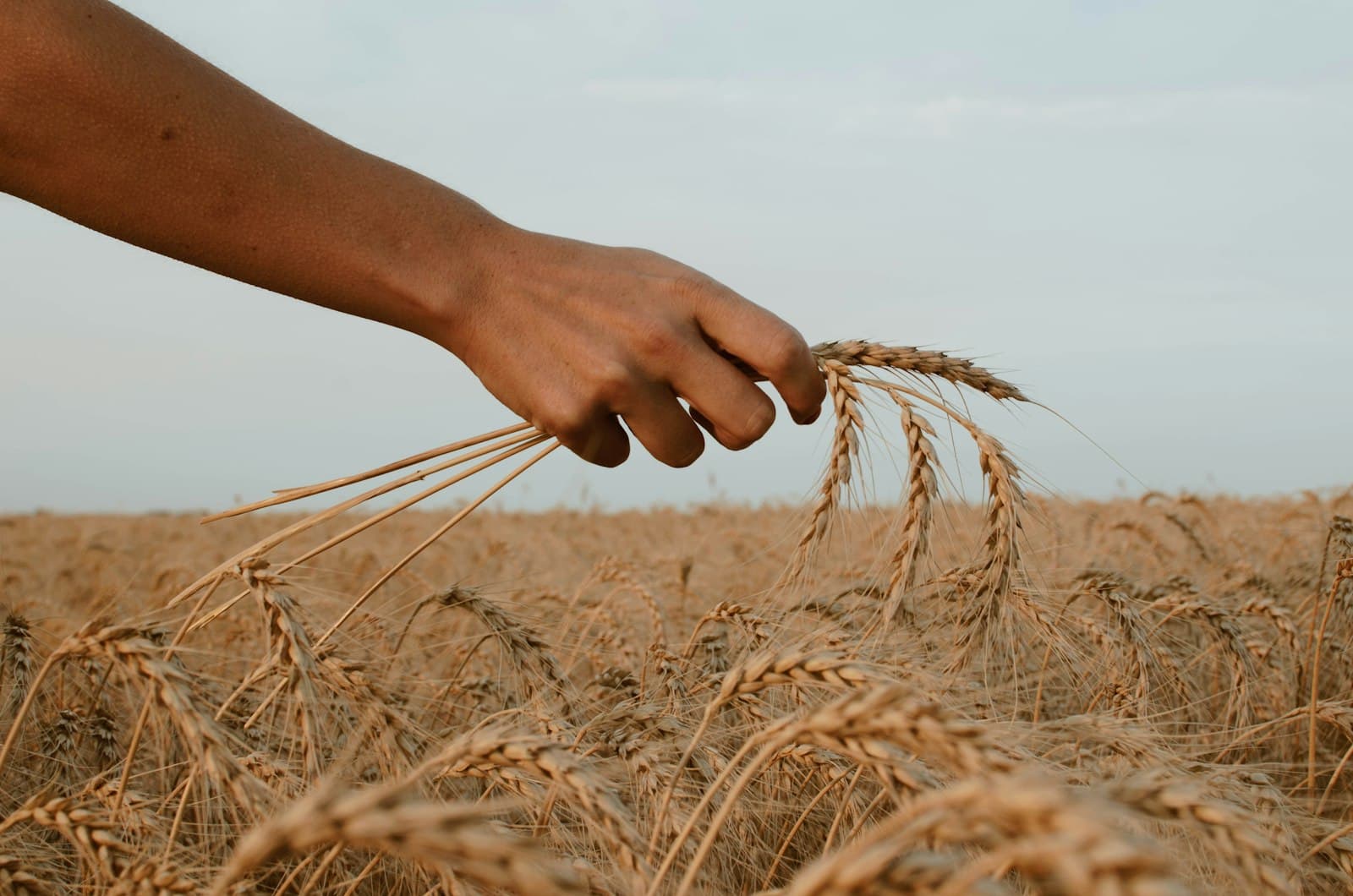
Wheat profitability is decided far earlier in the season than most farmers assume — most of it is locked in before the crop is even knee-high. Sowing timing and seed rate set the ceiling; everything after that is either protecting that ceiling or quietly eroding it.
The sowing window is worth more than any single input
Wheat sown within the optimal window for your zone — broadly late October to mid-November across most of North India's irrigated tracts — sets up the crop to complete grain-filling before the sharp heat of late March cuts it short. Delayed sowing does not just shift the calendar; it compresses the grain-filling period into hotter weather, and yield loss compounds the longer sowing is delayed. No fertiliser or irrigation decision made later in the season recovers what a late sowing date already gave away.
Nitrogen timing beats nitrogen quantity
Two farmers applying the identical total dose of urea can see meaningfully different yields depending on when they applied it. Splitting nitrogen across two or three timed doses — tied to the crown root initiation (CRI) stage, tillering, and the late jointing stage — keeps nitrogen available when the plant is actually building yield, instead of losing a large share of a single heavy dose to volatilisation before the crop can use it.
The one irrigation that matters most
If only one irrigation is possible beyond a bare minimum, agronomic guidance consistently points to the crown root initiation (CRI) stage, roughly 20–25 days after sowing — this is when the wheat plant is establishing the root system that determines its capacity to take up water and nutrients for the rest of the season. A missed CRI irrigation is difficult to compensate for later, even with additional watering.
Selling: MSP is a floor, not always the ceiling
Wheat is one of the crops with the deepest MSP procurement infrastructure in India, particularly in Punjab, Haryana and Madhya Pradesh. That makes it tempting to treat MSP as the default sale price, but it is worth checking the open market and eNAM rate at harvest time — in a tight-supply year, mandi prices can run above MSP, while MSP remains the reliable floor in a glut year when open-market prices soften. Comparing both at the time of sale, rather than defaulting to whichever is more familiar, is the difference between MSP as a safety net and MSP as an unnecessary ceiling.
The second harvest: bhoosa
Wheat straw (bhoosa) has a standing market as cattle fodder in most livestock-dense regions. Collecting it with a straw reaper immediately after combine harvesting, rather than burning or leaving the residue, adds a genuine second revenue stream from the same crop cycle — modest in scale, but close to pure margin once the harvesting cost is already sunk.
The one sentence version
Wheat profitability is won at sowing date and nitrogen timing, protected at the CRI irrigation, and only realised at the point of sale — by checking MSP against the open market rather than assuming either is automatically better.
Frequently asked questions
How much yield is lost by sowing wheat late?
Wheat sown after the optimal window loses yield roughly in proportion to the delay — commonly cited estimates put the loss at around 1–1.5% of potential yield per day of delay past the ideal sowing date, accelerating sharply once sowing pushes into significantly warmer conditions that shorten the grain-filling period.
Should I sell wheat at MSP or in the open market?
Compare the two at the time of sale rather than assuming one is always better — MSP procurement guarantees the announced price but requires meeting quality specifications and often involves a queue, while open-market or eNAM prices can run above or below MSP depending on the season's demand and your area's local mandi conditions.
Is wheat straw (bhoosa) worth collecting for sale?
In most livestock-dense regions, yes — bhoosa has a real, standing market as cattle fodder, and collecting it with a straw reaper after combine harvesting adds a second revenue stream from the same crop for a modest additional cost, rather than being burnt or left as waste.

Written by
Vaibhav Dhama
Founder, Technical Kisan
Vaibhav Dhama is the founder of Technical Kisan. He writes from Baghpat, Uttar Pradesh, and builds each guide on ICAR and state agricultural university guidance, official government scheme notifications, and live mandi-price data.
- Writes from Baghpat, Uttar Pradesh
- Software developer (BTech, 2021)
- Not a trained agronomist — confirm with your KVK
Discussion is coming soon
We are building a comments section where you can ask a question about this guide and see what other farmers in your district are doing.
For now, write to us at [email protected] — we read every message.