
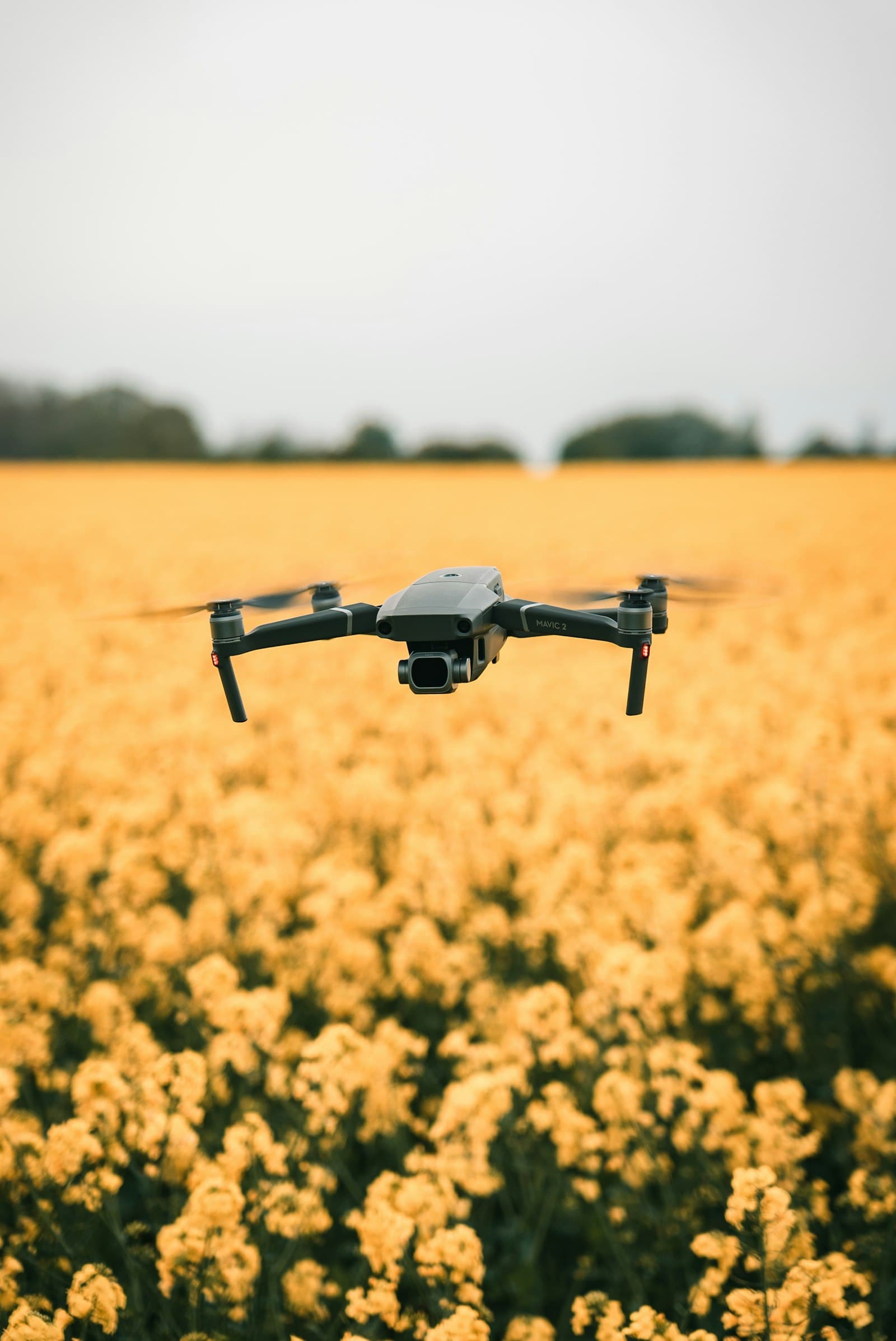
Drone Spraying: Hire It, Don't Buy It
A spray drone covers an acre in 8 minutes on a tenth of the water. At Rs 6-10 lakh, the maths only works past about 50 acres.
Vaibhav Dhama4 min readDiscover technology that helps farmers save water, reduce input costs, improve crop monitoring, reduce labour, and make better farming decisions.
Explore drones, drip irrigation, solar pumps, precision farming, sensors, GPS, mechanisation, seed technology, automation and digital agriculture.
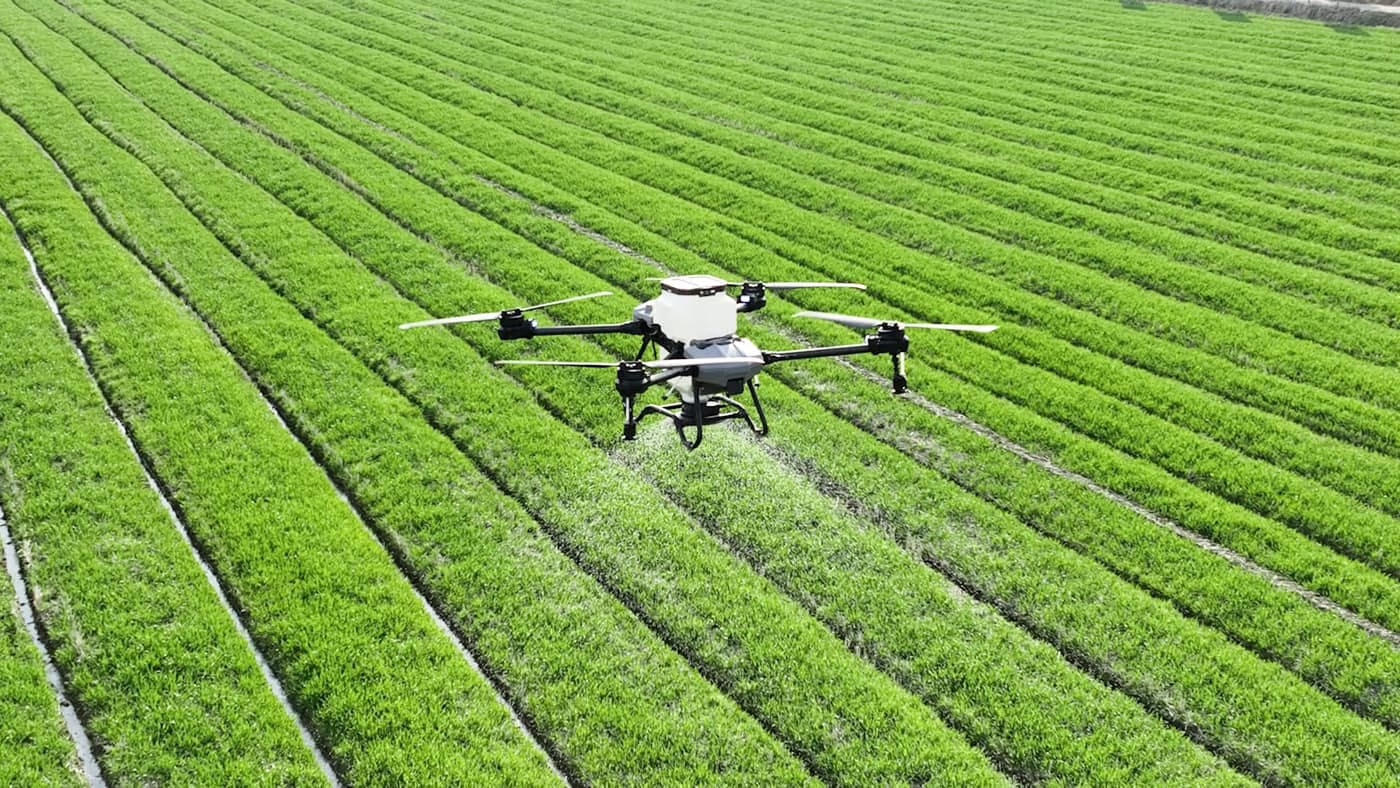
Technology on an Indian holding earns its keep in a handful of specific places — a drone that sprays standing paddy no ground machine can enter, a drip line that wets the root instead of the whole field, a solar pump that removes the diesel bill entirely, a laser leveller that stops water pooling in the low corner, a GPS kit that removes the overlap a manual driver leaves on every pass. It does not automatically earn its keep everywhere, and this hub will say so plainly for each one.
The word “technology” pulls attention towards the expensive end — drones, sensors, satellites. On most Indian holdings the technologies that actually change the year are cheap or free: a soil test that costs nothing, a seed treatment that costs a few rupees an acre, a drip system the government pays 55% of. This page is ordered by what pays, not by what is impressive.
What follows is not a list of everything technology could theoretically do — it is what is actually documented, priced and working on Indian fields today, with the cost, the skill it needs, the farm size it suits, and where it falls short, so you can judge for your own field before spending on it.
Ten categories cover the field, each with working, documented technology on Indian farms.
Aerial spraying that reaches standing, tall or waterlogged crops no ground machine can enter.
Zone-based input rates and dead-straight passes instead of one flat rate over the whole field.
Delivering water to the root instead of flooding the field — the most widely adopted and most heavily subsidised agri-technology in India.
Reading actual field conditions — soil moisture and weather — instead of guessing on a fixed calendar.
Controlling equipment remotely instead of a trip to the field for every switch.
Replacing diesel and unreliable grid power at the pump — the one agri-technology with a subsidy large enough to change the decision on its own.
The implements that carry the precision — a residue drill, a zero-till drill, a laser leveller, a boom sprayer. Ordinary machines doing an exact job.
The cheapest technology on this page by a wide margin — a germination test and a seed treatment cost almost nothing and decide the stand.
Free, already-live tools and government platforms that put real prices, weather and soil data in a farmer’s hand.
Government satellite programmes that estimate yield, verify crop insurance claims and track drought — free to the farmer, running quietly behind PMFBY, WINDS and the Digital Agriculture Mission.
Pick the problem you actually have. The technologies that move that number follow.
Irrigate on what the soil actually needs, deliver it to the root instead of the whole surface, and stop losing the rest to an unlevel field.
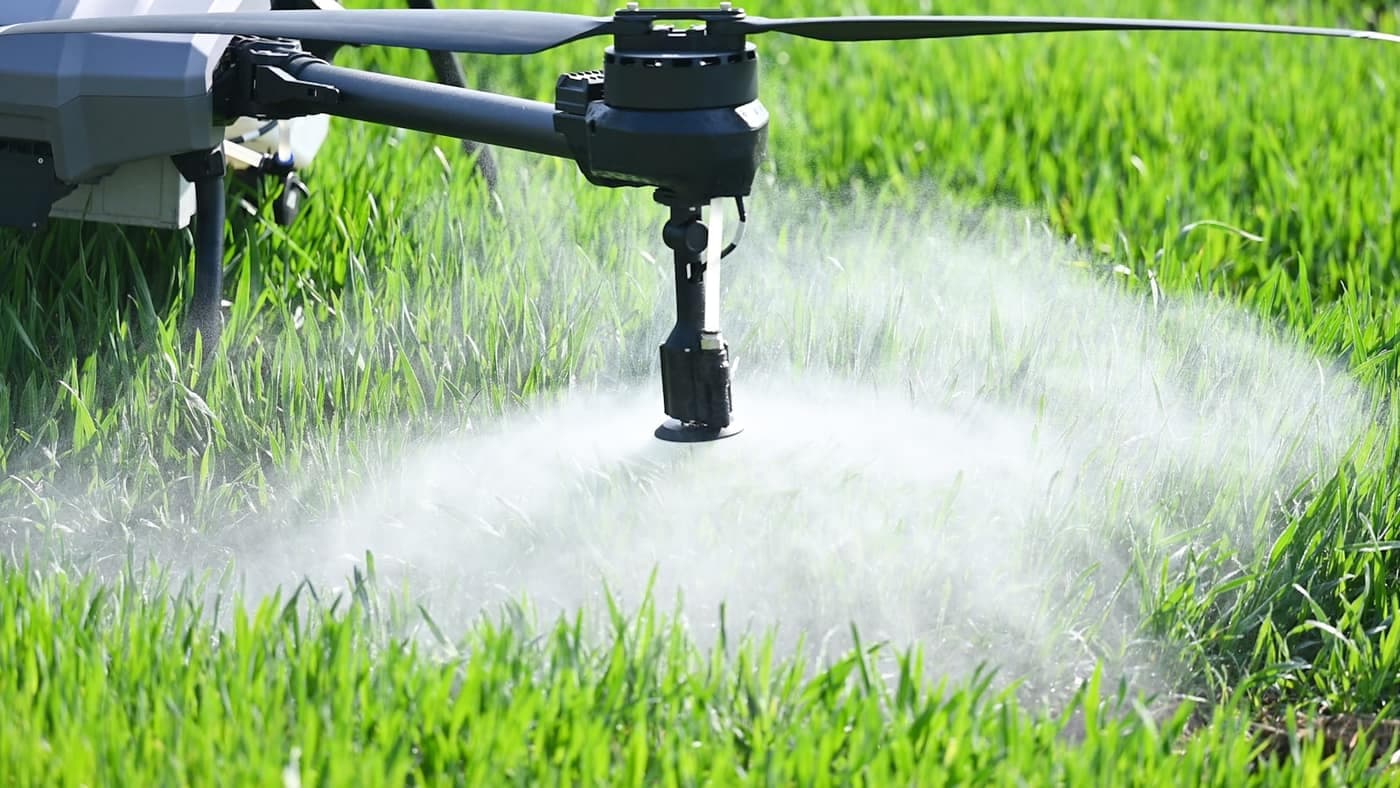
The single most documented and fastest-growing agri-technology on Indian fields right now — sprays a full acre in 7–10 minutes on roughly a tenth of the water a knapsack sprayer uses, and keeps the operator out of the chemical cloud entirely. It reaches standing paddy, tall cotton and waterlogged fields no ground machine can enter. The honest catch: at ₹6–10 lakh, owning one rarely pays for an individual farmer — hiring at ₹400–700 an acre almost always beats it.
Main benefits
Main limitations
Filter by category, investment, farm size, goal or difficulty to find what fits your field.
15/15 technologies shown
DronesA battery agri-drone that sprays from above, covering an acre in 7–10 minutes on a tenth of the water, and keeps the operator out of the chemical cloud.
 Precision Farming
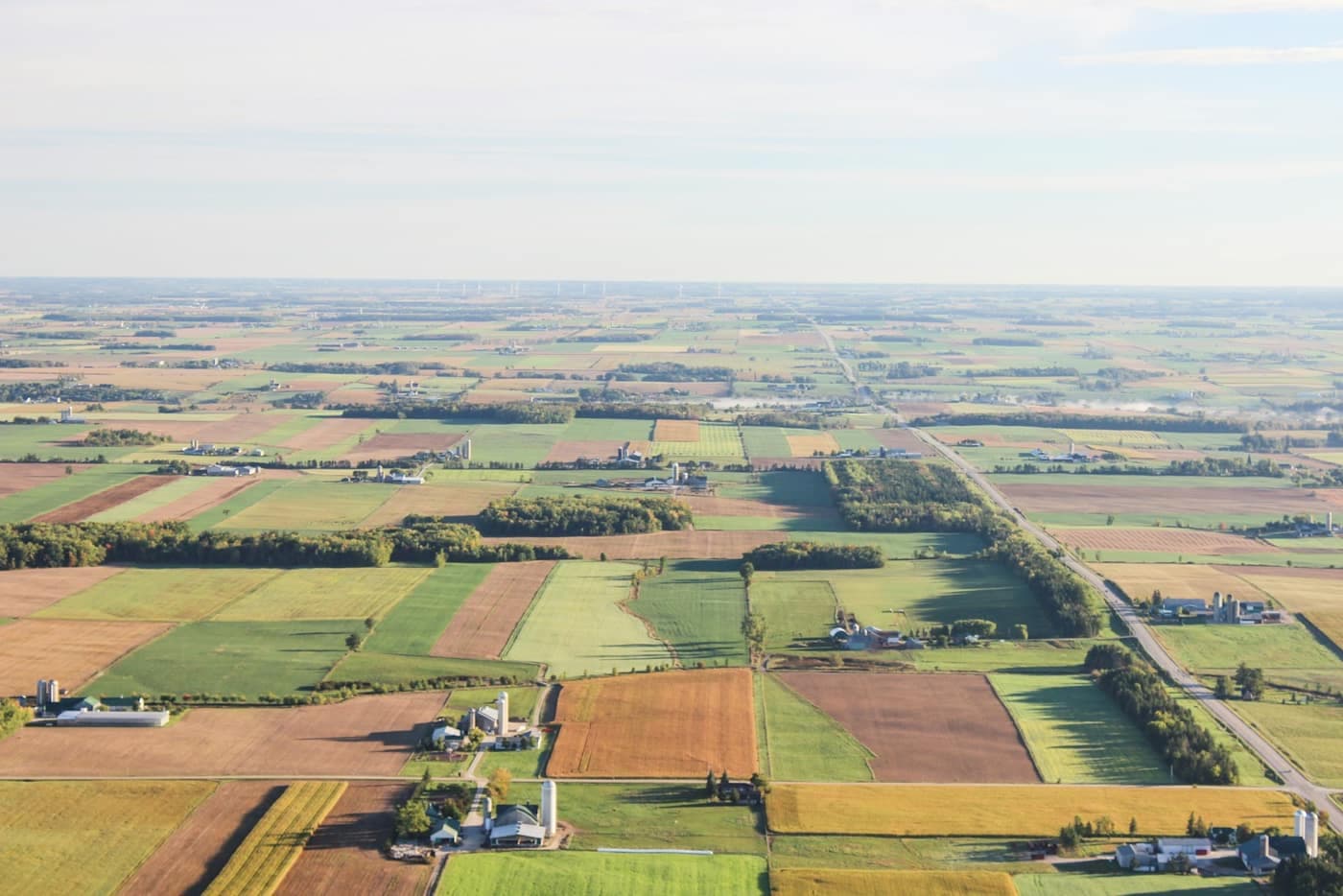
Soil test maps, sensors or satellite imagery set seed, water and fertilizer rate zone by zone instead of one flat rate over the whole plot.
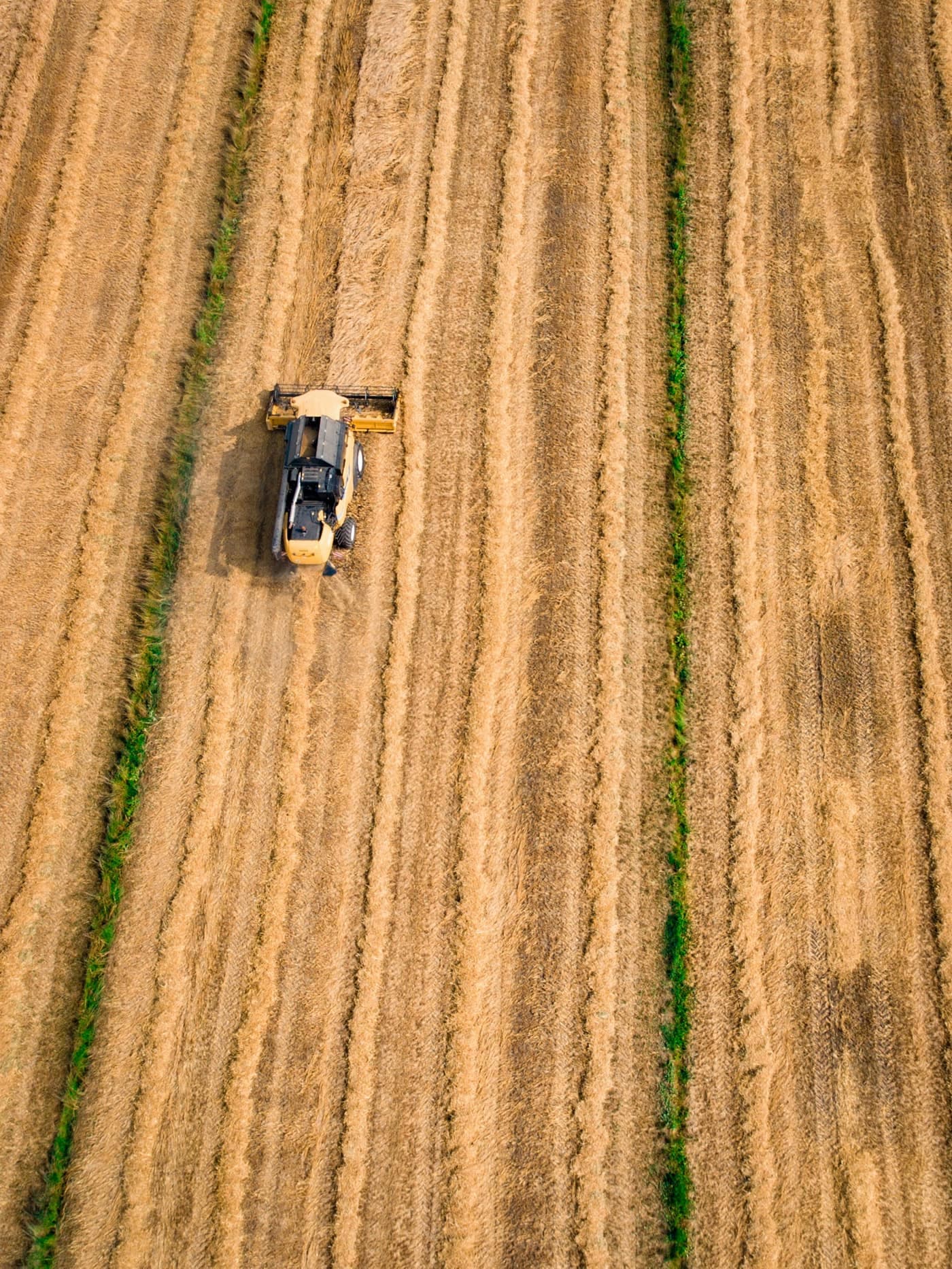 Precision Farming
A GPS-guided tractor holds a dead-straight, non-overlapping pass for tillage, sowing and spraying, cutting the 8–10% overlap a manual driver leaves on every pass.
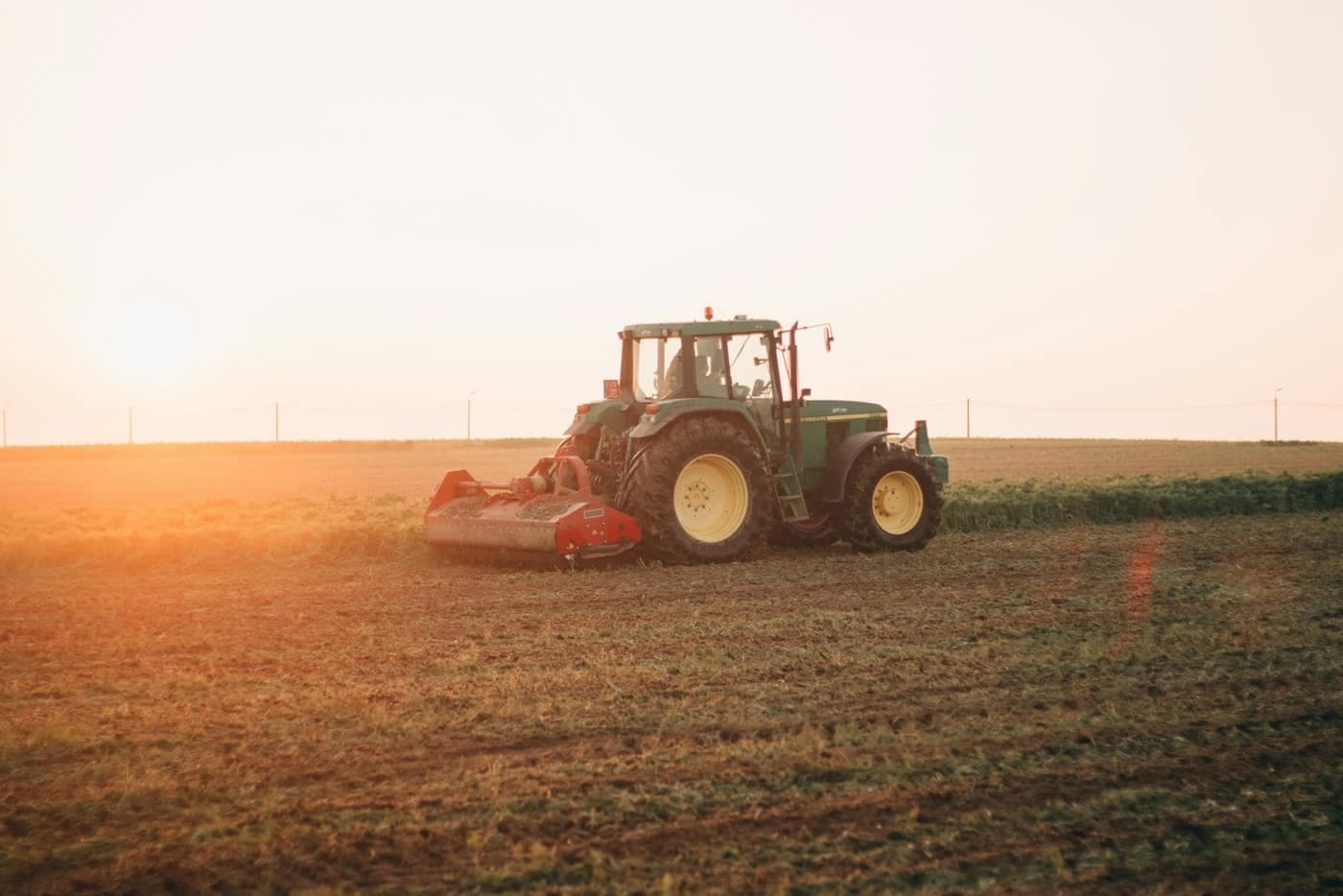 Precision Farming
A laser-guided scraper grades the field to a uniform, near-zero slope in one pass, so every irrigation wets the whole plot instead of drowning the low corner.
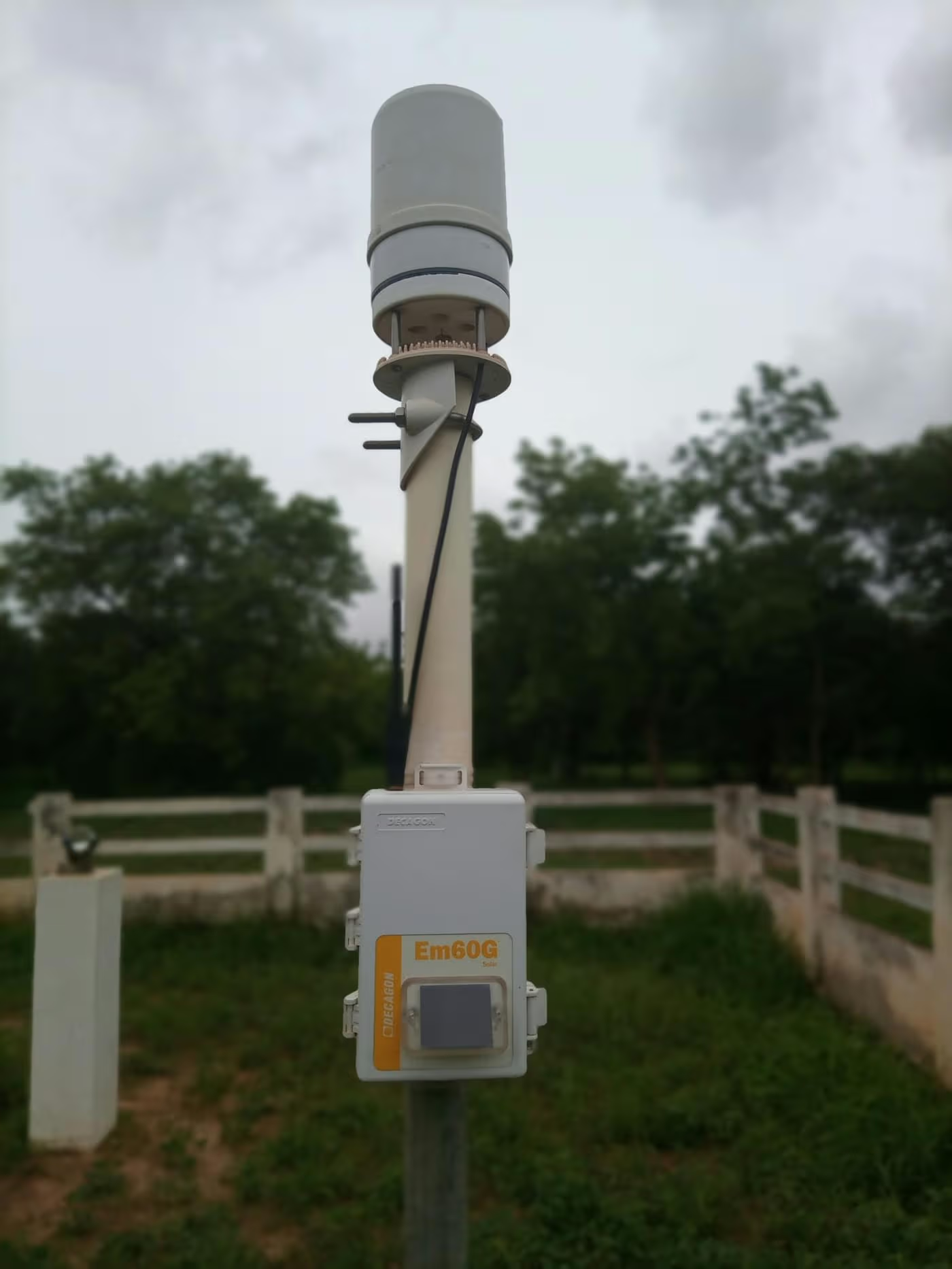 Weather & Crop Monitoring
A tensiometer or moisture meter replaces guesswork with an actual reading, so irrigation happens when the crop needs it, not on a fixed calendar.
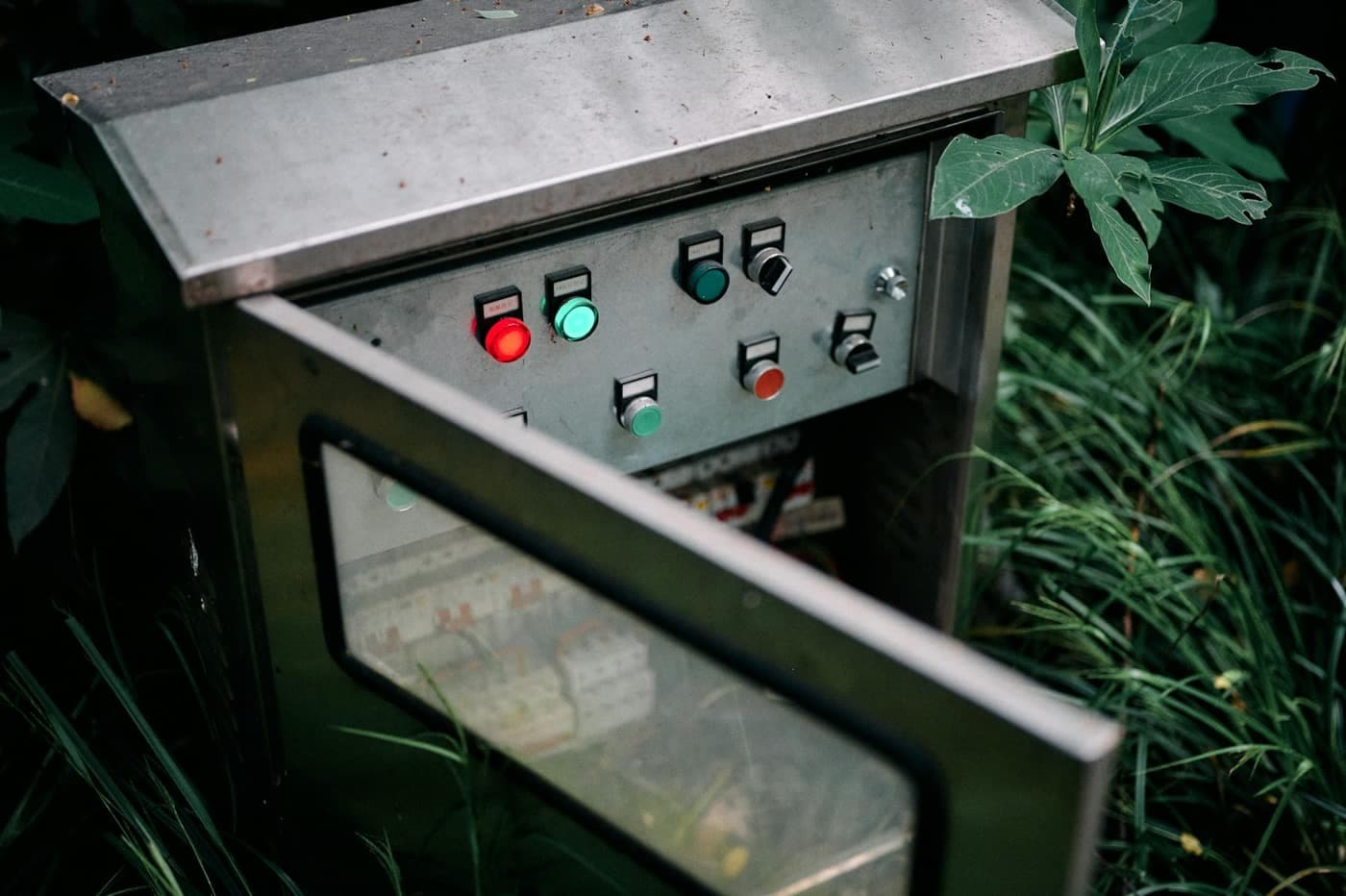 Farm Automation
A GSM device that switches an irrigation motor on or off by phone call, SMS or app from anywhere, and protects it from voltage faults and dry-run damage.
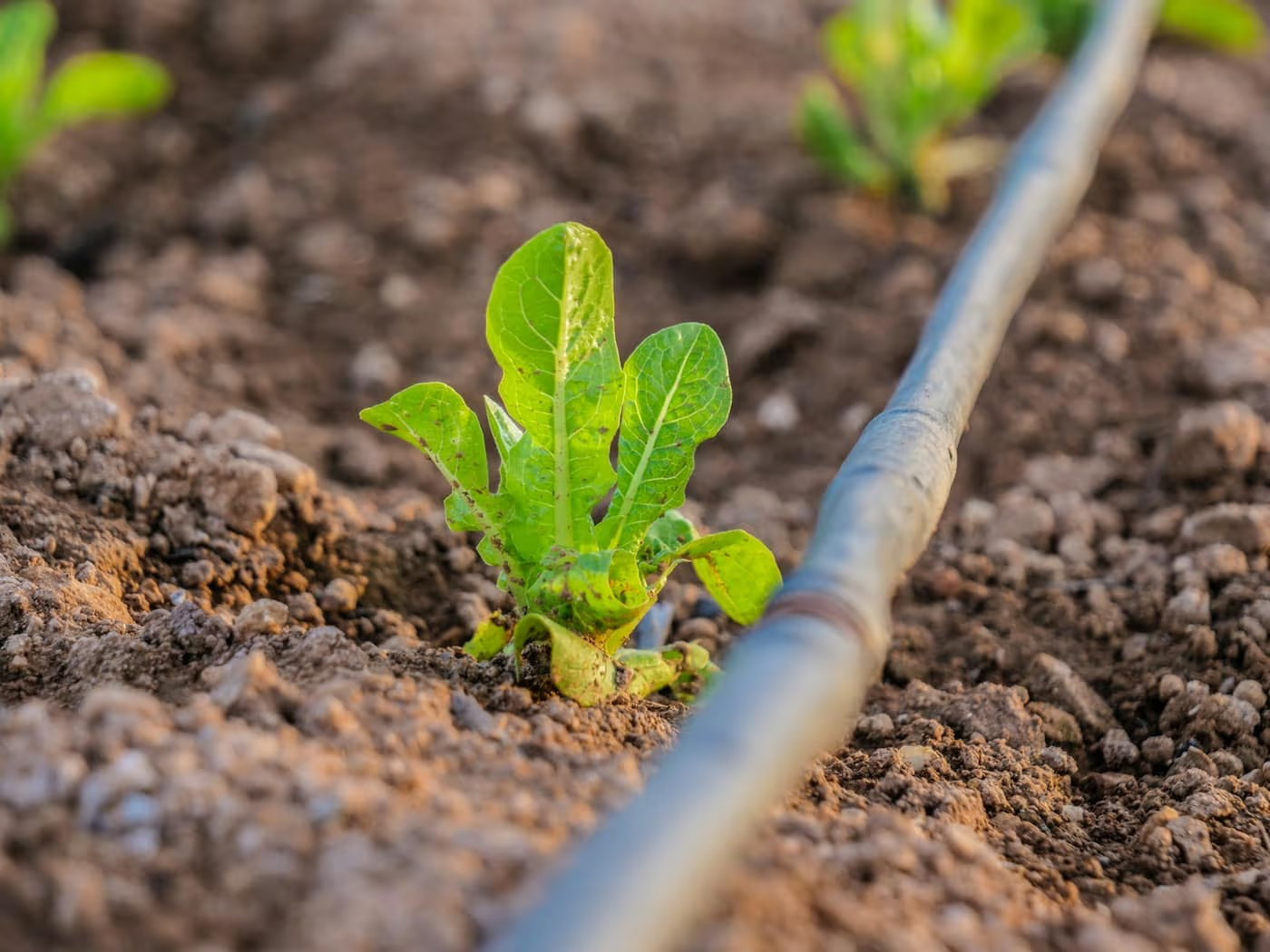 Micro-Irrigation
Emitters deliver water — and fertiliser, through fertigation — drop by drop straight to the root zone, so the space between rows never gets wet at all.
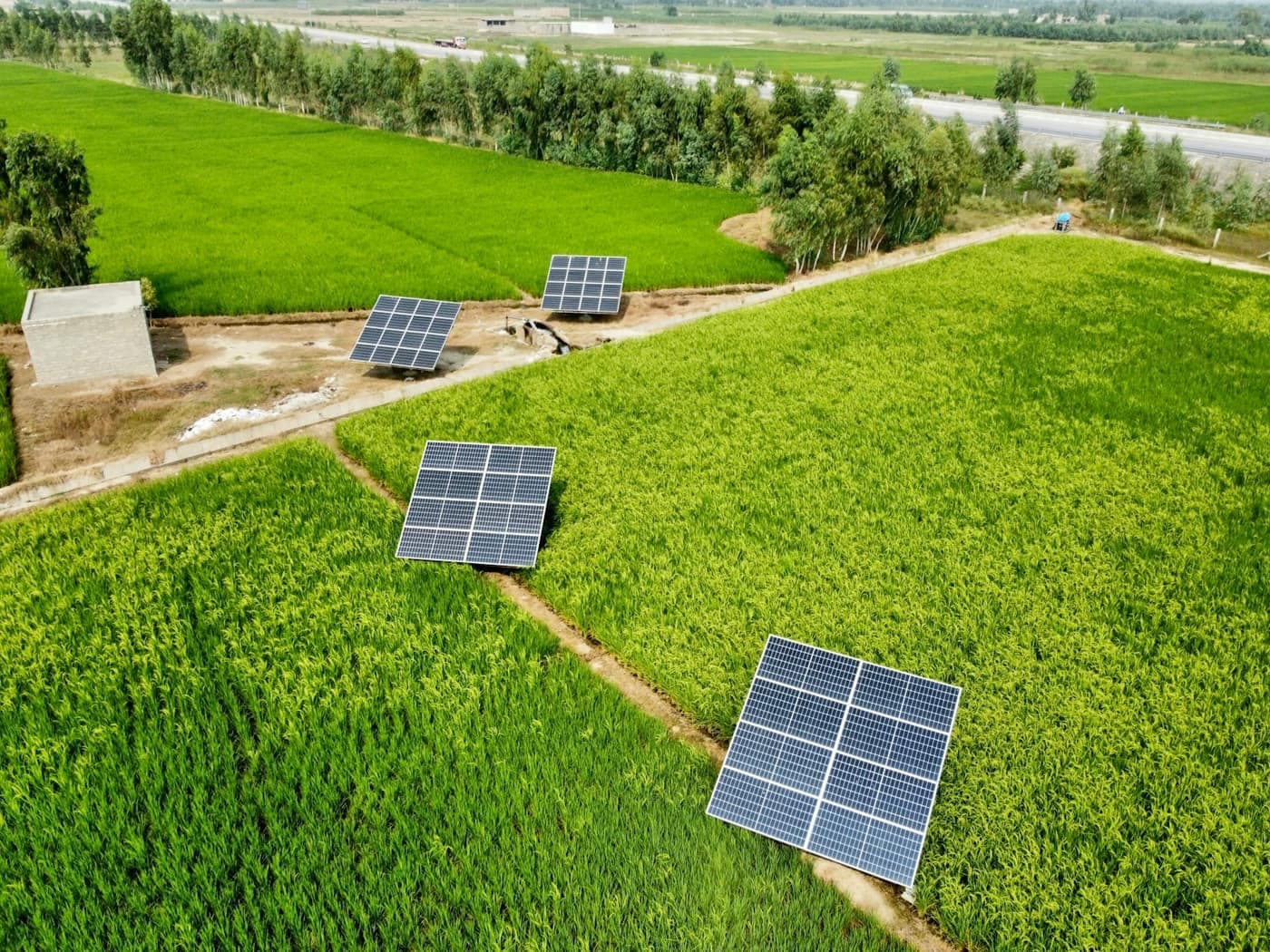 Farm Energy
A standalone solar pump up to 7.5 HP that irrigates on sunlight instead of diesel or an unreliable grid connection, funded under PM-KUSUM Component B.
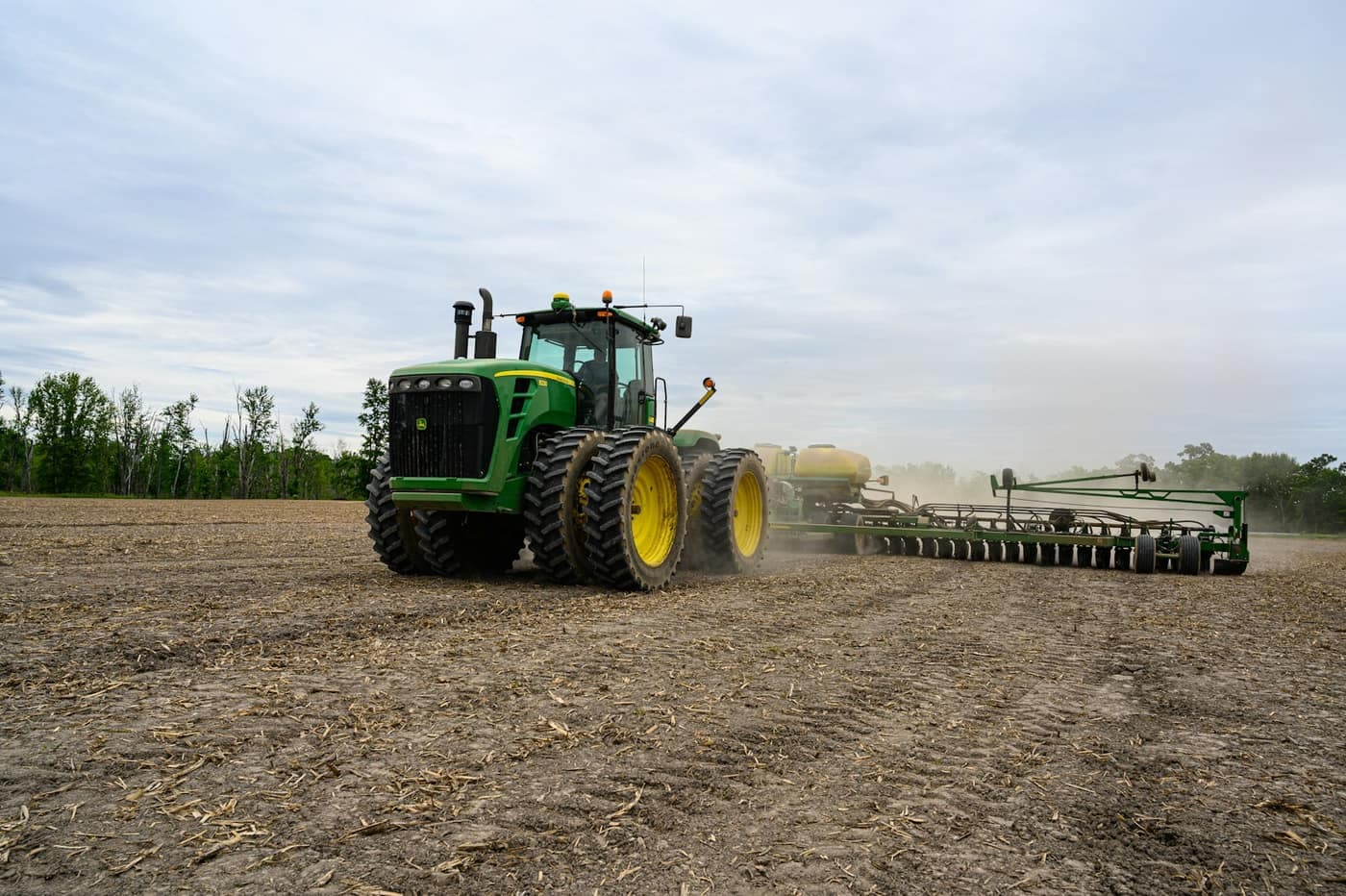 Mechanisation
A PTO-driven drill that sows wheat straight into loose paddy straw — no burning, no separate tillage, and the straw falls back behind it as mulch.
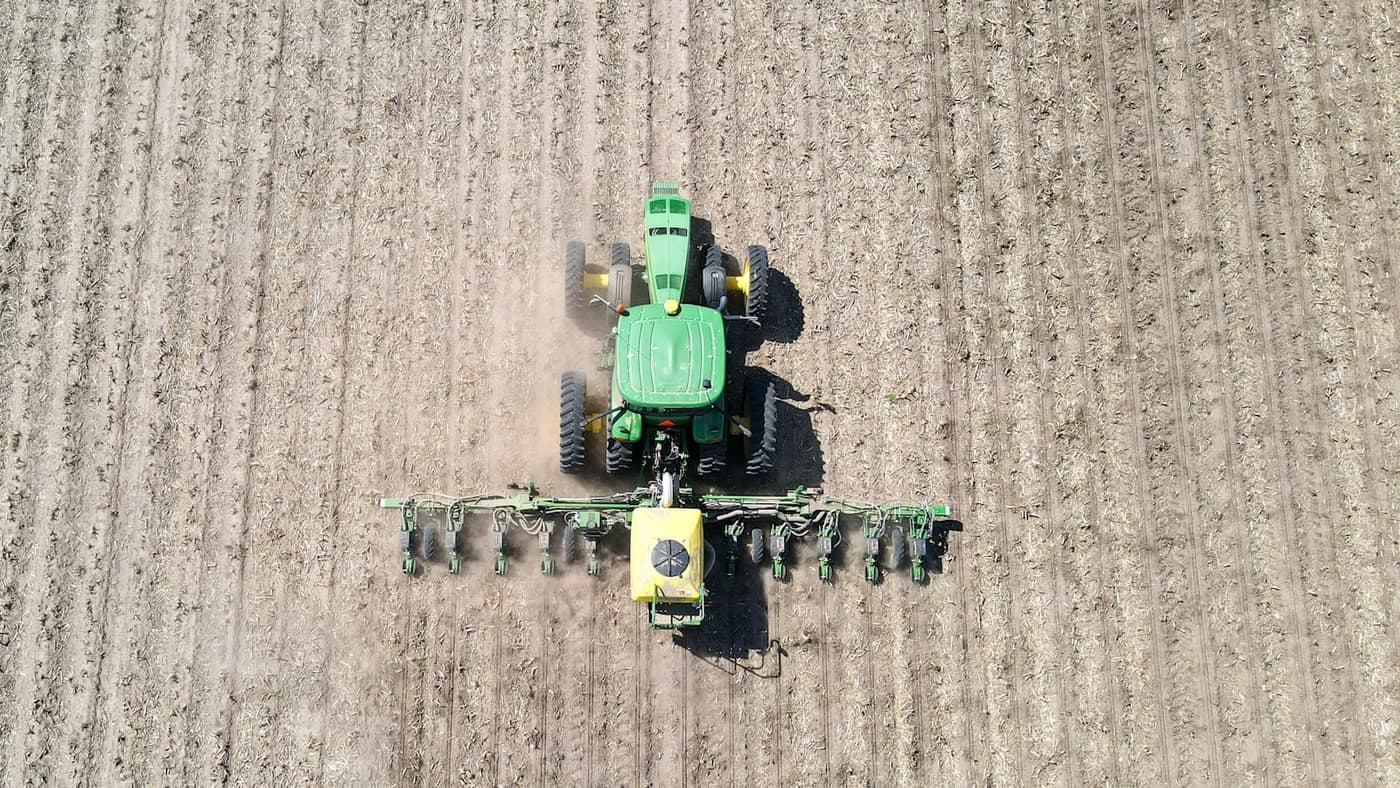 Mechanisation
Inverted-T tynes cut a narrow slot into untilled soil and place seed and fertiliser in it, skipping the two or three tillage passes conventional sowing needs.
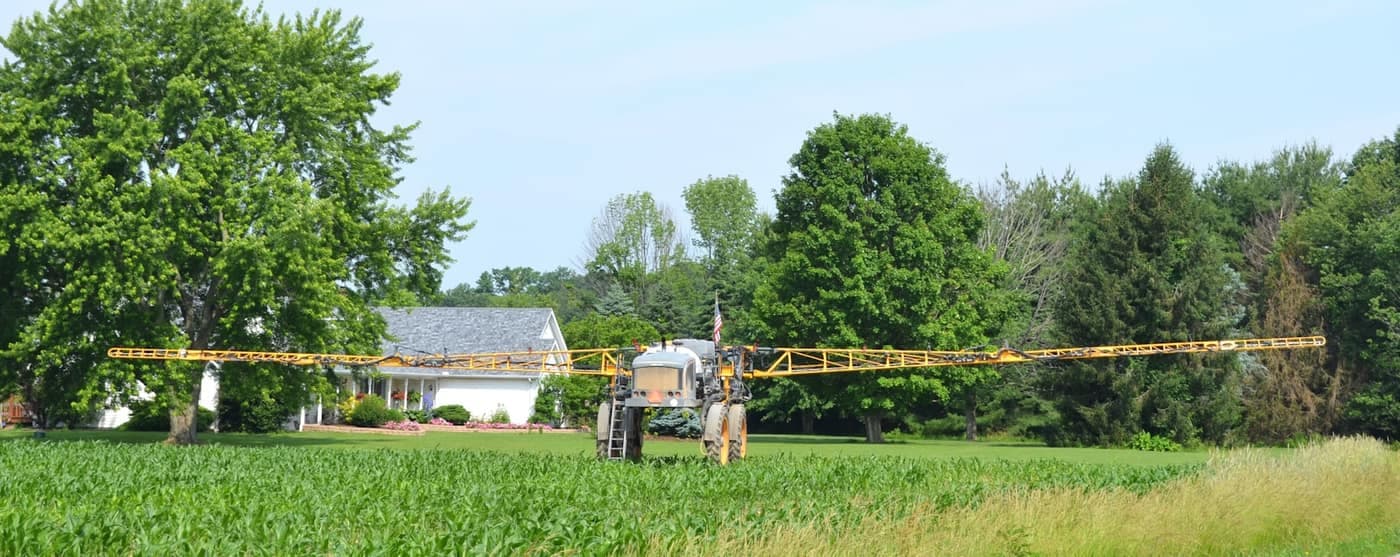 Mechanisation
Battery, power and tractor-mounted boom sprayers that hold a set pressure and nozzle spacing, so the dose actually lands where the label says it should.
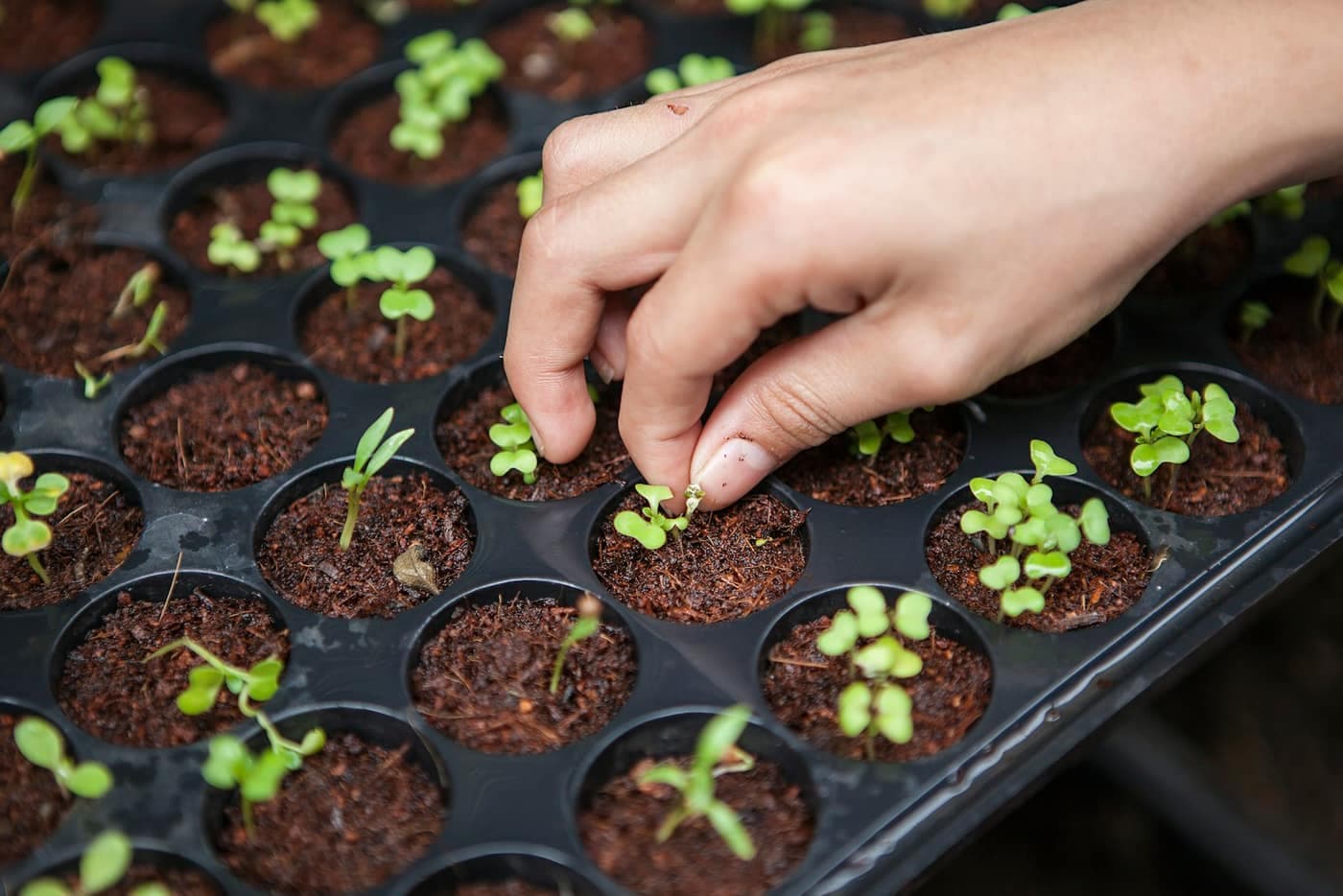 Seed Technology
Coating seed with a fungicide, insecticide or biological before sowing — a few rupees an acre that decides whether the stand comes up clean.
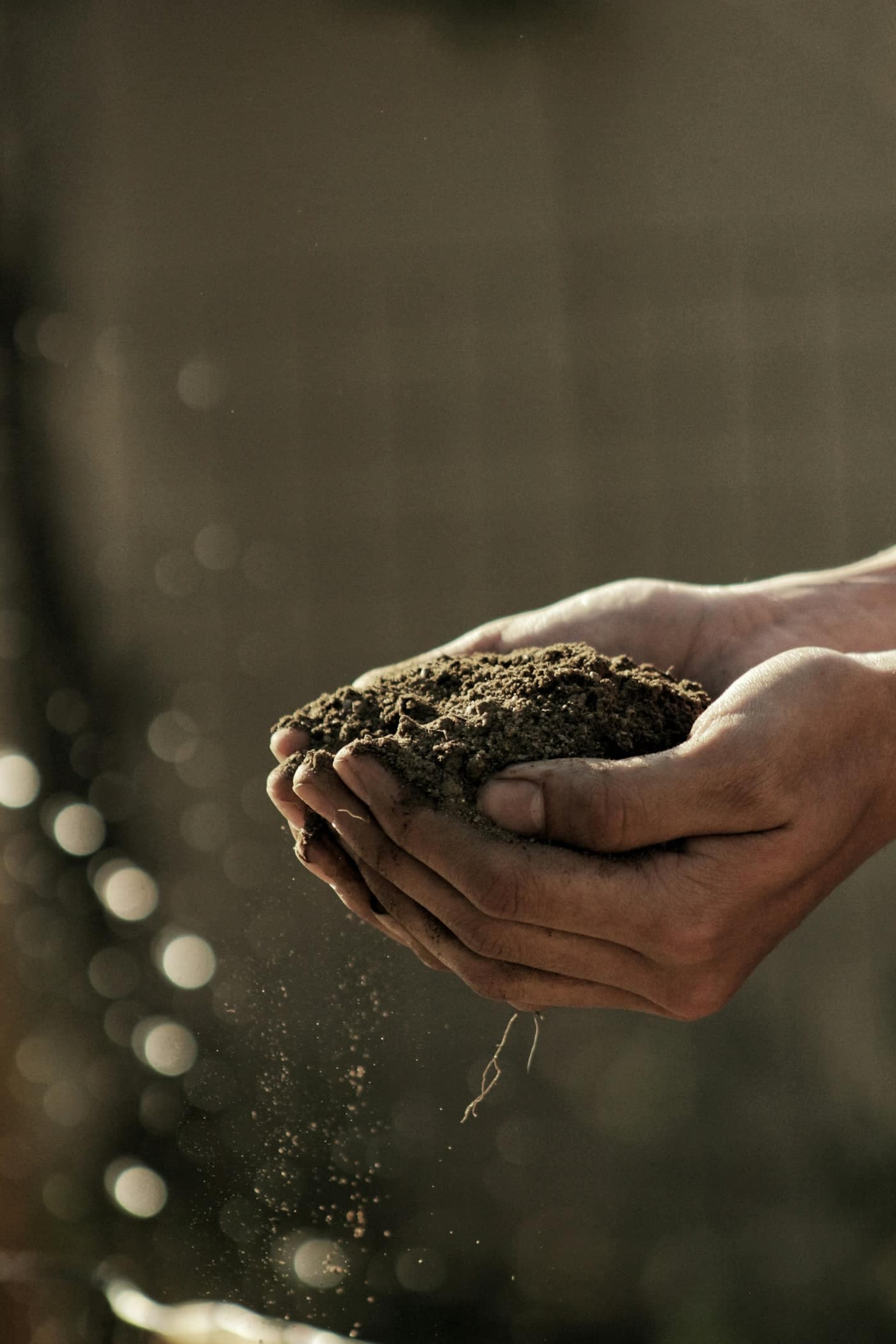 Digital Agriculture
A free government soil test that reports 12 parameters for your own plot and returns a crop-wise fertiliser recommendation — the honest, low-cost entry point to precision farming.
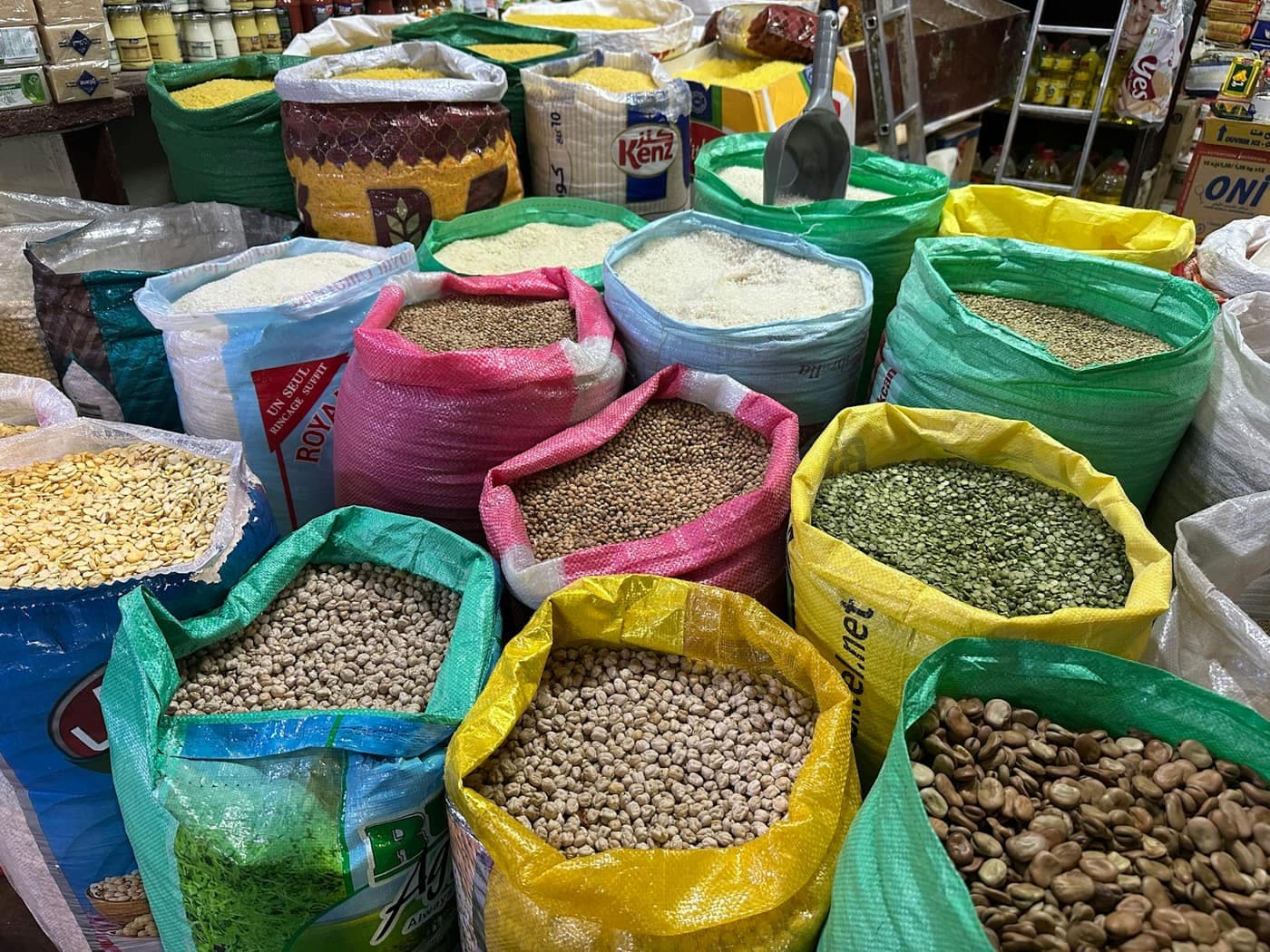 Digital Agriculture
The national electronic mandi platform — your lot is assayed, listed online and bid on by traders beyond your own mandi, with payment routed to your bank account.
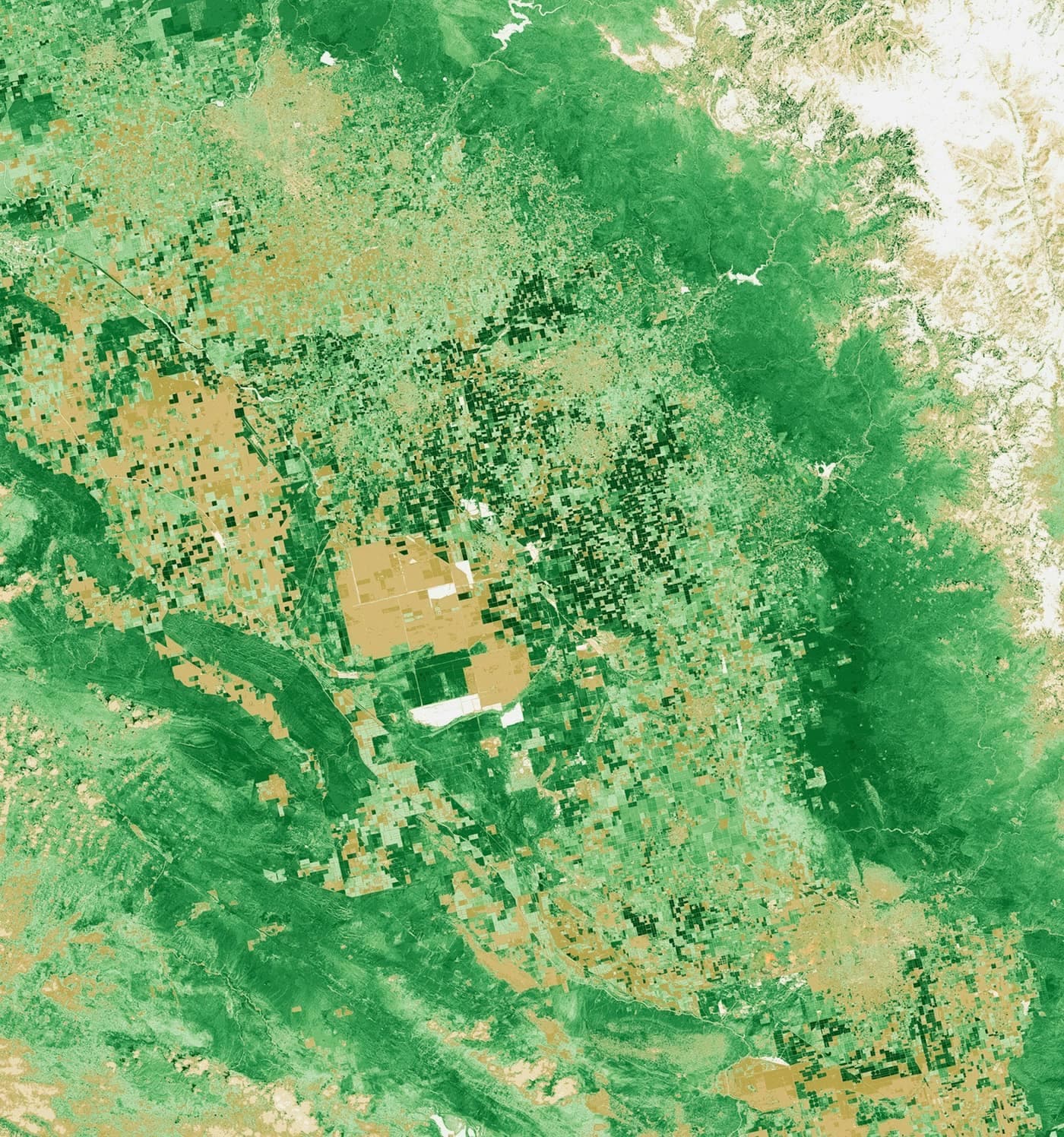 Remote Sensing & Satellite
Government satellite programmes — YES-TECH, WINDS, FASAL, NADAMS, Bhuvan, Krishi-DSS — that estimate yield, speed up PMFBY claim settlement and assess drought, at zero cost and nothing to buy.
A quick preview — for the full side-by-side, use the standalone comparison tool.
| Technology | Investment | Labour saving | Water saving | Difficulty |
|---|---|---|---|---|
| Drone Spraying | High to own / Low to hire | ★★★★★ | ★★★★★ | Easy (hired) |
| Soil Moisture Monitoring | Low | ★★★★★ | ★★★★★ | Easy |
| GPS-Based Farming | Medium | ★★★★★ | ★★★★★ | Advanced |
| Laser Land Levelling | Medium (hired) | ★★★★★ | ★★★★★ | Medium |
| Drip Irrigation | Medium (55%/45% subsidised) | ★★★★★ | ★★★★★ | Medium |
| Solar Irrigation Pump | High (60%+ subsidised) | ★★★★★ | ★★★★★ | Easy |
| Zero-Till Drill | Low | ★★★★★ | ★★★★★ | Medium |
| Seed Treatment | Very low | ★★★★★ | ★★★★★ | Easy |
Adoption should follow the economics, not the hype. Costs below are approximate and vary by state, brand and dealer — treat them as a starting budget, not a quote.
Free digital tools and basic sensors — the honest starting point for any farm.
Hired-service equipment and mid-range retrofit kits.
Owning the equipment outright — rarely the first move; compare against hiring first.
What suits a holding depends on its size and how often the technology gets used — not on what costs the most.
Free tools, a free soil test and cheap seed treatment first — then the two heavily subsidised items (drip and a solar pump). Hire anything bigger, don’t buy it.
Hired-service equipment starts to pay here — laser levelling and drone spraying — and the first implements worth owning outright appear.
Ownership starts to close the payback gap — but only past the acreage each technology actually needs.
Where each real, working technology or tool actually fits across a season.
The eight things that move — honestly, including where the gap still is.
The real, current schemes that fund the technology on this page — not a general subsidy estimate.
Eleven questions worth answering before any technology purchase, not after.
The single biggest driver of whether technology pays is how often you actually use it.
Best when
Best when
Best when
Long-form guides on these technologies, with the numbers and the timings included.
A spray drone covers an acre in 8 minutes on a tenth of the water. At Rs 6-10 lakh, the maths only works past about 50 acres.
Vaibhav Dhama4 min read
One of the oldest GSM motor controllers in India - call your pump on or off from anywhere. What it does, its price, and what to check.
Vaibhav Dhama4 min readStandalone calculators and tools that put real numbers behind a technology decision.
The terms that show up on this page, explained in plain language.
A satellite-based system that pinpoints a location on the ground precisely enough to guide a tractor in a dead-straight line.
Software that maps and layers field data — soil type, boundaries, past yields — over a location, so patterns across the field become visible.
A satellite/drone-image measure of how green and healthy a crop canopy looks, used to spot stressed patches before they are visible on the ground.
Small internet-connected sensors and devices — a soil-moisture probe that reports its reading to a phone is a simple example.
Equipment that changes how much seed, water or fertilizer it applies as it moves across the field, instead of one flat rate everywhere.
The broader idea behind VRT and zone-based farming — treating unequal parts of a field unequally, using data instead of one blanket recommendation.
Gathering information about a field from a distance — usually a satellite or drone camera — rather than by walking it.
A probe (from a simple tensiometer to a connected smart sensor) that measures how much water is actually in the soil, replacing a guess.
Equipment or systems that operate with less manual intervention — a motor you switch by phone instead of walking to the field is a basic example.
Software that learns from data to make a recommendation or prediction — pest identification from a photo, or a yield forecast, are common examples elsewhere; not yet a documented, priced option on Indian smallholdings covered by this hub.
Photographs of a field taken from orbit, used for crop-health mapping (often via NDVI) or soil mapping over a large area at once.
Drip and sprinkler systems that deliver water to the plant rather than flooding the whole field — the category PMKSY’s Per Drop More Crop subsidy funds.
Feeding water-soluble fertiliser through the drip line itself, so nutrient goes to the root zone with the water instead of being broadcast over the field.
A village-level centre that owns farm machinery and hires it out by the hour or the acre — the route by which most Indian farmers actually use equipment they could never buy.
The central scheme that subsidises farm implements, typically at 40–50% of cost, with a higher share for SC/ST, women and small or marginal farmers.
The licence the Directorate General of Civil Aviation requires to legally fly an agricultural drone in India. Hiring a spraying service needs none — the operator holds it.
A GPS-guided steering kit retrofitted to a tractor so it holds a dead-straight line without the driver correcting it, removing the overlap between passes.
Coating seed with a fungicide, insecticide or biological culture before sowing — the cheapest crop protection available, applied before the problem exists.
Verified examples only — the crop, the technology, the state, and why it fits there.
| Crop | Technology | State | Use case |
|---|---|---|---|
| Cotton | Drone Spraying | Telangana | Aerial spraying reaches tall, dense cotton canopy a knapsack sprayer struggles to cover evenly. |
| Paddy (Rice) | Drone Spraying | Punjab | Sprays standing, waterlogged paddy that a ground sprayer cannot enter without damaging the crop. |
| Wheat | Precision Farming | Punjab | Zone-wise soil testing sets fertilizer rate by field variability instead of one flat dose. |
| Sugarcane | Laser Land Levelling | Haryana | A dead-level field lets flood irrigation wet the whole plot evenly on a crop irrigated many times a season. |
| Large mechanised holdings | GPS-Based Farming | Madhya Pradesh | Auto-steer removes the 8–10% overlap a manual driver leaves across large tillage and sowing passes. |
| Multiple crops | Precision Farming | Maharashtra | Soil-map-driven input zoning on large, variable-soil holdings across cotton, sugarcane and horticulture belts. |
| Sugarcane & Grapes | Drip Irrigation | Maharashtra | Long-duration, wide-spaced cash crops where drip pays back fastest — and where fertigation runs on the same line. |
| Cotton | Drip Irrigation | Gujarat | Row-spaced cotton on limited groundwater, where 40–60% less water per irrigation decides how many the season allows. |
| Wheat (after paddy) | Happy Seeder | Punjab | Sowing wheat straight into combine-harvested paddy straw, avoiding both the burn and the stubble-burning penalty. |
| Wheat & Gram | Zero-Till Drill | Haryana | Sowing a week to ten days earlier on residual moisture, skipping the tillage passes and often the first irrigation. |
| Diesel-pump holdings | Solar Irrigation Pump | Rajasthan | High sunshine and weak grid supply make a standalone solar pump under PM-KUSUM Component B the cheapest irrigation power available. |
Any tool, machine or system that changes how a farming task is done — from a laser-guided leveller to a drone sprayer to a free weather app. On this hub, that only means technologies with a real, documented Indian price and use case, not every idea that theoretically exists.
Treating a field as unequal zones — using soil maps, sensors or imagery to vary seed, water and fertilizer rate zone by zone — instead of one flat rate over the whole plot. It saves the most where a field was never actually uniform to begin with.
Free digital tools (weather, mandi prices, crop calendar) and a basic soil-moisture meter cost little to nothing and pay back fast. Anything equipment-heavy — drones, laser levellers, GPS kits — is better hired than bought on a small holding.
Hiring a drone spraying service is almost always worth it — ₹400–700 per acre for a job that takes minutes. Owning one only turns profitable above roughly 50 acres of personal use; below that, hiring beats owning on the maths alone.
Typically ₹400–700 per acre including the operator, comparable to hiring labour for a knapsack spray but taking minutes instead of hours. A drone itself costs ₹6–10 lakh to buy.
In its full form — sensors and variable-rate equipment — rarely; it is documented here as best suited to large, variable-soil holdings. A soil health card and zone-wise soil testing is the low-cost entry point available to any farm size.
Laser land levelling and soil-moisture monitoring both save 15–30% depending on the field, and drone spraying uses roughly a tenth of the water a knapsack sprayer does — though that is a spraying saving, not an irrigation one.
Drone spraying, by replacing hours of manual knapsack work with a 7–10 minute pass, and GSM motor-control automation, by removing the trip to the field every time a pump needs switching.
A GPS-guided tractor holds a dead-straight, non-overlapping pass across the field for tillage, sowing and spraying — cutting the 8–10% overlap a manual driver typically leaves on every pass.
A tensiometer or moisture meter (₹500–3,000 for a basic one) that gives an actual soil-moisture reading, so irrigation happens on real crop need instead of a fixed calendar.
Gathering information about a field from a distance — typically satellite or drone imagery — rather than by walking it. Real and growing in India, but not yet something this hub has a priced, documented guide for.
Normalized Difference Vegetation Index — a satellite/drone-image measure of how green and healthy a crop canopy looks, used to spot stressed or under-performing patches of a field before they are obvious on the ground.
Some are, and directly — Namo Drone Didi funds 80% of an agri-drone’s cost (up to ₹8 lakh) for Women SHGs, and several state schemes (like Madhya Pradesh’s e-Krishi Yantra Anudan Yojana) fund 40–50% of laser levellers, tractors and other mechanisation. Check the Government Support section above for what is currently real.
Only where the math actually closes on your own acreage — it should save or earn more than it costs, on a payback period you can live with. This hub is built to show that math honestly for each technology rather than assume yes.
Buy only with large, frequent, near-daily use. Rent or hire (via a Custom Hiring Centre or a service like drone spraying) for occasional use, limited capital, or a small-to-medium farm — which describes most of these technologies for most Indian holdings.
The free ones, in this order: a Soil Health Card so the fertiliser dose is measured rather than guessed, a germination test and seed treatment before sowing, and the free weather, mandi-price and crop-calendar tools. Between them they cost almost nothing and change decisions on every acre. Equipment comes after that.
Under PMKSY’s Per Drop More Crop component, 55% of the system cost for small and marginal farmers and 45% for other farmers, capped at 5 hectares per beneficiary, paid by DBT. On a ₹36,000-per-acre system that brings a small farmer’s outlay to roughly ₹16,200. The same plot cannot be re-subsidised within 7 years.
On a farm currently irrigating with a diesel pump or a weak grid connection, yes — PM-KUSUM Component B funds a standalone pump up to 7.5 HP with 30% central and at least 30% state subsidy (50% central in hilly, North-Eastern and island states), and the diesel bill it removes recurs every single season. The gate is the state application queue, not the arithmetic.
Yes, under DGCA rules — but flying one yourself requires a Remote Pilot Certificate and a type-certified, registered drone. Hiring a spraying service needs no licence at all on your part; the operator holds it. That is one more reason hiring is the sensible route for almost every individual farmer.
Mostly market technology rather than field technology: e-NAM puts your assayed lot in front of traders beyond your own mandi with payment routed to your bank account, and a live mandi-price check tells you whether today’s rate at your nearest yard is worth the trip. On-farm post-harvest technology — cold storage, grading and processing — is not yet documented on this hub.
A PTO-driven drill that sows wheat directly into loose paddy straw so the field never has to be burned or tilled first. At ₹1.3–1.8 lakh and a 45–60 HP tractor requirement, most farmers should hire it from a Custom Hiring Centre — the residue-management scheme funds CHCs at up to 80% precisely so that hiring is available.
No. The soil test and the card are free to the farmer. It reports 12 parameters for your own plot and returns a crop-wise fertiliser recommendation — which makes it the only piece of genuine precision agriculture available to a one-acre holding at zero cost.
Tell us what you want to improve — cost, water, labour, yield, crop monitoring or farm management — and start from the problem, not the product.