
 Central Government Schemes
Agricultural Land Purchase Checklist
A clean sale deed is not proof of a clean title. The record, physical and legal checks to run before you pay any advance on farmland.
Vaibhav Dhama4 min readCentral and state farm scheme guides — eligibility, documents, how to apply, and what to do if a payment does not arrive.

Income support of ₹6,000 a year, paid in three equal instalments directly into a landholding farmer’s bank account. Most failed payments trace back to exactly three things: e-KYC not done, land records not seeded, or an Aadhaar-name mismatch with the bank.
Benefit: ₹6,000 / year
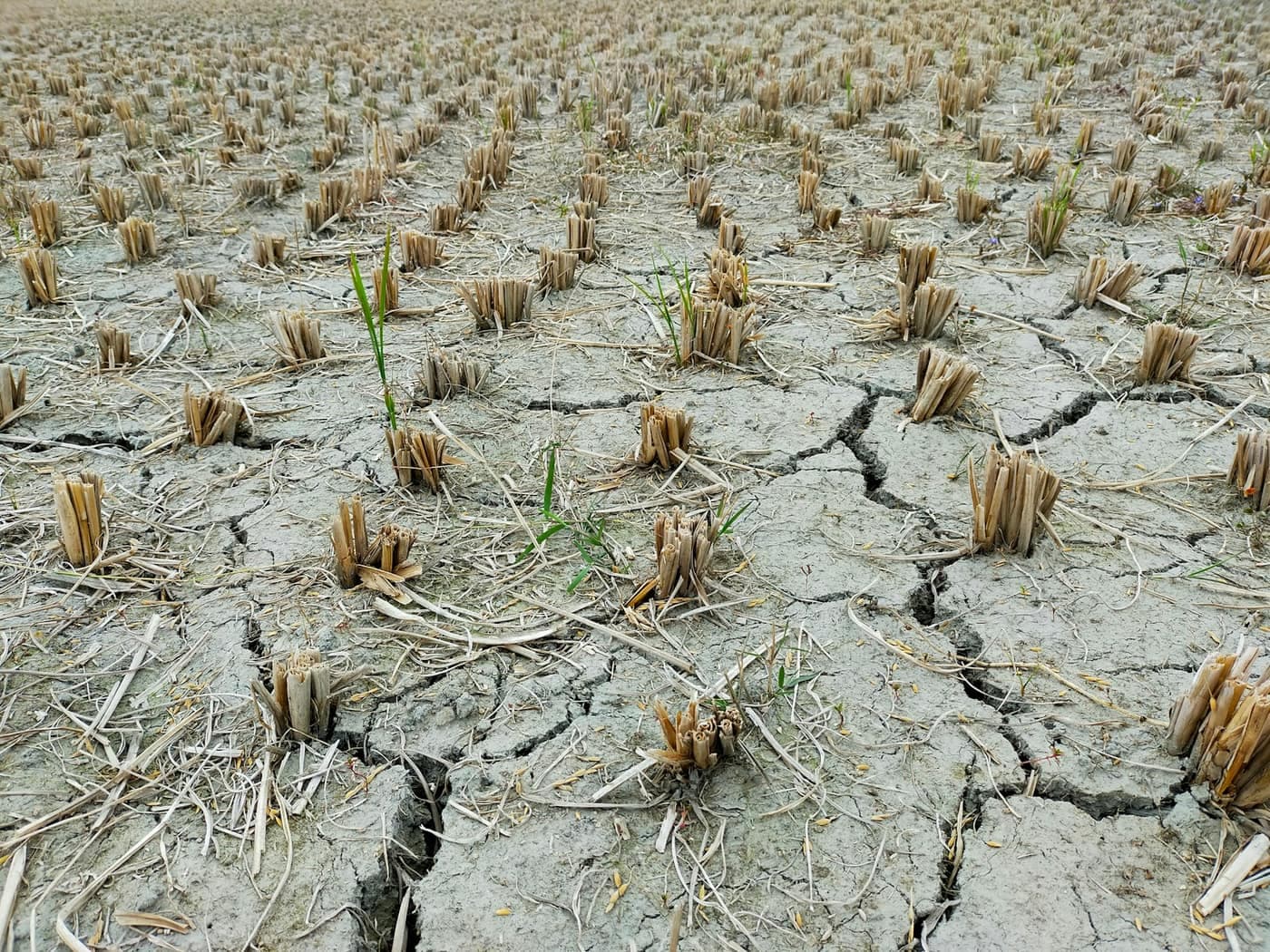
Pradhan Mantri Fasal Bima Yojana caps the farmer’s premium at 2% for kharif, 1.5% for rabi and 5% for commercial crops. The clause that decides most claims is the 72-hour one: a localised loss must be intimated within 72 hours of the event.
Farmer premium (kharif): 2% of sum insured
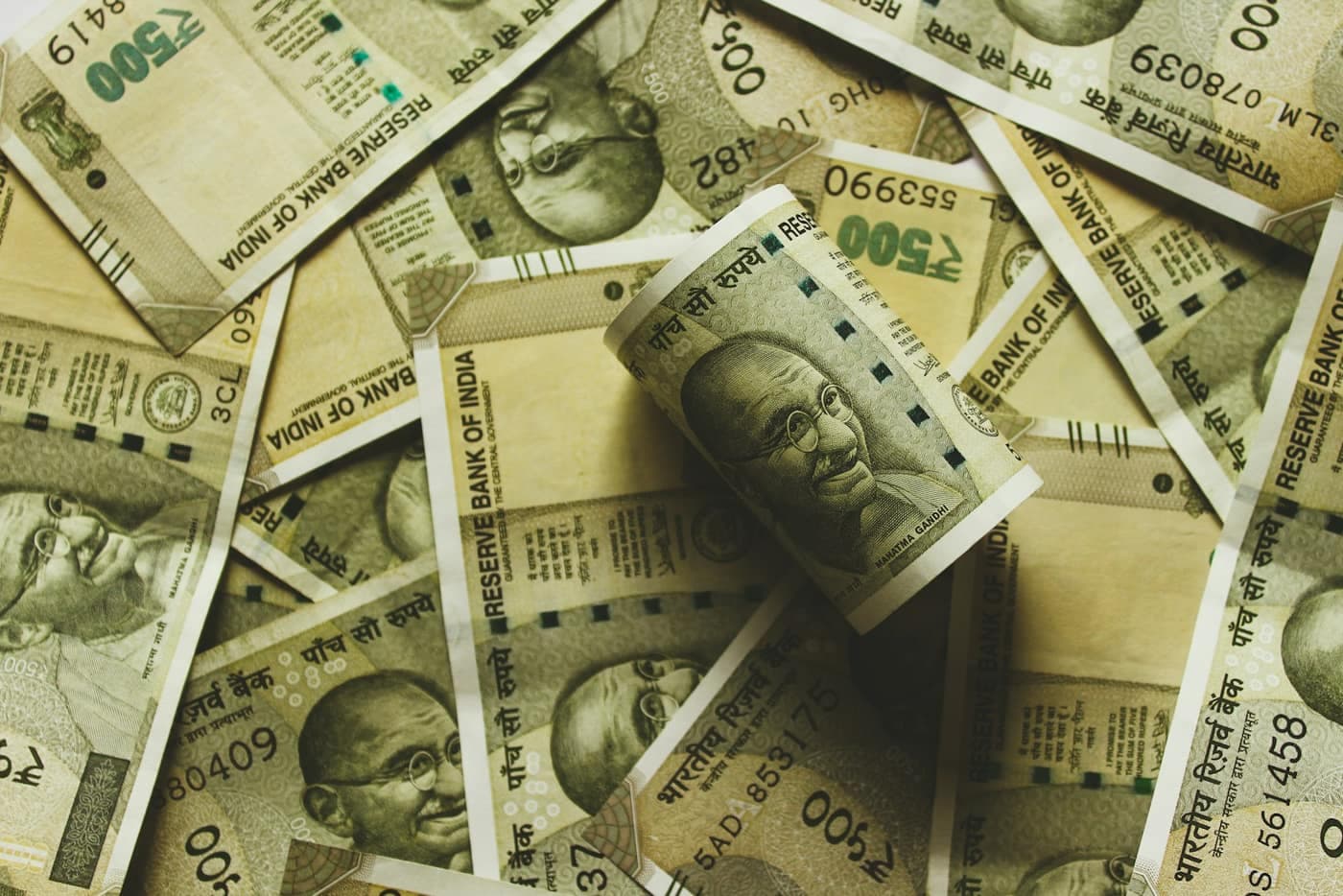
The cheapest institutional credit available to a farmer. At 7% headline, with a 3% prompt-repayment incentive, the effective rate on repaid-on-time borrowing falls to 4% — well below any informal lender.
Headline interest: 7% p.a. (with interest subvention)
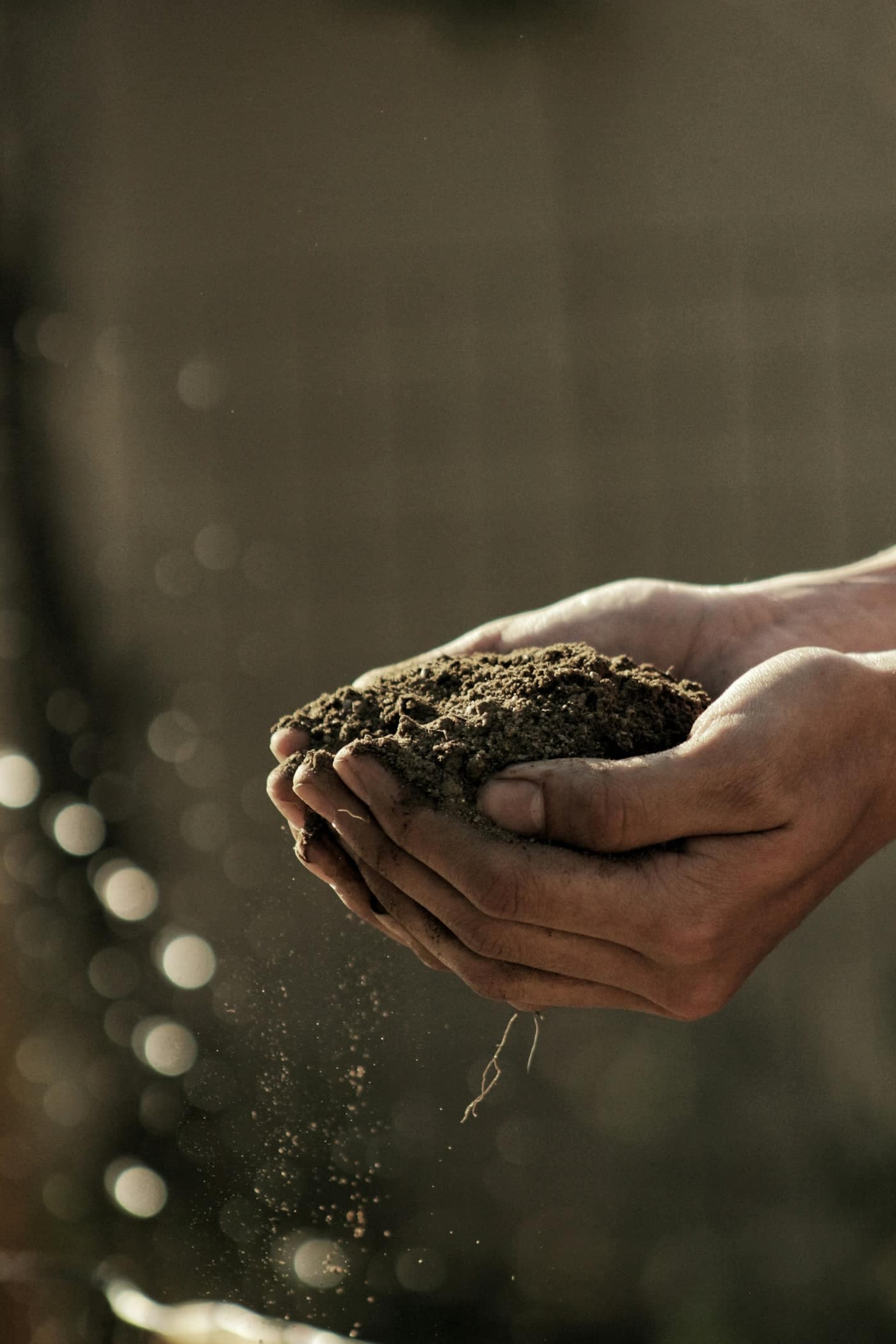
A free soil test report with crop-wise fertiliser recommendations. Acting on the card typically cuts urea use by 8–10% with no yield penalty, because most Indian soils are short of potash and sulphur, not nitrogen.
Cost to farmer: Free
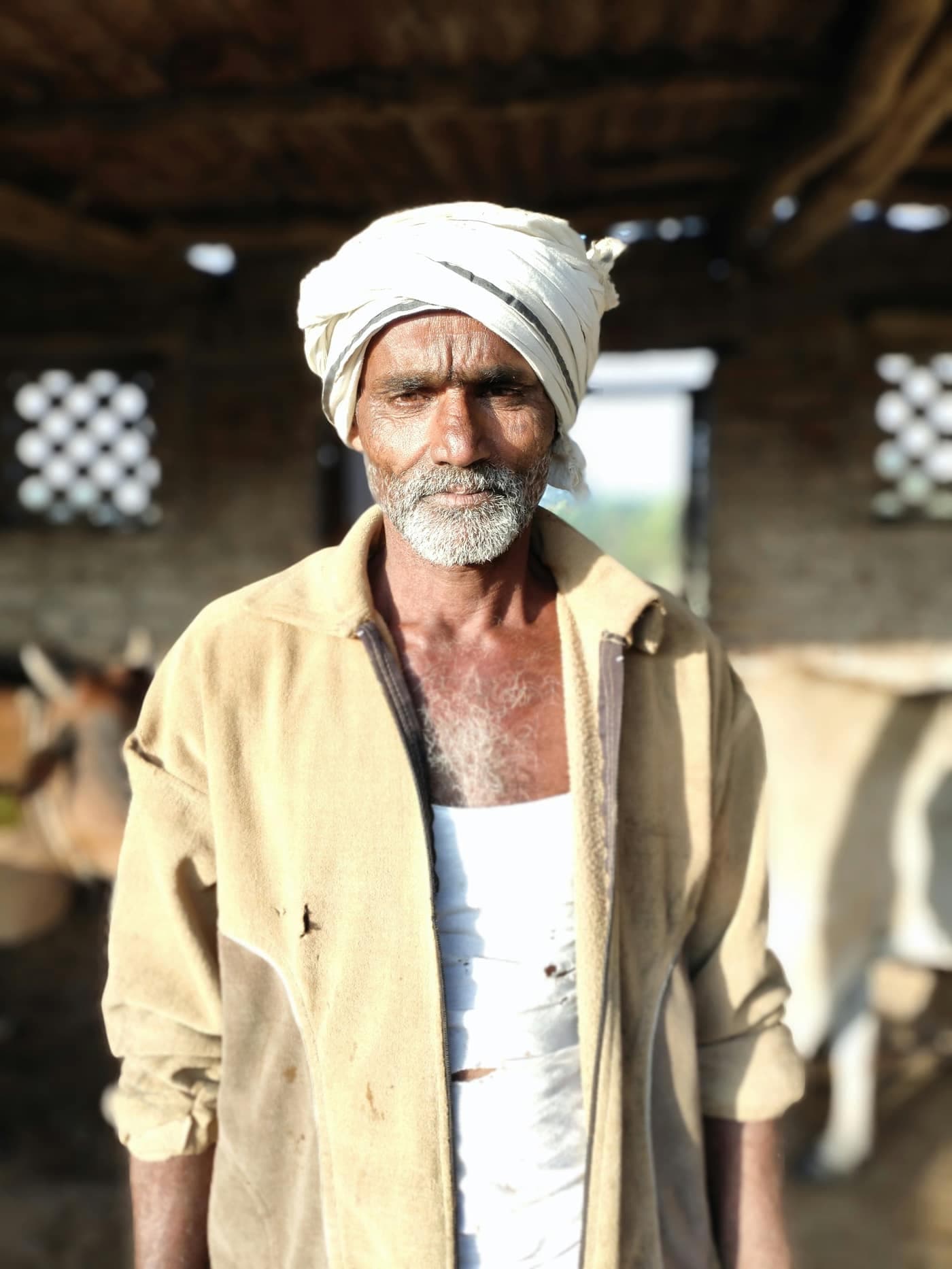
A voluntary pension of ₹3,000/month from age 60, for small and marginal farmers who pay in ₹55–₹200 a month between 18 and 40 — matched rupee-for-rupee by the government. Unlike PM-KISAN, this is contributory: you fund roughly half the pension yourself.
Pension: ₹3,000/month from age 60
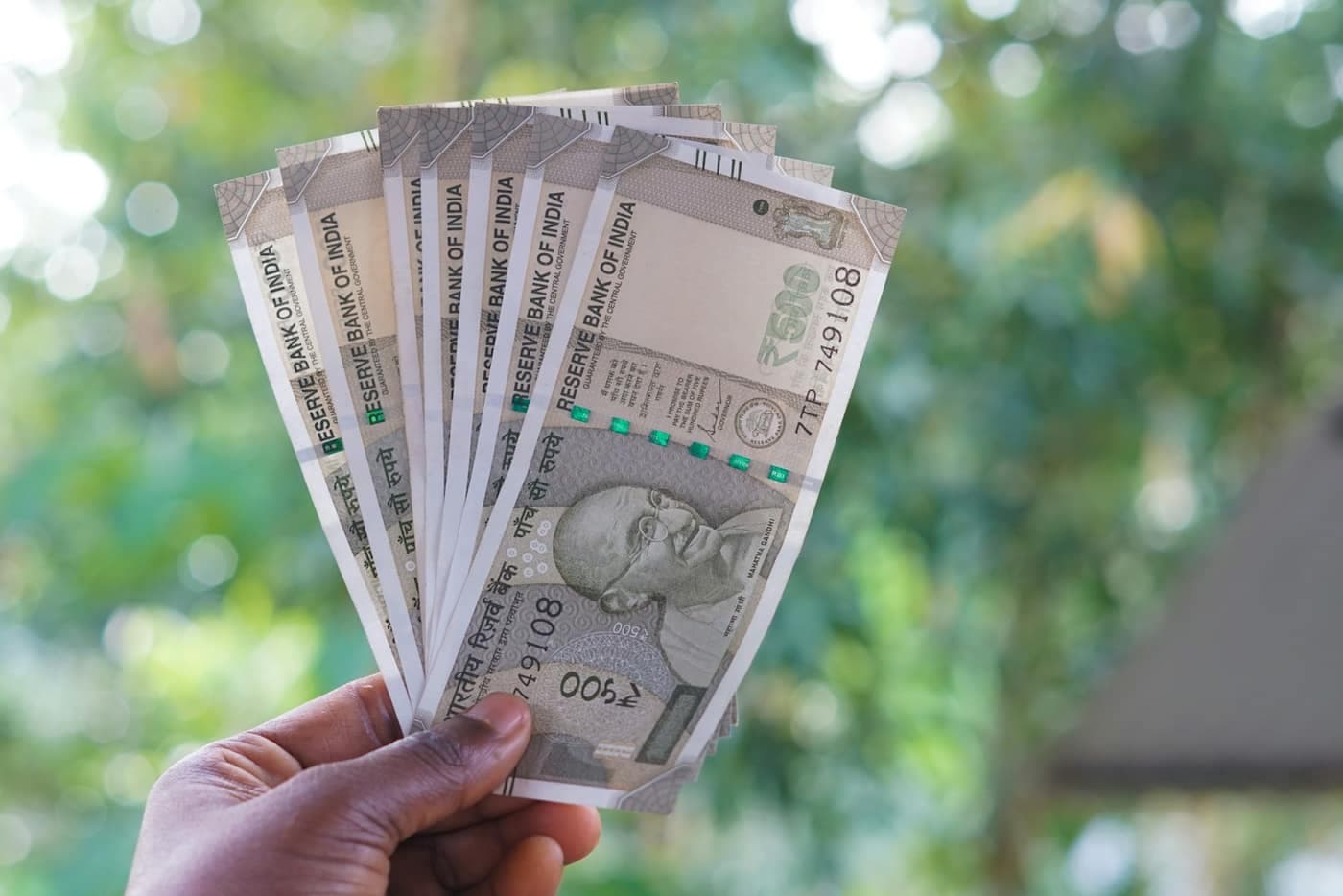
A 1.5% interest subvention on Kisan Credit Card loans that brings the bank rate down to 7%, and a further 3% Prompt Repayment Incentive that takes it to just 4% for farmers who repay on time. There is no separate application — it applies automatically to an Aadhaar-linked KCC loan.
Interest subvention: 1.5% p.a. to the bank
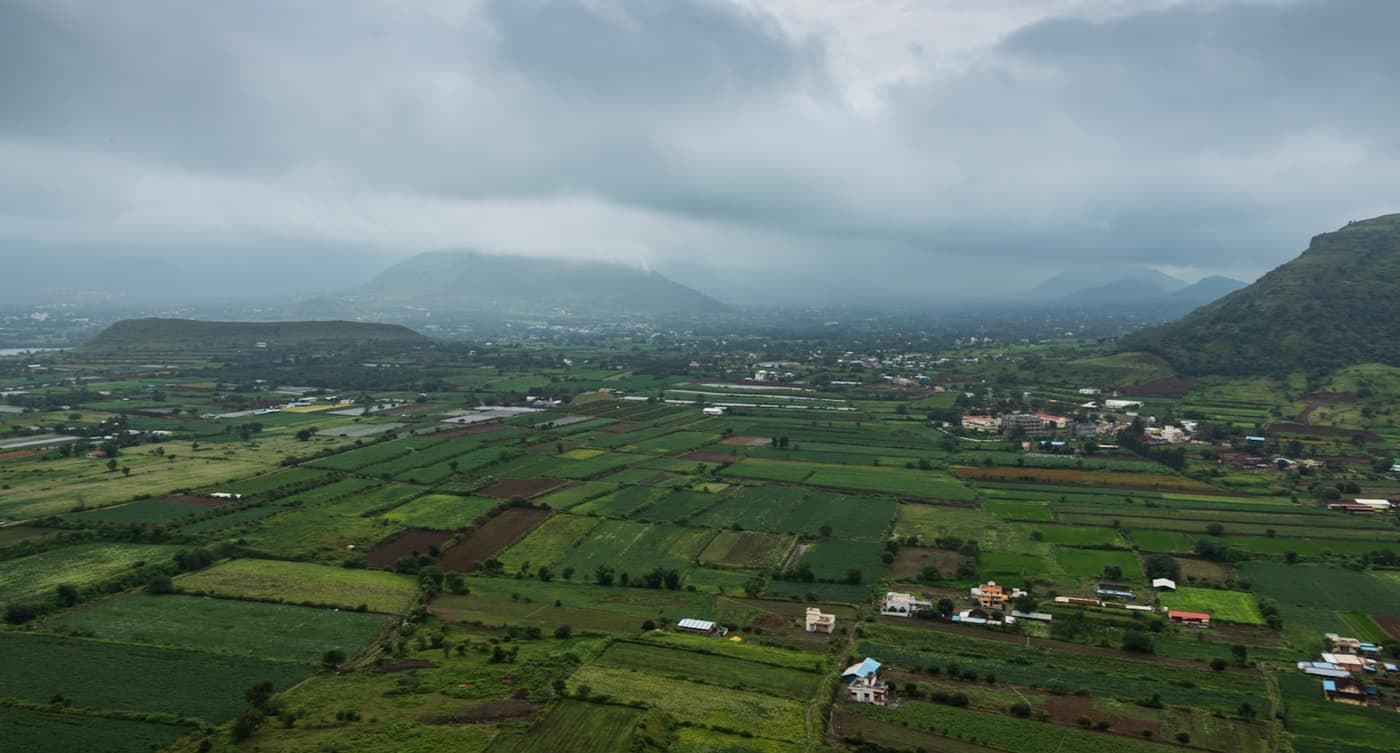
A six-year convergence programme that prioritises 36 existing central schemes across 11 ministries in 100 selected low-productivity districts, chosen so every state has at least one. It creates no new benefit of its own — a farmer still applies to PM-KISAN, KCC, PMFBY and the rest in the normal way.
Districts covered: 100 Aspirational Agricultural Districts
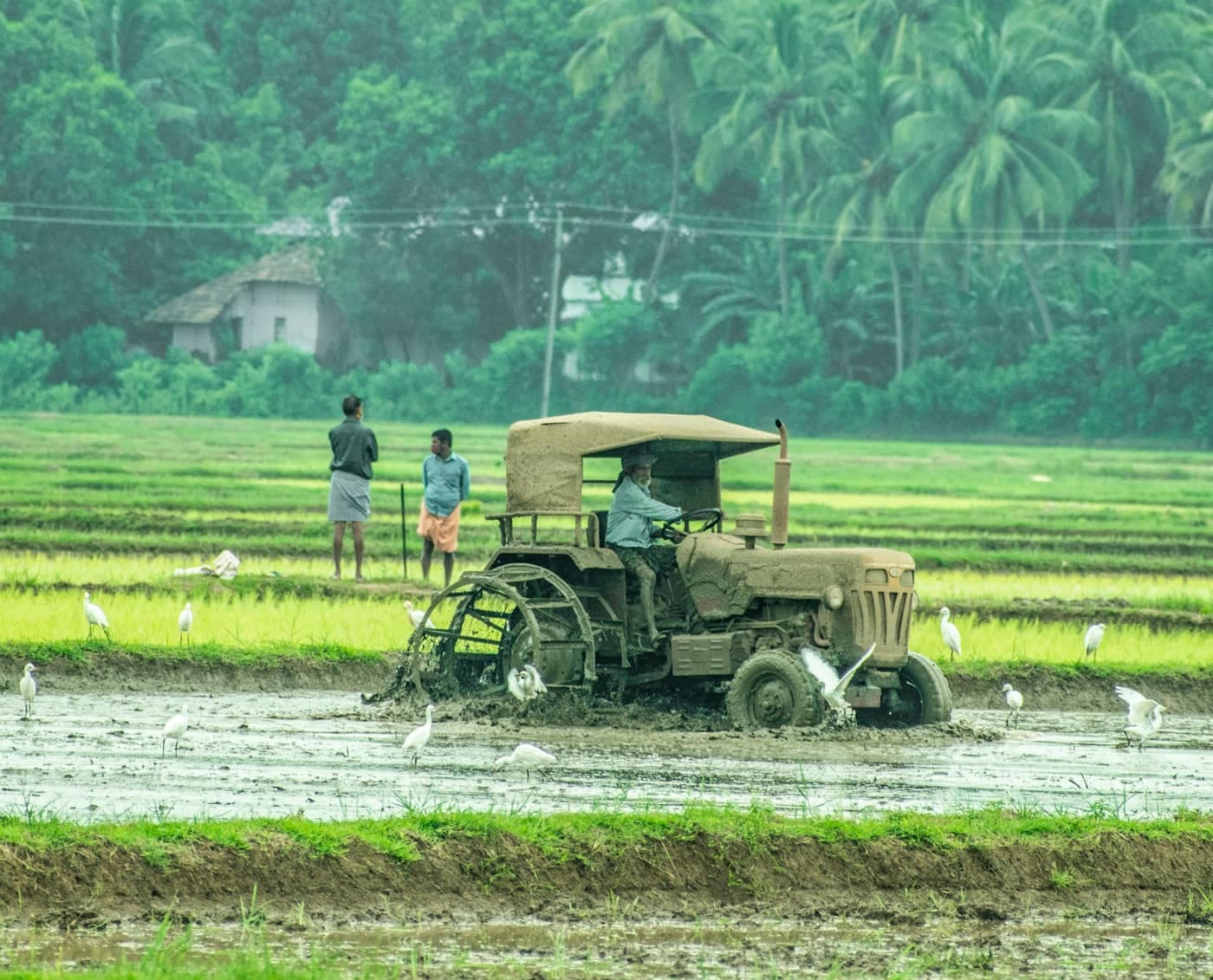
Subsidy to buy your own farm machinery — 40% of cost for most farmers, 50% for SC/ST, small & marginal, women and North Eastern State farmers — plus much larger subsidy to set up a Custom Hiring Centre or Farm Machinery Bank that rents machinery to farmers who cannot afford to own it.
Machinery subsidy: 40%–50% of cost, by category
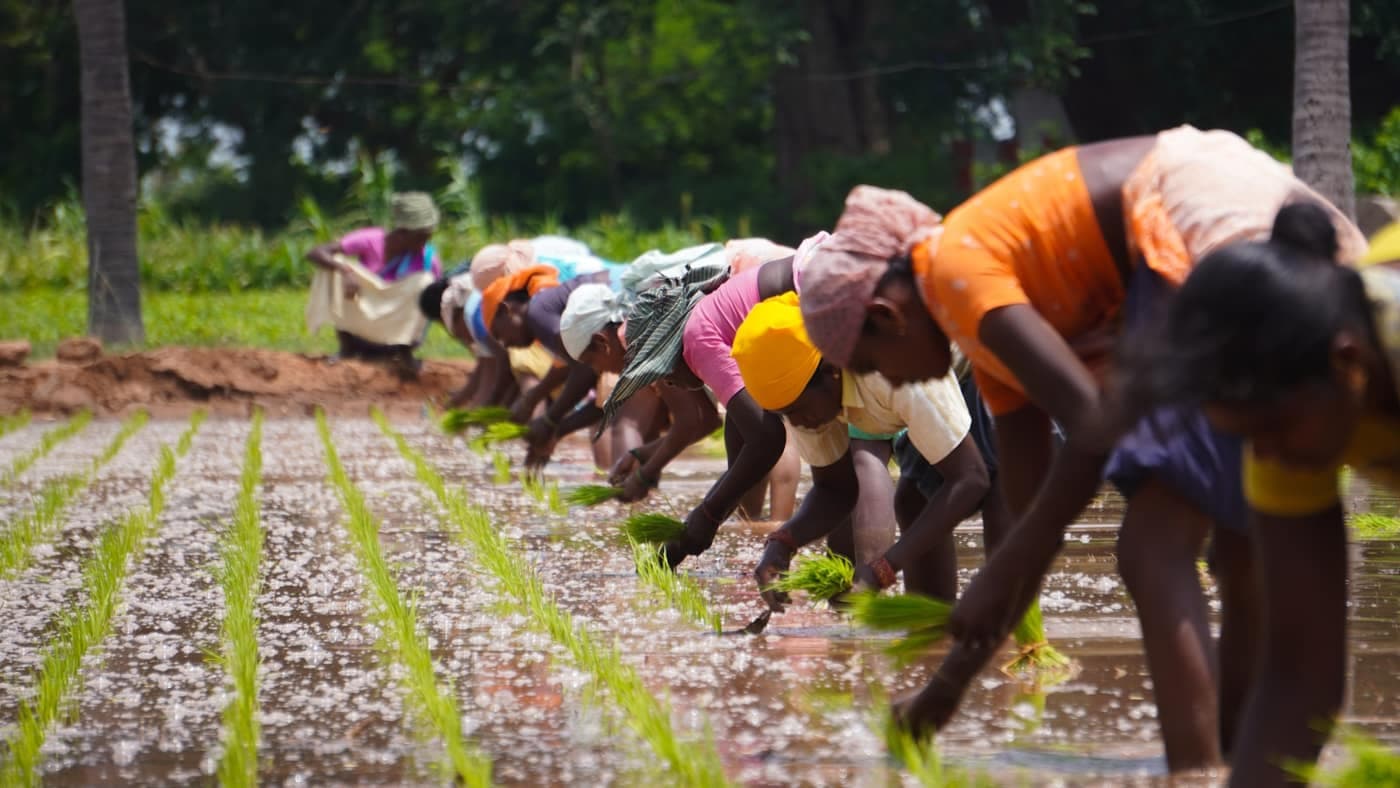
Cluster-based assistance to convert to certified organic farming — a group of 20+ farmers on 20 hectares gets support for inputs, PGS-India peer certification and marketing over 3 years. Recent PIB figures put per-hectare assistance at ₹31,500 over that period.
Assistance: ₹31,500/hectare over 3 years
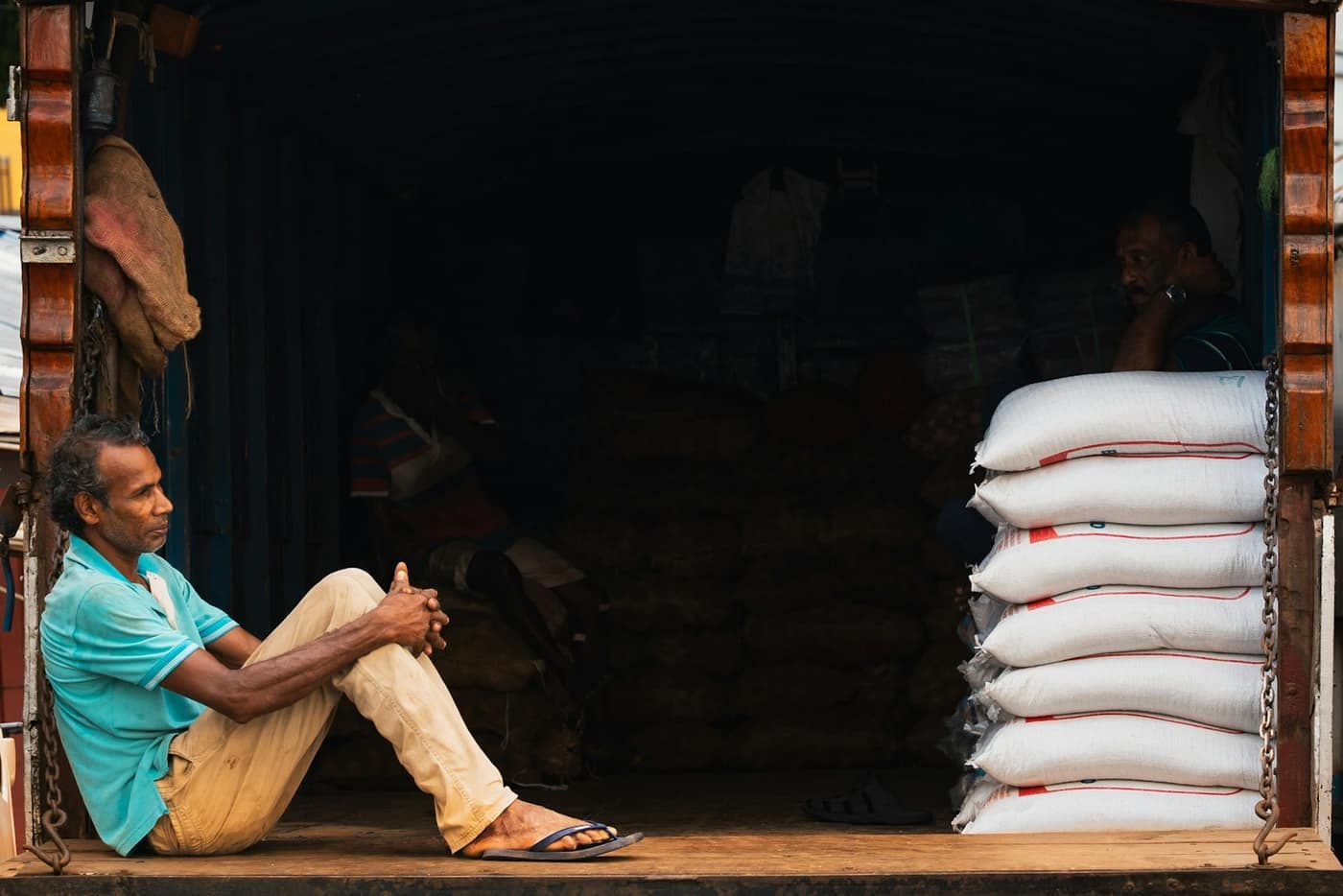
A ₹1 lakh crore loan facility — not a grant — for warehouses, cold storage and other post-harvest infrastructure. The Centre pays 3% interest subvention and a collateral-free credit guarantee on loans up to ₹2 crore; PACS, FPOs, cooperatives and entrepreneurs are the usual applicants.
Facility size: ₹1 lakh crore
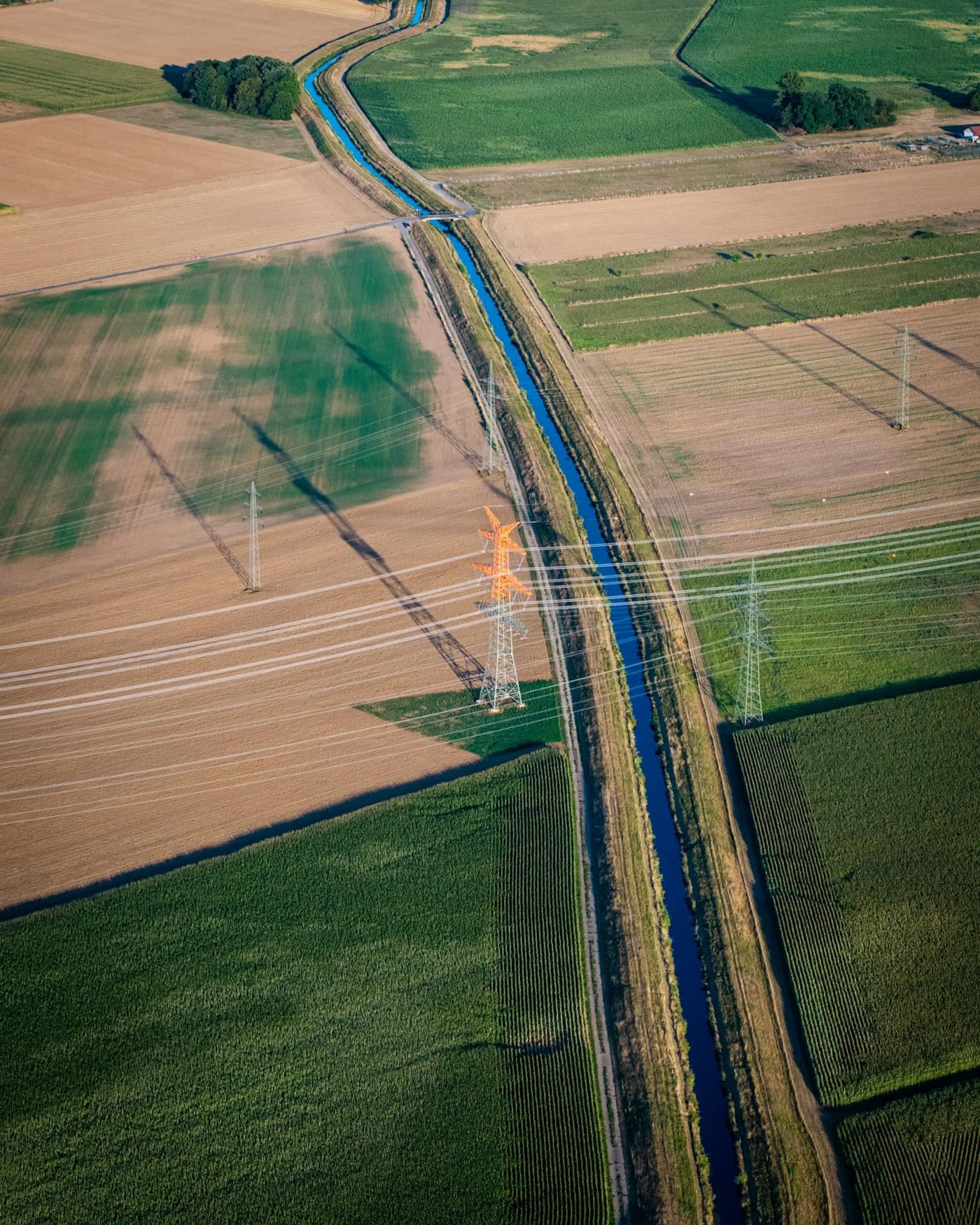
The umbrella scheme behind "Har Khet Ko Pani" — major irrigation projects (AIBP), water-source creation and distribution, and watershed development. The drip/sprinkler micro-irrigation subsidy, Per Drop More Crop, moved out to PM-RKVY in 2022-23.
Launched: 1 July 2015
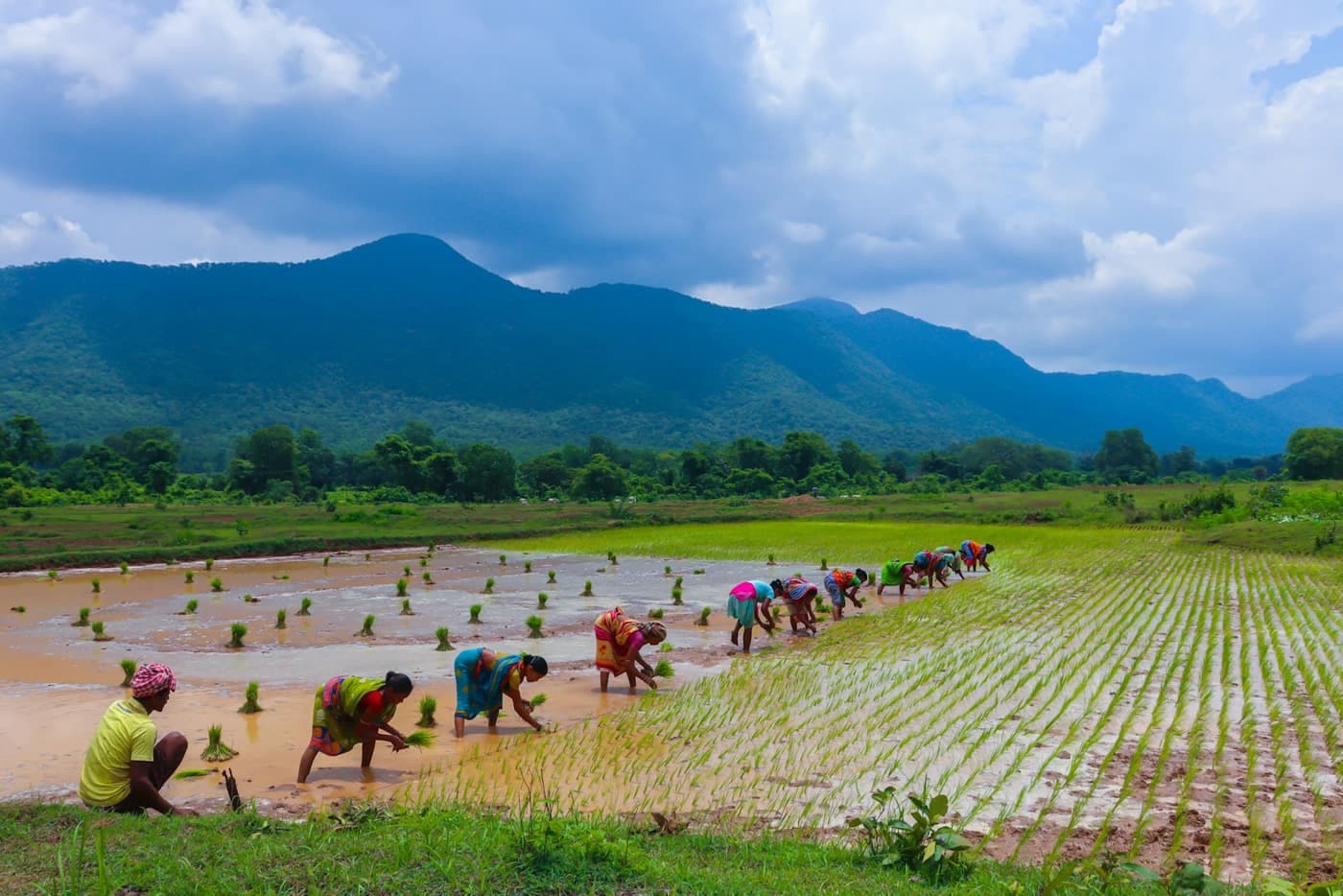
The Centre’s umbrella "cafeteria" scheme for agriculture development, run through the States — covering micro-irrigation, organic farming, soil health, mechanization and more, with each State funding the components its farmers need most.
Model: "Cafeteria" — States choose components

Turns a plot that depends on rain alone into a mixed farming system — crops plus at least two of horticulture/agroforestry, livestock, fishery or apiculture — with a flat ₹30,000 per farming family, the same for every landholding size, inside a State-selected cluster of at least 20 hectares.
Assistance per family: ₹30,000 (flat, any land size)
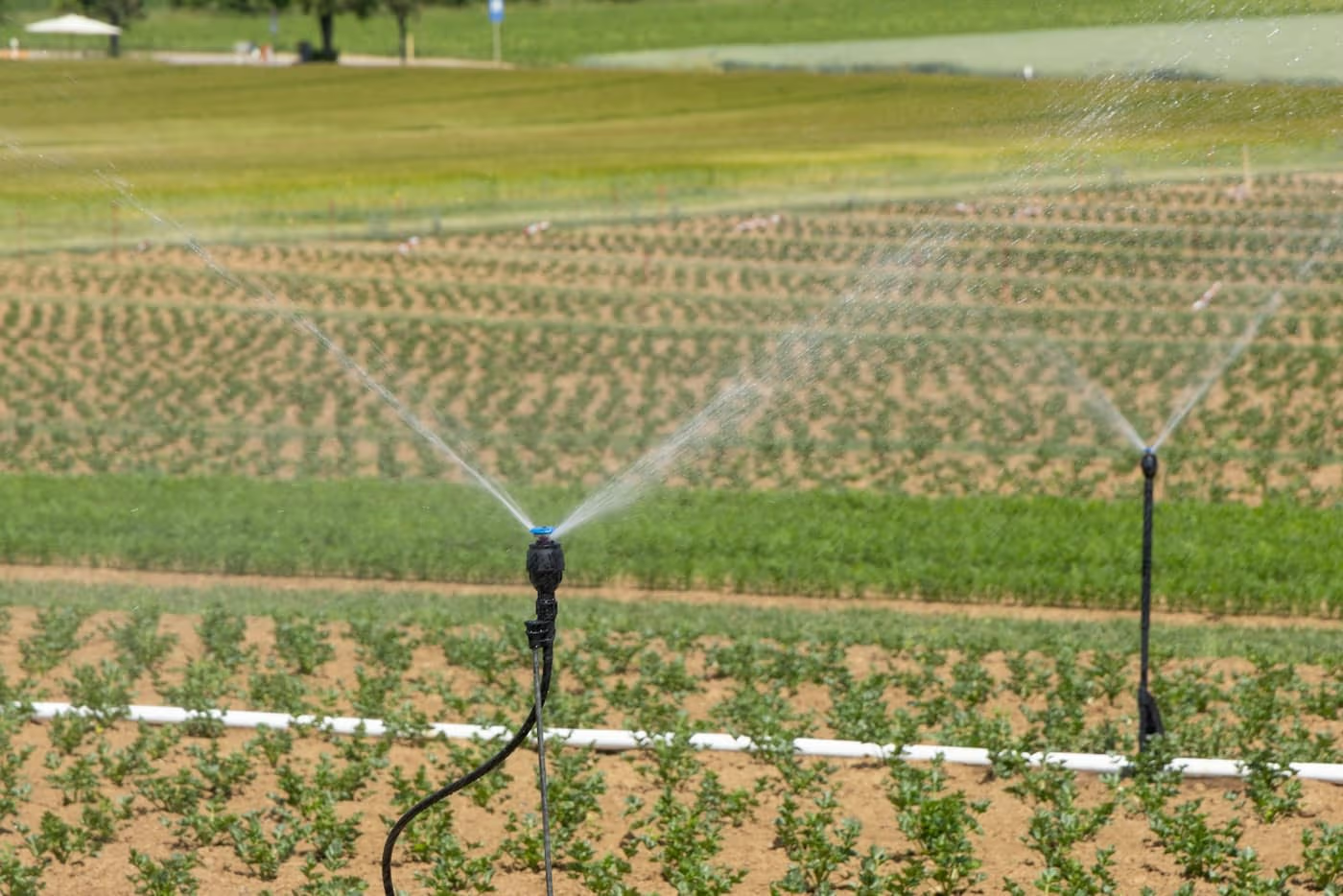
A 55% (small/marginal) or 45% (other farmers) capital subsidy on drip and sprinkler irrigation systems, capped at 5 hectares per beneficiary — the flagship micro-irrigation component of PM-RKVY.
Micro-irrigation subsidy: 55% (small/marginal) · 45% (others)
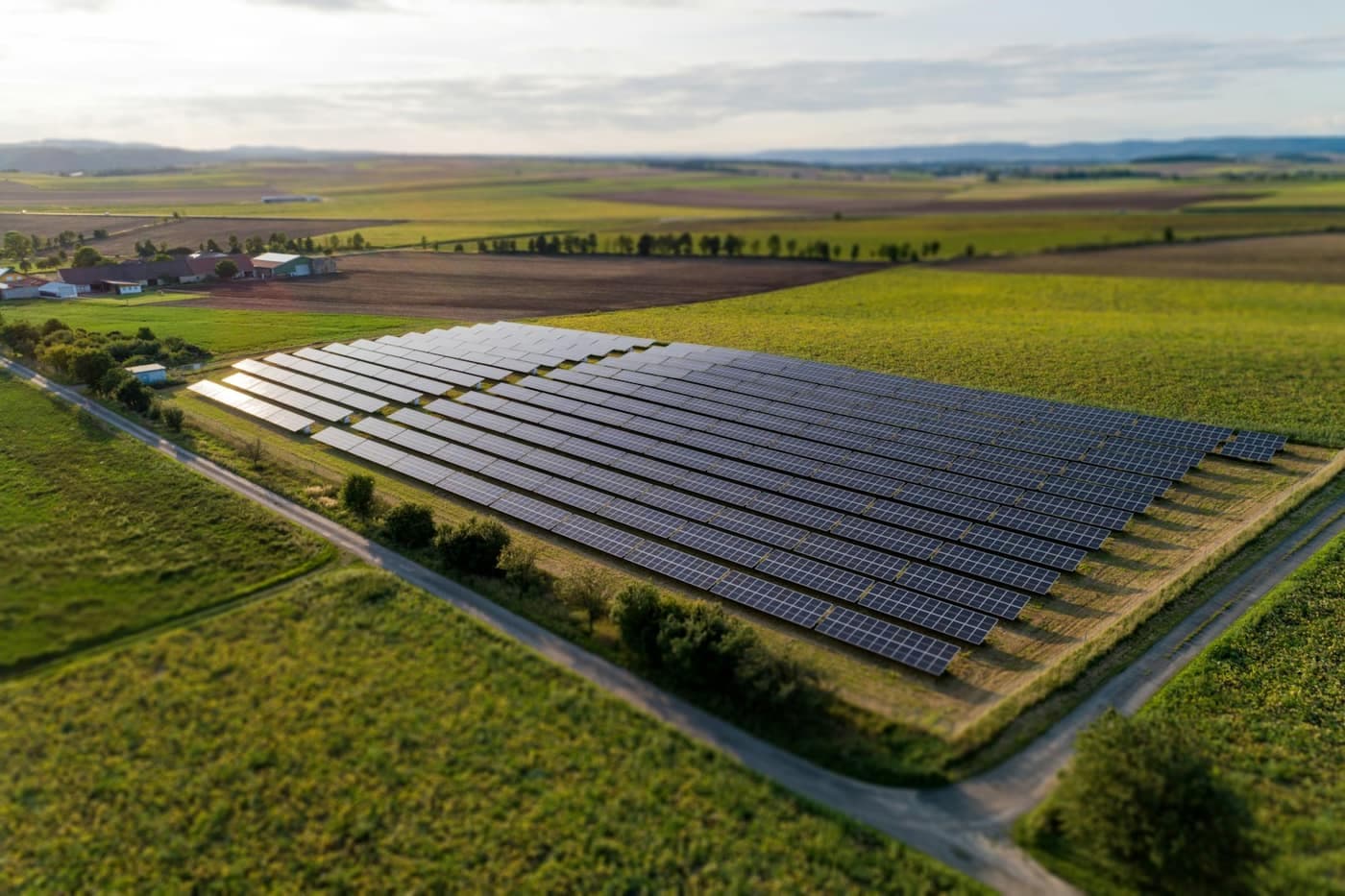
Solar energy for farmers in three parts: subsidised standalone solar pumps up to 7.5 HP, solarising an existing grid-connected pump, and setting up a small solar plant on barren land to sell power to the DISCOM. Subsidy is typically 30% central + 30% state, farmer pays the rest.
Component B (pumps): Standalone solar pumps up to 7.5 HP
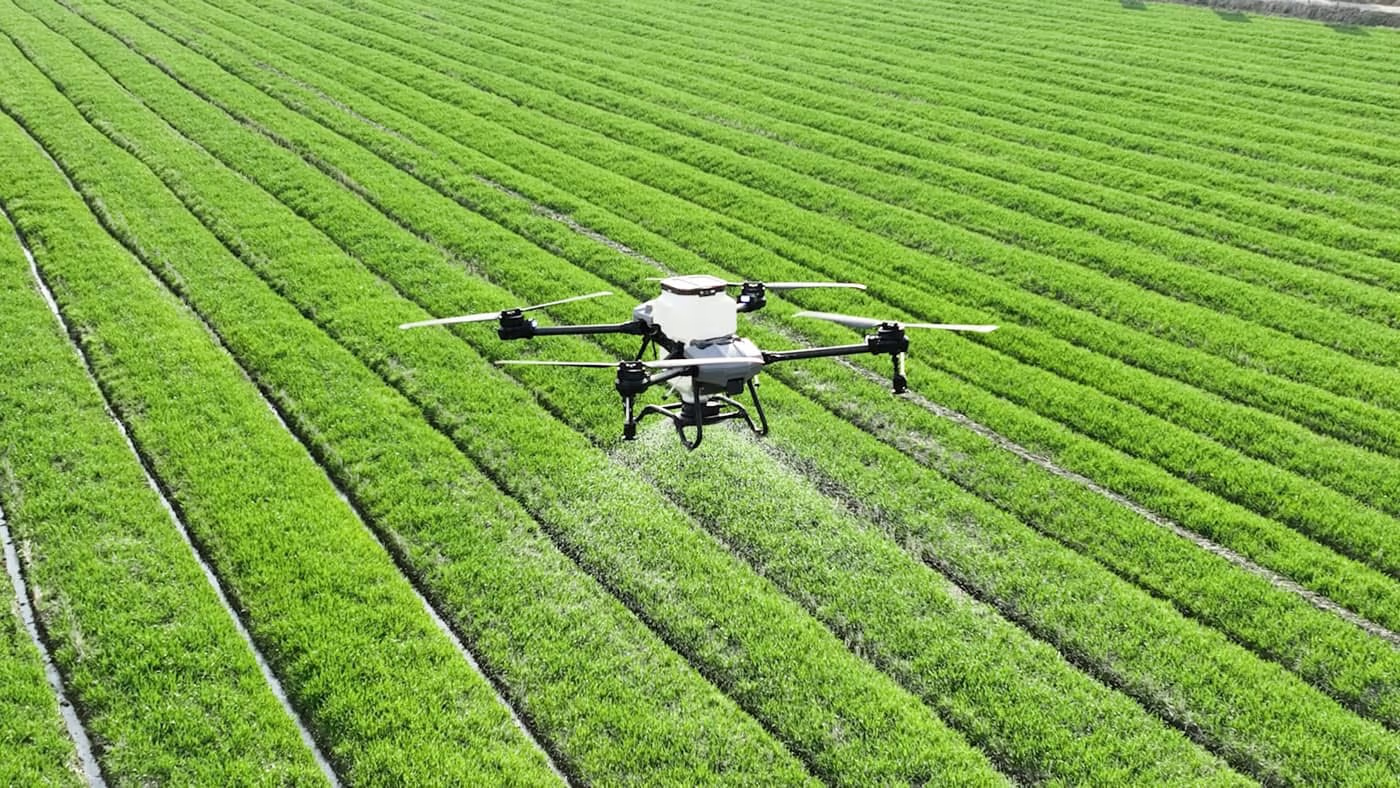
Not a scheme a farmer applies to directly — it puts agri-drones in the hands of Women Self Help Groups, at 80% subsidy up to ₹8 lakh, after 15 days of pilot training. A farmer’s role is as a customer, hiring the SHG’s drone for spraying.
Subsidy: 80% of drone cost, up to ₹8 lakh
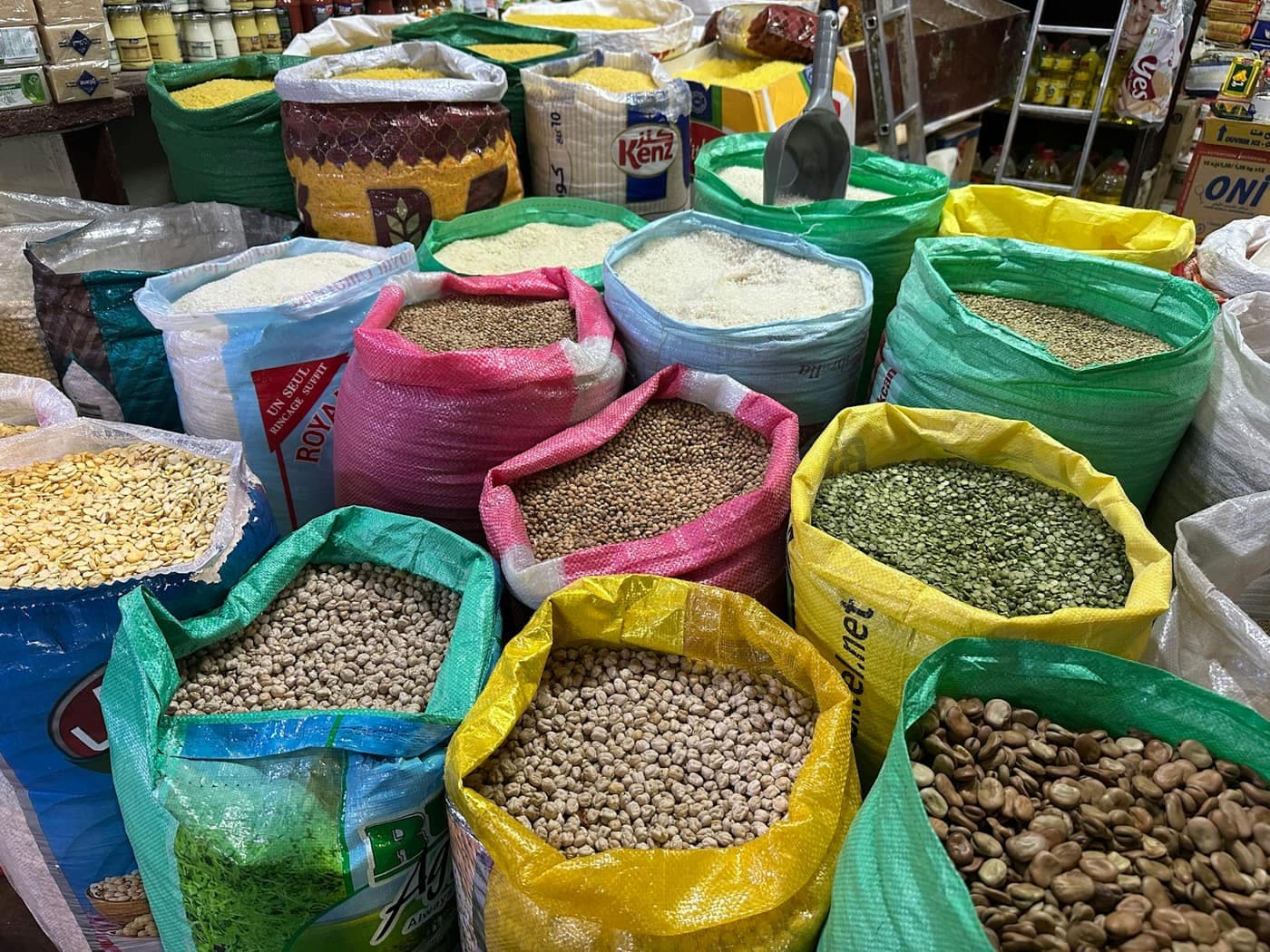
A national electronic trading platform networking mandis so a farmer isn’t limited to selling at the local market. Over 1,650 mandis and 247 commodities are on it, with online payment straight to the farmer’s bank account.
Mandis linked: 1,656 across 23 states + 4 UTs

Capital subsidy for fisheries and aquaculture — ponds, hatcheries, cage culture, fishing vessels, cold chain — typically 40% of project cost for general beneficiaries and 60% for SC/ST/women. Applied for through the State Fisheries Department with a project report.
Capital subsidy: 40% general · 60% SC/ST/women
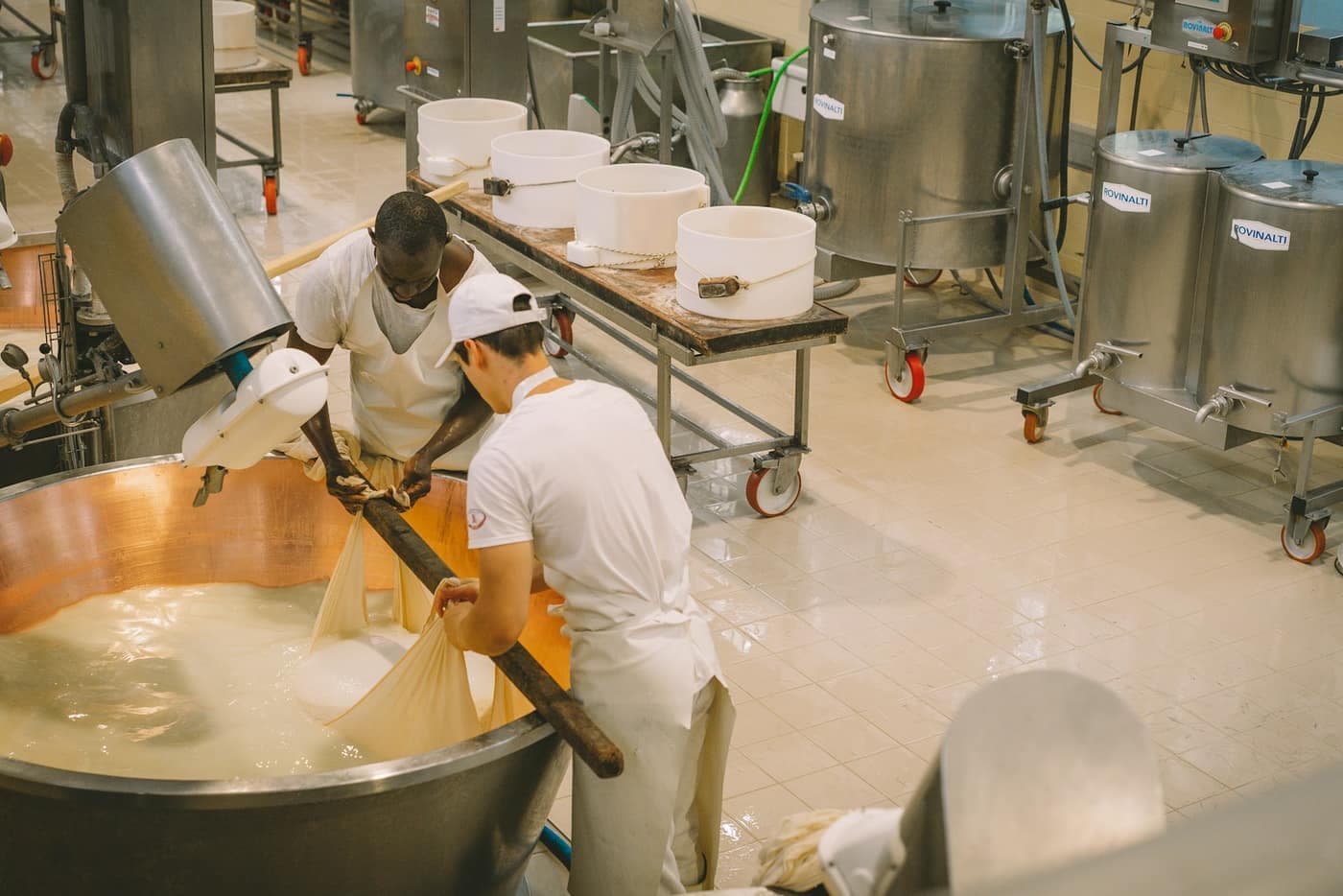
A 3% interest subvention on a bank loan of up to 90% of project cost, for setting up a dairy processing unit, a meat processing unit, or an animal feed plant. Applied for via the Udyami Mitra portal.
Interest subvention: 3% for all eligible entities
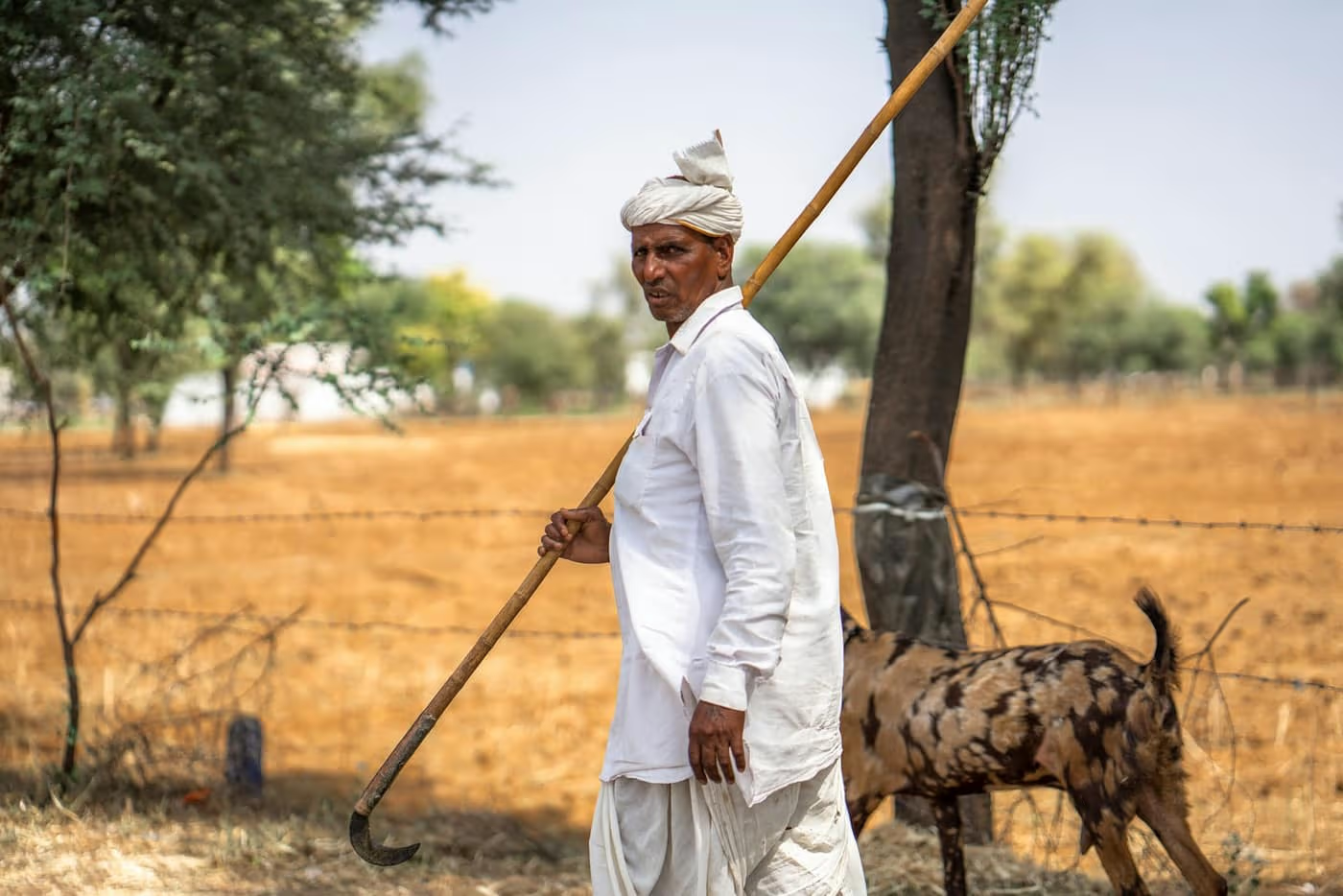
A 50% back-ended capital subsidy for rural poultry, sheep/goat, piggery and feed-fodder entrepreneurship units — up to ₹25 lakh for poultry, ₹50 lakh for sheep/goat or feed-fodder, ₹30 lakh for piggery. Applied for via the NLM Udyami Mitra portal.
Entrepreneurship subsidy: 50% capital subsidy, back-ended
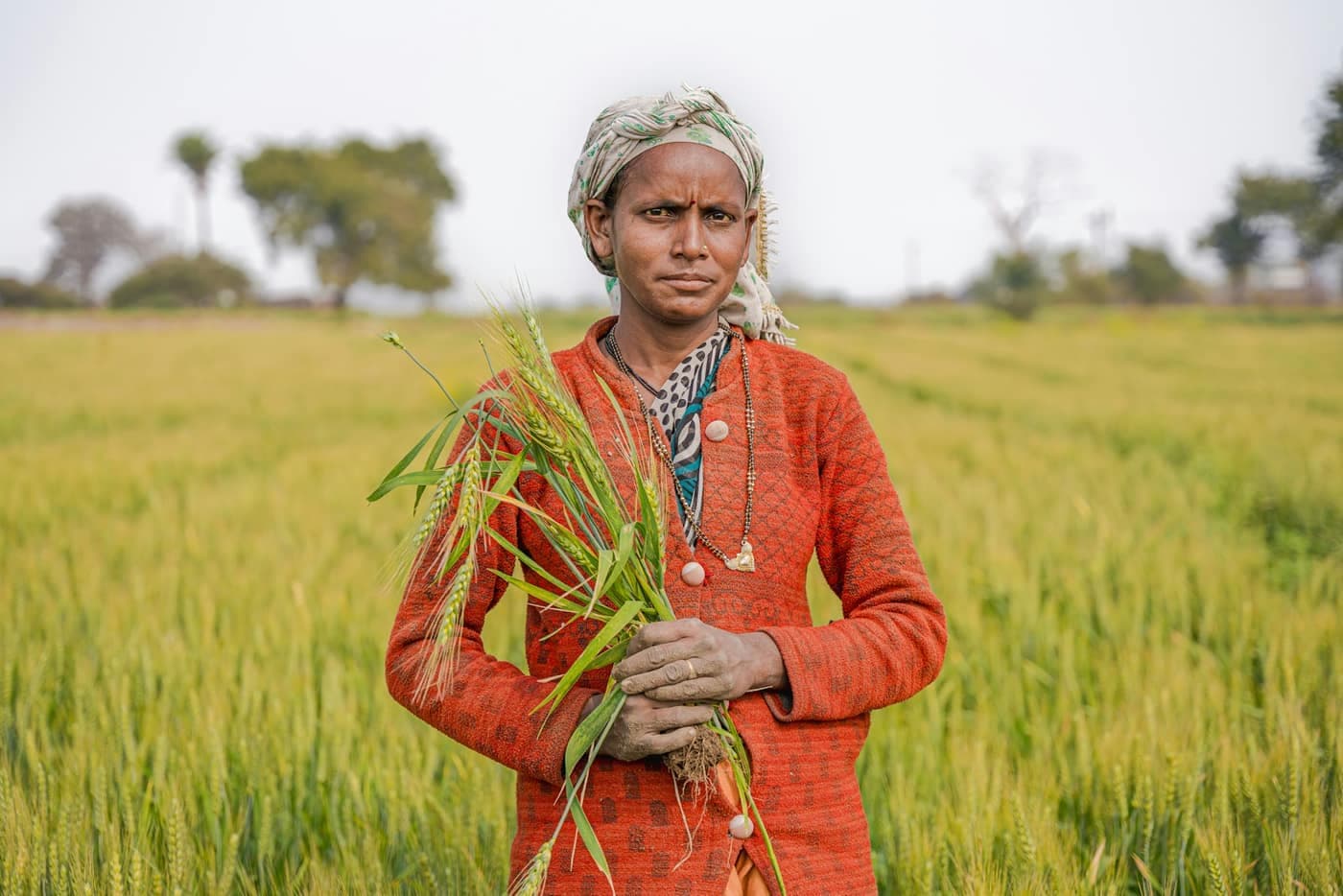
Boosts production of rice, wheat, pulses, millets and commercial crops — not through cash, but free seed minikits, subsidised certified seed and cluster demonstrations, delivered when your district is picked under the state’s annual plan.
Crops covered: Rice, wheat, pulses, millets, cotton, jute, sugarcane
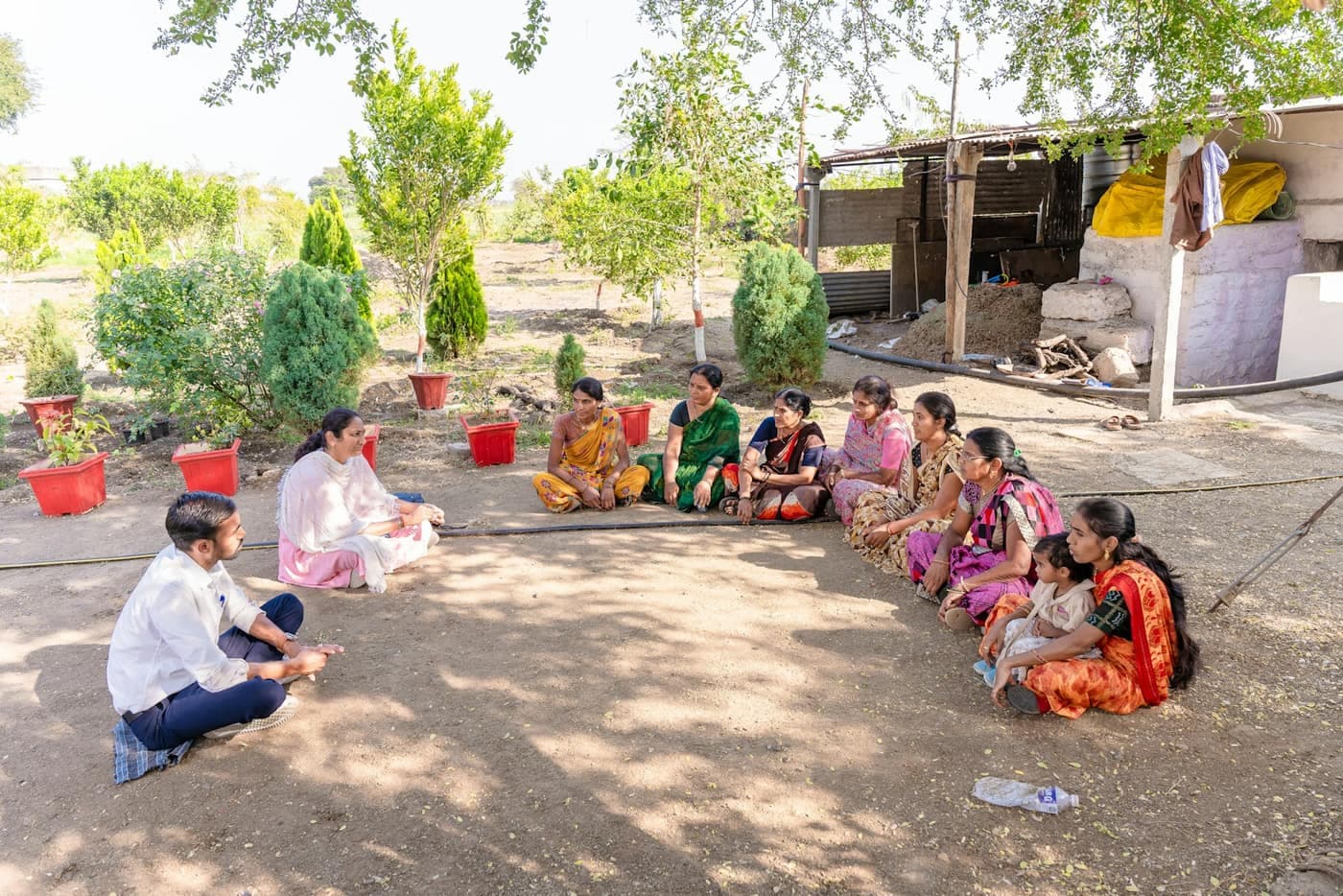
A ₹6,865-crore central scheme that funds the formation of Farmer Producer Organisations — companies owned by farmers themselves — with a matching equity grant, a collateral-free credit guarantee, and five years of professional handholding through a CBBO. The support goes to the FPO, not to any one farmer's account.
Total outlay: ₹6,865 crore (2019-20–2027-28)
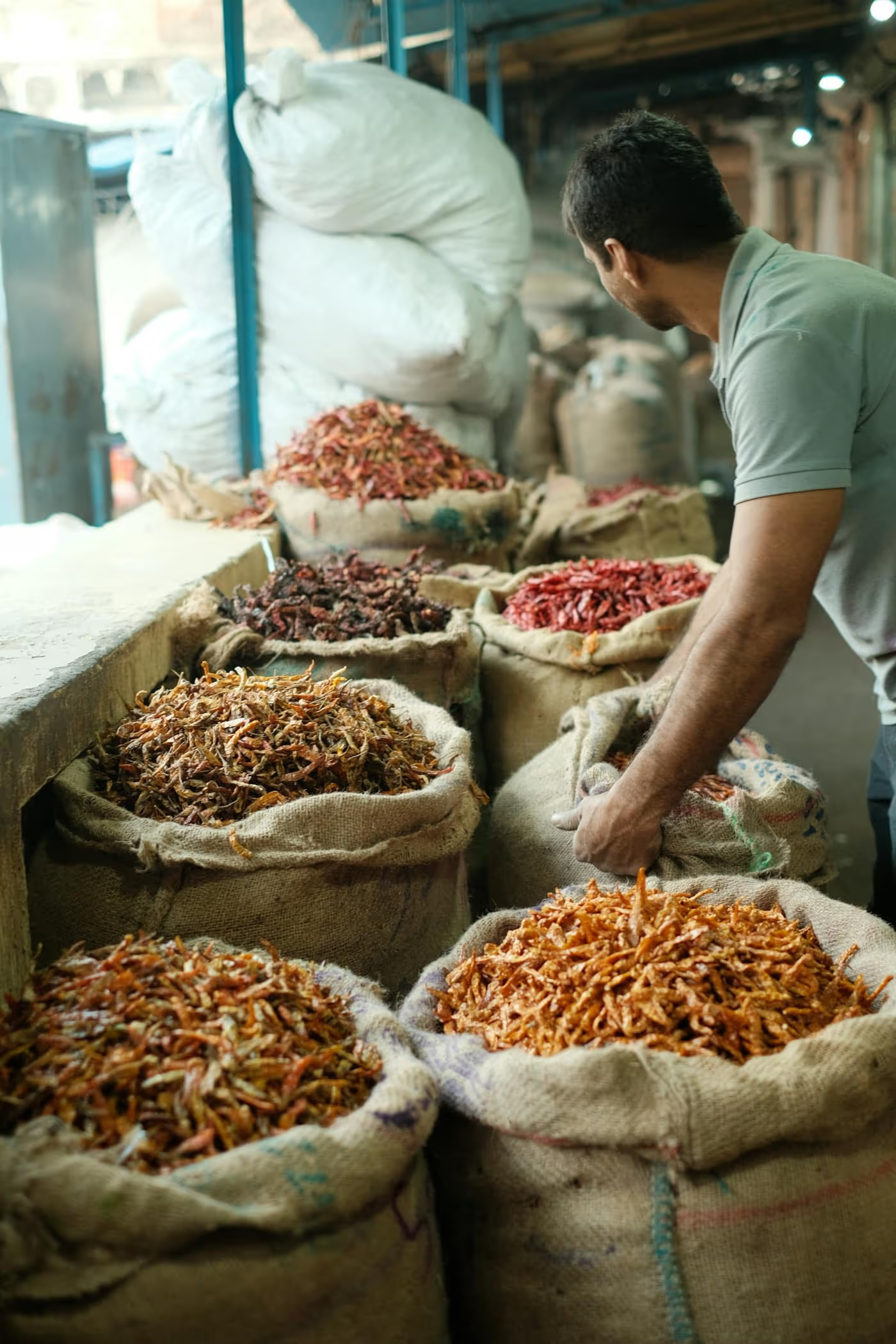
35% credit-linked capital subsidy (up to ₹10 lakh) to upgrade or start a micro food processing unit, built around your district’s One District One Product (ODOP). Self Help Group members also get ₹40,000 seed capital, and FPOs/SHGs/cooperatives can apply for common infrastructure and branding support.
Subsidy: 35% of project cost, up to ₹10 lakh
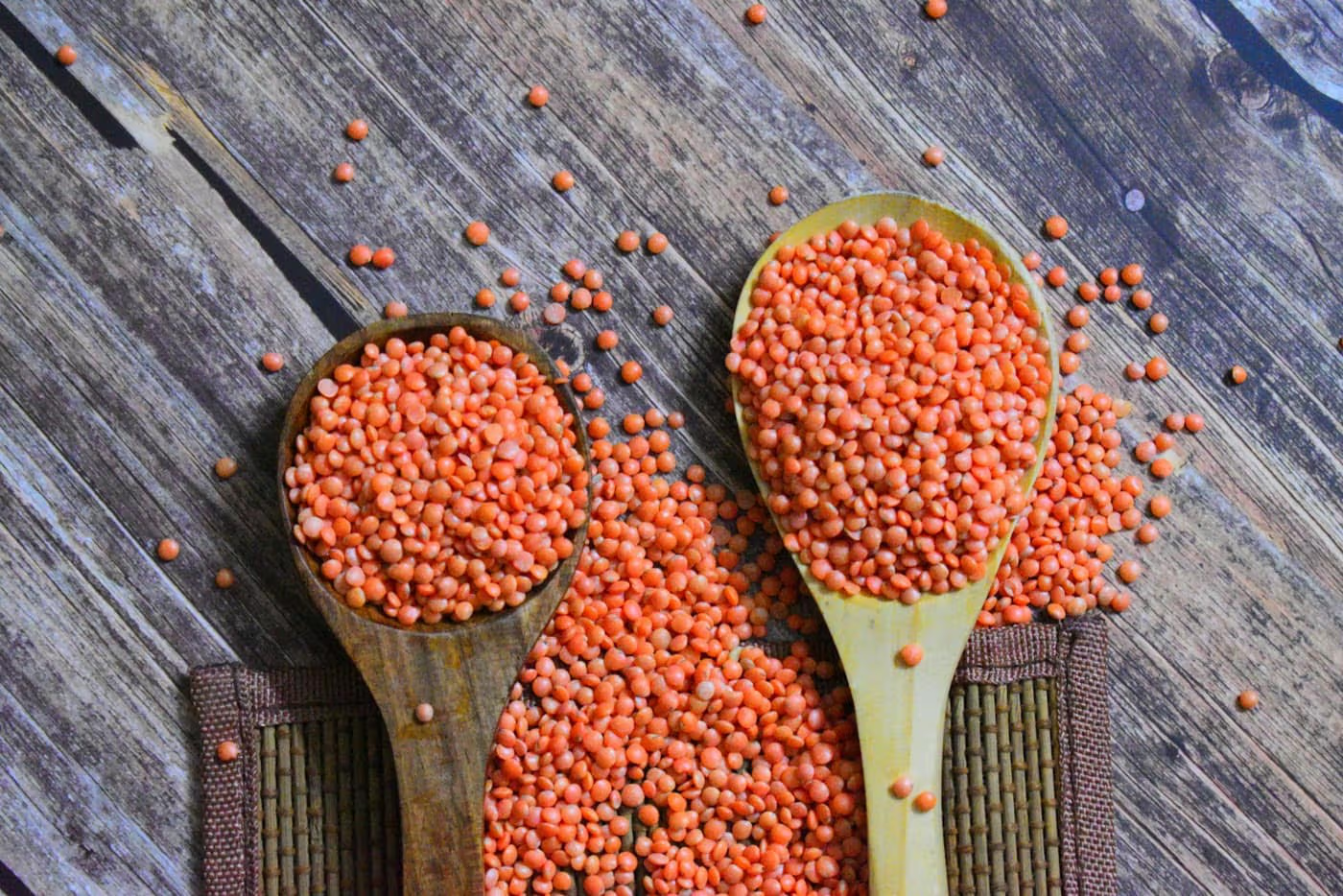
A 4-year guaranteed MSP purchase of tur, urad and masoor by NAFED and NCCF, plus free seed kits and cheaper certified seed — not a cash payment, but a promise that whatever you grow of these three pulses will be bought.
Total outlay: ₹11,440 crore (2025-26 to 2030-31)
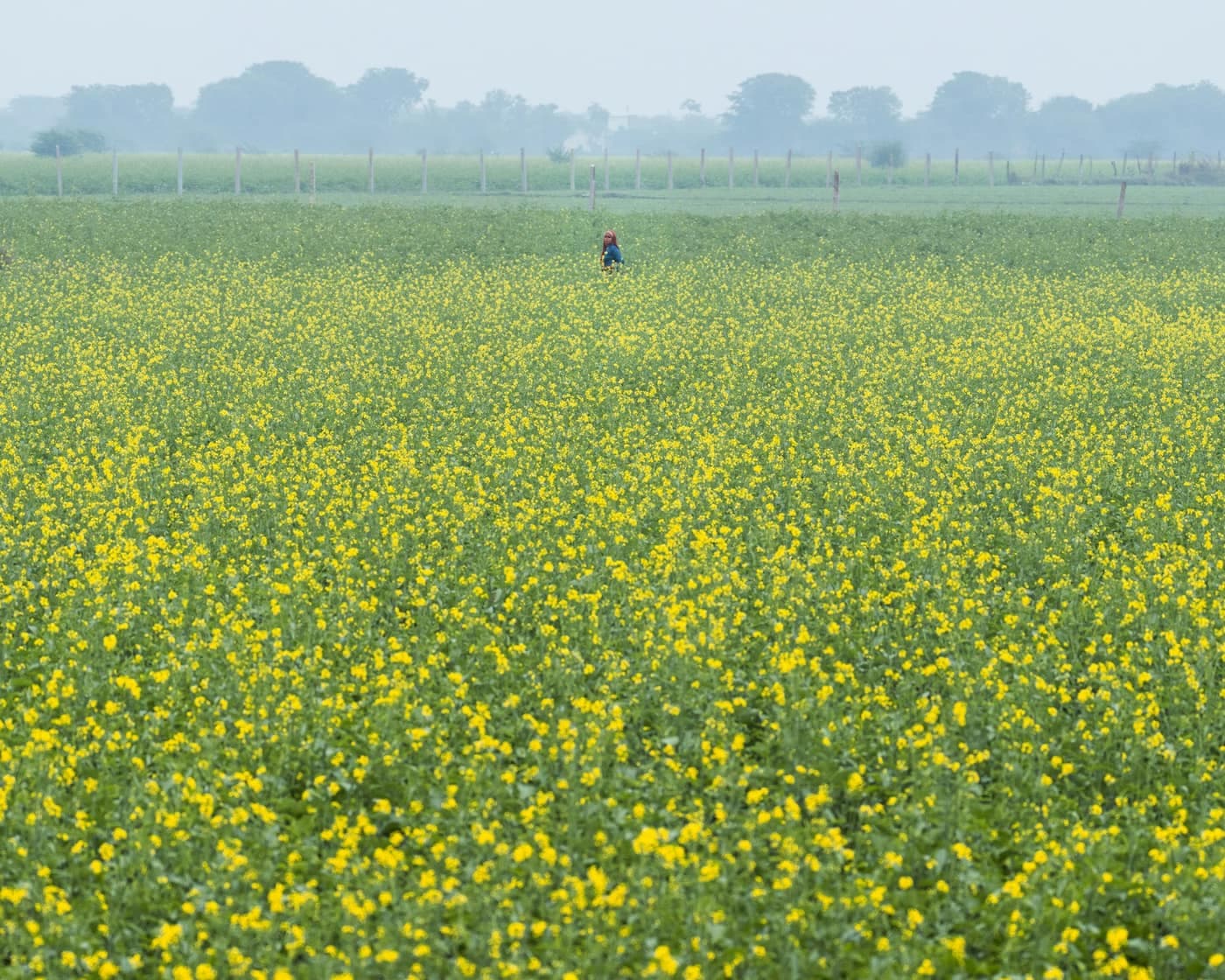
A 7-year, ₹10,103-crore mission to grow more mustard, groundnut, soybean, sunflower and sesamum at home — free/subsidised seed and Value Chain Clusters run through your FPO, not a cash transfer, and your MSP right stays intact alongside it.
Total outlay: ₹10,103 crore (2024-25 to 2030-31)
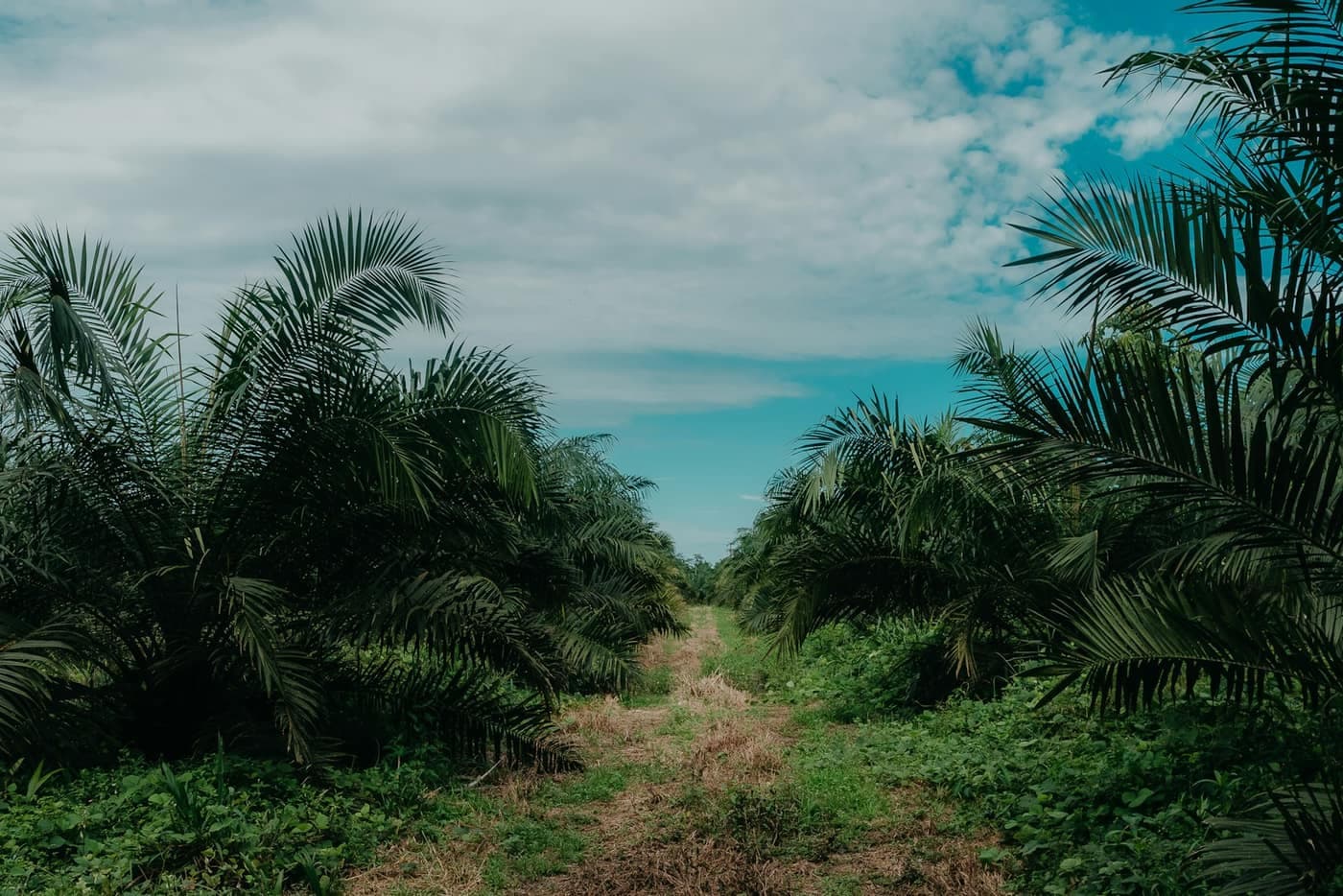
Pays farmers to plant oil palm — subsidised planting material, drip irrigation and machinery, an assured buyer, and a Viability Gap Payment so a crash in palm-oil prices does not wipe out your income. A 25-30 year commitment once you start.
Total outlay: ₹11,040 crore
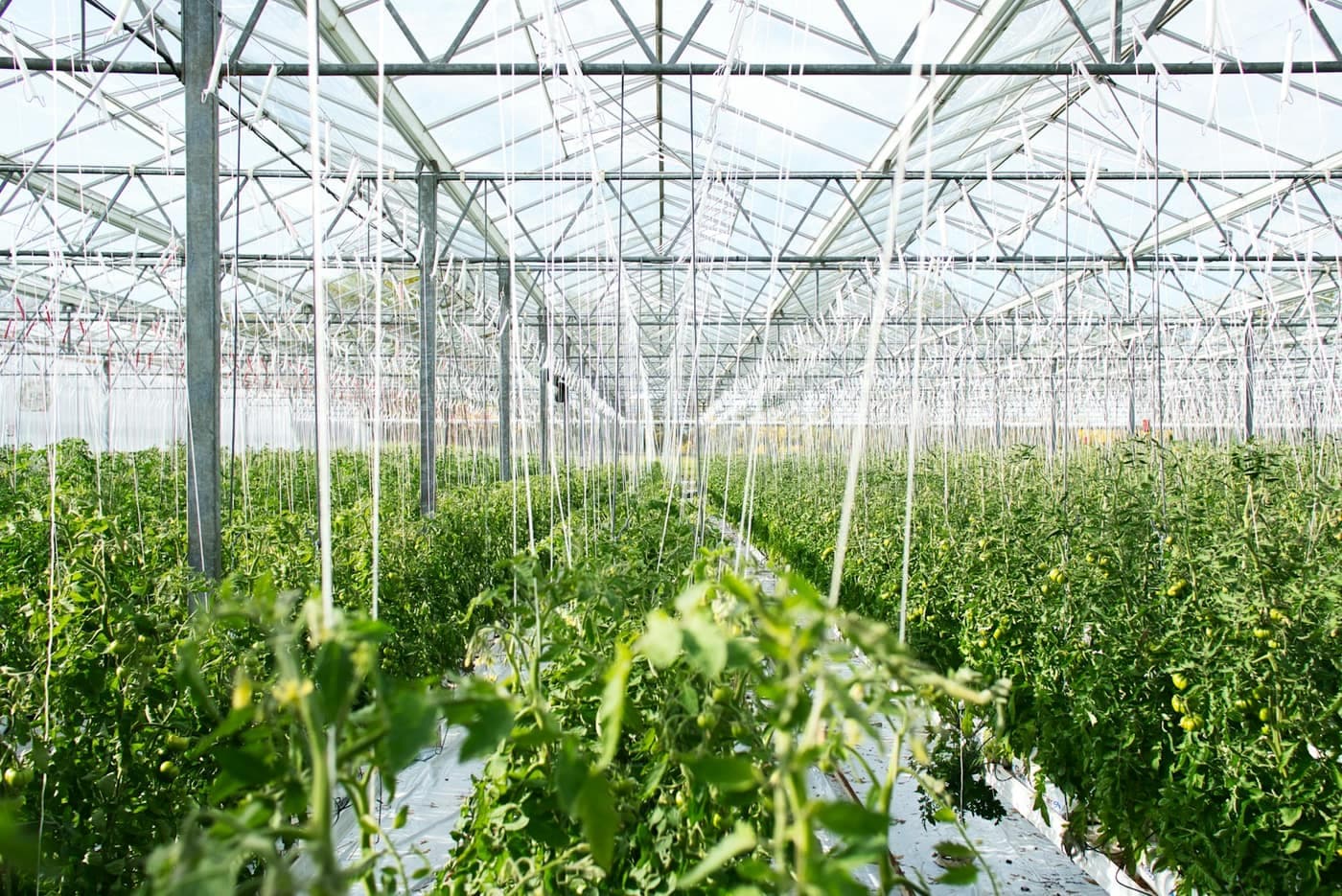
Funds nurseries, new orchards, poly-houses, organic certification, mechanization and cold storage for fruit, vegetable and flower growers — commonly up to 50% of project cost, run through your State Horticulture Mission since 2014-15.
Launched: 2014-15
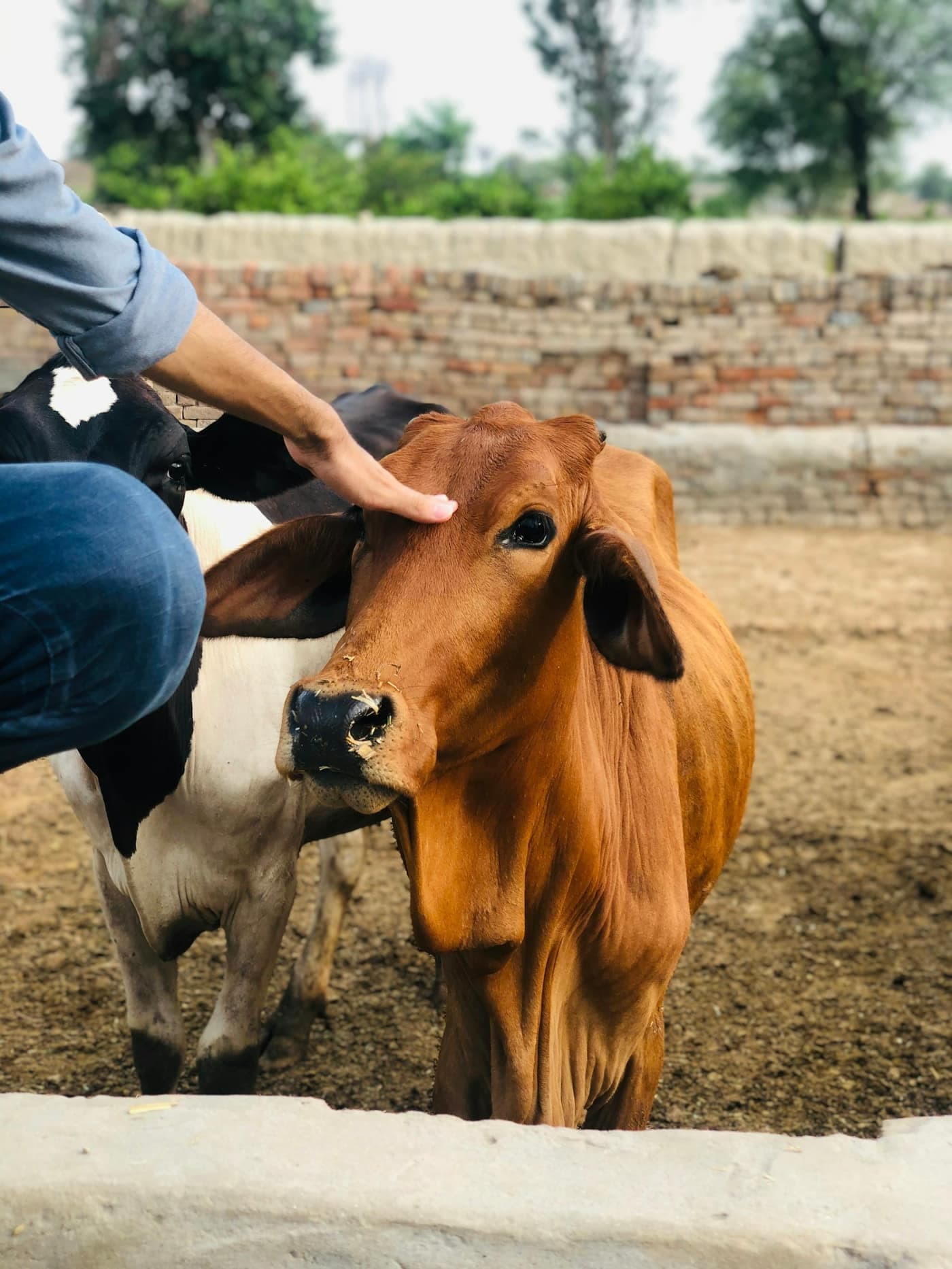
A ₹3,400-crore mission to conserve and genetically upgrade India's indigenous cattle and buffalo breeds — free doorstep artificial insemination, subsidised sex-sorted semen and IVF, plus 35% capital assistance for Heifer Rearing Centres and a 3% interest subvention on high-genetic-merit heifer loans.
Total outlay: ₹3,400 crore (FY2021-22 to FY2025-26)

A ₹7,522.48-crore central fund giving fisheries entities concessional loans — up to 80% of project cost, with up to 3% interest subvention — through NABARD, NCDC or a scheduled bank, for building fishing harbours, cold storage, hatcheries and fish markets.
Fund size: ₹7,522.48 crore
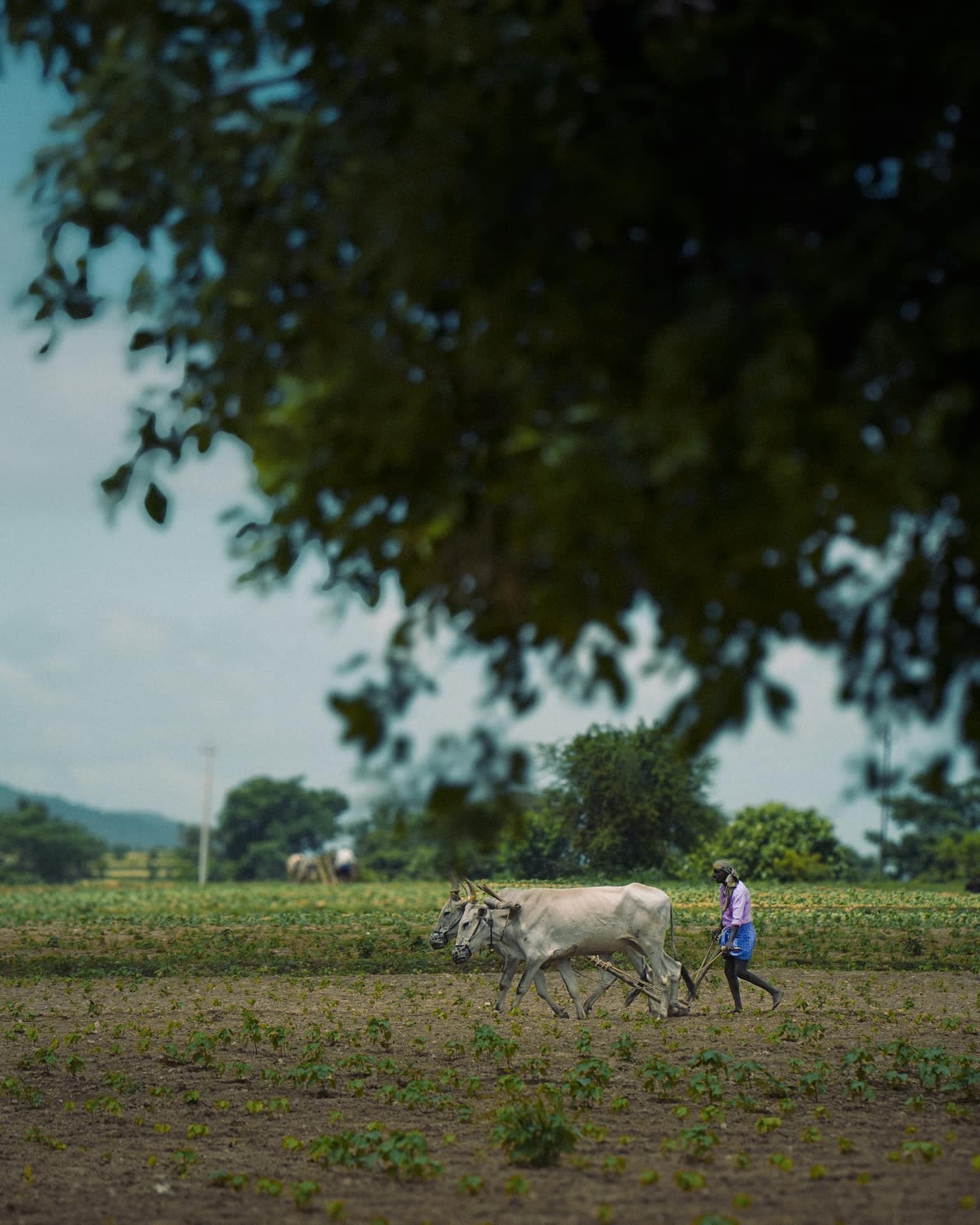
Farmers in 50-hectare clusters get ₹4,000 per acre a year for 2 years to switch to natural farming — growing with only on-farm, livestock-based inputs like jeevamrit and beejamrit, no purchased chemical or organic inputs at all. Free Bio-Input Resource Centres, Krishi Sakhi training and simplified PGS-India certification back the switch.
Farmer incentive: ₹4,000/acre/year, 2 years

Funds beekeeping infrastructure — honey testing labs, processing units, custom hiring centres and nucleus bee-stock centres — through the National Bee Board, ₹500 crore over FY2020-21 to FY2025-26. Register on the Madhukranti portal for a traceability certificate; actual project funding goes through NBB or your State Implementing Agency, not a simple individual online form.
Total outlay: ₹500 crore (FY2020-21 to FY2025-26)
A reactive umbrella scheme — nothing pays out while market prices stay healthy. The moment a notified pulse, oilseed or copra crop sells below MSP, government agencies buy it outright; for oilseeds, the price gap is instead credited to your bank account; and for tomato, onion or potato, a separate mechanism steps in when a bumper harvest crashes the price. Pre-register on NAFED’s e-Samridhi or NCCF’s e-Samyukti portal before the season to be served first.
Total outlay: ₹35,000 crore (to 2025-26)
Not a scheme that pays anything directly — it builds a Farmer ID linked to your Aadhaar and land records, the way Aadhaar itself became the identity layer behind bank accounts. A growing number of PM-KISAN, KCC and crop-insurance applications now check against this ID, alongside a nationwide Digital Crop Survey that records what is actually sown, plot by plot.
Total outlay: ₹2,817 crore (Centre: ₹1,940 cr)
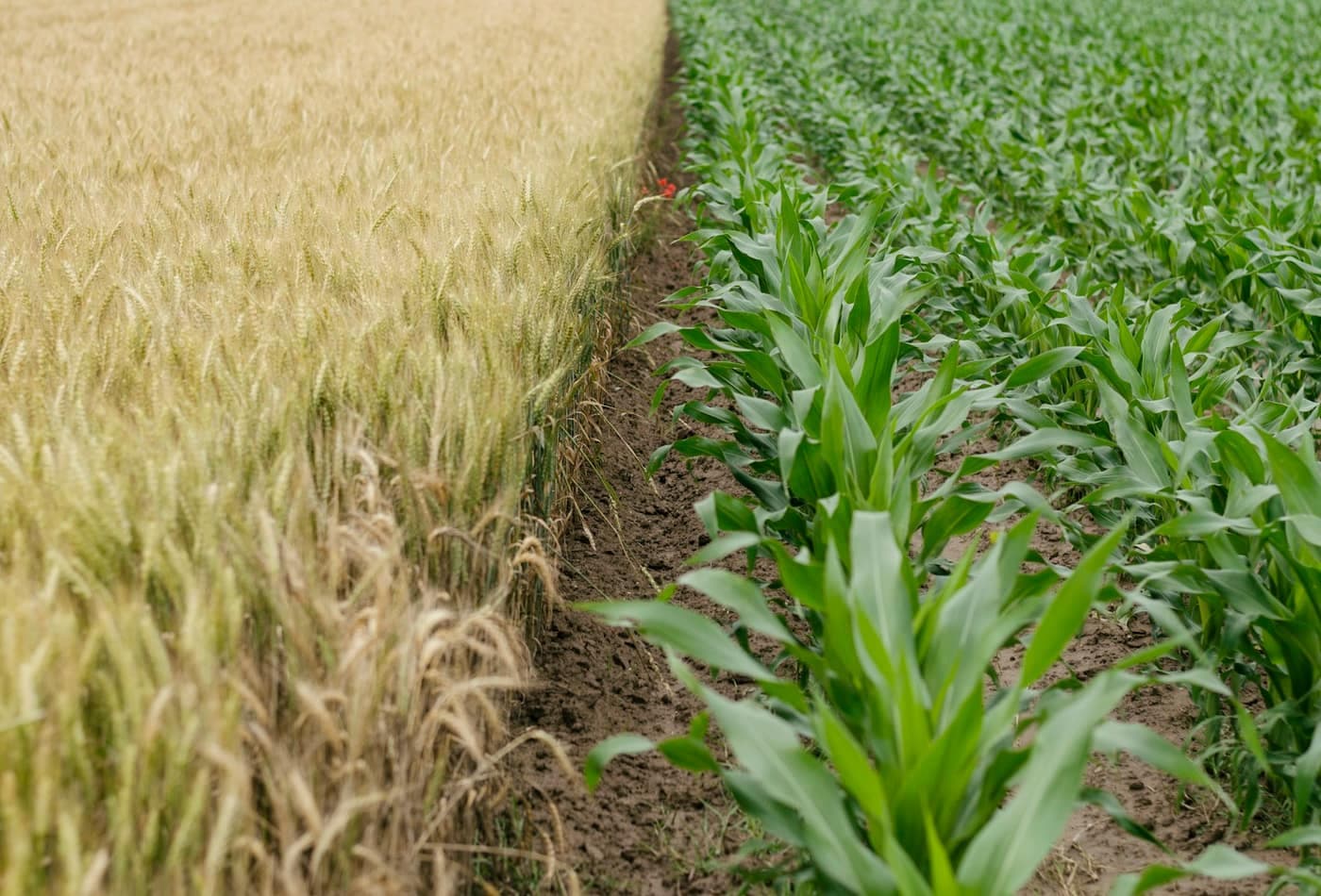
Pays 10-hectare farmer clusters in Punjab, Haryana and Western UP to swap a share of their paddy area for maize, kharif pulses, oilseeds or agroforestry — and, in ten more states, helps tobacco growers shift to alternate crops. A 60:40 Centre:State package funds seed, machinery and marketing support; there is no individual online application, only District Agriculture Office-organised clusters.
States covered: Punjab, Haryana, Western UP (+10 tobacco states)
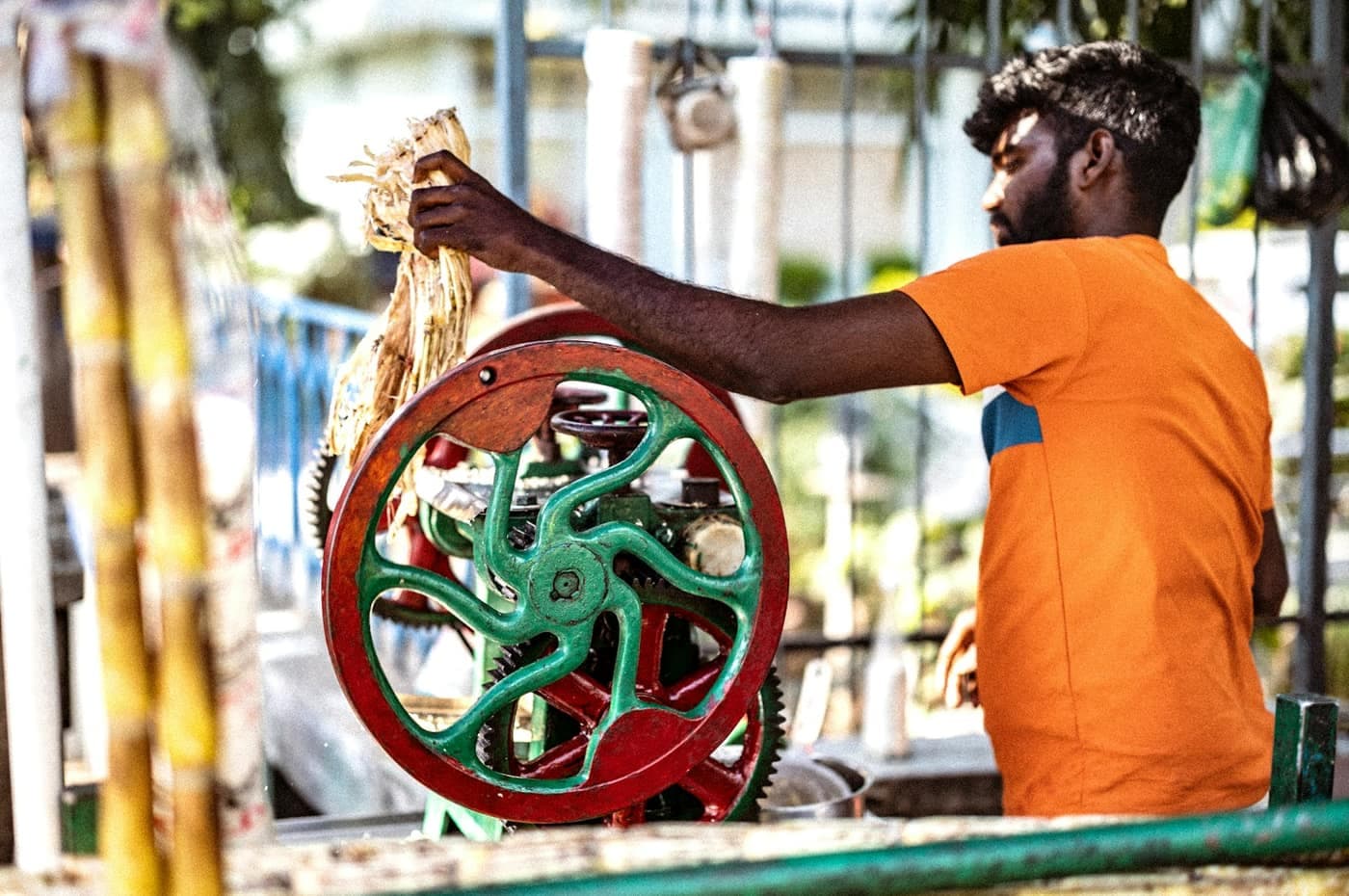
A ₹750 crore SEBI-registered investment fund — equally backed by the Government of India and NABARD — that invests equity of up to ₹25 crore directly in early-stage agri and rural start-ups, or backs other investment funds that do. NABVENTURES, NABARD's investment arm, decides purely on merit; there is no application portal, only a proposal emailed directly to the Investment Manager.
Total corpus: ₹750 crore
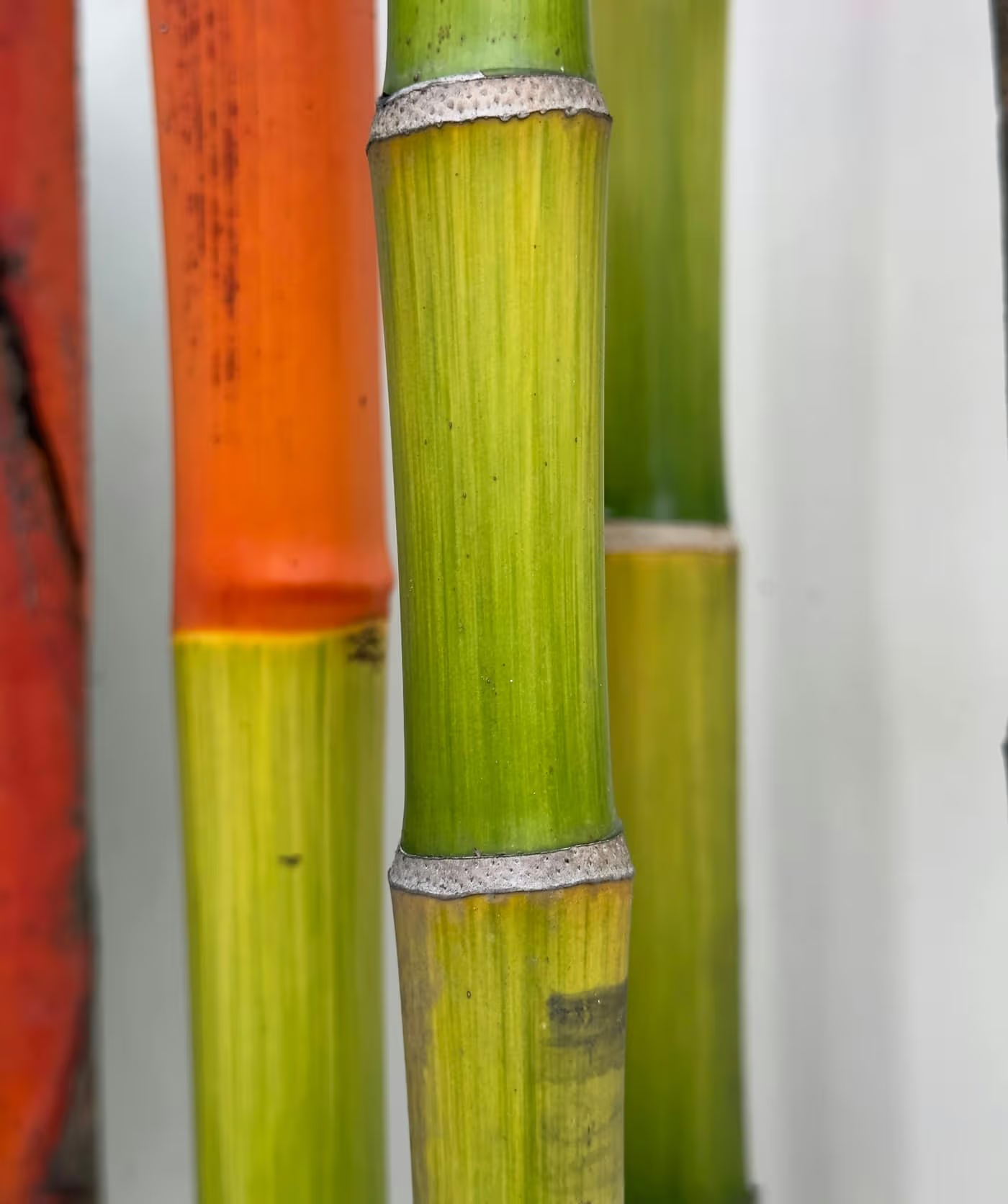
Now run as a bamboo component of MIDH, NBM funds nurseries, farmer plantation subsidy, treatment plants, processing units and market infrastructure to rebuild India's bamboo economy. A private farmer gets roughly half the ₹1 lakh/hectare planting cost back as a subsidy, released over three years; Government agencies planting on public land get it fully covered; the North-East gets a larger funding share.
States/UTs covered: 24 (as of 2025)
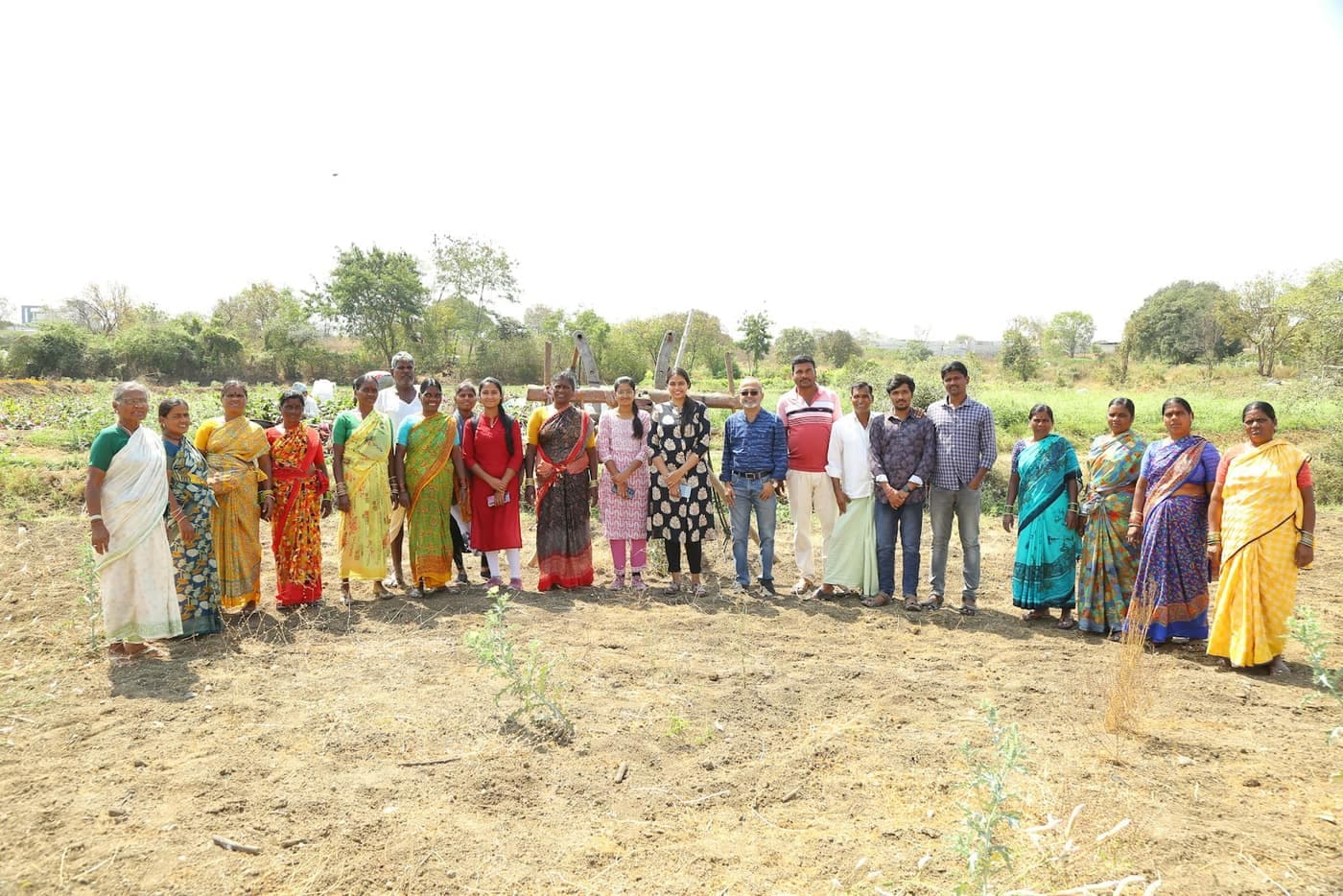
Funds States to run ATMA — district-level farmer training, demonstrations, exposure visits and Farm Schools, selected on rotation with a small/marginal-farmer and women quota — plus central services any farmer can use directly: the Kisan Call Centre, mKisan advisories, and Agri-Clinics & Agri-Business Centres for agriculture graduates.
ATMA districts covered: 734 districts, 28 States & 5 UTs
Articles
Central Government SchemesA clean sale deed is not proof of a clean title. The record, physical and legal checks to run before you pay any advance on farmland.
Vaibhav Dhama4 min read Central Government Schemes
Farm loans are easier to get than personal credit, thanks to priority-sector lending. What a bank actually checks before it lends.
Vaibhav Dhama3 min read Central Government Schemes
Boundary disputes start with an old map and a missing stone marker, not bad intent. How official demarcation of your plot actually works.
Vaibhav Dhama3 min read Central Government Schemes
A season budget asks if this crop will pay. Financial planning asks the bigger question - what the farm looks like in ten years.
Vaibhav Dhama3 min read Central Government Schemes
KCC covers the crop season. For a solar pump, cold store or dairy unit, separate government loan schemes exist, each with its own terms.
Vaibhav Dhama2 min read Central Government Schemes
A bigha in UP is not a bigha in Rajasthan, and pace-counting is not a survey. What your land record measures in, and how to convert it.
Vaibhav Dhama3 min read Central Government Schemes
The gap between input costs going out and harvest revenue coming in is where farm financial stress lives. Three ways to shrink that gap.
Vaibhav Dhama3 min read Central Government Schemes
Agricultural or not, irrigated or not, cultivable or fallow - the label in your Khasra decides your tax, scheme eligibility and building rights.
Vaibhav Dhama4 min read Central Government Schemes
Every scheme payment, loan and land sale traces to one document - the Record of Rights, named differently in each state. Where to check yours.
Vaibhav Dhama4 min read Central Government Schemes
KCC is the cheapest farm loan - but only if repaid within the year. Miss that date and the rate you actually pay nearly doubles.
Vaibhav Dhama3 min read Central Government Schemes
Almost every failed PM-KISAN payment traces to one of four fixable problems - e-KYC, land seeding, an Aadhaar mismatch, or ineligibility.
Vaibhav Dhama5 min read