Kisan Credit Card: Why 7% Is Really 4%
KCC is the cheapest farm loan - but only if repaid within the year. Miss that date and the rate you actually pay nearly doubles.
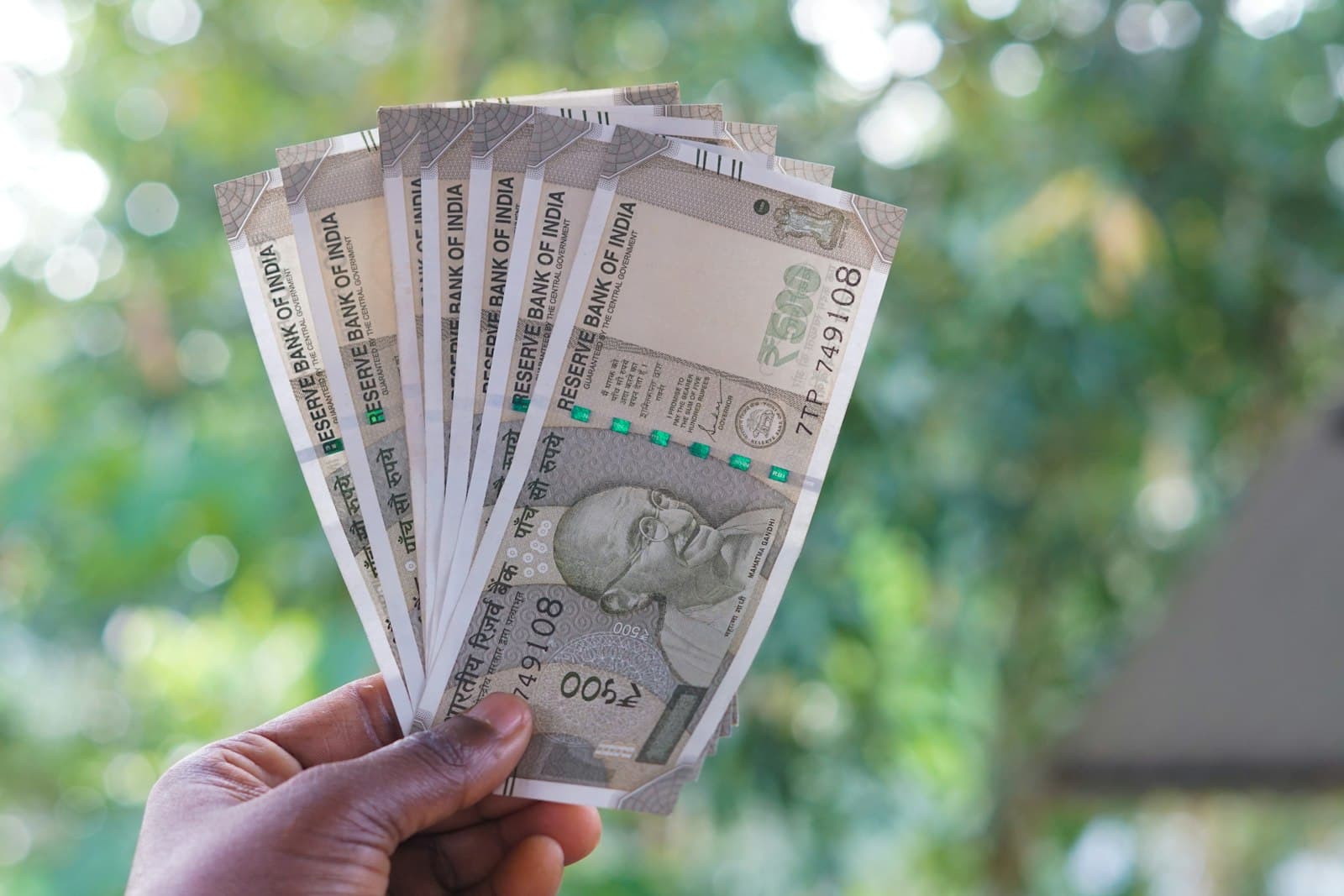
There is a number that separates farmers who use credit well from farmers who are quietly destroyed by it, and it is not the interest rate. It is the repayment date.
How the rate is actually built
The Kisan Credit Card offers crop loans up to ₹3 lakh at a headline 7% per annum. That 7% is already subsidised — the government pays the bank a 1.5% interest subvention to bring it down from what the bank would otherwise charge.
Then there is the second layer, which is the one that matters:
Prompt Repayment Incentive: 3%. Repay on or before the due date and the government hands back 3 percentage points. Your effective rate becomes 4%.
Four per cent. On unsecured credit. There is nothing else available to an Indian farmer that comes close — not a gold loan, not a personal loan, and certainly not the arhtiya, who will be somewhere between 24% and 60% a year and will also want first refusal on your crop.
And how it comes apart
Miss the repayment date and the 3% incentive is gone. Not reduced — gone. Your 4% loan is now a 7% loan, retroactively, for the whole year.
Let the account slip further and the interest subvention itself lapses, and the bank reverts to its ordinary lending rate. That is typically 11–13%.
So the sequence, on the same loan, is:
| Situation | Effective rate |
|---|---|
| Repaid on time | 4% |
| Repaid late (within the year) | 7% |
| Account overdue / classified | 11–13% |
The loan did not change. The date did.
The renewal trick everybody in the mandi already knows
Here is the thing that catches people out: the KCC is a revolving limit, valid for five years with an annual review. Repaying it does not close it.
So the standard practice — and it is entirely legitimate — is:
- Repay the outstanding before the due date, usually right after you sell the crop
- Bank the 3% incentive
- Redraw immediately for the next season against the same limit
You have used the money for the whole year, you have paid 4%, and your limit is intact. The only thing you had to do was be on the right side of a date.
Farmers who do not do this — who simply roll the balance forward — pay 7% on money they could have had for 4%. On a ₹2 lakh limit, that is ₹6,000 a year, every year, for nothing. A quick pass through a loan EMI calculator makes that gap concrete for your own limit and repayment date.
What you can borrow, and against what
- Collateral-free up to ₹2 lakh. No charge on the land.
- Above ₹2 lakh, banks will usually take a charge on the land.
- The limit is calculated from your scale of finance — a district-level, crop-wise figure per hectare — multiplied by your area, plus an allowance for post-harvest and household needs.
- Valid five years, reviewed annually, with the limit typically stepped up 10% a year to allow for cost inflation.
The card also now covers animal husbandry and fisheries, with a separate working-capital limit alongside the crop loan.
Getting one
Documents: identity proof, address proof, land records, passport photographs. That is it.
Where: any commercial bank, regional rural bank or cooperative bank. You can also start the application through the PM-KISAN portal, and if you are already a PM-KISAN beneficiary the process is meaningfully shorter because your land record is already in the system.
Banks are under standing instruction to dispose of a KCC application within 14 days. If yours has been sitting for a month, escalate — to the branch manager first, and then to the bank's regional office. That deadline is real and it is enforceable.
The one sentence version
The KCC is 4% money if you are disciplined about a date, and 7% money if you are not. Nothing else about the product matters half as much.
Frequently asked questions
What is the actual interest rate on a Kisan Credit Card?
The headline rate is 7% per annum on crop loans up to ₹3 lakh, already including a 1.5% interest subvention to the bank. If you repay on or before the due date, a further 3% Prompt Repayment Incentive brings your effective rate down to 4%.
Do I need collateral for a KCC?
No, not up to ₹2 lakh. Loans up to that limit are collateral-free. Above ₹2 lakh, banks generally require a charge on the land.
What happens if I do not repay the KCC on time?
You lose the 3% prompt-repayment incentive entirely, so your rate jumps from 4% to 7%. If the account slips further, the interest subvention itself stops and the bank charges its normal lending rate — which can be 11–13%.
Can a KCC be used for dairy or fisheries?
Yes. The KCC has been extended to animal husbandry and fisheries, with a separate working-capital limit for those activities alongside the crop loan limit.

Written by
Vaibhav Dhama
Founder, Technical Kisan
Vaibhav Dhama is the founder of Technical Kisan. He writes from Baghpat, Uttar Pradesh, and builds each guide on ICAR and state agricultural university guidance, official government scheme notifications, and live mandi-price data.
- Writes from Baghpat, Uttar Pradesh
- Software developer (BTech, 2021)
- Not a trained agronomist — confirm with your KVK
Discussion is coming soon
We are building a comments section where you can ask a question about this guide and see what other farmers in your district are doing.
For now, write to us at [email protected] — we read every message.