
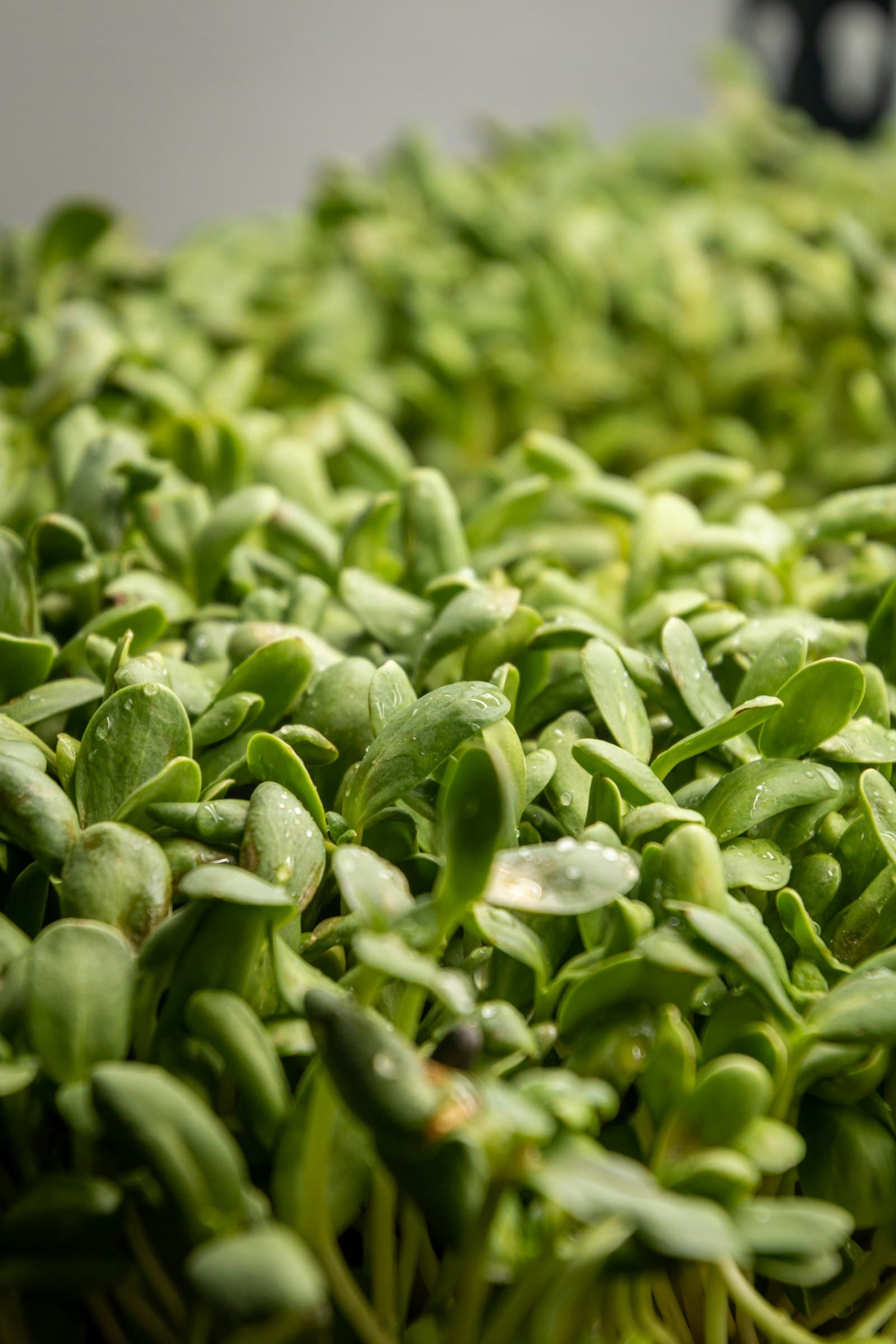
Microgreen Farming: Growing It at Home
Microgreens explained simply - how they differ from sprouts, what a home tray setup needs, easy varieties, and first-batch mistakes.
Vaibhav Dhama6 min readGrow crops naturally, without synthetic fertilisers or pesticides. This hub takes you from the first year of conversion to a certified organic label — and gives you a straight answer on whether the price premium actually pays for the switch.
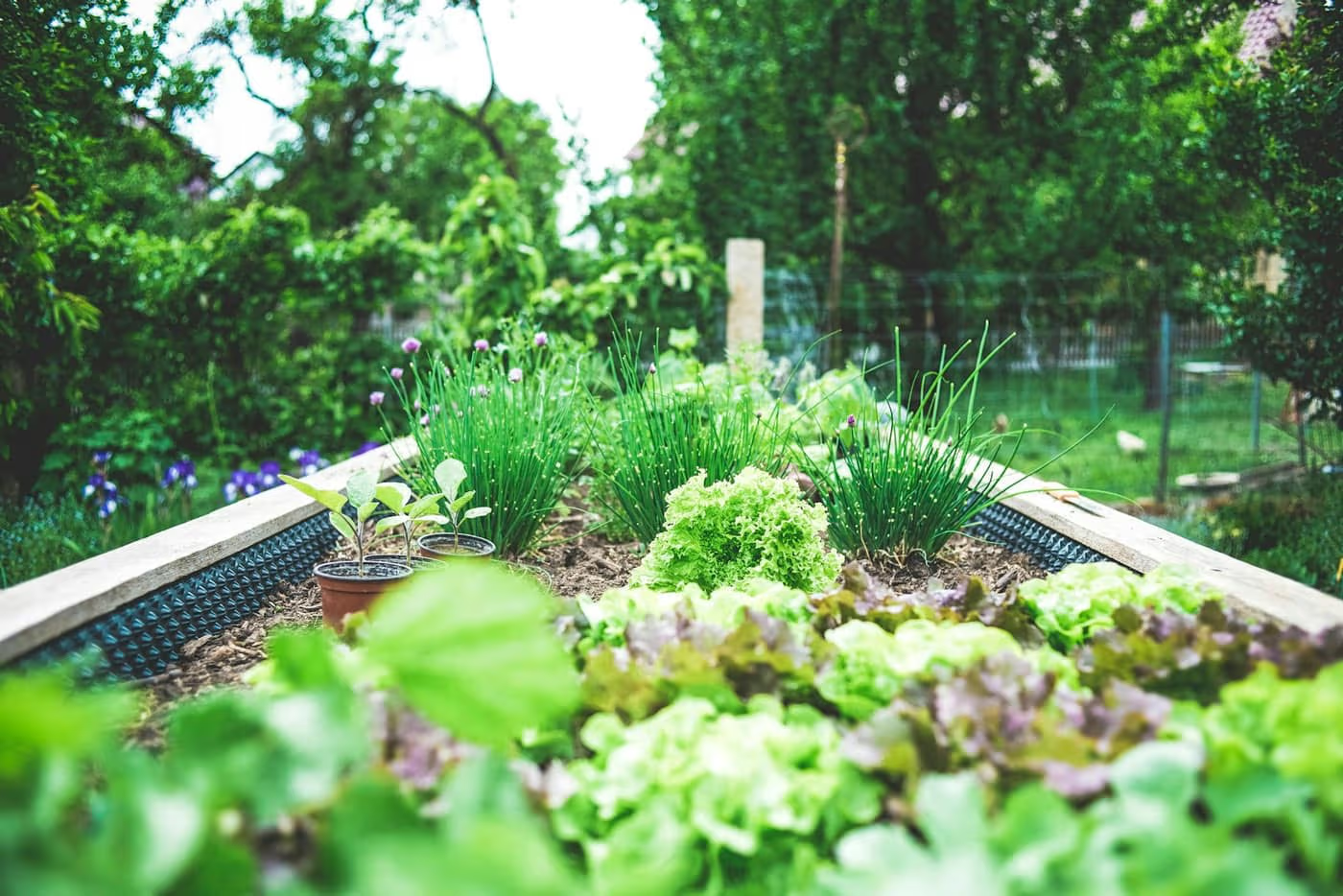
Organic farming replaces synthetic fertilisers and chemical pesticides with compost, biofertilisers, botanical sprays and careful rotation. Done well, it rebuilds soil health and earns a price premium; done in a hurry, it just cuts yield. The difference is almost entirely in the planning.
The hard part is the middle. There is a mandatory 2–3 year conversion window during which you farm organically but cannot yet sell at an organic price — yield often dips first and recovers later. This page is organised around getting you through that window with your eyes open.
Seven stages from deciding to convert to selling certified organic produce. Most of the work is front-loaded into the first two.
Learn the principles and the rules before you commit an acre — what is allowed, what is banned, and what the market actually pays for.
Build organic matter with compost and green manure, and get a soil health card. Weak soil is why most first-year conversions fail.
Use untreated, preferably desi or open-pollinated seed. Chemically treated seed disqualifies the plot.
Replace urea and DAP with FYM, vermicompost, jeevamrit and biofertilisers, timed to the crop’s stages.
Set traps, encourage natural enemies, and spray neem or botanicals only when scouting says to.
Register under PGS-India or a NPOP agency, pass inspection, and complete the 2–3 year conversion period.
Use the organic label to reach a buyer who pays the premium — a FPO, an organic retailer, or a direct customer.
An honest side-by-side. Organic wins on soil health and price, but it is not a shortcut to a bigger first-year harvest.
| Feature | Organic | Chemical |
|---|---|---|
| Fertiliser | Compost, vermicompost, jeevamrit | Urea, DAP, MOP |
| Pest control | Neem, traps, biological agents | Synthetic pesticides |
| Soil health | Improves year on year | Declines under continuous use |
| First-year yield | Lower during conversion | Higher |
| Long-term yield | Stable once soil recovers | Can plateau or fall |
| Market price | 20–40% premium with a buyer | Standard mandi rate |
| Certification | Required to sell as organic | Not needed |
Crops where the premium is real and the agronomy forgives the switch. Each links to its full crop guide.
What replaces urea and DAP. Most of these you can make on the farm from what you already have.
Prevention first, then botanical and biological controls. No single spray does what a chemical does — a stack of these does.
You cannot legally sell produce as "organic" without certification. Two routes exist — a free group route for the domestic market, and a paid third-party route for export.
Enrol on jaivikkheti.in for PGS-India (as a group), or apply to an APEDA-accredited agency for NPOP.
A peer group (PGS) or a third-party inspector (NPOP) verifies your fields, inputs and records.
Farm fully organic for 2 years (PGS) or up to 3 years (NPOP) while records are maintained.
On passing, you receive a PGS-India green certificate or an NPOP scope certificate.
Use the Jaivik Bharat / India Organic mark on produce sold to buyers who pay the premium.
Central and state support for organic conversion — cluster funding, input assistance and market linkage.
Scheme rates and windows change by year and state. Confirm the current terms on the official portal before you plan around a number.
Where the money goes over a conversion cycle, as a share of total cost. Certification is a smaller line than most people expect; labour and inputs are larger.
Untreated, organic-source seed
FYM, vermicompost, biofertilisers
The biggest line — organic is labour-intensive
Higher for NPOP, near zero for PGS
Reaching a premium buyer
Often to a distant organic market
The shape every honest organic budget takes: a dip, then a recovery, then a premium. Plan for the dip, not the premium.
Highest expense and the deepest yield dip. Costs of building soil and inputs land before any premium.
Soil biology recovers and yield begins to stabilise. Still selling at conventional rates.
Conversion completes and certification comes through. The first certified-organic harvest.
Full premium on a recovered yield — where organic finally earns more than conventional.
The agronomy base for each crop, which the organic input and pest sections above sit on top of.
Put your own numbers in: the cost of the conversion window, the certification cost for your route, the premium once certified, and the years to pay it back.
Long-form guides on the inputs and methods above — how to make them, how much to use, and what they cost.
Microgreens explained simply - how they differ from sprouts, what a home tray setup needs, easy varieties, and first-batch mistakes.
Vaibhav Dhama6 min read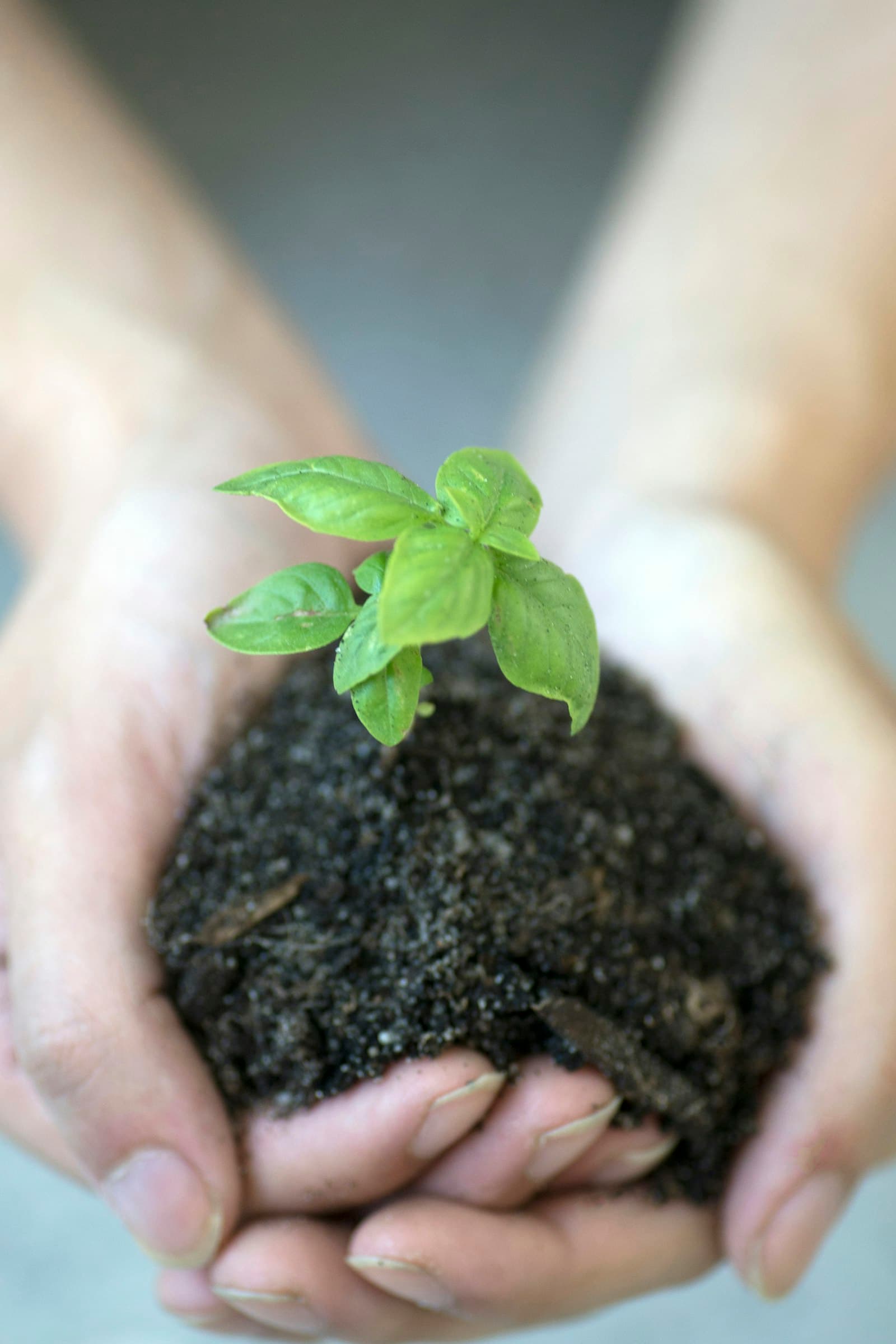
A starting sequence for organic farming in India - which plot to pick, building soil first, what to grow while converting, and certification.
Vaibhav Dhama5 min read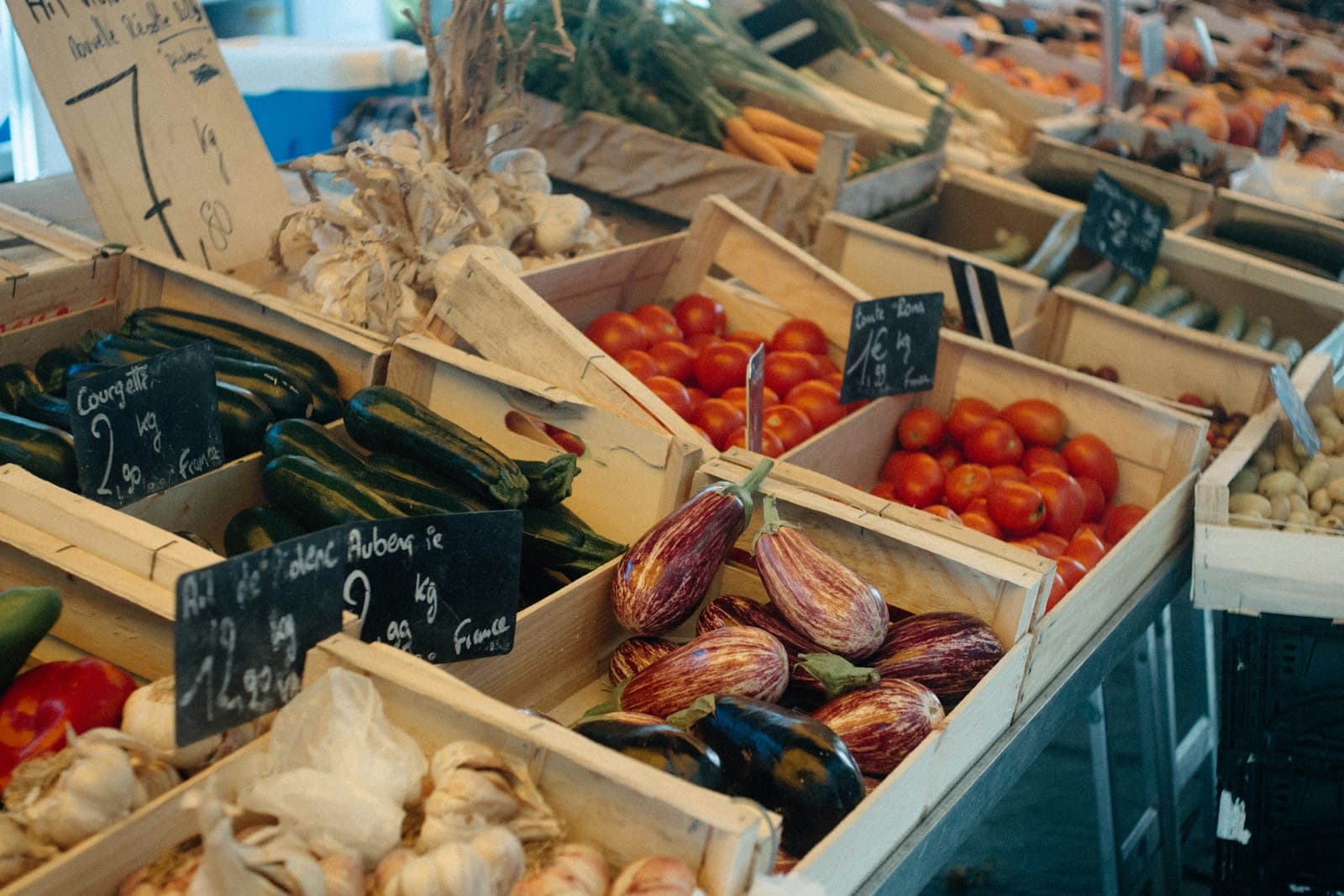
Sell certified organic through a regular mandi and it prices like conventional - the premium only exists in channels built to recognise it.
Vaibhav Dhama3 min read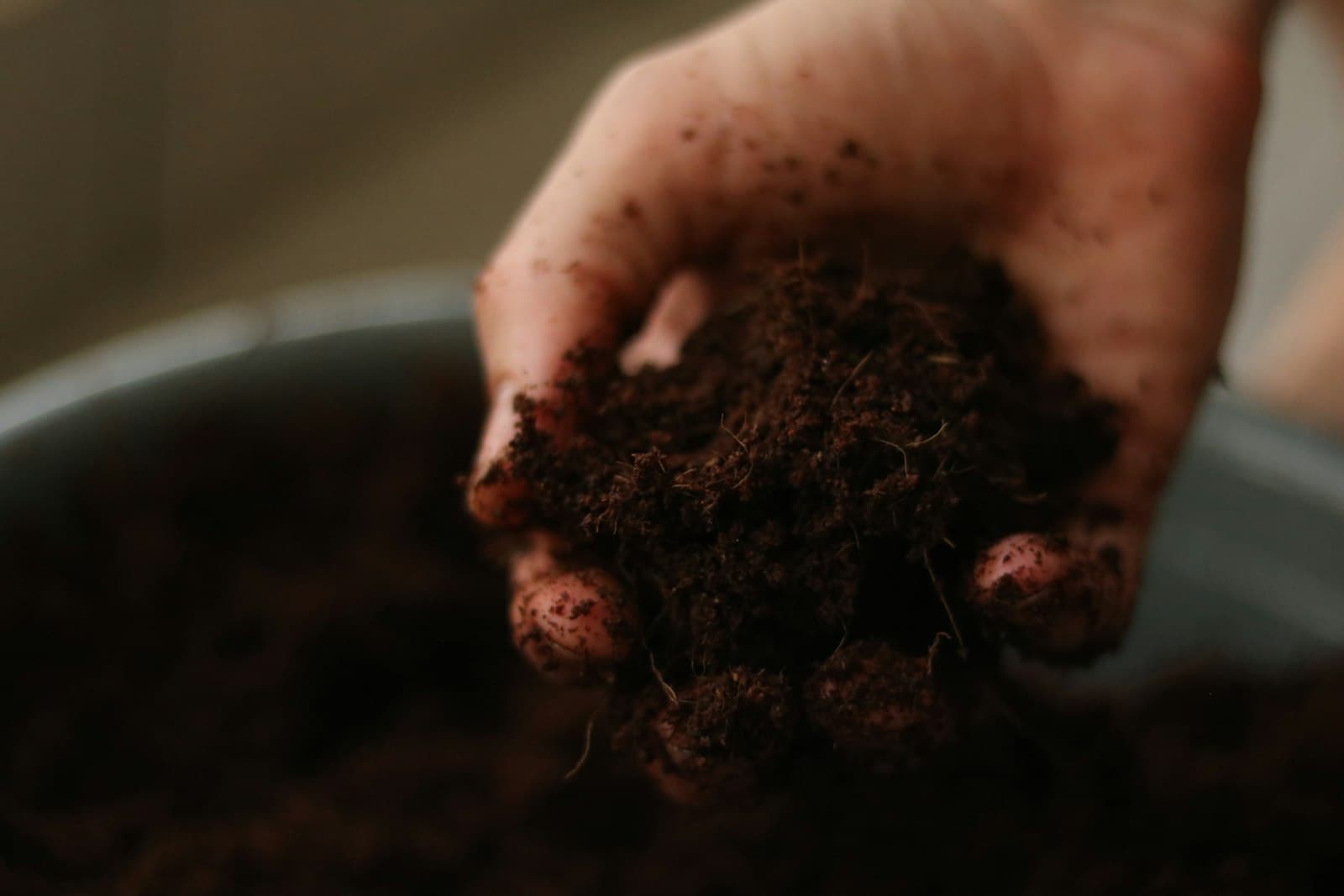
Organic farming genuinely rebuilds soil and commands a premium - and genuinely costs yield during conversion and needs more labour. Both true.
Vaibhav Dhama3 min read
Beejamrit coats seed in cow dung, urine and lime to block soil- and seed-borne disease. The recipe, method, and its real limits.
Vaibhav Dhama3 min read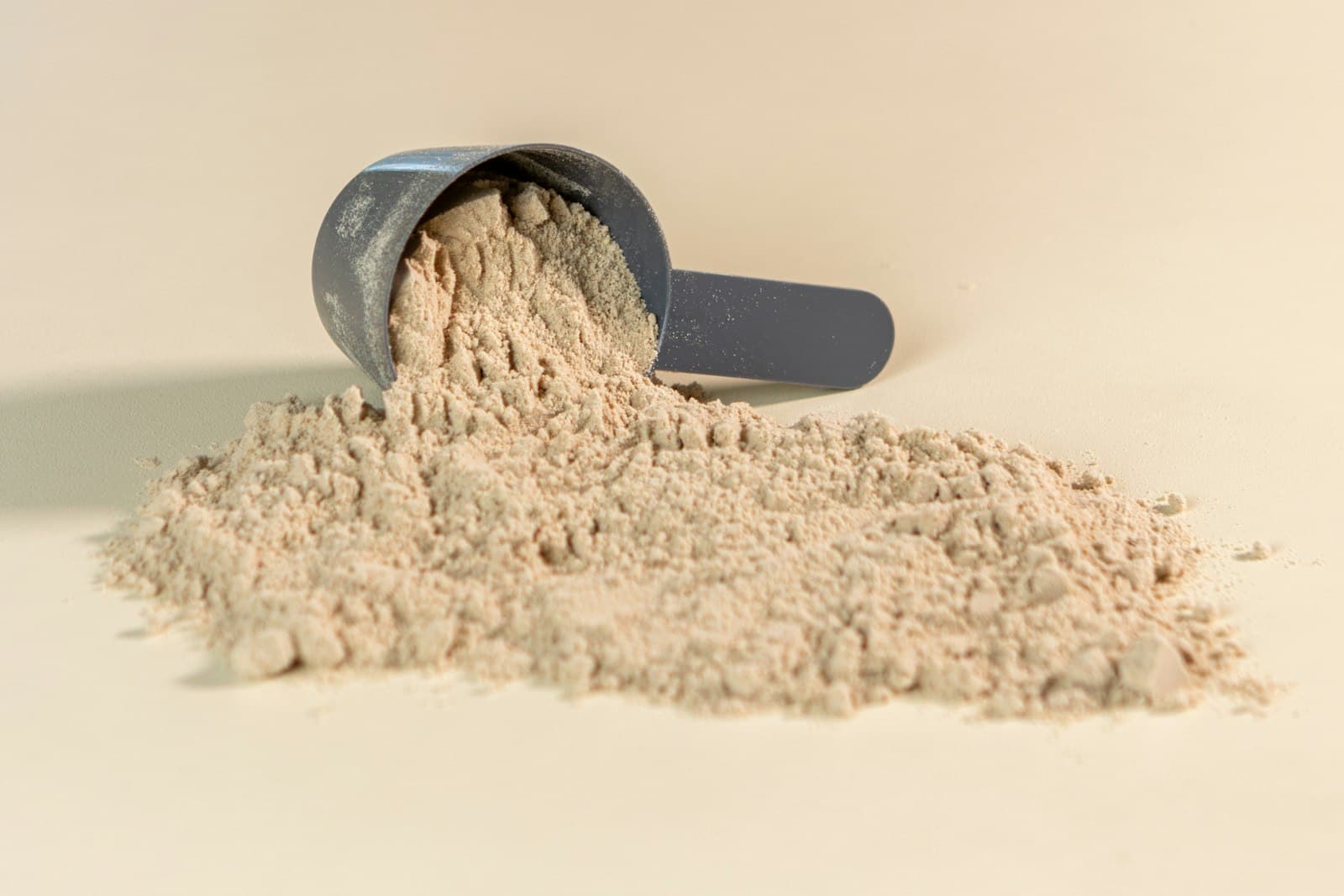
Crushed, steamed bone gives a slow-release organic phosphorus and calcium, best for fruit, flower and root crops. How to apply it.
Vaibhav Dhama2 min read