Organic Wheat: A Cultivation Guide
Wheat is easier to grow organically - a light feeder with few serious pests. Front-load fertility with FYM and hold the November sowing window.
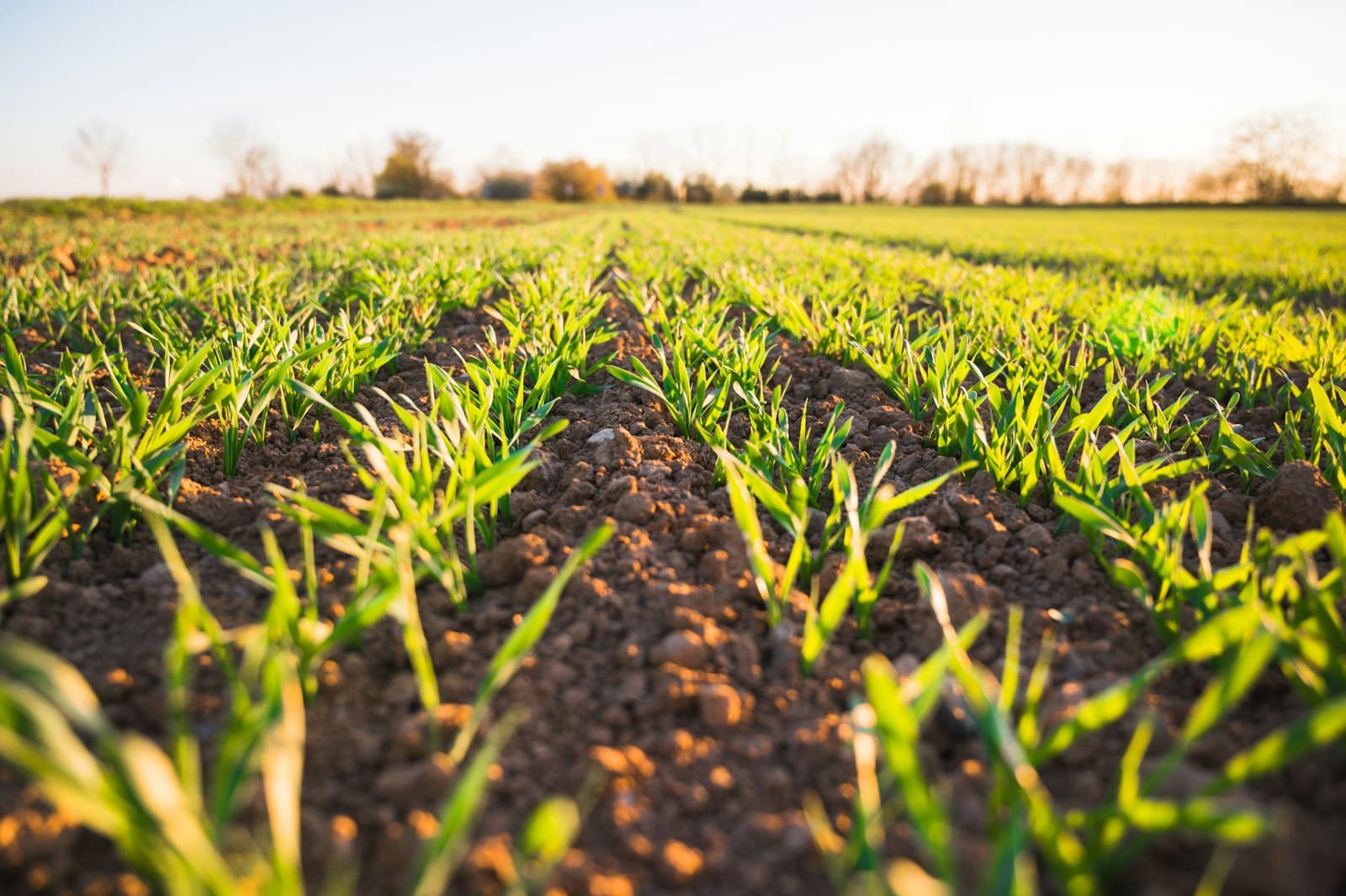
Wheat is a good crop to begin an organic conversion with, and for a simple reason: it asks little. It is a light feeder compared with vegetables or sugarcane, it has few pests that will take a whole crop, and its worst diseases — the rusts — are beaten by variety choice rather than spraying. Get the fertility built and the sowing date right, and organic wheat looks after itself better than almost anything else you could convert first.
For the full agronomy — varieties, spacing, the irrigation schedule — see the wheat crop guide. This page covers what changes when you take the chemicals out.
Sowing date still rules
Nothing about going organic changes the most important fact about wheat: timely sowing in the first fortnight of November is the single biggest lever on yield — see the wheat sowing guide for the full window and seed-rate detail. Every week of delay past late November costs roughly a quintal or more per hectare as March heat cuts the grain-filling window short.
So the organic calendar is built backwards from that date — the green manure, the compost, the field prep all have to be finished in time to sow on schedule. For growers following rice, that means sowing fast enough after harvest to still hit the window; zero-till wheat sowing with the Happy Seeder is how many organic-transitioning farmers manage it without a full round of tillage eating the days they don't have. Do not let organic fertility management push the sowing late; a late organic crop loses more to heat than it ever gained from the compost.
Building the nitrogen
Wheat needs its nitrogen spread across a long season, which actually suits organic sources — they release slowly, matching demand, where a single urea dose would flush and leach. The programme:
- Previous season: a legume (moong, gram) or a summer green manure (dhaincha) ploughed in leaves nitrogen and organic matter in the soil.
- Basal, at sowing: 4–6 tonnes per acre of well-rotted FYM or compost, worked into the seedbed. Add rock phosphate or bone meal on phosphorus-poor soils.
- Seed treatment: Azotobacter plus PSB, coated on the seed with jaggery water.
- Top-up: one or two jeevamrit applications with irrigation at the crown-root and tillering stages, when nitrogen demand peaks.
The crown-root initiation stage (around day 20–25) is where wheat responds most to nitrogen and water — time a jeevamrit application and the first irrigation together there.
Disease: choose the variety, skip the spray
Wheat's main threat is rust — yellow and brown. Organically, you cannot reach for a fungicide, so the defence is entirely in variety choice: sow a currently rust-resistant variety for your zone. Resistance erodes over years as rust races change, so check what is holding up locally each season rather than sowing the same old variety on habit.
Beyond that: clean seed, balanced (not excess) nitrogen — lush, over-fed wheat is more rust-prone — and destroying volunteer wheat that carries rust between seasons.
Weeds
Wheat's flush of Phalaris and broadleaf weeds is handled without herbicide by the standard organic stack: a stale seedbed before sowing to spend the first weed flush, the right seed rate for a dense competitive stand, and one timely hand or mechanical weeding in the first 30–40 days. A vigorous, well-established crop shades out most later weeds itself.
What to expect
In the first conversion year, expect a yield dip while the soil biology recovers. By the second or third year, on soil with good organic-matter status, organic wheat commonly reaches 15–18 quintals per acre — close to conventional, at a fraction of the input cost, and eligible for the organic premium once certified.
Wheat rewards the organic approach because so much of its yield is decided by things chemicals never touched anyway: the sowing date, the variety, the soil you built the season before. Get those right and the missing bag of urea is barely noticed.
Frequently asked questions
How is nitrogen supplied to organic wheat?
Through a combination built up before sowing: 4–6 tonnes per acre of well-rotted FYM or compost as a basal dose, a legume or green manure in the previous season, an Azotobacter seed treatment, and one or two jeevamrit applications during tillering and jointing. The nitrogen is released slowly, which suits wheat’s season-long demand.
What yield can organic wheat give?
On soil with good organic-matter status, organic wheat can approach conventional yields — commonly 15–18 quintals per acre once the soil is built up, against 18–22 for well-managed conventional. In the first conversion year, expect a dip until the soil’s biology recovers.
Is wheat easy to grow organically?
Relatively, yes. Wheat is a light feeder with few devastating pests, and its main disease pressures — the rusts — are best handled by choosing resistant varieties, which costs nothing. That makes it one of the better crops to start an organic conversion with.
When should organic wheat be sown?
The same window as conventional wheat: the first fortnight of November for timely sowing. Sowing date is the single biggest lever on wheat yield regardless of the farming system — every week of delay past late November costs grain as terminal heat shortens the grain-filling period.

Written by
Vaibhav Dhama
Founder, Technical Kisan
Vaibhav Dhama is the founder of Technical Kisan. He writes from Baghpat, Uttar Pradesh, and builds each guide on ICAR and state agricultural university guidance, official government scheme notifications, and live mandi-price data.
- Writes from Baghpat, Uttar Pradesh
- Software developer (BTech, 2021)
- Not a trained agronomist — confirm with your KVK
Discussion is coming soon
We are building a comments section where you can ask a question about this guide and see what other farmers in your district are doing.
For now, write to us at [email protected] — we read every message.