How to Start Organic Farming: Step by Step
A starting sequence for organic farming in India - which plot to pick, building soil first, what to grow while converting, and certification.
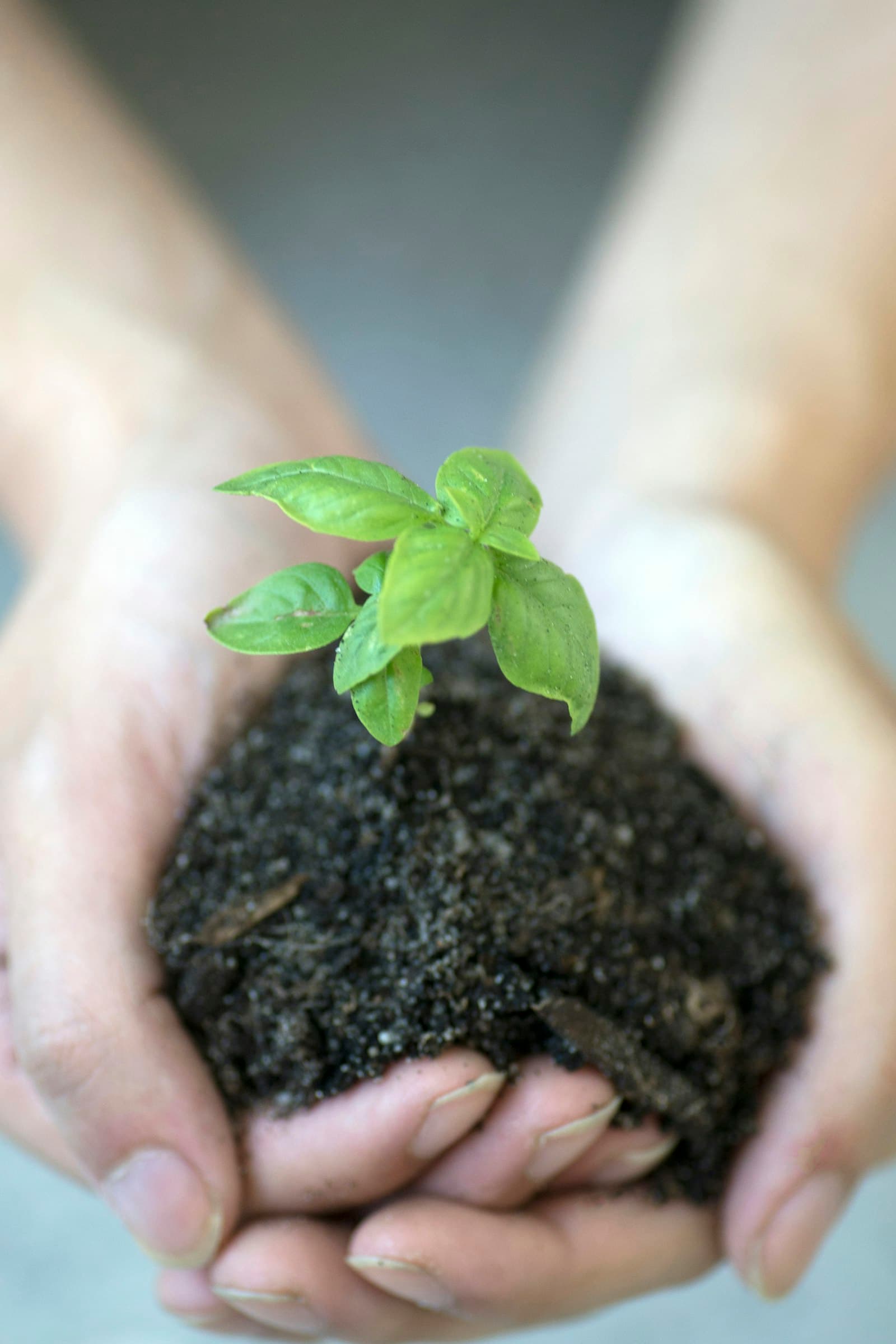
Most farmers who ask "how do I start organic farming" already know why — the soil argument and the price-premium argument are everywhere. What is missing is the order of operations: what to do in week one, what to do in year one, and what to leave until year three. Get the sequence wrong and you spend money on certification before you have a plot worth certifying, or you convert the whole farm at once and take a yield hit you can't absorb. This is that sequence, in order.
Step 1: Pick one plot, not the whole farm
Start small. A single acre — or even less — is enough to learn on, and PGS-India certification is designed around exactly that scale. Choose the plot with the most reliable water access and the least stubborn weed history; both problems get harder without a chemical fallback, so don't stack them on top of a first attempt. Read organic farming's real benefits and costs before you commit even this much — the honest version, not the pitch.
One thing to arrange early: PGS-India certifies a local group of at least five farmers together, not a single isolated field. If you know neighbours who are curious, this is the moment to ask them — finding your group late is a common reason conversions stall.
Step 2: Get a soil health card and stop synthetic inputs
The conversion clock — 2 years under PGS-India, up to 3 under NPOP — only starts once synthetic fertiliser and chemical pesticide use has genuinely stopped on that plot. Apply for a soil health card first; it tells you what you're actually working with (organic carbon, NPK status, pH) so the compost and green-manure plan in the next step is sized to your soil, not a generic guess. See the government schemes section of the organic farming hub for how the Soil Health Card scheme works alongside PKVY.
Step 3: Rebuild the soil before you rely on it
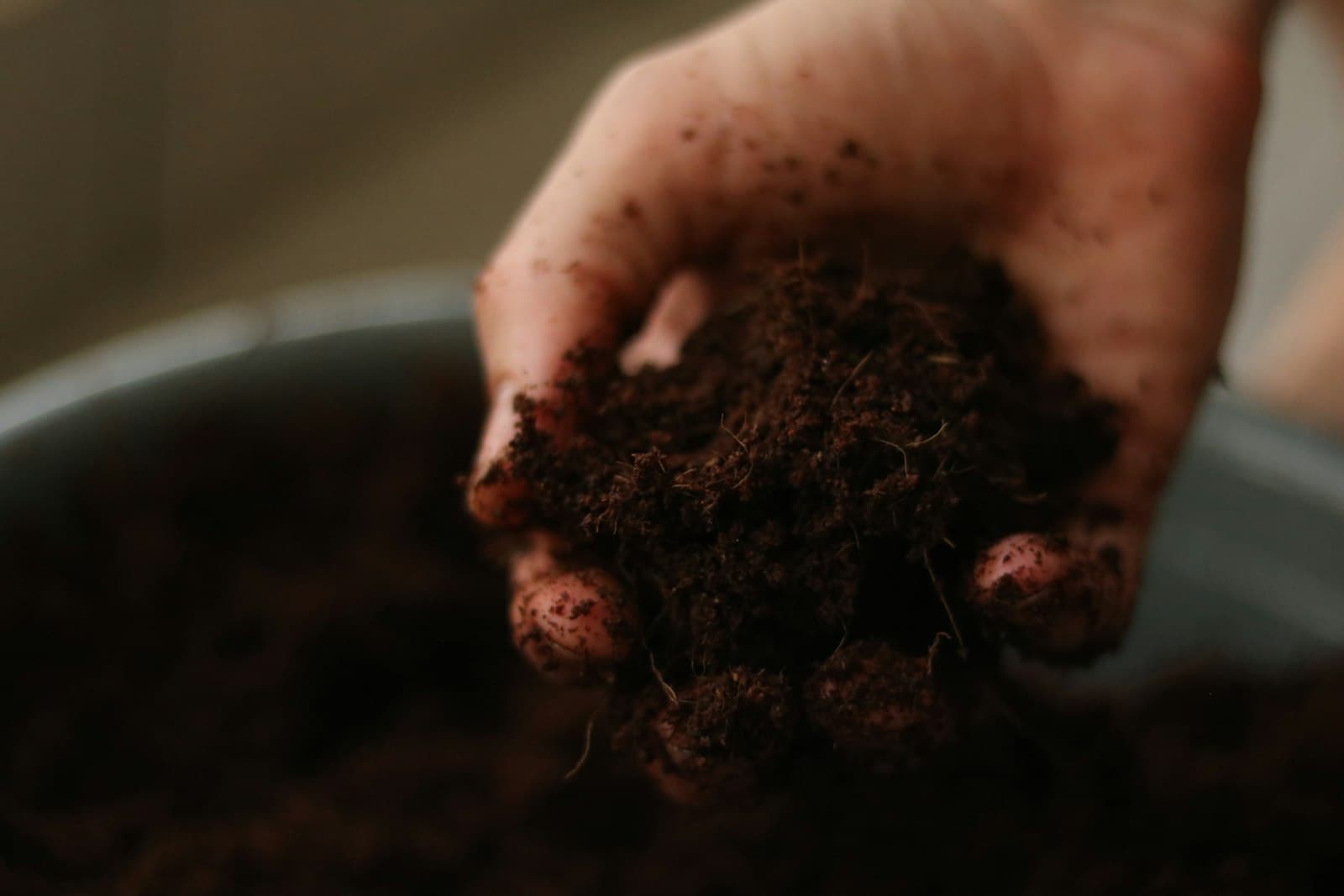
This is the step people skip, and it's the one that decides whether year one is a manageable dip or a disaster. Before sowing:
- Work in well-rotted farmyard manure or start a NADEP compost or vermicompost unit — vermicompost is the most bankable on-farm input once it's running.
- Sow a green manure crop like dhaincha or sunhemp ahead of your main crop if the season allows it; ploughing it in adds nitrogen and organic matter in one pass.
- Start a jeevamrit culture — a fermented dung-and-jaggery brew that feeds soil microbes cheaply and repeatedly, using inputs you likely already have on the farm.
None of this is optional groundwork you can shortcut by buying more compost later. Weak soil going into year one is the single most common reason first conversions fail.
Step 4: Choose seed and treat it organically
Use untreated seed — chemically treated seed disqualifies the plot outright, so check the tag before you buy. Desi or open-pollinated varieties are the safer default, since many hybrids are bred assuming a fertiliser and pesticide programme you're about to stop running. Treat seed with beejamrit before sowing; it protects young roots from soil pathogens at the exact stage a chemical seed dressing would otherwise cover.
Step 5: Feed and protect the crop through the season
Once the crop is in the ground, the two jobs that replace your old fertiliser bag and spray can are feeding and watching:
- Feeding — rotate through organic fertilisers timed to crop stages: panchagavya as a foliar tonic, neem cake or mustard cake for a nitrogen boost, bone meal for flowering and fruiting stages, and biofertilisers like Rhizobium or PSB to work the soil biology directly.
- Watching — scout before you spray. Set pheromone traps and yellow sticky traps to catch pest pressure early, and reach for neem oil, a garlic-chilli spray, or Trichoderma against soil-borne disease only once scouting tells you to, not on a fixed calendar. Weeds lose the chemical shortcut entirely — see organic weed management for what actually replaces a herbicide round.
The full input map, organised by what problem each one solves, is on the organic farming hub.
Step 6: Register for certification — at the start, not the end
Enrol on jaivikkheti.in for PGS-India, or apply to an APEDA-accredited agency for NPOP, as early in the conversion window as you can — ideally alongside Step 2. The records you'll need (an input diary, a field history, a farm map) only count from your registration date, so registering after a season has already passed doesn't retroactively certify it. Keep the diary from day one; see farm record-keeping for what a usable one actually looks like. PGS-India charges no certification fee; NPOP is a paid third-party route that scales with area, chosen mainly by farmers targeting export. PKVY funds cluster-based conversion and PGS certification if you're farming as part of an eligible group.
Step 7: Line up your buyer before the harvest, not after
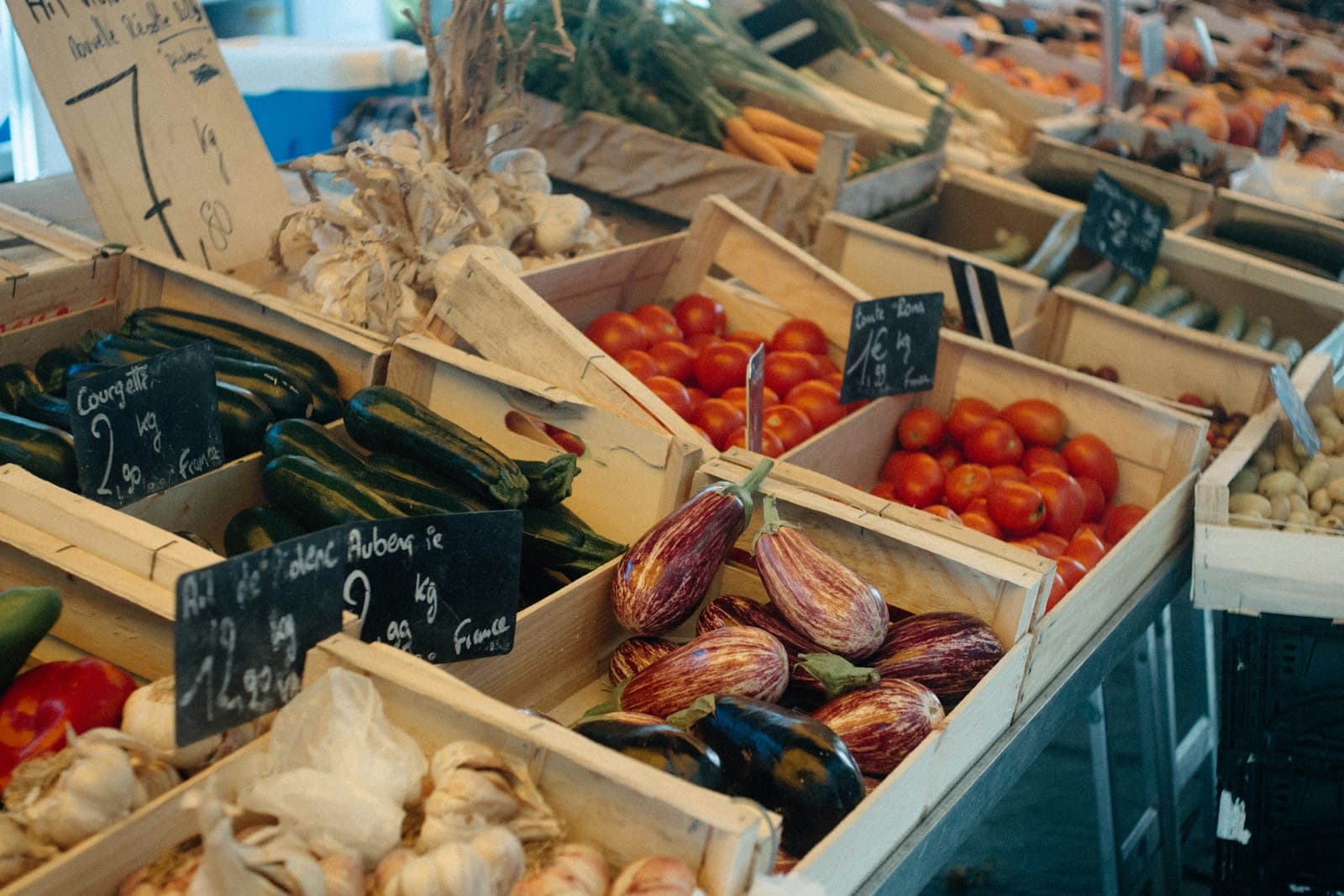
The premium is not automatic — it exists only where a certified, differentiated market actually exists for what you're growing. Start this conversation in year one, not year three: a certified aggregator, an FPO's pooled market access, or a direct urban customer base are the three channels that actually pay for the label. How to sell organic produce walks through why a regular mandi won't show you this premium at all, and what to do instead.
What this looks like crop by crop
The steps above are the same sequence regardless of what you grow, but the details differ enough by crop that it's worth reading the specific guide once you've picked one: organic wheat, organic rice with SRI, organic potato, and organic tomato all follow this same seven-step spine with crop-specific timing layered on top.
The one sentence version
Pick one plot, fix the soil before you rely on it, register for certification at the start of the conversion window rather than the end, and have a buyer lined up before the harvest that finally earns the premium — do these four things in this order and the 2–3 year conversion becomes a plan instead of a gamble.
Frequently asked questions
How much land do I need to start organic farming?
One acre is enough to start — PGS-India certification is built around small holdings. The catch is not size, it is that PGS certifies a local group of at least five farmers together, not a single plot in isolation, so the first practical step is often finding four neighbours willing to convert with you.
Should I convert my whole farm at once or start with one plot?
Start with one plot, not the whole farm. The 2–3 year conversion window costs yield while you are learning the system, and testing it on a fraction of your land — ideally the plot with the best water access and the least weed pressure — lets you fix mistakes before they cost you your entire income.
What is the very first thing I should do before sowing anything?
Get a soil health card and stop all synthetic inputs on the chosen plot. Everything else — compost, green manure, seed choice — is built on knowing where your soil actually stands, and the conversion clock only starts once synthetic fertiliser and pesticide use has genuinely stopped.
Do I need certification before I start, or only when I sell?
Register early, not at the end. You enrol for PGS-India or an NPOP agency at the start of the conversion period, because the 2–3 year clock and the input records it requires only count if they start from your registration date — registering after the fact does not retroactively certify the years already farmed.

Written by
Vaibhav Dhama
Founder, Technical Kisan
Vaibhav Dhama is the founder of Technical Kisan. He writes from Baghpat, Uttar Pradesh, and builds each guide on ICAR and state agricultural university guidance, official government scheme notifications, and live mandi-price data.
- Writes from Baghpat, Uttar Pradesh
- Software developer (BTech, 2021)
- Not a trained agronomist — confirm with your KVK
Discussion is coming soon
We are building a comments section where you can ask a question about this guide and see what other farmers in your district are doing.
For now, write to us at [email protected] — we read every message.