Organic Potato: Managing Blight Naturally
Potato is a heavy feeder and late blight can take it in ten days. The game is prevention: healthy seed, resistant varieties, and copper defence.
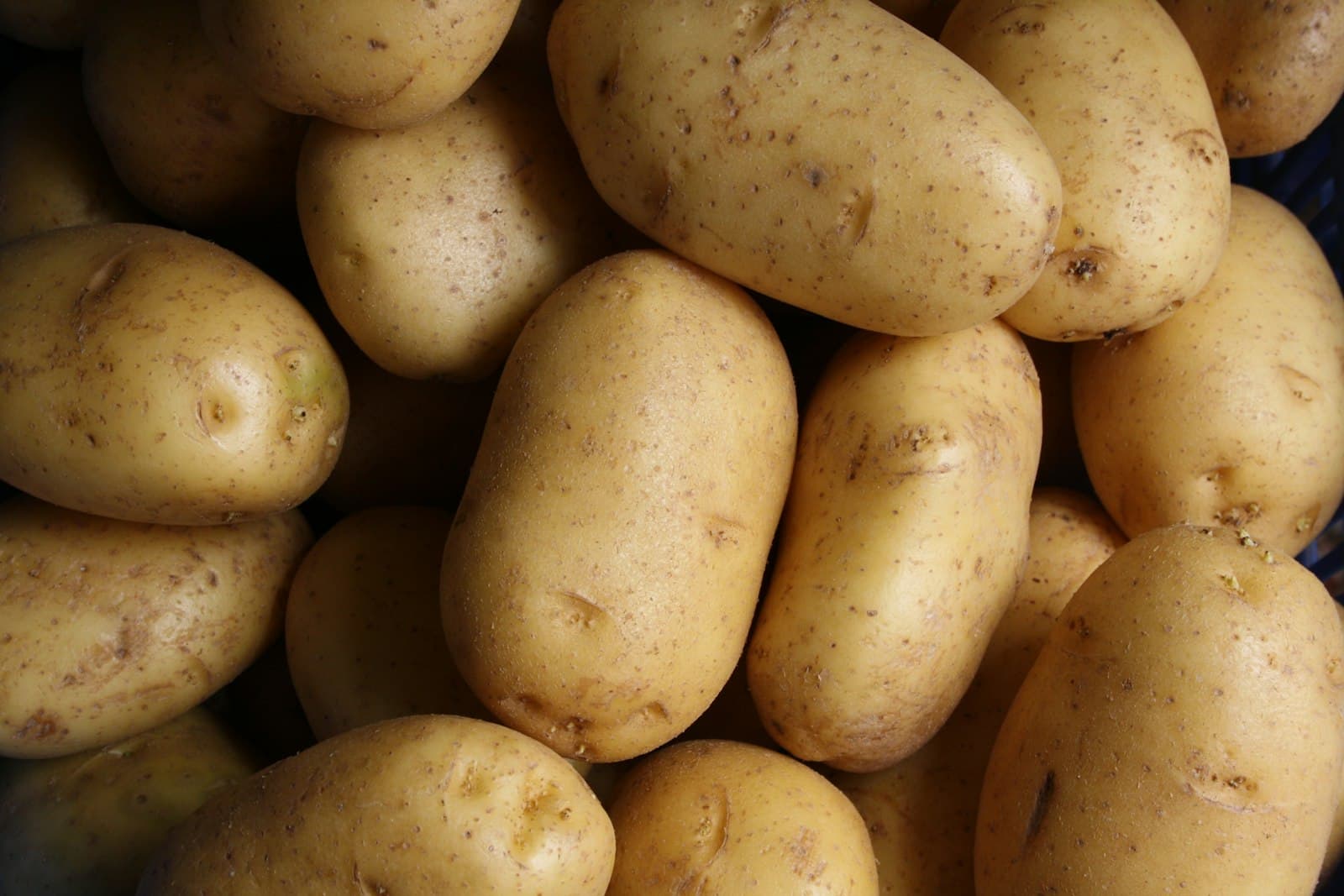
Potato is honest about being hard. It is a heavy feeder that wants far more fertility than a cereal, and it is stalked by late blight — a disease that, in a foggy spell, can take a healthy-looking crop to a black ruin inside ten days. Conventional growers meet blight with a fungicide schedule; the organic grower cannot, so the entire strategy shifts to prevention, because organic late-blight cure barely exists.
That makes potato a crop to attempt once you have some organic experience, not your first conversion. For the base agronomy see the potato crop guide; this page is about feeding it and keeping blight out.
Feed it heavily
Potato needs more organic fertility than almost any field crop:
- Green manure before the crop, ploughed in, for nitrogen and organic matter.
- Basal: 8–10 tonnes per acre of well-rotted FYM or good compost — potato will use it.
- Phosphorus: bone meal or rock phosphate worked in at planting.
- Potash: the nutrient potato most rewards — wood ash and crop-residue compost drive tuber size and storage quality. Do not skimp here.
- Inoculation: Azotobacter and PSB, and Trichoderma worked into the soil to build disease suppression from the start.
A potato crop under-fed organically simply yields small — the fertility has to be there before planting, because there is little chance to correct it mid-season.
The blight strategy: never let it start
Late blight is the crop's defining threat and the whole organic approach is built around keeping it out, because once it establishes there is no organic rescue.
Choose a blight-tolerant variety and clean seed. This is the cheapest, most important defence and it costs nothing extra. Certified disease-free seed avoids planting the disease with the crop.
Build airflow in. Wide spacing, good ridging and free drainage keep the canopy drier, and a dry canopy is a hostile one for blight. Crowded, humid, waterlogged potato is blight's ideal home.
Cover preventively, ahead of the weather. Blight explodes in foggy, humid, cool spells. Preventive sprays — copper-based where your certification programme permits, and biologicals such as Trichoderma and Bacillus — go on before those conditions arrive and before any symptom shows, not after. A spray after the first lesion is already too late.
Scout and remove. Walk the crop daily in risky weather. Pull and remove any infected foliage immediately, off the field, before it seeds the rest.
Other pests
Aphids (which also spread virus) and potato tuber moth are handled with the standard organic tools — neem sprays, yellow sticky traps, and for tuber moth, proper earthing-up so tubers are never exposed at the surface for moths to reach. Good ridging does double duty here: airflow against blight and cover against tuber moth.
Harvest and store
Stop irrigation and let the haulm mature before harvest so tuber skins set — well-set skins store far better. Cure and store in the cool and dark; the potash you fed the crop pays off again here as better keeping quality. Organic potato that stores well can reach a thinner, higher-priced market months later, which is where much of the premium actually lives.
Honest expectation
Organic potato is a real challenge and its yield is more variable than a cereal's, swinging with the blight pressure of the year. In a dry, low-blight season it can do very well; in a wet, foggy one, even a careful organic crop can suffer. Grow it on well-drained land, feed it heavily, choose a tolerant variety, and treat blight as something to prevent every single day rather than to cure — and it is a high-value organic crop worth the trouble.
Frequently asked questions
Can potato be grown organically despite late blight?
Yes, but it is one of the harder crops, and it is managed by prevention rather than cure. Blight-tolerant varieties, disease-free seed, wide spacing and ridging for airflow, a healthy well-fed crop, and early preventive copper-based or biological sprays together hold blight down. Once blight is established organically, it is very hard to stop, so everything is aimed at not letting it start.
How is organic potato fertilised?
Heavily, because potato is a heavy feeder. Large basal doses of well-rotted FYM or compost (8–10 tonnes per acre is common), a green manure before the crop, bone meal or rock phosphate for phosphorus, wood ash or crop-residue potash for tuber development, and biofertiliser inoculation. Potash matters especially — it drives tuber size and storage quality.
What controls late blight in organic potato?
Preventive copper-based sprays (where permitted in your certification programme) and biological agents such as Trichoderma and Bacillus, applied before blight appears, combined with wide spacing, good drainage and prompt removal of any infected foliage. In foggy, humid spells the risk is highest, so preventive cover goes on ahead of the weather, not after symptoms.
Which potato varieties suit organic growing?
Choose the most blight-tolerant variety available for your region and use certified disease-free seed. Variety choice and clean seed are the cheapest and most important blight defences an organic grower has, and they cost no more than any other seed.

Written by
Vaibhav Dhama
Founder, Technical Kisan
Vaibhav Dhama is the founder of Technical Kisan. He writes from Baghpat, Uttar Pradesh, and builds each guide on ICAR and state agricultural university guidance, official government scheme notifications, and live mandi-price data.
- Writes from Baghpat, Uttar Pradesh
- Software developer (BTech, 2021)
- Not a trained agronomist — confirm with your KVK
Discussion is coming soon
We are building a comments section where you can ask a question about this guide and see what other farmers in your district are doing.
For now, write to us at [email protected] — we read every message.