Trichoderma: Guarding the Root Zone
A beneficial fungus that colonises roots and out-competes soil disease - used as seed treatment, soil application, or root dip. The one mistake.
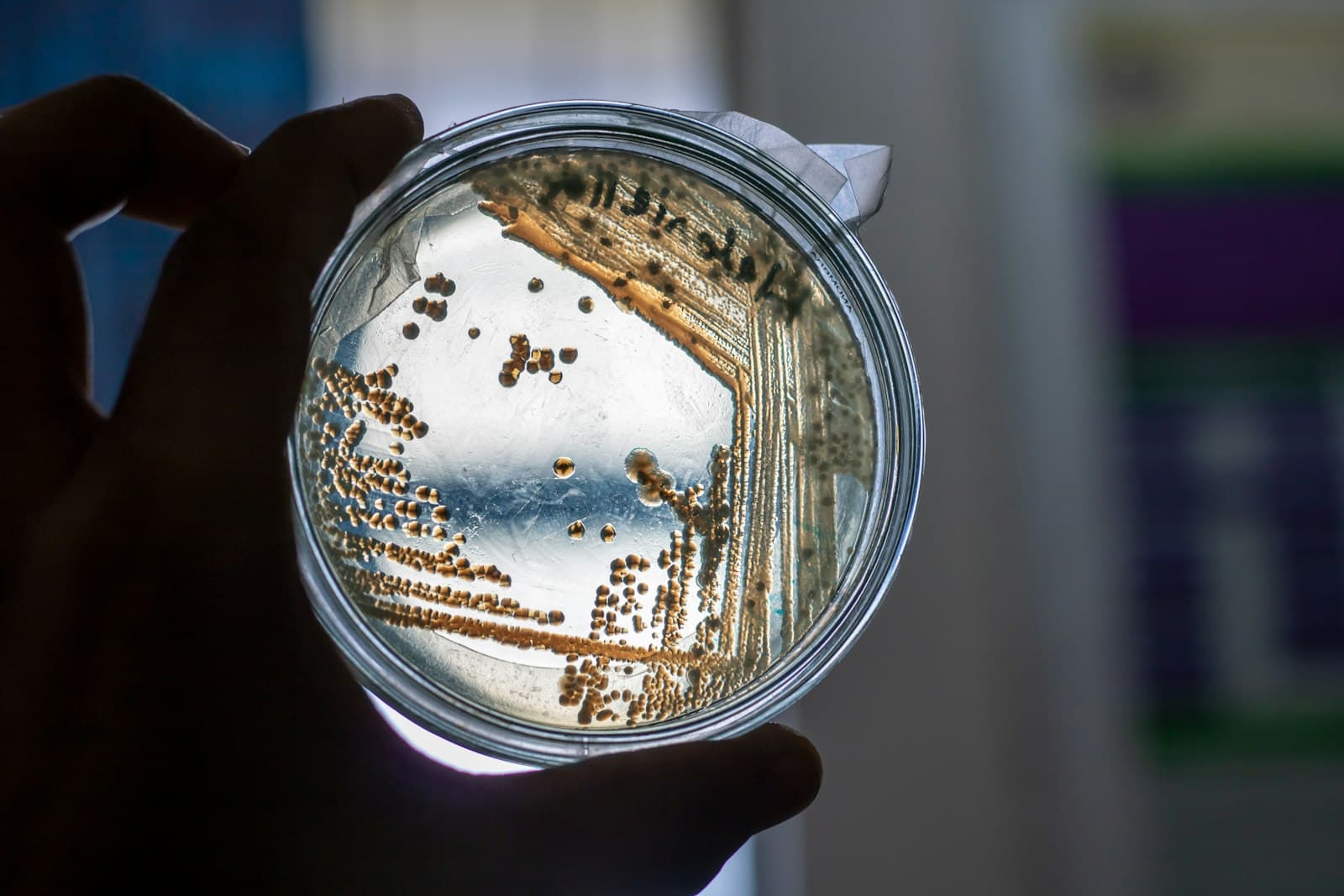
Trichoderma is a naturally occurring soil fungus that happens to be very good at one thing: beating other fungi. Applied to the root zone, it colonises the roots and the soil around them, then parasitises and out-competes the pathogens that cause root rot, wilt and damping-off. It is the workhorse biofungicide of organic disease management — and, like all biologicals, it only works if you keep it alive.
What it controls
Trichoderma (usually the species T. viride or T. harzianum) suppresses the common soil-borne fungal pathogens:
- Rhizoctonia — damping-off, root rot
- Fusarium — wilt
- Pythium — damping-off
- Sclerotium — collar rot
It works by three mechanisms at once: mycoparasitism (feeding on the pathogen), competition for space and food on the root, and antibiosis (compounds that suppress the pathogen). Because all three happen in the root zone before symptoms show, Trichoderma is a preventive — it goes in early, not as a rescue once a crop is wilting.
Three ways to use it
| Method | Rate | When |
|---|---|---|
| Seed treatment | 5–10 g per kg of seed | Before sowing — see seed treatment |
| Soil application | 1–2 kg in 50–100 kg FYM per acre | At land preparation |
| Seedling root dip | Slurry in water | Just before transplanting |
For the soil route, mix it into moist FYM or compost and leave it a few days before spreading — the Trichoderma multiplies in the organic matter and goes out into the field already established.
The one mistake that wastes it
Trichoderma is a living fungus. A chemical fungicide kills it. Treating seed with both, or spraying a fungicide onto soil you have inoculated, destroys what you paid for. The same goes for storage: keep it cool and out of direct sun, and use it before its expiry date — an old or heat-stressed pack may have little live culture left.
What it is good and bad at
Good at: cheap, preventive control of soil-borne fungal disease, while also improving root health — and it is fully compatible with biofertilisers.
Weak at: curing an established infection, controlling insect pests, or surviving alongside chemical fungicides. It is one layer of an organic stack — pair it with clean beejamrit-treated seed, good drainage and wide spacing.
Frequently asked questions
Which diseases does Trichoderma control?
Mainly soil-borne fungal diseases — root rot, damping-off, wilt and collar rot caused by Rhizoctonia, Fusarium, Pythium and Sclerotium. It works in the root zone by parasitising and out-competing these pathogens, so it is a preventive that goes in before disease appears, not a cure afterwards.
How much Trichoderma per acre?
For soil application, about 1–2 kg of the formulated product mixed into 50–100 kg of well-rotted FYM or compost, left a few days to multiply, then spread per acre. As a seed treatment, 5–10 g per kg of seed. As a seedling root dip, a slurry in water before transplanting.
Can I use Trichoderma with a chemical fungicide?
No. A chemical fungicide kills Trichoderma — you would be paying for the biological and destroying it in the same operation. Choose one or the other. If you want the biological, use Trichoderma alone.

Written by
Vaibhav Dhama
Founder, Technical Kisan
Vaibhav Dhama is the founder of Technical Kisan. He writes from Baghpat, Uttar Pradesh, and builds each guide on ICAR and state agricultural university guidance, official government scheme notifications, and live mandi-price data.
- Writes from Baghpat, Uttar Pradesh
- Software developer (BTech, 2021)
- Not a trained agronomist — confirm with your KVK
Discussion is coming soon
We are building a comments section where you can ask a question about this guide and see what other farmers in your district are doing.
For now, write to us at [email protected] — we read every message.