
Farm Machinery
What each machine costs to own vs hire per hectare, the SMAM subsidy you can claim, and the acreage below which buying doesn't pay.
The maths on a machine rarely matches the maths on the brochure. A tractor or implement might list at a certain price, but whether it pays for itself depends on how many acres you actually run it over each year, what a Custom Hiring Centre charges for the same job nearby, and whether the SMAM subsidy on offer this year covers 40% or 50% of the cost — that changes by state and by category of farmer.
Each machine guide below breaks the decision down the same way: what the machine actually does and where it doesn't help, the ownership cost per hour once fuel, maintenance and depreciation are counted rather than just the sticker price, the acreage above which owning beats hiring, current SMAM and state subsidy rates with the season they apply to, and where to find a Custom Hiring Centre if buying doesn't make sense yet. Small and marginal farmers are usually better served by hiring or a shared machine for anything used fewer than 25–30 days a year — the guides say so plainly rather than defaulting to "buy."
Machinery prices and subsidy percentages move every year and differ by state — use the figures here to shortlist, then confirm the current rate with your district agriculture office or the SMAM portal before signing anything.
Guides
Farm Machinery — guide by guide
Buy, hire, or share — with the maths
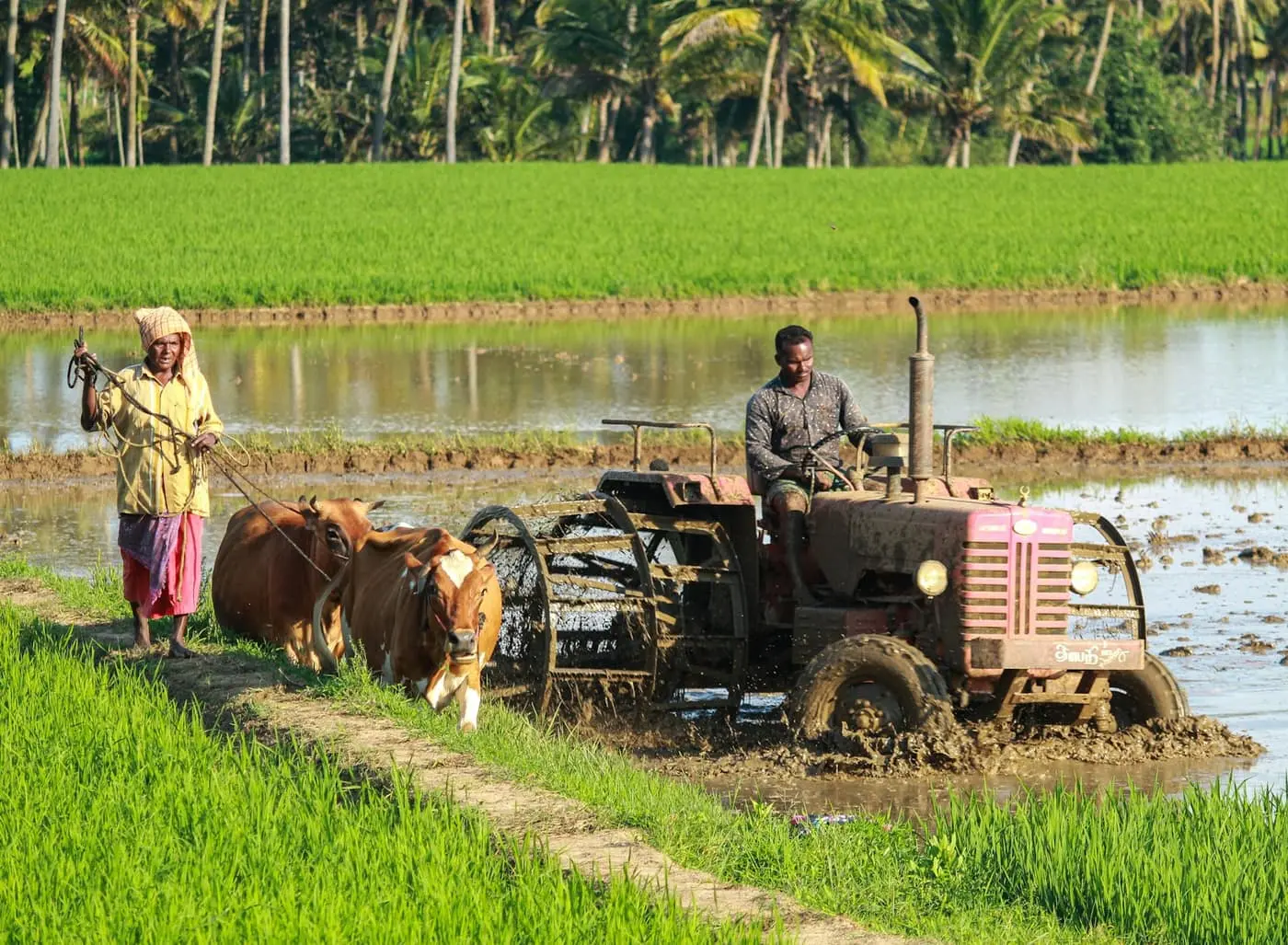
Tractors
The rule of thumb is one horsepower per acre of annual cropped area. Buying above that is the most common capital mistake in Indian farming — and the reason so many tractors sit idle 300 days a year.
Sizing rule: ~1 HP per acre cropped annually
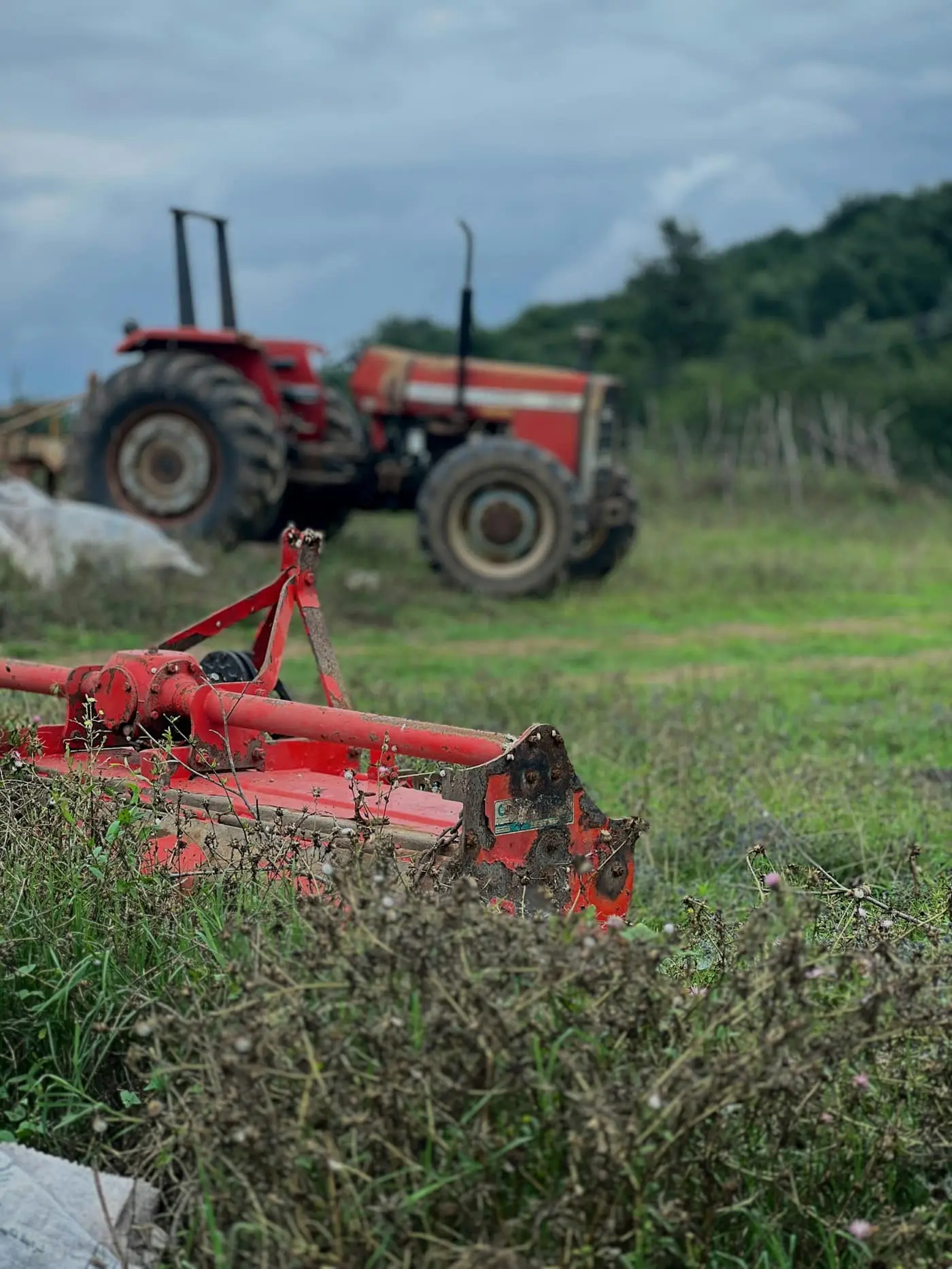
Rotavators
Prepares a seedbed in one pass where a cultivator needs three, saving diesel and about a week of turnaround between crops. The cost is soil structure: continuous rotavation builds a hardpan at 15–20 cm.
Tractor needed: 35 HP+ for a 5-foot unit
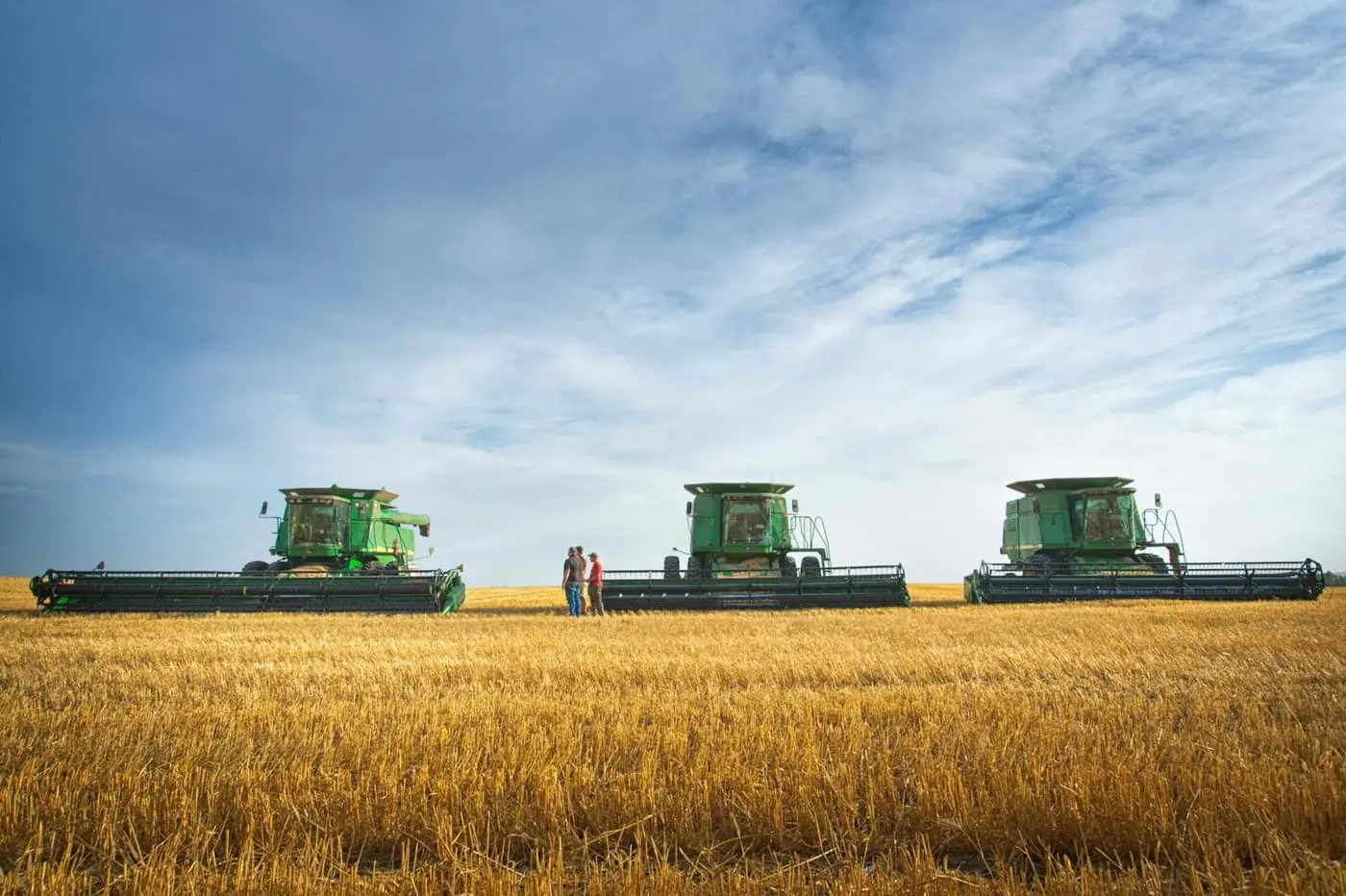
Harvesters
A combine cuts harvest cost by roughly half against manual labour and compresses a two-week job into two days — which in a rabi season racing the pre-monsoon rain is often the whole point.
Types: Self-propelled, tractor-mounted, track (for paddy)
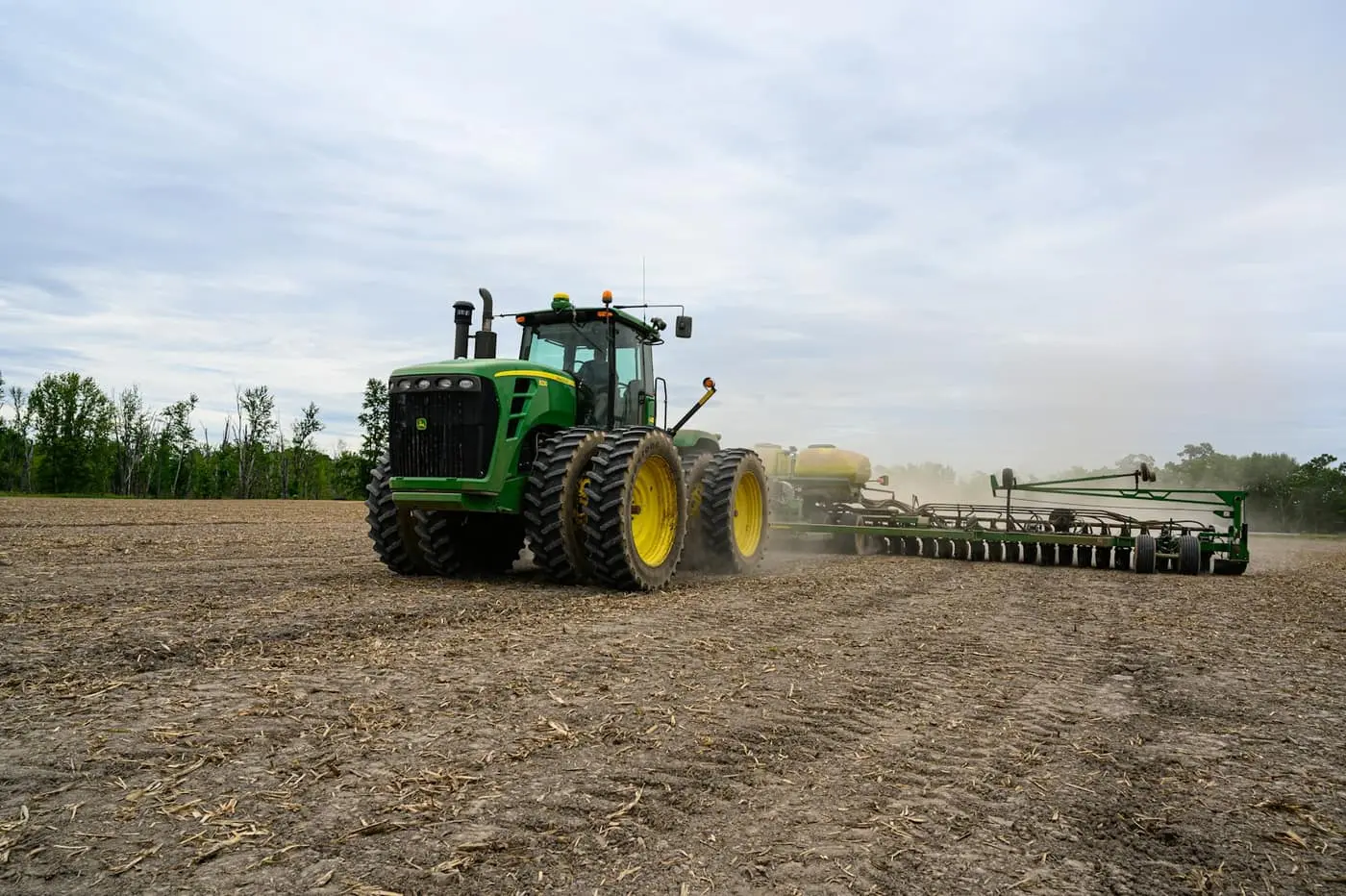
Seed Drills
Places seed and basal fertiliser at a uniform depth in one pass. It cuts seed rate by 15–20% versus broadcasting and, in the case of the Happy Seeder, lets wheat be drilled straight into standing paddy stubble without burning it.
Types: Seed-cum-fertiliser, zero-till, Happy Seeder
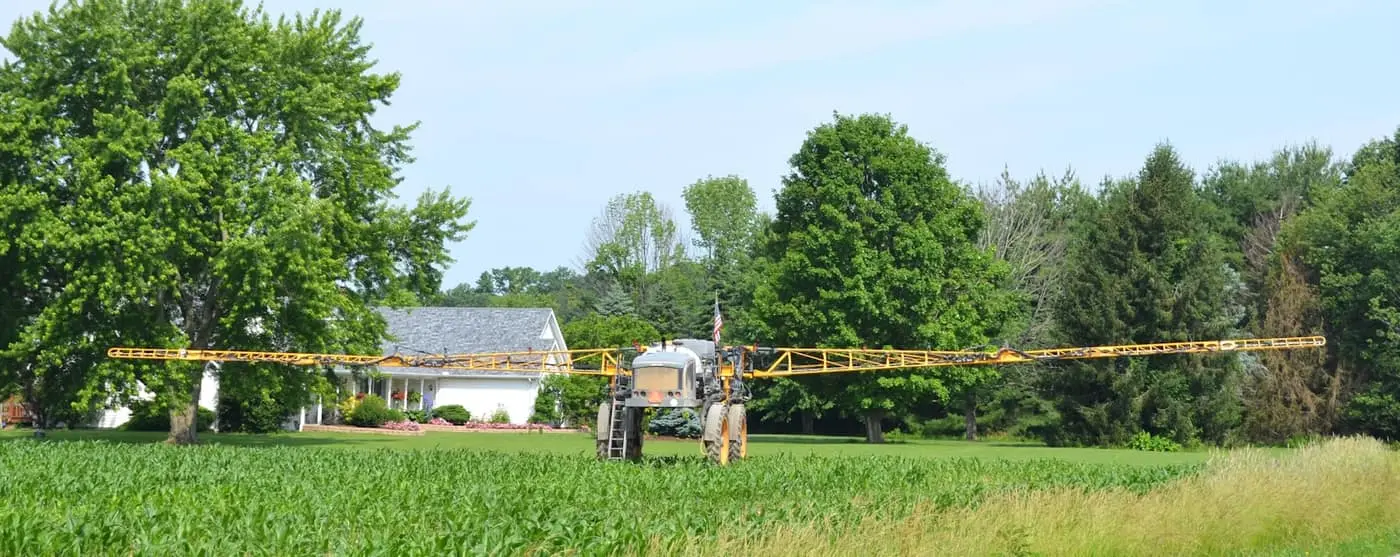
Sprayers
Nozzle choice matters more than the pump. Most farmers over-apply because a worn nozzle delivers 30% more volume than a fresh one — replace nozzles every season and calibrate before the first spray of the crop.
Types: Knapsack, battery, HTP, boom, drone
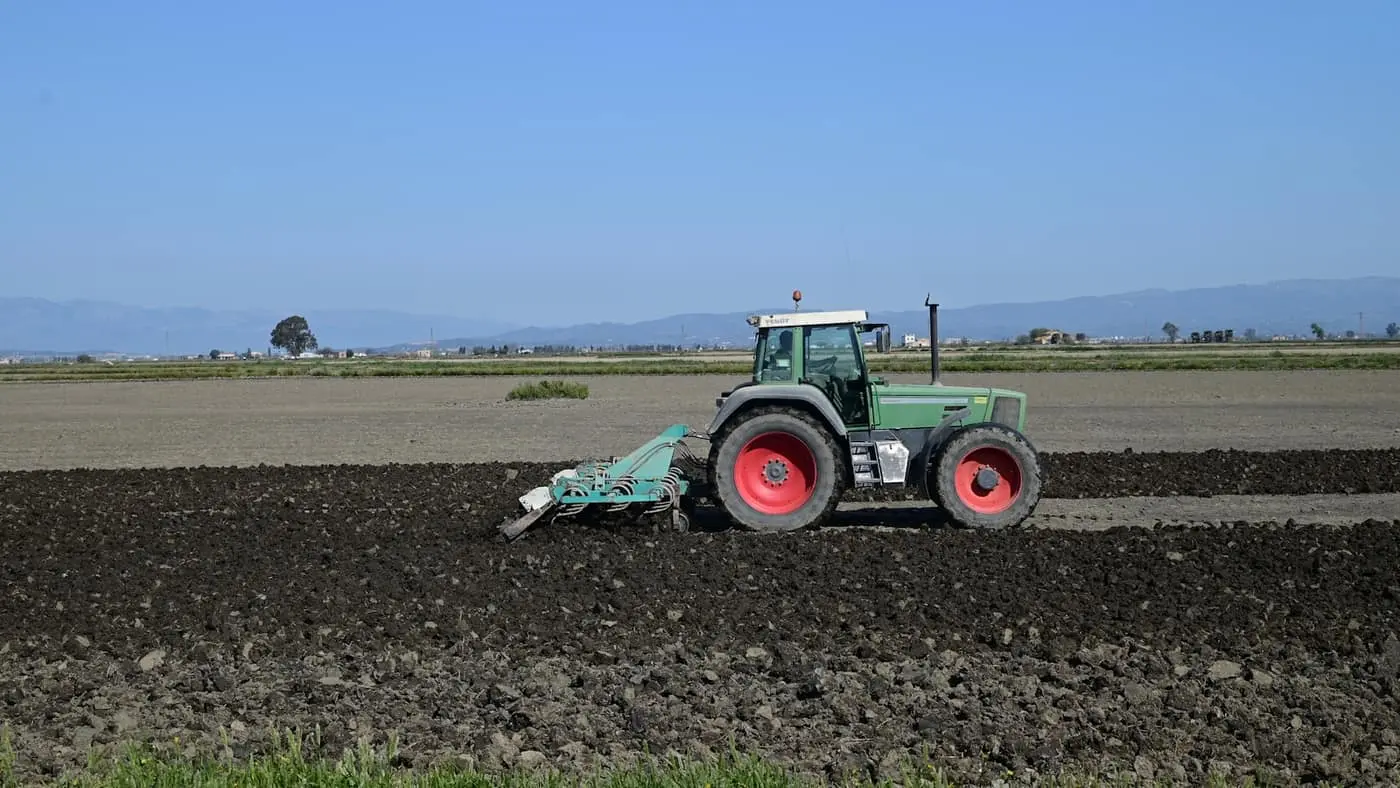
Cultivator
The secondary-tillage workhorse: after the plough it breaks clods, kills weeds between passes and stirs a seedbed for a fraction of a rotavator’s cost. The decision is tyne type, not power.
Where it fits: Secondary tillage, after the plough
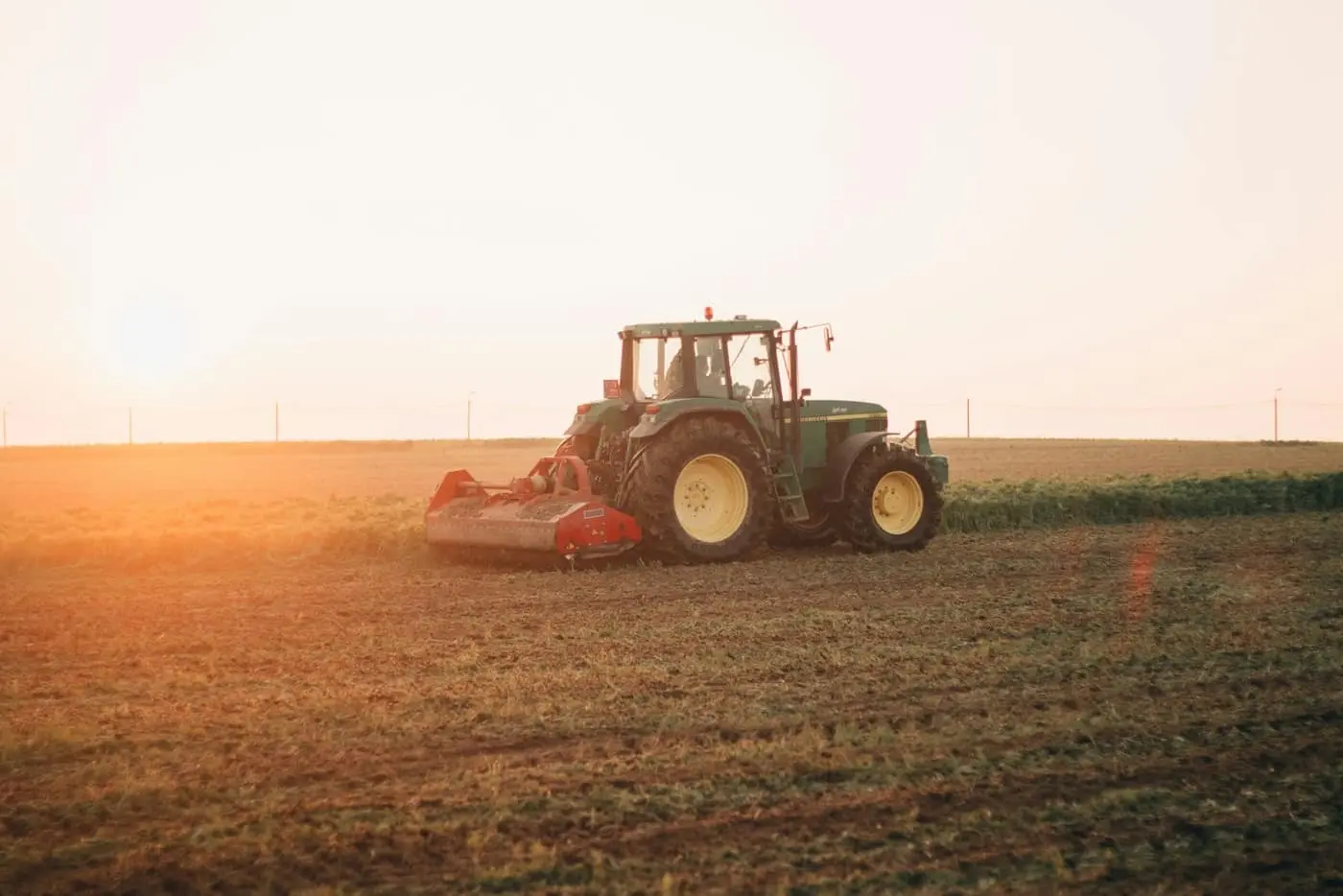
Laser Leveller
Flattens a field to within ±2 cm by laser, and that flatness cuts irrigation water 20–30% while lifting yield. At ~₹3 lakh for occasional use, it is a machine to hire, not own.
What it does: Levels a field to ±2 cm
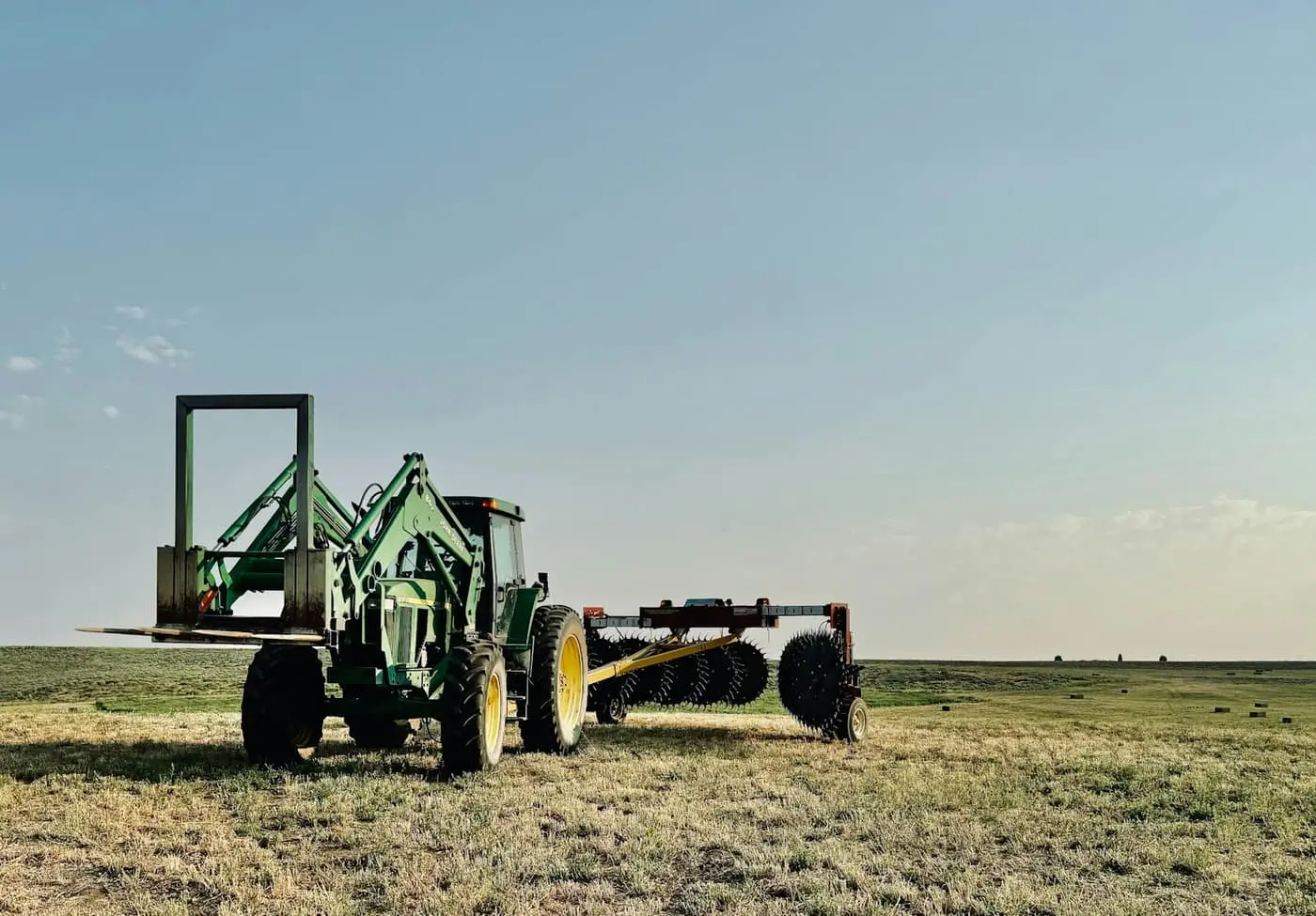
Disc Harrow
Cuts through hard clods and loose residue that tynes ride over — its angled, spinning discs slice and turn on their own weight. The decision is tandem versus offset, and how heavy your soil is.
Where it fits: Clod-breaking & residue incorporation
Happy Seeder
Drills wheat straight into loose paddy straw — cutting and lifting the residue, sowing, and dropping the straw back as a surface mulch. The machine that makes not burning the stubble the easy choice.
What it does: Drills wheat into paddy stubble, no burning
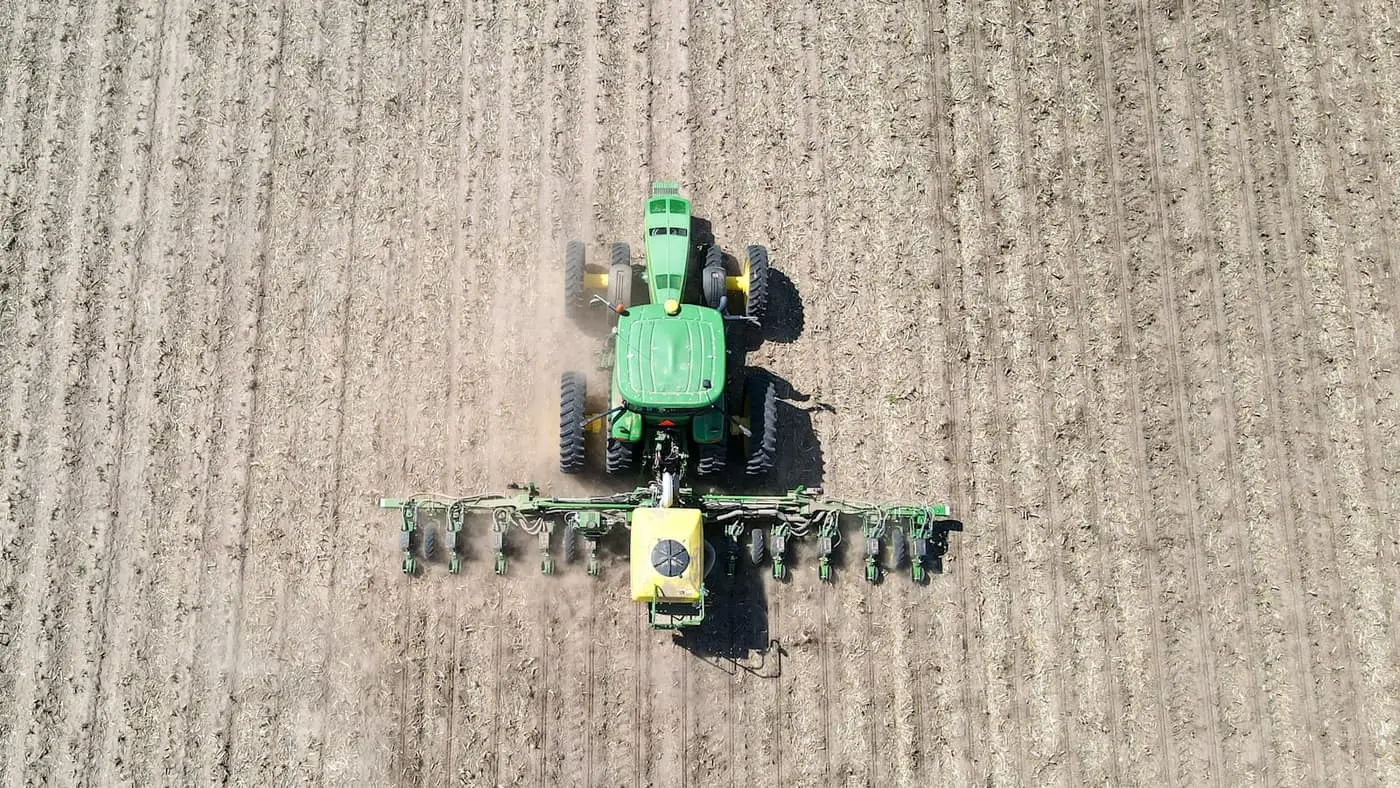
Zero Till Drill
Sows seed and fertiliser straight into an unploughed field — no seedbed, no tillage pass. It saves a full round of cultivation, gets wheat in a week earlier, and holds the moisture the plough would dry out.
What it does: Sows into untilled soil, no seedbed prep
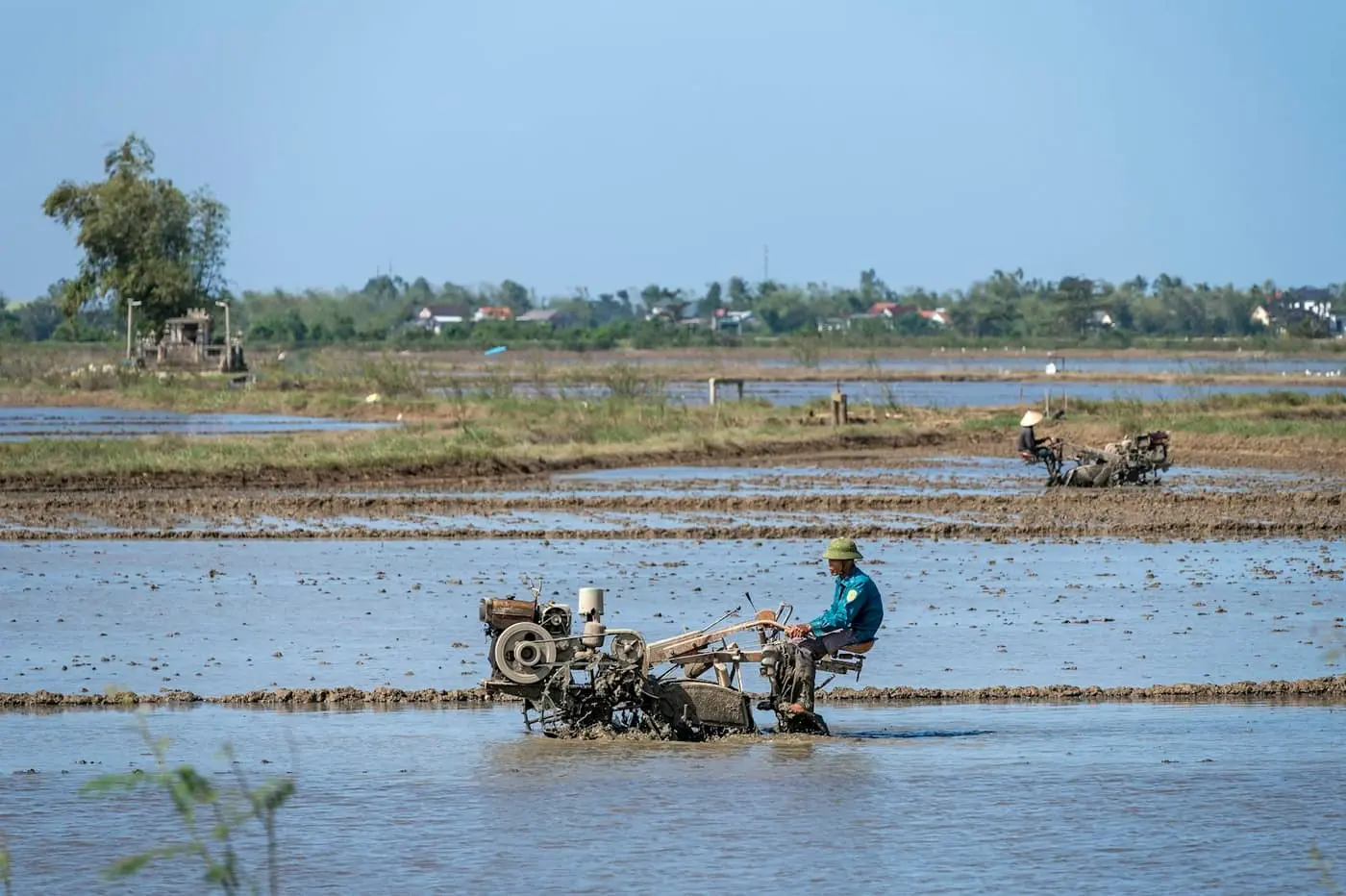
Power Tiller
A walking two-wheel tractor: one small engine that tills, puddles paddy, hauls a trailer and drives a pump on plots a four-wheel tractor cannot reach or pay off. The decision is engine size and attachments.
What it is: Walking two-wheel tractor
Guides are being written
This section is still being written. In the meantime, the guides below cover ground that is closely related.
Browse all guides