
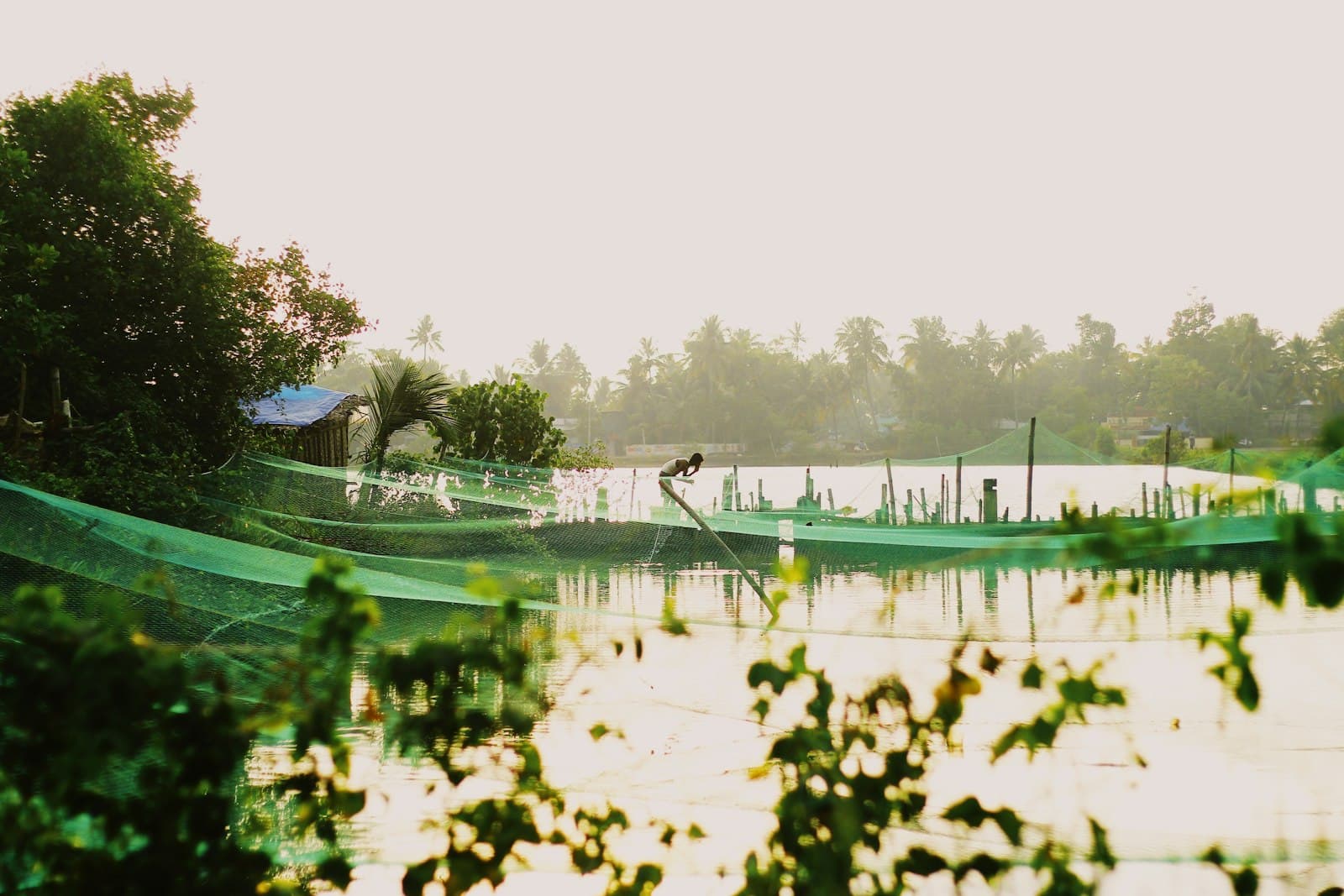
Best Fish Species for Biofloc Farming
Biofloc packs 3-5x more fish per pond by turning tank waste into feed - but only species that thrive in dense, active water. What works.
Vaibhav Dhama2 min readDairy, goat farming, poultry, fisheries, beekeeping and animal husbandry — compare livestock businesses, estimate investment, discover calculators, and explore practical farming guides.

Livestock is the one part of an Indian farm income that does not wait for a season — a milking animal or a laying hen pays something most days of the year, which is exactly why it is so often the difference between a farm that survives a bad crop year and one that does not. But "livestock" is not one decision, it is eight very different businesses wearing one label, each with its own capital need, daily workload and income rhythm.
This hub is built to help you choose: compare the investment, daily management and income cycle of dairy, goat, poultry, fisheries, buffalo, sheep, pig and beekeeping side by side, work out the numbers with the calculators below, and check which government schemes actually fund a livestock unit. Once you know which enterprise fits your land, budget and time, open its own page for the full depth — breed comparison, feeding plan, vaccination calendar and disease management all live there, one click away.
Eight enterprises — each with its own deep guide underneath: breed comparison, feeding plan, vaccination calendar and disease management.
Feed is 65–70% of the cost of producing milk, which means green fodder is not a nicety — it is the margin. Growing your own fodder is usually worth more than upgrading the breed.
A doe kids roughly every 8 months, often with twins, which is why goat numbers compound faster than any other livestock enterprise. Low feed cost and low land need make it the easiest entry point into livestock for a smallholder.
Broiler and layer are two different businesses wearing the same feathers — broiler is a 5–6 week cash cycle bet on feed conversion, layer is a year-long bet on sustained daily egg output. Picking the wrong one for your cash-flow horizon is the most common poultry mistake.
Biofloc raises fish at ten times the stocking density of an earthen pond in the same footprint, by turning the tank's own waste into feed for the fish — the trade-off is a much less forgiving system if aeration or water quality slips.
Buffalo milk runs 6–7% fat against a crossbred cow's 3.5–4%, which is most of the reason it commands a higher price at the dairy gate — the trade-off is a longer calving interval and a slower-maturing animal.
An Indian sheep enterprise is almost always a meat business with wool as a byproduct, not the other way round — domestic wool rarely covers shearing cost, while mutton demand is steady and largely recession-proof.
A sow farrows 8–12 piglets at a time and can farrow twice a year, which makes pig farming the fastest-compounding meat enterprise on this list — the constraint is almost never biology, it is finding a buyer network outside a few regional markets.
A colony pays for itself twice over on most farms — once in honey, and again in the pollination it does for free on the fruit, vegetable and oilseed crops within its flight range, often worth more than the honey itself.
Work out milk economics and daily feed cost before you buy a single animal.
What a lactation is actually worth, after feed cost
Open calculatorGreen fodder, dry fodder and concentrate, worked out by weight
Open calculatorBroiler batch economics, feed conversion included
Open calculatorHerd growth and payback for a goat unit
Open calculatorPond and biofloc economics, side by side
Open calculatorWith ready presets for dairy, goat, poultry and fishery loans — work out the instalment and total interest.
Open calculatorInvestment, income cycle, daily workload and expected returns for all eight enterprises, side by side — the numbers that actually decide which one fits your land, budget and time.
These are indicative ranges for a typical starter unit, not a project report — actual investment and returns depend heavily on your location, scale and market access. Open any enterprise below for its full breed, feeding, vaccination and disease guide.
| Business | Investment | Income cycle | Difficulty | Suitable for | Expected returns | Daily management |
|---|---|---|---|---|---|---|
| Dairy Farming | ₹3–8 lakh for a 2–5 animal unit (housing + animals) | Daily — sold twice a day once the animal is in milk | Moderate — daily labour, twice-a-day milking | Farmers with assured green fodder and a nearby milk collection point | Typically ₹150–300 net per animal per day, once in milk | 2 milkings + feeding, ~3–4 hrs/day |
| Goat Farming | ₹1–3 lakh for a 10–20 doe starter unit | Periodic — a kidding cycle roughly every 8 months | Low — the easiest livestock entry point | Smallholders with limited land and some grazing access | Typically ₹3,000–6,000 net per doe per kidding cycle | Grazing/browsing + feeding, ~1–2 hrs/day |
| Poultry Farming | ₹1.5–4 lakh for a 500–1,000 bird broiler shed | Batch — a 5–6 week broiler cycle (layer: daily, once laying) | Moderate–High — thin margins, disease-sensitive | Farmers who can commit to strict biosecurity and daily monitoring | Typically ₹15,000–40,000 net per broiler batch (5–6 week cycle) | Feed/water checks + strict biosecurity, ~2–3 hrs/day |
| Fish Farming | ₹3–10 lakh for a 0.5–1 acre pond, or a biofloc unit | Seasonal — one harvest every 8–10 months | Moderate — water quality management is the main skill | Land with assured water access, or land unsuited to cropping | Typically ₹1–2 lakh net per acre per cycle on pond fish | Feeding + water-quality checks, ~1–2 hrs/day |
| Buffalo Farming | ₹5–12 lakh for a 2–5 animal buffalo unit (housing + animals) | Daily — sold twice a day once the animal is in milk | Moderate–High — higher feed intake, needs wallows or cooling in summer | Farmers with strong fodder security and a fat-based (buffalo) milk buyer nearby | Typically ₹200–400 net per animal per day, once in milk — buffalo milk's higher fat content fetches a better rate than cow milk | 2 milkings + wallow/cooling care, ~3–4 hrs/day |
| Sheep Farming | ₹1–2.5 lakh for a 15–20 ewe starter flock | Periodic — a lambing cycle once or twice a year | Low — hardy on scrub grazing, minimal housing needed | Dryland and semi-arid farmers with common or migratory grazing access | Typically ₹2,500–5,000 net per ewe per lambing cycle, from meat and wool | Grazing/herding, ~1–2 hrs/day |
| Pig Farming | ₹2–5 lakh for a 10–15 sow unit | Periodic — a litter roughly every 6 months | Moderate — fast growth, but demand is regionally limited | Farmers with steady local buyer access — demand is regionally concentrated (Northeast, Goa, Kerala) | Typically ₹8,000–15,000 net per sow per litter, twice a year | Feeding + pen cleaning, ~2–3 hrs/day |
| Beekeeping | ₹40,000–1.5 lakh for a 20–50 box starter apiary | Seasonal — one to two honey extractions a year | Low–Moderate — needs basic training in colony management and the swarming season | Farmers near mustard, litchi or eucalyptus floral sources — needs no land of its own | Typically ₹3,000–6,000 net per box per season, from honey and wax | Weekly inspection, seasonal hive moves, <1 hr/day on average |
The credit, subsidy and insurance schemes that actually apply to livestock — eligibility, subsidy rate and how to apply.
Only schemes that are currently active and officially documented are listed here — see each scheme's own page for eligibility, the exact subsidy rate, and how to apply.
Long-form writing on breeds, feed cost and vaccination, with the numbers included.
Biofloc packs 3-5x more fish per pond by turning tank waste into feed - but only species that thrive in dense, active water. What works.
Vaibhav Dhama2 min read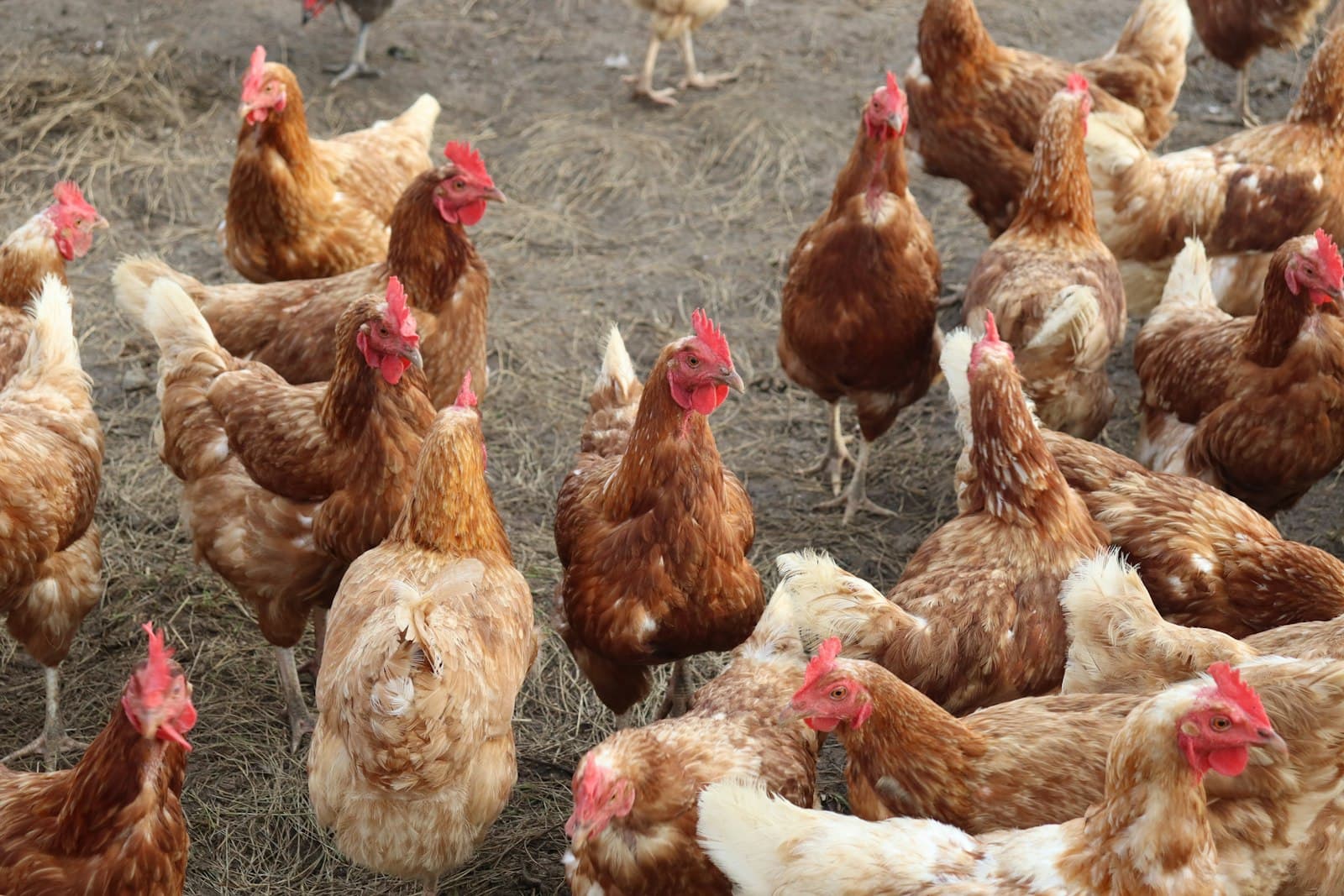
Broiler is a 5-6 week bet on feed conversion; layer is a year-long bet on egg output. How to pick the right one for your cash flow.
Vaibhav Dhama2 min read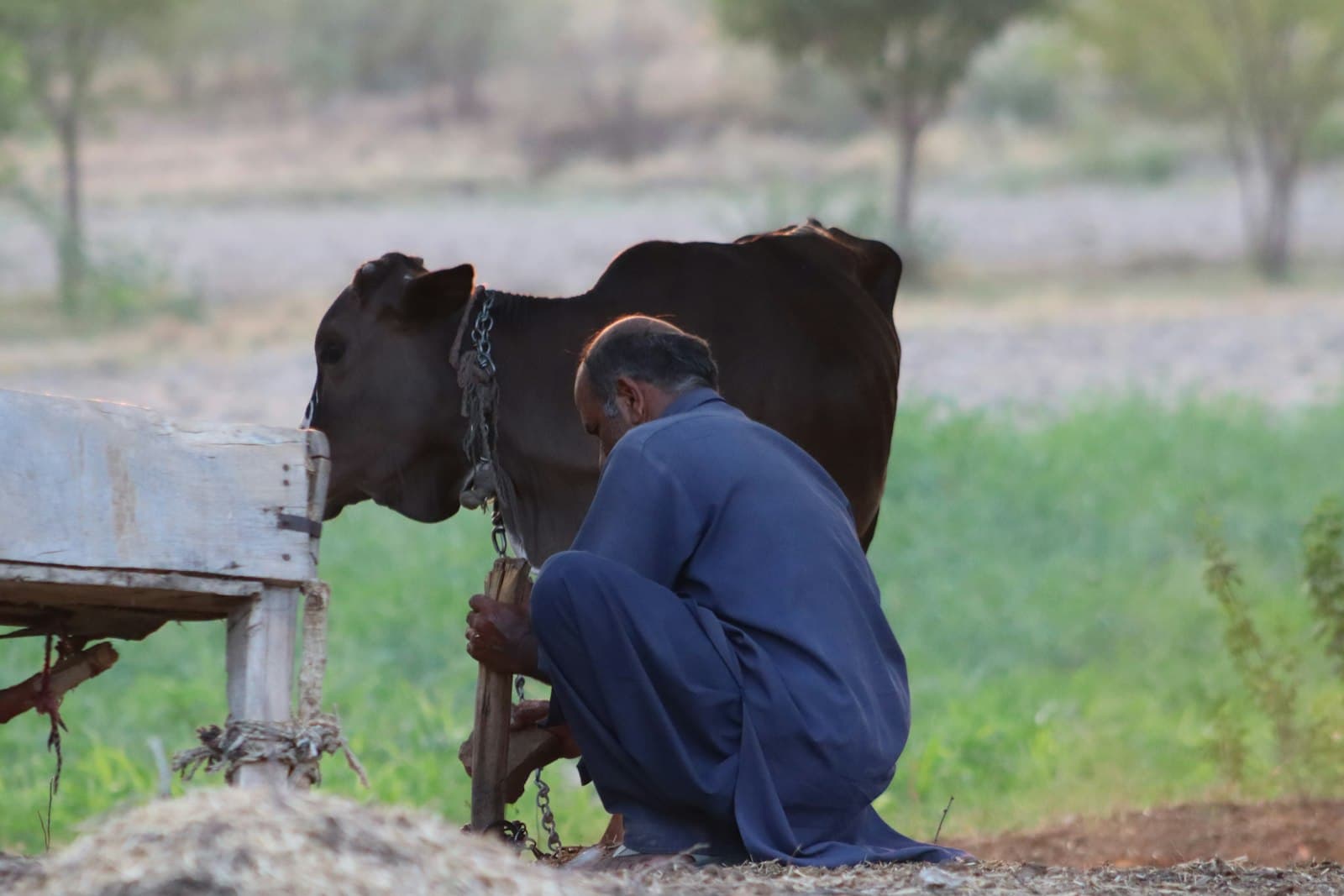
HF gives the most milk on paper, but the breed that pays is the one your feed and water can support. HF, Jersey, Sahiwal and Gir compared.
Vaibhav Dhama3 min read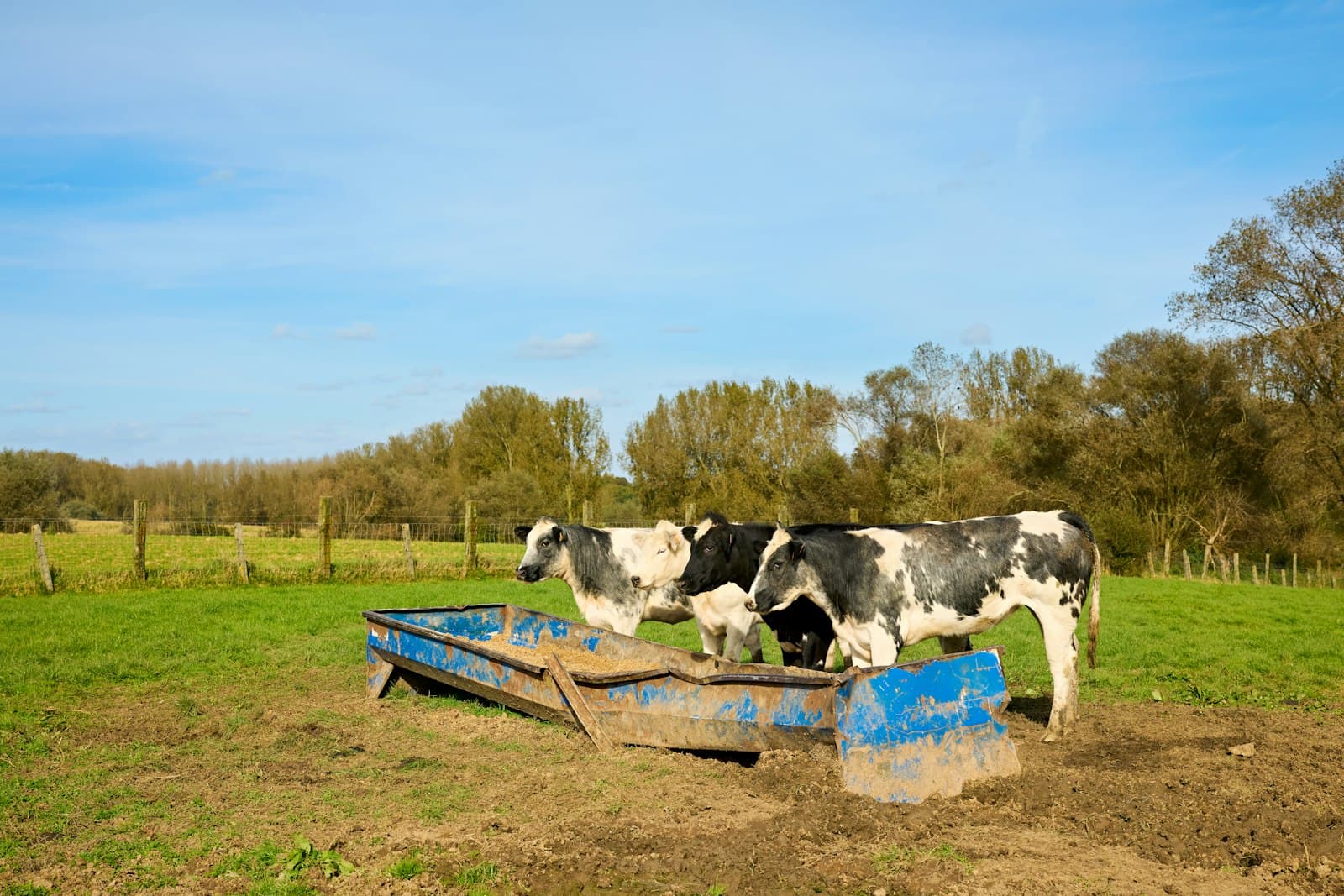
Feed is 65-70% of the cost of milk - so the fastest way to raise margin is a better ration, not a better breed. Six practical levers.
Vaibhav Dhama3 min read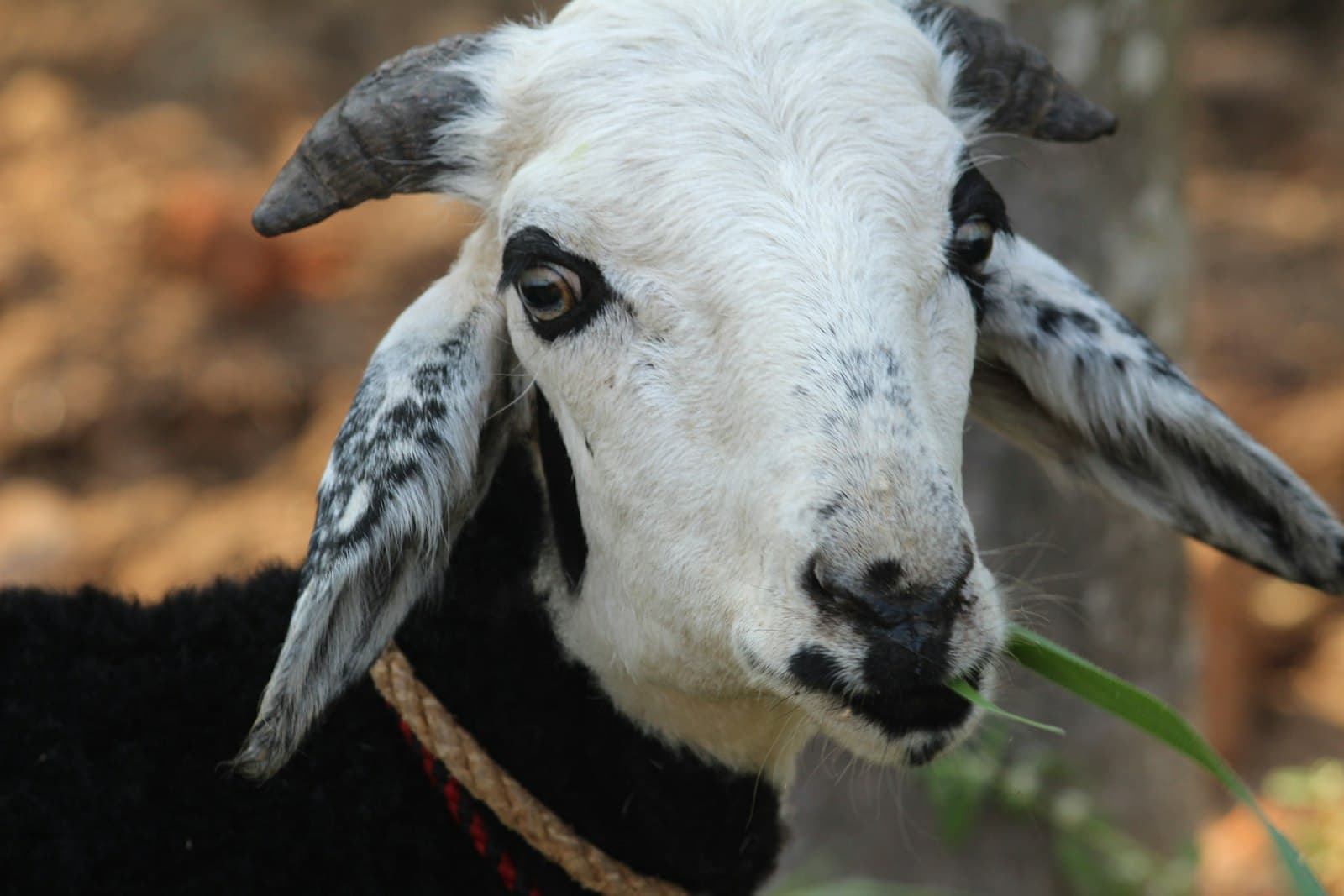
Low capital, low land, and a doe that kids every 8 months - goat farming compounds fast. First-unit cost, breed to pick, and the top risk.
Vaibhav Dhama3 min read
FMD twice a year, HS and BQ before monsoon, Brucellosis once as a calf - the four vaccines that matter, and why skipping one costs more.
Vaibhav Dhama3 min readThere is no single answer — dairy gives the steadiest daily income but needs the most capital and land for fodder; goat farming and beekeeping need the least capital, which is why they are usually recommended as the easiest entry points; poultry (broiler) turns capital over fastest but on the thinnest margins; fisheries needs assured water but can return the most per acre. Match the enterprise to your land, water and capital, not to whichever looks most profitable on paper — the comparison table above is built for exactly that decision.
It ranges from about ₹40,000 for a small beekeeping apiary to ₹1–3 lakh for goat, sheep or pig starter units, up to ₹3–12 lakh for a dairy, buffalo or fish-farming unit. The comparison table above lists all eight side by side; each enterprise's own page then breaks the figure down into housing, animals and working capital.
Goat farming and beekeeping are usually recommended first — both need the least capital and land, are forgiving of early mistakes, and let you learn the basics of animal husbandry before committing to a bigger, more management-intensive enterprise like dairy or poultry.
Dairy and buffalo farming are the only two that pay out daily, since milk is sold every day once an animal is in lactation. Poultry pays out in batches (every 5–6 weeks for broiler, daily once a layer flock starts laying), while goat, sheep, pig, fisheries and beekeeping pay out periodically or seasonally rather than daily — see the "Income cycle" column in the comparison table above.
It depends entirely on which one. Beekeeping needs none of its own; goat and sheep need very little, since they mostly graze common or waste land; dairy, buffalo and pig need modest housing but real fodder land to keep feed cost down; fisheries needs assured water access more than acreage. Each enterprise's own page covers its land requirement in detail.
The Pradhan Mantri Matsya Sampada Yojana (PMMSY) funds fisheries infrastructure, the Fisheries and Aquaculture Infrastructure Development Fund (FIDF) gives concessional loans for fishing harbours and cold chain, the Animal Husbandry Infrastructure Development Fund (AHIDF) gives an interest subvention on dairy and meat-processing infrastructure, the National Livestock Mission (NLM) gives capital subsidy for goat, sheep, pig, poultry and other entrepreneurship units, the Rashtriya Gokul Mission (RGM) funds free AI and breed-improvement services for indigenous cattle and buffalo, and the Kisan Credit Card (KCC) extends its subsidised working-capital limit to livestock as well as crops. See the schemes section above for eligibility and how to apply.