How to Sell Organic Produce at a Premium
Sell certified organic through a regular mandi and it prices like conventional - the premium only exists in channels built to recognise it.
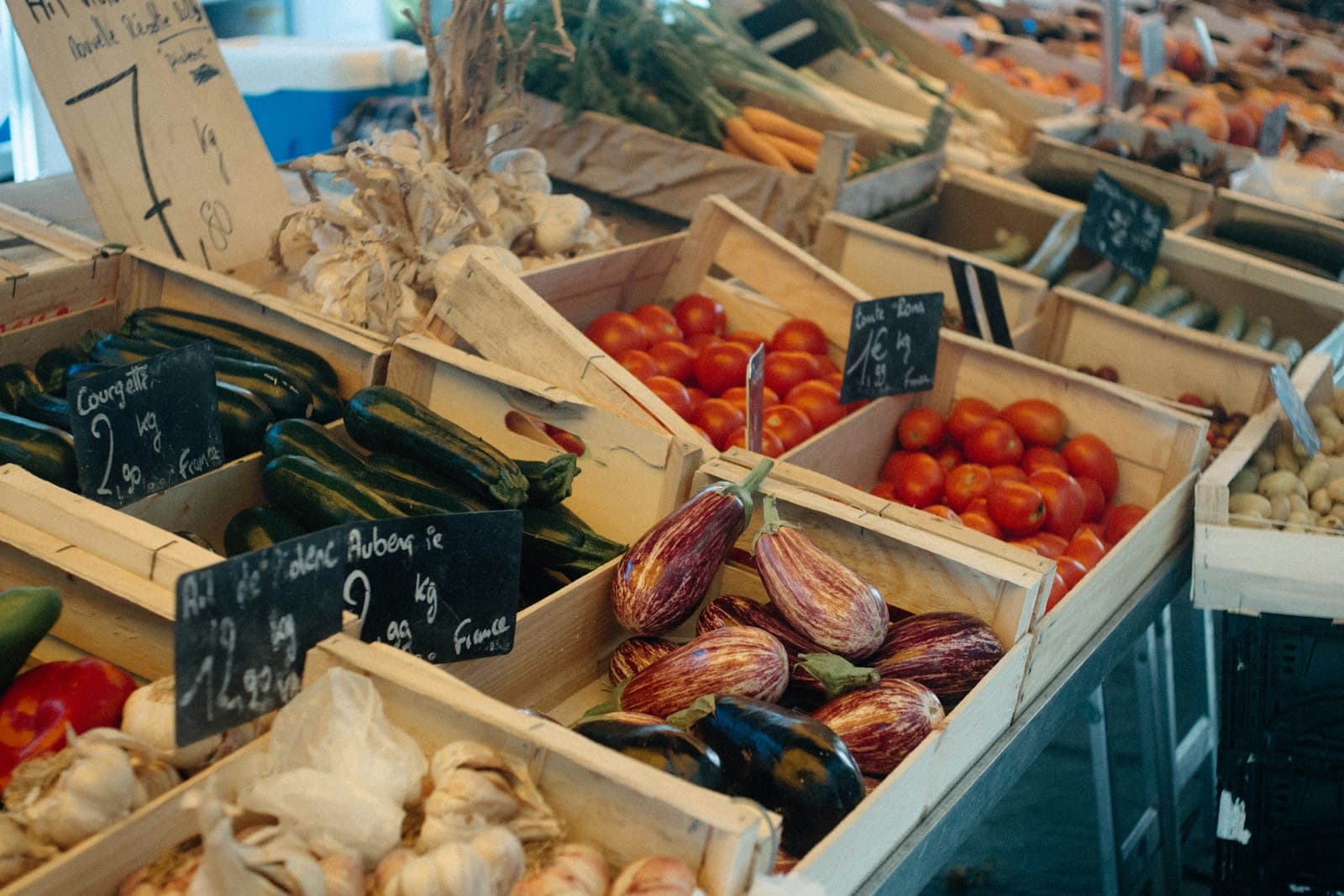
The most common disappointment in organic farming is not the conversion period — it is discovering, at the first harvest, that the local mandi pays exactly the same price for certified organic produce as for conventional. That is not a failure of the farming. It is a mismatch between the produce and the channel it was sold through.
Why the regular mandi cannot pay the premium
A mandi prices on commodity, grade and visible quality — it has no way to verify or price in a certification it cannot see. Organic tomatoes and conventional tomatoes of the same grade sell for the same price there, because the mandi's pricing mechanism was never built to recognise the difference. The premium is real, but it only exists in a channel specifically built to recognise and pay for certification.
Certification is the entry ticket, not the finish line
Before any of the channels below become available, produce needs to be certified — PGS-India for the domestic market at no certification fee, or NPOP for export. Without it, "organic" is just a claim a buyer has no reason to trust, and marketing produce that way without certification undermines the credibility the whole premium market runs on.
The channels that actually pay the premium
- Direct-to-consumer — organic farmers' markets (melas), a WhatsApp-based regular customer group, or a subscription vegetable box are the most direct route to the premium, since the farmer keeps the full margin a middleman would otherwise take. This scales slowly and needs proximity to an urban customer base.
- Organic retail chains and stores — these buyers pay the premium reliably but expect consistent volume, grading and delivery schedules that a single small farm often cannot meet alone.
- FPO or producer-company pooling — this is the route that solves the volume and consistency problem: a group of certified farmers, typically already organised under one PGS-India group certificate, pools produce for supply agreements and shared branding, and gets meaningfully better bargaining power than any one farmer selling alone.
- Organic-focused online platforms and aggregators — an increasingly viable route for direct listing, particularly for farmers with a recognisable regional brand or a specific high-value crop.
- Export, via APEDA-registered NPOP certification — the highest-value route, but realistically accessed through an export house or an FPO rather than an individual smallholder shipping directly.
Labelling is not optional
Certified produce sold as organic has to carry the PGS-India green logo or the NPOP/India Organic mark, as applicable to the certification route used. This is not paperwork for its own sake — it is the visible signal a buyer in any of the channels above is actually paying for, and using it without valid certification is both a legal and a trust problem.
Set the right expectation before harvest, not after
The single biggest determinant of whether organic conversion pays off is not the farming — it is whether a premium-paying channel exists and is lined up before the first certified harvest arrives. A farmer who converts, certifies, and only then starts looking for a buyer is starting the hardest part of the process a season too late.
The one sentence version
The organic premium is real, but it lives entirely in direct sales, certified retail, FPO pooling, online platforms and export — never in the regular mandi — so lining up one of those channels before harvest matters as much as the certification itself.
Frequently asked questions
Can I sell my produce as "organic" without certification?
No, not legally, and doing so undermines the trust the entire premium market depends on. You need PGS-India or NPOP certification before marketing produce as organic — see our guide to organic certification for how each route works.
Why does a regular mandi not pay more for organic produce?
A mandi prices by commodity, grade and visual quality — it has no mechanism to verify or price in a certification the buyer cannot see or test for. Organic and conventional produce of the same crop typically fetch the same mandi price unless the buyer specifically deals in certified organic stock.

Written by
Vaibhav Dhama
Founder, Technical Kisan
Vaibhav Dhama is the founder of Technical Kisan. He writes from Baghpat, Uttar Pradesh, and builds each guide on ICAR and state agricultural university guidance, official government scheme notifications, and live mandi-price data.
- Writes from Baghpat, Uttar Pradesh
- Software developer (BTech, 2021)
- Not a trained agronomist — confirm with your KVK
Discussion is coming soon
We are building a comments section where you can ask a question about this guide and see what other farmers in your district are doing.
For now, write to us at [email protected] — we read every message.