Organic Farming: Benefits and Challenges
Organic farming genuinely rebuilds soil and commands a premium - and genuinely costs yield during conversion and needs more labour. Both true.
Organic farming gets sold two ways — as a pure upgrade with no downside, or as an impractical fantasy. Neither is honest. The real picture is a genuine trade: real, durable benefits against real, specific costs, and knowing both in advance is what separates a farmer who converts successfully from one who abandons it two years in.
The benefits that are genuinely real
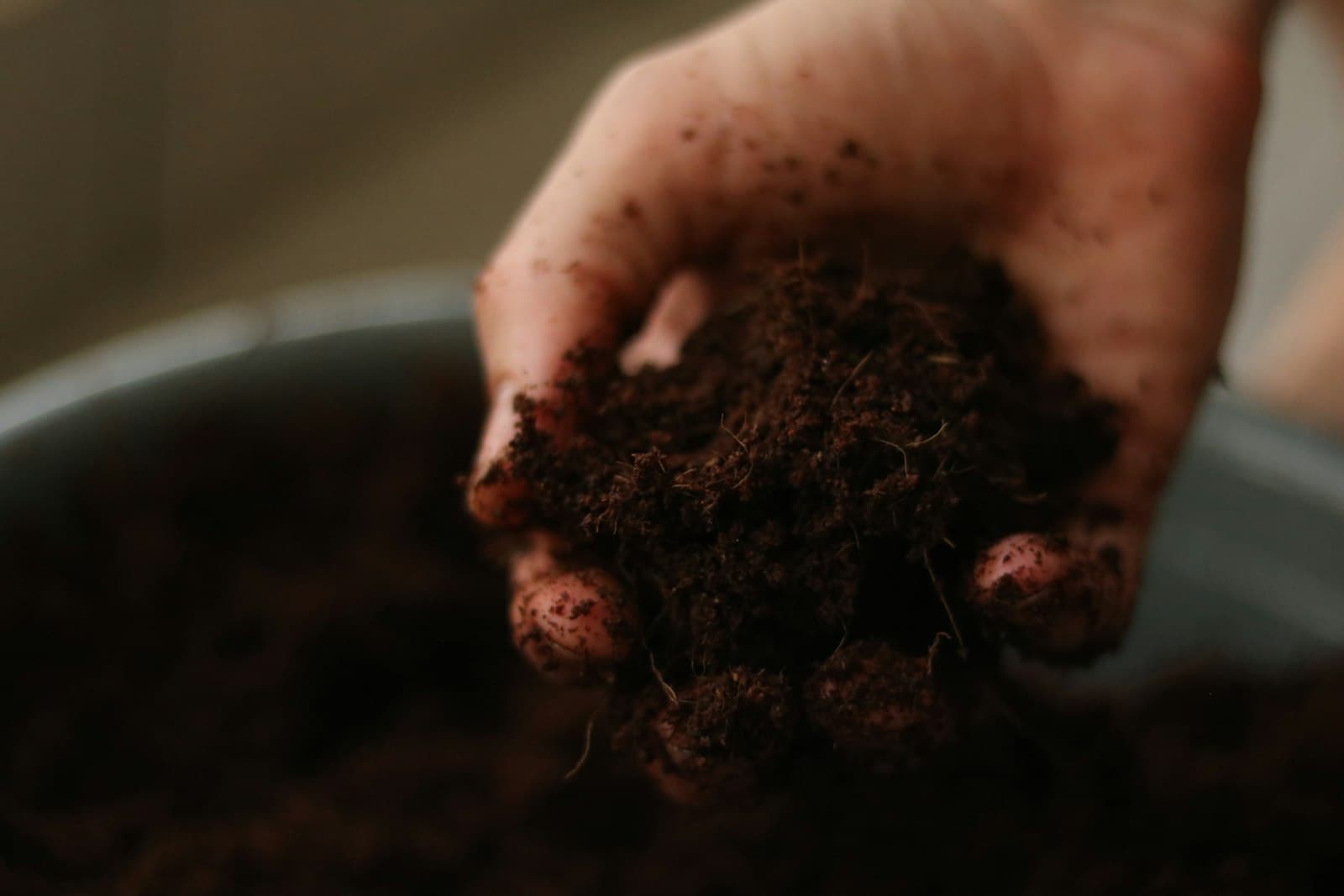
- Soil that keeps giving back. Years of compost, green manure and biological inputs rebuild organic matter and water-holding capacity in a way chemical fertiliser alone does not — this is why well-managed organic land tends to handle a dry spell better than depleted conventional soil nearby.
- A cost structure that shifts over time. Purchased urea and DAP are replaced by farm-generated inputs — jeevamrit, vermicompost, farm compost — which lowers recurring cash cost once the system is established, even though the labour cost to produce them is real.
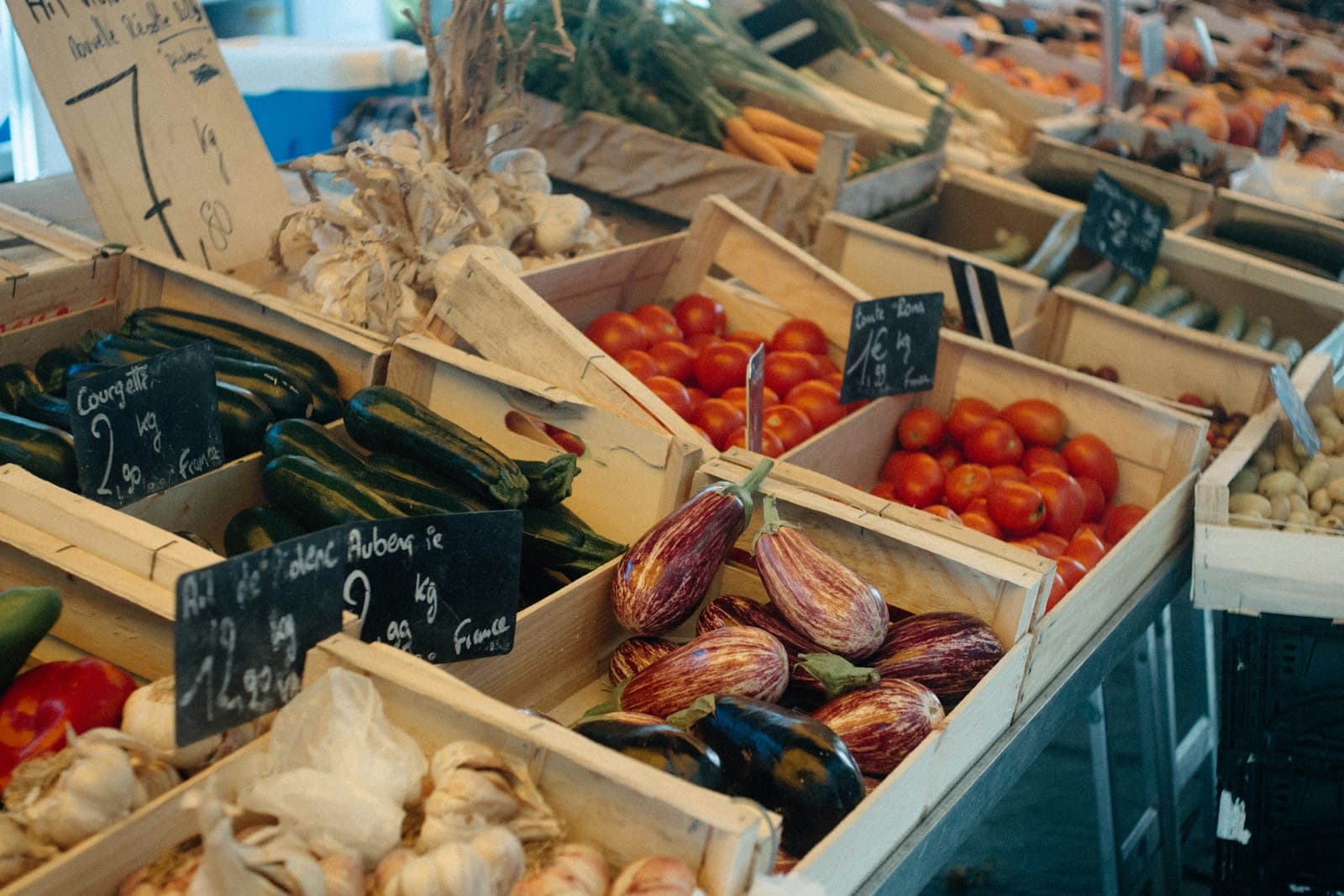
- A genuine price premium, if it reaches a buyer who values it. Certified organic produce commands a real premium in the channels built for it — though only in those channels; see how to sell organic produce for why this does not show up in a regular mandi.
- Less chemical exposure for the farming family itself, who handle these inputs directly and far more often than any end consumer does.
- Rising export and institutional demand, backed by growing NPOP-certified acreage and APEDA-supported market access.
The costs that are just as real
- A yield dip during conversion. The 2–3 year transition window typically costs yield before soil biology rebuilds enough to compensate — this is the single most common reason farmers abandon conversion partway through, usually because nobody told them to expect it.
- More labour, not less. Hand weeding, mulching, and preparing biological inputs on-farm all take real time that a chemical spray round replaces. Weed management without herbicide in particular is a genuine, ongoing labour cost.
- Pest and disease control without a fast chemical backstop. Biological and botanical controls — neem oil, Trichoderma, pheromone traps — work, but they work on a different timeline than a synthetic pesticide, and need more frequent scouting to catch problems early.
- Certification is free but not effortless. PGS-India charges no fee, but group registration, peer inspection, and maintaining the input and sales records it requires is real ongoing administrative work.
- The premium is not automatic. It only exists where a certified, differentiated market actually exists — which is a market-access problem, not a farming one, and worth understanding before conversion rather than after.
Who this genuinely suits, and who should be cautious
Organic conversion tends to work best for a farmer with a multi-year horizon, land where the labour cost is manageable (family labour, or a crop that doesn't demand constant intervention), and — critically — an actual line of sight to a buyer who pays the premium, whether that's a certified aggregator, a direct urban customer base, or an FPO's pooled market access. A farmer converting purely because organic "sounds better," with no plan for where the premium comes from, is the most common failure pattern.
The one sentence version
Organic farming trades a real conversion-period yield dip and a real increase in labour for a real long-term soil benefit and a real price premium — and which side of that trade dominates for you depends entirely on whether you have a market ready for the premium before you start.
Frequently asked questions
Does organic farming always yield less than conventional farming?
Not always, but there is usually a yield dip during the 2–3 year conversion window while soil biology rebuilds, and highly input-responsive crops on land with a long chemical-fertiliser history tend to see the largest initial gap. Yields on well-managed organic land often recover substantially once soil organic matter is rebuilt, though this varies by crop and region.
Is organic farming more work than conventional farming?
Generally yes, particularly for weed and pest management, which lose the fast chemical fallback and rely instead on more labour-intensive methods — hand weeding, mulching, and biological or botanical controls that need closer, more frequent attention than a single spray round.

Written by
Vaibhav Dhama
Founder, Technical Kisan
Vaibhav Dhama is the founder of Technical Kisan. He writes from Baghpat, Uttar Pradesh, and builds each guide on ICAR and state agricultural university guidance, official government scheme notifications, and live mandi-price data.
- Writes from Baghpat, Uttar Pradesh
- Software developer (BTech, 2021)
- Not a trained agronomist — confirm with your KVK
Discussion is coming soon
We are building a comments section where you can ask a question about this guide and see what other farmers in your district are doing.
For now, write to us at [email protected] — we read every message.