Pheromone Traps: Monitor and Mass-Trap
A scent lure draws male moths in - to signal a rising pest, or mass-trap enough to cut the next generation. How many to use, and their limits.
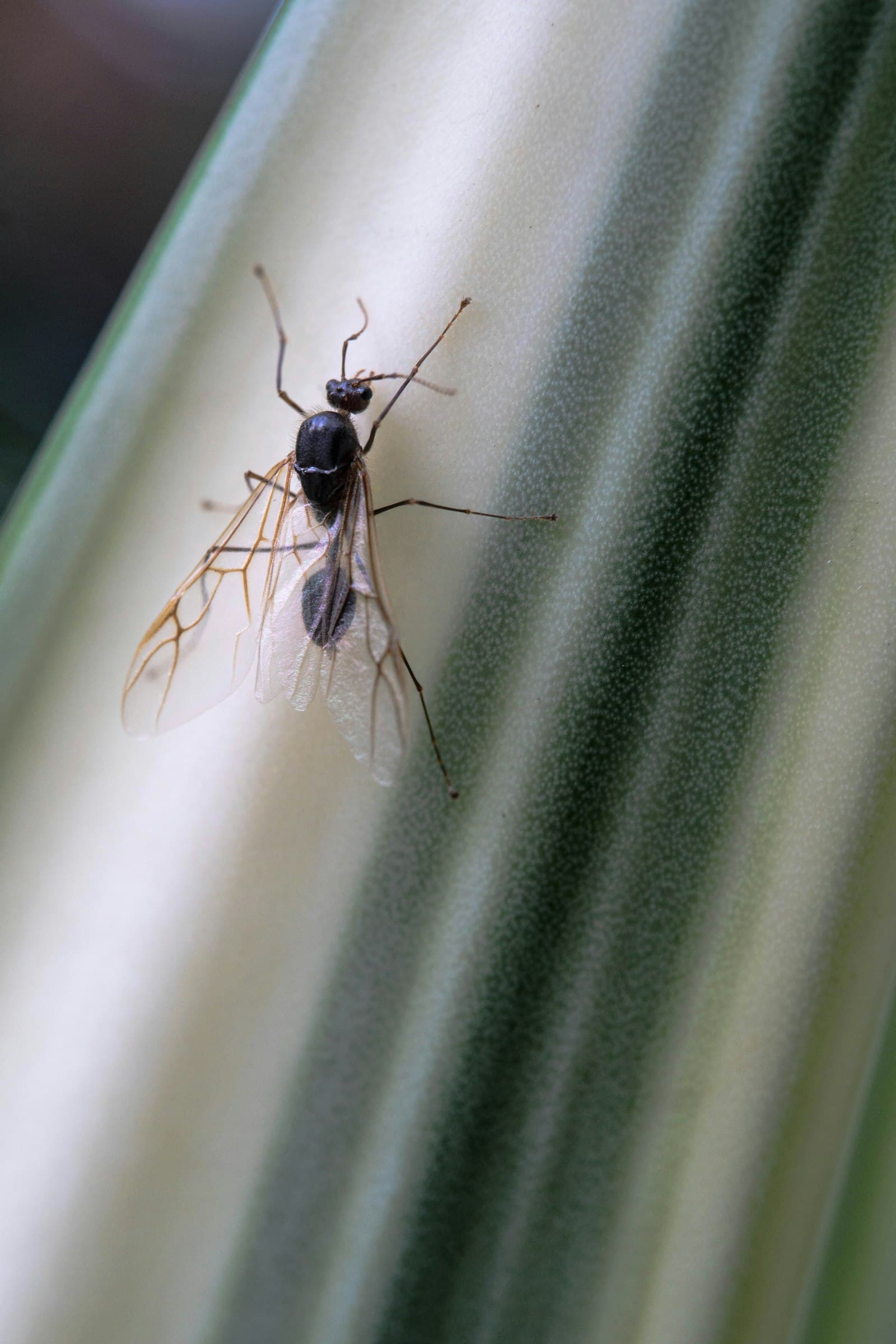
A pheromone trap is a small, clever trick: it releases the sex scent a female moth uses to attract a mate, and draws the males in instead. Depending on how many you put out, that does one of two jobs — it tells you a pest is active, or it removes enough males to cut the next generation. Both are core organic tools, and the difference is mostly a matter of density.
Two jobs, two densities
| Purpose | Traps per acre | What you get |
|---|---|---|
| Monitoring | 4–5 | Early warning — when the pest is flying and building |
| Mass trapping | 15–20 | Fewer males, so fewer fertile eggs next generation |
Monitoring is the higher-value use for most farms: a handful of traps tells you when to spray neem, release a bio-agent or start hand-picking — so you act early, when it still works, instead of after the crop is covered. Mass trapping adds actual control, but needs many more traps and is worth it mainly for high-value crops under heavy pressure.
Matching the lure to the pest
The lure is species-specific — each pest needs its own. Common ones:
- Helicoverpa (gram pod borer / tomato fruit borer)
- Spodoptera (tobacco caterpillar)
- Pink bollworm (cotton)
- Fruit fly (cucurbits, mango)
- Diamondback moth (cole crops)
- Brinjal shoot and fruit borer
A lure for one will not catch another, so buy for the pest you actually have.
Placing and maintaining them
- Height: set the trap at or just above the crop canopy, and raise it as the crop grows.
- Spacing: spread traps evenly across the field, not clustered in one corner.
- Lures: replace every 2–3 weeks — the scent fades with heat and sun, and a spent lure gives a false "all clear".
- Empty them: clear trapped moths regularly so the trap keeps working and your counts stay honest.
What it is good and bad at
Good at: cheap, residue-free early warning that lets you time every other control — and, at density, denting the pest directly.
Weak at: catching anything but males of the one target species. It does nothing for sucking pests, disease or larvae already on the crop. Pair it with yellow sticky traps for whitefly and aphids, neem oil spray and bio-pesticides for the larvae it warns you about.
Frequently asked questions
How many pheromone traps per acre?
For monitoring — just to know when a pest is active and rising — about 4–5 traps per acre. For mass trapping, where you are trying to remove enough males to dent the next generation, 15–20 traps per acre. Use the right lure for the target pest.
How often do I change the pheromone lure?
Every 2–3 weeks as a rule — the scent weakens with time, heat and sun. A spent lure quietly stops catching, so you get a false "all clear". Change lures on a schedule, not only when catches fall.
Do pheromone traps control the pest by themselves?
Monitoring traps do not — they tell you when to act. Mass-trapping at high density does reduce the pest, but even then it works best combined with other tools. A trap catches only males of one species, so it is part of a stack, not the whole defence.

Written by
Vaibhav Dhama
Founder, Technical Kisan
Vaibhav Dhama is the founder of Technical Kisan. He writes from Baghpat, Uttar Pradesh, and builds each guide on ICAR and state agricultural university guidance, official government scheme notifications, and live mandi-price data.
- Writes from Baghpat, Uttar Pradesh
- Software developer (BTech, 2021)
- Not a trained agronomist — confirm with your KVK
Discussion is coming soon
We are building a comments section where you can ask a question about this guide and see what other farmers in your district are doing.
For now, write to us at [email protected] — we read every message.