Yellow Sticky Traps for Whitefly
A glue-coated yellow card draws in whitefly, aphids and leaf miner - for monitoring and trapping. Why yellow works, and how to place them.
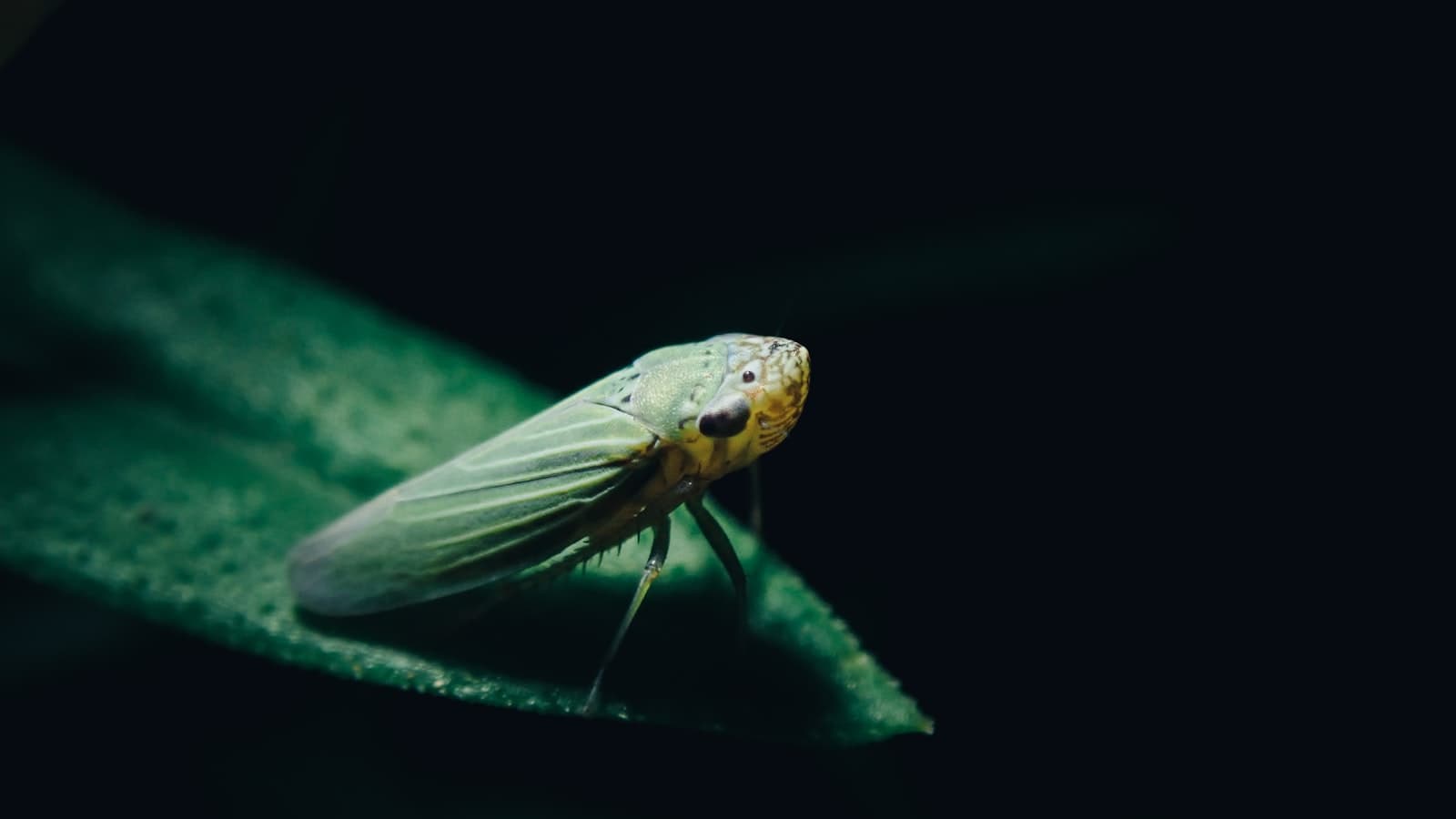
A yellow sticky trap is about as simple as pest control gets: a yellow card coated in non-drying glue. The colour draws in whitefly, aphids and leaf miner, which land on it and stick. It does two jobs — it warns you a sucking-pest population is climbing, and at higher density it traps enough of them to take the pressure off — and it is one of the cheapest tools in the organic kit.
Why the colour matters
Many flying insects orient to colour, and yellow strongly attracts the winged forms of:
- Whitefly — including the whitefly that spreads leaf-curl virus
- Aphids
- Leaf miner flies
- Fungus gnats and several other sucking pests
Thrips are the exception — they respond more to blue. So where thrips are the main problem, use blue traps; where whitefly and aphids dominate, use yellow. Running both covers more of the pest range.
How many, and where
- Density: 10–20 per acre — the lower end for monitoring, the higher end for mass trapping.
- Height: place the trap just above the crop canopy, and raise it as the crop grows so it stays in the flight zone.
- Spacing: spread them evenly across the field.
- Timing: put them out at transplanting, before damage shows — the early warning is the point.
- Maintenance: replace or re-coat a trap once it is covered in insects and dust, or the glue dries — a full trap stops catching.
What it is good and bad at
Good at: cheap, residue-free early warning for sucking pests, and real knock-down of whitefly and aphids at density — especially useful against the whitefly behind tomato leaf-curl virus.
Weak at: selectivity — it catches some beneficial insects too — and it does nothing for caterpillars, soil pests or disease. Use it alongside neem oil spray and, for moths, pheromone traps, so the stack covers what a sticky card alone cannot.
Frequently asked questions
How many yellow sticky traps per acre?
About 10–20 per acre. Use the lower end for monitoring — just to know the population is rising — and the higher end for mass trapping under real pressure. Space them evenly and place them just above the crop canopy.
Why yellow, and when should I use blue?
Yellow attracts whitefly, aphids, leaf miner and winged forms of several sucking pests. Thrips are drawn more strongly to blue, so use blue sticky traps where thrips are the main problem — many growers run both colours.
When should I put sticky traps out?
At transplanting or early in the crop, before you can see damage. Their most valuable job is telling you the population is climbing while there is still time to act — putting them out after you notice a problem misses that warning.

Written by
Vaibhav Dhama
Founder, Technical Kisan
Vaibhav Dhama is the founder of Technical Kisan. He writes from Baghpat, Uttar Pradesh, and builds each guide on ICAR and state agricultural university guidance, official government scheme notifications, and live mandi-price data.
- Writes from Baghpat, Uttar Pradesh
- Software developer (BTech, 2021)
- Not a trained agronomist — confirm with your KVK
Discussion is coming soon
We are building a comments section where you can ask a question about this guide and see what other farmers in your district are doing.
For now, write to us at [email protected] — we read every message.