Jeevamrit: How to Make and Use It
A fermented culture of cow dung, urine, jaggery and gram flour that inoculates soil with microbes cheaply. The recipe and how to apply it.
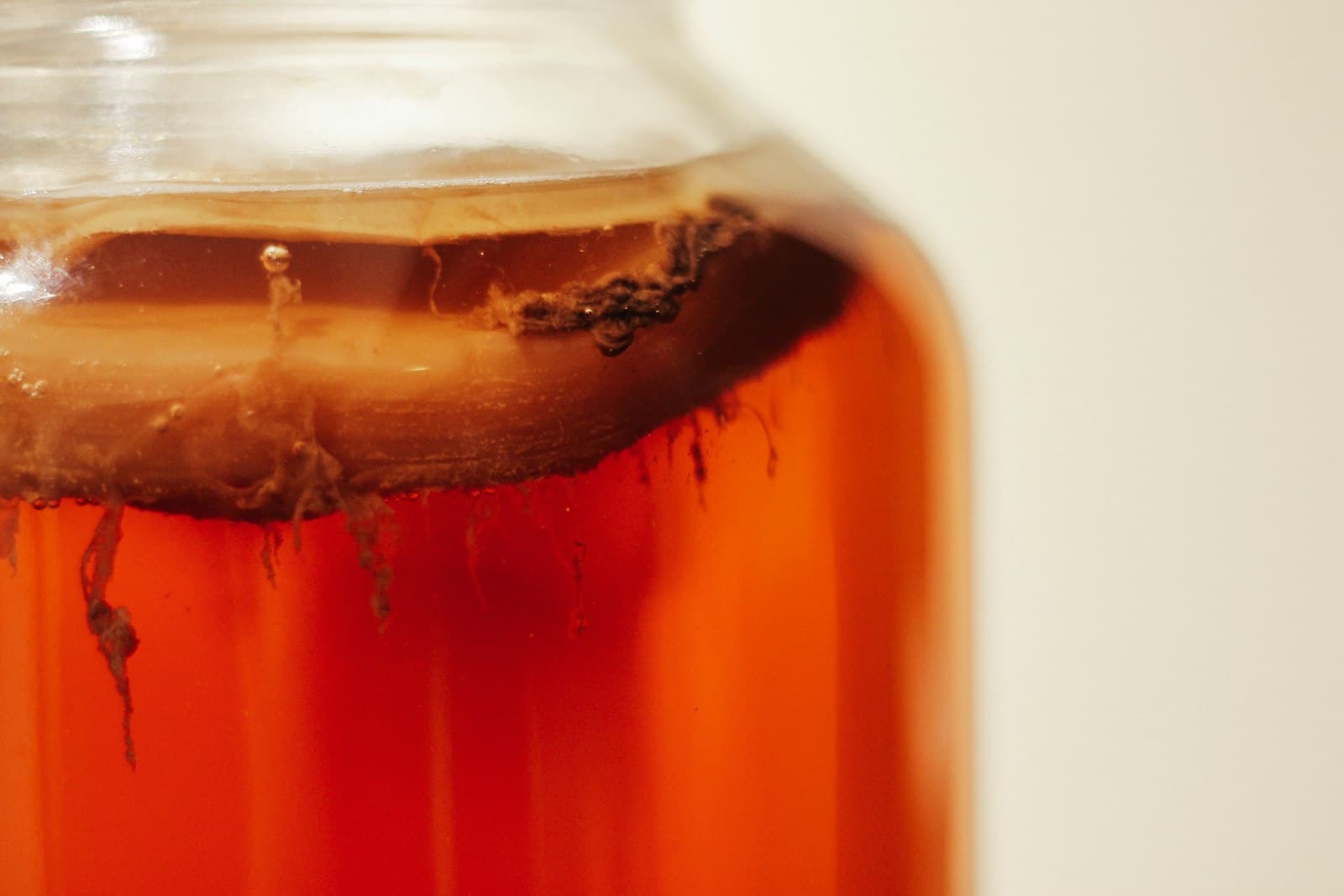
Jeevamrit (also spelt jivamrit or jeevamrutha) is the backbone input of zero-budget and natural farming. It is not a fertiliser in the way a bag of compost is — 200 litres of it holds almost no measurable NPK. What it holds is microbes, in enormous numbers, and a food source to keep them multiplying. Applied to soil, it accelerates the breakdown of organic matter you have already added and helps the crop draw on nutrients the soil already contains.
It is close to free, which is the point. The cost is the labour and a week of fermentation.
The standard recipe (one acre)
| Ingredient | Quantity | Role |
|---|---|---|
| Local cow dung | 10 kg | Microbial inoculant |
| Cow urine | 5–10 litres | Microbes, nitrogen, enzymes |
| Jaggery (gur) | 2 kg | Feeds the microbes |
| Pulse flour (besan/gram) | 2 kg | Protein for microbial growth |
| Bund soil | 1 handful | Native microbial starter |
| Water | 200 litres | Medium |
Fresh dung is preferred here — unlike for composting, you want the live microbial load. Native-breed cow dung is traditionally favoured for its richer microbial content, but local cattle dung works.
Making it
- Dissolve the jaggery and gram flour in a little water to a smooth slurry — no lumps.
- In a 200-litre drum, mix the dung and urine into about 180 litres of water.
- Add the jaggery-flour slurry and the handful of bund soil, then top up to 200 litres.
- Stir well, cover with a jute cloth (not an airtight lid — fermentation needs to breathe), and keep in the shade.
- Stir twice a day, clockwise, for 5–7 days.
It is ready when it froths on top and smells sharply fermented — sour, earthy, alive. If it smells rotten or putrid, the batch has gone anaerobic; discard it and start again with more frequent stirring.
Use it within a week. The microbial population peaks and then falls; an old batch is a weak batch.
Applying it
Two ways, and most growers use both across the season:
With irrigation. Filter the jeevamrit through a cloth and let it flow into the field with the irrigation water — flood, furrow or through a drip filter. This is the main soil application. 200 litres treats roughly one acre.
As a foliar spray. Dilute the filtered liquid — roughly one part jeevamrit to ten parts water — and spray on the crop in the cool of morning or evening. Filtering matters: unfiltered jeevamrit clogs a knapsack nozzle in minutes.
Apply every 15–21 days through the crop's active growth. On a converting farm, jeevamrit every fortnight alongside a compost base and a green-manure rotation is a solid, low-cost fertility programme.
Where it fits — and where it does not
Jeevamrit is a multiplier, not a nutrient source. It makes the organic matter you have added work harder. On a soil with no organic matter to act on, it does very little — which is why it is paired with FYM, vermicompost and green manure, never used alone.
It sits alongside two other zero-budget staples: beejamrit treats the seed itself before sowing, and panchagavya does a similar job as a foliar tonic once the crop is growing.
Think of it as the culture that keeps the soil biology busy between the bulkier feeds. Cheap, effective, and entirely made from what most farms already have.
Frequently asked questions
What is jeevamrit made of?
The standard recipe for one acre is about 10 kg local cow dung, 5–10 litres cow urine, 2 kg jaggery, 2 kg pulse (gram) flour, a handful of soil from an undisturbed field bund, and 200 litres water. The dung and urine carry the microbes; the jaggery and flour feed them during fermentation.
How long does jeevamrit take to ferment?
5–7 days in the shade, stirred twice a day. It is ready when it foams and smells fermented but not putrid. Use it within about a week — after that the microbial population declines and the batch is past its best.
Is jeevamrit a fertiliser?
Not in the NPK sense — 200 litres contains very little actual nutrient. It works as a microbial inoculant and growth stimulant: it multiplies beneficial soil organisms that then unlock nutrients already present in the soil. It complements compost and green manure; it does not replace them.
How often should jeevamrit be applied?
Commonly every 15–21 days through the crop, either with irrigation water or as a filtered foliar spray. Native-cow dung is traditionally preferred because of its microbial load, but the method works with any local cattle dung.

Written by
Vaibhav Dhama
Founder, Technical Kisan
Vaibhav Dhama is the founder of Technical Kisan. He writes from Baghpat, Uttar Pradesh, and builds each guide on ICAR and state agricultural university guidance, official government scheme notifications, and live mandi-price data.
- Writes from Baghpat, Uttar Pradesh
- Software developer (BTech, 2021)
- Not a trained agronomist — confirm with your KVK
Discussion is coming soon
We are building a comments section where you can ask a question about this guide and see what other farmers in your district are doing.
For now, write to us at [email protected] — we read every message.