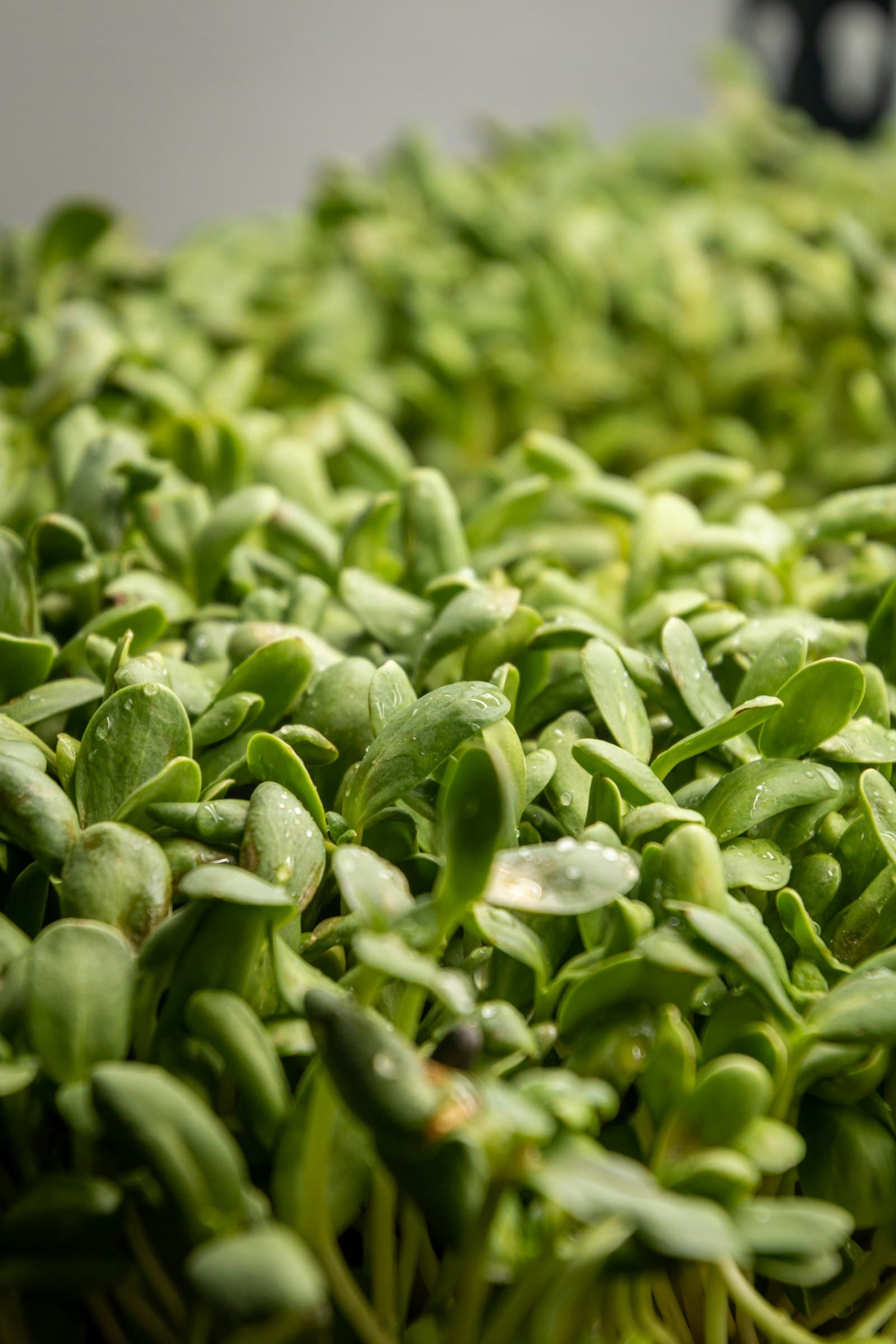
Cow Urine Spray: Repellent, Foliar Tonic
Diluted cow urine is a cheap foliar spray used as a mild pest repellent and nutrient tonic in natural farming. How to dilute and use it.

Cow urine is one of the oldest inputs in Indian farming, and in organic and natural systems it still earns its place — but for what it actually is: a mild repellent and a light foliar tonic, and the base for stronger brews. It is not a pesticide, and treating it as one is where people are disappointed. Used for its real strengths, it is a cheap, always-available spray.
What it does
- Mild repellent. Diluted and sprayed on the crop, it deters some soft-bodied and sucking pests — a light, preventive effect, not a knock-down.
- Foliar tonic. It carries nitrogen, potassium, trace nutrients, hormones and beneficial microbes, giving the crop a gentle lift.
- A base for other brews. Cow urine is a core ingredient in jeevamrit, beejamrit and many botanical extracts — often it does its most useful work as the carrier for something stronger.
How to use it
- Dilute: about 1 part fresh urine to 10–20 parts water for a foliar spray. Undiluted, it scorches.
- Filter: strain it before it goes near a sprayer.
- Fresh: use it soon after collection, from a healthy animal.
- Cool of the day: spray early morning or evening, covering leaf undersides.
- Repeat: every 10–15 days as a routine tonic and mild repellent.
What it is good and bad at
Good at: a near-free, gentle repellent-and-tonic spray, and an excellent base for jeevamrit and botanical extracts.
Weak at: controlling a real infestation or any disease on its own. On a crop under pressure it is the supporting act — bring in neem oil spray, garlic–chilli spray, sticky and pheromone traps for the actual control.
Frequently asked questions
How do I dilute cow urine for spraying?
Roughly 1 part fresh, filtered cow urine to 10–20 parts water for a foliar spray. Never spray it undiluted — the concentration can scorch leaves. Use fresh urine, strain it, and spray in the early morning or evening.
Does cow urine kill pests?
Not really — it repels and mildly deters soft-bodied pests rather than killing them, and acts as a light foliar tonic. Think of it as a supporting spray and as the base for stronger brews like jeevamrit and garlic–chilli extract, not as a pesticide in its own right.
Which cow urine is best?
Fresh urine from a healthy cow, used soon after collection. Indigenous-breed urine is preferred in the natural-farming tradition, but the key points are that it is fresh, filtered and well diluted — not the specific breed.

Written by
Vaibhav Dhama
Founder, Technical Kisan
Vaibhav Dhama is the founder of Technical Kisan. He writes from Baghpat, Uttar Pradesh, and builds each guide on ICAR and state agricultural university guidance, official government scheme notifications, and live mandi-price data.
- Writes from Baghpat, Uttar Pradesh
- Software developer (BTech, 2021)
- Not a trained agronomist — confirm with your KVK
Discussion is coming soon
We are building a comments section where you can ask a question about this guide and see what other farmers in your district are doing.
For now, write to us at [email protected] — we read every message.