Bone Meal: Slow Phosphorus for Fruit Crops
Crushed, steamed bone gives a slow-release organic phosphorus and calcium, best for fruit, flower and root crops. How to apply it.
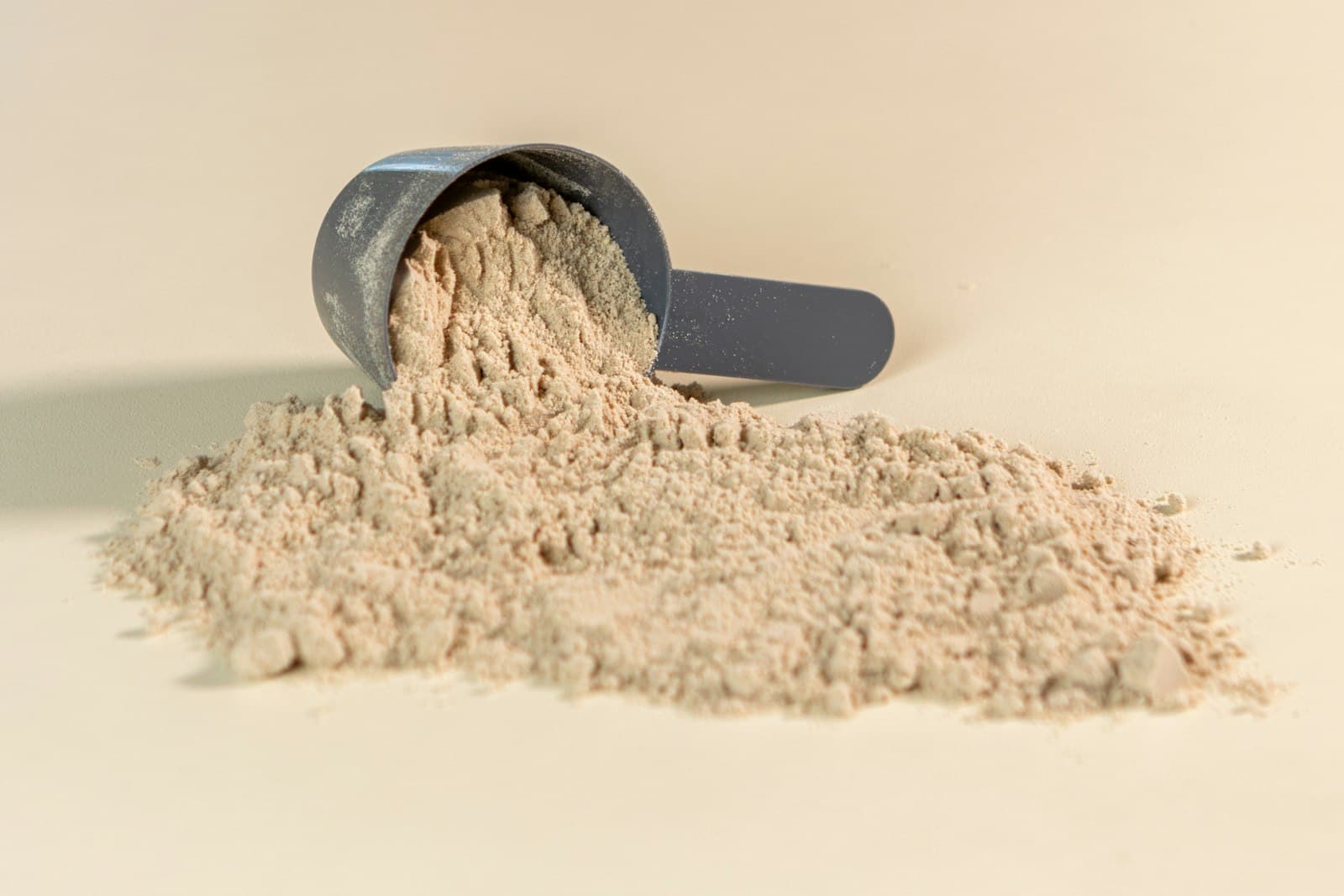
Bone meal is exactly what it sounds like — animal bone, steamed and ground to a powder. It is one of the few concentrated organic sources of phosphorus, and it releases that phosphorus slowly, over a whole season, which makes it a natural fit for the crops that need phosphorus for a long stretch: fruit, flowering plants and root crops.
What it supplies
| Nutrient | Typical range |
|---|---|
| Phosphorus (P₂O₅) | 12–25% |
| Nitrogen (N) | 1–4% (higher in raw grade) |
| Calcium (Ca) | 20%+ |
The phosphorus is the point; the calcium is a useful bonus, especially on crops prone to calcium disorders.
Why it is slow — and why that suits phosphorus
Phosphorus does not move much in the soil and crops draw on it steadily across their whole cycle, so a slow-release source is well matched to the need. Bone meal's phosphorus becomes available as soil acids act on the ground bone — a gradual process. That is also its main limitation: in strongly alkaline soils the release stalls and little phosphorus reaches the crop. It performs best in slightly acidic to neutral soils.
How and when to use it
- Rate: about 100–200 kg per acre, or a handful worked into each planting pit for trees and vegetables.
- Timing: at planting or land preparation — it is a one-shot, put-it-where-the-roots-will-be input, not a top-dressing.
- Placement: mix it into the root zone or the planting pit, not scattered on the surface, since phosphorus barely moves down to the roots on its own.
What it is good and bad at
Good at: a lasting phosphorus and calcium supply for fruit, flowering and root crops in acidic-to-neutral soils.
Weak at: delivering phosphorus in alkaline soils, or supplying nitrogen and potash — it is a phosphorus specialist. Pair it with neem cake or mustard cake for nitrogen and compost or wood ash for potash. Where soil is alkaline, phosphate-solubilising bacteria (PSB) alongside it help unlock what the acids alone cannot.
Frequently asked questions
How much bone meal per acre?
Around 100–200 kg per acre for a field crop, or a handful worked into each planting pit for fruit trees and vegetables. Because it releases slowly, it is applied once at planting or land preparation rather than as a top-dressing.
Why does bone meal work better in acidic soil?
The phosphorus in bone meal dissolves as the soil acids act on it. In slightly acidic to neutral soils that happens steadily over a season; in strongly alkaline soils much of the phosphorus stays locked up and the crop sees little of it.
What is the difference between raw and steamed bone meal?
Steamed bone meal is heat-treated, easier to grind fine, lower in nitrogen and slightly quicker to release phosphorus. Raw bone meal holds a little more nitrogen but breaks down more slowly. Steamed is the more common commercial grade.

Written by
Vaibhav Dhama
Founder, Technical Kisan
Vaibhav Dhama is the founder of Technical Kisan. He writes from Baghpat, Uttar Pradesh, and builds each guide on ICAR and state agricultural university guidance, official government scheme notifications, and live mandi-price data.
- Writes from Baghpat, Uttar Pradesh
- Software developer (BTech, 2021)
- Not a trained agronomist — confirm with your KVK
Discussion is coming soon
We are building a comments section where you can ask a question about this guide and see what other farmers in your district are doing.
For now, write to us at [email protected] — we read every message.