
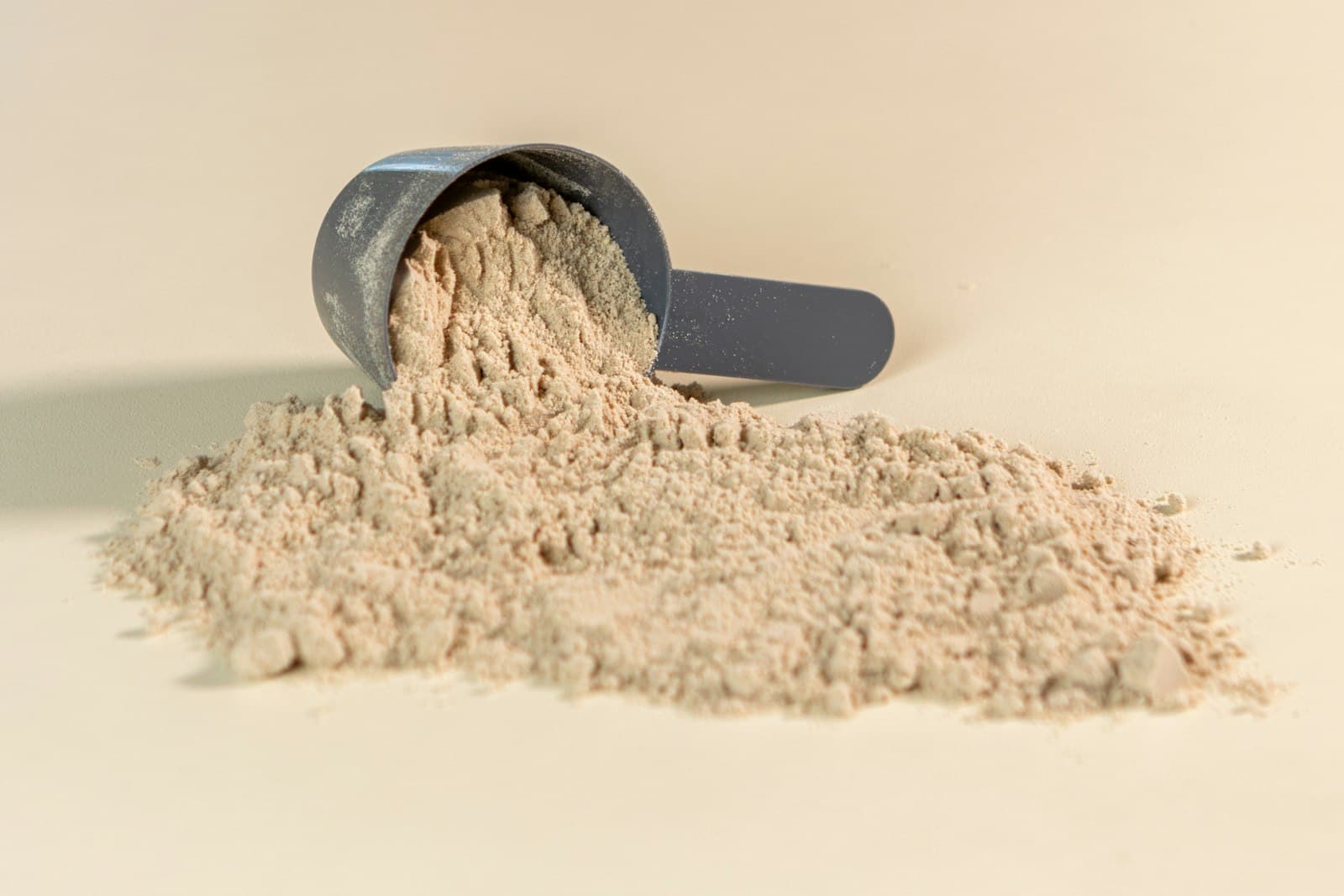
Bone Meal: Slow Phosphorus for Fruit Crops
Crushed, steamed bone gives a slow-release organic phosphorus and calcium, best for fruit, flower and root crops. How to apply it.
Vaibhav Dhama2 min readSlow organic phosphorus and calcium from ground bone — a steady feed for roots, flowering and fruit, and a staple of organic growing.
Bone meal is finely ground animal bone, carrying roughly 20% phosphorus and a useful amount of calcium, plus a little nitrogen (about 3%). Its phosphorus is released slowly as soil organisms break the bone down, so it feeds roots, flowering and fruiting steadily over the season rather than in a rush.
It is a mainstay of organic and kitchen-garden growing, worked into the soil or planting hole near the roots at sowing or transplanting. Like rock phosphate it releases faster in acidic, biologically active soil, and it is a slow, long-term phosphorus input rather than a quick corrective for an acute deficiency.
Open a crop for its full nutrient schedule.
Long-form guides on this fertiliser, with the rates and timings worked out.
Slow-release phosphorus and calcium — it supports root development, flowering and fruiting. It is popular in organic and kitchen gardens, worked into the soil near the roots at planting. It also adds a little nitrogen, but phosphorus and calcium are its main value.
Slowly. Soil organisms have to break the bone down to release its phosphorus, so it feeds the crop gradually over the season rather than giving a quick boost. Apply it a little ahead of peak demand, and combine it with compost in warm, moist soil to speed release.
On a small organic plot, largely yes — it is a good slow phosphorus source. On a large phosphorus-hungry field it is less economical per unit of phosphorus and slower to act than SSP or DAP, so it is better as a soil-building, long-term input than as the sole phosphorus source for a demanding crop.
Composition and doses follow ICAR / Soil Health Card guidance; prices are the notified subsidised rates for the season shown and are guidance, not a quote. A soil test for your field always beats a general rate. See our editorial policy.