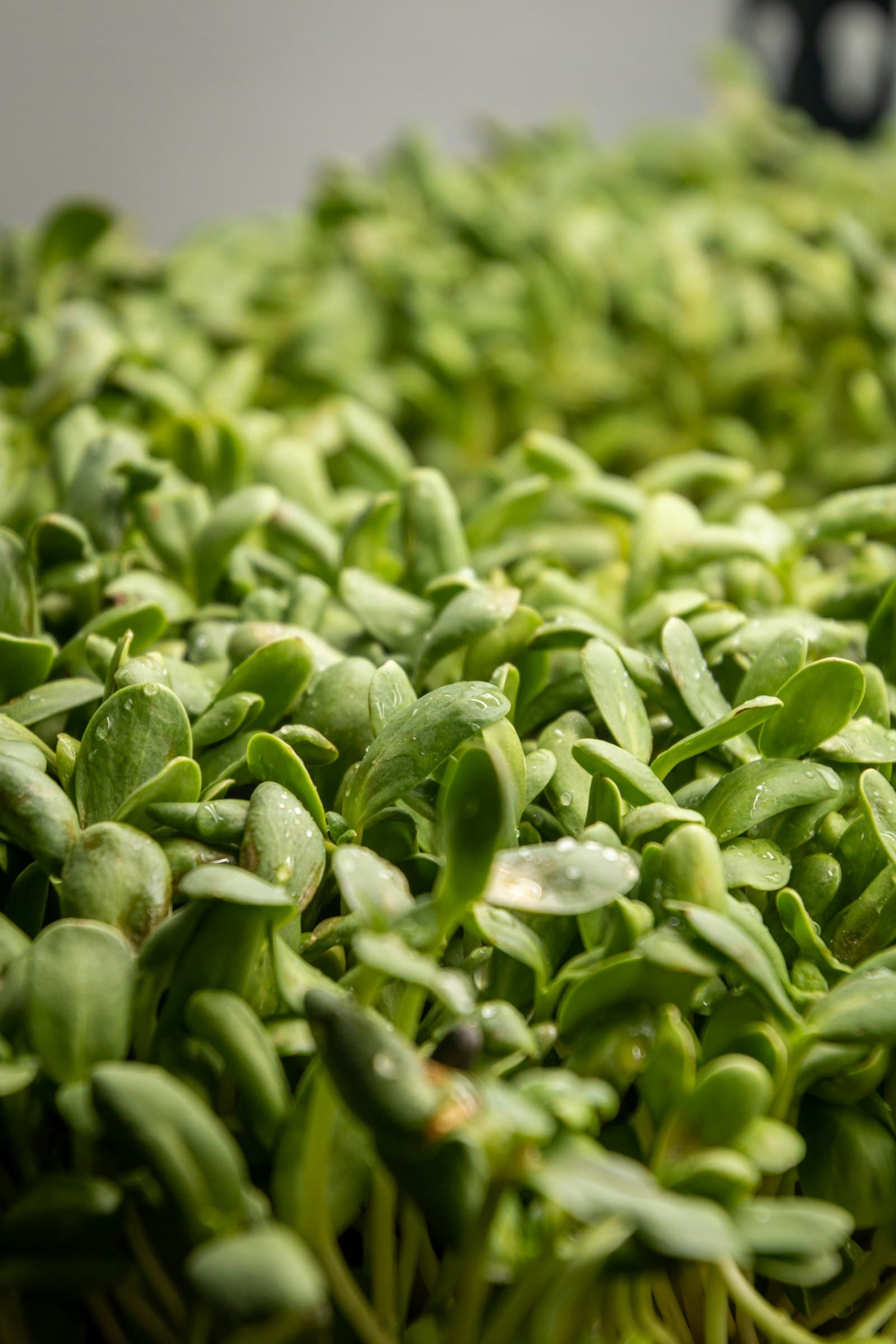
Organic Rice with the SRI Method
Organic rice and SRI fit naturally - wide spacing and intermittent wetting cut inputs, while organic fertility feeds the soil biology SRI needs.
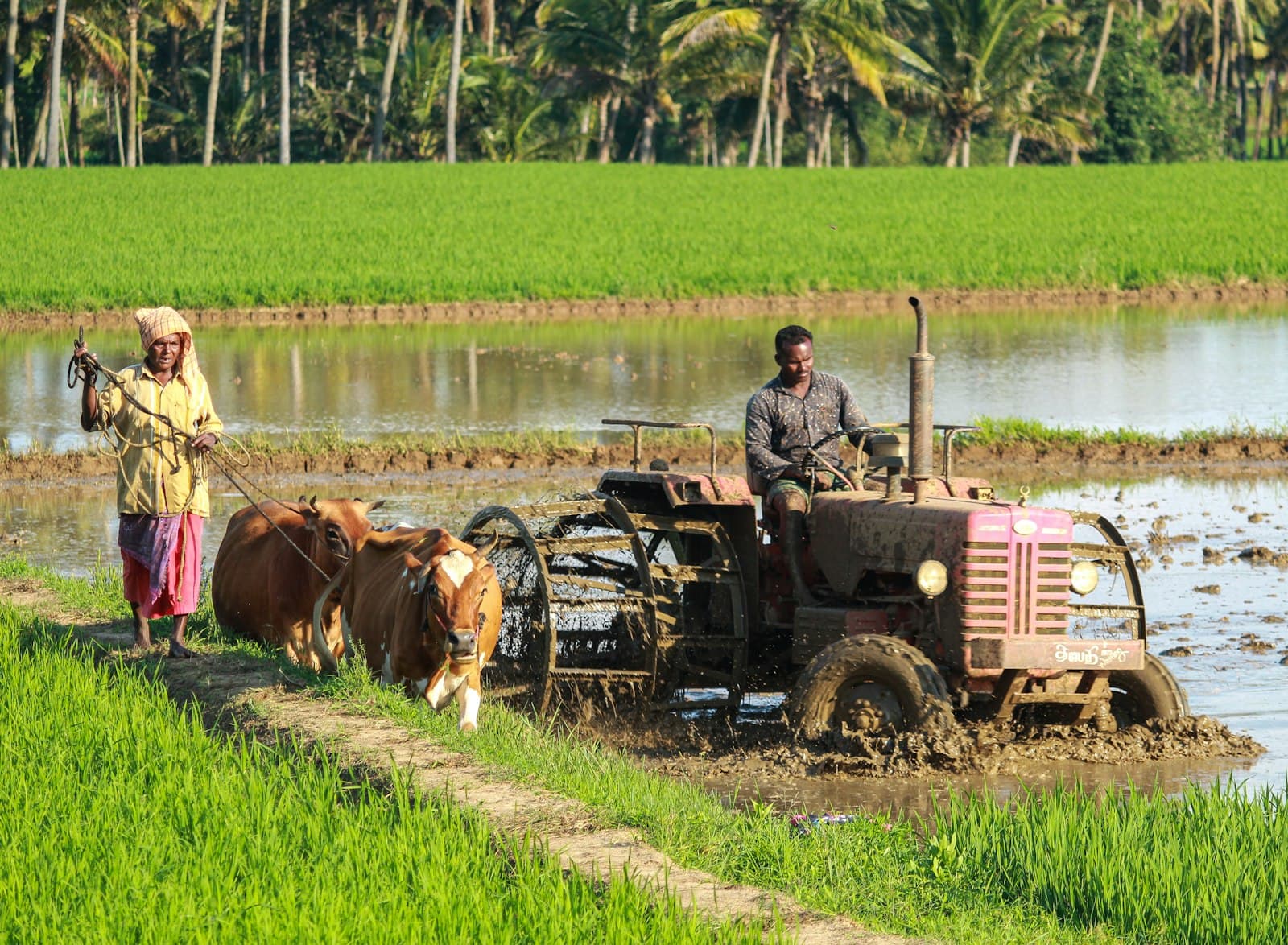
Organic rice has a natural partner in the System of Rice Intensification (SRI), and growers who try to convert paddy without it often struggle. The reason is biological. Continuous flooding — the default in conventional rice — makes the soil anaerobic, and anaerobic soil suppresses exactly the aerobic microbes that organic fertility depends on to release nutrients. SRI keeps the soil moist but breathing, so the biology you are feeding with compost and green manure can actually work.
Run together, the two do more than either alone: less water, fewer inputs, and a soil that improves each season. For the base agronomy see the paddy crop guide; this page covers the organic-plus-SRI combination.
The SRI changes
SRI is a set of practices, not an input. The core changes from conventional transplanting:
| Practice | Conventional | SRI |
|---|---|---|
| Seedling age | 25–30 days | 8–12 days (2-leaf) |
| Seedlings per hill | 3–5, clumped | 1, single |
| Spacing | Close, random | ~25 × 25 cm, square |
| Water | Continuous flooding | Alternate wetting and drying |
| Weeding | Herbicide/hand | Cono-weeder (also aerates soil) |
Wide spacing and single young seedlings look alarmingly sparse at planting — and then each plant tillers heavily, filling the gaps with productive tillers rather than the crowded, competing ones of clumped planting.
Organic fertility for rice
Rice on the SRI water regime feeds well organically:
- Green manure: grow dhaincha in the field and plough it in before puddling — a large slug of nitrogen and organic matter exactly where the crop will grow.
- Basal: 4–6 tonnes per acre of well-rotted FYM or compost.
- Inoculation: Azospirillum and PSB; a rice field is also ideal for blue-green algae and Azolla, both of which fix nitrogen for free in the standing water and are classic organic-rice nitrogen sources.
- Top-up: jeevamrit or a foliar organic spray at tillering and panicle initiation, the two stages that decide tiller and grain number.
The cono-weeder passes that SRI uses for weed control do a second job: they stir and aerate the soil, feeding the aerobic microbes and incorporating weeds as green matter.
Water: the biggest saving
SRI's alternate wetting and drying — letting the field drain and the soil surface just dry before re-wetting, rather than holding a permanent sheet of water — typically cuts irrigation by a quarter to a half. On a water-scarce or expensive-to-pump field that saving alone can justify the switch, before the organic premium is counted.
The discipline it demands is watching the field, not the calendar: wet when the soil needs it, not on a fixed rota. On heavy clay that holds water and canal schedules that deliver on their own timetable, full AWD is harder — adapt it to what your soil and water source allow rather than abandoning the method.
What to expect
The combination is demanding of attention — young seedlings are delicate, and the water discipline is real work — but the payoff is a rice crop that uses less water, buys almost no inputs, improves its soil, and earns the organic premium. In the first year the transplanting technique takes practice; by the second, most growers who stay with it are getting yields at or above their old conventional crop, on a fraction of the input bill.
Frequently asked questions
Why does SRI suit organic rice?
SRI keeps the soil moist but not permanently flooded, which lets it stay aerobic and full of beneficial microbes — exactly the biology organic fertility depends on. Its wide spacing and single young seedlings also let each plant tiller heavily on organic nutrients, so the method and the fertility approach reinforce each other.
How is organic rice fertilised?
A basal of 4–6 tonnes per acre of well-rotted FYM or compost, green manure (dhaincha) grown and ploughed in before transplanting, Azospirillum and PSB inoculation, and jeevamrit or a foliar organic spray at tillering and panicle initiation. Blue-green algae and Azolla in the field add further free nitrogen.
Does organic SRI rice use less water?
Yes — substantially. Because SRI uses intermittent wetting and drying instead of continuous flooding, it typically cuts irrigation water by a quarter to a half compared with conventional transplanted rice, while the wider spacing and organic soil often hold or improve yield.
What is different about SRI transplanting?
Very young seedlings (8–12 days old, 2-leaf stage) are transplanted singly, not in clumps, at wide spacing of about 25 × 25 cm. This looks sparse but each plant then tillers profusely, producing more productive tillers per plant than crowded conventional planting.

Written by
Vaibhav Dhama
Founder, Technical Kisan
Vaibhav Dhama is the founder of Technical Kisan. He writes from Baghpat, Uttar Pradesh, and builds each guide on ICAR and state agricultural university guidance, official government scheme notifications, and live mandi-price data.
- Writes from Baghpat, Uttar Pradesh
- Software developer (BTech, 2021)
- Not a trained agronomist — confirm with your KVK
Discussion is coming soon
We are building a comments section where you can ask a question about this guide and see what other farmers in your district are doing.
For now, write to us at [email protected] — we read every message.