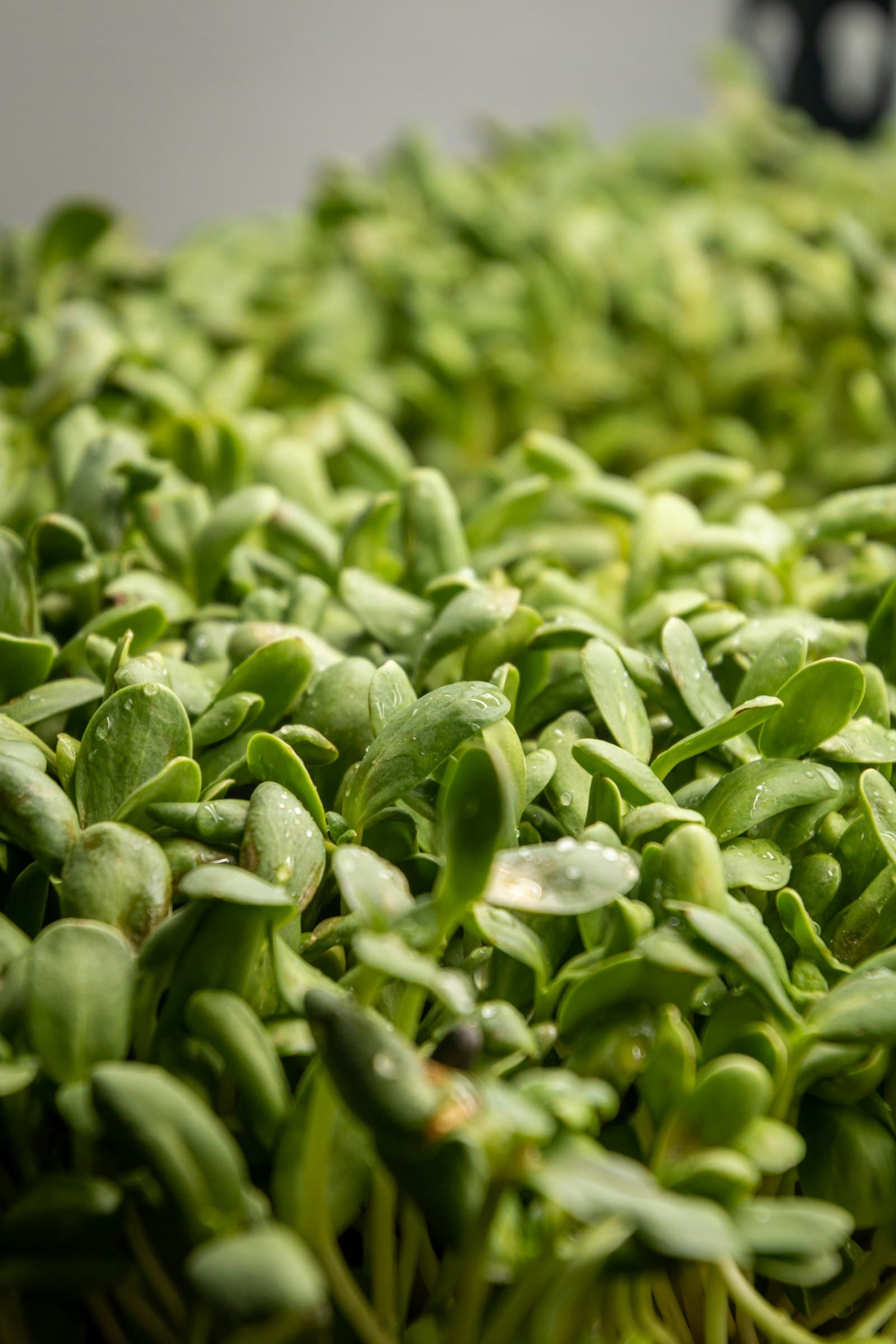
Mustard Cake: Fast Organic Nitrogen
The residue left after pressing mustard oil is a fast-acting nitrogen source for vegetables. How to apply it dry or ferment it as foliar feed.
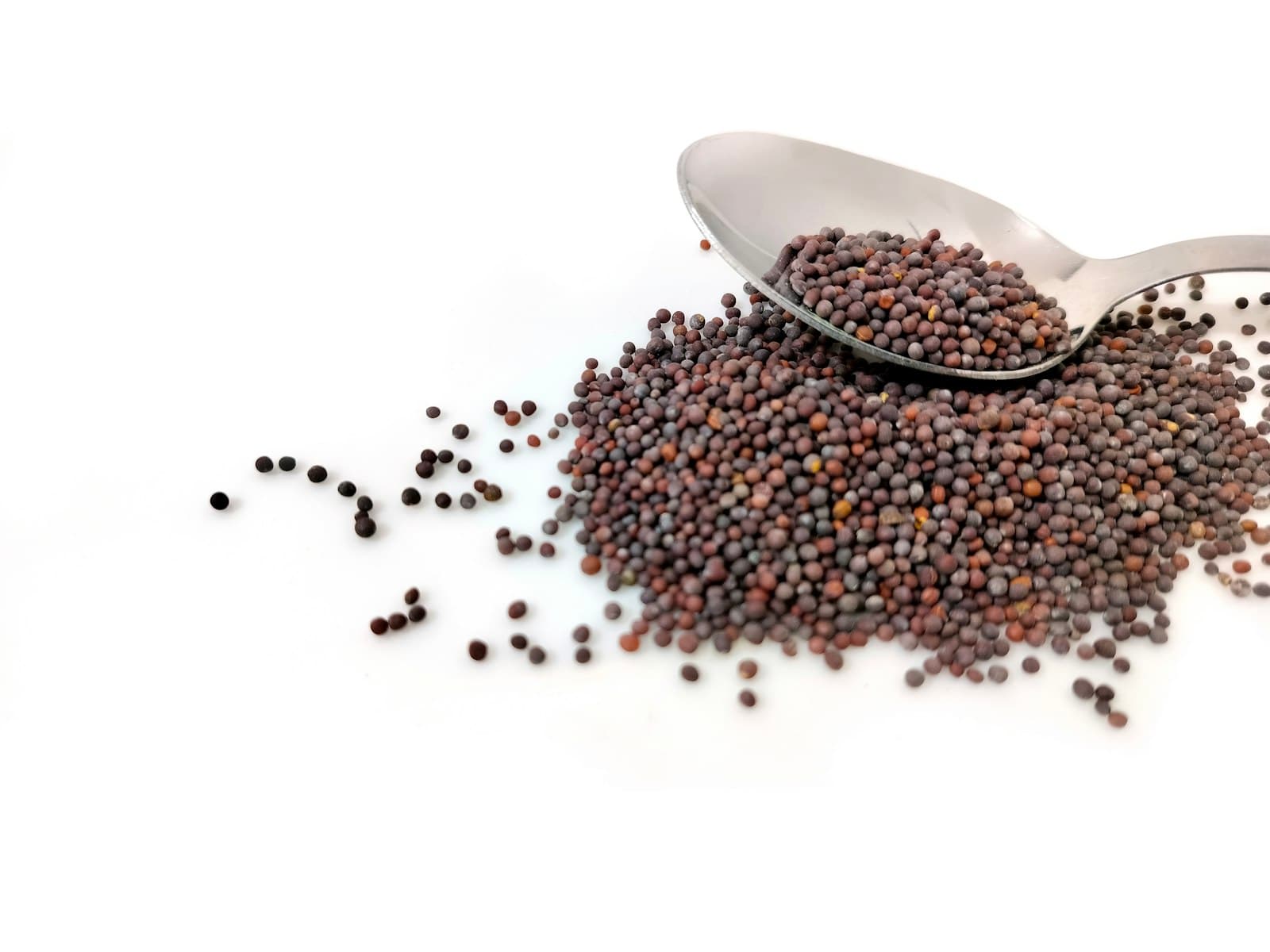
Mustard cake is what is left after mustard seed is pressed for oil — a golden-brown cake that Indian vegetable growers have long used as a quick organic nitrogen source. Compared with slower inputs like neem cake or well-rotted compost, it gives up its nitrogen relatively fast, which is exactly why it is reached for when a crop needs a push. See the mustard cake product portal for dose tables and FAQs.
What it supplies
| Nutrient | Typical range |
|---|---|
| Nitrogen (N) | 4–5% |
| Phosphorus (P) | ~1–2% |
| Potassium (K) | ~1% |
It is nitrogen-led, with useful sulphur and micronutrients alongside. For a crop that needs more phosphorus than this modest 1–2% can supply, growers often add bone meal alongside it.
Two ways to use it
Dry, in the soil
Work 100–200 kg per acre into the soil, or apply it around the base of vegetable plants and hoe it in. Because the nitrogen comes fast, split the dose — part at planting, part as a top-dressing three to four weeks later — so the crop gets a steady supply rather than one surge.
Fermented, as a foliar feed
Soak about 1 kg of crushed cake in 10 litres of water, cover loosely, and let it ferment for a week, stirring daily. Filter, then dilute the liquid several times before spraying or drenching. This gives a fast-acting feed for a hungry vegetable crop — but the raw ferment is strong, so always dilute; undiluted, it will scorch.
What it is good and bad at
Good at: a quick organic nitrogen boost for vegetables — the closest an organic grower gets to a fast top-dressing.
Weak at: building long-term soil health on its own, and on the wallet — mustard cake competes with the animal-feed market, so it is one of the pricier organic nitrogen sources. Use it as a targeted push, and lean on compost, FYM and green manure for the bulk of the fertility. It fits into the wider mix of organic fertilisers available to a converting farm, most of which build fertility more slowly than mustard cake does.
Frequently asked questions
How much mustard cake per acre?
Roughly 100–200 kg per acre worked into the soil for a field crop, or applied around vegetables. Because it releases nitrogen relatively quickly for an organic input, split it — some at planting, some as a top-dressing — rather than dumping it all at once.
How do I make mustard cake liquid fertiliser?
Soak about 1 kg of crushed cake in 10 litres of water, cover loosely and let it ferment for a week or so, stirring daily. It will smell strong. Filter, then dilute the liquid several times before using it as a foliar or soil drench. Never apply it undiluted — the raw ferment can scorch leaves and roots.
Is mustard cake better than neem cake?
Different jobs. Mustard cake releases nitrogen faster, so it suits a crop that needs a quick push. Neem cake is slower and also suppresses nematodes. Many growers use both — mustard cake for a boost, neem cake to build the soil and hold pests down.

Written by
Vaibhav Dhama
Founder, Technical Kisan
Vaibhav Dhama is the founder of Technical Kisan. He writes from Baghpat, Uttar Pradesh, and builds each guide on ICAR and state agricultural university guidance, official government scheme notifications, and live mandi-price data.
- Writes from Baghpat, Uttar Pradesh
- Software developer (BTech, 2021)
- Not a trained agronomist — confirm with your KVK
Discussion is coming soon
We are building a comments section where you can ask a question about this guide and see what other farmers in your district are doing.
For now, write to us at [email protected] — we read every message.