
Mustard Cake: Fast Organic Nitrogen
The residue left after pressing mustard oil is a fast-acting nitrogen source for vegetables. How to apply it dry or ferment it as foliar feed.
Vaibhav Dhama2 min readA fast-release organic nitrogen source from pressed mustard seed — reached for when a vegetable crop needs a push, not a slow build.
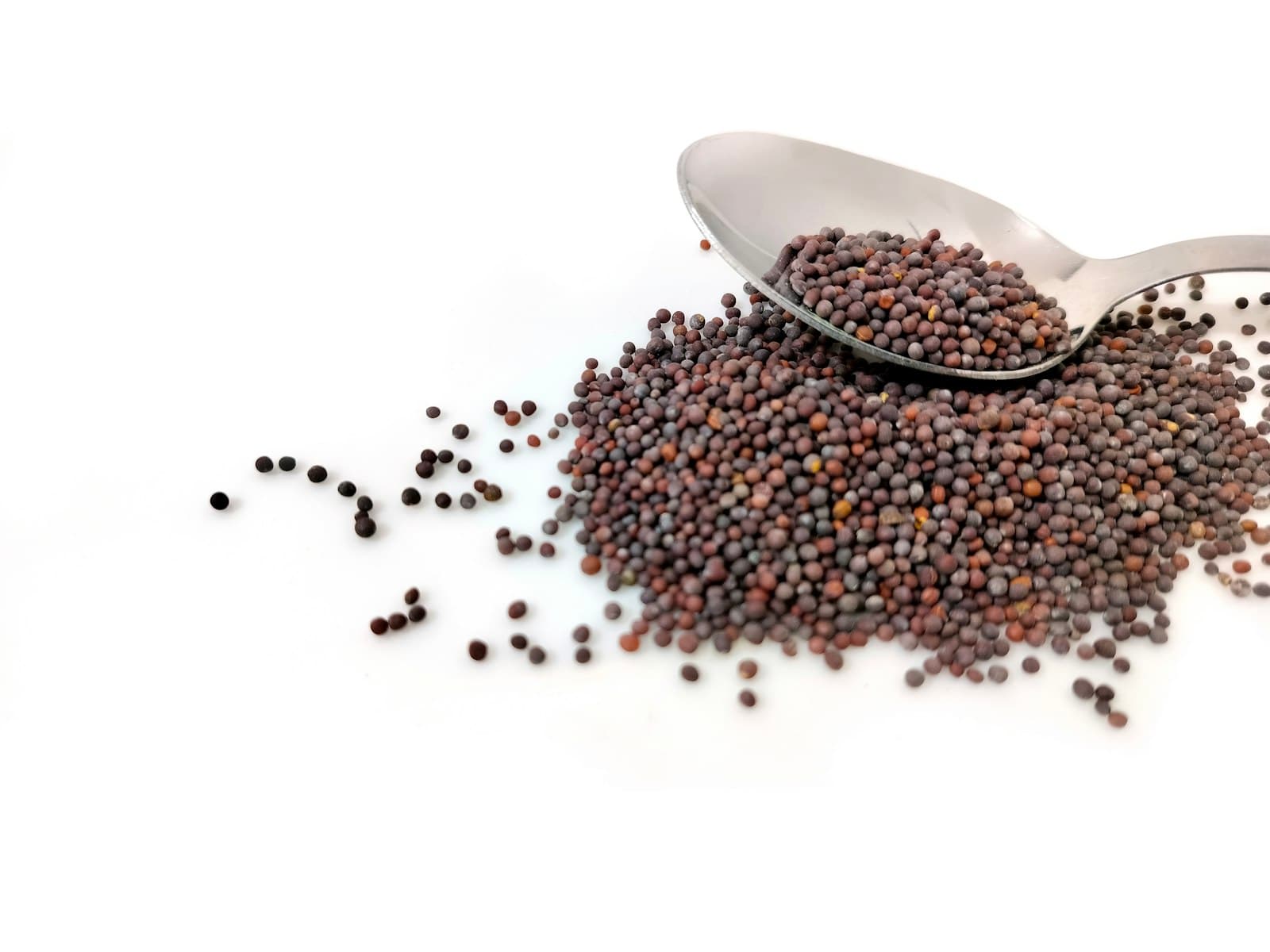
Mustard cake is what remains after mustard seed is pressed for oil. It carries roughly 4–5% nitrogen with a little phosphorus and potassium, and unlike most organic inputs it releases that nitrogen relatively quickly — closer to a fast top-dressing than a slow soil-builder.
It can be worked into the soil dry or fermented in water to make a foliar and soil-drench liquid. Because it competes with the animal-feed market for supply, it is one of the pricier organic nitrogen sources, so growers use it as a targeted boost rather than the bulk of a fertility programme.
Open a crop for its full nutrient schedule.
Long-form guides on this fertiliser, with the rates and timings worked out.
Roughly 100–200 kg per acre worked into the soil for a field crop, or applied around vegetables. Because it releases nitrogen relatively quickly for an organic input, split it — some at planting, some as a top-dressing — rather than applying it all at once.
Soak about 1 kg of crushed cake in 10 litres of water, cover loosely and let it ferment for a week or so, stirring daily. Filter, then dilute the liquid several times before using it as a foliar or soil drench. Never apply it undiluted — the raw ferment can scorch leaves and roots.
Different jobs. Mustard cake releases nitrogen faster, so it suits a crop that needs a quick push. Neem cake is slower and also suppresses nematodes. Many growers use both — mustard cake for a boost, neem cake to build the soil and hold pests down.
Composition and doses follow ICAR / Soil Health Card guidance; prices are the notified subsidised rates for the season shown and are guidance, not a quote. A soil test for your field always beats a general rate. See our editorial policy.