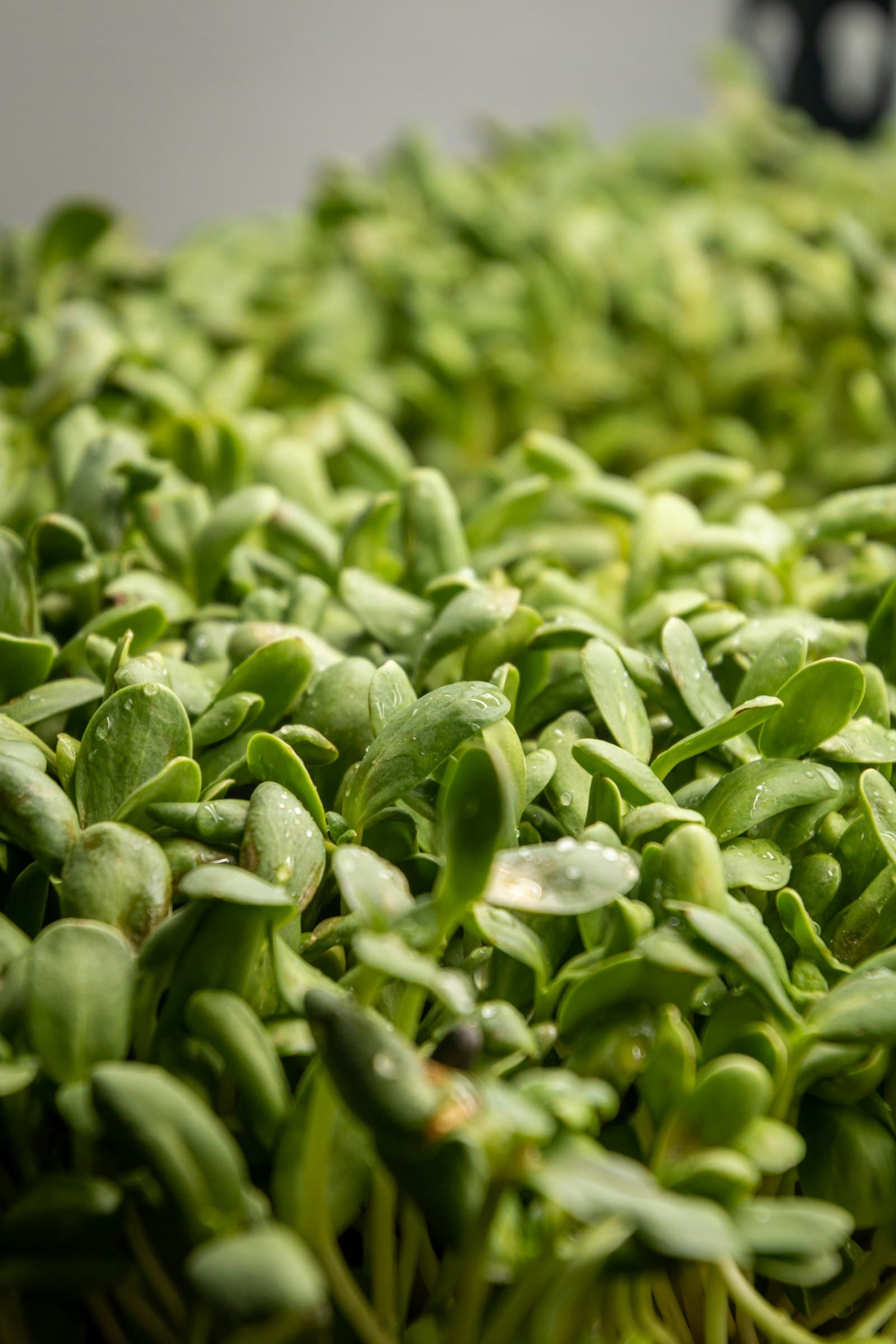
NADEP Compost: Brick Tank Method
NADEP makes large volumes of compost from crop residue and little dung, in a brick tank with air holes. How it's built, layered and filled.
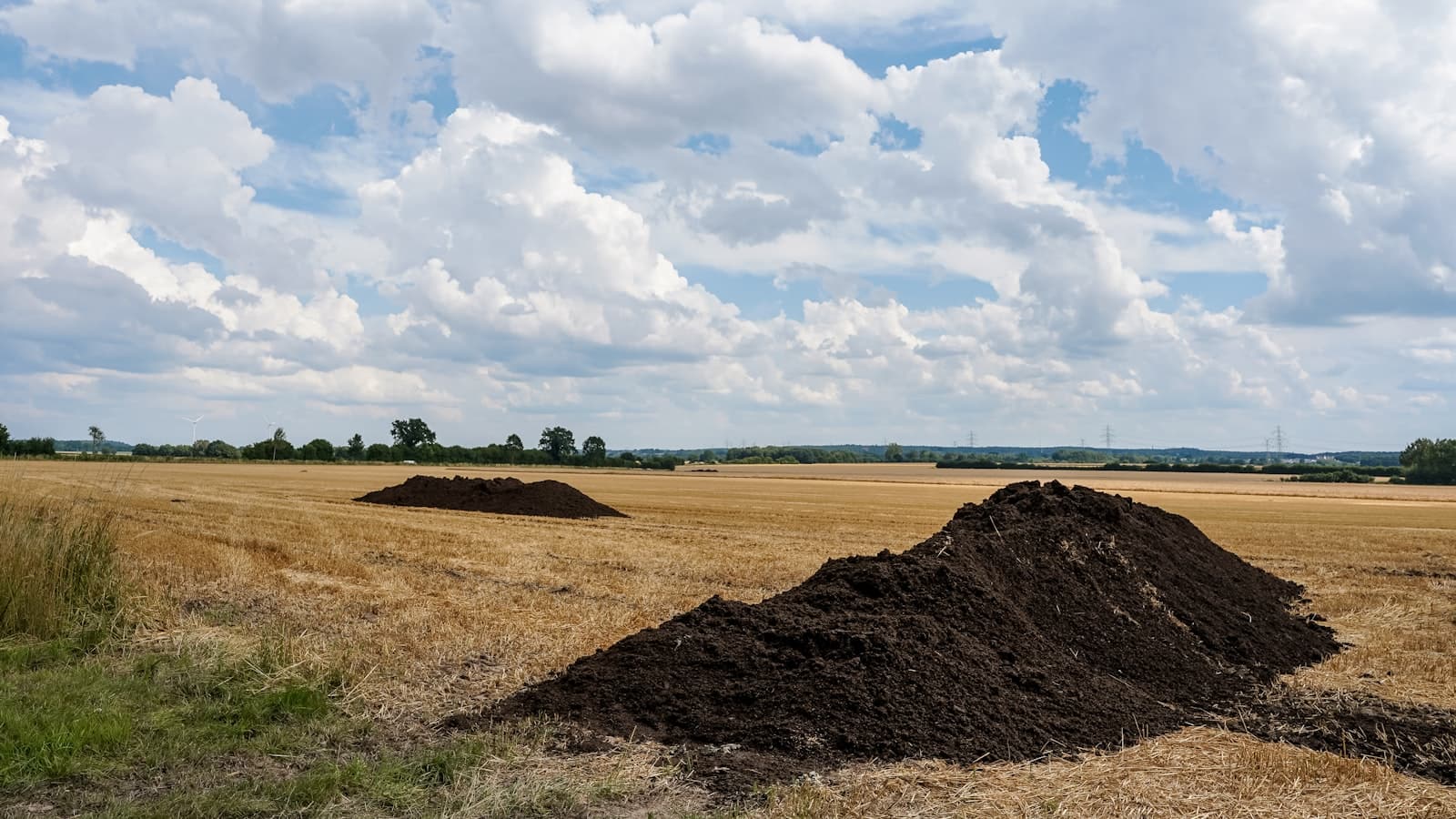
Most farm composting is limited by cow dung — the more residue you have, the more dung you need to rot it down. The NADEP method, developed by the Maharashtra farmer Narayan Deorao Pandharipande, gets around that. It composts a large volume of crop residue in an above-ground brick tank using only a thin dung slurry, because a layer of sieved soil supplies the microbes and holes in the walls keep the heap breathing.
The tank
A standard NADEP tank is a rectangular brick structure, roughly 12 ft long × 5 ft wide × 3 ft high. The key detail is the walls: bricks are laid with gaps every few courses so air can reach the heap from all sides. It sits above ground on a firm floor.
What goes in — three layers, repeated
The tank is filled in one continuous session, in repeating layers:
- Farm waste — crop residue, weeds, leaf litter, kitchen and cattle-shed waste, well shredded. About 15 cm thick.
- Cow-dung slurry — a small amount of dung mixed into water, sprinkled over the waste to inoculate it. Only a little dung is needed.
- Sieved soil — a thin layer of good field soil, moistened, over each waste layer. This is the microbial engine of the method.
Repeat the three layers until the tank is filled slightly above the top, dome it off with a final soil-and-slurry cap, and keep it moist throughout — sprinkle water whenever it starts to dry.
Why it works
- The perforated walls keep the heap aerobic, so it composts without turning and without going foul.
- The soil layer carries native microbes, which is why so little dung is required.
- Filled in one go and kept damp, a tank yields roughly 2–3 tonnes of crumbly compost in 3–4 months.
What it is good and bad at
Good at: converting bulky crop residue into quality compost on farms with few cattle, at low cost, without the daily turning a heap needs.
Weak at: speed if neglected — let the tank dry out and it stalls. It also needs the one-time cost and space of a built brick tank. For a livestock-rich farm with plenty of dung, a vermicompost unit may pay back faster — see the numbers on a six-bed unit; NADEP shines where residue is plentiful and dung is not.
Frequently asked questions
What is the NADEP method?
An aerobic composting method developed by Narayan Deorao Pandharipande (from whose name "NADEP" comes) in Maharashtra. Farm waste is layered with a thin cow-dung slurry and sieved soil in an above-ground brick tank with gaps in the walls for air, and composts in about three to four months.
Why does NADEP need so little cow dung?
Because the sieved soil layer carries most of the microbes and the perforated walls keep the heap aerobic, a NADEP tank turns a large volume of crop residue into compost using only a small amount of dung — a real advantage on farms with few animals.
How long does NADEP compost take?
About three to four months if the tank is filled in one go, kept moist, and the material is well shredded. Keeping the heap damp — not wet — throughout is the single thing that decides whether it finishes on time.

Written by
Vaibhav Dhama
Founder, Technical Kisan
Vaibhav Dhama is the founder of Technical Kisan. He writes from Baghpat, Uttar Pradesh, and builds each guide on ICAR and state agricultural university guidance, official government scheme notifications, and live mandi-price data.
- Writes from Baghpat, Uttar Pradesh
- Software developer (BTech, 2021)
- Not a trained agronomist — confirm with your KVK
Discussion is coming soon
We are building a comments section where you can ask a question about this guide and see what other farmers in your district are doing.
For now, write to us at [email protected] — we read every message.