Vermicompost: A Six-Bed Unit's Numbers
A six-bed vermicompost unit costs about Rs 34,000 after subsidy and turns waste into a saleable product. Cost sheet, revenue, and what decides it.
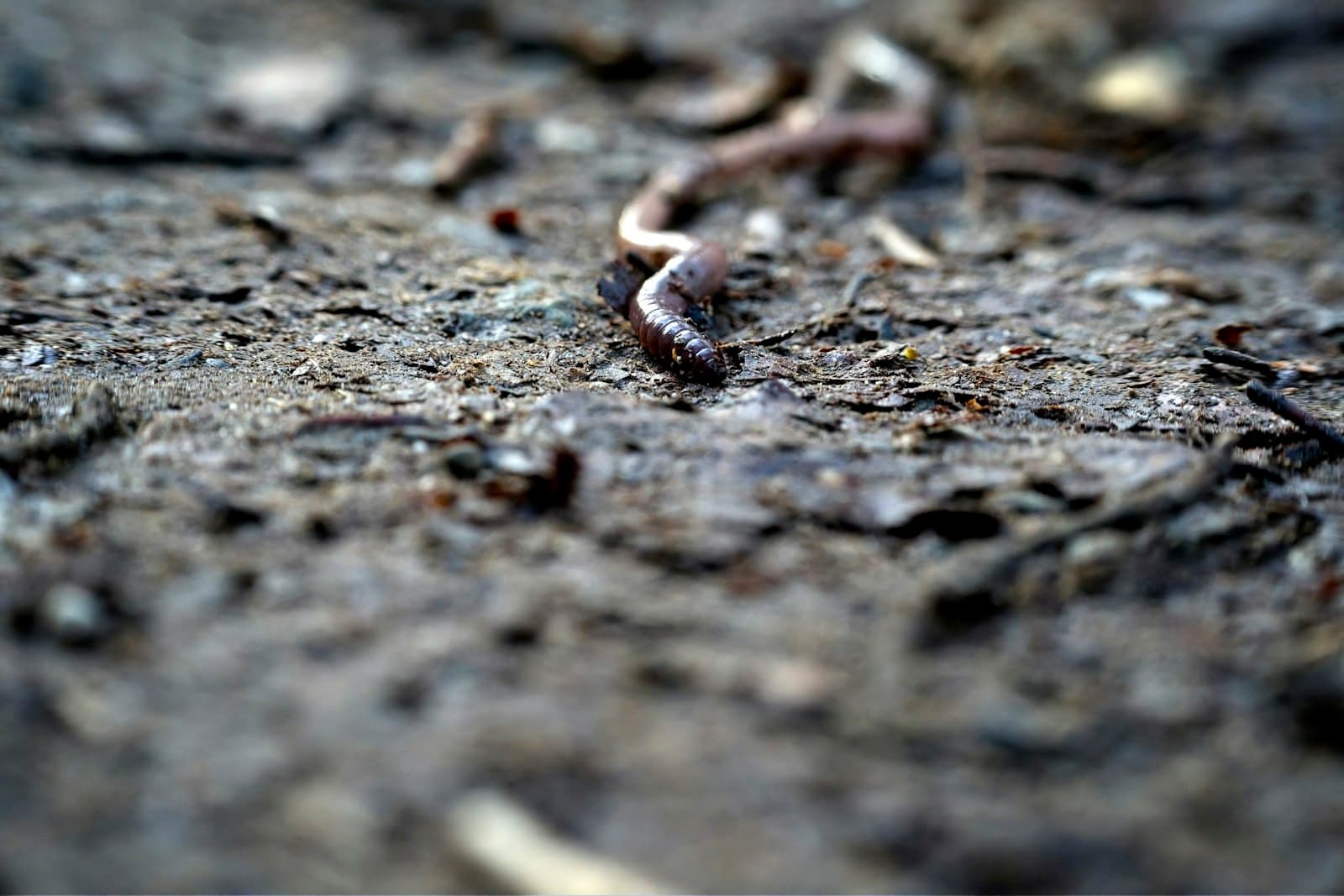
Vermicompost is the enterprise most often pitched to smallholders and most often abandoned in the first season. The idea is sound: turn crop residue and dung you currently burn or dump into a product that sells. The failures are almost always operational, not economic.
So rather than another article telling you it is a good idea, here is the arithmetic — laid out so you can put your own numbers in.
The setup
The unit in this example is six beds, each 10 × 3 × 2 ft, brick-built with a simple shade roof. That is a realistic starting scale for a farm with two or three cattle and a few acres of crop residue.
| Six beds, built, with initial worm stock | ₹62,000 |
| Subsidy (state horticulture mission, ~45%) | −₹28,000 |
| Net capital outlay | ₹34,000 |
Subsidy rates for vermicompost units vary by state and change from year to year. Confirm the current rate with your district horticulture officer before you build — and get the sanction before you spend, because retrospective claims are routinely rejected.
The running economics
Each bed yields roughly one tonne per 45–60 day cycle. Six beds run continuously gives you something in the region of 36 tonnes a year.
| Annual production | ~36 t |
| Used on your own crop | ~14 t |
| Available to sell | ~22 t |
| Realised price (packed, ₹8.20/kg) | |
| Gross from sales | ₹1,80,000 |
| Running cost (labour, feedstock handling, packing) | −₹46,000 |
| Net from sales | ₹1,34,000 |
And then the saving that is easy to forget, because it shows up as an absence rather than as income:
| Fertiliser bill before | ₹90,000 |
| Fertiliser bill after | ₹38,000 |
| Saved | ₹52,000 / year |
Add the two and the unit is returning on the order of ₹1.8 lakh a year against a ₹34,000 outlay — paying for itself inside the first year.
Now go and change every number in those tables. The result is extremely sensitive to three of them, and they are the three that decide whether this works on your farm.
The three things that decide it
1. Is your feedstock actually free?
The economics above assume the dung and the crop residue cost you nothing — they are already on the farm. If you are buying feedstock, the margin collapses. Compost is a low-value, high-bulk product; it cannot carry an input bill.
Be honest about this. Trucking dung in from two villages away is buying feedstock, whatever you call it. If dung is the scarce input on your farm rather than crop residue, a NADEP compost tank turns bulky residue into compost using far less dung — worth comparing before you commit to worms.
2. Do you have a buyer within about 40 km?
Compost is heavy and cheap per kilo, which means transport eats the margin alive. A buyer 150 km away is not a buyer.
The realistic customers are nurseries, terrace gardeners, organic growers, landscaping contractors and neighbouring farmers. Find them before you build the beds. Almost everyone does this in the wrong order — they build, produce a tonne, and then start looking for someone to buy it.
3. Will you pack it?
This is the single largest lever on price and it costs almost nothing.
Sold loose in bulk, vermicompost fetches around ₹5/kg. Packed into labelled 25 kg bags with a nutrient analysis printed on them, the same compost sells to nurseries and urban gardeners for ₹10–₹12/kg.
Same product. The bag is worth ₹5 a kilo.
What goes wrong, and when
The worms die in the first month. The commonest failure by a wide margin, and it is always heat. Fresh dung composts thermophilically and hits 55–60°C. Put worms into it and they cook. It has to sit and partially decompose for about fifteen days first, and be cool to the hand, before the worms go in.
The bed dries out. Eisenia fetida needs 60–70% moisture. In an Indian summer a bed can cross that line in two days, and the worms will not warn you — you will simply find them gone. Water lightly every second day in summer and check moisture on the morning round, every day.
The labour is underestimated. Turning, harvesting, sieving and separating worms from the finished compost is real work. Budget a part-time hand through the season rather than assuming it will fit into the existing routine.
The first cycle disappoints. Expect it to. The second one usually works.
Worth doing?
If your feedstock is genuinely free, you have a buyer inside 40 km, and you are prepared to pack and label the product — the arithmetic is among the best available on a small holding, and the capital at risk is small.
If you are buying dung, have no buyer lined up, and plan to sell it loose, the honest answer is that you will be doing a lot of work for very little.
Run the tables above with your own numbers before you lay a single brick.
Frequently asked questions
How much does it cost to set up a vermicompost bed?
Roughly ₹8,000 to ₹15,000 per bed for a standard 10 × 3 × 2 ft brick or HDPE bed, including the initial worm stock. Subsidy of 40–50% is commonly available under state horticulture missions and the MIDH — confirm the current rate with your district horticulture officer.
How much vermicompost does one bed produce?
About one tonne per cycle, and a cycle runs 45–60 days. A six-bed unit run continuously produces roughly 35–40 tonnes a year.
What does vermicompost sell for?
Broadly ₹6–₹12 per kg depending on quality and whether you sell in bulk or in packed retail bags. Packed, labelled bags with a nutrient analysis fetch materially more than loose bulk sales — often double.
Which worm species is used for vermicomposting in India?
Eisenia fetida, the red wiggler. It is a surface feeder, tolerates a wide temperature range and multiplies fast — which is exactly what a composting bed needs.
Why did my worms die?
Almost always heat or drying out. Fresh dung composts thermophilically and reaches 55–60°C, which kills worms — it must be partially decomposed and cooled for about fifteen days before the worms go in. The other common cause is letting the bed fall below 60% moisture in summer.

Written by
Vaibhav Dhama
Founder, Technical Kisan
Vaibhav Dhama is the founder of Technical Kisan. He writes from Baghpat, Uttar Pradesh, and builds each guide on ICAR and state agricultural university guidance, official government scheme notifications, and live mandi-price data.
- Writes from Baghpat, Uttar Pradesh
- Software developer (BTech, 2021)
- Not a trained agronomist — confirm with your KVK
Discussion is coming soon
We are building a comments section where you can ask a question about this guide and see what other farmers in your district are doing.
For now, write to us at [email protected] — we read every message.