Green Manure: Dhaincha and Sunhemp
A green manure crop ploughed back into soil is the cheapest nitrogen an organic farm can get. When to sow, incorporate, and what it's worth.
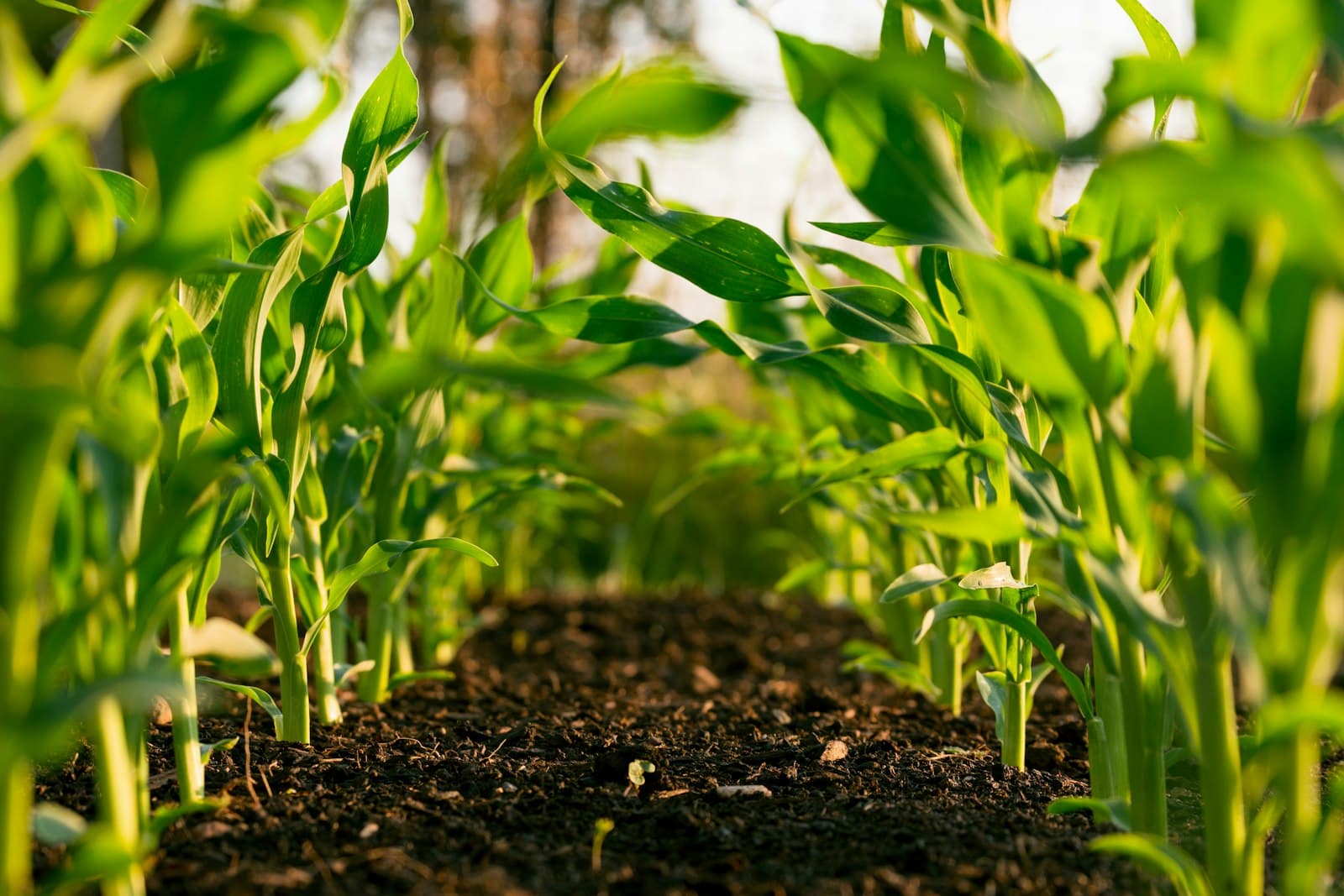
Green manuring is the oldest nitrogen technology in Indian farming and still the cheapest an organic system has. You grow a fast, leafy legume, let it build biomass for six or seven weeks, and then plough the entire living crop back into the soil. As it rots, it releases the nitrogen it pulled out of the air and leaves behind a mass of organic matter that improves structure, water-holding and biology.
No bag to buy, no market to find. The cost is one short window of land and the seed.
Dhaincha and sunhemp
Two legumes do most of the green-manuring in India:
| Crop | Best for | Notes |
|---|---|---|
| Dhaincha (Sesbania) | Most soils, tolerates waterlogging and salinity | The workhorse; handles poor and wet ground |
| Sunhemp (Crotalaria juncea) | Well-drained soils | Very fast, good biomass, also suppresses nematodes |
Both fix nitrogen through root nodules, grow quickly, and produce a lot of soft green material in a short time — exactly what you want to plough under.
The method
- Sow after a pre-monsoon or irrigation, broadcast fairly thick — around 20–25 kg/acre of seed for a dense stand.
- Grow for 45–55 days. Little management is needed; the crop is not harvested, so pests and disease rarely matter.
- Incorporate at early flowering. Cut or roll the crop and plough it in while the stems are still soft and green. This timing gives the most nitrogen-rich, quickly-decomposing material.
- Wait 1–3 weeks with moisture for it to decompose, then sow the main crop.
The one timing mistake to avoid: do not let it set seed. Once flowering finishes and pods form, stems turn woody, nitrogen content falls, and the woody material decomposes so slowly that it temporarily robs the soil of nitrogen instead of adding it. Flowering is the window.
What it is worth
A well-grown stand ploughed in on time adds on the order of 20–40 kg of nitrogen per acre — a meaningful share of a cereal's needs — plus organic matter that a bag of fertiliser never provides. Over several seasons, a green manure in the rotation is one of the biggest levers on soil health an organic farm has.
It also does quiet extra work: the dense canopy smothers weeds during its growth, and sunhemp in particular suppresses root-knot nematodes.
Fitting it into the rotation
The obstacle is always land and time — a green manure occupies a field for two months that could grow a saleable crop. The usual solutions:
- Summer (zaid) fallow: grow dhaincha between the rabi harvest and the kharif crop, using pre-monsoon moisture — the classic lead-in to a transplanted, SRI-method rice crop. This is the classic slot and costs no main-season land.
- Before a heavy feeder: put a green manure ahead of a nitrogen-hungry crop — vegetables, maize, sugarcane — where its nitrogen pays off most. It also has a place ahead of organic wheat, ploughed in before sowing.
On a converting farm, a green manure every year in the summer window, combined with compost and a legume in the main rotation, does most of the work of rebuilding the soil's own nitrogen supply — the single thing that makes organic farming stand up over the long run.
Frequently asked questions
What is green manuring?
Growing a quick, leafy legume — dhaincha or sunhemp — and ploughing the whole crop back into the soil at flowering, before it sets seed. The decomposing plant releases nitrogen it fixed from the air and adds organic matter, feeding the crop that follows.
How much nitrogen does a green manure add?
A good dhaincha or sunhemp stand ploughed in at 45–50 days can add roughly 20–40 kg of nitrogen per acre, plus a large amount of organic matter. The exact figure depends on the biomass grown and how well it decomposes before the next crop is sown.
When should green manure be ploughed in?
At early flowering, usually 45–55 days after sowing. Younger than that and there is little biomass; older and the stems turn woody and lock up nitrogen as they decompose slowly. Flowering is the sweet spot for maximum soft, nitrogen-rich material.
How long after ploughing in can I sow the main crop?
Allow about 1–3 weeks for the green material to decompose, with adequate moisture, before sowing. Sowing immediately into fresh, undecomposed material can temporarily tie up nitrogen and hurt the next crop instead of helping it.

Written by
Vaibhav Dhama
Founder, Technical Kisan
Vaibhav Dhama is the founder of Technical Kisan. He writes from Baghpat, Uttar Pradesh, and builds each guide on ICAR and state agricultural university guidance, official government scheme notifications, and live mandi-price data.
- Writes from Baghpat, Uttar Pradesh
- Software developer (BTech, 2021)
- Not a trained agronomist — confirm with your KVK
Discussion is coming soon
We are building a comments section where you can ask a question about this guide and see what other farmers in your district are doing.
For now, write to us at [email protected] — we read every message.