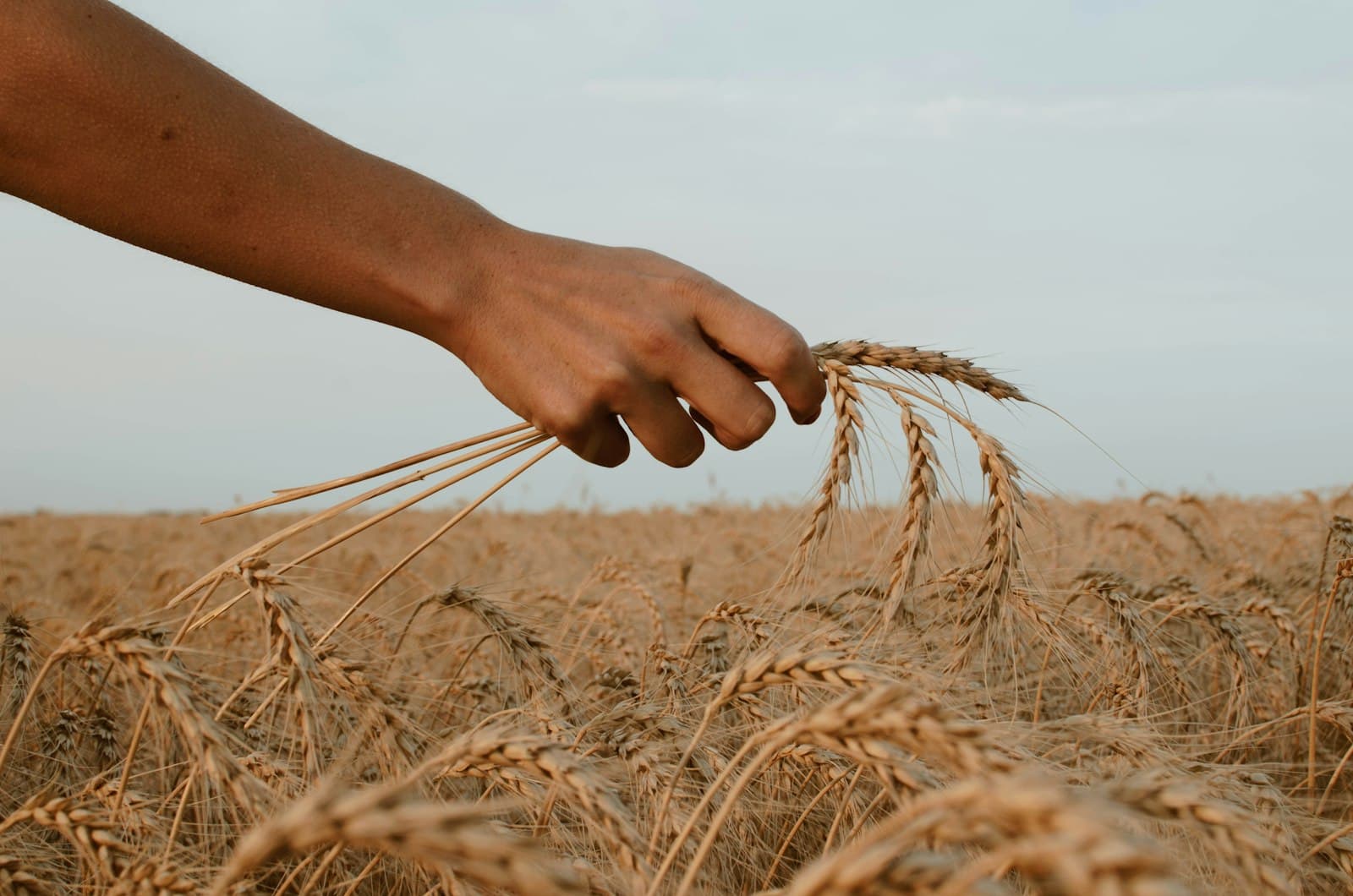
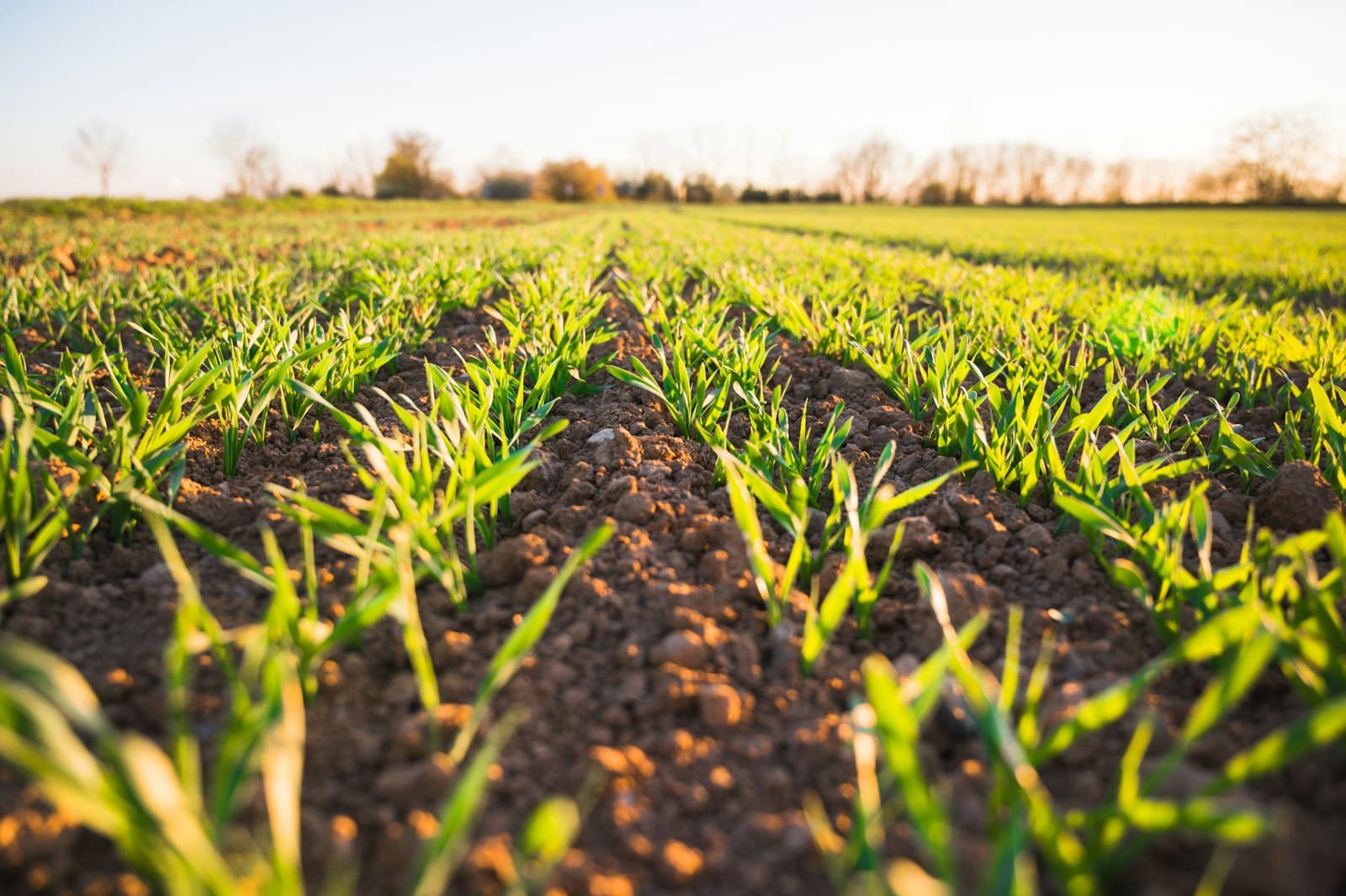
Zero Tillage: Sow Wheat Without Burning
A zero-till drill saves Rs 3,000/hectare, 50 litres of diesel and lets you sow 7-10 days earlier. The one thing it demands: stop ploughing.
Every year, from late October, the sky over parts of Punjab and Haryana turns grey. The reason is arithmetic, not carelessness.
The combine leaves the paddy standing as stubble. Wheat has to go in by mid-November or the yield falls. Clearing that stubble by ploughing costs money and, more importantly, costs two to three weeks the farmer does not have. Burning takes an afternoon and costs nothing.
Zero tillage removes the arithmetic. You do not clear the stubble at all — you sow straight through it.
What the machine does
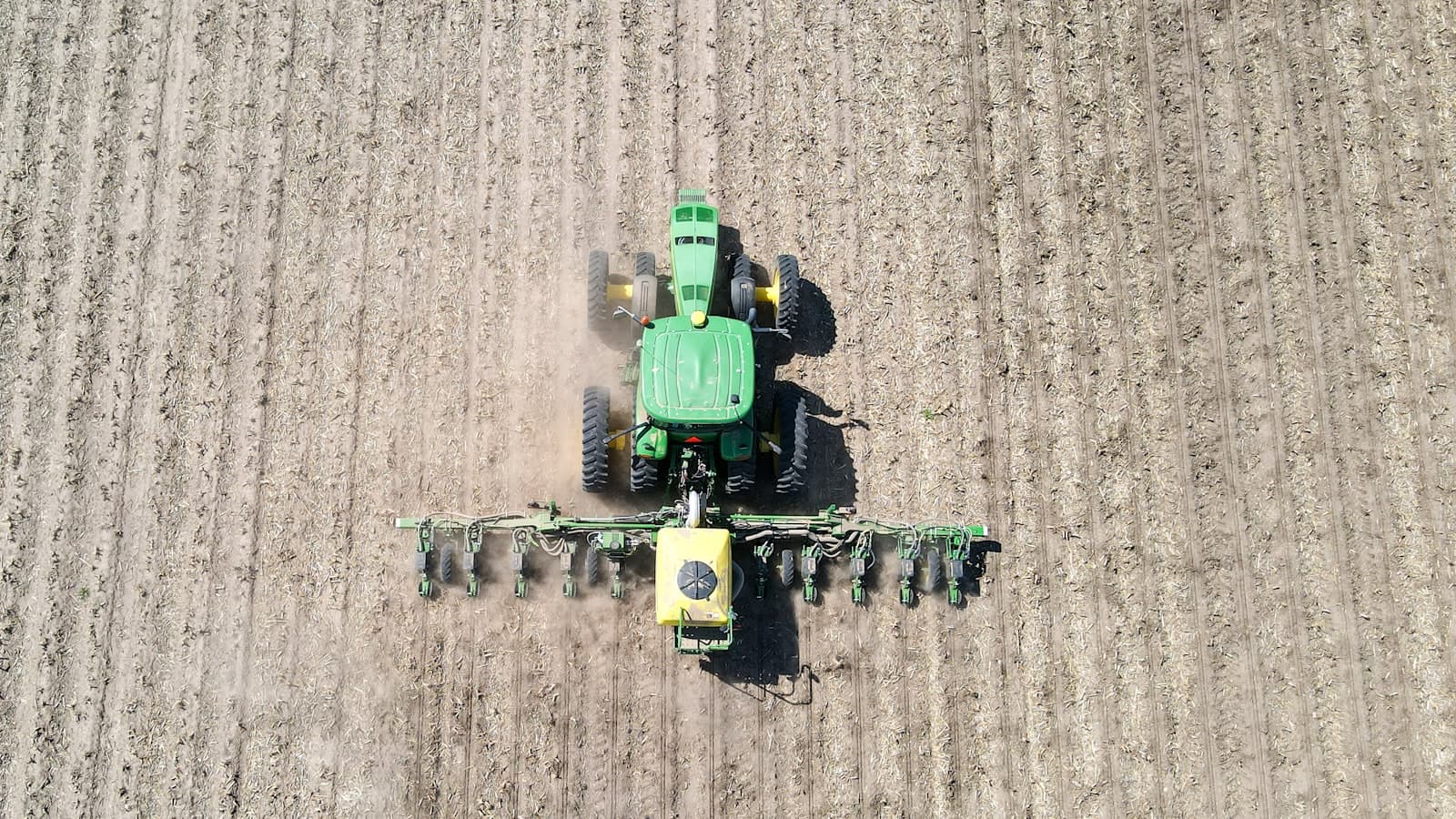
A zero-till drill places seed and fertiliser directly into undisturbed soil. No ploughing, no harrowing, no planking. A narrow tine opens a slot, the seed goes in, the slot closes. That is the whole operation.
The problem is heavy residue: a plain zero-till drill jams in standing paddy stubble.
The Happy Seeder solves that. A flail rotor mounted ahead of the tines cuts and lifts the straw, the tine sows into clean soil underneath, and the straw drops back behind as a mulch layer. One pass, no burning, and the residue stays on the field where it belongs.
What it is worth, in rupees
This is where zero tillage stops being an environmental argument and becomes a business one.
| What you save | Per hectare |
|---|---|
| Land preparation (2–3 passes) | ₹2,500 – ₹3,500 |
| Diesel (~50 litres) | ₹4,000 – ₹4,500 |
| One irrigation | ₹1,000 – ₹1,500 |
| Direct saving | ₹7,500 – ₹9,500 |
And then the part that is easy to miss: you sow 7–10 days earlier, because you have skipped the entire land-preparation window. In wheat, sowing a week earlier is worth 2–3 quintals per hectare — around ₹5,000–₹7,000 at MSP.
The straw mulch does further work you do not pay for. It holds moisture, so the first irrigation can often be delayed or skipped. It suppresses Phalaris minor, whose seed needs the burial-and-resurfacing cycle of ploughing to germinate well. And it feeds organic matter back into a soil that has been mined for decades.
What it costs
- Zero-till drill: ₹30,000 – ₹55,000. Runs on 35 HP.
- Happy Seeder: ₹1,30,000 – ₹1,60,000. Needs 45–50 HP.
- Subsidy: up to 50% for individual farmers in the NCR states, and 80% for custom-hiring centres, FPOs and cooperatives.
- Custom hire: ₹1,200 – ₹1,800 per acre if you would rather not own one.
For most smallholders, hiring is the right answer. A Happy Seeder is used for maybe three weeks a year. Owning one only makes sense above roughly 25 acres, or if you intend to hire it out — which, in a village where everybody sows in the same fortnight, is a real business.
What actually goes wrong
Zero tillage is not difficult, but it is unforgiving of three specific mistakes.
Sowing into a wet field. The soil must be at working moisture — moist, not wet. Sow into a saturated field and the tine smears the slot walls instead of cutting them, the slot never closes, and germination is patchy. Wait the extra day.
Too much loose straw. The Happy Seeder handles standing stubble well. It handles a thick mat of loose straw badly. Fit your combine with a Super Straw Management System (SMS), which chops and spreads the straw evenly as it harvests. Without an SMS, the straw comes out in windrows and the Seeder will choke in them.
Ploughing "just once". The soil structure that makes zero tillage work — the earthworm channels, the stable aggregates, the organic matter at the surface — takes two to three seasons to build. One pass with a rotavator destroys it. Commit, or do not start.
The honest verdict
Zero tillage is not a compromise you accept for the sake of the air. Under comparable management it yields the same as conventional tillage, or slightly better, at meaningfully lower cost — and it hands you back a week of the calendar in the one crop where a week is worth quintals.
The stubble was never the problem. The plough was.
Frequently asked questions
What is the difference between a zero-till drill and a Happy Seeder?
A zero-till drill sows into a field with light or no residue. A Happy Seeder has a flail rotor in front that cuts and lifts standing paddy stubble, lets the tine sow underneath it, and drops the straw back as mulch — so it works in heavy residue where a plain zero-till drill would simply choke.
Does zero tillage reduce wheat yield?
No. Under comparable management, zero-till wheat yields the same as or slightly more than conventionally-tilled wheat — and materially more when zero tillage lets you sow a week or more earlier than you otherwise would have.
Do I need a bigger tractor for a Happy Seeder?
Yes. A Happy Seeder needs 45–50 HP because the flail rotor draws real power. A plain zero-till drill runs comfortably on 35 HP.
What about weeds under zero tillage?
Weed pressure is different, not worse. Phalaris minor drops with zero tillage because the seed is not being buried and resurfaced, but broadleaf weeds can rise. Apply a pre-emergence herbicide and rotate your herbicide chemistry — no-till plus one herbicide every year is how resistance is built.

Written by
Vaibhav Dhama
Founder, Technical Kisan
Vaibhav Dhama is the founder of Technical Kisan. He writes from Baghpat, Uttar Pradesh, and builds each guide on ICAR and state agricultural university guidance, official government scheme notifications, and live mandi-price data.
- Writes from Baghpat, Uttar Pradesh
- Software developer (BTech, 2021)
- Not a trained agronomist — confirm with your KVK
Discussion is coming soon
We are building a comments section where you can ask a question about this guide and see what other farmers in your district are doing.
For now, write to us at [email protected] — we read every message.