
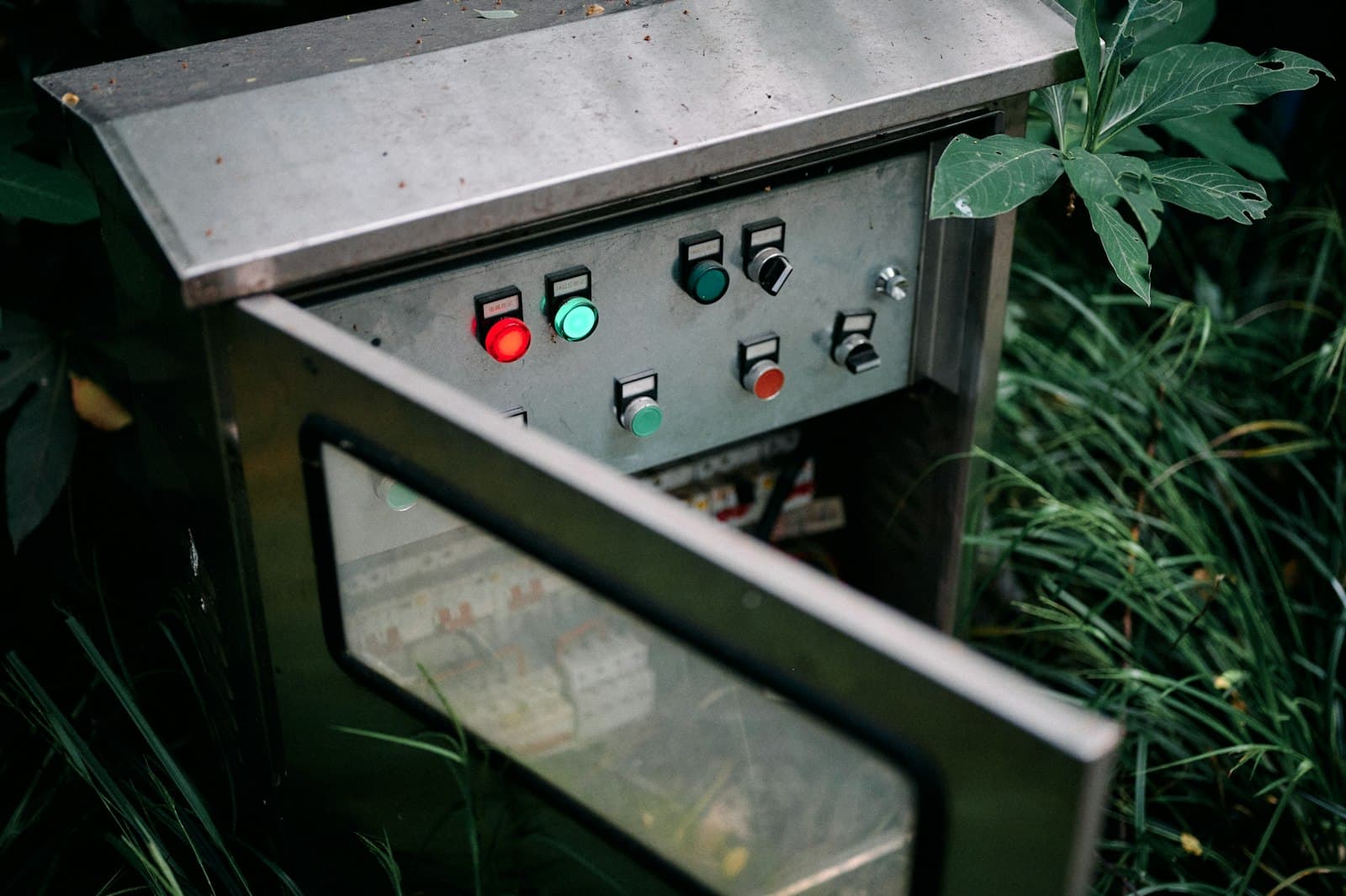
Kisan Raja Samrat Motor Controller Review
One of the oldest GSM motor controllers in India - call your pump on or off from anywhere. What it does, its price, and what to check.
Vaibhav Dhama4 min readSwitch your irrigation motor on or off by phone call, SMS or app from anywhere, with built-in protection against voltage faults, phase cuts and dry-run burnout — for roughly ₹5,000–7,000 plus a small SIM recharge.
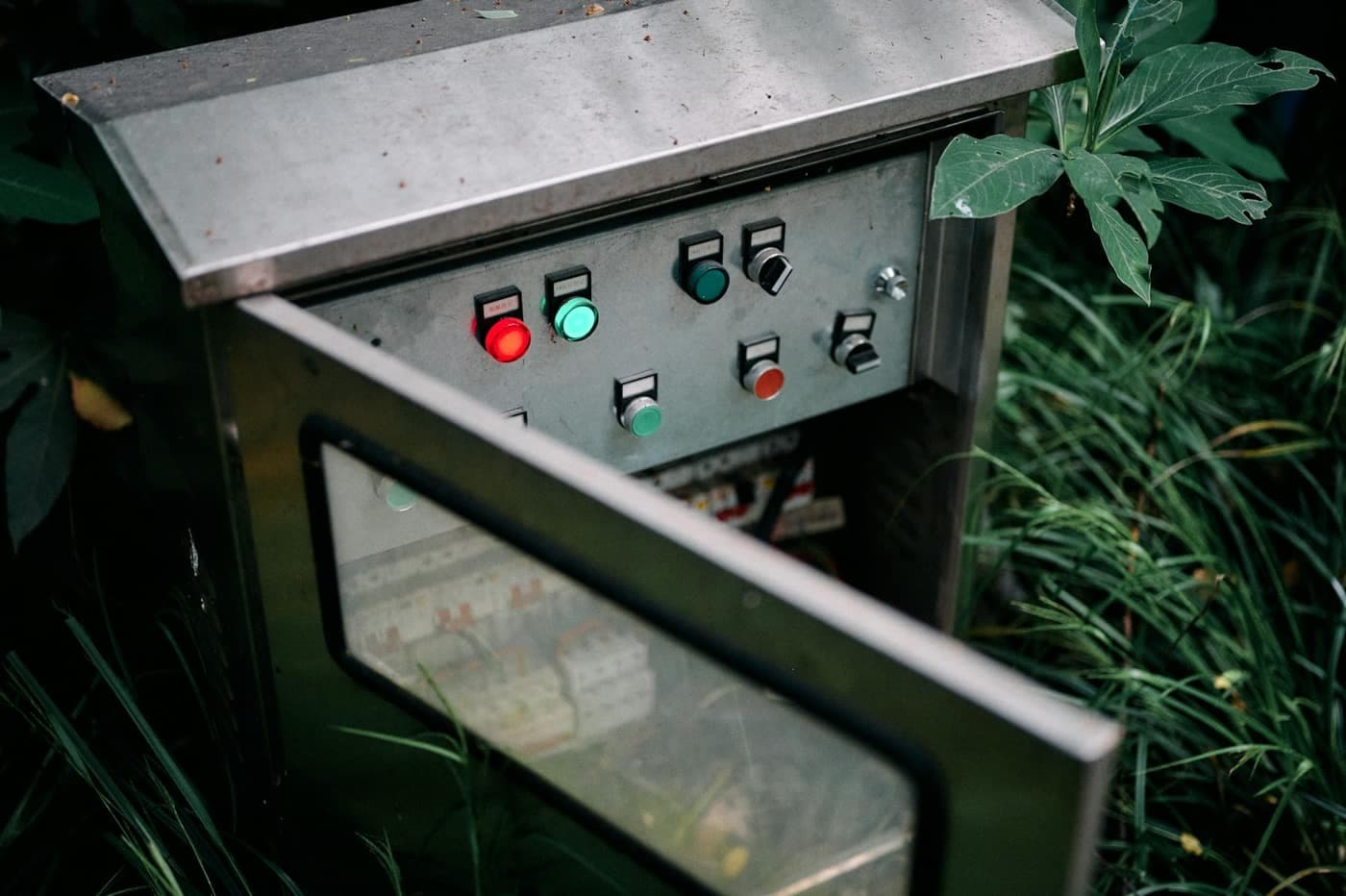
A GSM motor controller wires into an irrigation motor's power supply and lets a farmer start or stop it with a phone call, SMS or app — from the house, from bed, or from three villages away. For anyone currently walking to the field or paying someone else to flip a switch, it removes that trip entirely, and its built-in voltage and dry-run protection guards against the single most common way a submersible pump burns out.
This page sits alongside the Agri Technology hub, which places it against every other technology genuinely paying on an Indian holding, and pairs naturally with a solar irrigation pump or soil moisture monitoring on the same borewell. It goes deeper on this one device category alone: what it actually does, what it costs, the 2G-versus-4G catch that trips up an older purchase, and the mistakes worth avoiding before buying one.
The numbers a farmer checks before buying one.
A relay wired into the motor supply, switched over the mobile network — no on-site auto-starter panel needed.
A GSM motor controller is wired directly into the motor's power supply, between the incoming mains and the motor itself, with its own relay that physically opens or closes that connection. The device carries its own prepaid SIM card and listens on the mobile network for an authorised call, SMS or app command — dial in, and the relay switches the motor on; dial in again, and it switches off. A local-language IVRS menu on the call guides an unfamiliar user through the options, and up to four different phone numbers can be authorised to operate the same device, useful where more than one family member works the field.
Sensors built into the unit watch the motor's actual electrical conditions independently of the phone commands: high or low voltage, a cut phase wire, and — critically — whether the borewell has run dry, cutting power automatically the moment any of these occur rather than waiting for a human to notice. See what it actually does below for the full feature set, and common problems for what genuinely indicates a fault versus normal behaviour.
Four jobs, stripped of the marketing language.
Remote control
Turn the motor on or off by phone call, SMS or app, through a local-language IVRS menu. Up to four people can be authorised to operate the same device — useful when more than one family member works the field.
Protection
Cuts power on high or low voltage, on a cut phase wire, and when the borewell runs dry — dry-run protection is the single most common way a submersible pump burns out. It also detects power returning after an outage and can call to say so.
Automation
A built-in auto mode removes the need for a separate auto-starter panel, and a timer runs the pump only for a fixed window — useful discipline for both the power bill and groundwater draw.
Theft alert
If someone tampers with or tries to remove the device, it calls the owner — a small deterrent for equipment often installed on a remote, unattended borewell.
Kisan Raja's Samrat against the comparable GSM/app-based controllers actually priced online right now.
Kisan Raja's Samrat is one of the older, better-known names in this category in India — on the market since 2014, rated for pumps up to 30 HP — but its own price is genuinely hard to pin down online. What is reliably priced is a set of comparable GSM/app-based controllers from other brands, sold on the same platforms, which is the realistic band to budget against.
| Product | Network | Price | Notes |
|---|---|---|---|
| Kisan Raja Samrat | Not publicly specified — confirm with dealer | "Price on Request" — budget ₹5,000–7,000 | Long-running brand (since 2014); listings show manufacturing delays — call the helpline or a local dealer |
| Nyasta 2G Smart Motor Controller | 2G | ₹4,999 | Cheapest of the compared models — confirm your district still has usable 2G coverage first |
| Nyasta 4G Smart Motor Controller | 4G | ₹5,999 | Same brand, newer network generation — the safer pick where 2G is being phased down |
| NEER 4G Mobile Pump Controller | 4G | ₹6,990 | Explicitly marketed as 4G, like most newer entrants in this category |
| RMG GSM+IoT Smart Motor Pump Controller | 4G / IoT | ₹6,999 | Adds IoT connectivity on top of the core call/SMS/app control |
Six steps from deciding you need one to setting the timer.
If all you need is "stop the motor once the tank is full," a simpler automatic water-level controller (around ₹3,200–3,400) does that job for less. A GSM motor controller is for starting or stopping a borewell or open-well motor from wherever you actually are — see the [comparison below](#compare) if you are unsure which one fits.
Ask the dealer directly whether the unit runs on 2G or 4G before paying — an older or unlisted-spec device may well be 2G-only, a real risk as Indian telecom operators keep shrinking that network in favour of 4G.
A listing that does not specify 2G or 4G — as Kisan Raja's own does not — is exactly the detail worth asking about directly rather than assuming.
Set aside ₹5,000–7,000 for the controller itself, and a separate prepaid SIM with a basic recharge kept active for as long as the device is in use — a small but real running cost on top of the one-time price.
Given how often these listings show "Price on Request" or "Currently unavailable," a direct call to the manufacturer's helpline or a local agricultural equipment dealer is the more reliable route than trusting an online cart to be current.
The device wires directly into the motor's power supply, which is not the place to improvise.
Pay an electrician who has installed one of these before, rather than doing it yourself to save a few hundred rupees.
Damage traced back to improper installation, wrong voltage, or overloading the rated capacity is explicitly excluded from the standard warranty.
Authorise up to four phone numbers to operate the device, and set an auto-mode timer window if the pump should not run unattended for longer than a fixed period.
Two different, often-confused devices that solve two different problems.
These two devices sit in the same aisle and are easy to confuse, but they solve different problems — the one to buy depends entirely on what you actually need to do.
| Feature | Phone-Based Controller | Water-Level Controller |
|---|---|---|
| What switches the motor | A call, SMS or app command, from anywhere | A tank reaching a pre-set level, via a sensor |
| Typical price | ₹5,000–7,000 | ₹3,200–3,400 |
| Needs its own SIM and recharge | Yes | No |
| Works for a borewell far from the tank | Yes — controlled by phone, not tank level | No — needs a sensor at the tank itself |
| Voltage / dry-run protection | Yes, standard on most models | Varies by model — check before assuming |
| Best for | Starting or stopping irrigation from wherever you are | Simply stopping the motor once the tank is full |
A low upfront cost against trips saved, labour saved and a motor that stops burning out.
The device itself is a low, one-time cost against a small but real running expense — the prepaid SIM recharge that keeps it reachable — and what it saves shows up less as a single number than as trips, labour and a motor that stops burning out from dry-running.
For a farmer currently walking to the field or paying someone else for every switch, the arithmetic tends to resolve quickly: the trips and the labour saved in the first few weeks alone often cover a meaningful share of the purchase price, before counting the protection against a burnt-out motor at all.
Four problems that account for most of the frustration around buying and running one.
Price hard to find before buying
Losing signal as 2G shuts down
Warranty voided by DIY wiring
Losing remote access after a SIM or number change
The buying and installing mistakes that quietly cost more than the device itself.
Confusing it with a water-level controller
A ₹3,200–3,400 water-level controller only stops a pump once a tank is full — it cannot start a borewell motor from three villages away. Buying the cheaper device for the wrong job wastes the money either way.
Skipping the network-generation question
An unlisted 2G-versus-4G spec — as Kisan Raja's own listing does not state — is exactly the detail worth asking a dealer directly, before an operator's 2G phase-down leaves the unit unreachable with no warning.
Installing it yourself to save a few hundred rupees
Damage from improper installation, wrong voltage or overloading the rated capacity is explicitly excluded from the standard warranty — the labour saved is small against a rejected claim.
Not budgeting for the SIM recharge
The device is unreachable without an active prepaid SIM — a budget built only around the one-time purchase price understates the real, ongoing cost.
Assuming "unavailable online" means discontinued
Several of these are genuine, long-running products with patchy web listings rather than dead brands — a direct call to a dealer or helpline often finds stock a blind online search misses.
Size the pump it controls and check the numbers before you buy.
What it does, what it costs, the 2G-vs-4G catch, installation and the real economics — everything above, in reading order.
A GSM motor controller is a small device wired into an irrigation motor's power supply that lets a farmer switch it on or off with an ordinary phone call, SMS or app — from the house, from bed, or from a wedding three villages away. For a large share of Indian farms without a reliable, scheduled power supply, the motor often needs switching at whatever odd hour the transformer finally sends current, and this device turns that into a phone call instead of a night-time trip to the field.
Kisan Raja's Samrat is one of the older, better-known names in this category in India, on the market since 2014 — but the same core feature set is now available from several other brands, at similar prices, which matters more than any single brand name once the buying decision comes down to real availability. See comparing models below for the actual products and prices.
Every device in this category does the same four things, described in full in what it actually does above: remote control by call, SMS or app for up to four authorised users; protection against high/low voltage, a cut phase wire, and dry-run — the single most common way a submersible motor burns out; a built-in automation mode with a timer, removing the need for a separate auto-starter panel; and a theft alert that calls the owner if the device is tampered with.
Most models on the Indian market, including the Samrat, are rated for pumps up to 30 HP, which covers the large majority of agricultural borewell and open-well setups — worth confirming against your own pump's rating before buying, even so.
This is the one place the category gets genuinely confusing. Kisan Raja's own online store, as of this writing, lists the Samrat as "Price on Request" with a note about delayed dispatch, and its Amazon listing shows "Currently unavailable" — neither gives a number. What is reliably priced is the set of comparable GSM/app-based controllers from other brands sold on the same platforms, in the ₹4,999–6,999 range — see the full comparison table above.
**Budget ₹5,000–7,000** for a device in this category, and separately, a basic prepaid SIM recharge kept active for as long as it is in use — a small but real running cost distinct from the one-time purchase. A simpler, cheaper **automatic water-level controller** (roughly ₹3,200–3,400) is a different category entirely — it switches a pump on tank level via a sensor, not on a phone call from anywhere — see the comparison below if that is actually all you need.
A device this old a category does not always specify which mobile network generation it runs on — the Samrat's own listing does not — and a unit that has been on the market since 2014 may well be built on 2G. Indian telecom operators have been steadily shrinking 2G coverage in favour of 4G, which is exactly why competitors now market their newer models explicitly as "4G" (see the Nyasta and NEER models in the comparison table).
Before buying, ask the dealer directly which network generation the unit uses — a 2G-only device is a real risk in any district where that network is being phased down, and the failure mode is not a gradual slowdown but the device going silent with no warning.
These two device categories sit on the same shelf and are easy to confuse, but they solve genuinely different problems, laid out fully in the comparison table above. A phone-based motor controller starts or stops a motor from wherever the farmer actually is, based on a call, SMS or app command — the right tool for a borewell that needs switching on a schedule the farmer decides.
A water-level controller, at roughly ₹3,200–3,400, does one narrower job for less money: it stops a pump automatically once a tank reaches a set level, using a sensor at the tank itself, with no phone involvement at all. If all a farmer actually needs is "stop the motor when the tank is full," that is the cheaper, simpler device — the phone-based kind is for anyone who needs to start and stop a borewell motor from wherever they are.
Manufacturers generally describe installation as straightforward, and most carry a 12-month warranty against manufacturing defects. The fine print matters here: damage traced back to improper installation, wrong voltage, or overloading the rated capacity is explicitly not covered under that warranty.
For a device wired directly into a motor's power supply, it is worth paying an electrician who has installed one of these before, rather than doing it yourself to save a few hundred rupees — see the full step-by-step process above, including registering authorised users and setting the auto-mode timer once it is commissioned.
For a farmer currently walking to the field, or paying someone else, to switch a motor on and off, a device in this category tends to pay for itself quickly — in trips saved, labour saved, and a motor that stops burning out on dry-run. The economics section above breaks the arithmetic down: a one-time device cost, a small ongoing SIM cost, against savings that show up as avoided trips and an avoided motor replacement rather than a single clean number.
Whether it is specifically the Kisan Raja Samrat or a newer 4G-branded competitor at a similar price matters less than the core feature set staying the same across the category: remote on/off, dry-run cutoff, voltage protection, and a timer.
Given the availability gaps some brands show online, the more reliable route is a direct call rather than an online cart: the manufacturer's helpline, or a local agricultural equipment dealer who stocks the brand. If a specific model stays unavailable, any of the comparable controllers in the models table above will do the same core job at a similar price — confirm the network generation, buy from a dealer who will stand behind the installation, and budget for the SIM.
Long-form writing on farm automation and irrigation, with the numbers included.
It lets you switch an irrigation motor on or off with a phone call, SMS or app from anywhere — most devices support up to four authorised users. It also protects the motor from high/low voltage and phase-wire cuts, shuts it off if the borewell runs dry, can call you when power goes or comes back, and warns you if someone tampers with the device.
Budget ₹5,000–7,000 for a comparable GSM/app-based controller — Kisan Raja's own Samrat does not list a public price ("Price on Request"), but comparable models from other brands (Nyasta, NEER, RMG) sell in that range. See the [model comparison](#models) above for specific products and prices.
Yes — the device works over the mobile network, so it needs its own SIM with a basic prepaid recharge kept active for as long as it is in use. Budget a small monthly or annual cost for that recharge on top of the one-time purchase price.
A phone-based controller starts and stops the motor on your call, SMS or app command from anywhere, and typically costs ₹5,000–7,000. A water-level controller, at roughly ₹3,200–3,400, only stops a pump once a tank reaches a set level, using a sensor at the tank — no phone involvement. See the [full comparison](#compare) above.
4G is the safer choice — Indian telecom operators have been steadily shrinking 2G coverage, and an older or unlisted-spec device may well be 2G-only. Ask the dealer directly which network generation a unit uses before buying, especially for an older or lesser-known brand.
Most models, including the Kisan Raja Samrat, allow up to four authorised phone numbers to operate the same device — useful where more than one family member works the field.
Standard protection includes cutting power on high or low voltage, a cut phase wire, and dry-running (the borewell running dry) — dry-run protection specifically is the single most common way an unprotected submersible motor burns out.
Not automatically, but damage traced back to improper installation, wrong voltage, or overloading the rated capacity is explicitly excluded from the standard 12-month warranty. Paying an electrician who has installed one before is the safer route for a device wired directly into the motor's power supply.
Availability is patchy as of this writing — its own online store and its Amazon listing both show delays or unavailability. It is a genuine, long-running product (on the market since 2014), so it is worth calling a dealer directly rather than assuming it is discontinued; a comparable 4G alternative from another brand is a reasonable substitute if it stays hard to source.
Device capability, comparable-brand pricing and the 12-month warranty details follow current manufacturer/dealer listings — this is a fast-moving small-appliance market, so treat these as general, indicative estimates, not a quote for any one vendor — confirm the current price with a dealer before buying. Read more at /editorial-policy.