You're Losing a Third of Your Urea
Broadcast urea on dry soil and 30-40% of the nitrogen is gone within days. Splitting the dose on moist soil is the cheapest yield gain there is.
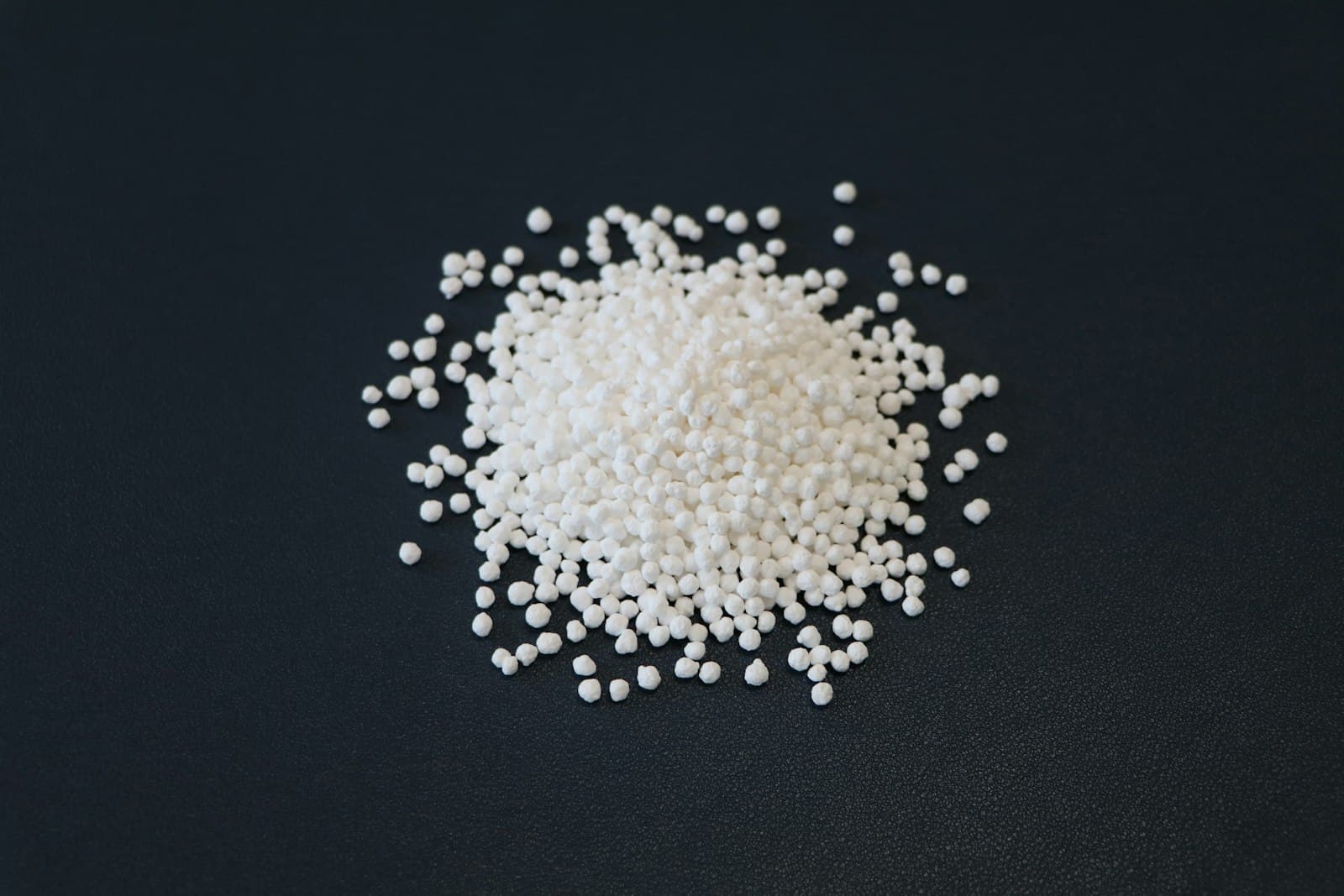
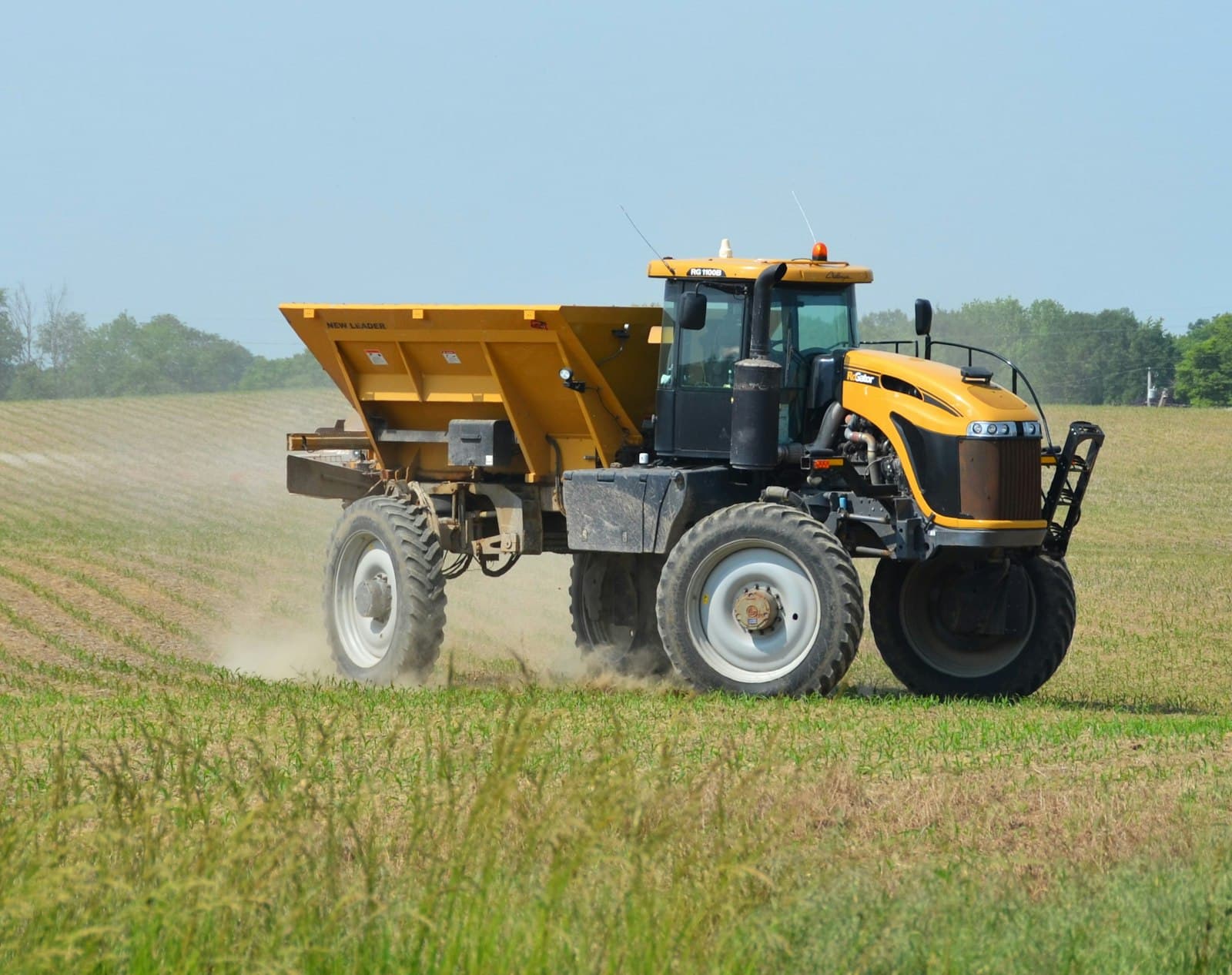
Walk any village in the wheat belt in late December and you will see the same thing: a man walking a field with a bucket, throwing urea by hand across dry soil, at eleven in the morning.
Somewhere between a third and a half of that bag will never reach the crop.
Where the nitrogen actually goes
Urea is not nitrogen the plant can use. It has to be converted first, and each step in the conversion is a place where it can escape.
Volatilisation — the big one. On the soil surface, an enzyme called urease converts urea to ammonium carbonate, which promptly breaks down into ammonia gas. If the urea is sitting on dry soil with nothing to dissolve it and nothing to bind it, that gas simply leaves. Most of the loss happens within 48 to 72 hours. It is worst on hot, dry, windy days and on alkaline soils — which describes a large fraction of Indian farmland in the rabi season.
Leaching. Nitrogen that survives becomes nitrate, and nitrate does not bind to soil particles. A heavy irrigation or a downpour washes it below the root zone, where it is gone as far as your crop is concerned and on its way to the groundwater.
Denitrification. In waterlogged soil, bacteria strip the oxygen from nitrate and release nitrogen gas. This is why urea broadcast into standing water in a paddy field is such an expensive habit.
The four things that fix it
None of this requires a new product. It requires putting the same bag on in a different way.
1. Never broadcast onto dry soil
This is the whole ballgame. Urea needs moisture to dissolve and move into the soil, where the ammonium binds to clay particles instead of drifting off as gas.
- Apply to moist soil, then irrigate lightly, or
- Apply immediately before a light irrigation
What you must not do is broadcast onto dry soil and wait for rain that may be three days away. Those are the three days in which you lose the nitrogen.
2. Split the dose
A wheat plant does not take up its nitrogen in one gulp in November. It takes it up over months. Give it everything at once and most of it is sitting in the soil, exposed, at a time when the plant cannot use it. Work out the total quantity your field needs with a fertiliser calculator first — splitting only changes when you apply it, not how much.
For wheat:
- ⅓ basal at sowing
- ⅓ at crown root initiation (20–25 days after sowing)
- ⅓ at maximum tillering (40–45 days)
Getting the sowing window right in the first place matters just as much — see the wheat sowing guide for timing and seed rate.
For paddy:
- ⅓ basal
- ⅓ at active tillering
- ⅓ at panicle initiation
Same total quantity. Substantially more of it inside the plant.
3. Place it, do not scatter it
Broadcasting on the surface is the most exposed possible position for a urea granule. Placing it 5–7 cm deep — with a drill, or by the deep placement method in paddy — cuts volatilisation dramatically, because the ammonia has soil to travel through and clay to bind to before it can reach the air.
4. Time of day is free
Apply in the early morning or the evening. Not at midday. Volatilisation is a temperature-driven process, and you can halve the rate by simply doing the job three hours later.
The bag itself
At ₹266.50 for a 45 kg bag, subsidised urea is one of the cheapest inputs on the farm — which is exactly why it is used so carelessly. The real cost of over-application is not the bag. It is:
- Lodging. Excess nitrogen produces soft, leggy growth that falls over in the first wind before harvest.
- Pests. Lush, high-nitrogen tissue is what aphids and stem borers are looking for.
- Imbalance. Most Indian soils are short of potash and sulphur, not nitrogen. Piling on more N when K and S are limiting does nothing except make the deficiency worse.
All subsidised urea in India is now neem-coated, which slows the conversion to nitrate by 10–15 days. That is a genuine improvement and it is already in the bag you buy. It is not, however, a licence to broadcast onto dry ground.
Get the soil tested
The Soil Health Card is free, and it tells you what your field is actually short of. Farmers who apply the card's recommendation typically cut urea use by 8–10% with no yield penalty — because they were over-applying nitrogen and under-applying the nutrient that was actually limiting the crop.
The card costs nothing. The urea you are throwing into the air does.
Frequently asked questions
How much urea is lost when broadcast on a dry field?
30–40% of the applied nitrogen, mostly as ammonia gas volatilising within 48–72 hours. On a hot, dry, windy day on an alkaline soil, the loss can exceed 50%.
Should urea be applied before or after irrigation?
Apply to moist soil and irrigate lightly afterwards, or apply immediately before a light irrigation. What you must never do is broadcast onto dry soil and leave it — that is when the nitrogen leaves as gas.
How many split doses of urea should wheat get?
Three. One-third as basal at sowing, one-third at crown root initiation (20–25 days), and one-third at the maximum tillering or late tillering stage (40–45 days). Applying the whole quantity at sowing wastes most of it.
Is neem-coated urea actually better?
Yes, modestly. The neem coating slows the conversion of urea to nitrate by 10–15 days, which keeps nitrogen available for longer and cuts leaching. It is now mandatory for all subsidised urea in India, so it is what you are buying regardless.

Written by
Vaibhav Dhama
Founder, Technical Kisan
Vaibhav Dhama is the founder of Technical Kisan. He writes from Baghpat, Uttar Pradesh, and builds each guide on ICAR and state agricultural university guidance, official government scheme notifications, and live mandi-price data.
- Writes from Baghpat, Uttar Pradesh
- Software developer (BTech, 2021)
- Not a trained agronomist — confirm with your KVK
Discussion is coming soon
We are building a comments section where you can ask a question about this guide and see what other farmers in your district are doing.
For now, write to us at [email protected] — we read every message.