
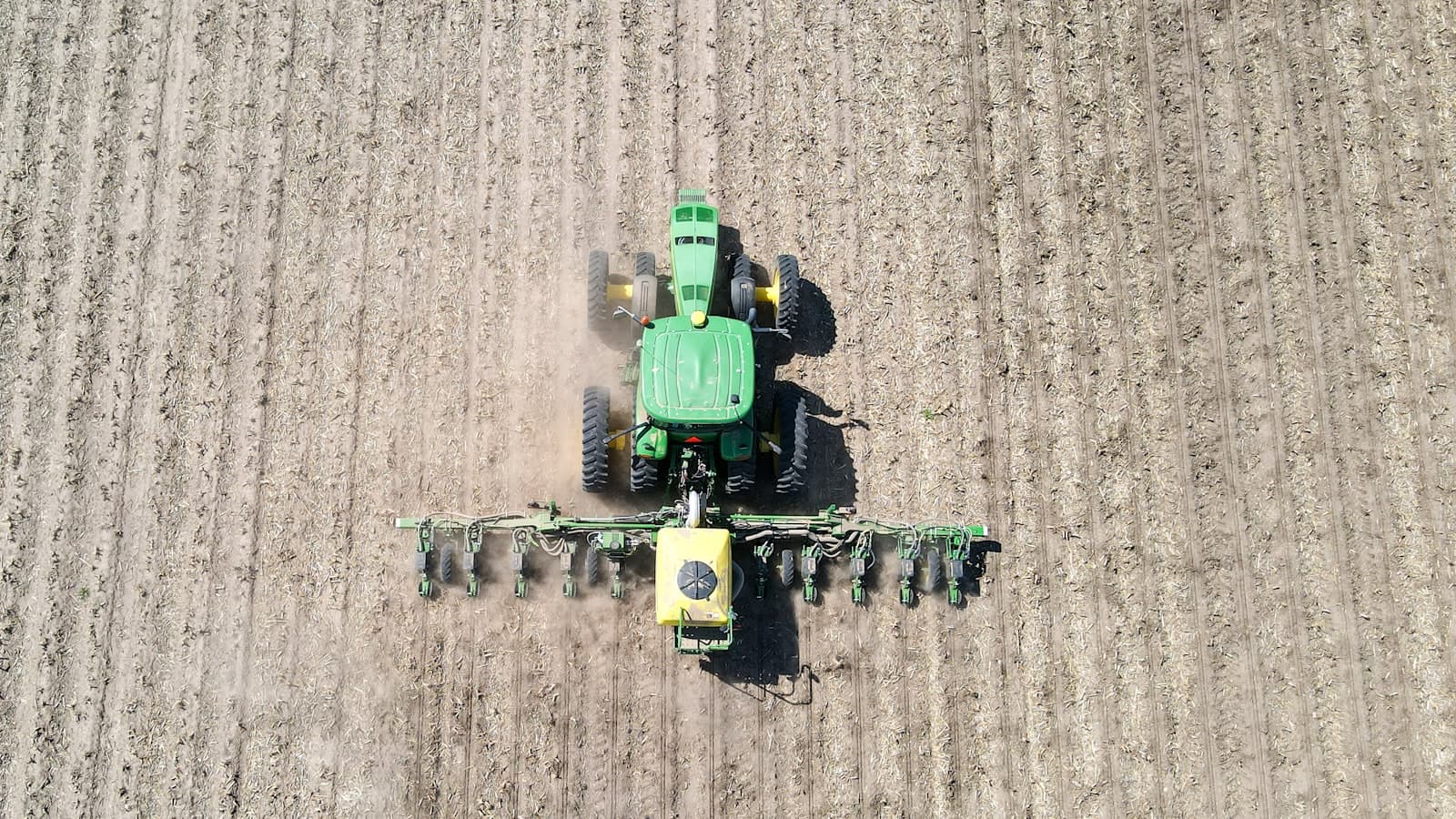
 Farming Techniques
Zero Tillage: Sow Wheat Without Burning
A zero-till drill saves Rs 3,000/hectare, 50 litres of diesel and lets you sow 7-10 days earlier. The one thing it demands: stop ploughing.
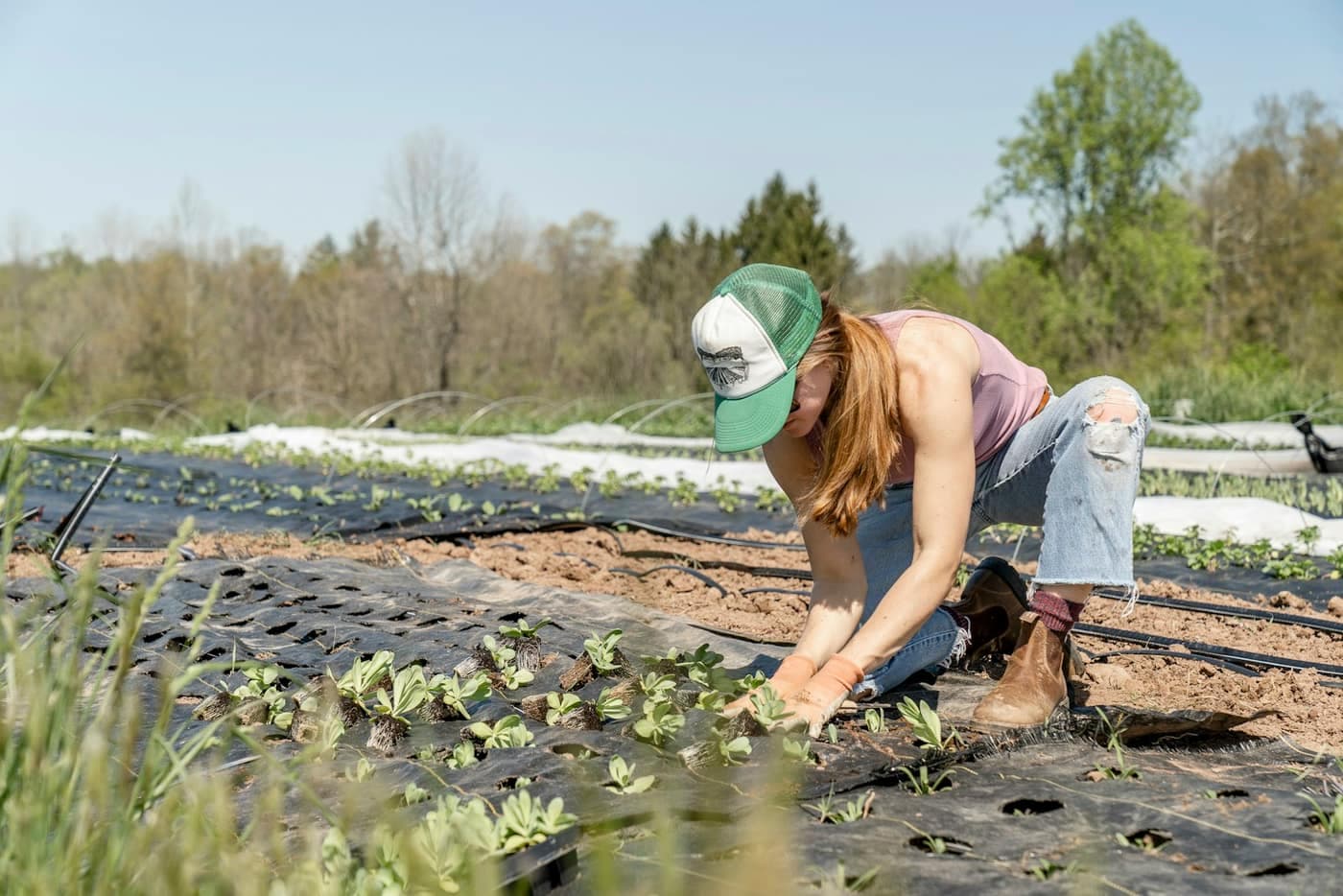
Vaibhav Dhama3 min readCover the soil with straw, dry leaves or plastic film to cut evaporation, choke out weeds and hold root-zone temperature steady — the cheapest water-saving practice when residue is already lying in the field.
The quick decision panel — everything you need before reading a single paragraph further.
What actually changes on your farm once this is in place.
Cuts soil-surface evaporation sharply, so the same irrigation covers more days.
Hand-weeding drops by roughly half once mulch chokes out weed germination.
Organic mulch breaks down into the soil, adding organic matter every season.
Steady root-zone temperature and moisture routinely add 10–15% on vegetables.
Buffers the crop against short dry spells between irrigations.
Puts crop residue to use on the same field instead of burning or discarding it.
The practice broken into the steps you will actually follow, in order.
Straw and dry leaves suit field crops; 25–30 micron plastic film suits high-value vegetables on drip.
Level the bed and lay the drip line first if you are using one — mulch goes over it, not under.
Spread straw evenly 5–8 cm thick, or lay film taut and anchor the edges with soil so wind cannot lift it.
Punch or cut planting holes in film at the right spacing; straw simply gets pushed aside at each spot.
Top up straw mulch once it thins, and patch any tears in film mulch before weeds find the gap.
An honest read before you spend a rupee or an hour on it.
This technique against conventional practice, head to head, per acre.
Mulch material
Hand-weeding
Irrigation (season)
Fertiliser loss to leaching
Conventional total
₹16,800/ha
This technique, total
₹17,600/ha
The material cost is real, but it is recovered inside one season through halved weeding labour, 25–30% less irrigation and a 10–15% yield lift on vegetables — organic mulch (straw, leaves) skips the material cost entirely.
What farmers already using this technique typically measure.
10–15%
Yield Increase
25–30%
Water Saved
~50%
Weeding Labour Saved
Steadier by 3–5°C
Soil Temperature
₹8,000–₹12,000/ha
Income Increase
Where this technique earns its keep the fastest.
Where this is already common field practice, not a pilot.
Commonly practised here
What you need to run this — most is available on hire through a Custom Hiring Centre.
Lays and anchors plastic film in one pass on larger vegetable and sugarcane plots — optional on smaller plots done by hand.
Approx. cost: ₹25,000–₹60,000 (or hire per acre)
Laid under the mulch before covering — the two are usually installed together, not run as alternatives.
What goes wrong most often, and the fix, before it costs you a season.
Where this technique sits in the crop cycle, start to harvest.
Level the bed and lay the drip line, if using one, before mulch goes down.
Transplant or sow directly through planting holes cut in the mulch.
This technique matters most here
Mulch does its main work here — suppressing weeds and holding moisture through the crop's heaviest water demand.
Steady root-zone moisture from mulch reduces flower and fruit drop from moisture stress.
Organic mulch is worked back into the soil; plastic film is lifted and disposed of responsibly.
The field issues that come up most, and how to stay ahead of them.
The numbers that decide whether this pays for itself, and how soon.
Initial Investment
₹0 (organic mulch) or ₹8,000–₹12,000/ha (plastic film)
Additional Income
₹8,000–₹12,000/ha from yield and quality gain
Estimated Savings
₹4,500/ha in weeding, ₹1,800/ha in irrigation
ROI
60–90% in the first season on film; immediate on organic mulch
Payback Period
1 season
The schemes that fund the machinery and inputs behind this technique.
Run the real numbers on your own field with these calculators.
See how much a mulched bed actually cuts your water requirement.
Read guideMulching vs no mulching, side by side on your own numbers.
Read guideWeigh the film cost against the weeding and water saving it buys.
Read guideMulch cuts fertiliser leaching — recalculate your dose against the lower loss.
Read guideLong-form reading that goes deeper on this technique and what sits beside it.
Mulching covers the soil surface — with straw, dry leaves or plastic film — to cut evaporation, suppress weeds and keep root-zone temperature steady. It is usually the cheapest water-saving practice available when crop residue is already on hand.
Organic mulch (straw, leaves) is free if you already have residue and improves soil organic matter as it breaks down, but needs topping up through the season. Plastic film lasts the full season and suppresses weeds more completely, but costs money and needs proper disposal.
Typically 25–30% less irrigation than an unmulched bed, because the mulch layer sharply cuts evaporation from the soil surface between waterings.
Yes — the two are usually installed together, not run as alternatives. The drip line goes down first, then the mulch is laid over it, cutting evaporation from the wetted strip even further.
For a full-season vegetable crop, 25–30 micron film is the standard choice — thinner film tears before the crop is done, and thicker film costs more without adding much benefit.
Yes, typically 10–15% on vegetables, from steadier root-zone moisture and temperature and far less competition from weeds.
Lift it carefully at the end of the season and hand it to a local plastic-waste collection point or recycler — never burn it, since burning plastic film releases toxic fumes.
Yes, and it matters even more there — mulch buffers the crop against short dry spells between rains, which is exactly the risk rainfed farming carries the most.
The FAQs above cover the common questions. For a choice tuned to your exact soil, crop and holding size, your nearest Krishi Vigyan Kendra is the authoritative next step.