

 Farming Techniques
Zero Tillage: Sow Wheat Without Burning
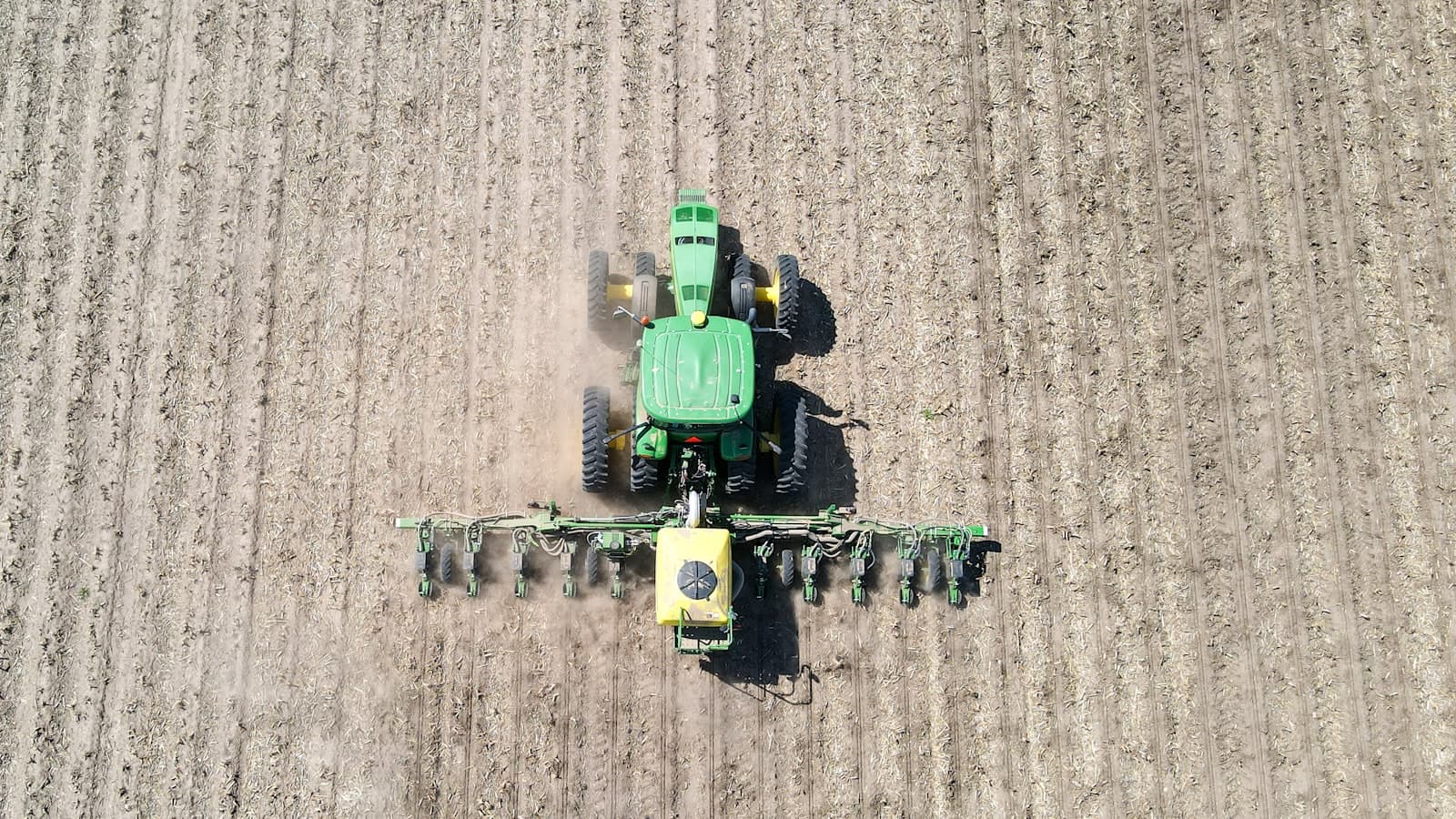
A zero-till drill saves Rs 3,000/hectare, 50 litres of diesel and lets you sow 7-10 days earlier. The one thing it demands: stop ploughing.
Vaibhav Dhama3 min readThe three-part discipline zero tillage sits inside — minimum soil disturbance, permanent residue cover and a diversified crop rotation, practised together rather than one at a time, so soil organic carbon starts recovering season on season.
The quick decision panel — everything you need before reading a single paragraph further.
What actually changes on your farm once this is in place.
Soil organic carbon rises measurably within 3–5 years of consistent residue retention and rotation.
The same diesel and labour saving as zero tillage, repeated every season across the rotation.
Residue cover cuts evaporation and improves infiltration, trimming irrigation need 15–20% over time.
A diversified rotation spreads pest, disease and market risk across more than one crop.
Improving soil structure and organic matter typically add 5–10% by the third to fifth year.
Builds a soil that keeps producing instead of depleting, the closest thing to a long-term insurance policy for the land.
The practice broken into the steps you will actually follow, in order.
Stop ploughing between crops — drill each new crop directly into the previous one's stubble.
Leave stubble on the field as permanent cover instead of removing, grazing bare or burning it.
Bring in at least one legume or a different crop family each cycle instead of repeating the same crop.
Track organic carbon and structure with a soil health card every 2–3 years to see the trend, not just one reading.
Adjust rotation and residue management based on what the soil test and yield trend actually show.
An honest read before you spend a rupee or an hour on it.
This technique against conventional practice, head to head, per acre.
Land preparation (per season)
Diesel (per season)
Fertiliser (by year 3, after legume years)
Irrigation (by year 3–5)
Conventional total
₹21,700/ha
This technique, total
₹12,500/ha
The diesel and land-prep saving shows up in season one, same as zero tillage alone; the fertiliser and water saving builds gradually as soil organic carbon and structure improve over 3–5 years.
What farmers already using this technique typically measure.
Rises measurably by year 3–5
Soil Organic Carbon
~50 L/ha every season
Diesel Saved
5–10% by year 3–5
Yield Increase
15–20% over time
Water Saved
₹6,000–₹8,000/ha across the rotation
Income Increase
Where this technique earns its keep the fastest.
Where this is already common field practice, not a pilot.
Commonly practised here
What you need to run this — most is available on hire through a Custom Hiring Centre.
What goes wrong most often, and the fix, before it costs you a season.
Where this technique sits in the crop cycle, start to harvest.
Minimum or zero tillage replaces the usual ploughing round, every season.
The season's crop, chosen as part of the rotation plan, is drilled into retained residue.
Residue mulch and improving soil structure both do quiet work here, cutting weed pressure and water stress.
This technique matters most here
No special requirement beyond standard crop management for whichever crop is in this year's rotation slot.
Residue is retained again rather than removed, closing the loop into the next season's cover.
The field issues that come up most, and how to stay ahead of them.
The numbers that decide whether this pays for itself, and how soon.
Initial Investment
₹0 (hired) or ₹80,000–1.6 lakh (owned zero-till drill)
Additional Income
₹6,000–₹8,000/ha by year 3–5
Estimated Savings
~50 L diesel/ha every season, plus falling fertiliser cost over time
ROI
Immediate on diesel; compounding from year 3 as soil health improves
Payback Period
1 season on machinery hire; 3–5 years for the full soil-health return
The schemes that fund the machinery and inputs behind this technique.
50% subsidy for an individual farmer, up to 80% for a registered group, on the Happy Seeder and balers.
Free soil testing every 2 years — the only reliable way to track the soil-carbon gain this technique builds.
Cluster-based support for farmer groups moving to sustainable, rotation-based practices.
Run the real numbers on your own field with these calculators.
Conservation agriculture vs conventional tillage, side by side.
Read guideAdjust your dose as soil organic carbon and nitrogen supply improve over the rotation.
Read guidePlan a multi-year rotation across the crops you actually grow.
Read guideTrack the real cost and saving of this technique against your own field, season on season.
Read guideLong-form reading that goes deeper on this technique and what sits beside it.
Conservation agriculture is the three-part discipline of minimum soil disturbance, permanent residue cover and a diversified crop rotation, practised together over multiple years — zero tillage is the tillage component inside it, not the whole practice.
Zero tillage is just the no-plough sowing method. Conservation agriculture adds two more commitments on top of it — keeping residue on the field permanently, and rotating crops rather than repeating one — and is judged over years, not one season.
The diesel saving is immediate, same as zero tillage alone. Soil organic carbon and structure improvement, and the yield gain that comes with it, typically show up measurably from year 3 to 5 of consistent practice.
On already-compacted soil with no correction, yield can dip in the first year or two. On normally structured soil, yield usually holds steady from season one and improves from year 3–5.
Rice-wheat systems are the classic base, with a legume (gram, moong) brought in periodically to fix nitrogen and break pest cycles. Maize also fits well in the rotation on many soils.
Mostly not — the same zero-till drill or Happy Seeder used for zero tillage covers the minimum-tillage requirement. The residue-retention and rotation parts are management decisions, not equipment purchases.
It is harder to justify — the soil-health payoff builds over 3–5 years, and a tenant on a 1-year lease will not see the benefit themselves. It suits owner-operated land or long-term leases best.
In the first year or two, decomposing residue can temporarily tie up some soil nitrogen, so a slightly higher nitrogen dose helps offset it. This corrects itself as organic matter builds up and stabilises.
The FAQs above cover the common questions. For a choice tuned to your exact soil, crop and holding size, your nearest Krishi Vigyan Kendra is the authoritative next step.