
 Farming Techniques
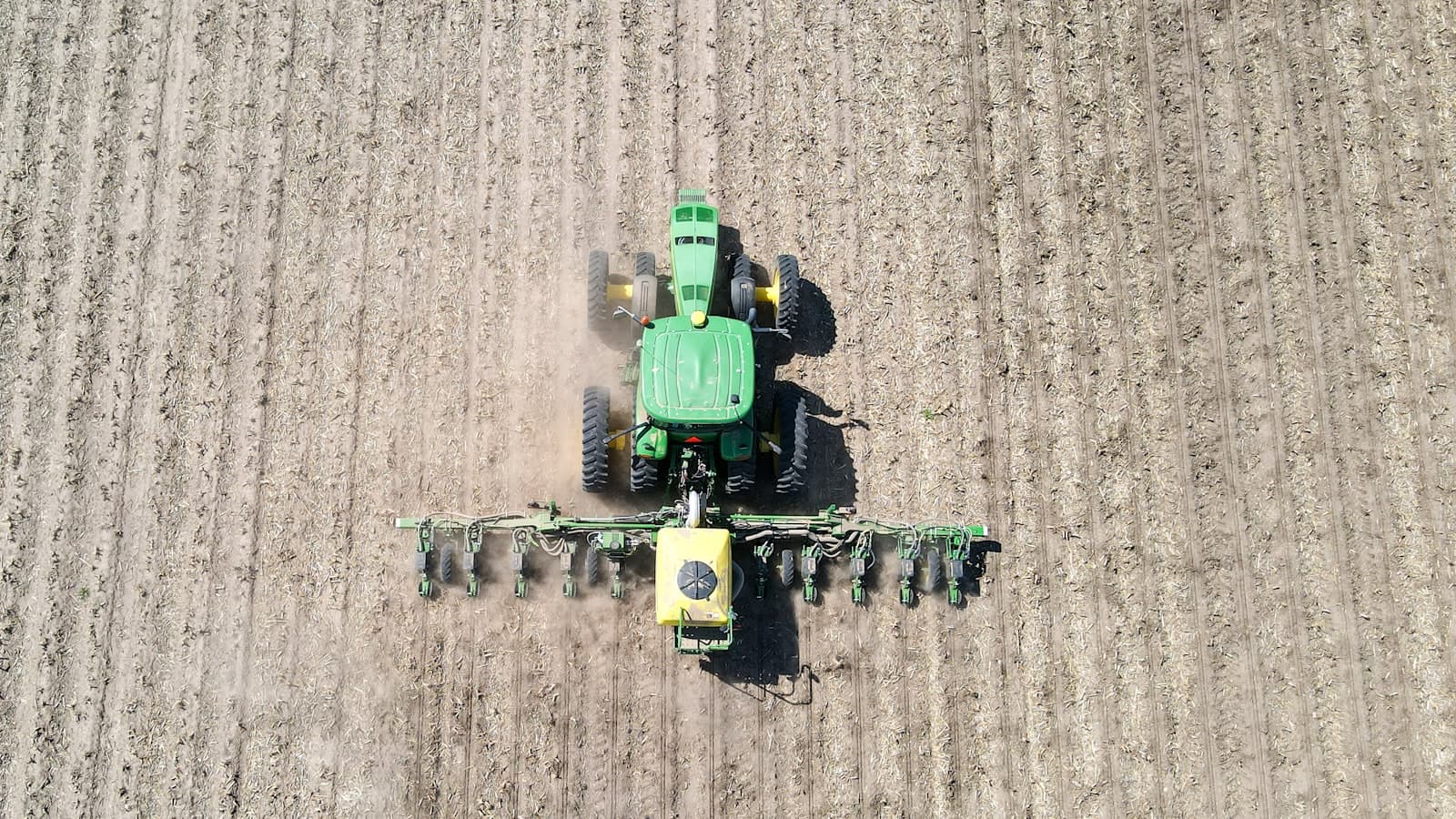
Zero Tillage: Sow Wheat Without Burning
A zero-till drill saves Rs 3,000/hectare, 50 litres of diesel and lets you sow 7-10 days earlier. The one thing it demands: stop ploughing.
Vaibhav Dhama3 min readSow several crops scattered together on the same land as rainfall insurance — if one fails in a bad monsoon, the others usually still come through, which matters more than maximising any single crop's yield.
The quick decision panel — everything you need before reading a single paragraph further.
What actually changes on your farm once this is in place.
A poor monsoon that fails one crop usually still leaves another in the mix producing something.
Needs no special machinery or input schedule beyond ordinary rainfed sowing.
A biodiverse stand uses soil moisture and nutrients across several root depths at once.
Different crops mature and demand water at slightly different times, easing peak-season pressure.
Total combined output from the mix, counted across all crops, is more stable season to season than a single gamble crop.
A traditional, zero-external-input practice long used on marginal and rainfed land.
The practice broken into the steps you will actually follow, in order.
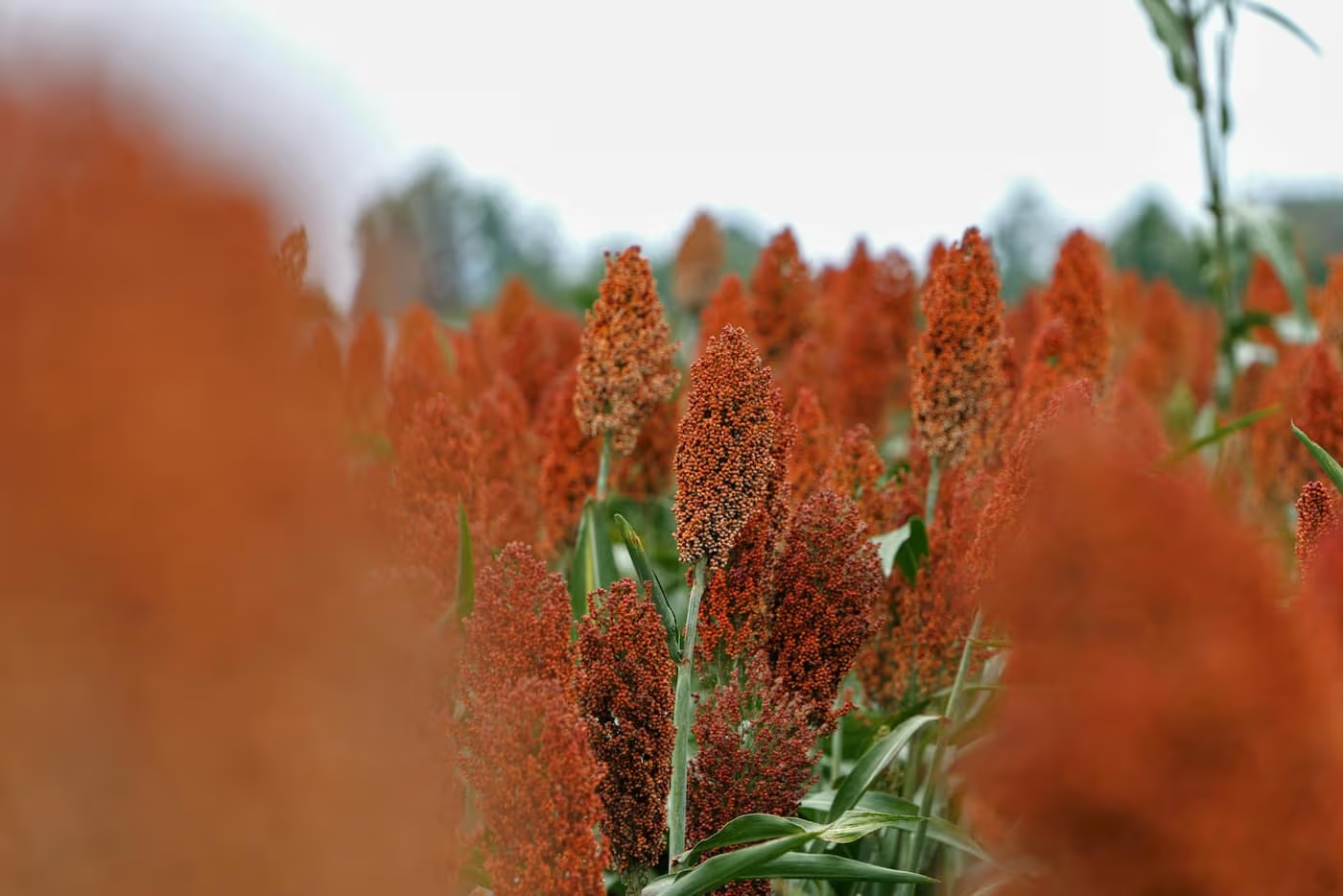
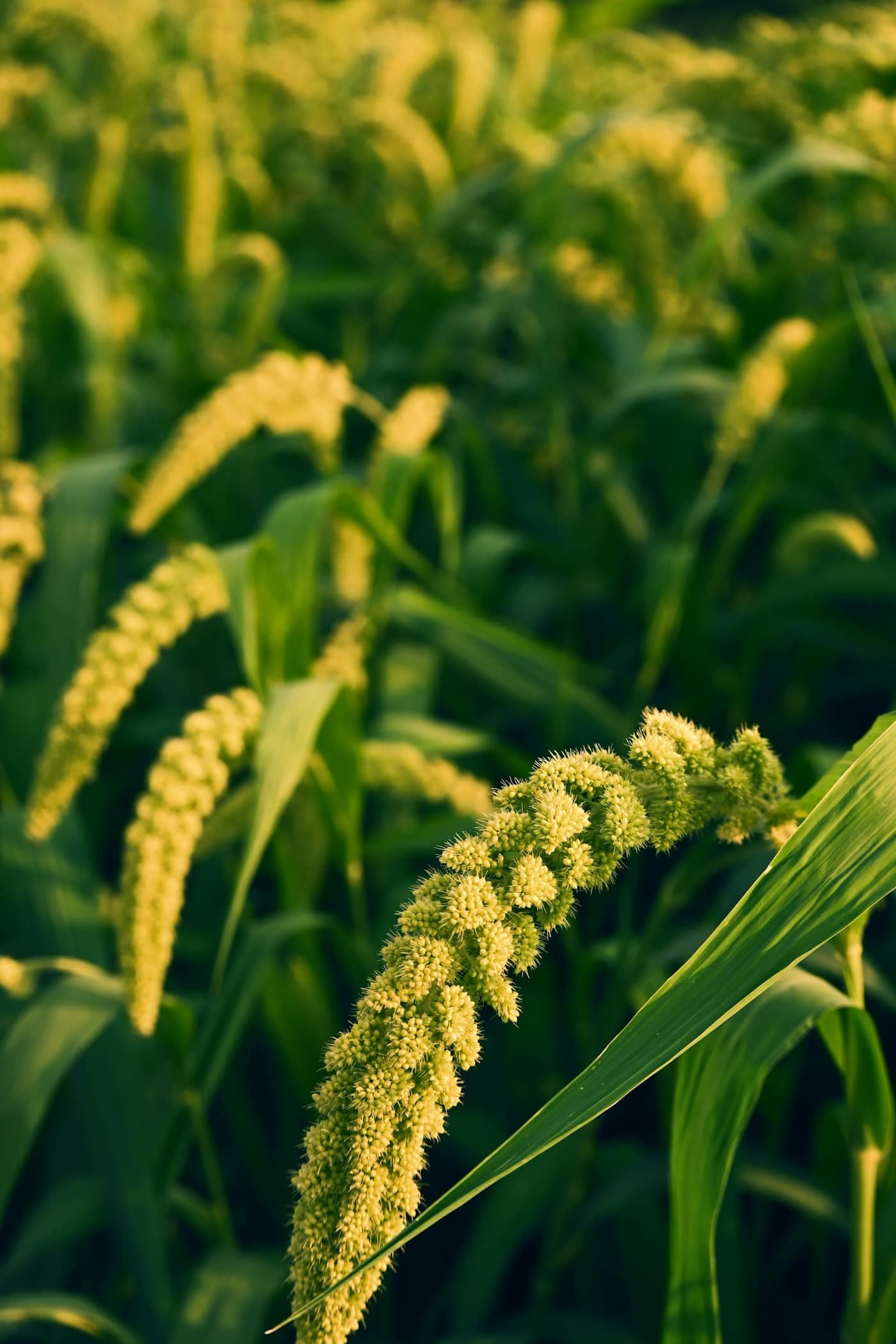
A common ratio is one main cereal (jowar or bajra) with a smaller share of a legume and an oilseed.
Seeds are typically broadcast or drilled together, without separate rows for each crop.
Weeding and any input application treats the mixed stand as one field, not crop by crop.
Crops are picked or cut as they individually reach maturity, not all at once.
Adjust the seed ratio based on which crop performed best under that year's rainfall.
An honest read before you spend a rupee or an hour on it.
This technique against conventional practice, head to head, per acre.
Seed
Input management
Conventional total
₹6,200/ha (single-crop gamble)
This technique, total
₹5,000/ha (mixed stand)
The real return is risk-adjusted, not just cost — a single-crop failure in a bad monsoon can mean zero income; a mixed stand almost always returns something from at least one crop.
What farmers already using this technique typically measure.
Sharply reduced
Total Crop Failure Risk
More consistent season to season
Combined Yield Stability
15–20% lower than a single high-input crop
Input Cost
Multiple crop types for direct use
Household Food Security
Where this technique earns its keep the fastest.
Where this is already common field practice, not a pilot.
Commonly practised here
What goes wrong most often, and the fix, before it costs you a season.
Where this technique sits in the crop cycle, start to harvest.
Minimal preparation — this technique is chosen partly because it needs little upfront investment.
Seeds are mixed in the planned proportion and broadcast or drilled together.
This technique matters most here
The mixed stand is managed as one field, with basic weeding across all crops.
Different crops in the mix flower at different times, spreading pollinator and water demand.
Each crop is harvested as it individually matures, over a spread window rather than one date.
The field issues that come up most, and how to stay ahead of them.
The numbers that decide whether this pays for itself, and how soon.
Initial Investment
₹0
Additional Income
Not maximised per crop — the return is a stabilised total across a bad season
Estimated Savings
Avoids the total-income loss of a single failed crop in a bad monsoon
ROI
Risk-adjusted, not a simple percentage — value is in the years a single crop would have failed
Payback Period
Immediate — no new spend required
The schemes that fund the machinery and inputs behind this technique.
Run the real numbers on your own field with these calculators.
Check sowing and harvest windows for each crop you are considering mixing.
Read guideWork out seed quantity for each component of your mix.
Read guideMixed cropping vs a single-crop gamble, side by side.
Read guideEstimate combined income across all crops in your mix.
Read guideLong-form reading that goes deeper on this technique and what sits beside it.
Mixed cropping sows several crop species scattered together on the same land, without a fixed row structure, mainly as insurance against a total crop failure in an unpredictable monsoon — if one crop fails, another in the mix usually still comes through.
Intercropping sows two crops in a planned, fixed row ratio for separate management and harvest. Mixed cropping scatters several crops together with no row structure, prioritising risk-spreading over the yield optimisation intercropping aims for.
Yes, each individual crop in the mix typically yields less than it would grown alone — the trade-off is a more stable total output across a bad season, not a higher yield of any single crop.
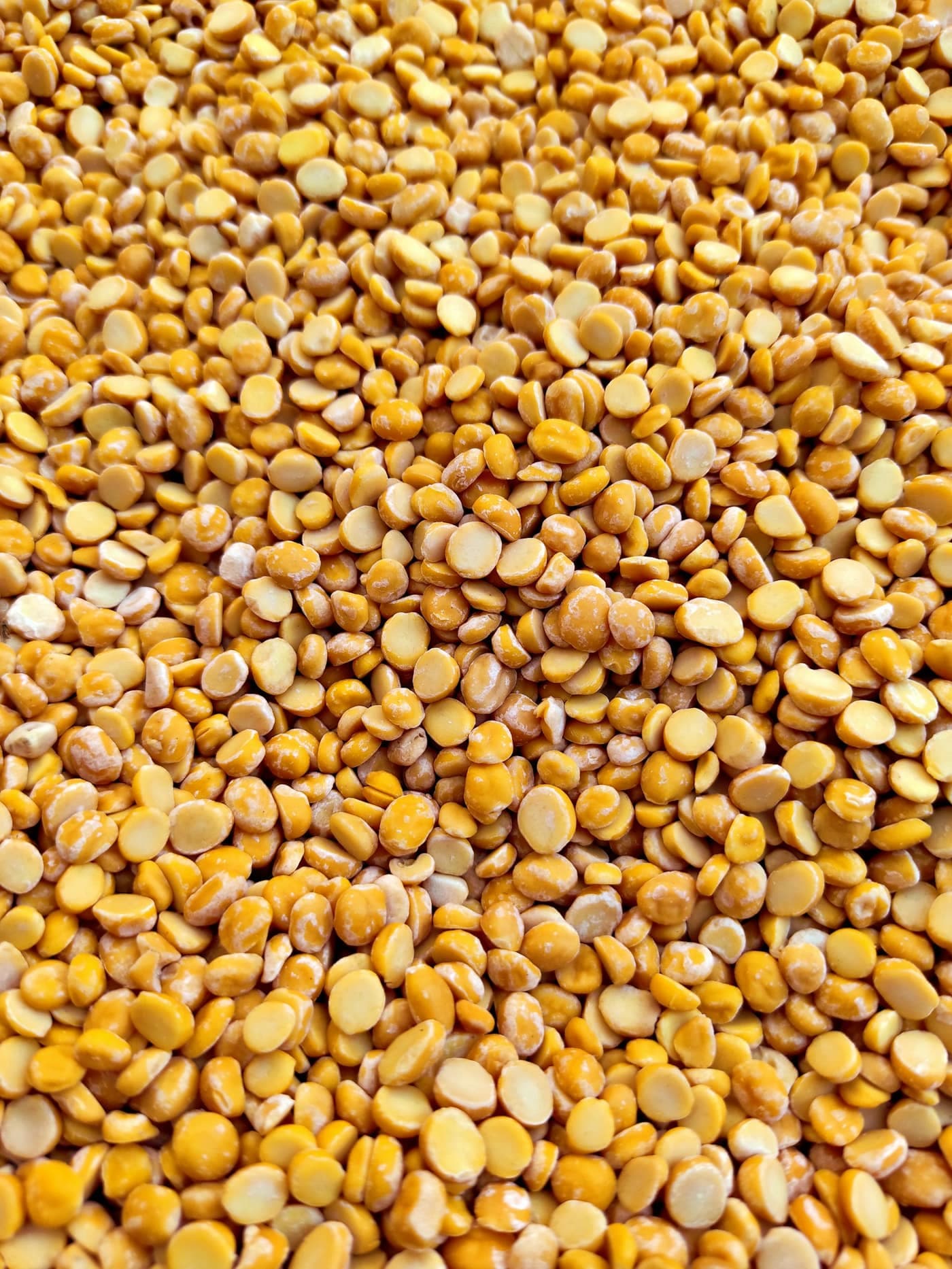
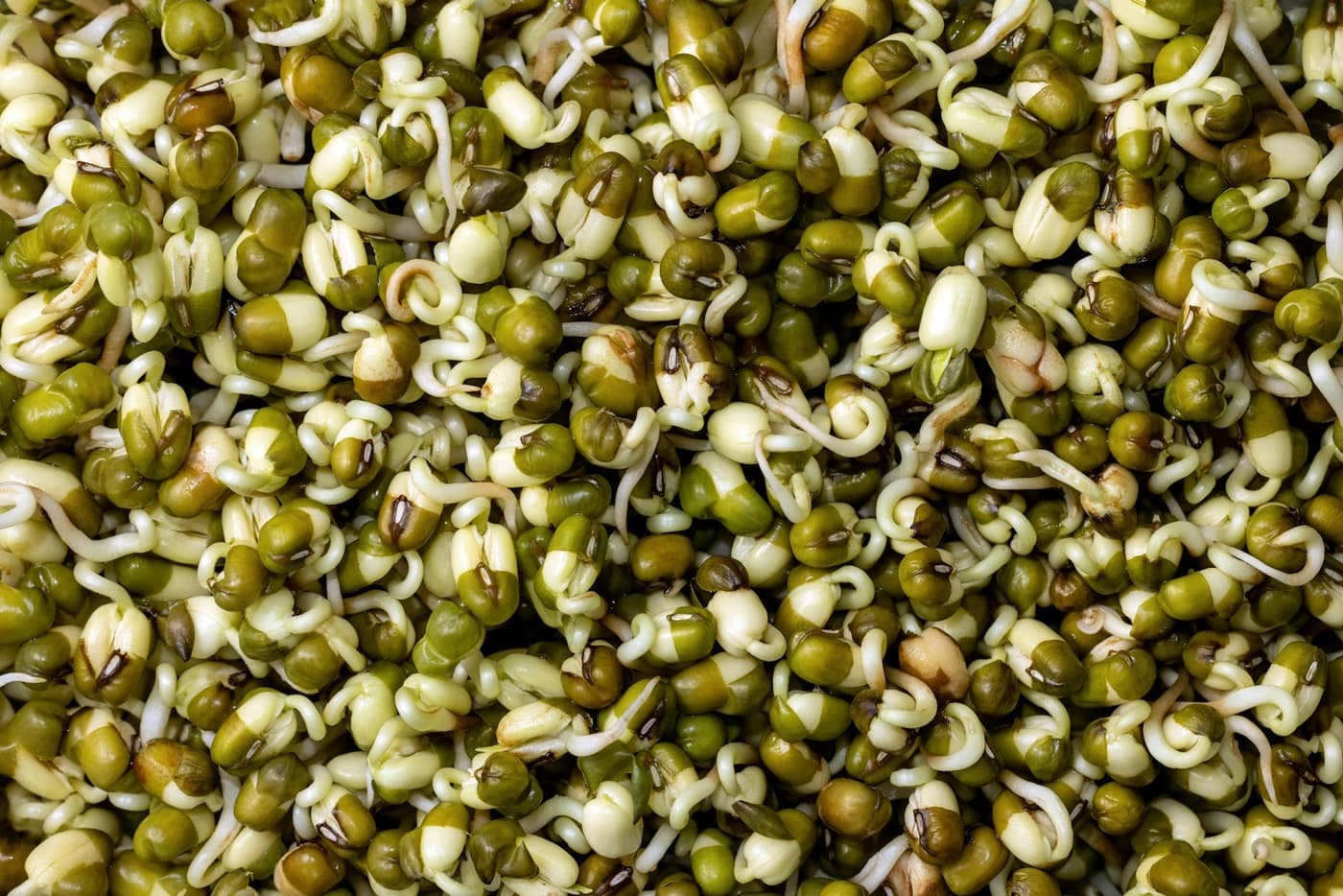
Jowar or bajra as the main cereal, with arhar or moong as a smaller legume component, is a common combination on rainfed land in Rajasthan, Madhya Pradesh and Uttar Pradesh.
It suits rainfed and marginal land best, where rainfall uncertainty is the actual risk being managed. On assured irrigation, a planned intercropping or single high-value crop usually gives a better return.
Each crop from the mix is typically sold separately through its own usual market channel — mixed cropping produces several smaller crop lots rather than one uniform bulk lot.
Keep no single crop above roughly 50–60% of the seed mix, so a failure in the dominant crop still leaves a meaningful yield from the others — the whole point of the technique is spreading that risk.
No — it needs only ordinary rainfed sowing tools, since seeds are broadcast or drilled together without row-specific machinery.
The FAQs above cover the common questions. For a choice tuned to your exact soil, crop and holding size, your nearest Krishi Vigyan Kendra is the authoritative next step.