Skip to content
Technical Kisanखेती, तकनीक के साथ
Relay CroppingAdvancedLow InvestmentExtra Crop

Relay Cropping — Complete Guide for Indian Farmers

Sow the next crop into the standing one before it is harvested, so the new crop is already established the moment the field clears — one extra short-duration crop a year, without waiting for a fresh sowing window.
Best for:
Mustard, lentil or moong sown into standing paddy
6 min read
Updated:
3 August 2026
Compare Techniques
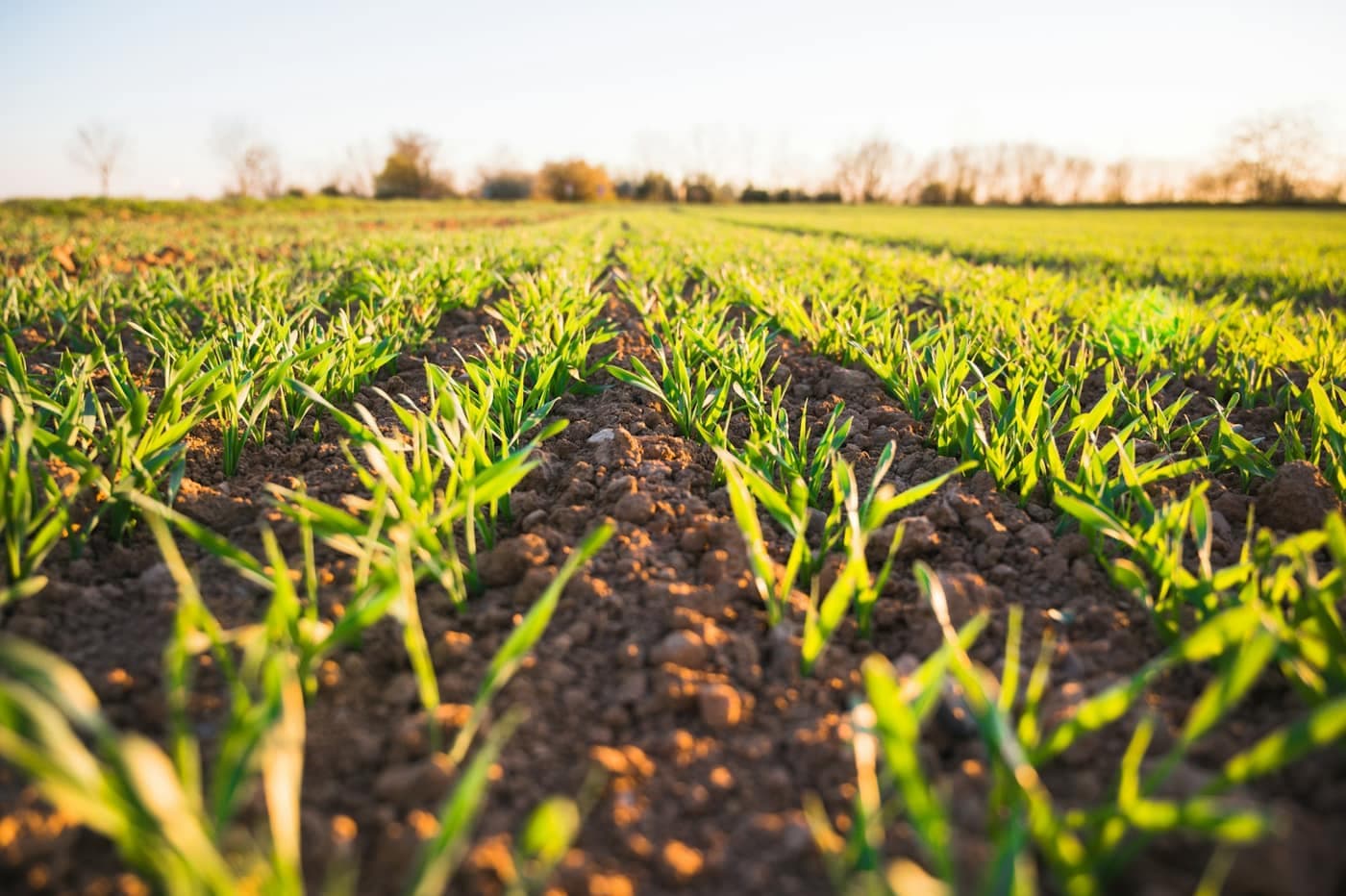
Rows of young cereal seedlings emerging from freshly tilled soil

At a Glance

The quick decision panel — everything you need before reading a single paragraph further.

Difficulty
Advanced — timing is everything
Investment
Low — extra seed and labour only
Cost Savings
15–20 days saved per cycle
Yield Improvement
One full extra short-duration harvest
Water Saving
Uses residual moisture from the standing crop
Labour Saving
None — needs careful hand broadcasting
Best Season
2–3 weeks before the standing crop's harvest
Suitable Crops
Mustard, lentil, moong
Suitable States
West Bengal, Bihar, Uttar Pradesh
Equipment Required
None — hand broadcasting

Quick Benefits

What actually changes on your farm once this is in place.

  • Higher Yield

    One extra short-duration crop a year from the same field, without a separate sowing window.

  • Better Resource Utilization

    Uses the residual soil moisture from the standing crop instead of needing a fresh irrigation cycle to establish.

  • Lower Farming Cost

    Skips a full round of land preparation between the two crops entirely.

  • Sustainable Farming

    Keeps the soil continuously covered by a growing crop, cutting the fallow period to nearly zero.

  • Reduced Risk

    An early-established relay crop is less exposed to a late, compressed sowing window than a crop sown after full harvest.

  • Higher Yield

    Timely establishment inside the standing crop's moisture often out-yields the same crop sown late after clearing the field.

How It Works

The practice broken into the steps you will actually follow, in order.

  1. Identify the right window

    The standing crop should be roughly 2–3 weeks from harvest, with the canopy starting to thin.

  2. Broadcast the relay crop seed

    Seed is hand-broadcast into the standing crop, relying on residual soil moisture to germinate.

  3. Withdraw irrigation from the standing crop

    The first crop's final irrigation is timed to also give the relay crop's seed enough moisture to establish.

  4. Harvest the standing crop carefully

    Cut the first crop by hand or carefully by machine to avoid trampling the young relay seedlings underneath.

  5. Manage the relay crop alone

    Once the field clears, the relay crop is already established and grows on as the sole crop.

Should You Use This Technique?

An honest read before you spend a rupee or an hour on it.

Recommended If

  • You have a short window between two cropping seasons that a fresh sowing cannot use
  • You want one extra short-duration crop a year without extending your land
  • You have careful labour available for hand broadcasting into a standing crop
  • Soil moisture at the relay-sowing window is genuinely sufficient
  • You are growing mustard, lentil or moong after paddy

Not Recommended If

  • You use mechanised harvest that would damage young relay seedlings underneath
  • Soil moisture is already too low at the point you would need to broadcast
  • The two crops have very different water needs that cannot be reconciled at the transition
  • Labour available is not skilled enough for precise, even broadcasting
  • You are under a single-crop specialisation contract for that field

Cost & Profit Analysis

This technique against conventional practice, head to head, per acre.

  • Land preparation for the relay crop

    Conventional total
    ₹3,500/ha
    This technique, total
    ₹0/ha
  • Seed

    Conventional total
    ₹1,800/ha
    This technique, total
    ₹2,000/ha
  • Labour (broadcasting vs drilling)

    Conventional total
    ₹1,200/ha
    This technique, total
    ₹1,600/ha

Conventional total

₹6,500/ha (relay crop sown after full harvest)

This technique, total

₹3,600/ha (relay-sown into standing crop)

Skipping land preparation is the main saving, but the bigger value is the 15–20 days of growing time the relay crop gains over sowing it after the field fully clears.

Expected Results

What farmers already using this technique typically measure.

  • 15–20 days per cycle

    Time Saved

  • 1 additional short-duration harvest/year

    Extra Crop

  • 100% for the relay crop

    Land Prep Saved

  • From an otherwise unused window

    Income Increase

Suitable Crops

Where this technique earns its keep the fastest.

Suitable States

Where this is already common field practice, not a pilot.

  • Jammu and Kashmir
  • Himachal Pradesh
  • Punjab
  • Uttarakhand
  • Haryana
  • Delhi
  • Uttar Pradesh
  • Rajasthan
  • Bihar
  • Jharkhand
  • West Bengal
  • Sikkim
  • Assam
  • Arunachal Pradesh
  • Meghalaya
  • Nagaland
  • Manipur
  • Mizoram
  • Tripura
  • Gujarat
  • Madhya Pradesh
  • Chhattisgarh
  • Maharashtra
  • Odisha
  • Goa
  • Telangana
  • Andhra Pradesh
  • Karnataka
  • Kerala
  • Tamil Nadu
  • Puducherry
  • Ladakh
  • Chandigarh

Commonly practised here

Common Mistakes

What goes wrong most often, and the fix, before it costs you a season.

  • Broadcasting too early or too late

    Why it happens
    The window is judged by calendar date rather than the standing crop's actual canopy and moisture condition.
    Possible impact
    Too early and the seed is shaded out under a full canopy; too late and soil moisture has already dropped too far to germinate.
    Fix
    Judge the window by canopy thinning and soil moisture at the time, not a fixed date from last year.
  • Uneven broadcasting

    Why it happens
    Hand broadcasting into a standing crop is rushed to finish before the crop is harvested.
    Possible impact
    Patchy germination leaves bare gaps that weeds fill once the field clears.
    Fix
    Broadcast in a deliberate, even pattern, walking a consistent line spacing through the standing crop.
  • Harvesting the standing crop carelessly

    Why it happens
    Standard harvest technique is used without accounting for the young relay seedlings underneath.
    Possible impact
    Trampling or machine damage during harvest can wipe out a meaningful share of the relay stand.
    Fix
    Harvest by hand where the relay crop is visible, or set machine harvest height and pattern to minimise ground disturbance.
  • Not adjusting the first crop's final irrigation

    Why it happens
    The standing crop's irrigation schedule is kept exactly as it always is, without factoring in the relay crop underneath.
    Possible impact
    The relay seed either does not get enough moisture to germinate, or the standing crop is over-watered near its own harvest.
    Fix
    Time the final one or two irrigations of the standing crop to double as the relay crop's germination moisture.

Seasonal Timeline

Where this technique sits in the crop cycle, start to harvest.

  1. Land Preparation

    None needed for the relay crop — this step is what relay cropping is designed to skip.

  2. Sowing

    The relay crop is broadcast into the standing crop roughly 2–3 weeks before its harvest.

    This technique matters most here

  3. Vegetative Stage

    The relay seedlings establish under a thinning canopy while the standing crop finishes maturing.

  4. Flowering

    The standing crop is harvested here, and the relay crop takes over the field as the sole crop.

  5. Harvest

    The relay crop, now well-established, continues to its own harvest on its normal timeline.

Problems & Solutions

The field issues that come up most, and how to stay ahead of them.

Poor germination of the relay crop
Cause
Insufficient soil moisture at broadcasting time, or seed sitting on too dry a surface layer.
Fix
Time broadcasting to just before or right after the standing crop's second-to-last irrigation, when surface moisture is highest.
Prevention
Track soil moisture, not just the calendar, when deciding the exact broadcasting date each season.
Relay seedlings damaged during the first crop's harvest
Cause
Harvest of the standing crop tramples or cuts into the young relay stand below.
Fix
Where damage is patchy, oversow the affected patches immediately after harvest to fill gaps.
Prevention
Choose a harvest method and timing for the standing crop that minimises ground disturbance.
Relay crop competes with the standing crop for the last irrigation
Cause
Both crops need water at the same moment, but only one irrigation event is planned.
Fix
Give a single, well-timed irrigation that serves both — the standing crop's finishing needs and the relay crop's germination.
Prevention
Choose relay crop pairs with genuinely compatible water needs at the transition point.
Weeds establish faster than the relay crop after harvest
Cause
The bare, newly cleared field after the standing crop's harvest favours fast-germinating weeds over the already-established but still small relay crop.
Fix
A light hand-weeding pass right after the standing crop is cleared gives the relay crop a clean start.
Prevention
A well-established, even relay stand out-competes weeds far better than a patchy one — even broadcasting matters here too.

Economics

The numbers that decide whether this pays for itself, and how soon.

  • Initial Investment

    ₹1,600–₹2,000/ha (seed and broadcasting labour)

  • Additional Income

    The full value of an extra short-duration crop's harvest

  • Estimated Savings

    ₹3,500/ha in skipped land preparation for the relay crop

  • ROI

    80–120% against the alternative of leaving the window unused

  • Payback Period

    Same season

Government Support

The schemes that fund the machinery and inputs behind this technique.

Related Farming Tools

Run the real numbers on your own field with these calculators.

Frequently Asked Questions

What is relay cropping?

Relay cropping sows the next crop directly into the standing previous crop, roughly 2–3 weeks before it is harvested, so the new crop is already established the moment the field clears — instead of waiting to sow after the first crop is fully off the field.

What is the main benefit of relay cropping?

It captures a growing window that would otherwise be lost to land preparation and a fresh sowing cycle, typically adding one extra short-duration crop a year and saving 15–20 days per cycle.

Which crops are commonly relay-sown in India?

Mustard, lentil and moong are commonly relay-sown into standing paddy in eastern India, especially West Bengal, Bihar and Uttar Pradesh, where the paddy-to-rabi window is otherwise tight.

How is relay cropping different from intercropping?

Intercropping grows two crops together for their full overlapping duration in planned rows. Relay cropping only overlaps briefly — the relay crop is sown just before the first crop's harvest, then grows on alone once the field clears.

Does relay cropping need special machinery?

No — the relay crop is typically hand-broadcast into the standing crop, which needs no machinery, though the standing crop's own harvest needs care to avoid damaging the young relay seedlings.

What is the right time to broadcast the relay crop?

Roughly 2–3 weeks before the standing crop's harvest, when its canopy is starting to thin and soil moisture is still sufficient for the new seed to germinate — timing by canopy and moisture condition, not a fixed calendar date.

Can relay cropping fail?

Yes, mainly from poor germination if soil moisture is too low at broadcasting time, or from seedling damage during the standing crop's harvest — both are manageable with careful timing and harvest technique.

Is relay cropping suitable for a small farmer?

Yes — it needs no machinery investment, just careful hand labour and correct timing, which makes it accessible to smallholders looking to add a crop cycle without extra land or equipment.

Still deciding?

The FAQs above cover the common questions. For a choice tuned to your exact soil, crop and holding size, your nearest Krishi Vigyan Kendra is the authoritative next step.