Selling Crops at APMC Mandis: Your Rights
Weighment, quality assay, open auction, a signed receipt - every step an APMC transaction skips is a step where a farmer gets underpaid.
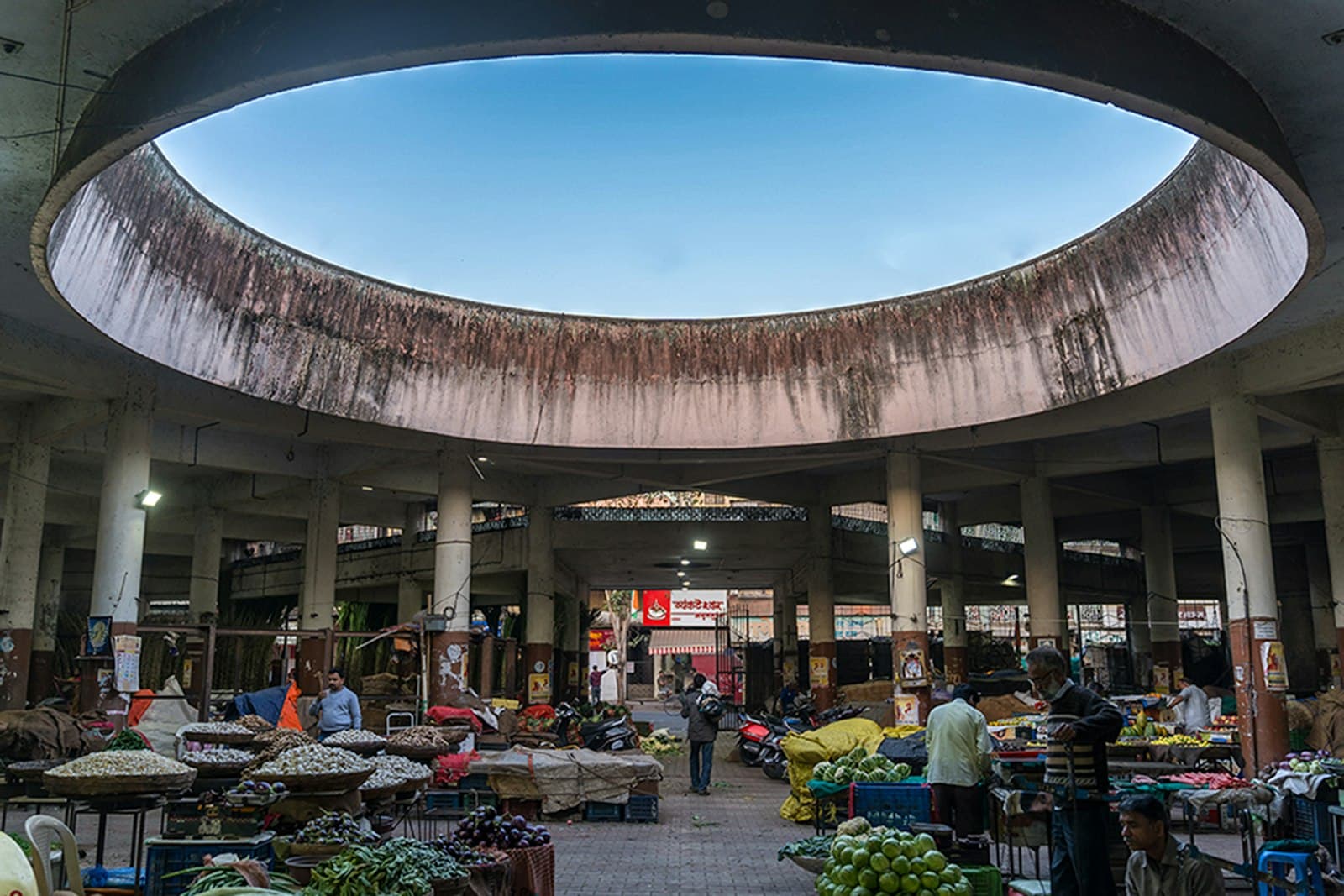
An APMC mandi transaction has a defined sequence — and every part of that sequence exists specifically to make the price transparent and enforceable. Knowing the steps is what lets a farmer tell the difference between a fair sale and a rushed one.
The sequence a legitimate sale follows
- Arrival and unloading — produce arrives at the mandi yard, typically very early in the morning when trading opens.
- Weighment — the lot is weighed on a certified scale, and the recorded weight is what the final price is calculated against.
- Quality assay — a commission agent or market official grades the produce by visible quality, which directly affects the price it commands in the auction.
- Open auction — registered traders bid on the lot; in principle this is a competitive, transparent process, and price is meant to be set by that competition, not by the first number offered.
- Sale receipt (patti) — a document recording the weight, the agreed price, and every deduction, issued to the seller.
- Payment — settled with the seller, often through the commission agent, within a timeline the state's APMC act specifies.
Know the deductions before you agree to a price
A market fee (mandi cess) set by the state act, a commission agent's fee if one was used, and sometimes a separate weighment or handling charge are all standard and legitimate — but they should be itemised on the patti, not folded silently into a lower headline price. A quoted price with no visible breakdown of what was deducted from it is worth questioning before accepting.
Your rights inside the process
- The right to watch the auction — a farmer is entitled to be present while their lot is bid on, not simply told the outcome afterward.
- The right to an itemised sale receipt — the patti should show weight, price and every deduction clearly, and is your record if a dispute arises later.
- The right to prompt payment — most state APMC acts specify a payment timeline; a commission agent sitting on payment well past that window is a legitimate complaint to the mandi's market committee, not something to simply accept.
Checking the price before you sell, not after
Walking into a mandi with no idea what the crop is fetching elsewhere is the single easiest way to accept an unfair price. Checking the current modal price across mandis before selling — and understanding why the same crop can price differently mandi to mandi on the same day — puts a real number in hand before the first bid is made, not after.
Where eNAM changes the picture
At mandis integrated with e-NAM, the buyer pool for the same auction extends beyond whoever physically showed up that day, which can genuinely improve price discovery. This only applies where your local APMC has actually been integrated — check before assuming the wider bidding pool is available to you.
The one sentence version
A fair APMC sale is a transparent auction against a checked reference price, ending in an itemised receipt and prompt payment — and every one of those steps that gets skipped is a step where the price quietly moves against the farmer.
Frequently asked questions
What deductions should I expect on an APMC sale?
Typically a market fee (mandi cess) set by the state APMC act, a commission agent fee if you sold through one, and sometimes a weighment or handling charge. These should all appear itemised on your sale receipt (patti) — a price with no visible breakdown of deductions is worth questioning.
Can I sell outside the APMC mandi system?
Rules vary by state and have shifted over the past several years, with some states relaxing the requirement to sell only through APMC yards. Check your specific state's current APMC act or contact your local mandi office to confirm what is permitted before assuming either the old or the reformed rule applies.

Written by
Vaibhav Dhama
Founder, Technical Kisan
Vaibhav Dhama is the founder of Technical Kisan. He writes from Baghpat, Uttar Pradesh, and builds each guide on ICAR and state agricultural university guidance, official government scheme notifications, and live mandi-price data.
- Writes from Baghpat, Uttar Pradesh
- Software developer (BTech, 2021)
- Not a trained agronomist — confirm with your KVK
Discussion is coming soon
We are building a comments section where you can ask a question about this guide and see what other farmers in your district are doing.
For now, write to us at [email protected] — we read every message.